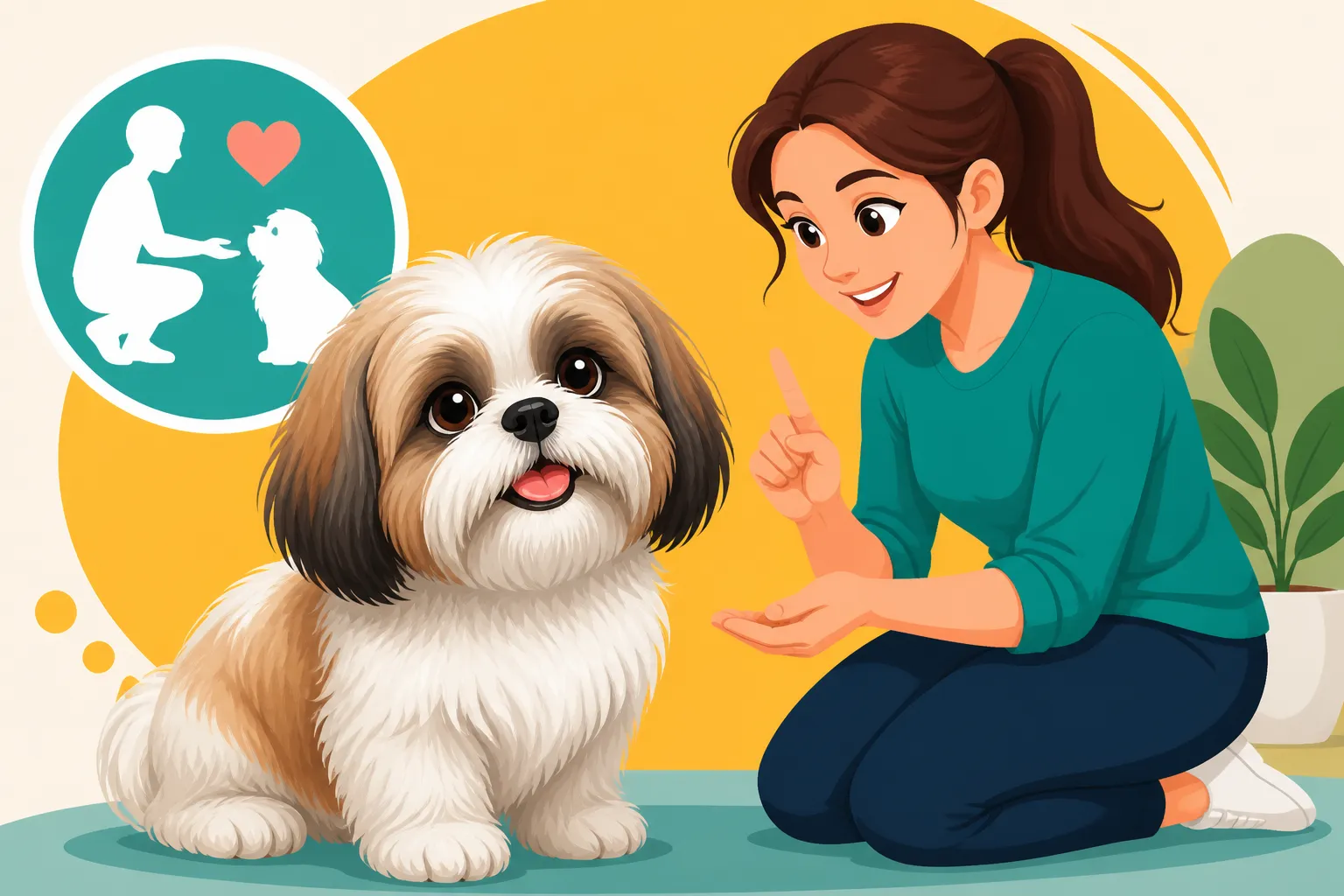
Starting Training With an Adopted Adult Shih Tzu
Bringing an adopted adult Shih Tzu into your home is a truly heartwarming experience, full of joy and new beginnings. However, it also often comes with a unique set of challenges. Unlike puppies whose histories you know from day one, an adult rescue might carry a lifetime of unknown experiences, habits, and anxieties, which can make initial training feel overwhelming. This guide is here to walk you through how to approach training with patience, understanding, and the right strategies to help your new furry family member settle in and thrive.
Understanding Your Adopted Adult Shih Tzu's Past
One of the biggest hurdles when you adopt an adult Shih Tzu is the vast unknown. You’re inviting a sweet soul into your life, but you don't have the full picture of where they've been or what they've learned—or not learned—along the way. This isn't a reason to shy away from adoption, but it does mean you need to approach their early days with extra compassion and a detective's mindset.
The Unknown History and Its Impact
Imagine stepping into a brand new life where everyone speaks a different language and expects you to know unspoken rules. That's a bit what it's like for an adopted adult Shih Tzu. They might have come from a loving home that simply couldn't keep them, a neglectful situation, a noisy shelter, or even a puppy mill. Each of these backgrounds leaves its own unique imprint. You might not know if they were house trained consistently, if they were socialized with other dogs or children, or if they had specific fears that were never addressed. This lack of information means you have to start with a clean slate, observing everything and making no assumptions.
Their past experiences can manifest in unexpected ways. A dog that was rarely handled might be fearful of grooming or being picked up, a common need for a Shih Tzu. One that spent a lot of time alone might develop separation anxiety. Some might have never learned basic cues like "sit" or "stay," while others might have learned commands in a language you don't speak, or with methods that were harsh and now make them hesitant to engage. The key is to be a keen observer, watching their reactions to different stimuli and slowly piecing together their personal history through their behavior. This isn't about blaming their past, but understanding how it shapes their present actions so you can guide them forward.
Common Behavior Challenges in Adult Rescues
It's common for adopted adult Shih Tzus to exhibit certain behaviors that require careful, patient attention. One of the most frequent issues is house training regression or a complete lack of it. Even if they were previously house trained, the stress of a new environment can cause them to forget their manners. You might find urine accidents inside, or marking behavior if they weren't neutered or spayed early on. This isn't defiance; it's often anxiety or simply not understanding where the 'toilet' is in their new world.
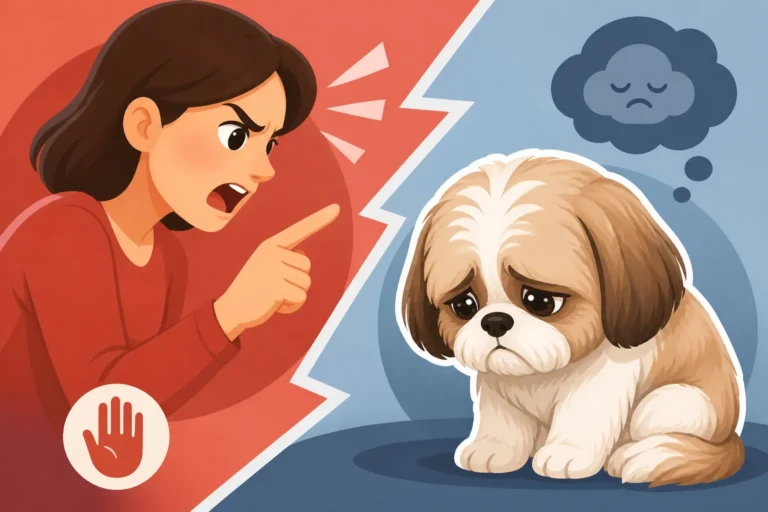
Other challenges can include leash reactivity—barking or lunging at other dogs or people on walks—which could stem from poor socialization or past negative experiences. Some Shih Tzus might guard resources like their food bowl, toys, or even your lap, a behavior often developed when resources were scarce in their previous life. You might also encounter fear-based behaviors, such as hiding from loud noises, new people, or specific objects, or a general shyness that makes them retreat from interaction. Addressing these behaviors effectively means recognizing their root cause and responding with understanding rather than punishment. For more on what your new companion might need, you might find The Puppy Check a Shih Tzu Needs at Eight Weeks helpful even for an adult, to understand basic health and behavioral baselines.
Building Trust and a Foundation for Training
Before you even think about teaching "sit" or "stay," your primary goal with an adopted adult Shih Tzu should be to establish trust and create a sense of security. This foundation is crucial for any successful training that follows. Without trust, your dog will be constantly on edge, less receptive to learning, and more likely to revert to old habits when stressed.
Creating a Safe and Predictable Environment
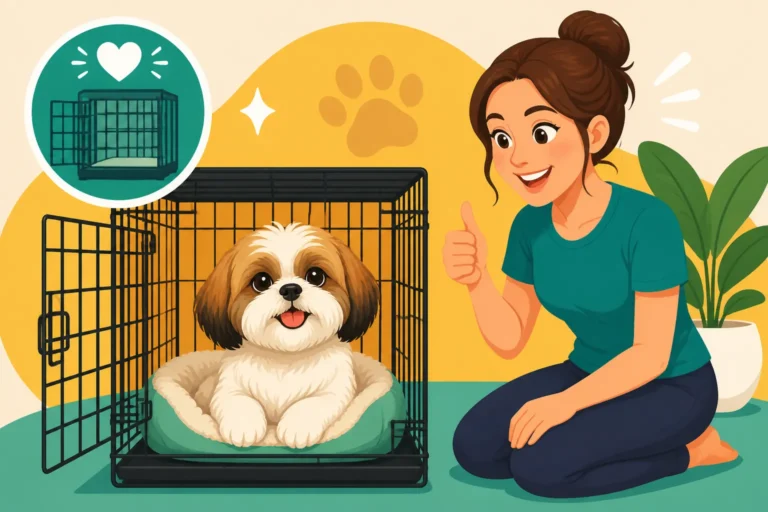
A stable routine and a designated safe space are paramount for helping an adopted Shih Tzu decompress and feel secure. When they first arrive, everything is new and potentially scary. Provide them with a comfortable, cozy bed in a quiet corner where they can retreat. A crate can be incredibly beneficial here, not as a punishment, but as their personal den. Introduce it positively with treats and soft bedding. This enclosed space becomes their sanctuary, a place where they can feel safe and unbothered. Many excellent options for comfortable beds and secure crates can be found on platforms like Amazon, making it easy to set up their perfect retreat from day one.
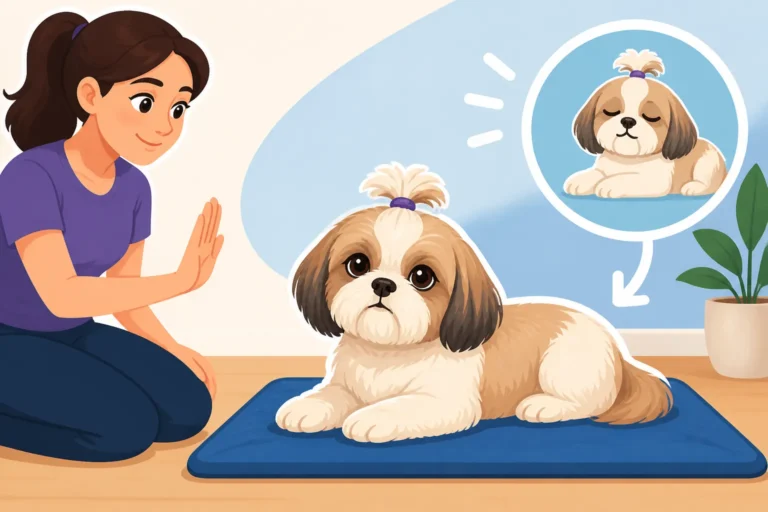
Beyond a physical safe space, a predictable daily routine works wonders. Feed them at the same times each day, take them out for potty breaks on a consistent schedule, and establish regular play or cuddle times. This predictability helps reduce anxiety because they begin to understand what to expect from their new life. Gentle handling is also essential. Avoid sudden movements or loud voices, especially in the beginning. Approach them slowly, offer a treat, and let them come to you on their own terms. Building this sense of safety and predictability is the first step in helping your Shih Tzu realize they are finally home and truly safe.
The Power of Positive Reinforcement
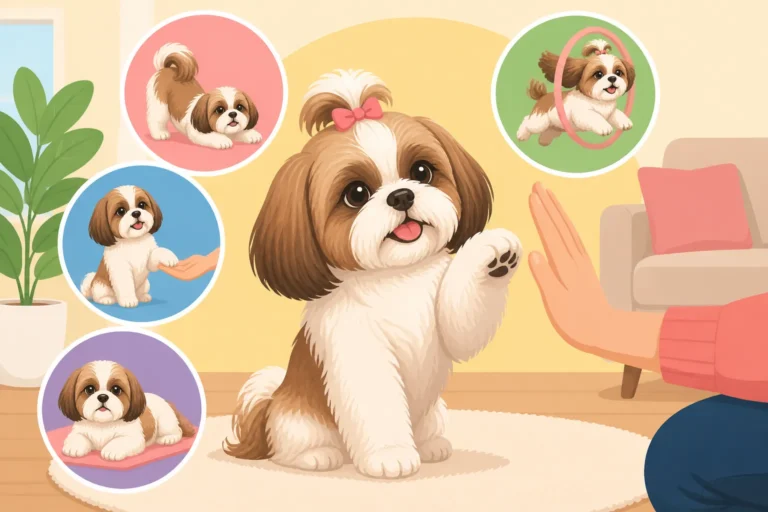
Positive reinforcement is not just a training method; it's a philosophy, and it's particularly vital for adopted adult dogs who might have a history of uncertainty or even harsh treatment. It means rewarding the behaviors you want to see, rather than punishing the ones you don't. When your Shih Tzu does something right – whether it's looking at you when called, sitting calmly, or even just offering a soft sniff instead of a bark – immediately reward them with something they value. This could be a tiny, high-value treat, enthusiastic praise, a favorite toy, or a gentle scratch behind the ears.
This approach builds a strong, positive association with you and with the training process itself. Instead of fearing what might happen if they get it wrong, they learn that engaging with you and trying new things leads to good outcomes. For an adult dog with an unknown past, this can be incredibly healing, helping them to overcome past anxieties and develop confidence. If you're new to this approach or want structured guidance, resources like the BAXTER & Bella online dog training program can offer comprehensive, step-by-step instructions on implementing positive reinforcement effectively, providing valuable tools for working with a sensitive adopted adult. Remember, you’re not just training commands; you’re teaching them that the world, and especially you, can be a safe and rewarding place.
Key Training Areas for Adopted Adult Shih Tzus
Once a baseline of trust and comfort is established, you can begin to focus on specific training areas. Remember, with an adopted adult, you're not just teaching new behaviors, but often re-teaching or refining existing ones, or even working to undo ingrained habits.
Re-establishing House Training Habits
This is often one of the most pressing concerns for new adoptive parents. Even if your Shih Tzu was reportedly house trained, a new environment can throw them off. Start from scratch as if you have a brand new puppy. Implement a strict potty schedule: first thing in the morning, after every meal and drink, after waking from a nap, before bed, and several times in between. Take them out frequently, ideally to the same spot, and wait patiently. When they eliminate outside, offer immediate, enthusiastic praise and a high-value treat. Make it the best thing that happens all day!
| Time of Day | Action to Take | Notes |
|---|---|---|
| First thing in AM | Immediate outdoor potty break | Even before your coffee! |
| After meals/drinks | Outdoor potty break within 10-15 mins | Digestion stimulates bowel movements. |
| After naps | Outdoor potty break | They often need to go after resting. |
| Before bed | Final outdoor potty break | Empty bladder before a long sleep. |
| Every 2-3 hours | Regular check-ins/potty breaks | Adjust frequency based on your dog's size and individual needs. |
| After exciting play | Outdoor potty break | Excitement can sometimes lead to accidents. |
If accidents happen indoors, clean them thoroughly with an enzymatic cleaner (available on Amazon) to remove all traces of odor, which can encourage repeat behavior. Never punish your dog for an indoor accident; they don't understand it as 'wrong' but rather as a mistake made in the wrong place. Punishment can lead to fear and secretive urination. Instead, calmly interrupt them if you catch them in the act, gently lead them outside, and reward heavily if they finish their business there. For more specific guidance on timing, refer to A Shih Tzu Potty Schedule by Week. Should you encounter accidents, thorough cleaning is key, as discussed in Cleaning Shih Tzu Accidents Properly. Some owners also find indoor potty options helpful, like pee pads or grass patches, especially for very small breeds or during inclement weather, but the ultimate goal should always be outdoor elimination if possible.
Leash Manners and Safe Outdoor Experiences
Walking on a leash might be a brand new concept for some adopted Shih Tzus, while others might have developed problematic behaviors like pulling, barking, or lunging. For a Shih Tzu, a harness is almost always preferable to a collar, as their delicate throats and brachycephalic (flat) faces make collars a risk for breathing issues and tracheal collapse. Invest in a well-fitting harness that doesn't put pressure on their neck. You can find many comfortable and secure options on Amazon. Why a Shih Tzu Should Wear a Harness Not a Collar delves deeper into this important topic.
Start by practicing in a quiet area, even just inside your home or backyard. Let your Shih Tzu get used to wearing the harness. Then, with treats in hand, reward them for walking calmly by your side. If they pull, stop walking immediately. Only resume when the leash slackens. This teaches them that pulling gets them nowhere, while a loose leash means forward progress. If your dog exhibits leash reactivity (barking at other dogs or people), it’s crucial to manage their environment by creating distance from triggers and using positive reinforcement to reward calm behavior. Gradually reduce the distance as they become more comfortable. This process takes immense patience and consistency. For a detailed approach to keeping your Shih Tzu from dragging you along, check out Teaching a Shih Tzu to Walk Without Pulling.
Addressing Specific Behavioral Quirks
Many adopted adults come with specific quirks or challenges. Perhaps your Shih Tzu has developed separation anxiety and panics when left alone. Start with very short periods of absence, gradually increasing the time, and ensure their safe space is available. Give them a puzzle toy or a long-lasting chew to keep them occupied during these short departures. The Signs a Shih Tzu Cannot Settle Alone can help you recognize the early indicators, and Building Alone Time for a Shih Tzu provides a structured approach.
If your Shih Tzu displays guarding behaviors over food, toys, or even furniture, avoid direct confrontation. Instead, work on a "trade-up" system: offer something even more valuable (a super tasty treat) for the item they are guarding. This teaches them that giving things up results in something better. This approach is explored further in A Shih Tzu That Guards a Toy. For fearful behaviors, like shying away from certain sounds or people, gentle desensitization and counter-conditioning are key. Expose them to the trigger at a low intensity, pairing it with positive experiences like treats or praise. Never force them into a situation that frightens them. Always respect their boundaries and allow them to approach when they feel ready.
Long-Term Success and Ongoing Support
Adopting an adult Shih Tzu is a commitment to their entire lifespan, and training is an ongoing journey, not a one-time fix. The initial weeks and months lay the groundwork, but continuous effort ensures lasting success and a deep bond.
Patience, Consistency, and Realistic Expectations
The most powerful tools you possess when training an adopted adult Shih Tzu are patience and consistency. Changes in behavior don't happen overnight, and there will be setbacks. Your dog might have a fantastic week of house training, only to have an accident indoors. This isn't a failure; it's a reminder that learning is not linear, especially for a dog whose past is complex. React calmly to these moments, clean up, and recommit to your routine. Every family member needs to be on the same page, using the same cues and reinforcement methods. Inconsistency can confuse your dog and slow progress.
It’s also crucial to have realistic expectations. An adult Shih Tzu might never become an agility champion, but they can certainly learn to be a well-mannered, loving companion. Celebrate every small victory – a successful potty break, a moment of calm on the leash, or choosing to lie by your feet instead of hiding. These tiny steps build confidence in both you and your dog, strengthening your bond and making the entire journey more rewarding. Remember, you're not just training a pet; you're building a relationship based on trust, understanding, and mutual respect.
When to Seek Professional Help
While much can be achieved with patience and positive reinforcement at home, there are times when seeking professional help is not just advisable, but essential. If your adopted Shih Tzu exhibits aggression towards people or other animals, displays severe separation anxiety that results in self-harm or destructive behavior, or shows persistent fear and anxiety that significantly impacts their quality of life despite your best efforts, it's time to call in the experts.
A certified professional dog trainer, especially one experienced with rescue dogs and toy breeds, can assess your specific situation, identify underlying causes for challenging behaviors, and develop a tailored training plan. Look for trainers who use positive, force-free methods. For more on finding the right fit, Finding a Trainer for a Toy Breed or Finding a Trainer Who Understands Toy Breeds can offer excellent advice. In some cases, particularly with severe anxiety or aggression, a veterinary behaviorist might be recommended. These are veterinarians with specialized training in animal behavior, who can diagnose and treat behavioral issues, often combining behavioral modification with medication if necessary. Don't view seeking professional help as a failure on your part, but rather as a loving and responsible step towards ensuring your adopted Shih Tzu lives its happiest, healthiest life with you.
Disclaimer
This article is for general informational purposes only and does not constitute professional advice. Laws, prices and regulations vary by location and change over time. Consult a qualified professional for guidance on your specific situation.