Shih Tzu Behavior With Small Children
Bringing a new baby home, or introducing a small child to your beloved Shih Tzu, can feel like navigating a minefield. You adore your furry companion, and you cherish your children, but the thought of these two delicate worlds colliding can honestly keep you up at night. Owners often worry about their tiny Shih Tzu being accidentally hurt, or, on the flip side, their dog reacting defensively to an overzealous toddler. This guide aims to ease those anxieties by exploring the unique dynamics of Shih Tzus and small children, offering practical advice to foster a safe, loving, and harmonious household for everyone.
Understanding the Shih Tzu Temperament Around Children
Shih Tzus are renowned for their sweet, companionable nature, bred for centuries to be lap warmers and pampered pets. However, like all breeds, they have specific traits that influence how they interact with the world, especially with the unpredictable energy of small children. It's crucial to understand their natural predispositions to set realistic expectations and create a safe environment.
Bred for Companionship, Not Rough Play
Our adorable Shih Tzus were specifically developed to be cherished companions, often spending their days on the laps of royalty. This history means they thrive on human affection and close proximity, but it also means they weren't bred for the kind of robust, boisterous play that some larger working or sporting breeds might enjoy. Their delicate frame, prominent eyes, and short snouts make them particularly vulnerable to injury from accidental roughhousing. A stray elbow or an excited tumble from a small child could easily cause serious harm, such as Shih Tzu Eye Proptosis, the Emergency Owners Miss or even back injuries like Shih Tzu Disc Disease and Sudden Back Pain.
They generally prefer gentle interactions and quiet cuddles. When faced with high-energy, unpredictable movements, or loud noises from small children, a Shih Tzu might become anxious, retreat, or, if feeling threatened, even snap. This isn't aggression in the true sense, but often a fear-based defensive reaction from a dog that feels cornered and unable to escape a perceived threat. Recognizing this innate sensitivity is the first step to ensuring positive interactions.
Sensitivity to Noise and Sudden Movements
Small children, bless their hearts, are not known for their quietude or graceful movements. Their world is often loud, full of sudden giggles, shrieks, unexpected running, and enthusiastic waving of arms. For a sensitive Shih Tzu, this can be incredibly overwhelming. Imagine being small yourself, and suddenly a giant, unpredictable creature descends upon you with loud noises and quick motions – it's naturally going to be alarming.
This sensitivity means that a Shih Tzu might not be the best candidate for a home where very young children are constantly running and yelling without supervision. They might spend a lot of time hiding under furniture or trying to escape the chaos, which isn't fair to them or conducive to a loving family dynamic. A Shih Tzu who feels constantly on edge will not be a happy or relaxed pet. We need to create zones of calm for them and teach children to respect those boundaries from day one. A Shih Tzu That Hides From Loud Children is a clear sign that your dog needs more space and quiet time.
Preparing Your Shih Tzu for Life With Children
Integrating a Shih Tzu into a household with small children, or preparing your Shih Tzu for the arrival of a baby, requires proactive and thoughtful preparation. It’s not fair to simply expect your dog to adapt without any guidance or support. These steps aim to make the transition as smooth and stress-free as possible for everyone involved.
Gradual Desensitization to Children's Sights and Sounds
If you know children will be a regular part of your Shih Tzu’s life, or if you’re expecting a baby, it’s essential to gradually introduce them to the sights and sounds they'll encounter. Don't wait until the child is physically present to begin this process. Start early by playing recordings of baby cries, children laughing, or even general playground noises at a low volume. Slowly increase the volume over several days or weeks, always associating these sounds with positive experiences like treats or gentle praise. If your Shih Tzu shows signs of stress, turn the volume down or take a break.
Consider acquiring some baby items – a stroller, a high chair, baby toys – and place them around your home weeks or months before the child arrives. Let your Shih Tzu sniff them, get used to their presence, and understand they aren't threats. You can reward calm investigation with treats. This gradual exposure helps to normalize these new elements in their environment, reducing the shock and anxiety when the real deal arrives. Remember, consistency and patience are key; you can’t rush this process.
Establishing Safe Zones and Retreat Spaces
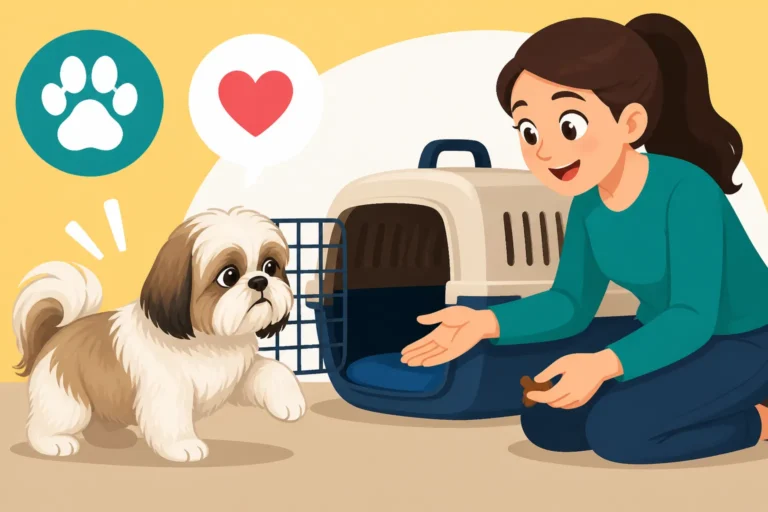
Every Shih Tzu needs a sanctuary, a place where they can retreat and feel safe from the hustle and bustle of family life. This is especially vital in a home with small children. This "safe zone" could be their crate, a cozy dog bed in a quiet room, or even a raised bed that children can’t easily reach. The rule for this space is simple: when the dog is in their safe zone, they are not to be disturbed by anyone, especially not children.
You can use baby gates (available on Amazon, for example) to cordon off areas of the house, allowing your Shih Tzu to have quiet time away from busy play areas, while still being able to see and hear family activity. This visual connection is important for a companion breed like the Shih Tzu, but the physical barrier provides necessary peace. Ensure their safe space has fresh water, a comfortable bed, and perhaps a favorite chew toy. This teaches your Shih Tzu that they have agency and can choose to remove themselves from stressful situations, which helps prevent fear-based reactions. This also helps with Shih Tzu Alone Time and Learning to Tolerant It in a positive way.
Teaching Children How to Interact Safely with a Shih Tzu
It’s just as important to train the children as it is to train the dog when it comes to harmonious cohabitation. Children, especially very young ones, often don’t understand dog body language or the potential for injury, both to themselves and the dog. Clear, consistent rules and demonstrations are essential.
Gentle Hands and Quiet Voices
The golden rule for children interacting with a Shih Tzu should always be "gentle hands, quiet voices." Teach children to approach the dog slowly and calmly, rather than running at them or making sudden, loud noises. Demonstrate how to pet a dog gently on the back or shoulder, avoiding sensitive areas like the head, tail, or paws, which can be easily pulled or grabbed. Explain that pulling fur, poking eyes, or attempting to lift the dog without proper support is strictly off-limits, as these actions can cause pain and lead to defensive nips.
It’s helpful to use analogies children can understand. You might say, "Imagine if someone pulled your hair – how would that feel?" or "Whisper to Fluffy, don't shout, because her ears are very sensitive." Constant supervision during interactions, especially with toddlers, is non-negotiable. Redirect any inappropriate behavior immediately and praise gentle interactions enthusiastically. Reinforce that the Shih Tzu is a living creature, not a toy, and deserves respect. This understanding is key to avoiding common issues like Rough Play That Puts a Shih Tzu Eye at Risk.
Respecting the Dog's Boundaries and Space
Children need to learn that just like they need personal space, dogs do too. Teach them that if the Shih Tzu walks away, is sleeping, or is in their crate/bed, they should not be disturbed. This teaches children to recognize and respect the dog’s signals that it needs space, helping to prevent potentially stressful encounters. A common struggle is A Shih Tzu That Will Not Give Things Up, and children need to understand that anything the dog has in its mouth should be left alone, preventing resource guarding issues.
Encourage children to offer treats gently, by holding them flat in the palm of their hand, rather than holding them between fingers where they might accidentally get nipped. Supervision here is key. Never leave a child unsupervised with any dog, regardless of breed or perceived temperament. Even the sweetest Shih Tzu can react unpredictably if startled or hurt, and a child’s understanding of boundaries is still developing. Consider an online puppy training program like BAXTER & Bella, which often includes modules on polite introductions and respecting dog boundaries, something beneficial even for older puppies and adult dogs being introduced to new family members.
Managing Playtime and Supervision for Harmony
Even with the best intentions and training, active supervision remains the cornerstone of safe interactions between Shih Tzus and small children. It's about setting up environments for success and intervening before problems escalate.
Supervised, Structured Play Sessions
Rather than letting interactions happen haphazardly, orchestrate supervised, structured play sessions. These short, positive interactions teach both child and dog how to engage appropriately. For example, have the child sit on the floor and gently roll a soft toy towards the Shih Tzu, or have them offer a treat while you provide close supervision and guidance. Praise both the child for being gentle and the dog for calm acceptance. Keep these sessions brief and end them on a positive note before either party gets overstimulated or tired.
Avoid boisterous games like chase or tug-of-war, as these can escalate quickly and inadvertently lead to injury for such a small breed. Focus on calm, interactive play that reinforces positive behaviors, such as teaching simple tricks or offering puzzle toys (many excellent options are available on Amazon) that both the child and dog can "work" together, fostering a sense of teamwork. This kind of structured interaction also helps to build a positive association between the child and the Shih Tzu, making the child a source of good things, not just unpredictable chaos.
| Child Behavior | Shih Tzu Reaction (Possible) | Safe / Unsafe | Action for Parent/Guardian |
|---|---|---|---|
| Petting gently on back | Calm, leans in, wags tail | Safe | Praise both, reward dog |
| Pulling fur/ears | Yelp, snap, retreat | Unsafe | Immediately stop, redirect |
| Running/shouting | Hiding, barking, trembling | Unsafe | Redirect child, create space |
| Offering toy calmly | Engages in play, wags tail | Safe | Encourage, supervise |
| Approaching sleeping dog | Startle, growl, nip | Unsafe | Teach child to leave alone |
| Sitting quietly | Approaches for cuddle | Safe | Encourage, allow bonding |
| Sharing food | May snatch, beg | Unsafe | Never allow food sharing |
Never Leave Them Unattended
This rule cannot be overstated: never leave a Shih Tzu and a small child alone together, even for "just a minute." Accidents can happen in the blink of an eye, and even well-meaning interactions can go wrong. A child might accidentally fall on the dog, step on it, or try to pick it up incorrectly, causing injury. Conversely, a startled or hurt Shih Tzu might nip defensively, leading to a bite that could have serious consequences for both the child and the dog.
Always have a responsible adult in the room actively supervising when your Shih Tzu and child are together. This means being engaged and ready to intervene, not distracted by a phone or television. If you need to leave the room, even briefly, separate the dog and child by using baby gates, crates, or putting one in a different room. This proactive approach ensures the safety and well-being of both your beloved pet and your precious child. Remember, for a small breed like ours, How a Groomer Should Hold a Shih Tzu's Head is important, let alone a child learning to carry one. This is also covered in modules found in BAXTER & Bella’s extensive library of online training resources.
Addressing Common Challenges and Misunderstandings
Even with the best intentions, challenges can arise when Shih Tzus and children share a home. Understanding common issues and knowing how to address them can prevent minor incidents from escalating into serious problems.
Recognizing Stress Signals in Your Shih Tzu
Shih Tzus are generally good-natured, but they communicate their discomfort long before they resort to a snap or bite. Learning to recognize these subtle stress signals is paramount for preventing issues. Signs of stress can include lip licking, yawning (when not tired), turning their head away, avoiding eye contact, freezing in place, trying to hide, trembling, panting when not hot, whale eye (where the whites of their eyes are visible), or a stiff body posture. A Shih Tzu might also become very still, almost "turtling" into themselves to appear smaller and less threatening.
If you observe any of these signals, it’s a clear indication that your Shih Tzu is uncomfortable and needs space. Immediately and calmly separate your dog from the situation, guiding them to their safe zone. Never punish your dog for showing these signs; they are communicating their fear. Instead, thank them for communicating and work to remove the stressor. Understanding What a Shih Tzu Growl Is Telling You is vital; it's a warning, not aggression, and should be heeded rather than punished.
Managing Resource Guarding and Jealousy
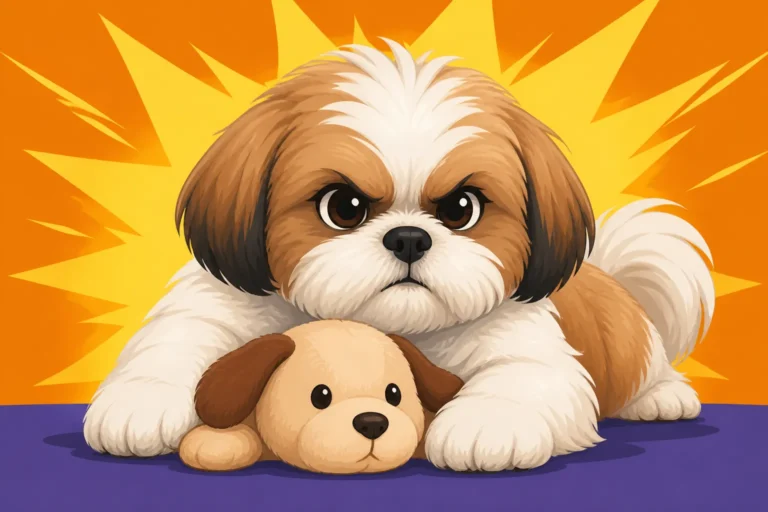
Resource guarding can occur when a dog feels the need to protect their possessions (toys, food, even their bed) from others. While less common in the generally amiable Shih Tzu, it can happen, especially if they haven't been properly socialized or if they feel threatened. Children, who might inadvertently try to take a dog's toy or approach their food bowl, can trigger this behavior. Jealousy, though often anthropomorphized, can manifest as a dog seeking attention aggressively or trying to insert themselves between a parent and child.
To manage resource guarding, teach children never to approach a Shih Tzu when it's eating or has a favored toy. Practice "trade" games with your dog, where you offer a higher-value treat in exchange for a toy, teaching them that giving things up results in something better. This can be taught through positive reinforcement, a method widely recommended for a sensitive breed like the Shih Tzu. For jealousy, ensure your Shih Tzu still receives plenty of one-on-one attention, praise, and training sessions away from the children. Make sure positive interactions happen when the children are present, too, so the dog associates the child with good things. Positive Reinforcement With a Shih Tzu is the best approach to help resolve these potential issues.
When to Seek Professional Guidance for Shih Tzu and Child Dynamics
Sometimes, despite your best efforts, the dynamic between your Shih Tzu and children might be more challenging than you anticipated. This is not a sign of failure, but rather an indication that a neutral, expert eye can provide invaluable support.
Signs That Professional Help is Needed
There are clear indicators that it's time to bring in a professional dog trainer or veterinary behaviorist. These include:
- Persistent growling or snapping: If your Shih Tzu consistently growls, snarls, or attempts to nip at children, even after you've implemented safety measures.
- Excessive fear or avoidance: If your Shih Tzu is constantly hiding, trembling, or showing extreme anxiety whenever children are present, to the point where their quality of life is affected.
- Changes in temperament: A previously calm Shih Tzu suddenly becoming reactive or fearful around children without a clear cause.
- Aggressive behaviors: Any instances of biting that break the skin, even if minor, warrant immediate professional intervention.
- Owner frustration/fear: If you feel overwhelmed, frustrated, or genuinely fearful of potential incidents.
It's always better to seek help early rather than waiting for a serious incident to occur. A professional can assess the specific dynamics of your household, identify triggers, and develop a tailored plan to improve the situation. This could involve further desensitization, management strategies, or specific behavior modification techniques. Many online resources and trainers, like those found through BAXTER & Bella, can offer initial guidance or help you locate local professionals. Finding a Trainer for a Toy Breed is crucial, as they understand the specific needs and sensitivities of smaller dogs.
Finding a Qualified Trainer or Behaviorist
When looking for professional help, it's essential to find someone qualified and experienced, particularly with small breeds and family integration. Look for trainers who use positive reinforcement methods exclusively; punishment-based training can worsen fear and aggression, especially in sensitive dogs like Shih Tzus. Seek out certified professional dog trainers (CPDT-KA) or certified applied animal behaviorists (CAAB or ACAAB), or a veterinary behaviorist (DACVB), who are veterinarians with specialized training in animal behavior.
Ask for references, inquire about their experience with Shih Tzus and children, and discuss their methodology. A good professional will involve the entire family in the training process, providing practical tools and guidance that empower you to manage interactions safely and effectively. They might suggest management tools like tethers or specific confinement strategies, and help you understand how to Give a Shih Tzu a Way to Say No in polite terms. Remember, investing in professional guidance is an investment in the safety and happiness of both your children and your cherished Shih Tzu, ensuring they can coexist peacefully for years to come.
Disclaimer
This article is for general informational purposes only and does not constitute professional advice. Laws, prices and regulations vary by location and change over time. Consult a qualified professional for guidance on your specific situation.