How a Shih Tzu Premium Moves With Age
It’s a scenario many of us Shih Tzu parents face with a little knot of dread each year: that email or letter from the pet insurance company, inevitably announcing an increase in our beloved companion's premium. It feels unfair, especially when you’ve been diligently paying for years, but the truth is, just like human health insurance, pet insurance premiums for our little lion dogs are heavily influenced by age. This guide will meticulously break down why those costs creep up, what other factors play a role, and how you can navigate the financial landscape to continue providing the best care for your aging Shih Tzu.
The Inevitable Rise: Why Shih Tzu Pet Insurance Premiums Climb with Age
There's no sugarcoating it: as our adorable Shih Tzus mature, their pet insurance premiums will almost certainly increase. This isn't a ploy by insurance companies; it's a reflection of the cold, hard statistics that show older dogs simply face higher health risks. It's frustrating to watch those numbers climb, especially when you feel like your furry family member is still spry, but understanding the underlying reasons can help you anticipate and plan.
Increased Health Risks in Senior Dogs
Just like us, dogs are more prone to a host of health issues as they age. For a Shih Tzu, who already carries certain breed-specific predispositions, this becomes even more pronounced. A vibrant young Shih Tzu puppy might only need coverage for accidental injuries, but a senior dog is a different story. They're at a higher risk for conditions like arthritis, heart disease, kidney issues, and various cancers. You might suddenly find yourself facing diagnoses like those covered in articles such as Shih Tzu Heart Murmurs and Valve Disease or dealing with the challenges of Senior Shih Tzu Care Past the Age of Ten.
Think about a common scenario: your lively Shih Tzu, once a whirlwind of energy, starts to slow down a bit around age eight or nine. Perhaps they develop a slight cough that turns out to be early signs of congestive heart failure, or their playful jumps become hesitant, signaling developing joint problems. Each of these new ailments, even minor ones, means more vet visits, diagnostic tests, medications, and potentially, specialist consultations or surgeries. Insurance companies factor these increased probabilities into their pricing models, recognizing that a nine-year-old Shih Tzu is statistically more likely to incur significant veterinary expenses than a two-year-old one.
Accumulation of Pre-existing Conditions
One of the most significant reasons for rising premiums, beyond just the general age-related risk, is the accumulation of pre-existing conditions. Most pet insurance policies, including those from providers like Healthy Paws, have clauses regarding pre-existing conditions – meaning any illness or injury that occurred or showed symptoms before the policy started or during a waiting period. The longer your Shih Tzu lives and the more veterinary care they receive, the higher the chance they will develop something that could be classified as pre-existing if you were to switch insurance companies or if your current policy has specific renewal terms.
For example, if your Shih Tzu develops a chronic condition like Dry Eye in a Shih Tzu and Lifelong Drops when they are seven, and you’ve already been with your insurer for years, that condition will typically be covered under your existing policy. However, if you decide to switch providers when your dog is ten, that dry eye, along with any other chronic issues like early kidney changes (as discussed in Testing a Shih Tzu for Kidney Disease), would likely be considered pre-existing by the new insurer and therefore excluded from coverage. This reality means that staying with your current provider, even with rising premiums, can sometimes be more cost-effective than starting fresh with a policy that won't cover your dog's existing health challenges, making the annual premium increase a difficult pill to swallow but often a necessary one.
Statistical Likelihood of Claims
Ultimately, pet insurance is a business driven by statistics and risk assessment. The older your Shih Tzu gets, the higher the statistical likelihood they will need expensive veterinary care. This isn't just about chronic conditions; it's also about acute issues that older pets might not recover from as quickly, or which might be more severe. A senior Shih Tzu, for instance, might be more susceptible to serious infections, or a sudden injury could require more extensive and costly treatment due to underlying age-related fragility.
Insurance companies analyze vast amounts of data regarding breed-specific health issues and average lifespans, such as the Shih Tzu Lifespan and the Thirteen Year Average, to project their financial risk. They know that a Shih Tzu turning eight, nine, or ten years old is entering a period where veterinary claims tend to spike. This increased risk is directly translated into higher premiums. It’s their way of balancing the books and ensuring they can cover the anticipated payouts for their aging canine clients. While it can feel like you're being penalized for having a long-lived, beloved pet, it's a fundamental aspect of how insurance models operate.
Beyond the Birthday Candle: Other Factors Driving Shih Tzu Insurance Costs
While age is a primary driver of rising pet insurance premiums, it's certainly not the only one. Several other significant factors influence how much you'll pay each month to protect your Shih Tzu, some of which are particularly pertinent to this charming, flat-faced breed. Understanding these additional variables can help you make more informed decisions about your coverage.
Breed-Specific Health Concerns
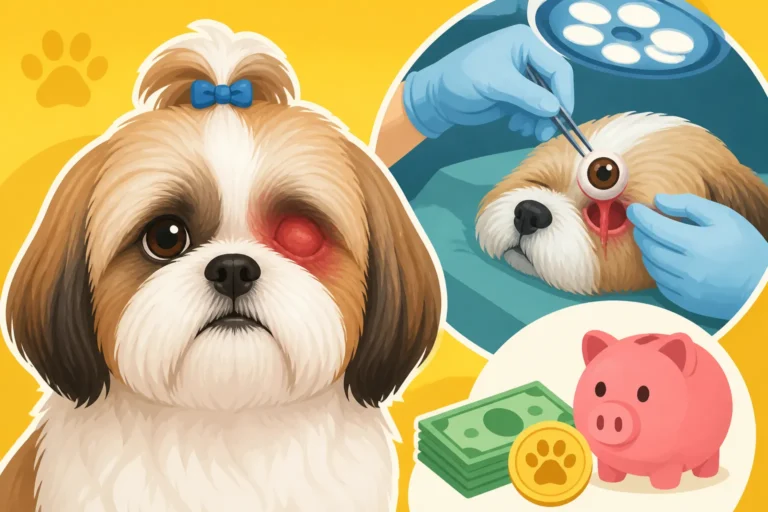
Shih Tzus, as wonderful as they are, come with a predisposition to certain health issues that insurance companies are well aware of. Their adorable flat faces, long flowing coats, and small stature make them unique but also vulnerable to particular ailments. Conditions like Shih Tzu Eye Proptosis, the Emergency Owners Miss or the chronic issues associated with Brachycephalic Breathing in a Shih Tzu are prime examples. These aren't just minor inconveniences; they can lead to extremely expensive emergency vet visits and specialist surgeries.
Insurance providers factor these breed-specific risks into their initial quotes and subsequent premium adjustments. They know that a Shih Tzu, compared to some other breeds, might have a higher likelihood of needing intervention for ocular problems, respiratory difficulties, or even specific issues like Patellar Luxation in a Shih Tzu. The potential for these high-cost conditions, which may manifest or worsen with age, means that your Shih Tzu's breed profile inherently carries a higher perceived risk, influencing the premium independent of, or in conjunction with, their chronological age.
Geographic Location and Vet Costs
Where you live can have a surprisingly substantial impact on your pet insurance premiums. Veterinary costs vary significantly across different regions, cities, and even specific neighborhoods. Just as human healthcare is more expensive in metropolitan areas like New York City or Los Angeles compared to rural towns, the same holds true for veterinary services. These regional variations in the cost of care directly translate into differences in insurance premiums.
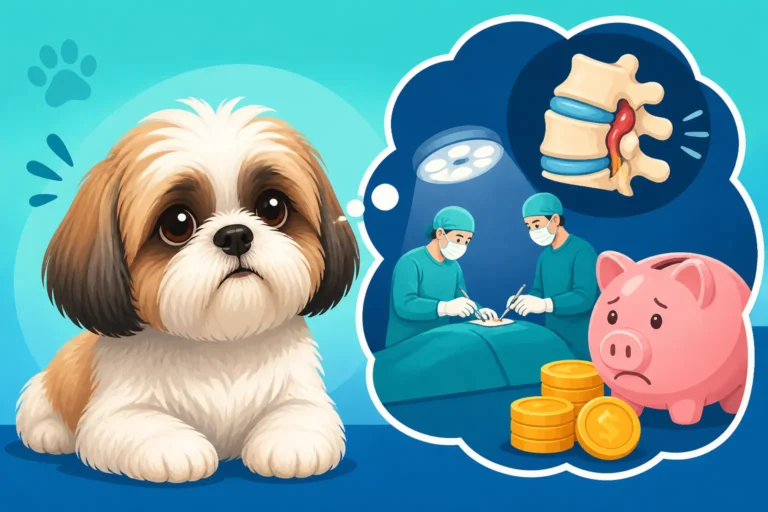
If you reside in an area with a high cost of living and, consequently, high veterinary fees, your Shih Tzu’s insurance premium will reflect that. Insurance companies meticulously track average veterinary charges in different postal codes. For instance, an emergency surgery for Shih Tzu Disc Disease and Sudden Back Pain in a bustling urban center might cost thousands more than in a smaller, more rural clinic. Since your policy is designed to cover these potential costs, the premium you pay is adjusted to match the expected charges in your particular geographic location. Moving to a new city, even if your dog's age remains the same, could see your premium fluctuate considerably.
Policy Type and Coverage Levels
The type of pet insurance policy you choose, and the level of coverage it provides, also plays a critical role in determining your annual premium. Not all policies are created equal, and what might seem like a good deal initially could have significant limitations later on. You generally have options ranging from accident-only coverage, accident and illness plans, to comprehensive policies that might include wellness benefits.
A basic accident-only policy will naturally have a lower premium than a comprehensive plan that covers accidents, illnesses, specialist care, and even routine wellness visits. Furthermore, the deductible you select (the amount you pay before your insurance kicks in), your reimbursement percentage (the portion of the vet bill the insurer pays), and any annual or lifetime payout limits will all influence the cost. For example, a lower deductible or a higher reimbursement rate (e.g., 90% instead of 70%) will mean a higher premium because the insurance company takes on more financial responsibility. When considering options from various providers, like those found through platforms such as Chewy's pet health offerings, it's crucial to weigh these factors carefully to ensure you're getting the right balance of coverage and cost for your Shih Tzu's needs.
Decoding the Numbers: What to Expect from Premiums at Different Shih Tzu Life Stages
Understanding the general trajectory of how pet insurance premiums change with age can help you budget and prepare. While exact figures will vary based on your location, policy choices, and specific insurer, there are common patterns in how costs evolve as your Shih Tzu moves through different life stages.
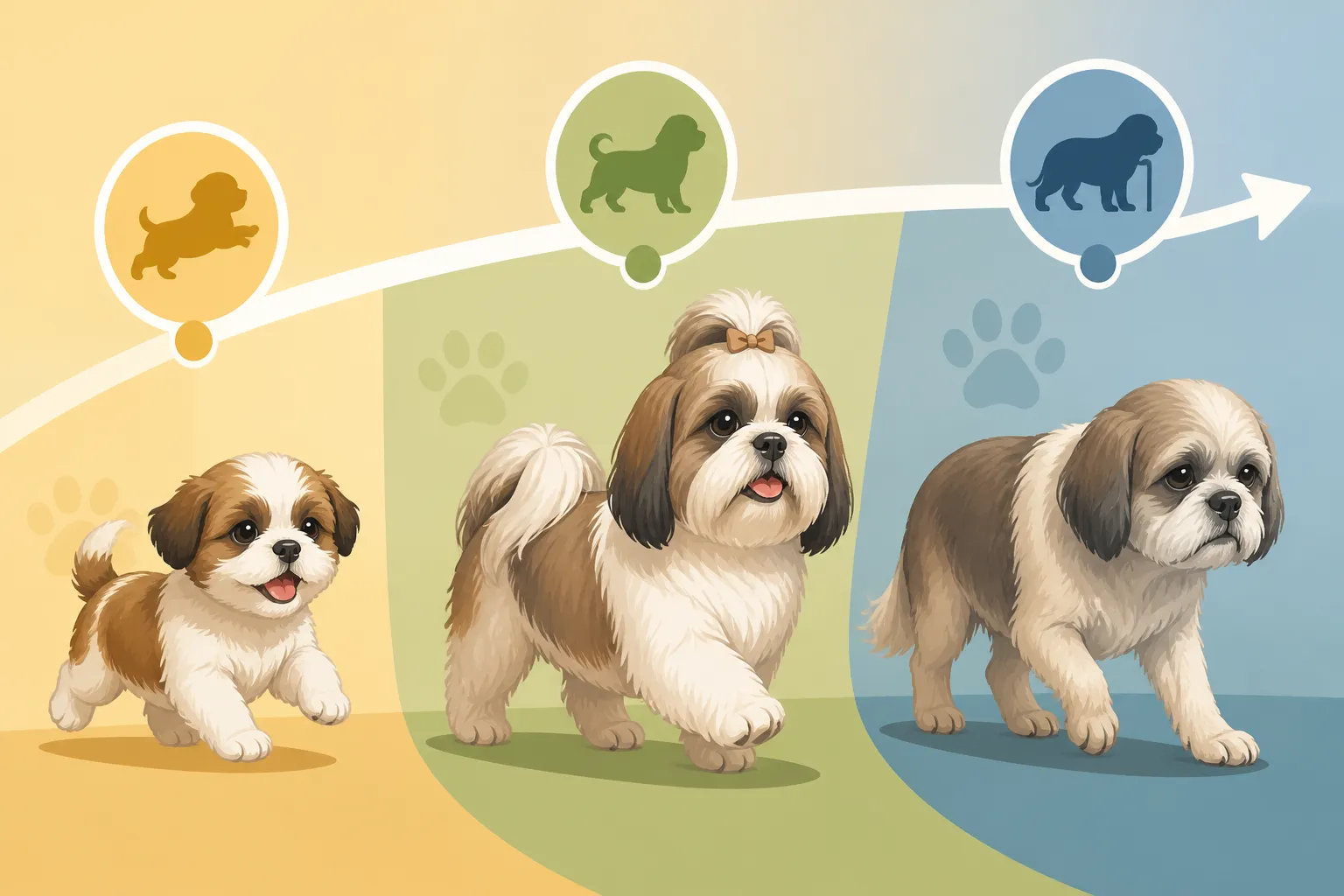
Puppy to Adult Increases (0-5 years)
When you first bring home a Shih Tzu puppy, especially after getting all the initial vet checks, puppy shots, and perhaps even running some DNA tests for a Health Testing a Shih Tzu Breeder Should Do, your pet insurance premium is typically at its lowest. Puppies, while prone to accidents (like eating something they shouldn't), are generally less likely to develop chronic illnesses. The risk profile is lower. However, you will often see a slight, gradual increase in premiums during their transition from puppyhood to young adulthood (roughly 1 to 5 years old).
These initial increases are usually modest and predictable. They reflect the slight rise in general health risks as your dog matures and the potential for a new set of issues to emerge, such as early signs of Shih Tzu Dental Disease at 13 Percent of the Breed. During this period, your Shih Tzu is typically in their prime, full of energy, and usually only requires routine preventive care and perhaps an occasional unexpected visit for a minor mishap. Insurers are mostly covering the baseline risk, and while the premium creeps up, it's usually not a dramatic jump.
Mid-Life Stability (6-9 years)
As your Shih Tzu enters their mid-life years, typically between six and nine, you might notice premiums beginning to stabilize slightly or increase at a more moderate pace than the jumps you'll see later. This is a bit of a sweet spot where they're past the highest-risk puppy phase but not yet in the high-risk senior category. However, this is also the age when some breed-specific issues might start to show their first subtle signs.
For instance, you might begin to observe very early indicators of Shih Tzu Back Problems and Disc Disease, or perhaps a vet might flag a minor heart murmur during a routine check-up. While these might not yet require immediate, expensive interventions, they do signal a shift in your dog's health profile. Insurance companies are paying close attention to these transitions. While the rate of premium increase might slow compared to the senior years, it's a period where staying proactive with wellness exams and addressing any emerging concerns promptly is key, as any new diagnosis can become a "pre-existing condition" for future policy changes.
Senior Surges (10+ years)
This is where many Shih Tzu owners experience the most significant and often steepest increases in their pet insurance premiums. Once your Shih Tzu crosses the ten-year mark, they are officially considered a senior dog. This age bracket carries a dramatically higher statistical risk for a wide array of health conditions, and insurance premiums surge to reflect this reality. This is the period where articles like What Actually Ends a Shih Tzu's Thirteen Years become particularly relevant, highlighting the increased likelihood of serious health challenges.
During these golden years, conditions such as advanced joint problems, chronic kidney disease, heart conditions, cognitive decline, and various forms of cancer become much more prevalent. Many Shih Tzu owners find themselves facing difficult decisions, often related to costs covered by their insurance, as their senior dogs may require more frequent vet visits, ongoing medications, specialized diets, and potentially more invasive procedures. It’s not uncommon to see annual premium increases of 15-25% or even more once your Shih Tzu is past the decade mark, making the decision to continue coverage a significant financial commitment. This is the inevitable reality of trying to safeguard against the higher costs associated with managing the health of a beloved senior companion.
Here’s a general overview of how premiums might typically trend for a Shih Tzu (these are illustrative figures and will vary widely by region, policy, and provider):
| Shih Tzu Age | Average Monthly Premium Range | Common Health Considerations |
|---|---|---|
| 0-1 years | $30 – $50 | Accidents, puppy illnesses |
| 2-5 years | $40 – $70 | Dental issues, minor injuries |
| 6-9 years | $60 – $100 | Joint pain, early organ changes |
| 10+ years | $90 – $150+ | Chronic diseases, cancer, heart/kidney failure |
Note: These ranges are estimates for accident & illness plans and do not include wellness add-ons. Actual costs can be higher or lower.
Smart Strategies: Proactively Managing Your Shih Tzu's Increasing Insurance Bill
Watching your Shih Tzu's insurance premium climb year after year can be disheartening, but there are proactive steps you can take to manage these rising costs without compromising on your pet's care. It’s all about being strategic and understanding your options as your furry friend ages gracefully.
Adjusting Deductibles and Reimbursement Rates
One of the most direct ways to influence your monthly premium is by adjusting your policy's deductible and reimbursement rate. A deductible is the amount you pay out-of-pocket before your insurance coverage begins for the year or per incident. A higher deductible will typically result in a lower monthly premium because you are agreeing to bear more of the initial financial burden yourself. This can be a viable strategy for owners who have a robust emergency fund or are comfortable with higher upfront costs for vet care.
Similarly, the reimbursement rate dictates what percentage of the covered veterinary expenses the insurance company will pay back to you. Common rates are 70%, 80%, or 90%. Choosing a lower reimbursement rate (e.g., 70% instead of 90%) will also lead to a lower monthly premium. While this means you’ll pay a larger portion of each vet bill, the savings on your monthly premium over time can be substantial. For instance, if your senior Shih Tzu needs treatment for Shih Tzu Joint Problems in a Toy Frame, a 70% reimbursement means you pay 30% after the deductible, but your monthly payments are lower. It's a trade-off that requires careful consideration of your financial comfort level versus potential out-of-pocket expenses.
Regular Wellness and Preventive Care
While pet insurance primarily covers unexpected accidents and illnesses, investing in consistent, high-quality wellness and preventive care for your Shih Tzu can indirectly help manage future insurance costs. Regular vet check-ups can catch potential health issues early, often before they become major, expensive problems. This proactive approach can lead to less severe treatments, better outcomes, and potentially fewer large claims down the road. For example, staying on top of Shih Tzu Dental Disease at 13 Percent of the Breed with routine cleanings can prevent painful extractions and jaw infections later on.
Preventive measures, such as maintaining a healthy weight to avoid Shih Tzu Obesity on a Sixteen Pound Frame, providing a balanced diet (perhaps even considering fresh food options from brands like Ollie, known for their focus on canine nutrition), and ensuring appropriate exercise can significantly contribute to your Shih Tzu's overall health and longevity. Healthy pets generally incur fewer vet bills. While wellness plans or routine care are often separate add-ons to traditional insurance policies, the long-term benefit of a healthier dog can mean fewer expensive claims for chronic conditions that drive up premiums. It’s an investment in health that can pay dividends in managed insurance costs and a happier dog.
Considering Accident-Only Coverage for Older Dogs
As your Shih Tzu enters their golden years, and the premiums for comprehensive accident and illness policies become increasingly prohibitive, considering a shift to accident-only coverage might be a strategic move. While it won't cover new illnesses, it still provides a vital safety net for unexpected injuries, which can be surprisingly costly. A fall, an accidental ingestion, or even a sudden injury during a walk can lead to significant emergency vet bills.
For a senior Shih Tzu who already has numerous pre-existing conditions that a new illness policy wouldn't cover anyway, or whose existing policy's illness portion has become astronomical, accident-only coverage can offer peace of mind at a much lower monthly premium. This strategy is particularly relevant if you have a sufficient savings fund to cover routine senior care and managing known chronic illnesses, but you still want protection against those truly unforeseen and potentially catastrophic accident-related expenses. It’s a way to keep some form of safety net in place without completely breaking the bank.
Navigating the Market: Choosing the Right Policy as Your Shih Tzu Ages
As your Shih Tzu progresses through life, their health needs evolve, and so too should your approach to pet insurance. What might have been the perfect policy for a rambunctious puppy may not be the most suitable or cost-effective option for a dignified senior. It’s crucial to periodically reassess your coverage and explore the market.
Evaluating Different Insurance Carriers
When your Shih Tzu is young, many excellent insurance carriers offer competitive rates. But as they age, some companies might become more expensive, or their policies might have limitations that become more apparent. It's wise to periodically evaluate different providers. Established names like Healthy Paws are often lauded for their comprehensive coverage and excellent customer service, but it's important to compare their specific offerings and restrictions for older pets. Some insurers may have age limits for new enrollments, or they might cap coverage for certain conditions in senior dogs.
Don't be afraid to get quotes from several different companies every few years, even if you're happy with your current provider. This allows you to understand the market value of your Shih Tzu's coverage and ensures you're not overpaying. Remember, switching providers means any existing conditions your Shih Tzu has will likely be considered pre-existing by the new insurer and won't be covered. Therefore, this evaluation is most effective if done before major chronic conditions develop, or if you're considering a significant change in coverage type, like moving to an accident-only plan. For a deeper understanding of costs, you might also want to look into articles like Thirteen Years of Shih Tzu Costs Added Up, which can help frame the long-term financial picture.
The Impact of Annual Limits and Payouts
Beyond deductibles and reimbursement rates, pay close attention to annual or lifetime payout limits within your policy. Some policies, especially those with lower premiums, might cap the amount they'll pay out in a year or over the lifetime of your pet. While these limits might seem generous when your Shih Tzu is young, they can quickly become a concern as they age and potentially face multiple expensive medical issues.
Imagine your senior Shih Tzu develops a serious illness requiring ongoing treatment, or needs an emergency surgery, as discussed in Shih Tzu Emergency Vet Costs Owners Should Expect. If your policy has an annual limit of $10,000, and your pet incurs $12,000 in vet bills that year, you would be responsible for the remaining $2,000 even after your deductible and reimbursement percentage are applied. For older Shih Tzus with a higher likelihood of significant medical expenses, choosing a policy with high annual limits or, ideally, unlimited payouts, can provide much greater peace of mind, even if it means a slightly higher premium.
Bundling with Other Pet Services
Some pet insurance providers or larger pet product retailers are starting to offer incentives or bundled services that might make managing overall pet care costs more streamlined. While not directly impacting the age-related increase in premiums, these bundles can offer savings on other necessities, indirectly easing the financial burden of pet ownership. For example, some general pet product retailers, like Chewy, are expanding into pet health and might offer insurance plans alongside their regular offerings, sometimes with discounts for bundling.
You might find specific discounts if you have multiple pets insured with the same company, or if you combine your pet insurance with other pet-related financial products. While these opportunities are still evolving, keeping an eye out for such bundles could provide a small but welcome financial break in the overall cost of caring for your Shih Tzu, especially as their care needs (and thus costs) increase with age.
The Long-Term View: Deciding When Pet Insurance Still Makes Sense for Your Senior Shih Tzu
The decision to continue pet insurance for a senior Shih Tzu is a deeply personal one, weighing the emotional desire to provide the best care against practical financial realities. There often comes a point where the rising premiums make you question the value, especially if your dog has accumulated many pre-existing conditions.
Assessing Your Dog's Current Health Needs
Before automatically renewing your policy, take a critical look at your Shih Tzu's current health status. Have they developed multiple chronic conditions that are now considered pre-existing and won't be covered by a new policy if you switch? Are their needs primarily focused on managing these known conditions, which might be more predictable in cost, or is there still a high risk of new, unexpected ailments? This assessment is particularly important when considering subjects such as Shih Tzu Costs in Year One Against Year Eight, and comparing them to expenses past age ten.
If your Shih Tzu is ten years old and already managing conditions like kidney disease (which can be a long-term challenge, as explored in Renal Dysplasia and the Shih Tzu Kidney) or severe arthritis, and your current policy covers these, the value of maintaining that coverage, despite high premiums, might be significant. However, if a new policy would exclude all their major issues, and the premium is still high, you might consider if those funds could be better allocated to a dedicated savings fund for their specific needs or towards ongoing wellness care. It’s about being realistic about what your current and future insurance policy will actually cover versus its cost.
Self-Insuring vs. Continued Coverage
For many Shih Tzu owners, the question eventually arises: is it better to continue paying a high monthly premium, or to "self-insure" by putting that money aside each month into a dedicated savings account? The answer depends heavily on your financial situation, risk tolerance, and your Shih Tzu's individual health profile. If your dog is ten years old, has several pre-existing conditions, and the monthly premium is, for example, $120, that's over $1,400 per year. Over a few years, that accumulates to a substantial amount.
If you are disciplined enough to save that money, and you have enough additional funds to cover large, unexpected expenses (like emergency surgery for Shih Tzu Eye Proptosis, the Emergency Owners Miss), then self-insuring might be a viable option. However, the risk is that a single, major health crisis could quickly deplete your savings, potentially leaving you in a difficult financial position. Pet insurance provides a safety net against those catastrophic, unpredictable events. It's a calculated gamble, and for many, the peace of mind offered by continued coverage, even at a higher cost, is worth the investment.
End-of-Life Care Considerations
As your Shih Tzu truly enters their twilight years, the conversation inevitably shifts to end-of-life care. This can include palliative care, comfort medications, and ultimately, euthanasia and cremation. While many pet insurance policies do cover some aspects of end-of-life care, it's essential to understand exactly what your policy entails. Some might cover palliative treatments and medications but not the actual euthanasia procedure or aftercare services like cremation.
This is a sensitive topic, but one that warrants discussion as part of a comprehensive long-term financial plan for your Shih Tzu. Knowing what your insurance will cover during this difficult time can help alleviate some financial stress, allowing you to focus on your beloved pet's comfort and dignity. Reviewing your policy's specifics regarding end-of-life expenses will ensure there are no unwelcome surprises during what is already an incredibly emotional period.
Disclaimer
This article is for general informational purposes only and does not constitute professional advice. Laws, prices and regulations vary by location and change over time. Consult a qualified professional for guidance on your specific situation.