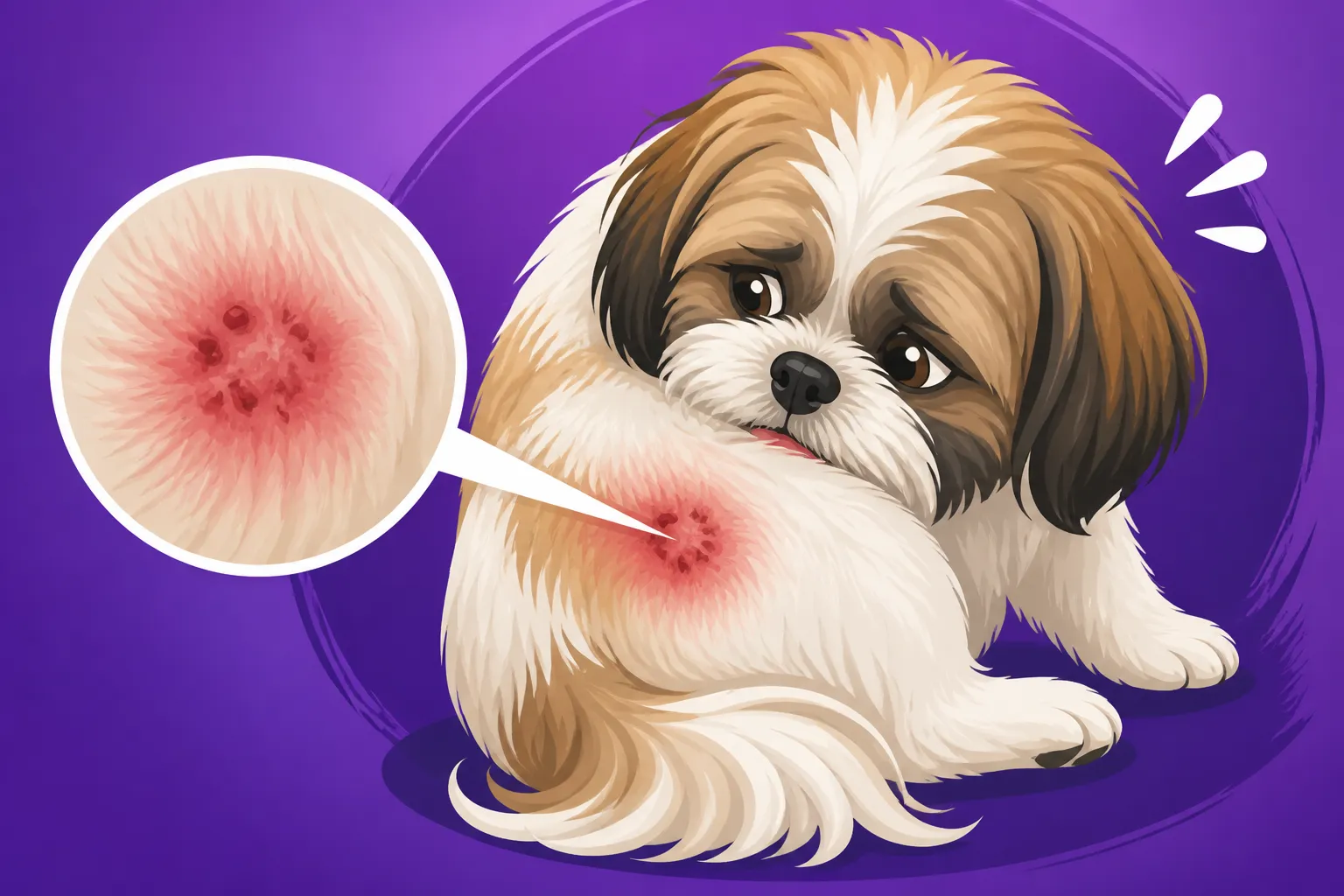
Sores a Shih Tzu Chews Into Its Own Skin
It’s truly distressing to watch your beloved Shih Tzu relentlessly lick, chew, or scratch at their own skin, sometimes to the point where they create raw, open sores. You feel helpless, knowing they’re uncomfortable and in pain, but the source of their itch can feel like a mystery wrapped in a riddle. This guide aims to unravel that mystery, helping you understand the common reasons behind these self-inflicted wounds and providing clear, empathetic steps to bring your sweet companion lasting relief.
Understanding Why Your Shih Tzu Chews Their Skin Raw
The sight of your fluffy companion obsessively gnawing at a paw or rubbing their face against the carpet until the skin is inflamed is heartbreaking. As Shih Tzu owners, we know how sensitive their skin can be, often hidden beneath that luxurious double coat. When they resort to self-mutilation, it's a clear signal that something isn't right, and it rarely resolves on its own. Ignoring these early signs can lead to more severe secondary infections and prolonged discomfort for your little friend.
The Frustration of Persistent Licking and Chewing
You’ve probably tried everything: distracting them, putting a cone on, even just gently asking them to stop. But the urge to itch seems overwhelming for them. This persistent licking and chewing isn't just a bad habit; it's usually a desperate attempt by your Shih Tzu to alleviate an intense sensation. They don’t understand that their efforts are making things worse, turning a minor irritation into a serious skin infection or "hot spot." The cycle is vicious: they itch, they chew, it gets more irritated, they chew more. It’s a frustrating scenario for both of you, leaving you searching for answers and them in discomfort.
This behavior can also be a silent cry for help, indicating an underlying problem that needs your attention. Their small size and dense coat mean that issues can fester unnoticed until they become quite severe. It's often only when the skin breaks or the hair becomes matted with saliva that we truly grasp the extent of their discomfort. Understanding the potential causes is the first crucial step towards finding a solution that brings peace back to your home and to your Shih Tzu’s skin.
Common Culprits Behind the Itch
Several factors can drive a Shih Tzu to chew their skin raw, and often, it's a combination of issues rather than a single cause. One of the most prevalent culprits we see are allergies. Just like people, Shih Tzus can suffer from environmental allergies to things like pollen, dust mites, or mold, leading to intense itchiness, particularly on their paws, face, and belly. Food allergies are another common trigger, causing similar skin reactions or even gastrointestinal upset. An Elimination Diet Trial on a Shih Tzu can often help pinpoint specific food sensitivities, but it takes patience and consistency.
Parasites are another major instigator. Fleas, mites (like sarcoptic or demodectic mange), and even ticks can cause severe itching and skin irritation. While you might think you’d spot fleas easily, their dense coat can hide them effectively until the infestation is significant. Even a single flea bite can trigger an allergic reaction in sensitive dogs, leading to widespread itching. We also can't overlook infections – bacterial or yeast infections often develop secondary to allergies or parasitic infestations, creating a painful, itchy cycle that prompts even more chewing and scratching. These are often the actual "sores" you see, appearing as red, moist, and inflamed patches, sometimes with a distinctive odor.
Finally, pain, boredom, or anxiety can also manifest as obsessive licking and chewing. A Shih Tzu suffering from joint pain, back problems like Shih Tzu Disc Disease and Sudden Back Pain, or even a dental issue might lick at the affected area. Behavioral issues, such as separation anxiety or simply not getting enough mental stimulation, can lead to compulsive behaviors like licking and chewing as a coping mechanism. It's vital to consider all these possibilities when trying to understand your Shih Tzu’s discomfort.
Pinpointing the Root Cause: A Detective's Guide for Owners
When your Shih Tzu is chewing themselves raw, it feels urgent, and you want answers fast. Becoming a good detective is key, starting with what you can observe at home before involving your veterinary team. Every piece of information you gather can help narrow down the possibilities and guide effective treatment.
A Thorough At-Home Inspection
Before you even think about booking a vet appointment, take a deep breath and conduct a thorough examination of your Shih Tzu’s skin and coat. This means getting down and really parting their fur, section by section. Look for any visible signs of fleas, flea dirt (tiny black specks that turn reddish-brown when wet), or other external parasites. Pay close attention to areas like the armpits, groin, base of the tail, and behind the ears, as these are common hiding spots. You might need a fine-toothed flea comb to really get through that thick Shih Tzu coat.
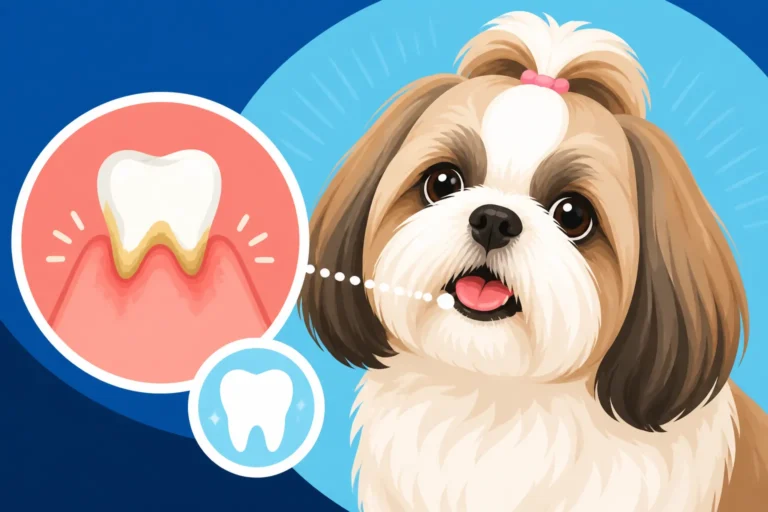
Next, examine the chewed areas themselves. Are they red, inflamed, moist, or oozing? Do they have scabs or crusts? Is there hair loss around the area? Note the exact locations – are they on the paws (a classic sign of environmental allergies or anxiety), the flanks, the belly, or around the tail? Also, check their ears for redness, discharge, or odor, as Shih Tzu Ear and Skin Infections Under the Coat can be incredibly itchy and lead to head shaking and pawing at the ears. Don't forget their teeth and gums; dental pain can sometimes make them rub their face. Keep a diary of when the itching seems worse – after walks, after eating, at night – as this can provide valuable clues.
When to Call the Vet
While your at-home inspection can give you a starting point, it’s rarely enough to solve the mystery entirely. If you find any sores, inflammation, signs of parasites, or if your Shih Tzu's chewing is persistent and worsening, it's absolutely time to contact your veterinarian. Don't delay, as self-inflicted wounds can quickly become infected, leading to more pain and a more complicated recovery. Your vet has the tools and expertise to properly diagnose the underlying cause, which is crucial for effective treatment.
It's particularly important to involve your vet if the sores are spreading, showing signs of pus or significant discharge, or if your Shih Tzu seems lethargic, has a fever, or is losing their appetite. These could be indicators of a severe infection or a systemic issue that requires immediate medical attention. Remember, pet insurance plans like those from Healthy Paws can be a lifesaard when these unexpected vet visits and diagnostic tests become necessary, helping you provide the best care without financial stress. Early intervention can prevent minor issues from escalating into major health crises for your small companion.
Diagnostic Tools Your Vet Might Use
Once at the vet, they won't just guess; they'll use a systematic approach to get to the bottom of your Shih Tzu's itching. This often starts with a thorough physical examination, feeling the skin, checking the coat, and looking for any clues you might have missed. They’ll likely ask you detailed questions about their diet, environment, flea prevention routine, and any changes in behavior.
Common diagnostic tests include skin scrapes, where a small sample of skin is gently scraped to look for mites under a microscope. Cytology, which involves taking a swab or impression of the skin and examining it, can identify bacterial or yeast infections. Sometimes, a fungal culture might be needed to rule out ringworm. If allergies are suspected, your vet might recommend blood tests or intradermal skin testing to identify specific environmental allergens. For suspected food allergies, a strict An Elimination Diet Trial on a Shih Tzu is usually the gold standard. In cases where behavioral or neurological issues are suspected, they might suggest further tests or a referral to a specialist. The goal is to build a complete picture, ensuring that treatment targets the actual cause, not just the symptoms.
Treating and Preventing Self-Inflicted Sores
Once the underlying cause of your Shih Tzu's incessant chewing and skin irritation has been identified, the real work of healing can begin. This often involves a multi-pronged approach that tackles both the immediate wounds and the root cause, bringing much-needed relief to your furry friend.
Immediate Relief and Wound Care
The very first step is to manage the existing sores and break the cycle of self-trauma. Your vet will likely clean and possibly shave the hair around the affected areas to allow air circulation and facilitate proper wound care. Depending on the severity, they might prescribe topical ointments or sprays to soothe the skin, reduce inflammation, and combat infection. Oral antibiotics are often necessary for bacterial infections, and anti-fungal medications for yeast or fungal issues. For intense itching, corticosteroids (oral or injectable) might be used short-term to provide rapid relief, giving the skin a chance to heal.
To prevent further chewing and allow the medications to work, an Elizabethan collar (the "cone of shame") or a recovery suit might be essential. While your Shih Tzu might not love it, these tools are crucial for preventing them from reopening wounds or licking off important medications. It's a temporary measure that ensures the healing process can truly begin. Remember to keep the affected areas clean and dry, gently following your vet’s instructions for any at-home care.
Addressing Allergies and Sensitivities
If environmental allergies are the culprit, management strategies will focus on reducing exposure to allergens and alleviating symptoms. This could include frequent bathing with a hypoallergenic shampoo to wash off pollen and dander, regularly cleaning your home (especially bedding), and using air purifiers. Medications such as antihistamines, Apoquel, or Cytopoint injections can effectively control the itch cycle in many Shih Tzus. For some dogs, allergy shots (immunotherapy) can be a long-term solution, gradually desensitizing them to specific allergens. These treatments are often lifelong, but can dramatically improve your Shih Tzu's quality of life.
For food allergies, the path to relief involves a strict elimination diet, as discussed in An Elimination Diet Trial on a Shih Tzu, followed by careful reintroduction of ingredients to pinpoint the triggers. Once identified, managing food allergies means meticulously avoiding those ingredients in their diet. This might require switching to a novel protein or hydrolyzed protein diet, which your vet can recommend. Reading food labels carefully becomes incredibly important, and avoiding table scraps is non-negotiable.
Managing Parasites and Other Irritants
If parasites are found, your vet will prescribe appropriate treatment. For fleas, this means a high-quality, vet-recommended flea preventive that is safe and effective for your Shih Tzu's size and age. Remember to treat all pets in the household and thoroughly clean your home (vacuuming, washing bedding) to eliminate any lingering fleas or eggs. For mites, specific medications, often oral or topical, will be prescribed, sometimes requiring several weeks of treatment.
Beyond parasites, consider other potential irritants. Are there harsh chemicals being used to clean your floors? Are their grooming products suitable for sensitive skin? Sometimes, even coarse fabrics in their bedding can cause irritation. Regularly check their paws for foreign objects or grass seeds that might be causing discomfort, leading to them constantly licking their paws raw. A proper The Puppy Check a Shih Tzu Needs at Eight Weeks can identify many of these sensitivities early on.
Environmental and Behavioral Adjustments
Sometimes, the root cause isn't purely physical. If your Shih Tzu is licking and chewing due to anxiety, stress, or boredom, environmental and behavioral adjustments are critical. Ensuring they have enough mental and physical stimulation for their breed is important; even though they are small, they benefit from daily walks (mindful of heat, as Why a Shih Tzu Overheats So Easily) and interactive play. Puzzle toys, training sessions, and consistent routines can help reduce anxiety.
For separation anxiety, slowly building up alone time, providing comforting items, and potentially consulting with a veterinary behaviorist can be beneficial. In some cases, medication might be necessary to help manage severe anxiety alongside behavioral therapy. Addressing any underlying pain, such as Shih Tzu Joint Problems in a Toy Frame or dental issues, will also naturally reduce the urge to lick. Creating a calm, predictable environment and ensuring they feel secure can go a long way in curbing stress-induced self-chewing.
Long-Term Management and Support for Skin Health
Dealing with skin issues in a Shih Tzu isn't always a one-time fix; it often requires ongoing vigilance and a proactive approach. Understanding that their particular breed characteristics, like that dense double coat and their brachycephalic facial structure, can predispose them to certain problems, helps us prepare for long-term care.
The Importance of Consistent Grooming
Regular, thorough grooming is not just about keeping your Shih Tzu looking adorable; it's a vital component of their skin health. Their luxurious double coat can easily trap moisture, dirt, and allergens against the skin, creating a perfect breeding ground for bacteria and yeast. Daily brushing, using the right tools to get down to the skin, helps remove loose hair, debris, and distributes natural oils. This also allows you to regularly inspect their skin for any new redness, bumps, or signs of irritation. Without proper care, mats can form quickly, pulling on the skin and causing pain, leading to more chewing.
Furthermore, a consistent bathing schedule with appropriate shampoos (often medicated or hypoallergenic, as prescribed by your vet) can help manage allergies and prevent secondary infections. Drying them thoroughly is just as important as washing them, as damp undercoats can quickly lead to skin problems. Regular trips to a professional groomer, or mastering home grooming techniques, are essential. You might consider a The Shih Tzu Puppy Cut and Its Upkeep for easier maintenance and better airflow to the skin, which can significantly reduce the incidence of skin issues.
Nutritional Support for a Healthy Coat and Skin
A balanced, high-quality diet plays a profound role in maintaining healthy skin and a shiny coat. Just as certain foods can trigger allergies, the right nutrition can support skin barrier function and reduce inflammation. Look for foods rich in Omega-3 and Omega-6 fatty acids, which are crucial for skin health. Many commercial dog foods designed for sensitive skin include these.
You might also consider adding supplements to their diet, especially if recommended by your vet. Fish Oil for a Shih Tzu Double Coat is a popular choice, known for its anti-inflammatory properties and its ability to improve skin hydration and coat quality. Probiotics can also support gut health, which has a surprising link to overall skin health and immune function. Always discuss any dietary changes or supplements with your veterinarian to ensure they are appropriate for your individual Shih Tzu and won't interfere with other treatments or conditions.
The Role of Regular Vet Check-ups
Even when your Shih Tzu's skin seems to be under control, regular veterinary check-ups are paramount for long-term management. These visits allow your vet to monitor any chronic conditions, adjust medications as needed, and catch new problems before they become severe. For dogs with known allergies, routine skin exams can help identify flare-ups early.
Your vet can also provide guidance on ongoing preventative care, from the best flea and tick products to dental health tips (as Daily Toothbrushing in a Crowded Shih Tzu Jaw is critical for their overall well-being) and weight management, which can impact skin folds and overall health, especially since Why a Full Coat Hides Shih Tzu Weight Gain can make it hard to spot. Remember, dealing with chronic health issues can be costly, and investing in pet insurance like Healthy Paws can provide immense peace of mind, ensuring you can always afford the best possible care, from routine check-ups to specialist consultations for complex skin problems.
Here’s a quick overview of common causes and actions you can take:
| Symptom / Behavior | Possible Cause | Immediate Owner Action | When to See a Vet |
|---|---|---|---|
| Persistent licking/chewing | Allergies (environmental, food) | Thoroughly inspect skin, note patterns, consider flea prevention. | If persistent, worsening, or leading to sores. |
| Red, moist, inflamed patches | Hot Spots, Bacterial/Yeast Infection | Gently clean the area, prevent further licking (cone), consider a cool compress. | Immediately, for diagnosis and prescription medication. |
| Excessive scratching/itching | Fleas, Mites, Dry Skin | Check for parasites, use a flea comb, ensure regular grooming, moisturize skin. | If parasites are found, itching is severe, or no relief from home care. |
| Licking paws raw | Allergies, Pain, Anxiety | Clean paws, check for foreign objects, consider anti-itch paw balms. | If no clear cause, persistent, or pain is suspected (e.g., limping). |
| Rubbing face on carpet | Allergies, Dental Pain, Eye Irritation | Check eyes for discharge, clean face folds, inspect teeth/gums. | If eyes are red, teeth appear sore, or persistent face rubbing. |
| Hair loss in patches | Mites, Ringworm, Hormonal Issue | Note location and spread of hair loss, avoid harsh grooming products. | Promptly, for definitive diagnosis and treatment. |
| Skin odor or greasy coat | Yeast Infection, Seborrhea | Bathe with appropriate shampoo (if cleared by vet), ensure thorough drying. | If odor is strong, persistent, or accompanied by other skin changes. |
Remember, your Shih Tzu depends on you to be their advocate. Don't hesitate to seek professional veterinary help when skin problems arise, as timely and accurate diagnosis is key to their comfort and long-term health.
Disclaimer
The information provided in this article is for general informational purposes only and is not a substitute for professional veterinary advice. Always consult with a qualified veterinarian for any health concerns or before making any decisions related to your Shih Tzu's medical care.