Shih Tzu Obesity on a Sixteen Pound Frame
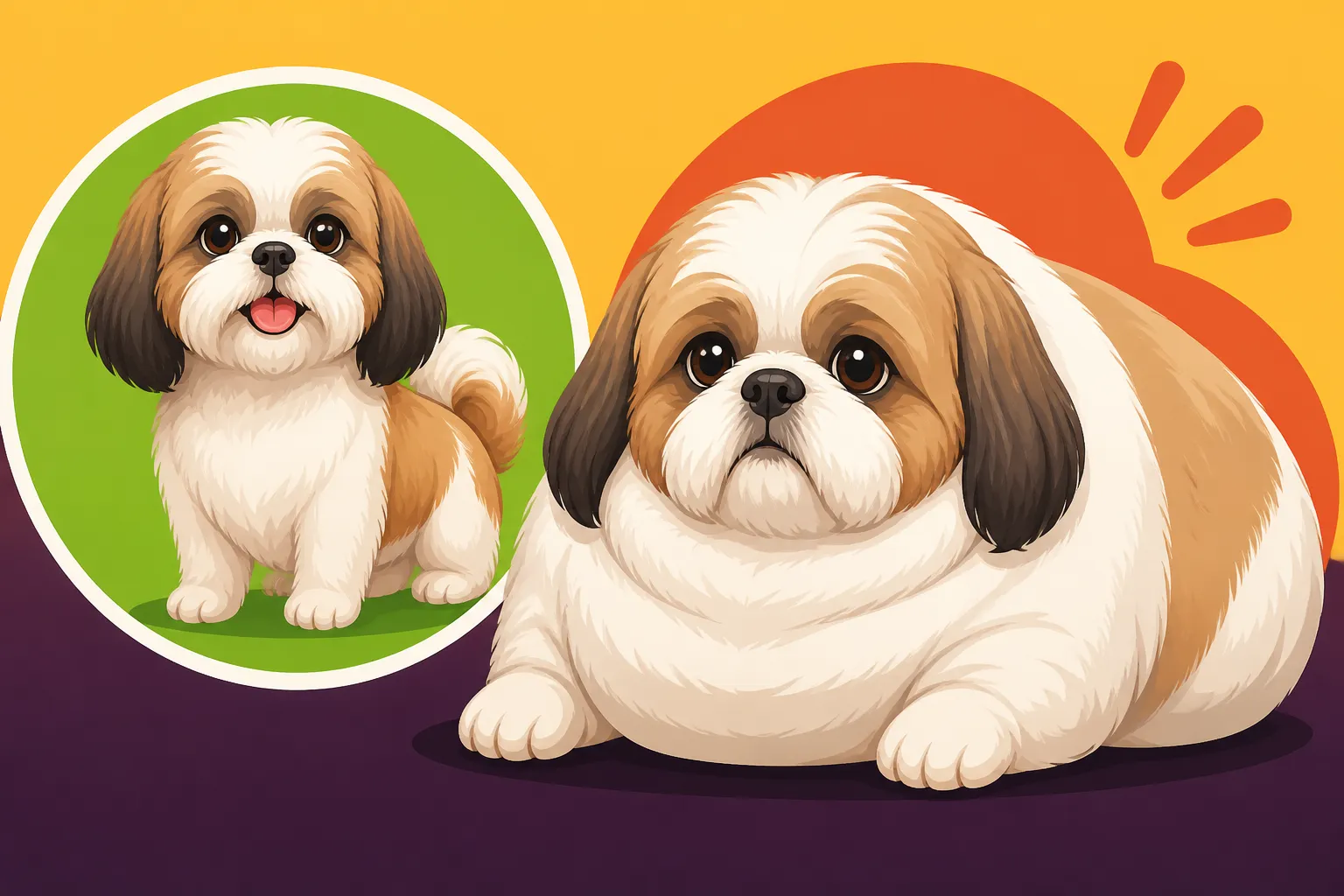
It’s a common misconception that because Shih Tzus are small, a few extra pounds won't make a big difference. But for a little dog like our beloved Shih Tzu, even a mere two pounds above their ideal weight can be the equivalent of a human carrying an extra 20-30 pounds, putting immense strain on their tiny bodies. This comprehensive guide is here to help you understand why "Shih Tzu obesity on a sixteen pound frame" is a serious concern, how to recognize the subtle signs of weight gain, and most importantly, how to help your furry companion live a healthier, happier life.
Understanding Shih Tzu Weight: What "Sixteen Pounds" Really Means for This Breed
When you look at a fluffy Shih Tzu, it can be incredibly hard to gauge their true body condition. That gorgeous double coat, designed to keep them warm in Tibetan mountains, also does an excellent job of camouflaging any extra padding they might be carrying. Owners often don't realize their dog is overweight until it's already affecting their mobility or breathing. A Shih Tzu at sixteen pounds might sound small, but for many in the breed, this weight is already well into the obese category.
The Ideal Weight Range for a Shih Tzu
The Shih Tzu breed standard typically calls for dogs to weigh between 9 and 16 pounds. However, this is a range, and the ideal weight for your individual Shih Tzu depends heavily on their bone structure, height, and overall build. Some Shih Tzus are naturally more petite and might be healthiest at 9-10 pounds, while others are stockier and could comfortably carry 14-16 pounds without being overweight. The key isn't just the number on the scale, but how that weight distributes on their frame. A healthy Shih Tzu should have a discernible waist when viewed from above, and their ribs should be easily felt with light pressure, even with that thick coat.
Many owners find themselves struggling to reconcile their adorable, slightly chunky Shih Tzu with images of lean, athletic dogs. It feels almost mean to restrict their food or push for more exercise when they seem so content cuddling on the sofa. But the truth is, an overweight Shih Tzu isn't just a "fluffy" Shih Tzu; it's a Shih Tzu at increased risk for a host of preventable health problems. Understanding their ideal range is the first step in protecting them.
Why "Sixteen Pounds" Can Be Overweight
For many Shih Tzus, especially females and those with a more delicate bone structure, hitting the 16-pound mark means they are carrying excess weight. Let's say your Shih Tzu's ideal weight is closer to 12 pounds. At 16 pounds, they're carrying an extra 4 pounds. Proportionally, that's a significant amount of extra weight for such a small dog. Think of it this way: if a human whose ideal weight is 130 pounds gained 30 pounds, that’s a 23% increase. For a 12-pound Shih Tzu to gain 4 pounds, that’s a 33% increase! That's a huge difference for their tiny joints and organs to manage.
This is precisely why we need to move beyond just looking at the breed standard's upper limit and truly assess our individual dog. A Shih Tzu who is genetically built to be a robust 15-pound dog will look and feel very different from a 12-pound Shih Tzu who has crept up to 16 pounds. The latter is absolutely overweight, and the health implications can be severe. It's often the subtle creep over months or years that catches owners unaware, especially when their pet still looks cute and cuddly.
Unique Breed Factors Contributing to Weight Gain
Shih Tzus, like many toy breeds, have several inherent characteristics that make them prone to weight gain. First, their low energy levels mean they don't naturally burn as many calories as more active breeds. They love a good walk, but they're equally happy to lounge. Secondly, their brachycephalic (flat-faced) anatomy can make strenuous exercise difficult, leading to a more sedentary lifestyle. Panting and overheating are real concerns, which can limit their desire and ability to exercise, especially in warmer climates. You can learn more about Why a Shih Tzu Cannot Cool Itself Well which highlights how easily they can overheat.
Thirdly, their irresistible charm often leads to owners indulging them with extra treats or table scraps. Who can resist those big, soulful eyes when they beg for a bite of your dinner? This human-canine bond, while beautiful, can inadvertently lead to overfeeding. Lastly, a full, fluffy coat can hide weight gain, making it harder for owners to visually assess their dog's body condition until the problem is significant. It's a perfect storm for creeping weight gain, making diligent attention from owners absolutely crucial.
The Hidden Dangers of Excess Weight
The dangers of obesity in Shih Tzus go far beyond simply looking a little chubby. For such a small, delicate breed, every extra pound acts as an amplifier for existing vulnerabilities, leading to a cascade of potential health issues that can significantly impact their quality of life and even shorten their lifespan. It's truly heartbreaking to see a dog suffer from conditions that could have been prevented with proper weight management.
Increased Strain on Joints and Back
One of the most immediate and impactful consequences of Shih Tzu obesity is the immense stress it places on their musculoskeletal system. Shih Tzus are already predisposed to a range of joint and back problems due to their long backs and short legs. Conditions like Shih Tzu Back Problems and Disc Disease (Intervertebral Disc Disease, or IVDD) and Patellar Luxation in a Shih Tzu (slipping kneecaps) are common in the breed. When a Shih Tzu is carrying extra weight, the pressure on these delicate structures is dramatically increased.
Imagine trying to walk around all day with a heavy backpack that you can never take off. That's what it feels like for an overweight Shih Tzu. This added strain can accelerate the degeneration of spinal discs, making a slipped disc more likely or more severe. It can also exacerbate arthritis in their hips, knees, and elbows, leading to chronic pain, stiffness, and reduced mobility. We often see older Shih Tzus struggling to climb stairs or jump onto furniture, but sometimes, this mobility decline starts much earlier due to excess weight. Joint support supplements can help, but nothing replaces maintaining a healthy weight to reduce the burden.
Exacerbated Brachycephalic Issues
Shih Tzus are a brachycephalic breed, meaning they have a shortened skull, which results in that adorable flat face. While charming, this anatomy predisposes them to a range of respiratory issues, collectively known as Brachycephalic Airway Obstructive Syndrome (BAOS). This includes narrow nostrils (stenotic nares), an elongated soft palate, and a hypoplastic trachea. These conditions already make breathing more difficult for a Shih Tzu, leading to snoring, snorting, and increased risk of overheating.
Obesity significantly worsens these existing breathing challenges. The Elongated Soft Palate in a Shih Tzu already partially obstructs their airway; add extra fat deposits around the neck and chest, and the obstruction becomes even more severe. The additional internal fat pushes on the diaphragm, making it harder for the lungs to fully expand. This can lead to increased respiratory effort, reduced exercise tolerance, and a higher risk of heatstroke, especially during even mild activity or in warm weather. Overweight Shih Tzus are often less willing to play or walk, further contributing to their sedentary lifestyle and exacerbating the weight problem in a vicious cycle.
Higher Risk of Other Health Conditions
Beyond joint and respiratory problems, obesity in Shih Tzus opens the door to a multitude of other serious health concerns. Just like in humans, excess body fat acts as an active organ, releasing inflammatory hormones that can negatively impact nearly every system in the body. Overweight Shih Tzus are at a higher risk of developing:
- Diabetes Mellitus: Pancreatic cells can become resistant to insulin, leading to elevated blood sugar levels.
- Heart Disease: The heart has to work harder to pump blood to a larger body mass, increasing the risk of Shih Tzu Heart Murmurs and Valve Disease and congestive heart failure.
- Liver Disease: Fatty liver can develop, impairing liver function.
- Urinary Tract Issues: Including bladder stones, which can be exacerbated by reduced mobility and less frequent urination.
- Skin Problems: Excess folds of skin can trap moisture and bacteria, leading to infections and hot spots, especially under that thick coat.
- Reduced Immune Function: Making them more susceptible to infections and illnesses.
- Increased Anesthetic Risk: Extra fat can complicate surgical procedures and recovery, a serious concern given that Shih Tzus often require anesthesia for things like Shih Tzu Dental Disease at 13 Percent of the Breed.
The cumulative effect of these conditions can drastically impact a Shih Tzu's quality of life, leading to chronic pain, discomfort, and a potentially shortened Shih Tzu Lifespan and the Thirteen Year Average. Investing in pet insurance, such as a plan from Healthy Paws, can be a sensible choice to help manage the potential financial burden of these obesity-related health issues, should they arise.
Spotting the Signs of Obesity: How to Tell if Your Shih Tzu is Truly Overweight
Given the Shih Tzu's fluffy coat, visually assessing their weight can be incredibly tricky. Many owners are genuinely surprised when their vet gently informs them that their beloved companion is overweight. It's not about blame; it's about learning the subtle cues and objective measurements that indicate a problem, so you can intervene before it leads to serious health complications.
The Rib Check and Body Condition Score
The most effective way to determine if your Shih Tzu is at a healthy weight, regardless of their coat, is through a physical examination using the Body Condition Score (BCS). This isn't about the number on the scale, but rather how your dog feels. Here’s how you do a quick at-home check:
- Rib Check: Gently run your hands along your Shih Tzu’s sides. You should be able to feel their ribs easily, like feeling the knuckles on the back of your hand when your palm is flat. If you have to press firmly to feel them, or if you can't feel them at all, your dog is likely overweight. If you can see the ribs clearly without touching, they might be underweight.
- Waistline: Look at your Shih Tzu from above. They should have a noticeable "tuck" or waist behind their ribs, before their hips. If they look like a continuous "sausage" shape or wider in the middle, they’re carrying too much fat.
- Abdominal Tuck: Observe them from the side. Their belly should tuck up slightly from their chest to their hind legs, not hang low or be parallel to the ground.
Veterinarians typically use a 5-point or 9-point BCS scale. On a 5-point scale, a score of 3 is ideal. On a 9-point scale, 4 or 5 is ideal. Anything higher indicates being overweight or obese. Don't hesitate to ask your vet for a demonstration during your next check-up. This simple, hands-on assessment is far more accurate than just looking at a number on the scale for a furry breed like the Shih Tzu.
| Body Condition Score (BCS) | Description (Shih Tzu Specifics) | Action Needed |
|---|---|---|
| 1 – Emaciated | Ribs, spine, and pelvic bones easily visible from a distance. No discernible fat. Severe muscle loss. (Rare in pet Shih Tzus) | Urgent veterinary consultation. |
| 2 – Thin | Ribs, spine, and pelvic bones easily palpable and visible. Minimal fat. Waist evident. (Could be signs of underlying illness if unintended) | Consult vet to rule out illness; slight increase in food if healthy. |
| 3 – Ideal | Ribs easily palpable without excess fat covering. Waist easily noted from above. Abdominal tuck present. (The goal!) | Maintain current diet and exercise. |
| 4 – Overweight | Ribs palpable but with slight fat covering. Waist discernible but not prominent. Slight abdominal tuck. (Common for "fluffy" Shih Tzus) | Assess diet/treats, increase exercise slightly. Discuss with vet. |
| 5 – Obese | Ribs difficult to feel due to heavy fat covering. No waist. Abdomen distended. Fat deposits over lower back and tail base. (Serious concern) | Immediate veterinary consultation for a structured weight loss plan. |
Behavioral Clues and Reduced Mobility
Beyond the physical assessment, your Shih Tzu’s behavior can offer significant clues about their weight. An overweight Shih Tzu will often show:
- Reduced Activity Levels: They might be less enthusiastic about walks, tire quickly, or prefer napping over playing. While Shih Tzus are not high-energy dogs, a sudden or progressive decrease in activity could indicate discomfort or difficulty moving. You might notice them having trouble with activities they once enjoyed, like navigating stairs or jumping onto the sofa. Learn more about A Shih Tzu That Will Not Jump on the Sofa as a sign of trouble.
- Labored Breathing: Increased snoring, snorting, or heavy panting even after minimal exertion are red flags. This is particularly concerning for brachycephalic breeds, as their compromised airways are further strained by extra weight.
- Difficulty Grooming: They might struggle to reach certain areas, leading to mats or skin issues, particularly around the hindquarters or under their belly.
- Increased Heat Intolerance: They may seek out cool spots more often, pant excessively in mild temperatures, or simply refuse to go outside when it's warm.
If you're noticing any of these changes, it's time to take action. It's easy to dismiss a little laziness or extra snoring as "just how my Shih Tzu is," but these can be genuine indicators that their weight is impacting their well-being.
Professional Assessment and Diagnosis
Even if you’re vigilant with home checks, a professional veterinary assessment is irreplaceable. Your vet can accurately determine your Shih Tzu’s Body Condition Score, weigh them on a calibrated scale, and discuss their ideal weight range based on their individual build. They can also rule out any underlying medical conditions that might contribute to weight gain, such as hypothyroidism, though this is less common. For Shih Tzus, health screenings, even a simple senior panel for older dogs, can catch metabolic issues early. For older Shih Tzus, a The Senior Panel a Shih Tzu Needs at Ten can be crucial for assessing overall health before starting a weight loss program.
During the visit, your vet will also be able to provide tailored advice on diet and exercise, taking into account your dog's age, current health status, and any predispositions like Shih Tzu Joint Problems in a Toy Frame. They might recommend specific prescription weight-loss foods or a gradual increase in activity. This professional guidance is essential for ensuring that any weight loss plan is safe, effective, and sustainable for your individual Shih Tzu. Don't be shy about asking for an honest assessment; your vet is your best partner in keeping your Shih Tzu healthy.
Preventing Weight Gain: Diet, Exercise, and Lifestyle
The best defense against Shih Tzu obesity is a proactive approach. It's far easier to prevent weight gain than to reverse it once it's set in. This involves a consistent focus on appropriate nutrition, regular physical activity, and mindful habits that keep those extra pounds at bay from the start.
Calorie Control and Proper Portions
When it comes to feeding your Shih Tzu, precision is key. Many owners, even with the best intentions, simply "eyeball" their dog's food portions, or rely solely on the feeding guidelines printed on the food bag. However, these guidelines are often overly generous and don't account for individual activity levels or metabolism. For a small breed like the Shih Tzu, even a few extra kibbles per meal can add up quickly over weeks and months. Remember, What Two Extra Pounds Do to a Shih Tzu can be profound.
- Measure, Don't Guess: Invest in a digital kitchen scale to accurately weigh your Shih Tzu's food. This is far more precise than using measuring cups, which can vary wildly. Aim for the specific calorie count recommended by your vet. For reference, an adult Shih Tzu weighing around 12 pounds, with a moderate activity level, might need anywhere from 250-400 calories per day, but this varies wildly. Understanding the specific Daily Calories for a Twelve Pound Shih Tzu is important.
- Choose Appropriate Food: Select a high-quality dog food formulated for small breeds, or ideally, a weight management formula if your dog is prone to gaining. Look for foods with good protein content and balanced nutrients.
- Split Meals: Divide their daily food ration into two smaller meals (morning and evening). This can help regulate metabolism and prevent excessive hunger.
- No Free Feeding: Avoid leaving food out all day. This makes it impossible to track calorie intake and can lead to overeating. Stick to meal times.
By being meticulous about calorie intake, you're taking the most significant step in preventing obesity.
Appropriate Exercise for a Toy Breed
While Shih Tzus aren't marathon runners, they still need regular, moderate exercise to maintain a healthy weight and muscle tone. The phrase "low energy" can sometimes be misinterpreted as "no energy needed," which isn't true for any dog. Their activity levels might be different from a Border Collie, but they still need to move.
- Daily Walks: Aim for two short walks (10-15 minutes each) per day. These don't need to be high-intensity jogs. A leisurely stroll around the block or a romp in a secure backyard is usually sufficient. Focus on consistency.
- Indoor Play: On days with bad weather or extreme temperatures (especially for a brachycephalic breed prone to overheating), engage in indoor play. Fetch with a soft toy, hide-and-seek, or simple training games can get their heart rate up and burn calories. Puzzle toys can also provide mental stimulation and some physical activity.
- Stair and Jump Safety: Be mindful of their delicate backs. While some Shih Tzus love jumping on and off furniture, repetitive jumping can be hard on their spine and contribute to Shih Tzu Back Problems and Disc Disease. Consider ramps or steps for access to sofas and beds.
- Listen to Your Dog: Pay attention to signs of fatigue or labored breathing, especially in warm weather. Never push your Shih Tzu beyond their comfort level. Short, frequent bursts of activity are often better than one long, strenuous session.
Regular activity not only burns calories but also builds muscle, which boosts metabolism, and provides crucial mental stimulation for your Shih Tzu.
Mindful Treating and Snacking
Treats are an important part of bonding and training, but they are also one of the biggest culprits in accidental weight gain for Shih Tzus. A single small dog biscuit can contain a significant percentage of a tiny dog's daily calorie allowance.
- Calorie-Count Treats: Factor treats into your dog's daily calorie budget. If you give treats, reduce their main meal portion accordingly. Many healthy training treats are available, often labeled with calorie counts.
- Healthy Alternatives: Instead of high-calorie biscuits, offer small pieces of plain, cooked lean meat (like chicken breast), carrots, green beans, or apple slices. Always check if a human food is safe for dogs before offering it.
- Use Treats for Training: Reserve treats for training sessions or positive reinforcement, making them a tool rather than just a snack. Breaking one treat into several tiny pieces can extend its use.
- Avoid Table Scraps: This is perhaps the hardest rule for many owners, but it's crucial. Human food is often too rich, fatty, or salty for dogs, and even a small bite can quickly add up to significant calories for a Shih Tzu. It also encourages begging behavior, which can be frustrating.
Being disciplined about treats is a huge step toward preventing obesity. Remember, showing love isn't about how much food you give; it's about the quality of care and the healthy life you provide.
Helping Your Shih Tzu Lose Weight: Practical Strategies and Vet Involvement
If your Shih Tzu is already carrying too much weight, don't despair! With a structured plan, consistent effort, and guidance from your veterinarian, it’s absolutely possible to help them shed those extra pounds and significantly improve their health. It will require dedication, but the results are incredibly rewarding.
Creating a Structured Weight Loss Plan
Embarking on a weight loss journey for your Shih Tzu begins with a visit to your vet. They are your primary resource and will help you create a safe and effective plan tailored to your dog's specific needs and health status. Trying to guess at calorie restriction or exercise levels can be dangerous, especially for a small dog with potential underlying health issues.
- Veterinary Consultation: Your vet will perform a thorough examination, including a Body Condition Score, and may run blood tests to rule out medical causes for weight gain (like hypothyroidism, though rare). They'll help you determine a realistic target weight and a safe rate of weight loss, usually 1-2% of body weight per week.
- Set Realistic Goals: Don't aim for drastic, rapid weight loss. Slow and steady is much healthier and more sustainable. Your vet can advise you on how many calories your Shih Tzu needs daily to achieve this gradual loss. For example, if your Shih Tzu needs to go from sixteen pounds to fourteen, your vet will set a specific daily caloric target for Taking a Shih Tzu From Eighteen Pounds to Fourteen.
- Regular Weigh-Ins: Schedule regular weigh-ins at your vet's office (often offered for free) or invest in a reliable pet scale at home. Tracking progress keeps you motivated and allows for necessary adjustments to the plan.
- Keep a Food Diary: For a few weeks, meticulously record everything your Shih Tzu eats, including meals, treats, and even tiny dropped morsels. This can be eye-opening and help identify hidden calorie sources.
Having a clear, structured plan developed with your vet's input removes the guesswork and sets you up for success.
Dietary Adjustments for Calorie Reduction
The cornerstone of any weight loss plan is calorie reduction. This doesn't mean starving your Shih Tzu; it means feeding them smarter.
- Switch to a Weight Management Diet: Your vet may recommend a prescription weight-loss food, such as those from Royal Canin or Hill's Prescription Diet, which are formulated to be lower in calories but still provide essential nutrients and help your dog feel full. Over-the-counter weight control foods are also available, but consult your vet for recommendations.
- Accurate Portions, Consistently: As mentioned, use a digital scale to measure every single meal precisely. Adherence to the recommended calorie intake is paramount. A tiny handful of extra kibble can derail progress for a small dog.
- Healthy, Low-Calorie Treats: Completely eliminate high-calorie treats. Replace them with vet-approved, low-calorie options like small pieces of plain cooked chicken, green beans, or specially formulated low-calorie dog treats. Remember to count these calories too!
- Mealtime Enrichment: To help your Shih Tzu feel more satisfied on fewer calories, consider using slow feeders or puzzle toys. These make mealtime last longer, providing mental stimulation and slowing down consumption.
- Avoid Begging: It's tough, but firmly resist giving in to begging. Ensure everyone in the household is on board with the new feeding rules. Consistency from all family members is vital.
Incorporating Safe and Effective Exercise
While diet is 80% of weight loss, exercise plays a crucial role in burning additional calories, building muscle mass (which boosts metabolism), and improving overall well-being. For a Shih Tzu, especially one already overweight, careful consideration of exercise is vital.
- Start Gradually: If your Shih Tzu is sedentary, don't suddenly launch into vigorous activity. Begin with short, gentle walks – even just 5-10 minutes at a slow pace. Gradually increase the duration and intensity as their stamina and strength improve. Remember Exercise for a Shih Tzu With a Bad Disc is different and may need modification.
- Monitor for Overheating and Breathing Issues: Due to their brachycephalic nature, Shih Tzus can overheat easily. Exercise during the cooler parts of the day (early morning or late evening) and always carry water. Watch for excessive panting, drooling, or a blueish tint to their gums, which are signs of distress. Stop immediately if you see these.
- Indoor Alternatives: On hot, cold, or rainy days, move exercise indoors. Play fetch in a long hallway, use a laser pointer (with caution to avoid obsessive behavior), or engage in simple training exercises that require movement. Treadmills for dogs can also be an option, but only under strict supervision and after consulting your vet.
- Gentle Play: Engage in gentle play sessions. Tossing a soft toy a short distance, or rolling a treat-dispensing ball, can provide activity without overexertion.
- Leash Walking is Best: For overweight Shih Tzus, leash walking on a harness is safer than off-leash play in an uncontrolled environment, as it allows you to control their pace and duration. Plus, a harness is always recommended for brachycephalic breeds to avoid neck strain.
Remember, the goal is consistent, enjoyable activity that doesn't put undue stress on their body. Celebrate small victories, like an extra five minutes of walking or more enthusiastic play, as you help your Shih Tzu on their journey to a healthier weight.
Maintaining a Healthy Weight Long-Term: Keeping the Pounds Off for Good
Achieving a healthy weight for your Shih Tzu is a significant accomplishment, but the journey doesn't end there. Maintaining that ideal weight requires ongoing commitment and vigilance. It's about establishing sustainable habits that keep your furry friend in optimal condition for the rest of their life.
Regular Monitoring and Adjustments
Weight maintenance is not a "set it and forget it" endeavor. Your Shih Tzu's metabolism, activity levels, and dietary needs can change over time due to age, seasonal variations, or changes in health.
- Weekly or Bi-Weekly Weigh-Ins: Continue regular weigh-ins at home, ideally once every week or two. This helps you catch any slight weight creep before it becomes a significant problem. If you notice a consistent upward trend, it's a cue to re-evaluate.
- Re-Evaluate Body Condition Score: Periodically perform the rib check and assess their waistline. Even if the scale says they're stable, their body composition might be shifting (e.g., losing muscle, gaining fat).
- Adjust as Needed: Be prepared to adjust their food intake or exercise routine. As your Shih Tzu ages, their caloric needs will likely decrease. If their activity level drops, their food portions might need to be slightly reduced to compensate. Don't be afraid to tweak the plan; it's a dynamic process.
- Annual Vet Check-ups: Maintain regular veterinary check-ups. These appointments are crucial for professional assessments, monitoring for age-related changes, and discussing any emerging health concerns. Your vet can also provide guidance on Senior Shih Tzu Care Past the Age of Ten, which often includes weight management strategies. If you have pet insurance like Healthy Paws, these routine visits are vital for preventative care and catching issues early, though routine exams themselves are typically not covered.
Ongoing Nutritional Support
The type and quality of food you feed your Shih Tzu play a huge role in long-term weight management.
- Transition Wisely: Once your Shih Tzu reaches their target weight, you'll need to transition them from a strict weight-loss diet to a weight-maintenance diet. This might be a slightly less restrictive, but still calorie-controlled, formula. Consult your vet on the best food choice and the gradual transition process.
- High-Quality Ingredients: Continue to prioritize high-quality dog food with appropriate protein levels. Good nutrition supports muscle mass and overall health.
- Portion Control is Permanent: The habit of precisely measuring food should become permanent. No more guessing! Use your digital scale every single time you feed your Shih Tzu.
- Healthy Treat Habits: Stick to low-calorie, healthy treats. If you reintroduce any higher-calorie treats, ensure they are given in very small amounts and factored into their daily calorie budget. The focus on quality treats and mindful giving should be a lifelong practice.
Preventative Care and Healthy Habits
A holistic approach to your Shih Tzu’s health will ensure they stay at a healthy weight and thrive for years to come.
- Consistent Exercise Routine: Keep up with the daily walks and indoor play. Consistency is more important than intensity. Build it into your daily schedule so it becomes a non-negotiable part of your dog's day.
- Mental Stimulation: Don't forget the power of mental enrichment. Puzzle toys, training sessions, and interactive games keep their minds active, which can reduce boredom-related eating and promote overall well-being.
- Regular Grooming: Maintain a consistent grooming schedule. This helps you monitor their body condition under the coat and ensures their comfort and hygiene, which can impact their willingness to be active. You can find more tips on Brushing a Shih Tzu Double Coat Every Day.
- Proactive Health Management: Address any health issues promptly. For example, managing Shih Tzu Joint Problems in a Toy Frame through vet-recommended supplements or pain management can keep them comfortable enough to stay active. Insurance options, like Healthy Paws, can provide peace of mind for unexpected health issues that might arise, ensuring you can afford the best care to keep your Shih Tzu healthy and mobile.
By maintaining these healthy habits, you're not just preventing obesity; you're investing in a longer, more vibrant life for your beloved Shih Tzu. It's a testament to your love and dedication, allowing them to enjoy every moment with you to the fullest.
Disclaimer
This article is intended for informational purposes only and does not constitute professional veterinary advice. Always consult with a qualified veterinarian for any health concerns or before making any changes to your Shih Tzu's diet, exercise, or medical care plan. Individual needs can vary, and a professional diagnosis is essential for proper treatment.