Splitting a Shih Tzu Ration Across Two Meals
It’s easy to fall into the habit of just pouring food into your Shih Tzu’s bowl once a day, especially when life gets hectic. But for our little lion dogs, a single large meal can lead to a host of issues, from ravenous hunger between feedings to potential digestive upset. This guide is all about why breaking your Shih Tzu's daily food ration into two well-portioned meals is one of the kindest things you can do for their health and happiness, and exactly how to implement this routine seamlessly into your life.
Why Splitting Meals Is Crucial for Your Shih Tzu
You might think a dog is a dog, and one meal a day is fine. After all, their wild ancestors would gorge when they caught prey. But our pampered Shih Tzus are far from their wolf cousins, and their tiny, delicate systems thrive on regularity and smaller, more frequent nourishment. It’s not just about managing hunger; it’s about supporting their entire physiological well-being.
Preventing Hunger Pangs and Anxiety
Imagine going all day on a single, early breakfast. You'd be absolutely famished and probably a little cranky by dinner, right? The same goes for your Shih Tzu. If they're only getting one meal, they're likely experiencing significant hunger pangs for many hours. This isn't just uncomfortable; it can lead to behavioral issues. A very hungry Shih Tzu might become more prone to scavenging for dropped food, begging excessively, or even showing resource guarding tendencies around their bowl when it finally arrives, feeling the need to gobble it down before it disappears again. This creates unnecessary stress for both of you. Splitting their Daily Calories for a Twelve Pound Shih Tzu into two smaller, equally satisfying meals helps keep their stomach comfortably full for longer stretches, reducing that desperate hunger and the associated anxiety. It means less frantic eating and more relaxed mealtimes, promoting a healthier relationship with their food.
Supporting Stable Blood Sugar and Energy Levels
Smaller, more frequent meals are excellent for maintaining a more consistent blood sugar level throughout the day. When a Shih Tzu eats one large meal, their blood sugar can spike significantly after eating and then drop sharply as their body processes it. This roller coaster can lead to energy crashes, lethargy, and even irritability. For very small breeds, especially puppies or older dogs, drastic blood sugar fluctuations can be particularly taxing on their system. By feeding twice a day, you provide a steadier supply of glucose, which is the primary fuel for their body and brain. This translates to more stable energy levels, a better mood, and sustained cognitive function throughout their waking hours. It's about providing a gentle, consistent fuel source rather than a big burst and then a long wait.
Reducing the Risk of Digestive Upset
Shih Tzus, with their compact bodies and often sensitive digestive systems, can be prone to various tummy troubles. A large meal can overwhelm their small stomach, leading to indigestion, vomiting, or diarrhea. Imagine a tiny system trying to process a significant volume of food all at once – it's a lot of work! Spreading out the intake allows their digestive enzymes to work more efficiently on smaller portions, making it easier for their body to break down and absorb nutrients. This can significantly reduce instances of an upset stomach. While bloat (gastric dilation-volvulus) is less common in Shih Tzus than in large, deep-chested breeds, overeating in one sitting can still lead to uncomfortable gas and general digestive distress in any dog. Two smaller meals are simply easier on their system, helping to prevent issues like Pancreatitis in a Shih Tzu After Table Food or general stomach upset.
How to Determine Your Shih Tzu's Ideal Daily Ration
Knowing why to split meals is one thing, but figuring out how much to feed your Shih Tzu in total is the foundational step. Every dog is unique, and what works for one Shih Tzu might not be quite right for another, even if they're the same age and weight. This is where a little careful calculation and observation come in.
Factors Influencing Food Requirements
Several key factors play a role in determining how much food your Shih Tzu truly needs each day. Firstly, their age is paramount. A growing Shih Tzu puppy, for example, will have much higher caloric needs per pound of body weight than an adult, because they're literally building bone and muscle at a rapid pace. Conversely, a senior Shih Tzu, especially one with Shih Tzu Mobility Decline in Old Age or a slower metabolism, will likely require fewer calories to maintain a healthy weight. Their activity level is another huge consideration. A Shih Tzu who enjoys brisk walks and active indoor play will burn more calories than a couch potato who mostly naps. Health status also matters; underlying conditions like thyroid issues, kidney disease, or even certain medications can alter metabolic rates and nutrient absorption. Even the environment can impact needs: a dog living in a very cold climate might burn more calories to stay warm, though this is less of a factor for indoor Shih Tzus. Finally, the food itself impacts intake, as different brands and formulas have varying calorie densities. You can usually find a guideline on the bag, but it's just a starting point.
Accurate Measurement Is Key
Once you have an idea of the total daily amount, precision is absolutely critical, especially for a small breed like a Shih Tzu. Eyeballing it with a coffee scoop simply won't cut it. Even a small overestimation in volume can lead to significant weight gain over time for a dog that only weighs around 12 pounds. For example, an extra ¼ cup of kibble each day might seem negligible, but over a month, that's enough excess to start packing on unhealthy pounds. Investing in a proper kitchen scale to weigh their kibble or using precise measuring cups (the kind for baking, not the ones that come in the dog food bag) is essential. If your vet recommends a total daily ration of, say, 1 cup, then each meal should be exactly ½ cup. This removes guesswork and helps maintain consistency. You can find excellent, affordable digital scales and measuring cups on sites like Amazon or Chewy, making it easy to portion out food precisely. For those using fresh food like Ollie, the portions are often pre-measured, which takes a lot of the guesswork out of it! This also ties into managing Shih Tzu Obesity on a Sixteen Pound Frame, where even a little extra food can quickly contribute to health issues.
Consulting Your Vet for Personalized Advice
While the guidelines on dog food bags are a decent starting point, they are generic. Your veterinarian is truly the best resource for determining your individual Shih Tzu's exact caloric needs. During your annual check-up, or if you have concerns about weight, growth, or a change in activity level, bring it up. Your vet can assess your dog's Body Condition Score (BCS), which is a more accurate way to gauge their ideal weight than just looking at a number on a scale. They'll take into account all the factors mentioned above – age, activity, health, and even the specific food you're feeding – to give you a tailored recommendation. They can also advise on any special dietary needs, such as if your Shih Tzu has Kidney Diets for a Shih Tzu or is on a specialized formula. Don't hesitate to ask for a precise daily caloric intake number or a specific measurement in cups/grams for your chosen food. This expert guidance is invaluable for keeping your Shih Tzu healthy and at their ideal weight.
Implementing a Two-Meal Feeding Schedule
Once you know how much your Shih Tzu should eat in a day, the next step is seamlessly integrating that into a twice-daily routine. Consistency is the name of the game here. Dogs thrive on routine, and establishing predictable meal times will make this transition smooth for both of you.
Establishing Consistent Meal Times
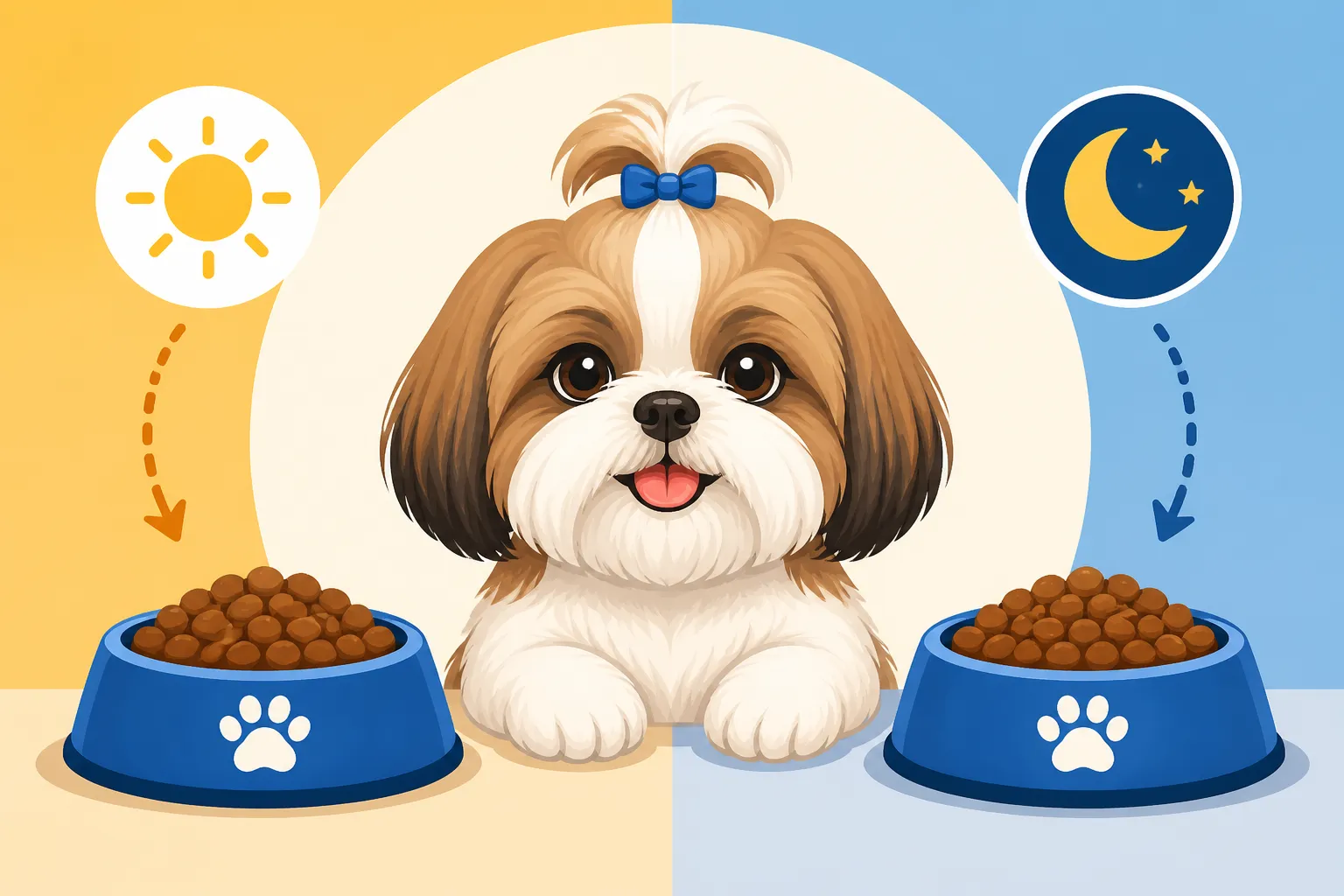
The beauty of a two-meal schedule is its simplicity and predictability. The goal is to set two distinct times each day – typically morning and evening – and stick to them as closely as possible. For instance, you might choose 7:00 AM and 6:00 PM. The exact times aren't as important as the consistency. Your Shih Tzu will quickly learn the schedule, and this predictability can actually reduce anxiety around food, as they know exactly when their next meal is coming. Try to avoid significant variations on weekends or holidays, if possible. If you know you'll be out late, try to have someone else feed them at the usual time, or adjust your schedule slightly for that day rather than skipping a meal or delaying it by many hours. This consistent rhythm helps regulate their digestive system and reduces the chances of them being overly hungry or prone to begging. Think of it like a human meal schedule; we tend to feel better when we eat at regular intervals.
The Morning and Evening Split
Dividing the total daily ration evenly across two meals is usually the best approach. If your Shih Tzu's total recommended intake is one cup of kibble, then each meal would be exactly half a cup. This equal split ensures they receive a balanced amount of nutrients and calories at each feeding, sustaining them adequately between meals.
Here's a simple example:
| Meal Time | Total Daily Ration (Example: 1 cup) | Portion Size |
|---|---|---|
| Morning | 1/2 of daily ration | 1/2 cup |
| Evening | 1/2 of daily ration | 1/2 cup |
Some owners prefer to feed a slightly larger portion in the morning if their dog is more active during the day, or a smaller portion in the evening if their dog tends to be less active before bed. However, an even split is generally the easiest to manage and works well for most Shih Tzus. Remember to always Measuring Shih Tzu Food Properly to ensure you're sticking to the correct amounts. This consistency avoids overfeeding or underfeeding at any single meal.
Adjusting for Puppies and Seniors
While two meals work wonderfully for most adult Shih Tzus, puppies and very senior dogs might require slight adjustments to this schedule.
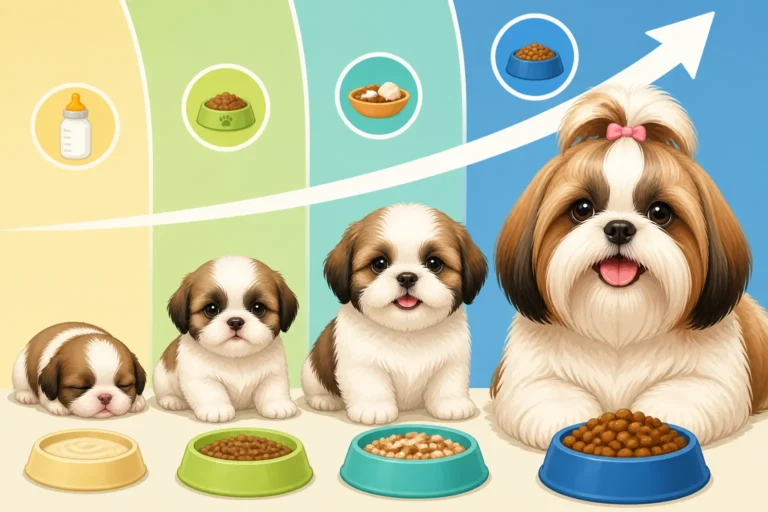
Puppies: Shih Tzu puppies, with their incredibly fast metabolism and rapid growth, often benefit from three smaller meals a day, especially when they are very young. This provides a constant supply of energy and nutrients vital for their development. A typical puppy schedule might involve breakfast, lunch, and dinner, perhaps at 7 AM, 1 PM, and 7 PM. As they approach their first birthday, you can gradually transition them to two meals a day, slowly increasing the portion size of the morning and evening meals while phasing out the midday one. Your vet will advise the best timing for this transition. For more on this, check out Three Meals a Day for a Shih Tzu Puppy and Shih Tzu Puppy Training Month by Month.
Seniors: Older Shih Tzus, particularly those experiencing An Old Shih Tzu That Leaves Its Food or struggling with appetite, might also benefit from three smaller meals, or even just having food available for shorter, more frequent grazing periods. Their digestive systems might not be as robust, and smaller meals can be easier to digest. They might also have dental issues like Gum Recession in a Shih Tzu or Periodontal Disease in a Five Year Old Shih Tzu, making smaller bites or wet food more appealing. Some senior dogs also have medical conditions that require more frequent, smaller feedings to manage blood sugar or medication. Always discuss any changes to your senior Shih Tzu's feeding schedule with your vet, especially if they are on a specific diet like Renal Diets for a Shih Tzu With Dysplasia or are losing weight. This flexibility ensures their unique needs are met as they age.
Practical Tips for Mealtime Success
Setting up a two-meal schedule is a fantastic start, but there are always little nuances and best practices that can make mealtime an even better experience for your Shih Tzu. From what they eat to how they eat it, every detail can contribute to their overall health and happiness.
Choosing the Right Food and Bowl
The type of food you choose should always be high-quality and appropriate for your Shih Tzu's age, size, and activity level. Look for foods with real meat as the first ingredient and avoid excessive fillers. Given their small mouths and often present underbite, the kibble size is particularly important for Shih Tzus. Small, flat kibble shapes are generally easier for them to pick up and chew. Many brands, easily found on sites like Chewy or Amazon, offer small-breed specific formulas with appropriately sized kibble. For those interested in fresh food, services like Ollie often provide tailored, balanced meals.
The feeding bowl itself also plays a role. Stainless steel or ceramic bowls are typically recommended over plastic, as they are easier to clean and less likely to harbor bacteria. Consider a shallow bowl with a wider base to accommodate their flat face and prevent whisker fatigue. Some Shih Tzus might benefit from a slightly elevated bowl, which can help with neck comfort, especially for older dogs, though this should be discussed with your vet as it's not always recommended for all dogs. A slow-feeder bowl can also be an excellent option if your Shih Tzu tends to eat too quickly, as it encourages them to slow down and prevents them from gulping air, which can lead to indigestion.
Managing Treats and Snacks
Treats are wonderful for training, bonding, and just spoiling our furry friends, but they are often overlooked in the daily calorie count. For a small Shih Tzu, even a few extra treats can quickly add up to a significant portion of their daily intake, potentially leading to weight gain. It's crucial to factor treats into their overall daily ration. If your Shih Tzu is getting lots of training treats, consider slightly reducing their kibble portion for that day to compensate.
Choose small, low-calorie treats that are appropriate for their size. Break larger treats into tiny pieces. Fresh vegetables like small pieces of carrot, green bean, or apple (without seeds) can make excellent, healthy, low-calorie snacks. Always avoid human foods that are toxic to dogs, such as chocolate, grapes, onions, and xylitol. If you're struggling with Shih Tzu Obesity on a Sixteen Pound Frame, cutting back on treats is often the first and easiest step. Remember that even healthy treats still contain calories, and moderation is key to maintaining a healthy weight.
Monitoring Your Shih Tzu's Weight and Condition
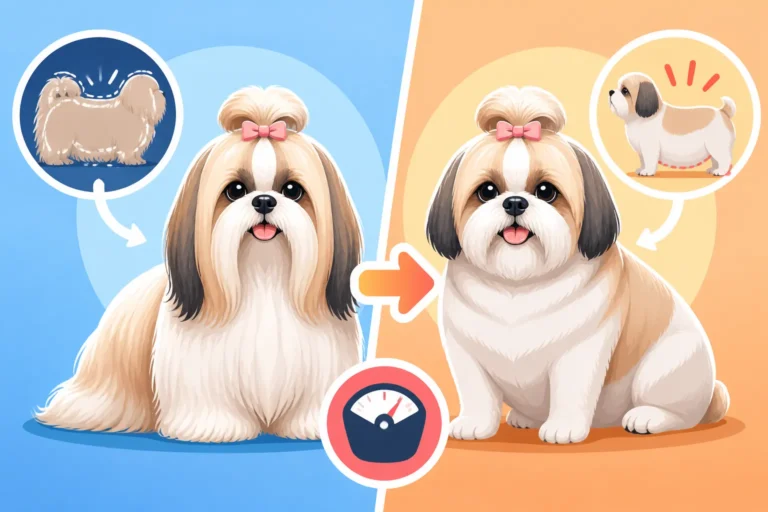
Regularly monitoring your Shih Tzu's body condition is vital for ensuring your feeding schedule and portion sizes are correct. This isn't just about stepping on a scale; it's about feeling their body. You should be able to easily feel their ribs when you run your hands along their sides without pressing hard, but not see them protruding. Their waist should be evident when viewed from above, tapering in slightly after the rib cage, and they should have an abdominal tuck when viewed from the side.
Their beautiful double coat can sometimes hide weight fluctuations, making visual checks difficult. This is why a hands-on approach is so important. If you notice your Shih Tzu is gaining weight, you might need to slightly Trimming a Shih Tzu Ration While Keeping Meals or increase their exercise. If they're looking too thin or seem lethargic, a vet visit is in order to rule out any underlying health issues and to adjust their food intake upwards if needed. Consistent monitoring, combined with regular vet check-ups, ensures your Shih Tzu maintains a healthy body condition throughout their life, optimizing their health and longevity.
Disclaimer
This article is for general informational purposes only and does not constitute professional advice. Laws, prices and regulations vary by location and change over time. Consult a qualified professional for guidance on your specific situation.