Dog Walkers Who Will Take a Shih Tzu
Finding a reliable dog walker for your beloved Shih Tzu can feel like an impossible quest. It’s not just about someone who can hold a leash; it’s about finding someone who truly understands the unique needs and delicate nature of this charming, flat-faced companion. This guide will walk you through the essential considerations, vetting processes, and specific questions to ask to ensure your Shih Tzu receives the safest and most comfortable care while you’re away.
The Unique Considerations When Finding a Dog Walker for a Shih Tzu
Shih Tzus aren't just small dogs; they come with a very specific set of physical characteristics that demand a particular kind of care, especially when it comes to exercise and outdoor activities. Handing your precious pup over to someone means trusting them with these delicate needs. It's a valid concern to worry if a walker, no matter how well-meaning, truly 'gets' a Shih Tzu.
Understanding Their Brachycephalic Needs
One of the most defining features of a Shih Tzu is their adorable, pushed-in face, a trait known as brachycephalic. While undeniably cute, this physical characteristic comes with significant health implications, particularly concerning their breathing. Their shorter airways mean they don't cool down as efficiently as other breeds, making them highly susceptible to overheating, even on what might seem like a mild day. A standard walk that a Labrador might breeze through could be dangerous for your Shih Tzu.
It's not just about the summer heat, either. Even in cooler weather, excessive exertion can lead to labored breathing, snorting, and even distress. A good walker needs to recognize the early signs of a Shih Tzu struggling, like heavy panting, bright red gums, or a sudden decrease in energy. They should be prepared to shorten the walk, seek shade, or even carry your dog if necessary. Understanding Why a Shih Tzu Overheats So Easily is crucial for anyone caring for your dog.
The Delicate Spine and Joint Concerns
Beyond their breathing, Shih Tzus are known for their relatively long backs and short legs, which, combined with their active nature, can make them prone to certain orthopedic issues. Conditions like intervertebral disc disease (IVDD) or patellar luxation (slipping kneecaps) are not uncommon. This means that rough play, sudden jumps, or even improper handling can exacerbate or trigger these problems. For instance, too much jumping off furniture or stairs can be really hard on their little spines.
A dog walker needs to be aware of how to safely handle a Shih Tzu, supporting their body properly when lifting them, and understanding the importance of gentle exercise. They should avoid situations where your dog might be encouraged to jump excessively or engage in rough-and-tumble play with much larger dogs. If you notice your Shih Tzu suddenly exhibiting Early Shih Tzu Back Pain Signs, it might be related to a disc issue, and a walker needs to be attuned to these subtle changes in gait or behavior.
Grooming and Eye Care on the Go
The Shih Tzu's luxurious double coat is another beautiful but high-maintenance feature. While you might keep your pup in a stylish The Shih Tzu Puppy Cut and Its Upkeep to minimize matting, even shorter coats need attention. Rain, mud, or even just wet grass can quickly lead to tangles, especially around the ears, legs, and underbelly. Beyond the coat, their prominent eyes require special attention. Tear staining is common, and hair can easily fall into their eyes, potentially causing irritation or even corneal ulcers.
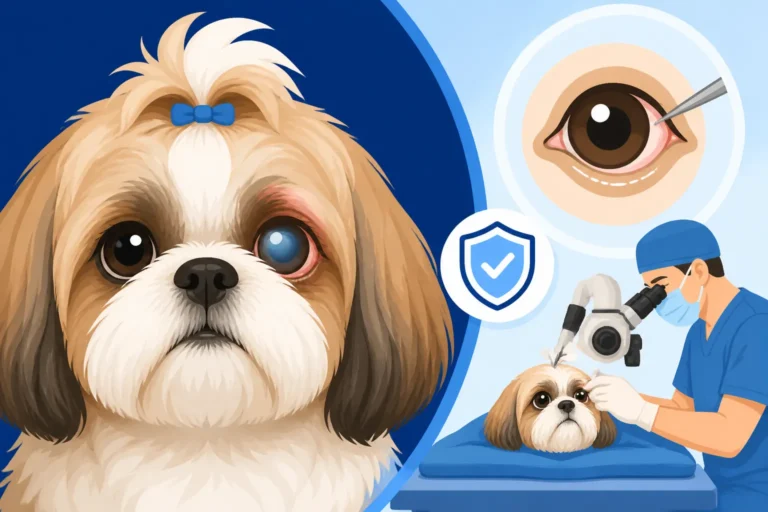
A dog walker should be prepared for light grooming needs, such as wiping away tear stains or brushing out minor tangles after a damp walk. They should also be acutely aware of the risk of Shih Tzu Eye Proptosis, the Emergency Owners Miss, where a dog's eye can actually pop out of its socket due to rough handling or trauma. This means no pulling on the leash attached to a collar, and always being gentle around their head and face.
What to Prioritize When Choosing a Shih Tzu Dog Walker
When you're entrusting your precious Shih Tzu to someone else, you want more than just a warm body to walk them. You need someone with specific skills and knowledge that caters to your breed's unique needs. This isn't asking for too much; it's asking for responsible care.
Experience with Brachycephalic and Toy Breeds
This is perhaps the most critical factor. Generic experience with "dogs" isn't enough. You need a walker who explicitly understands and has experience with brachycephalic breeds, or at the very least, a strong track record with other delicate toy breeds. This experience means they:
- Understand Brachycephalic Breathing: They know what a normal breathing rate sounds like for a Shih Tzu versus when they are struggling. They're familiar with the signs of overheating or respiratory distress and how to react quickly. They'll also understand why a Shih Tzu Exercise Intolerance in Summer requires careful planning of walk times and durations.
- Handle with Care: They know that rough handling can put pressure on a Shih Tzu's eyes or back. They'll use two hands when lifting and avoid any kind of physical punishment that could lead to injury. Knowing how to safely handle your dog to prevent issues like eye proptosis is vital, especially considering advice on Restraining a Shih Tzu Without Popping an Eye.
- Recognize Subtle Cues: Shih Tzus can be stoic, but experienced walkers will pick up on subtle signs of discomfort, fear, or pain that might go unnoticed by someone less familiar with the breed. This could be anything from a slight limp to a change in their usual tail carriage.
Don't be afraid to ask for specific examples of their experience with Shih Tzus or other flat-faced breeds. A professional will be happy to share.
The Right Walking Style and Equipment
The way your Shih Tzu is walked, and the gear used, can make a huge difference in their comfort and safety.
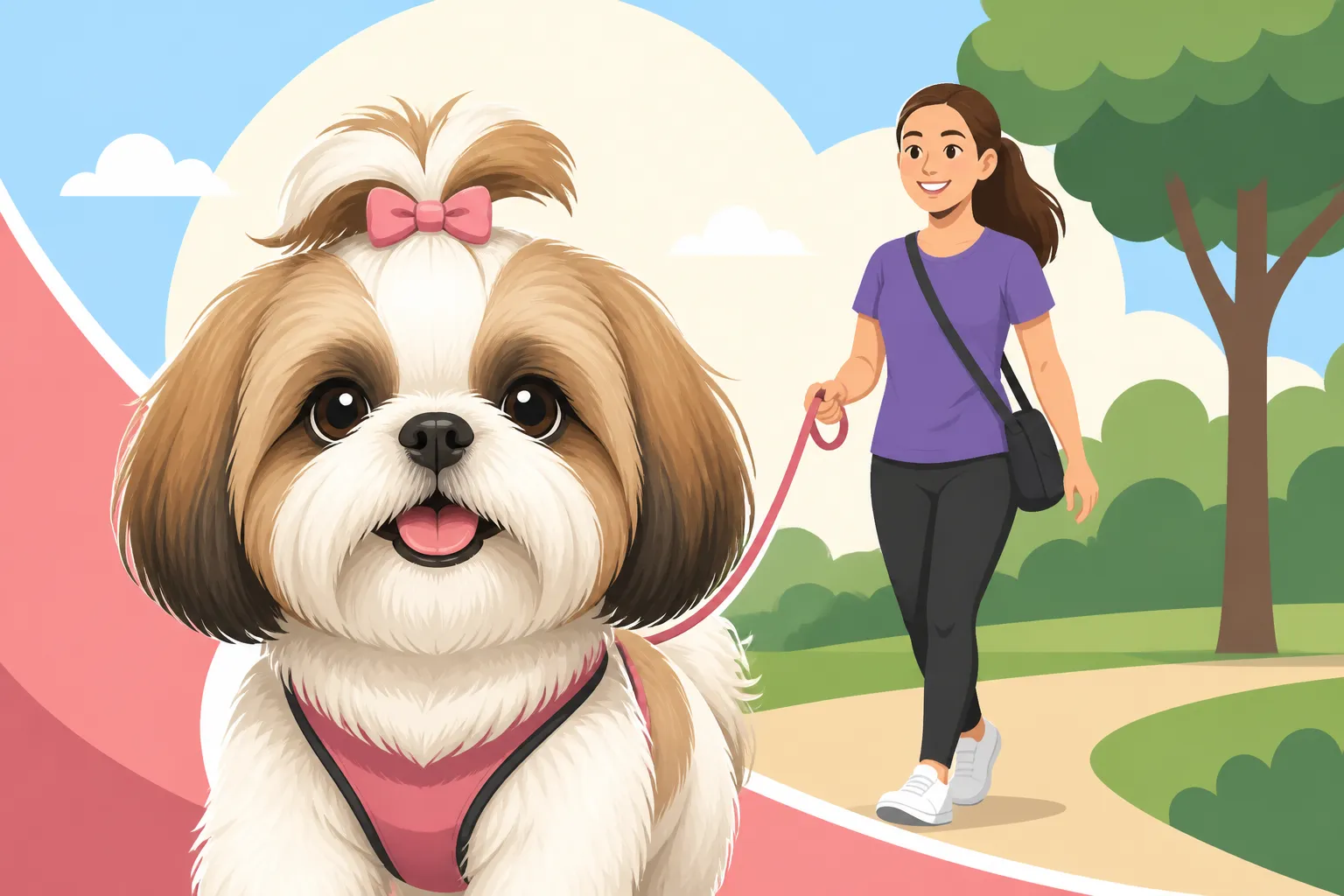
- Harness, Not Collar: This is non-negotiable for a Shih Tzu. A collar puts direct pressure on their delicate trachea, which is already compromised by their brachycephalic structure, and can also increase the risk of eye proptosis if they pull or are pulled suddenly. A properly fitted harness distributes pressure across their chest and shoulders, protecting both their airway and their eyes. Ensure your walker understands Why a Shih Tzu Should Wear a Harness Not a Collar.
- Fixed-Length Leash: Retractable leashes offer little control and can lead to sudden jerks, which are dangerous for a Shih Tzu's neck and back. A standard 4-6 foot leash is ideal for maintaining control and keeping your dog close.
- Pace and Duration: A walker should adjust the pace and duration of the walk to your Shih Tzu's individual needs and the weather conditions. Short, frequent walks are generally better than one long, strenuous outing. They should be willing to take breaks in the shade and offer water.
- Awareness of Surroundings: Because of their size, Shih Tzus are more vulnerable to larger dogs, busy traffic, or even accidental bumps from pedestrians. A good walker maintains constant awareness of their surroundings to protect your dog.
Communication and Emergency Protocols
Even with the most experienced walker, unforeseen circumstances can arise. How they communicate and react is paramount.
- Clear Communication: Your walker should be willing to provide updates after each walk – a quick text, a note, or using an app to log walk details. This includes potty breaks, water intake, any unusual observations, or interactions.
- Emergency Plan: They should have a clear emergency plan. This means knowing your vet's contact information, an emergency clinic's details, and who to call if you can't be reached. Discuss what they would do in various scenarios: if your Shih Tzu suddenly collapses, starts breathing heavily, or shows signs of pain. Make sure they know the signs of distress like A Shih Tzu Panting in the Vet Waiting Room and how to differentiate normal panting from overheating.
- First Aid Knowledge: Ideally, your walker should have basic pet first aid knowledge, especially regarding heatstroke and minor injuries. This doesn't mean they'll perform surgery, but they should know how to stabilize a situation until professional help arrives.
- Insurance and Bonding: A professional dog walker should be insured and bonded. This protects you in case of an accident, injury to your dog, or damage to your home. Always ask for proof of their current coverage.
Practical Steps to Vet and Hire a Shih Tzu-Savvy Walker
Finding the right person might take a bit of legwork, but it's an investment in your Shih Tzu's well-being. Don't rush the process, and trust your gut feelings.
Where to Start Your Search
You're looking for a needle in a haystack of generic dog walkers, so focusing your search is key.
- Veterinarian Recommendations: Your vet's office often has a list of trusted, local pet care professionals. They see many Shih Tzus and understand their needs, so their recommendations are often gold. They might even know walkers who specialize in dogs with specific health concerns, which could be a huge plus for a Shih Tzu prone to issues like Shih Tzu Joint Problems in a Toy Frame.
- Local Shih Tzu Breed Clubs or Online Forums: Connecting with other Shih Tzu owners in your area can yield excellent referrals. They've likely gone through this same search and can offer firsthand accounts of walkers who truly understand the breed.
- Reputable Online Platforms: Websites and apps dedicated to dog walking and pet sitting can be a good starting point, but always verify claims. Look for profiles that specifically mention experience with brachycephalic breeds or toy dogs. Many platforms allow you to filter by experience or read client reviews. Some online pet supply retailers like Chewy might even partner with local service providers or offer resources to help you find local pet care.
- Word of Mouth: Ask friends, neighbors, or even your groomer if they know anyone. Sometimes the best recommendations come from within your immediate circle.
Key Questions to Ask During an Interview
Once you have a few candidates, set up an in-person meeting. This is your chance to observe their interaction with your Shih Tzu and ask pointed questions. Bring your dog to the meeting to see how they interact.
- "What is your specific experience with Shih Tzus or other brachycephalic breeds?" This should be your opening question. Listen for specific anecdotes or knowledge about their unique needs, like Brachycephalic Breathing in a Shih Tzu.
- "How do you handle walks in hot or humid weather?" This will test their understanding of overheating risks. A good answer will involve early morning/late evening walks, seeking shade, carrying the dog, and always having water.
- "What kind of leash and harness do you use/recommend?" They should immediately say harness, and ideally, discuss the type of harness that is best for a Shih Tzu's body shape and double coat.
- "What is your emergency protocol if my dog becomes ill or injured during a walk?" They should outline steps like contacting you immediately, calling your vet, and knowing the nearest emergency clinic.
- "Can you provide references from other Shih Tzu owners?" Always follow up on these references. Ask detailed questions about their experience.
- "Are you insured and bonded, and can you provide proof?" This is a non-negotiable for your protection.
- "How do you ensure dogs of different sizes in a group walk stay safe together?" If they walk multiple dogs, this is crucial. A Shih Tzu can easily be accidentally injured by a larger, more boisterous dog.
- "What would you do if my Shih Tzu suddenly started honking or reverse sneezing?" These are common Shih Tzu sounds, and a knowledgeable walker will recognize them and know they are usually harmless, but also know when they might indicate a problem like The Elongated Soft Palate in a Shih Tzu.
Trial Walks and Integration
Before committing to a regular schedule, always arrange for at least one, if not several, trial walks.
- Supervised First Walk: Accompany the walker and your Shih Tzu on their first outing. Observe how they handle the leash, interact with your dog, and navigate potential distractions. Does your dog seem comfortable with them? Do they follow your specific instructions, such as Trimming Face Hair Away From Shih Tzu Eyes?
- Gradual Increase: Start with shorter, unsupervised walks and gradually increase the duration as both you and your Shih Tzu become more comfortable.
- Feedback and Adjustment: Be open to giving feedback and expect your walker to be open to receiving it. It's a partnership, and adjustments may be needed as you both learn more about each other and your Shih Tzu's routine.
Understanding the Cost of Professional Shih Tzu Dog Walking Services
The cost of dog walking services can vary widely, and it’s important to understand what you’re paying for, especially when your Shih Tzu has unique needs that might require a more specialized service. While it might seem like a significant expense, remember you're investing in your dog's health, safety, and happiness.
Factors Influencing Dog Walking Rates
Several elements typically play into how much you'll pay for a professional dog walker. It's not a one-size-fits-all fee, and understanding these can help you budget realistically.
- Location: Rates are often higher in urban or high-demand areas compared to rural or less densely populated regions. The cost of living in a particular city directly impacts service pricing.
- Duration of Walk: Most walkers charge based on the length of the walk (e.g., 15 minutes, 30 minutes, 60 minutes). For a Shih Tzu, shorter, more frequent walks might be recommended, which could impact the overall daily or weekly cost versus one long walk.
- Number of Dogs: If you have more than one Shih Tzu, expect an additional fee per dog. While they're small, it still adds to the walker's responsibility.
- Individual vs. Group Walks: Group walks are often more affordable, but consider if a group setting is truly safe for your Shih Tzu. A boisterous group of larger dogs could easily overwhelm or injure a small Shih Tzu. Private walks, while more expensive, offer undivided attention and tailored pacing.
- Special Needs: If your Shih Tzu has specific medical needs, requires medication, or needs extra care due to Shih Tzu Back Problems and Disc Disease or other conditions, the walker might charge a premium for the specialized attention and responsibility.
- Experience and Qualifications: Walkers with certifications in pet first aid, extensive experience with toy or brachycephalic breeds, or those who are bonded and insured, will generally charge more for their expertise and peace of mind they offer.
Package Deals and Regular Schedules
Many dog walking services offer discounts for booking multiple walks per week or purchasing packages of walks upfront. If you need consistent daily or weekly service, inquire about these options, as they can lead to considerable savings over paying for individual walks. Establishing a regular schedule also ensures consistency for your Shih Tzu, which can be beneficial for their routine and house training.
For example, a walker might offer a discounted rate for five walks a week compared to booking one-off walks. This also helps the walker plan their schedule and provides you with reliable care. Some companies, like those offering services through platforms where brands like Chewy might list pet services, often have these package structures.
Alternative Care and Budgeting Tips
If professional dog walking costs feel prohibitive, or if you only need occasional care, there are alternatives to consider.
- Neighbor or Friend Help: A trusted neighbor or friend who genuinely loves dogs and understands Shih Tzu needs might be willing to help out for a small fee or as a favor. Just ensure they are fully briefed on your dog's specific requirements, especially regarding their delicate structure and breathing.
- Pet Sitters: For longer absences, a dedicated pet sitter who comes to your home can be a good option. They can ensure your Shih Tzu's routine is maintained and provide one-on-one attention in their familiar environment.
- DIY Exercise and Stimulation: If your schedule allows, maximizing your time with your Shih Tzu for walks and indoor play can reduce the need for a professional walker. Indoor games and puzzle toys can provide mental and physical stimulation without needing extensive outdoor time, especially on hot days when a Shih Tzu shouldn't be outside for long.
- Budgeting for Emergencies: Regardless of your chosen care method, always have an emergency fund for your Shih Tzu. Unexpected vet visits, perhaps due to an accident during a walk or a sudden flare-up of a condition like Shih Tzu Dental Disease at 13 Percent of the Breed, can be costly. Pet insurance providers like Healthy Paws offer various plans that can help mitigate the financial burden of these unforeseen circumstances, potentially making specialized care more accessible in the long run. Thinking about how to budget, including setting a proper Setting a Shih Tzu Deductible Against Eye Bills or other common Shih Tzu ailments, is a smart move for any owner. Also, if your Shih Tzu is on a specialized diet, perhaps from a brand like Ollie, ensure your walker is aware of this and doesn't offer unauthorized treats.
Here’s a helpful table comparing different types of walking services:
| Service Type | Pros | Cons | Best For |
|---|---|---|---|
| Private Walk | One-on-one attention; tailored pace & route; maximum safety for delicate breeds. | Highest cost per walk; less socialization with other dogs. | Shih Tzus with special needs, anxiety, or owners who want full control. |
| Small Group Walk | More affordable than private; some socialization; often still well-controlled. | Still need to vet the group dynamics; potential for accidental injury from other dogs. | Social Shih Tzus without significant health issues, under careful supervision. |
| Walk & Play Session | Combines exercise with play time; good for mental stimulation. | Can be too strenuous for brachycephalic dogs if not carefully monitored; higher risk of injury. | Highly energetic Shih Tzus, but only with a walker who truly understands their limits. |
| Drop-in Visit | Quick potty break & check-in; ideal for short absences; most affordable. | No structured walk; less exercise. | Owners working short shifts, or for older Shih Tzus with low energy. |
Ultimately, finding the right dog walker for your Shih Tzu is about diligence and communication. Don't be shy about asking tough questions and clearly outlining your expectations. Your Shih Tzu deserves nothing less than someone who will treat them with the same love and care you do.
Disclaimer
This article is for general informational purposes only and does not constitute professional advice. Laws, prices and regulations vary by location and change over time. Consult a qualified professional for guidance on your specific situation.