The Puppy Check a Shih Tzu Needs at Eight Weeks
Bringing home an eight-week-old Shih Tzu puppy is an incredibly exciting time, but it often comes with a heap of questions and a touch of anxiety about their well-being. New puppy parents frequently worry if their little fluffball is truly healthy and what crucial steps they need to take right after adoption. This comprehensive guide is here to walk you through every aspect of the essential veterinary check-up your Shih Tzu puppy needs around eight weeks of age, ensuring you're fully prepared to give them the best start in life.
The Importance of the Eight-Week Vet Visit
When you bring a new Shih Tzu puppy into your home, especially one around eight weeks old, a prompt visit to the veterinarian isn't just a suggestion—it's absolutely critical. This initial check-up sets the stage for your puppy’s entire health journey, offering a crucial opportunity to identify any immediate concerns and establish a proactive care routine. Think of it as their first well-baby check, tailored specifically for their unique needs as a toy breed with distinct characteristics.
Why Timing is Crucial for Shih Tzu Puppies
An eight-week vet visit is perfectly timed for several reasons. By this age, puppies are usually weaned from their mother and are ready to receive their first round of core vaccinations if they haven't already started them with the breeder. It's also a point where many congenital conditions, which might have been subtle earlier, become more apparent. For a breed like the Shih Tzu, which can be prone to certain genetic and structural issues, this early assessment is invaluable. It allows your veterinarian to get a professional look at their overall development, ensuring their tiny body is growing as it should be, and to address any red flags before they become bigger problems down the line.
Moreover, this visit gives you, the new owner, a chance to ask all those burning questions you’ve undoubtedly gathered. From diet and potty training tips to understanding typical Shih Tzu behavior, your vet can provide personalized advice. This early relationship with your veterinary team is foundational, creating a partnership dedicated to your puppy's long-term health and happiness.
Setting a Baseline for Lifelong Health Records
Establishing a detailed health record from day one is incredibly important for your Shih Tzu. The eight-week check-up provides this vital baseline. Your vet will record your puppy's weight, temperature, heart rate, and any findings from their physical examination. This initial data serves as a reference point for all future visits, allowing your vet to track growth, development, and identify any deviations from the norm. It’s not just about addressing current concerns; it’s about documenting a healthy starting point.
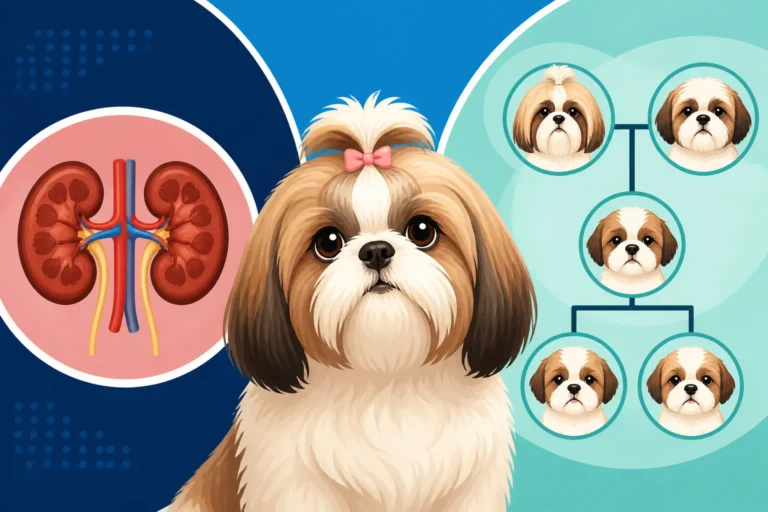
These records become particularly important if your Shih Tzu ever develops a health issue later in life. For instance, if they exhibit signs of a condition like Renal Dysplasia and the Shih Tzu Kidney as they grow, having their early health data can help your vet compare findings and track progression. A comprehensive record also proves invaluable when considering pet insurance, like a policy from Healthy Paws, as it helps establish what conditions might be pre-existing versus new. Starting these records early ensures a complete and accurate health history for your beloved companion.
What Happens During a Thorough Physical Exam
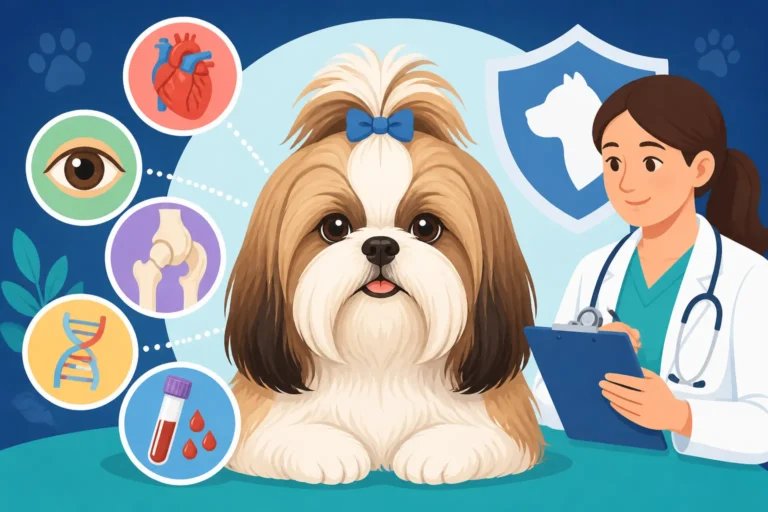
The cornerstone of your Shih Tzu puppy's eight-week vet visit is a thorough physical examination. This isn't just a quick peek; it's a meticulous, head-to-tail assessment designed to catch even the subtlest indicators of health or potential issues. Because Shih Tzus are a brachycephalic (flat-faced) breed with specific anatomical quirks, the examination will be especially attentive to areas like their breathing, eyes, and dental structure.
Head-to-Tail Inspection for Developmental Milestones
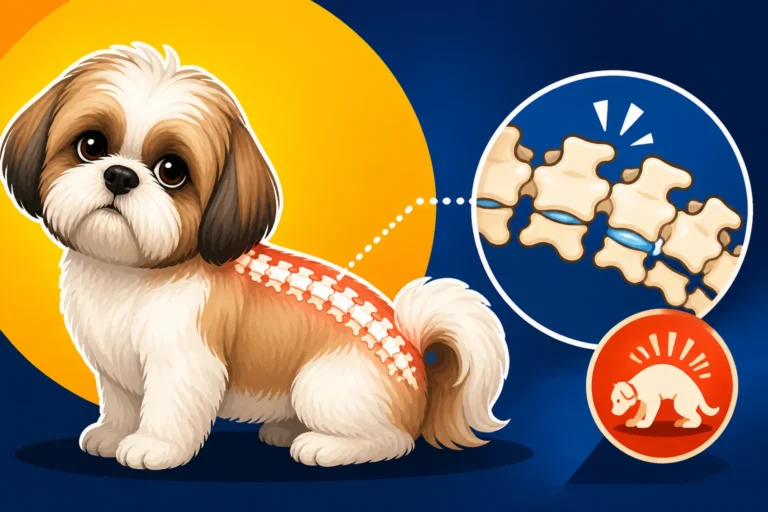
Your veterinarian will begin by observing your puppy's general demeanor, gait, and interaction. Are they bright and alert? Moving freely? They'll then move into a systematic inspection, starting from the tip of their nose right down to their tail. This involves checking their coat and skin for any parasites, rashes, or unusual lumps. They'll feel along the spine and limbs, checking for any signs of pain or abnormalities, which can be particularly important for a breed known for conditions like Patellar Luxation in a Shih Tzu. They'll also carefully palpate the abdomen to check for any tenderness, fluid, or organ enlargement, and confirm that there are no Umbilical Hernias in a Shih Tzu Puppy, which are relatively common in puppies and often resolve on their own but sometimes require monitoring or intervention.
During this comprehensive check, the vet will confirm the puppy’s sex and examine their external genitalia. For male puppies, they will check if both testicles have descended into the scrotum. Every aspect of your puppy's physical presence is evaluated to ensure they are meeting expected developmental milestones for their age and breed.
Assessing Cardiac and Respiratory Health
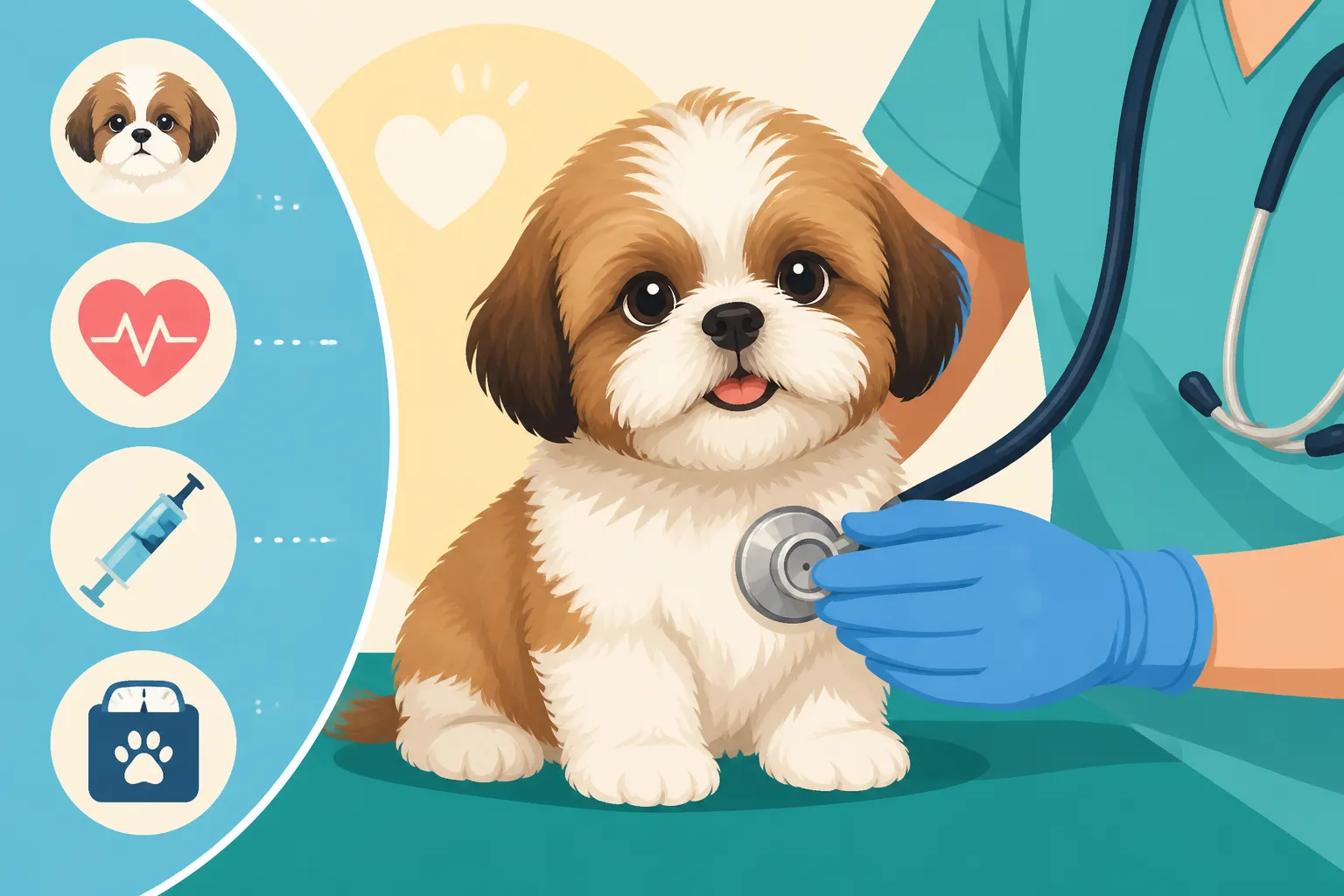
Given that Shih Tzus are a brachycephalic breed, a detailed assessment of their cardiac and respiratory systems is absolutely paramount. Your vet will use a stethoscope to listen carefully to your puppy's heart and lungs. They'll be listening for any heart murmurs, which could indicate a congenital heart defect, or any abnormal lung sounds that might suggest respiratory issues. For a Shih Tzu, early detection of potential breathing difficulties is crucial.
They will also observe your puppy's breathing pattern, looking for any signs of labored breathing, excessive panting, or noisy respiration that could point to issues such as Brachycephalic Breathing in a Shih Tzu or an The Elongated Soft Palate in a Shih Tzu or even Narrow Nostrils on a Shih Tzu Puppy. Catching these early allows for discussions about proactive management strategies or, in some cases, potential surgical interventions down the line that could significantly improve your dog's quality of life and prevent severe complications later on.
Checking for Structural and Breed-Specific Concerns
Beyond the general exam, your vet will pay close attention to structural and breed-specific characteristics that are particularly relevant to Shih Tzus. This includes a thorough examination of their eyes, looking for conditions like entropion (inward-rolling eyelids), distichiasis (extra eyelashes growing into the eye), or any early signs of irritation that could contribute to more serious issues like Shih Tzu Eye Proptosis, the Emergency Owners Miss later on. They'll also check their ears for cleanliness, signs of infection, or excessive hair growth, especially considering Shih Tzu Ear Infections Under Heavy Ear Leather are a common ailment.
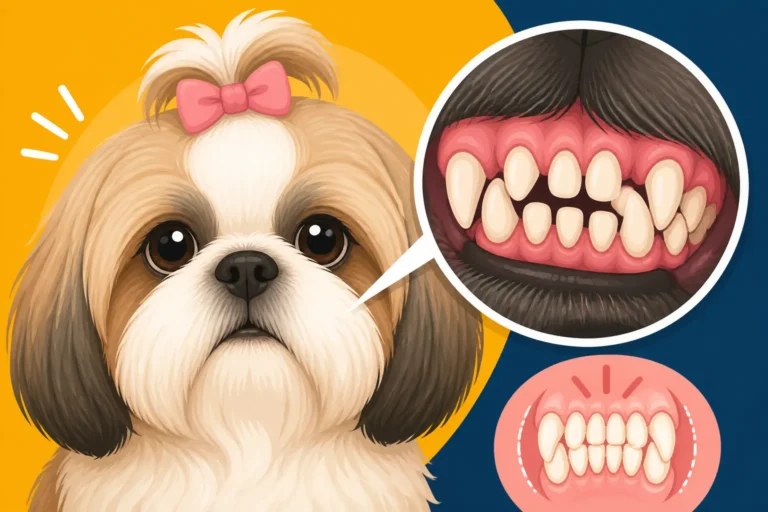
The vet will also inspect their mouth. Shih Tzus often have an undershot jaw, which is standard for the breed, but the vet will check for proper tooth alignment and the presence of all puppy teeth. This early dental check is vital because Shih Tzu Dental Disease at 13 Percent of the Breed can start surprisingly young due to their crowded mouths. They will also assess their movement and joints, looking for any limping, stiffness, or reluctance to bear weight, which could be early indicators of orthopedic issues.
Essential Screenings and Preventative Care
Beyond the physical exam, the eight-week vet visit is a critical time for initiating essential screenings and preventative care measures. These steps are designed to protect your Shih Tzu puppy from common diseases and parasites, ensuring they develop into a healthy, robust adult. This proactive approach is key to mitigating risks and setting your puppy up for a long, happy life.
Initial Vaccinations and Parasite Control
At eight weeks, your Shih Tzu puppy will likely receive their first or second set of core vaccinations, depending on the breeder's schedule. These typically include protection against distemper, parvovirus, adenovirus, and parainfluenza. Your vet will discuss a tailored vaccination schedule, taking into account your puppy's age, local disease prevalence, and lifestyle. It's crucial to follow this schedule diligently, as puppies are highly susceptible to these diseases before their immune systems are fully developed. Concerns about Shih Tzu Vaccination and Toy Breed Reactions can be discussed with your vet, who can offer reassurance and guidance.
In addition to vaccinations, parasite control is a major focus. Your vet will likely ask for a stool sample to check for intestinal parasites like roundworms, hookworms, and coccidia, which are common in puppies and can cause serious health problems. They will also discuss flea, tick, and heartworm prevention. Starting these preventatives early and consistently is vital, as these parasites can transmit diseases and cause discomfort. Your vet can recommend safe and effective products suitable for a small breed like a Shih Tzu.
Early Disease Screening and Genetic Considerations
While a comprehensive genetic panel is often performed by responsible breeders, your vet might recommend additional screenings or discussions based on their initial exam. This is especially important for a breed like the Shih Tzu, which has some predispositions to genetic conditions. For instance, reputable breeders should provide information about The DNA and OFA Tests for a Shih Tzu Litter for conditions like patellar luxation or eye abnormalities. Your vet can help you understand these results and what they mean for your puppy.
Even without a specific genetic condition, the vet will be looking for subtle signs of other issues. For example, excessive thirst or urination could be an early indicator of kidney issues, prompting further investigation into conditions like Renal Dysplasia and the Shih Tzu Kidney. They'll also discuss your puppy's medical history from the breeder, including any concerns noted about the parents or littermates. This holistic approach helps identify potential long-term health challenges early, allowing for proactive monitoring or intervention.
Microchipping for Safety and Identification
Microchipping your Shih Tzu puppy during their eight-week visit is one of the simplest yet most effective ways to ensure their safety and your peace of mind. A microchip is a tiny, rice-grain-sized device implanted painlessly under the skin, usually between the shoulder blades. This chip contains a unique identification number that can be read by a scanner, linking your puppy back to your contact information through a national database. It's truly an unsung hero in reuniting lost pets with their families.
While your Shih Tzu might be an indoor dog, accidents happen. A gate might be left ajar, or they might dart out the front door. Having them microchipped dramatically increases the chances of a happy reunion if they ever get lost or stolen. Your vet will usually register the chip for you or provide instructions on how to do so, ensuring your details are up-to-date. This small procedure is a huge step in protecting your precious new family member.
Addressing Common Shih Tzu Puppy Concerns
Shih Tzu puppies, with their distinct brachycephalic features and long, flowing coats, come with a unique set of care considerations. During their eight-week check, your vet will pay special attention to these breed-specific traits, ensuring that common potential issues are either ruled out or addressed proactively from a young age. Understanding these areas is crucial for every Shih Tzu owner.
Recognizing Signs of Brachycephalic Issues
The adorable flat face of a Shih Tzu, while endearing, is also the source of several potential health challenges, collectively known as brachycephalic airway syndrome (BAS). During the vet check, the veterinarian will carefully examine your puppy's nostrils for narrowness, a condition known as Narrow Nostrils on a Shih Tzu Puppy or stenotic nares, which can significantly restrict airflow. They'll also listen for any excessive snoring, snorting, or reverse sneezing, which can be indicators of an elongated soft palate or other airway obstructions.
Early identification of these signs is vital. While some brachycephalic issues might not require immediate intervention, knowing about them allows you to be vigilant. Your vet can advise you on how to manage these conditions, such as avoiding overheating or excessive exercise, and discuss potential preventative measures or surgical options, like a stenotic nares correction, if recommended for your puppy's long-term comfort and breathing ease. It’s about ensuring that their cute snorts don’t turn into severe breathing difficulties down the road.
Dental Development and Jaw Alignment
Shih Tzus are renowned for their charming undershot bite, where their lower jaw extends slightly beyond the upper jaw. While this is a breed standard, it can lead to unique dental challenges. At the eight-week visit, your vet will meticulously examine your puppy's mouth, checking for the correct number of puppy teeth and ensuring they are erupting properly. They'll assess the jaw alignment to confirm it's within the normal range for the breed and identify any significant malocclusions that could cause problems with eating or discomfort.
Because a Shih Tzu's mouth is already crowded, even with puppy teeth, special attention is paid to how those tiny teeth fit together. This is a crucial early step in preventing Shih Tzu Dental Disease at 13 Percent of the Breed, which often starts with overcrowding and rapid tartar buildup. Your vet will also advise you on starting a dental hygiene routine from puppyhood, even if it’s just gently touching their gums with a finger toothbrush, to get them accustomed to oral care before adult teeth arrive.
Eye and Ear Health Checks
Shih Tzus are also known for their large, expressive eyes and long, floppy ears, both of which require careful attention from an early age. The vet will perform a thorough eye exam, checking for clarity, moisture, and any signs of irritation, redness, or discharge. They'll specifically look for common Shih Tzu eye issues such as abnormal eyelash growth (distichiasis or ectopic cilia) or entropion, where the eyelid rolls inward, causing eyelashes to rub against the cornea. These conditions, if left unaddressed, can lead to chronic pain and even vision loss, and contribute to emergencies like Shih Tzu Eye Proptosis, the Emergency Owners Miss.
For the ears, your vet will check the ear canals for cleanliness, signs of infection, or excessive hair growth within the canal. Shih Tzus have heavy ear leather that covers the ear canal, creating a warm, moist environment ripe for bacterial and yeast infections. Your vet will discuss proper ear cleaning techniques and whether hair plucking is necessary for your puppy, laying the groundwork for a lifelong ear care routine to prevent the dreaded chronic ear infection.
Early Health Planning for a Long Life
The eight-week puppy check-up isn't just about immediate health concerns; it's a vital opportunity to lay the groundwork for your Shih Tzu's entire lifespan. Proactive planning in areas like nutrition, grooming, and future medical procedures will contribute significantly to their well-being, helping them thrive through their puppy years and into a healthy adulthood.
Nutritional Guidance for Growing Shih Tzus
Proper nutrition during puppyhood is fundamental for healthy growth and development, especially for a small breed like the Shih Tzu. Your veterinarian will discuss the best type of puppy food, focusing on a high-quality diet specifically formulated for small breed puppies, which provides the right balance of nutrients for their rapid growth phase. They’ll advise on appropriate portion sizes, feeding schedules (typically three to four small meals a day at this age), and how to avoid overfeeding, which can lead to obesity and put strain on their delicate joints and developing bodies.
It's tempting to offer too many treats or table scraps, but your vet will explain why maintaining a balanced diet is crucial, particularly for preventing gastrointestinal upsets and ensuring they receive all necessary vitamins and minerals. They can also offer guidance on suitable treat options and puzzle feeders that are appropriate for a Shih Tzu's small mouth and mild energy levels. This early nutritional counseling is a cornerstone of preventing future health issues tied to diet.
Grooming Fundamentals from Puppyhood
For a Shih Tzu, grooming isn't merely cosmetic; it's an essential part of their health care. Starting a grooming routine early, even at eight weeks, helps your puppy become accustomed to the handling they'll receive regularly throughout their life. Your vet will likely discuss the importance of daily brushing to prevent matting, especially with their unique double coat. They might recommend specific brushes and combs suitable for a Shih Tzu's hair type.
Beyond brushing, the vet will highlight the necessity of regular face trims, especially around the eyes, to prevent hair from irritating the corneas and causing serious eye issues. They'll also explain how to gently clean around their eyes to manage tear staining and keep their adorable face free of debris. Discussing nail trimming and paw pad hair maintenance will also be part of the conversation, as these aspects directly impact your puppy's comfort and mobility. Getting your puppy used to these routines now will make future grooming sessions much less stressful for both of you.
Preparing for Spay/Neuter Procedures
The eight-week vet visit is also an excellent time to begin discussing future reproductive health decisions, specifically spaying or neutering your Shih Tzu. While the procedure won't happen for several months, understanding the optimal timing and benefits is important. Your veterinarian will explain the health advantages of spaying or neutering, such as preventing certain cancers and uterine infections in females, and testicular cancer and prostate issues in males. They’ll also cover behavioral benefits, like reducing marking or roaming tendencies.
Discussions around Neuter Timing Around Shih Tzu Growth Plates will be crucial, as the exact age for spay/neuter has become a more nuanced topic, with veterinarians considering individual growth and breed-specific factors. For Shih Tzus, who are small breeds, many vets still recommend it around six months of age, but your vet will provide personalized advice based on your puppy’s development and overall health profile. This early conversation allows you to plan financially and emotionally for this important procedure.
What to Ask Your Veterinarian
Bringing a new Shih Tzu puppy home often leaves owners with a flurry of questions. The eight-week vet visit is your prime opportunity to get expert answers tailored specifically to your puppy. Don't hesitate to come prepared with a list of concerns, no matter how small they may seem. Your veterinarian is your best resource for navigating puppyhood.
Discussing Breed-Specific Health Risks
One of the most valuable discussions you can have with your vet is about the specific health predispositions of the Shih Tzu breed. While this guide touches on many, your vet can provide a comprehensive overview and help you understand what to watch out for. Ask them about the common genetic conditions they see in Shih Tzus in your area, beyond the widely known issues. This could include further details on Brachycephalic Breathing in a Shih Tzu, dental challenges, or orthopedic concerns.
Enquire about early warning signs for these conditions and how often your puppy should be screened for them as they grow. Understanding these risks will empower you to be a more informed and proactive owner, recognizing potential issues before they become emergencies. It also allows you to make informed decisions about things like diet, exercise, and even considering a robust pet insurance plan like those offered by Healthy Paws to help cover potential future treatment costs.
Understanding Your Puppy's Vaccination Schedule
Navigating a puppy's vaccination schedule can feel overwhelming with all the different shots and boosters. Use this visit to get a clear, personalized roadmap from your vet. Ask for a detailed schedule outlining which vaccinations your Shih Tzu will receive and when, including future boosters for core vaccines and any non-core vaccines (like Leptospirosis or Canine Influenza) that might be recommended based on your local environment and your puppy's lifestyle.
Clarify when your puppy will be fully protected and safe to socialize in public spaces like dog parks or puppy classes. This is essential for proper socialization without exposing them to unnecessary health risks. Also, ask about potential side effects of vaccines, especially given concerns about Shih Tzu Vaccination and Toy Breed Reactions, and what to do if your puppy experiences them. Having this information readily available will help you stay on track and ensure your puppy builds strong immunity.
Creating a Comprehensive Health Plan
The eight-week check-up should culminate in the creation of a comprehensive health plan for your Shih Tzu. This plan goes beyond just vaccinations and deworming. It encompasses everything from dietary recommendations and exercise guidelines suitable for a small, brachycephalic breed to advice on house training and early socialization. Ask your vet about their recommendations for ongoing preventative care, including the frequency of future wellness visits and dental check-ups.
Discuss any long-term health monitoring that might be needed, especially if your puppy has any minor findings during the exam. For instance, if they have slightly narrow nostrils, what kind of monitoring or management will be needed in the coming months or years? This plan should be a living document that evolves as your Shih Tzu grows, ensuring all aspects of their physical and emotional health are addressed from the very start.
Essential Shih Tzu Puppy Care Checklist (8 Weeks)
To help you keep track of all the vital aspects of your Shih Tzu puppy's early care, here's a handy checklist summarizing the key points from their eight-week veterinary visit and initial at-home preparations. This table serves as a quick reference to ensure you're covering all bases for your new furry family member.
| Category | Key Actions at 8 Weeks | Important Details & Notes |
|---|---|---|
| Vet Visit | Schedule and Attend Initial Exam | Meticulous head-to-tail check, discussions on breed-specific risks. |
| Establish Health Records | Baseline for weight, heart rate, development; crucial for future care. | |
| Preventative Care | Administer Initial Vaccinations | Core vaccines (Distemper, Parvo, etc.); discuss local disease risks and next boosters. |
| Initiate Parasite Control | Stool sample for worms, start flea/tick/heartworm prevention suitable for toy breeds. | |
| Microchip Your Puppy | Painless implant for identification and reunification if lost; ensure registration. | |
| Health Monitoring | Brachycephalic Assessment | Check nostrils, listen for breathing issues, discuss management for flat-faced concerns. |
| Oral & Dental Check | Examine jaw alignment, puppy teeth, and start early dental hygiene discussions. | |
| Eye & Ear Health Exam | Check for discharge, irritation, abnormal hair growth; discuss cleaning routines. | |
| Home Care | Implement Proper Nutrition | High-quality small breed puppy food, specific portion sizes, regular feeding schedule. |
| Start Gentle Grooming Routine | Daily brushing, face wiping, introduce nail trimming and ear handling. | |
| Begin House Training & Socialization | Consistent potty schedule, positive reinforcement, safe exposure to new sights/sounds (after vet approval for outings). | |
| Future Planning | Discuss Spay/Neuter Timing | Understand benefits, optimal age, and prepare for the procedure. |
| Review Breed-Specific Risks | Get detailed info on Renal Dysplasia and the Shih Tzu Kidney and other common Shih Tzu conditions. | |
| Consider Pet Insurance | Research policies (e.g., Healthy Paws) for coverage on potential future health issues. |
Disclaimer
The information provided in this guide is intended for informational purposes only and does not constitute veterinary advice. Always consult with a qualified veterinarian for any health concerns or before making any decisions about your Shih Tzu's care.