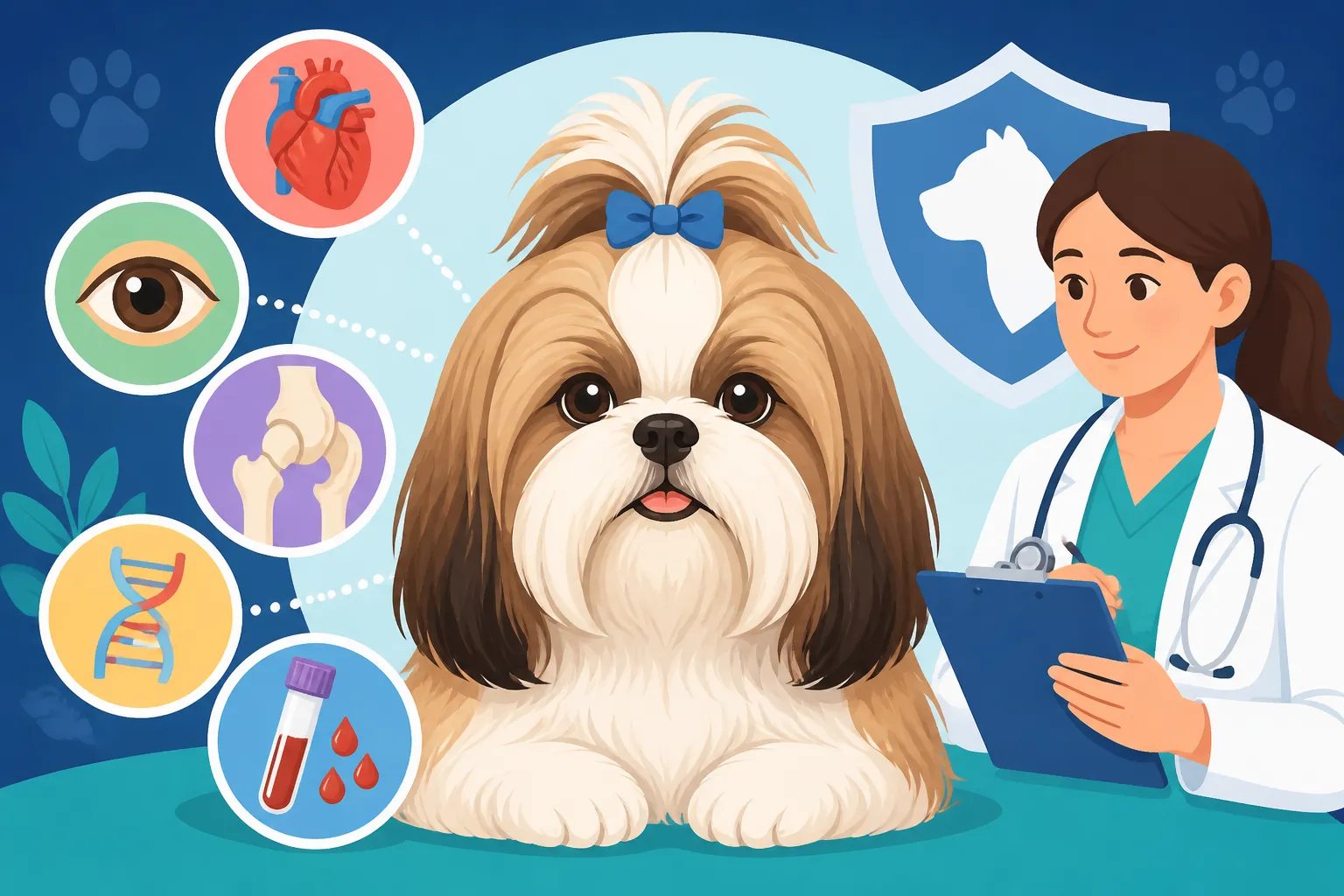
Health Testing a Shih Tzu Breeder Should Do
It’s a heartbreaking reality that many beloved Shih Tzus suffer from debilitating health conditions that could have been avoided with responsible breeding practices. As future or current Shih Tzu parents, it’s only natural to feel overwhelmed by the sheer number of potential health issues these adorable companions can face. This comprehensive guide is here to demystify the essential health tests a reputable Shih Tzu breeder must undertake, empowering you to make informed decisions and find a healthy, happy puppy.
Why Health Testing Isn't Just a "Nice to Have"
For any breed, but especially for a breed as unique and sometimes fragile as the Shih Tzu, health testing isn't just a suggestion—it's a moral imperative. When a breeder skips these crucial steps, they’re not only risking the health of the puppies they produce but also contributing to the perpetuation of genetic diseases within the entire breed. It's about looking beyond the immediate charm of a puppy and committing to the long-term well-being of the animal and its future family.
The Legacy of Responsible Breeding
Every time a breeder decides to pair two dogs, they are, in essence, making a profound decision about the future health of that specific lineage and, by extension, the breed as a whole. A truly responsible breeder takes this legacy seriously, striving to improve the breed with each generation. This means actively selecting against known genetic problems, ensuring that the puppies they bring into the world have the best possible start and the highest chance of living a long, comfortable life free from preventable suffering. It's a commitment that goes far beyond simply producing cute puppies for sale; it's about safeguarding the health of the breed for decades to come.
This commitment involves extensive research into pedigrees, understanding the genetic predispositions of the Shih Tzu breed, and being transparent about the health history of their breeding dogs and their ancestors. They participate in various health screening programs and are often part of breed clubs that uphold these high standards. Such breeders are not just selling a dog; they are offering a promise of health and support, which is invaluable.
Understanding Heritable Conditions
Many of the health issues commonly seen in Shih Tzus are not random occurrences; they are heritable, meaning they can be passed down from parent to offspring through their genes. Conditions like renal dysplasia, patellar luxation, and certain eye diseases have a genetic component. Without proper health testing, a breeder might unknowingly breed two carriers or affected dogs together, dramatically increasing the chances of their puppies inheriting these painful and costly conditions.
Think of it like a puzzle: each parent contributes half the pieces. If both parents carry a faulty piece for the same condition, the puppy might end up with two faulty pieces and develop the disease. A good breeder uses health testing to identify those faulty pieces before breeding, allowing them to make informed decisions to minimize the risk. They work to understand the intricacies of The DNA and OFA Tests for a Shih Tzu Litter and how these screenings contribute to the overall health picture.
The Financial and Emotional Toll
Imagine falling completely in love with your tiny Shih Tzu puppy, only to find out months later that they have a severe, painful genetic condition requiring extensive veterinary care. The emotional toll of watching your beloved pet suffer is immense, and the financial burden can be crushing. Surgeries for conditions like patellar luxation or extensive dental work can easily run into thousands of dollars. While pet insurance providers like Healthy Paws offer great support for unexpected accidents and illnesses, preventing these issues through responsible breeding is always the best first step.
Many owners face difficult decisions when their Shih Tzu develops a chronic condition that could have been screened for. The reality of lifelong medications, frequent vet visits, and the anxiety of managing a sick pet can be overwhelming. Responsible breeders aim to spare future owners from this heartache and financial strain by doing their due diligence upfront. They understand that a healthy start translates to a happier, less stressful life for both the dog and its family, honoring the unspoken trust placed in them.
Common Health Concerns in Shih Tzus
The Shih Tzu is undeniably adorable, with their flowing coats and charming personalities, but their unique physical characteristics also predispose them to certain health challenges. Understanding these common concerns is the first step in appreciating why specific health tests are so vital for breeders. We're not trying to scare you, but rather equip you with knowledge.
Brachycephalic Challenges
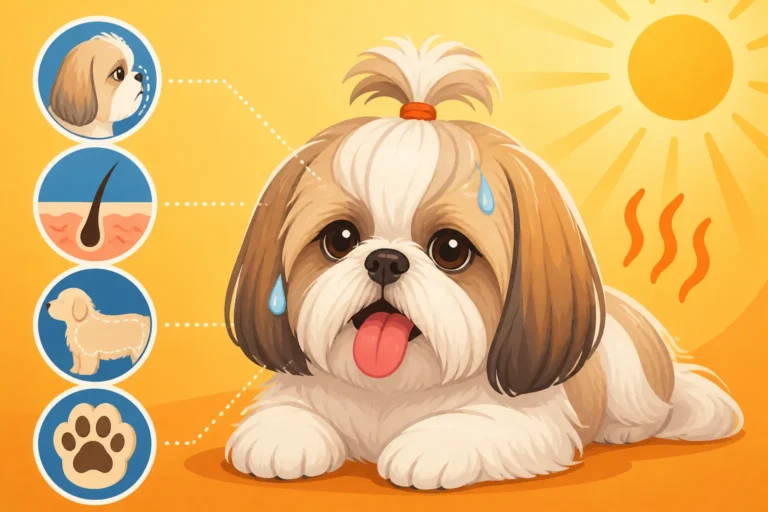
Our flat-faced friends, like the Shih Tzu, fall into the "brachycephalic" category, and this distinct facial structure comes with a host of potential respiratory issues. Their shortened muzzles often mean they have narrowed nostrils (stenotic nares), an elongated soft palate that can obstruct their airway, and a relatively small trachea. This combination can make breathing difficult, especially during exercise, stress, or in warm weather. Owners often mistake heavy snoring or snorting as "normal" for the breed, when it can actually be a sign of significant airway obstruction. A good breeder is acutely aware of these risks and aims to breed dogs with the best possible open airways. For more on this, you might want to read about Brachycephalic Breathing in a Shih Tzu.
These respiratory challenges can lead to serious health consequences, including heatstroke because they struggle to cool themselves efficiently through panting. Imagine trying to run a marathon while breathing through a straw – that's often what it feels like for a severely brachycephalic dog. Breeders should carefully evaluate the breathing patterns and physical structure of their breeding dogs, avoiding those with exaggerated features that compromise their ability to breathe freely. While there isn't one single "test" for overall brachycephalic syndrome, breeders should seek veterinary evaluations that specifically assess airway components.
Eye and Dental Predispositions
The Shih Tzu's large, prominent eyes, while undeniably captivating, are unfortunately prone to a myriad of issues. Their shallow eye sockets mean their eyes are more exposed and vulnerable to injury, leading to conditions like corneal ulcers. More dramatically, their eyes can even 'pop out' in an emergency, a terrifying event known as proptosis. Beyond injury, many Shih Tzus are susceptible to chronic dry eye (keratoconjunctivitis sicca), cataracts, and various eyelid abnormalities like entropion (inward-rolling eyelids) or distichiasis (extra eyelashes growing in problem areas).
Their charming underbite and small jaw, while part of the breed standard, also create a cramped environment for their teeth. This often leads to severe overcrowding, retained puppy teeth, and a predisposition to rapid plaque and tartar buildup, which can quickly escalate into painful periodontal disease. By the time many Shih Tzus are just a few years old, they may already require extensive dental cleanings and extractions. For more details, consider the article on Shih Tzu Eye Proptosis, the Emergency Owners Miss or Shih Tzu Dental Disease at 13 Percent of the Breed. A responsible breeder looks for healthy dentition and is proactive about screening for eye conditions, understanding that these issues are not only uncomfortable for the dog but also expensive for the owner to manage.
Skeletal and Joint Vulnerabilities
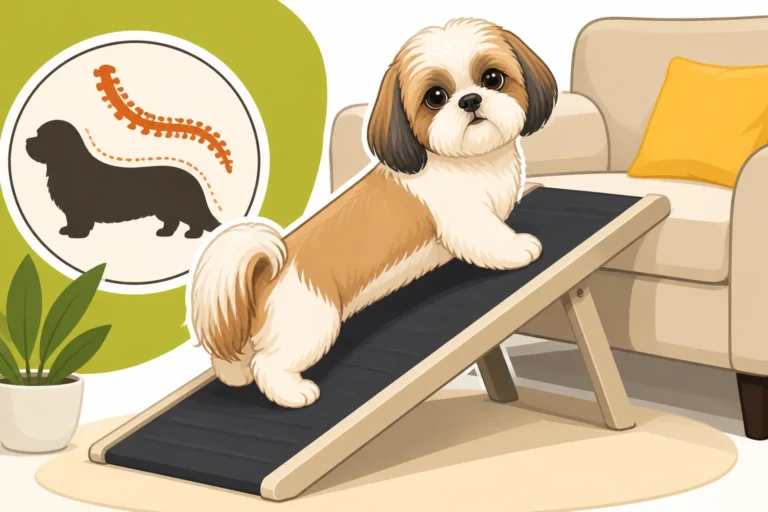
Despite their small size, Shih Tzus are not immune to orthopedic problems. In fact, their long backs and short legs make them particularly prone to disc-related issues, such as intervertebral disc disease (IVDD), which can cause sudden, excruciating back pain and even paralysis. Jumping off furniture or repetitive stair climbing can exacerbate these problems. This is a common and often devastating condition that can require costly surgery and intensive rehabilitation.
Another prevalent joint issue in Shih Tzus is patellar luxation, where the kneecap slips out of place. This can range from a mild, occasional skip in their step to severe lameness and chronic pain. While often correctable with surgery, it's a condition that greatly impacts a dog's quality of life. Responsible breeders take these skeletal vulnerabilities seriously, undertaking specific screenings to minimize the risk of passing these issues on to future generations. For further reading, look into Shih Tzu Back Problems and Disc Disease or Shih Tzu Joint Problems in a Toy Frame.
Essential Eye Health Screenings for Shih Tzus
Given the Shih Tzu's inherent predisposition to a wide array of eye problems, thorough ocular health screenings are non-negotiable for any reputable breeder. These tests go beyond a quick visual check; they involve specialized examinations performed by board-certified veterinary ophthalmologists who can detect subtle issues that a general vet might miss.
OFA Eye Certification Exam (CAER/CERF)
The Orthopedic Foundation for Animals (OFA) Eye Certification Exam, formerly known as CERF (Canine Eye Registration Foundation) and now often referred to as CAER (Companion Animal Eye Registry), is perhaps the most critical eye screening. This examination must be performed annually by a board-certified veterinary ophthalmologist. During the exam, the specialist will dilate the dog's pupils and meticulously examine the entire eye structure, looking for any signs of inherited eye diseases.
This comprehensive evaluation screens for a multitude of conditions, including cataracts, glaucoma, retinal dysplasia (abnormal development of the retina), optic nerve hypoplasia, persistent pupillary membranes, entropion (inward rolling of the eyelids), ectropion (outward rolling of the eyelids), and distichiasis (abnormally placed eyelashes that irritate the eye). The ophthalmologist will issue a report, noting any observed conditions, and this report is then submitted to the OFA for public record. A "clear" report indicates no observable signs of inherited eye disease at the time of examination, which is what you want to see for breeding stock.
Screening for Pigmentary Keratitis and Dry Eye
Beyond the OFA exam, breeders should be particularly vigilant about two very common Shih Tzu eye conditions: pigmentary keratitis and dry eye (Keratoconjunctivitis Sicca or KCS). Pigmentary keratitis is characterized by black pigment spreading across the cornea, often caused by chronic irritation from hair, eyelashes, or simply the breed's prominent eye placement. This pigment can eventually obstruct vision, and its development can often be slowed with diligent care and medical management.
Dry eye occurs when the tear glands don't produce enough tears, leading to a dry, irritated, and often painful eye surface. If left untreated, it can cause corneal damage, ulcers, and blindness. While these conditions can sometimes be managed with lifelong prescription eye drops, breeders should be mindful of severe cases in their lines. Although there isn't a specific OFA test for KCS, a veterinarian can perform a Schirmer Tear Test to measure tear production, and a thorough eye exam by an ophthalmologist will reveal signs of pigmentary keratitis. Breeders should be actively screening their dogs for these issues and discussing any familial history with prospective puppy buyers.
Genetic Testing for Ocular Conditions
While the physical eye exam is paramount, advances in veterinary genetics also offer DNA tests for certain inherited eye conditions. For Shih Tzus, one notable example is Progressive Retinal Atrophy (PRA). PRA is a group of degenerative diseases that affect the photoreceptor cells in the retina, eventually leading to blindness. There are specific DNA tests available for certain forms of PRA (like prcd-PRA), which can identify whether a dog is clear, a carrier, or affected by the disease.
Knowing a dog's PRA status allows breeders to make informed pairing decisions. For instance, a breeder might choose not to breed two carriers together, as this would produce affected puppies. Even if a dog is a carrier, breeding it with a dog that is clear can prevent affected offspring, though some puppies might still be carriers. This type of genetic insight, combined with regular physical eye exams, provides a much more complete picture of a breeding dog's ocular health and significantly reduces the risk of passing on devastating genetic eye diseases.
Addressing Orthopedic Issues Through Testing
Orthopedic health is another cornerstone of responsible Shih Tzu breeding. While they are small, their delicate frames are susceptible to specific joint and spinal problems that can drastically impact their quality of life. Preventative screening is the only way to minimize the transmission of these conditions.
Patellar Luxation Kneecap Issues
Patellar luxation, or a "slipping kneecap," is exceptionally common in toy breeds like the Shih Tzu. This occurs when the patella (kneecap) dislocates, either medially (inward) or laterally (outward), from its groove in the femur. The condition is often inherited and can range in severity from Grade 1 (minimal slipping, often self-correcting) to Grade 4 (permanent dislocation, causing severe lameness). A dog with patellar luxation may skip, hop, or hold its leg up, and in more severe cases, it can lead to chronic pain and arthritis.
The OFA offers a Patellar Luxation certification, which involves a veterinarian performing a physical manipulation of the kneecap to assess its stability. The vet grades the luxation on a scale from 0 (normal) to 4 (severe). Reputable breeders will only breed dogs that have received a Grade 0 or 1 on this examination. While surgery can correct severe luxation, it's a costly and invasive procedure, and responsible breeders aim to prevent this suffering through careful selection. This is a primary concern a breeder has when evaluating for Patellar Luxation in a Shih Tzu.
Hip and Elbow Dysplasia
While more commonly associated with larger breeds, hip and elbow dysplasia can still affect Shih Tzus and other small dogs, though less frequently. Hip dysplasia is a malformation of the hip joint, where the ball and socket don't fit together properly, leading to pain, arthritis, and lameness. Elbow dysplasia refers to abnormalities in the elbow joint. Both conditions are hereditary and can significantly impair a dog's mobility and comfort.
The OFA also offers evaluations for hip and elbow dysplasia, using specific radiographic (X-ray) views. Dogs must be at least 24 months old for a final OFA certification for hips and elbows. While the incidence rate in Shih Tzus is lower than in, say, a German Shepherd, a diligent breeder will still ensure their breeding stock is screened, particularly if there’s any history of lameness or joint issues in the dog’s lineage. It's an important part of ensuring the overall structural soundness of the breed, contributing to a longer, more active life for your future companion.
Vertebral Anomalies and Disc Disease
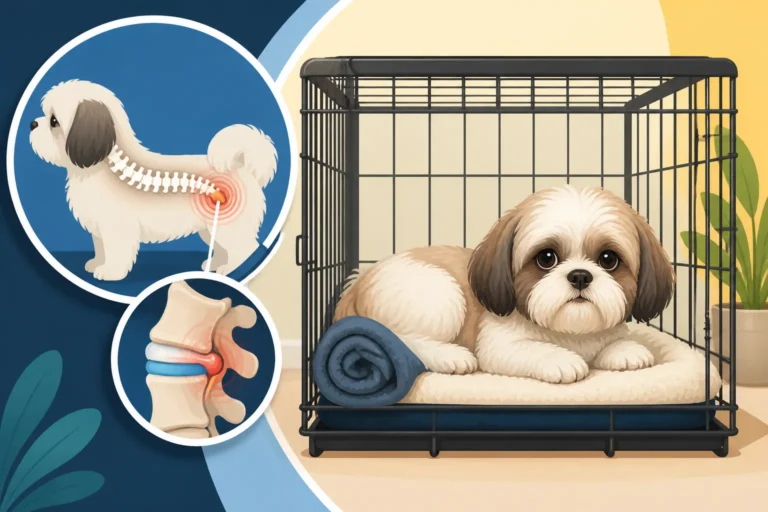
The Shih Tzu's endearing long back, combined with their short legs, makes them particularly vulnerable to spinal problems, most notably intervertebral disc disease (IVDD). This condition occurs when the cushions (discs) between the vertebrae either bulge or rupture, pressing on the spinal cord and causing pain, weakness, or even paralysis. While IVDD can be triggered by sudden movements or jumps, the underlying predisposition is often genetic, related to abnormal disc formation.
Unfortunately, there isn't a single, universally accepted screening test like the OFA certifications for hips or patellas that can perfectly predict IVDD risk in breeding dogs. However, breeders should be highly attuned to the spinal health history of their breeding lines. They should avoid breeding dogs that have a history of back problems themselves or have produced offspring with IVDD. Some breeders may opt for preliminary X-rays to look for spinal anomalies, but these aren't definitive for disc health. It primarily comes down to responsible breeding practices, careful selection of parents with sound backs, and openly discussing any historical issues in the lineage that might indicate a propensity for Shih Tzu Disc Disease and Sudden Back Pain.
Kidney Health: A Critical Consideration for Shih Tzus
While many think of orthopedic or eye issues as the primary concerns for Shih Tzus, kidney health is another extremely important area that responsible breeders must address. One particular condition, renal dysplasia, can be devastating and highlights the necessity of specific genetic testing.
Renal Dysplasia Testing
Renal Dysplasia (RD) is a hereditary kidney disease that affects Shih Tzus and can lead to kidney failure at a very young age. Puppies with severe RD often fail to thrive, displaying symptoms like excessive thirst and urination, stunted growth, and vomiting as their kidneys progressively fail. It's a heartbreaking condition, and puppies can die before their first birthday. Unlike many other conditions, RD is recessively inherited, meaning a puppy needs to inherit a copy of the faulty gene from both parents to be affected. Dogs inheriting only one copy are carriers but appear outwardly healthy.
Fortunately, there is a specific DNA test available for renal dysplasia in Shih Tzus, often referred to as the PennVet RD test. This test can accurately identify whether a dog is clear, a carrier, or affected. A responsible breeder will test all their breeding dogs for RD and will never breed two carriers together. They might choose to breed a carrier to a clear dog, ensuring no affected puppies are produced, and then test the offspring to identify which ones are carriers for future breeding decisions. This proactive testing is paramount to eradicating this severe disease from the breed and preventing the suffering of young puppies, as discussed in detail in Renal Dysplasia and the Shih Tzu Kidney.
Regular Urinalysis and Bloodwork
Even with clear genetic tests for renal dysplasia, responsible breeders should maintain a rigorous schedule of routine veterinary care, which includes regular urinalysis and bloodwork for their breeding dogs. These standard diagnostic tools provide invaluable insights into overall kidney function. A urinalysis can reveal early signs of kidney issues, such as dilute urine, protein in the urine, or an abnormal pH, which might indicate a kidney’s inability to concentrate urine effectively.
Blood tests, specifically a chemistry panel, can measure kidney values like blood urea nitrogen (BUN) and creatinine. Elevated levels of these indicate that the kidneys may not be filtering waste products from the blood as efficiently as they should. While these tests won't diagnose renal dysplasia if the DNA test is clear, they are crucial for monitoring for other potential kidney diseases, age-related decline, or urinary tract infections that could impact kidney health. A breeder who truly prioritizes health understands that genetic screening is one piece of the puzzle, and ongoing vigilance through regular vet checks provides the broader picture of their dog's well-being. Keeping an eye on signs like Excessive Thirst as the First Kidney Sign can be incredibly important.
Breeder Responsibility in Managing Lines
The existence of a specific DNA test for renal dysplasia places a significant responsibility on Shih Tzu breeders. It’s no longer acceptable to claim ignorance about the presence of this gene in their lines. A truly ethical breeder will not only test all their breeding stock but will also be transparent about the results. They will use this information to make informed breeding decisions, carefully selecting mates to avoid producing affected puppies and working towards reducing the carrier rate in their population over time.
This means a breeder must be willing to remove dogs from their breeding program if they are affected, or to carefully manage carrier dogs by only pairing them with clear mates. They understand that a clear test for RD is not just a checkbox; it’s a commitment to the health of every puppy they bring into the world. They will have documented proof of their dogs’ RD status, alongside other health certifications. This commitment prevents the heartbreak and financial burden associated with a diagnosis of Renal Dysplasia Signs in a Shih Tzu Puppy later on.
Cardiovascular and Respiratory Health Checks
Beyond the visible structure and common genetic conditions, a Shih Tzu's internal systems, particularly their heart and lungs, require careful attention from breeders. Their brachycephalic nature already puts unique stress on their respiratory system, and heart conditions can be prevalent in toy breeds.
Cardiac Auscultation and Evaluation
A thorough cardiac evaluation is a fundamental part of a comprehensive health screening program for any breeding dog. For Shih Tzus, this typically begins with cardiac auscultation, which simply means a veterinarian listens to the dog's heart with a stethoscope to detect any murmurs. A heart murmur is an abnormal sound heard during the heartbeat, caused by turbulent blood flow. While not all murmurs are indicative of serious disease, some can signal underlying structural heart problems, such as valvular disease.
For breeding animals, if a murmur is detected, a responsible breeder will take the next step: a referral to a board-certified veterinary cardiologist. The cardiologist will perform more advanced diagnostics, such as an echocardiogram (an ultrasound of the heart) and potentially an electrocardiogram (ECG), to determine the cause and severity of the murmur. In Shih Tzus, mitral valve disease, a degenerative condition of the heart valves that can lead to congestive heart failure, is a common concern as dogs age. Breeders should aim for clear cardiac evaluations to minimize the risk of passing on inherited heart conditions, ensuring their puppies have the best chance at a long, healthy life.
Evaluating Brachycephalic Airway Syndrome
While there isn't a single "certification" for overall brachycephalic airway syndrome, a responsible Shih Tzu breeder will have their breeding dogs thoroughly evaluated by their veterinarian for components of the syndrome. This involves a physical examination to assess the openness of the nostrils (stenotic nares), the presence of an elongated soft palate, and any everted laryngeal saccules. Dogs with severe stenotic nares may have very narrow, slit-like nostrils that significantly impede airflow.
The elongated soft palate is often diagnosed by observing the dog's breathing and listening for excessive snorting, snoring, or gagging. In some cases, a mild sedated examination by a vet is necessary to fully visualize the palate. Breeders should be selecting for dogs with open nostrils and healthy breathing patterns, aiming to produce puppies who can breathe freely and comfortably. While some brachycephalic traits are inherent to the breed, breeders should strive for moderation, avoiding extreme features that compromise the dog’s ability to thrive. This diligence is crucial for preventing serious issues linked to The Elongated Soft Palate in a Shih Tzu.
Tracheal Health Assessment
Another crucial aspect of respiratory health for Shih Tzus is the condition of their trachea (windpipe). Tracheal collapse is a progressive, degenerative condition where the cartilage rings of the trachea weaken and flatten, making it difficult for air to reach the lungs. This often results in a characteristic dry, honking cough, especially when the dog is excited, pulling on its leash, or exercising. While not always hereditary, there can be a genetic predisposition, and the brachycephalic structure can exacerbate the condition.
While there isn't a specific OFA test for tracheal collapse, a responsible breeder will have their veterinarian assess the tracheal health of their breeding dogs. This can involve careful auscultation to listen for abnormal breathing sounds and sometimes X-rays to visualize the trachea's structure. Breeders should be on the lookout for any signs of chronic coughing or respiratory distress in their breeding stock and their relatives. They should avoid breeding dogs with known tracheal collapse and aim to produce puppies with strong, healthy tracheal structures, reducing the likelihood of this distressing condition appearing in their offspring, as this can severely affect a dog's long-term quality of life.
Understanding Genetic Testing and DNA Panels
In the age of advanced veterinary medicine, genetic testing has become an indispensable tool for responsible breeders. It allows them to peer into the genetic makeup of their dogs, identifying carriers and affected individuals for a range of conditions that physical exams might miss.
Comprehensive DNA Panels
Beyond single-gene tests like the one for renal dysplasia, many breeders now utilize comprehensive DNA panels. These panels, offered by various veterinary genetic testing companies (like Embark or Animal Genetics), screen for dozens, and sometimes over a hundred, genetic diseases common to various breeds, including the Shih Tzu. These panels typically test for conditions that may not be immediately apparent in a young, healthy breeding dog but could be passed on to their puppies.
These panels often cover a broad spectrum of diseases, including various forms of Progressive Retinal Atrophy (PRA), von Willebrand's Disease (a blood clotting disorder), and other breed-specific conditions. The results indicate whether a dog is "clear" (meaning they don't carry the gene for the disease), a "carrier" (meaning they carry one copy of the gene but typically won't develop the disease themselves), or "affected" (meaning they have two copies of the gene and will likely develop the disease). Responsible breeders use these panels to make informed breeding decisions, aiming to avoid producing affected puppies and, over time, reducing the prevalence of these genes in their lines.
Interpreting Results: Carrier vs. Affected, Breeding Decisions
Understanding DNA panel results is crucial for effective breeding. If a dog tests "clear" for a specific disease, it means they do not carry the gene, and therefore cannot pass it on to their offspring. If a dog is a "carrier," they carry one copy of the problematic gene. They are usually healthy themselves because the other copy of the gene is normal, but they can pass that one faulty copy to their puppies. If two carriers are bred together, there's a 25% chance with each puppy that it will inherit two copies of the faulty gene and become "affected."
An "affected" dog has two copies of the faulty gene and will likely develop the disease. Ethical breeders will never knowingly breed two carriers together for a recessively inherited condition. They also typically will not breed an affected dog. If they have a valuable breeding dog that is a carrier, they will only breed it to a dog that is "clear" for that specific condition. This way, while some puppies might still be carriers, none will be affected by the disease. This meticulous approach to breeding helps to improve the overall genetic health of the Shih Tzu breed and ensures that dogs suffering from preventable genetic diseases are not born.
The Role of OFA and CHIC Programs
The Orthopedic Foundation for Animals (OFA) is a well-respected organization that compiles and disseminates information on canine health. Beyond specific certifications for hips, elbows, and patellas, the OFA also maintains a "Canine Health Information Center" (CHIC) program. The CHIC program is a voluntary database that collects health information on individual dogs from various health screenings. For a dog to receive a CHIC number, it must undergo a specific set of health tests recommended for its breed by the parent club.
For Shih Tzus, the required CHIC tests typically include an OFA Eye Certification Exam (CAER), an OFA Patellar Luxation evaluation, and a DNA test for Renal Dysplasia. Some breed clubs may also recommend additional tests, like cardiac exams. When a dog has successfully completed all the required health screenings for its breed and those results are publicly available in the OFA database, it is issued a CHIC number. A CHIC number is not a guarantee of perfect health but indicates that a breeder has done their due diligence by performing the recommended core health screenings and has made the results public. Asking a breeder for their dogs' CHIC numbers is a strong indicator of their commitment to transparency and health. This is often part of Health Testing a Shih Tzu Breeder Should Do.
What to Ask a Breeder About Their Health Testing Protocol
Finding a reputable Shih Tzu breeder requires diligent research and asking the right questions. Don't be shy about inquiring deeply into their health testing protocols; a good breeder will welcome your questions and be eager to share their practices. This is your chance to really gauge their commitment to the health and well-being of their puppies.
Proof of Testing and Clearances
Perhaps the most critical question to ask a breeder is for proof of all health testing and clearances for both the sire (father) and dam (mother) of the litter. Don't settle for verbal assurances or vague claims of "vet checked." A responsible breeder will be able to provide you with official documentation. This typically includes OFA certificates for patellar luxation, and potentially hips and elbows if screened, showing the results (e.g., "Normal" or a specific grade). For eye clearances, they should provide the results of the annual CAER exam from a board-certified veterinary ophthalmologist.
For genetic conditions like Renal Dysplasia, they should have printouts or digital copies of DNA test results from reputable laboratories, clearly indicating whether the parents are "clear," "carrier," or "affected." These documents should match the names of the breeding dogs. Many breeders will even list their dogs' OFA and CHIC numbers directly on their websites or pedigrees, allowing you to independently verify the results on the OFA public database. If a breeder is evasive or unwilling to share these documents, it's a major red flag, and you should consider looking elsewhere.
Understanding the Pedigree and Lineage
A reputable breeder doesn't just focus on the health of the immediate parents; they have a deep understanding of the entire pedigree and lineage of their dogs. This means they are knowledgeable about the health history of grandparents, great-grandparents, and any siblings or previous offspring from their breeding dogs. Ask the breeder about any known health issues that have occurred in their lines, even if the breeding parents themselves are clear. For example, if a dog's parents or siblings developed Shih Tzu Heart Murmurs and Valve Disease later in life, a responsible breeder will be transparent about this information.
Sometimes, even with all the testing, a recessive gene might crop up unexpectedly, or a condition with a complex inheritance pattern may appear. A good breeder will be open about these occurrences and explain how they are addressing them in their breeding program. They'll also be able to explain why they chose a particular pairing, often citing specific health strengths of each parent to balance out any minor weaknesses. This comprehensive understanding of the lineage demonstrates a commitment to long-term breed health, rather than just isolated test results.
What Happens if a Puppy Develops an Issue
Even with the most rigorous health testing and responsible breeding practices, no breeder can guarantee a puppy will never develop any health issue throughout its entire life. However, a reputable breeder stands behind their puppies and offers comprehensive health guarantees. Ask the breeder specifically what their health guarantee covers. Most will offer a guarantee against life-threatening genetic diseases for a certain period, usually the first year or two of the puppy's life.
Understand the terms of the guarantee: Does it cover all genetic conditions, or only specific ones? What is the procedure if a problem arises? Will they offer a replacement puppy, a partial refund, or cover medical expenses up to a certain amount? A compassionate breeder will also want to stay informed about the health of their puppies throughout their lives, using that information to continually improve their breeding program. They should be a resource for you for the lifetime of your dog, offering advice and support. This demonstrates their dedication goes beyond the sale, extending to the enduring health and happiness of their puppies and the families who love them.
Summary of Essential Shih Tzu Health Tests
To help you keep track, here's a concise overview of the key health tests and what they screen for in a Shih Tzu:
| Test Name | What it Screens For | Best Age for Testing (Approx.) | Certifying Body (e.g., OFA) |
|---|---|---|---|
| OFA Eye Certification (CAER) | Inherited eye diseases (cataracts, retinal dysplasia, entropion, distichiasis, etc.) | Annually | OFA |
| OFA Patellar Luxation | Slipping kneecaps | 12+ months (final 24+ months) | OFA |
| DNA Test for Renal Dysplasia | Genetic predisposition to kidney failure | Any age (once per dog) | Various Labs (e.g., PennVet) |
| Cardiac Auscultation | Heart murmurs, potential underlying heart disease | Annually | OFA (optional for registry) |
| Comprehensive DNA Panel | Multiple genetic diseases (PRA, vWD, etc.) | Any age (once per dog) | Various Labs (e.g., Embark) |
Disclaimer
The information provided in this guide is intended for educational purposes only and should not replace professional veterinary advice. Always consult with a qualified veterinarian for any health concerns or before making any decisions about your pet's medical care.