Finding Shih Tzu Ribs Under All That Hair
It’s a common frustration for Shih Tzu owners: you look at your fluffy companion, and all you see is a luxurious, cloud-like coat. Beneath all that beautiful hair, how are you supposed to know if your beloved little lion dog is at a healthy weight, or if those extra treats have started to pile on the pounds? It’s not always obvious, and guessing can put your dog’s health at risk. This guide will walk you through the practical, hands-on methods to accurately assess your Shih Tzu's body condition, ensuring you can keep them healthy and happy for years to come.
The Challenge of the Shih Tzu Coat Why Weight Checks Are Tricky
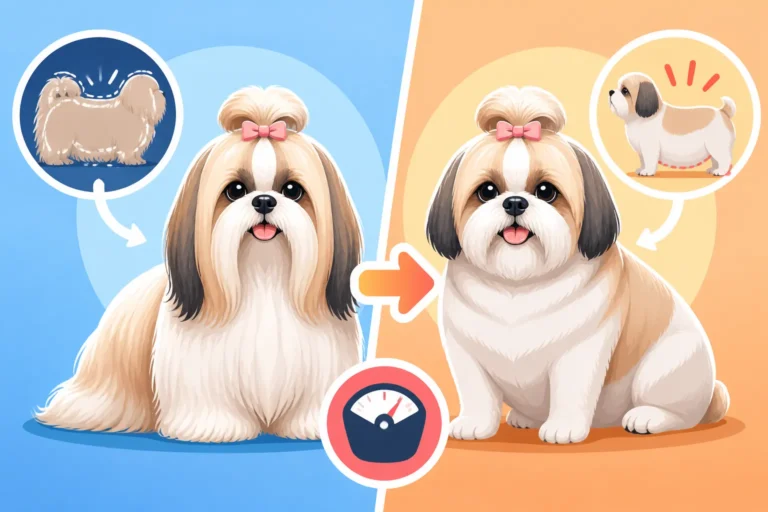
For many dog breeds, a quick glance is enough to tell if they're looking a little heavy around the middle. You can usually see their waist tuck in and feel their ribs with relative ease. But with a Shih Tzu, that beautiful, flowing double coat, a hallmark of the breed, completely changes the game. It creates an optical illusion that makes visual weight assessment incredibly difficult, leaving many owners feeling frustrated and uncertain.
The Illusion of Fluff
Think of a Shih Tzu's coat like a perfectly styled hairdo – it adds volume, shape, and a certain "poof" that can completely obscure their actual body contours. That glorious outer coat, combined with the dense, woolly undercoat, makes them look much bigger than they actually are. You might perceive a healthy, proportionate dog, when beneath that luxuriant fluff, rolls of fat are starting to develop. This isn't just a minor inconvenience; it genuinely makes it challenging to notice subtle weight gain until it becomes a significant problem. It’s exactly Why a Full Coat Hides Shih Tzu Weight Gain, and it means you can't rely on your eyes alone. A Shih Tzu can gain a few pounds and still appear relatively normal because their coat acts like a clever camouflage. This is why many owners are completely blindsided when the vet points out their dog is overweight – they simply couldn't see it happening.
Why the Scale Isn't Enough
While regularly weighing your Shih Tzu on a scale is an important piece of the puzzle, it's rarely enough on its own to give you a complete picture of their body condition. A numerical weight tells you what they weigh, but not how that weight is distributed or what it's made of. For example, a Shih Tzu with a naturally heavier bone structure might weigh a pound or two more than another at the same height, but both could be at a perfectly healthy body fat percentage. Conversely, a Shih Tzu might fall within the "ideal" weight range for the breed, but if they have very little muscle mass and too much fat, they could still be considered overweight in terms of body composition. The number on the scale doesn't differentiate between muscle and fat, and for a small toy breed, even a pound or two can represent a significant percentage of their total body weight, impacting their health dramatically.
The Hidden Dangers of Overweight Shih Tzus
Carrying even a few extra pounds can have surprisingly serious consequences for a Shih Tzu's health and quality of life. Their small, sturdy frames are simply not designed to carry excess weight. For starters, the added burden puts immense stress on their delicate joints, exacerbating conditions like Shih Tzu Joint Problems in a Toy Frame and even contributing to issues like Shih Tzu Hip Dysplasia at Toy Size. This extra strain can lead to pain, arthritis, and reduced mobility, making even simple movements uncomfortable.
Beyond joint issues, an overweight Shih Tzu is at a higher risk for a host of other health problems. Their brachycephalic (flat-faced) physiology already predisposes them to Brachycephalic Breathing in a Shih Tzu, and excess weight can severely worsen these respiratory difficulties, making it harder for them to breathe, especially in warm weather or during even mild exertion. They are also more susceptible to developing diabetes, heart disease, certain types of cancer, and liver problems. It’s not an exaggeration to say that Shih Tzu Obesity and the Load on Its Back can shave years off their lifespan and dramatically reduce their comfort and happiness. Even What Two Extra Pounds Do to a Shih Tzu can mean the difference between a dog that enjoys active play and one that struggles to keep up, leading to a vicious cycle of less activity and more weight gain.
Beyond the Scale How to "Feel" for Your Shih Tzu's Ribs and Waist
Since visual assessment is unreliable and the scale only tells part of the story, your hands become your most invaluable tool for determining your Shih Tzu's body condition. This hands-on approach allows you to feel past the fluff and truly connect with their underlying structure. It’s a technique you’ll refine over time, but the basics are simple and incredibly effective.
The Rib Test Your Hands Are Your Best Tool
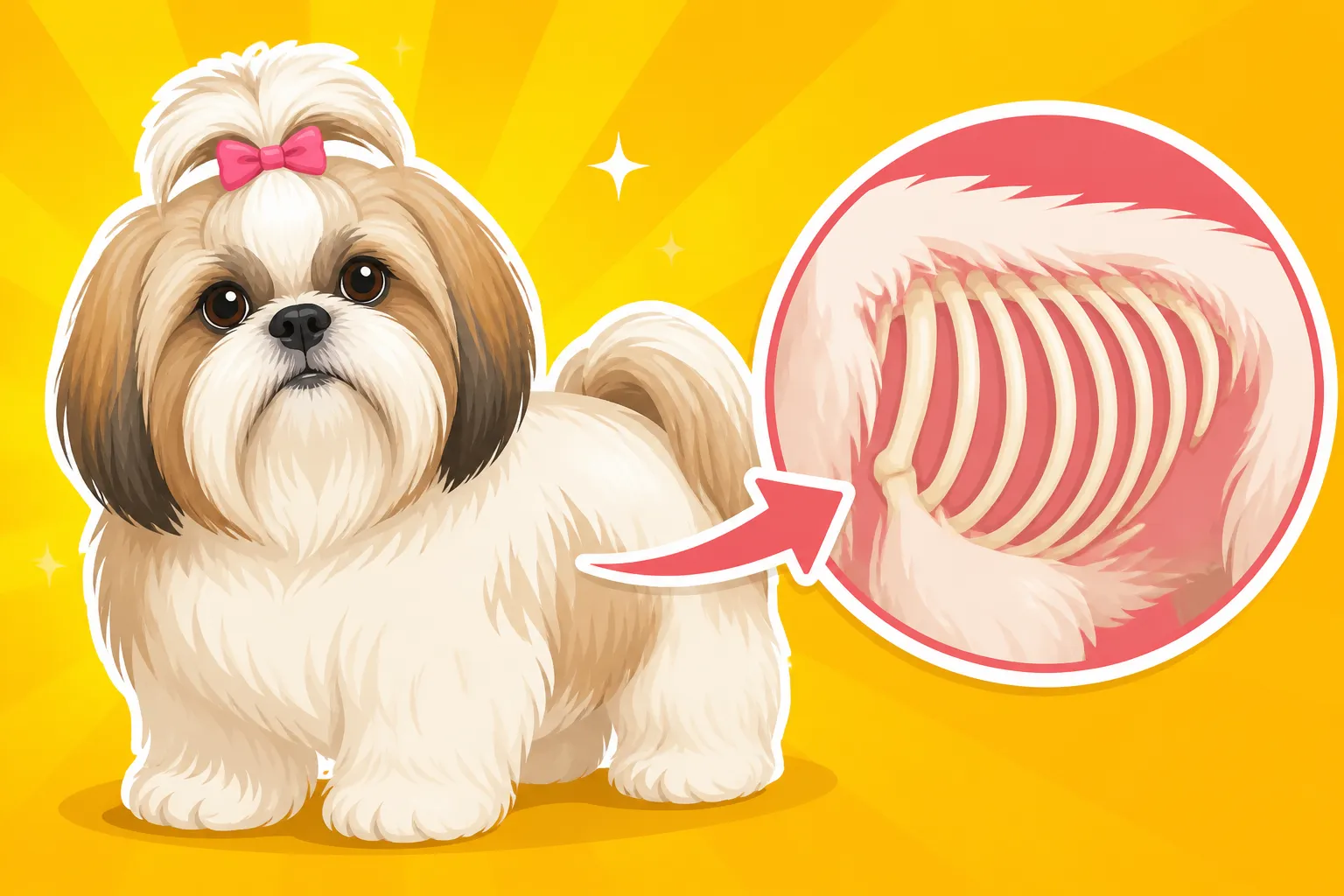
Imagine you're trying to feel for the remote control under a pile of fluffy blankets – that's often what it feels like trying to find your Shih Tzu's ribs! But it's actually quite simple once you know what you're aiming for. The goal isn't to see the ribs, but to feel them easily with gentle pressure, without them protruding sharply.
Here’s how you do it: Place both your palms flat against your Shih Tzu's chest, just behind their front legs, gently spanning their rib cage. Now, slowly slide your hands backward over their sides, applying a light, consistent pressure. You’re looking for the distinct sensation of individual ribs underneath your fingertips.
When your Shih Tzu is at an ideal weight, their ribs should feel like the knuckles on the back of your hand when you make a fist – discernible, but covered by a thin layer of muscle and a very small amount of fat. If you have to press firmly to feel anything, or if it feels more like the palm of your hand, that’s a strong indicator there’s too much padding, even if you can’t see it under the fur. Conversely, if the ribs feel sharp and prominent, like running your fingers over a washboard, your Shih Tzu might be underweight, which also warrants a vet visit. Practice this regularly, and you'll become attuned to what a healthy rib cage feels like.
Finding the Waistline and Abdominal Tuck
Even with a full, flowing coat, you can often get a sense of your Shih Tzu's waistline and abdominal tuck with a bit of gentle manipulation. The waist is the area just behind the rib cage, where the body should narrow slightly before widening again at the hips. The abdominal tuck refers to how their belly should slope upwards from the bottom of their rib cage towards their hind legs when viewed from the side.
To feel for the waist, gently push aside the hair on your Shih Tzu's sides, just behind their last rib. Run your hands inwards, feeling for that subtle inward curve. A healthy Shih Tzu should have a discernible 'hourglass' shape, even if you have to part the fur to find it. If their sides feel straight, or even bulge outwards here, they're likely carrying too much weight.
For the abdominal tuck, it’s a bit more visual, but you can still use your hands. From the side, once again, gently part the hair along their belly. You should see or feel a gentle upward slope. If their belly hangs low or is parallel to the ground, rather than tucking up, it indicates excess fat accumulation. This can be particularly pronounced in overweight Shih Tzus, where their belly might even appear saggy or pendulous.
The Overhead and Side View Visuals
While the fluff is a major obstacle, you can still glean some visual clues about your Shih Tzu’s body condition if you know what to look for, especially after performing the hands-on tests. These visual assessments serve as a complement to your tactile examination.
From an overhead perspective, when your Shih Tzu is standing naturally, try to part their coat and look down on their back. An ideal weight Shih Tzu should have a subtle but distinct "waist" – an inward curve – just behind their rib cage before their hips. If, instead, their body appears straight and barrel-like from ribs to hips, or even bulges outwards, they are likely overweight. Think of an hourglass versus a straight log.
From the side, gently part the fur along their underside. You should see a clear "tuck-up" of the abdomen, meaning their belly rises slightly from the bottom of their rib cage towards their hind legs. An overweight Shih Tzu will often have a straight or sagging abdomen, where the belly line runs parallel to the ground or even dips downwards. These visual cues, though masked by hair, become more apparent once you know what to specifically push aside the fur to look for.
Here’s a quick guide to understanding what you should be feeling for, and what it means:
| Condition Score | Ribs Feel | Waist/Abdominal Tuck | Visual Appearance (with coat pushed aside) | Implications |
|---|---|---|---|---|
| Underweight | Easily visible, no fat covering | Exaggerated tuck, bony | Severe hourglass, prominent hip bones | Malnutrition, underlying illness |
| Ideal Weight | Easily felt, like knuckles, minimal fat | Clear tuck, defined waist | Smooth hourglass, firm | Healthy, good energy |
| Overweight | Harder to feel, need to press firmly | Some tuck, but rolls of fat present | Straighter profile, less defined waist | Increased health risks |
| Obese | Cannot feel ribs, thick fat layer | No tuck, belly sags | Barrel-like, heavy abdomen | Significant health risks |
Recognizing the Signs of an Overweight Shih Tzu
Beyond the hands-on rib and waist tests, your Shih Tzu's behavior and general well-being can offer vital clues that they might be carrying too much weight. These are often the first signs owners notice, even before they connect it to their dog’s weight. Learning to recognize these subtle shifts can help you intervene early and make necessary changes.
Behavioral Cues to Watch For
An overweight Shih Tzu often displays changes in their usual behavior that can be easy to dismiss as just "getting older" or "being lazy." You might notice that your once-playful companion is less interested in games of fetch or has stopped initiating playtime altogether. They might spend more time resting, or even just lying around, and be less enthusiastic about walks. If your Shih Tzu used to eagerly greet you at the door with a flurry of tail wags and jumps, but now offers a more subdued welcome, it could be a sign. Watch for reluctance to jump onto the sofa or into bed, which they once did with ease – this can be an early indicator of discomfort from extra weight. It's often because A Shih Tzu That Will Not Jump on the Sofa might be experiencing joint pain or simply finding the exertion too much.
They might also become less tolerant of warm weather, seeking out cool spots more frequently. This isn’t just about comfort; it's a physiological response to their body struggling to regulate temperature under the insulation of both their coat and extra fat. They might also start to show reduced interest in exploring new smells on walks, preferring to stick close to you or simply wanting to return home sooner.
Changes in Movement and Energy Levels
One of the most telling signs of excess weight in a Shih Tzu is a noticeable decline in their energy levels and changes in how they move. A healthy Shih Tzu, while not typically a high-energy breed, should still be able to enjoy brisk walks and have bursts of playful activity. If you find your Shih Tzu panting heavily after only a short walk, or if they're slowing down significantly halfway through your usual route, it's a red flag. Their flat face already makes them prone to Why a Shih Tzu Cannot Cool Itself Well and Shih Tzu Exercise Intolerance in Summer, and extra weight compounds these issues dramatically.
You might also observe that they struggle to get up from a lying position, or they appear stiff and sore after periods of rest. Their gait might become more cumbersome, less sprightly than before. Increased snoring, especially if it's a new development or has worsened, can also be a sign of increased pressure on their already compromised airways due to fat deposits around the neck and chest. This intensified snoring can be a worrying indication of The Snoring That Means a Shih Tzu Airway Problem. These changes aren't just cosmetic; they signify genuine physiological strain on their small bodies.
Coat and Skin Issues Signaling Trouble
While it might seem unrelated, excess weight can also manifest in problems with your Shih Tzu's skin and coat. The thick folds of fat, especially around the neck, armpits, and groin, can create moist, warm environments that are perfect breeding grounds for bacteria and yeast. This can lead to persistent skin infections, hot spots, and general irritation that causes your Shih Tzu to scratch, chew, and lick at themselves. You might notice greasy skin, dandruff, or a dull coat, even with regular grooming. Shih Tzu Skin Allergies and Hot Spots can sometimes be secondary to underlying obesity, as the fat rolls trap moisture and reduce air circulation.
Furthermore, an overweight Shih Tzu often becomes more difficult to groom. Reaching certain areas under their belly or in their groin might become a struggle, leading to matting and tangles in these hard-to-reach spots. Owners might find themselves needing professional grooming more frequently, or dealing with more stubborn mats at home. The added body mass also puts more strain on their grooming table stability, if you groom them at home, or makes it harder for a professional to maneuver them comfortably for a thorough brush-out.
Action Plan Managing Your Shih Tzu's Weight
If your hands-on assessment or behavioral observations suggest your Shih Tzu is overweight, don't despair! Weight management is a common journey for many pet owners, and with a focused approach, you can help your furry friend return to a healthy weight. This isn't just about diet; it's about a holistic approach that includes nutrition, appropriate exercise, and regular veterinary oversight.
Re-evaluating Your Shih Tzu's Diet
The cornerstone of any weight management plan for your Shih Tzu is a careful re-evaluation of their diet. The first, and often most overlooked, step is precise portion control. It's easy to overestimate how much food a small dog truly needs. Invest in a proper measuring cup or, even better, a kitchen scale (you can find affordable options on Amazon) to ensure you're giving the exact amount recommended by your vet. Eyeballing it can lead to significant calorie creep.
You’ll want to calculate their Daily Calories for a Twelve Pound Shih Tzu and then adjust based on their ideal weight, not their current weight. A vet can help you determine the appropriate caloric intake for weight loss. Many Shih Tzu owners struggle with Measuring Shih Tzu Food Properly, often scooping rather than weighing, which leads to overfeeding. Consider splitting their daily ration into two smaller meals to help manage hunger and metabolism throughout the day.
Treats are another major area where calories can add up quickly. Those tiny morsels meant for training or just showing affection can easily push your Shih Tzu over their daily calorie limit. Opt for low-calorie treats, or even use small pieces of their regular kibble as rewards. Some owners find success with fresh food options, like those offered by Ollie, which often come pre-portioned and can make managing calories much easier, while also being highly palatable for picky eaters. For general dietary needs, Chewy offers a vast selection of weight management formulas from various brands that your vet might recommend. It's all about Trimming a Shih Tzu Ration While Keeping Meals satisfying, just smaller or lower in calories.
Incorporating Appropriate Exercise
While diet is paramount, exercise plays a vital role in burning calories, building lean muscle mass, and maintaining overall health. For a Shih Tzu, known as a low-energy toy breed, this doesn't mean marathon runs or agility courses. Instead, focus on consistent, moderate activity tailored to their capabilities and the weather.
Short, frequent walks are often ideal. Two or three 15-20 minute walks a day can be far more beneficial than one long, exhausting excursion. Remember that their flat face makes them susceptible to overheating, so always plan walks during cooler parts of the day, especially in warmer climates. Shih Tzu Exercise for a Low-Energy Toy means focusing on quality over intensity.
Indoor play is also an excellent way to keep them active and engaged. Interactive toys, gentle games of fetch down a hallway, or even puzzle feeders can provide both physical and mental stimulation. You can find a great selection of durable, small-dog-appropriate indoor toys on Amazon. These activities are particularly important during bad weather or when outdoor temperatures are too high or too low, ensuring they still get their daily movement. Think about Indoor Play for a Shih Tzu as a way to keep them active without putting them at risk.
When to Consult Your Veterinarian
Weight management should always be a partnership with your veterinarian. If you suspect your Shih Tzu is overweight, or if you're struggling to help them lose weight, your vet is your best resource. They can rule out any underlying medical conditions that might be contributing to weight gain, such as Thyroid Disease Thinning a Shih Tzu Coat. A vet can also help you determine a safe and realistic target weight and create a personalized weight loss plan, including specific dietary recommendations and an exercise regimen tailored to your dog's individual needs and health status.
They can also perform regular body condition assessments during routine check-ups, helping you track progress and make adjustments as needed. For older Shih Tzus, regular comprehensive exams, like The Senior Panel a Shih Tzu Needs at Ten, become even more crucial, as weight gain can complicate existing age-related issues. Don't hesitate to schedule an appointment – early intervention is key to preventing obesity-related health problems. Regular Vet Visit Frequency for a Shih Tzu Past Ten is also critical, as older dogs can sometimes lose muscle mass which can be mistaken for weight loss, or have other health issues contributing to weight fluctuations.
Disclaimer
This article is for general informational purposes only and does not constitute professional advice. Laws, prices and regulations vary by location and change over time. Consult a qualified professional for guidance on your specific situation.