Shih Tzu Play Style With Bigger Dogs
Bringing a spirited Shih Tzu into a home or environment with much larger canine companions can feel like preparing for a wrestling match between a feather and a sumo wrestler. Owners often worry about the vast size difference, the potential for accidental injury, and whether their tiny lion dog will truly enjoy itself or just be constantly overwhelmed. This guide is here to walk you through the nuances of Shih Tzu play dynamics with bigger dogs, helping you create safe, happy, and genuinely fun interactions for everyone involved.
The Unique Dynamics of a Small Dog and Big Dog Play Date
It’s natural to feel a bit anxious when you see your tiny Shih Tzu, with its delicate frame and bulging eyes, about to interact with a dog that might outweigh it by ten or even twenty times. The truth is, the size difference isn't just about weight; it fundamentally changes how play unfolds and how both dogs perceive the interaction. Understanding these inherent dynamics is the first step toward fostering positive experiences.
The Shih Tzu's Innate Play Preferences
Shih Tzus, at their core, were bred for one glorious purpose: companionship. Their history traces back to Tibetan monasteries and Chinese imperial palaces, where they were cherished lap warmers and pampered pets. This background means their play style isn't rooted in hunting, herding, or guarding instincts. They're not built for long, strenuous chases or rough-and-tumble wrestling sessions that might delight a Labrador or a German Shepherd.
Instead, a Shih Tzu typically prefers gentler, more social forms of interaction. They love a good game of chase, especially if they're the one being chased (gently, of course!), or a playful tug-of-war with a toy sized just right for their tiny mouths. They enjoy soft wrestling with equally small, respectful playmates, or simply lounging nearby, soaking up the attention. Their bursts of energy are usually short-lived, followed by a quick cuddle or a nap. Picture a Shih Tzu "playing" with another Shih Tzu – it's often more about polite chasing, sniffing, and perhaps a bit of playful nipping, but rarely involves hard body slams or extended pinning. This low-impact approach is perfectly suited to their small size and brachycephalic (flat-faced) physiology, which means they can overheat easily during intense exercise. Shih Tzu Exercise Intolerance in Summer
How Size Differences Impact Play Perception
When you introduce a tiny Shih Tzu to a dog significantly larger than itself, the difference in size profoundly influences how each dog experiences the play. What might be a harmless nudge from a Golden Retriever could send a Shih Tzu tumbling. A playful paw swat from a Border Collie could easily catch a Shih Tzu's sensitive eye. It's not usually malicious intent on the part of the bigger dog; it's simply a matter of physics and differing play styles.
The larger dog might not even realize their own strength or the impact their movements have. They might try to initiate play by bowing, barking, or running, all of which are perfectly normal dog behaviors, but for a Shih Tzu, these enthusiastic gestures can be overwhelming or even frightening. A large dog's excited panting right over a Shih Tzu's head can block air or create an intimidating shadow. Moreover, a Shih Tzu’s delicate spine and joints are not built to withstand the same kind of impact as a larger breed. Even a seemingly innocent jump or tumble could lead to a serious injury like a slipped disc. Shih Tzu Disc Disease and Sudden Back Pain The potential for Shih Tzu Eye Proptosis, the Emergency Owners Miss is also a very real concern if a larger dog accidentally bumps or presses on their head during play. Our little ones are fragile, and their safety must always be the top priority.
Decoding Play Signals: When Fun Turns Frightening
Observing interactions between dogs of different sizes requires a keen eye and an understanding of canine body language. What starts as a fun romp can quickly turn stressful or dangerous if you miss the subtle cues both dogs are sending. It's not just about stopping a fight; it's about preventing discomfort and fear from escalating into something more serious.
Not All Big Dogs Are the Same
Just as every Shih Tzu has its own personality, so does every larger dog. You cannot simply assume that all big dogs are automatically dangerous to a small one, or that all will be gentle giants. Breed stereotypes can be misleading; a well-socialized and calm Pit Bull might be far gentler with a Shih Tzu than an excitable, bouncy young Beagle.
The key is to evaluate the individual dog’s temperament and established play style. Has this larger dog successfully played with small dogs before? Do they understand "self-handicapping," which means adjusting their intensity, speed, and bite inhibition to match a smaller playmate? A truly gentle giant will often lie down to be at the Shih Tzu's level, offer slow, deliberate play bows, and "pull their punches," so to speak. Conversely, a larger dog who is overly boisterous, ignores signals, or gets easily overstimulated might not be a good playmate for your Shih Tzu, regardless of their breed. Always prioritize careful observation over assumptions about a dog's general reputation.
Recognizing Appropriate and Inappropriate Play Signals
Learning to read dog body language is paramount, especially in mixed-size play. Look for these key indicators:
Signs of Healthy, Appropriate Play:
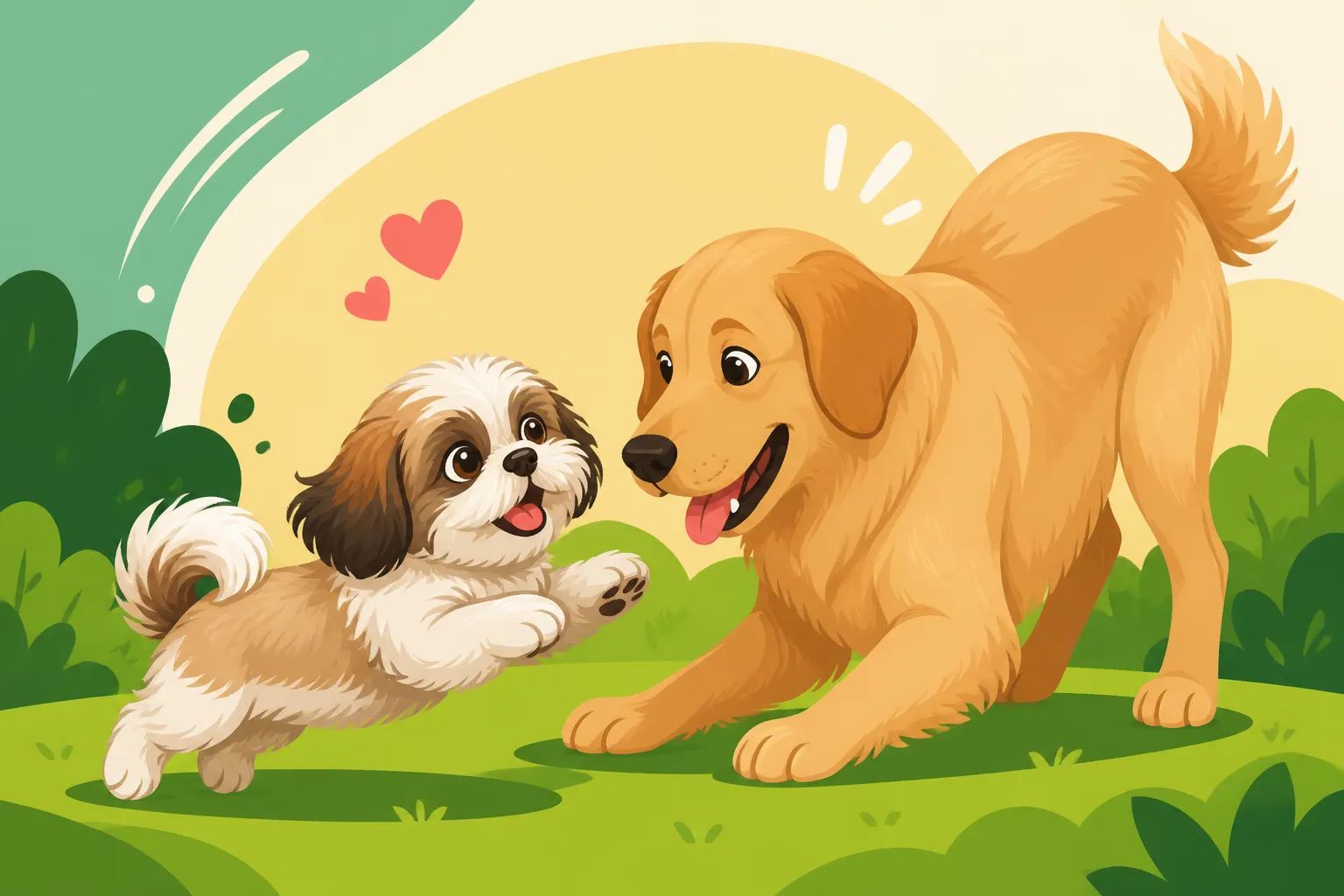
- Play Bows: Both dogs (or at least the larger one) dropping their front end with their rear in the air, inviting play.
- Reciprocal Chasing: Taking turns chasing and being chased. It’s not always the big dog chasing the small one.
- Self-Handicapping: The larger dog intentionally playing less intensely, perhaps lying down, rolling over, or using gentle mouth contact.
- Loose, Wiggling Bodies: Relaxed muscles, soft eyes, open mouths (often in a "grin").
- Breaks and Pauses: Dogs disengage briefly, shake off, then re-engage. This shows they are not overly fixated or stressed.
- No Obvious Fear or Dominance: Neither dog is constantly trying to escape or consistently pinning the other down.
Signs of Escalating or Inappropriate Play (Time to Intervene!):
- Stiff Body Language: Rigid posture, tucked tail (in the Shih Tzu), direct stares.
- Constant Chasing/Harassing: One dog relentlessly pursuing the other, with no reciprocal play.
- Ignoring Signals: The larger dog continues to push, nudge, or pin the Shih Tzu even when the Shih Tzu is trying to disengage, yelping, or hiding.
- Mounting or Persistent Chin-Over-Back: These can be dominance gestures, particularly concerning if the larger dog is doing it repeatedly.
- Excessive Barking or Growling: While some play growls are normal, harsh, sustained growling or high-pitched yelps from the Shih Tzu indicate distress.
- Shih Tzu Trying to Escape: Repeatedly trying to get away, hide under furniture, or seek refuge behind you.
- "Whale Eye": When a dog shows the whites of its eyes, it's usually a sign of stress or fear.
- Lip Licking, Yawning, Avoiding Eye Contact: These can be subtle signs of stress in either dog.
You are the advocate for your Shih Tzu. If you see any signs of discomfort, fear, or over-excitement, it's always better to err on the side of caution and step in immediately. Don't wait for things to go wrong.
Proactive Steps for Safe and Happy Inter-Size Play
Successfully managing play between a Shih Tzu and bigger dogs isn't just about reacting to problems; it's about setting them up for success from the very beginning. Thoughtful planning, careful introductions, and constant supervision are your best tools to ensure that these interactions are positive and safe.
Controlled Introductions and Supervised Sessions
The first meeting between a Shih Tzu and a larger dog should be carefully orchestrated. Never simply unleash them together in a small space and hope for the best.
- Neutral Territory: If possible, introduce them in a neutral outdoor space, like a quiet park or a large, fenced yard they both aren't overly possessive of. This reduces territorial instincts.
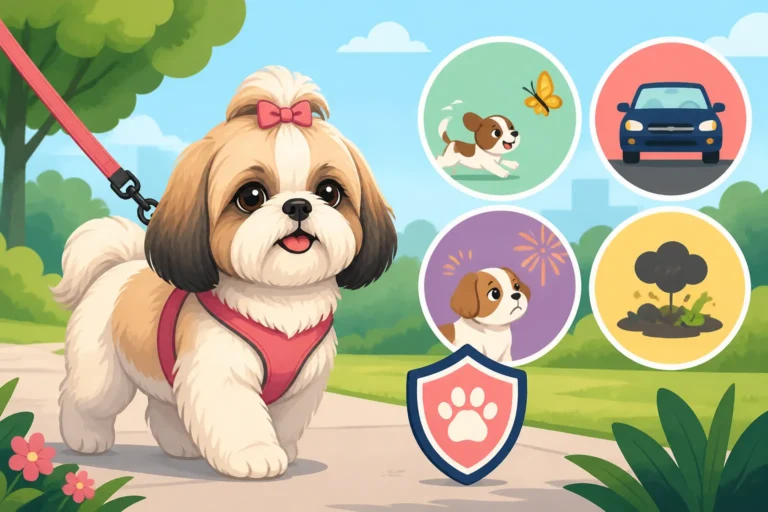
- On-Leash Initially: Keep both dogs on a harness and leash Why a Shih Tzu Should Wear a Harness Not a Collar. This allows you to maintain control and gently guide them, preventing any overly enthusiastic greetings.
- Short, Positive Sessions: Keep initial meetings brief, maybe just 5-10 minutes. End on a positive note before either dog gets overwhelmed or over-stimulated. Multiple short, positive interactions are far more beneficial than one long, stressful one.
- Constant Vigilance: During any play session, your eyes and ears must be fully engaged. Don't be distracted by your phone or conversation. Be ready to step in at a moment's notice, whether it's to praise good behavior or to gently separate them. Have a clear, calm "enough" or "break" cue you can use, and be prepared to physically intervene if necessary by calmly stepping between them or calling the larger dog away.
Remember, the goal is not forced friendship, but rather respectful coexistence and enjoyable, safe play. Not every big dog will be a suitable playmate for your Shih Tzu, and that's perfectly fine.
Creating a Safe Play Environment
Beyond the initial introduction, the physical environment plays a huge role in the success and safety of mixed-size play.
- Designated Play Areas: If you have an outdoor space, ensure it's securely fenced. Indoors, use baby gates or exercise pens (you can find many suitable options on Amazon) to create separate "safe zones" where your Shih Tzu can retreat if overwhelmed, or where a larger dog can have quiet time away from the smaller one.
- Remove Hazards: Pick up any small toys that the larger dog might accidentally ingest, or any sharp objects that could injure your Shih Tzu if they tumble. Ensure there's clear space for movement, free of obstacles.
- Elevated Retreats: Consider having dog beds or small platforms that your Shih Tzu can easily jump onto, but that a larger dog cannot reach. This gives your little one a safe vantage point and a place to relax without being bothered.
- Soft Surfaces: If play tends to get a little bouncy, consider soft rugs or carpets to cushion any falls for your Shih Tzu, rather than slick hardwood or tile floors. Why a Shih Tzu Slips on Wood Floors
When to Intervene and Separate
Knowing when to step in is just as important as knowing how. Watch for these crucial signs:
- Shih Tzu Stress Signals: Tail tucked, ears flattened, licking lips, yawning repeatedly, trying to hide, growling, yelping, or snapping (which is often a desperate "leave me alone" signal). If your Shih Tzu is showing any of these, it’s time to intervene.
- Larger Dog Over-Excitement: Persistent "bull-dogging" (constant pushing, pinning), high-pitched, frantic barking, ignoring your commands, or becoming overly focused on the Shih Tzu. This isn't necessarily aggression, but it can quickly lead to accidental injury.
- One-Sided Play: If the play is consistently initiated and dominated by the larger dog, and the Shih Tzu is just enduring it or trying to get away, it's not truly play; it's harassment.
- Changes in Environment: A sudden loud noise, a new person entering the room, or even the scent of food can change the dynamic. Be extra vigilant during these shifts.
- Your Gut Feeling: Sometimes, you just get a sense that things are off. Trust your intuition. It's always better to separate them and reassess than to regret not doing so.
When you intervene, do so calmly. Avoid yelling or grabbing. Gently guide the larger dog away or pick up your Shih Tzu. You can separate them into different rooms for a few minutes to allow everyone to decompress, then try again later if appropriate, or call it a day. Remember, sometimes the kindest thing you can do is prevent interaction rather than forcing it.
Long-Term Management: Building a Harmonious Multi-Dog Household
Living with multiple dogs, especially those of vastly different sizes, requires ongoing effort and smart management. It's about establishing clear boundaries, ensuring individual needs are met, and consistently reinforcing good behavior to build a foundation of trust and respect among all your canine family members.
Teaching Both Dogs Impulse Control
Training isn't just for puppies; it’s a lifelong endeavor, and it's particularly important when you have a size mismatch.
- Recall is King: A solid recall for both dogs is absolutely essential. Imagine your Shih Tzu running underfoot while a larger dog is playing enthusiastically; a reliable "come" command could prevent an accident. Practice Shih Tzu Recall Training Indoors and Out in various environments.
- "Leave It" and "Settle" Commands: Teach both dogs to disengage from an item or activity on cue. This allows you to interrupt potentially over-arousing play or prevent resource guarding before it starts. A Shih Tzu That Will Not Give Things Up
- Polite Greetings: Teach the larger dog to greet the Shih Tzu gently, perhaps by lying down or approaching slowly. Similarly, teach your Shih Tzu not to be overly reactive or nippy with the larger dog, which could provoke an unintended response.
- Positive Reinforcement: Always use positive reinforcement, rewarding calm interactions and good choices. Treats, praise, and gentle petting work wonders for motivating dogs of all sizes. Positive Reinforcement With a Shih Tzu
Consider an online training program if you need more guidance. Resources like BAXTER & Bella offer comprehensive training packages that can help you instill good manners and impulse control in all your dogs, regardless of age or size. These can be particularly helpful for managing multi-dog dynamics.
Providing Separate Spaces and Activities
Even in the most harmonious households, all dogs benefit from having their own space and individual attention.
- Quiet Retreats: Ensure each dog has a comfortable bed or crate where they can go to escape and relax without being bothered. This is especially important for the Shih Tzu, who might need a break from a more boisterous housemate.
- Separate Feeding Times: To avoid any potential for resource guarding or accidental grabbing of food, feed your dogs in separate rooms or crates.
- Individual Play and Training: Dedicate time each day to playing with and training each dog individually. This strengthens your bond with them and ensures they get their specific exercise and mental stimulation needs met. Your Shih Tzu might enjoy a quiet puzzle toy, while your larger dog needs a vigorous game of fetch.
- Walks: If possible, walk your dogs separately sometimes. This allows them to explore their environment at their own pace and get individual sniffing time, rather than always having to accommodate the other.
Utilizing Tools and Resources
A variety of tools can aid in creating a safe and manageable environment for dogs of different sizes.
- Safety Gates and Pens: As mentioned, these are invaluable for creating visual and physical boundaries. They allow dogs to see each other and acclimate without direct interaction, which is perfect for controlled introductions or giving one dog a break.
- Elevated Beds or Pet Stairs/Ramps: Giving your Shih Tzu easy access to higher, safe spots (like a couch, bed, or dedicated pet platform) can give them a sense of security and a break from ground-level interactions. Ramps are particularly good for protecting their back from jumping injuries. Ramps for a Shih Tzu With a Long Spine
- Proper Harnesses: Ensure both dogs have comfortable, well-fitting harnesses. For a Shih Tzu, a harness is crucial to prevent strain on their delicate neck and trachea. Why a Shih Tzu Should Wear a Harness Not a Collar
- Long-Lasting Chews and Toys: Provide appropriate toys for each dog. Make sure the larger dog doesn't have small toys that could be a choking hazard for your Shih Tzu, and vice versa. Always supervise when new toys are introduced.
By being proactive, observant, and consistent, you can absolutely create a loving home where your tiny Shih Tzu and their larger canine friends can coexist happily, respectfully, and safely. It just takes a little extra effort and a lot of understanding of their unique needs.
Play Behavior Signals in Mixed-Size Dog Interactions
| Behavior | Indicates Healthy Play | Indicates Concerning Play (Intervene!) |
|---|---|---|
| Body Posture | Loose, fluid, wiggly, often with play bows; larger dog may lie down. | Stiff, rigid, tucked tail (Shih Tzu), raised hackles; larger dog persistently standing over. |
| Vocalizations | Soft, low play growls; occasional happy yelps; no frantic barking. | High-pitched yelping/screaming (Shih Tzu); harsh, sustained growling; frantic, anxious barking. |
| Eye Contact | Brief, soft glances; looking away and re-engaging. | Hard, prolonged stare; "whale eye" (whites of eyes showing); constant avoidance by Shih Tzu. |
| Mouth/Face | Open, relaxed mouth ("dog smile"); gentle mouthing, no hard bites. | Closed, tense mouth; snarling; repeated hard nips or bites; excessive lip-licking/yawning (stress). |
| Engagement | Reciprocal chasing, taking turns; pauses to shake off, then re-engage. | One-sided chasing/bullying; Shih Tzu constantly trying to escape or hide. |
| Response to Cues | Both dogs respond to "break" or "come" cues; larger dog adjusts play intensity readily. | Dogs ignore commands; larger dog fixated on Shih Tzu, won't disengage. |
| Overall Energy | Playful bursts followed by rest; energy levels are somewhat matched or adjusted. | Larger dog is excessively boisterous, overwhelming the Shih Tzu; Shih Tzu is visibly exhausted/stressed. |
Disclaimer
This article is for general informational purposes only and does not constitute professional advice. Laws, prices and regulations vary by location and change over time. Consult a qualified professional for guidance on your specific situation.