Why Harsh Corrections Shut a Shih Tzu Down
It’s incredibly disheartening when you’re trying to teach your sweet Shih Tzu something new, and instead of learning, they just… fold. You might feel like you're doing something wrong, or that your dog is being stubborn, but often, what looks like resistance is actually a sign that your training methods are creating fear rather than understanding. This guide will help you understand why harsh corrections are counterproductive for these sensitive little lion dogs and how to foster a loving, effective training relationship instead.
The Sensitive Nature of a Companion Breed
Shih Tzus are not like working breeds. They weren't developed to herd sheep, guard property, or retrieve game. Their entire history is rooted in being cherished companions, lap warmers, and royal confidantes. This ancient heritage means they possess a uniquely sensitive and affectionate temperament, which dictates how they respond to the world and, crucially, to training.
Built for Cuddles, Not Confrontation
Think about their lineage: Shih Tzus were bred in Tibetan monasteries and later adored by Chinese emperors. Their purpose was to be charming, gentle, and utterly devoted pets, living lives of luxury within palace walls. This isn't a dog that ever needed to assert dominance or withstand harsh outdoor conditions. They thrive on positive human interaction, warmth, and a sense of security. When faced with confrontation or perceived threats, their natural instinct isn't to fight back, but to retreat, to avoid, or to shut down entirely. They are inherently predisposed to seek harmony and gentle guidance, making them particularly vulnerable to stressful training techniques. Why a Shih Tzu Was Bred to Sit on a Lap delves deeper into their historical role and how it shaped their personality.
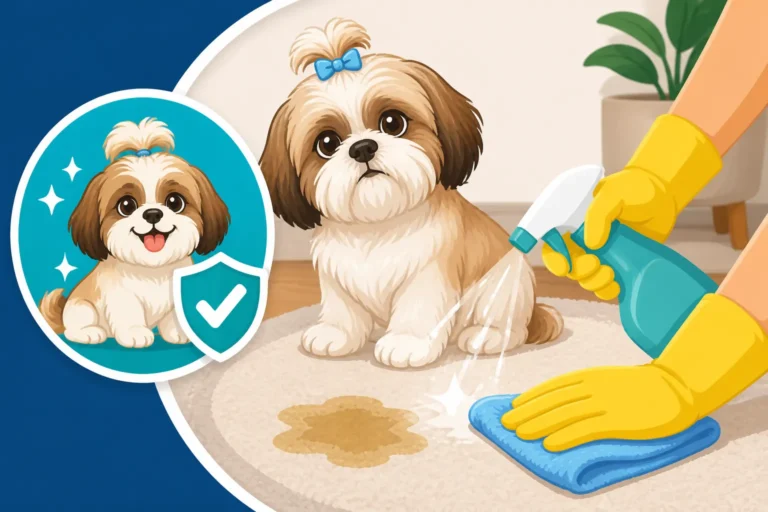
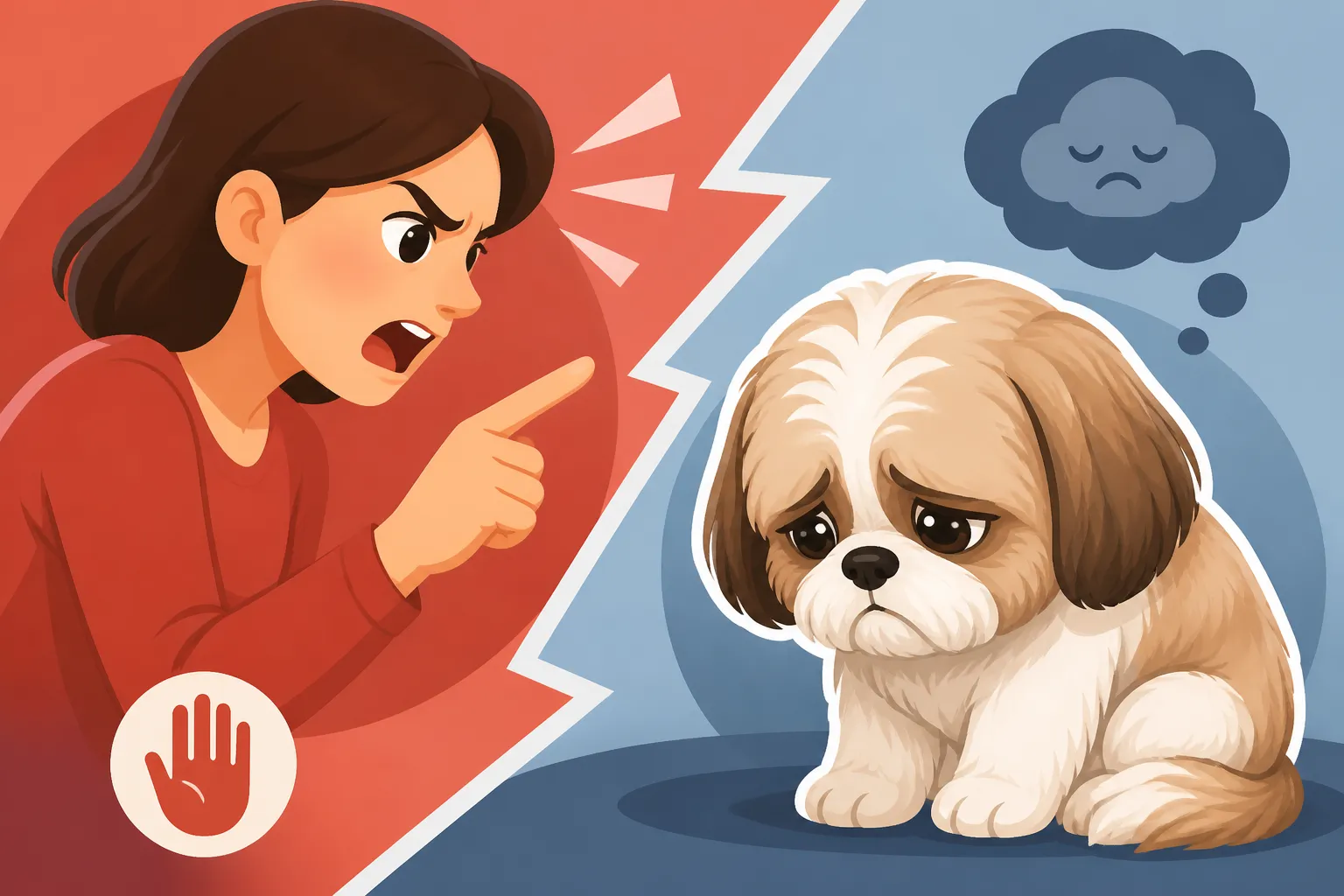
Imagine a fluffy little dog, whose ancestors were literally carried on silken pillows, suddenly being yelled at for an accident on the rug. Their world, which is built on connection and positive reinforcement from their human, instantly shifts. Instead of understanding "don't pee here," they learn "human is scary when I pee." This is a fundamental misunderstanding of their delicate psychology. Their small size also plays a role; being confronted by a large, loud human can be genuinely terrifying for them, much more so than for a larger, more robust breed.
Reading the Subtle Cues of a Shut-Down Shih Tzu
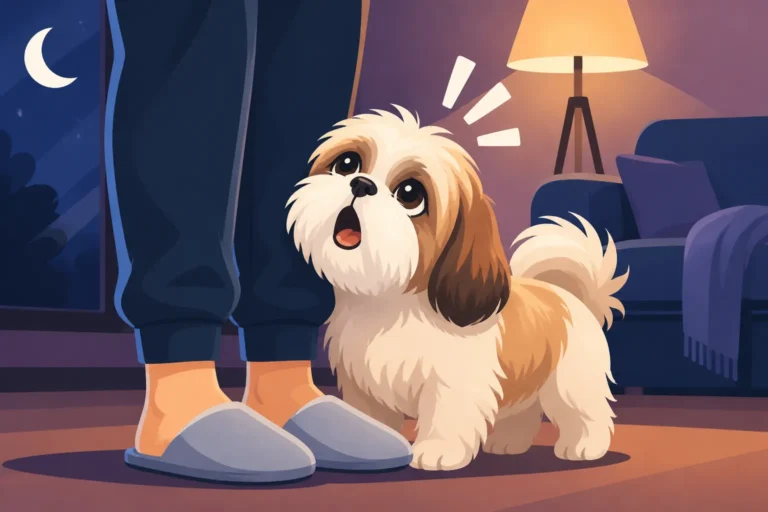
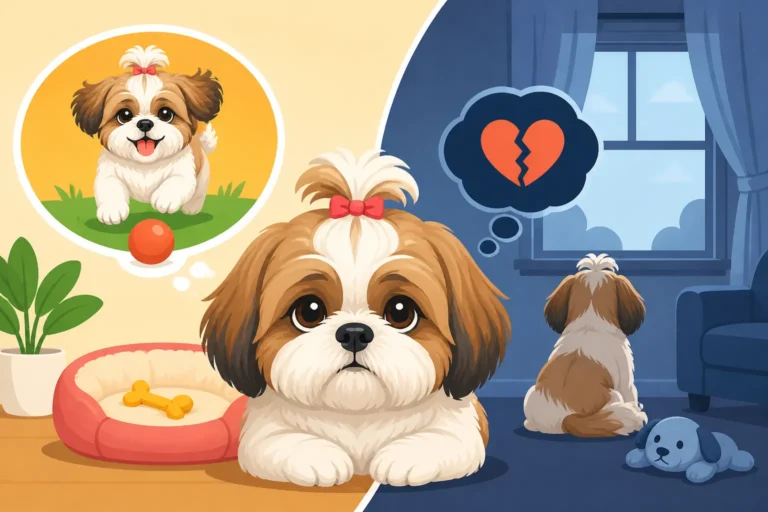
A "shut-down" Shih Tzu isn't just ignoring you; they are often overwhelmed, frightened, and trying to make themselves invisible. It’s crucial to recognize these subtle signals, as they are your dog’s way of communicating distress before it escalates. They might not growl or snap; instead, they might offer a host of appeasement gestures.
Common signs include averting their gaze, tucking their tail tightly between their legs, flattening their ears, or yawning repeatedly when not tired. You might see them licking their lips, even when no food is present, or refusing to make eye contact. A truly shut-down Shih Tzu might also become completely still, almost frozen in place, or even try to hide behind your legs or under furniture. They might also start to pant without exertion, shiver, or even shed excessively in response to stress. These aren’t signs of defiance; they are clear indicators that your dog is feeling unsafe and is trying to diffuse a situation they perceive as threatening. Understanding Shih Tzu Temperament and the Companion It Was Bred to Be can help you tune into these nuances.
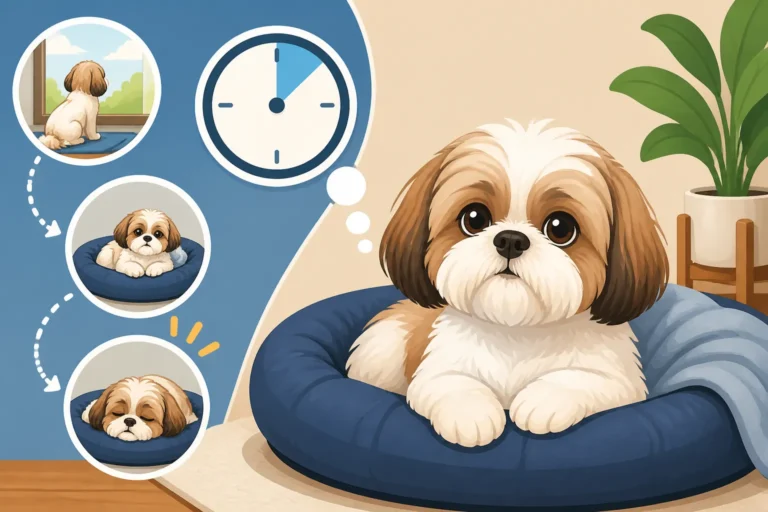
Sometimes, a shut-down Shih Tzu will simply refuse to engage. They might stop responding to cues they previously knew, or refuse to take treats, even their favorites. Their body language will become stiff, or conversely, overly compliant, moving slowly and cautiously. This isn't stubbornness; it's a profound learned helplessness, where they've learned that trying to interact or perform carries a risk of discomfort or fear, so it's safer to do nothing at all. It's heartbreaking to see, and it means the bond of trust is being eroded.
Why Traditional "Dominance" Methods Fail Shih Tzus
For years, many dog training philosophies centered around the idea of "dominance," suggesting that dogs are constantly trying to be the "alpha" and that owners must assert their authority through firm, even harsh, corrections. While this theory has largely been debunked by modern animal behavior science, its legacy unfortunately persists, leading many well-meaning owners down a counterproductive path, especially with a breed like the Shih Tzu.
The Myth of Dominance and Its Impact on Small Dogs
The "dominance theory" originated from flawed observations of captive wolf packs, which don't accurately reflect the social structures of domestic dogs. In reality, dogs are social animals, but their "pack" dynamics are far more nuanced and cooperative, especially within a human household. Trying to dominate a Shih Tzu is like trying to dominate a cloud; it simply doesn't make sense within their natural behavioral framework. They aren't trying to usurp your leadership; they're trying to understand how to coexist happily within your family.
When you apply dominance-based methods – like alpha rolls, forced corrections, or harsh verbal reprimands – to a small, sensitive dog like a Shih Tzu, you aren't establishing leadership. Instead, you're creating confusion, fear, and a breakdown in communication. These methods teach your dog to fear you, rather than respect you or understand your expectations. A Shih Tzu who is consistently subjected to such an approach will not learn better manners; they will learn to avoid you, to perform behaviors out of anxiety, or to completely disengage. This often leads to increased anxiety, aggression born of fear, or the "shut-down" behavior we've discussed. It completely misses What a Companion Breed Wants From Training, which is a partnership based on kindness.
The Fear-Freeze-Fawn Response: How Shih Tzus React to Pressure
Just like humans, dogs have ingrained responses to stress and danger. While larger, more confident dogs might exhibit a "fight or flight" response, many smaller, more vulnerable breeds like the Shih Tzu are more likely to exhibit a "freeze" or "fawn" response when faced with overwhelming pressure. They're not equipped for physical confrontation, so their survival instincts lean towards appeasement or immobility.
The "freeze" response is exactly what it sounds like: your Shih Tzu becomes stiff, still, and unresponsive. They might stop moving entirely, perhaps hunching down, hoping the scary situation will pass if they don't draw attention to themselves. The "fawn" response involves actively trying to please or pacify the perceived threat. This could manifest as excessive licking, rolling over to expose their belly (not out of comfort, but submission), or a desperate attempt to perform any known command, even if it's not the one you're asking for, just to stop the pressure. This isn't learning; it's a coping mechanism driven by fear. For example, a Shih Tzu repeatedly corrected for barking might learn to suppress their barks in your presence, but the underlying anxiety that caused the barking hasn't been addressed, and they may simply find another outlet for that stress, or bark even more frantically when you're not around. It's why recognizing Early Shih Tzu Back Pain Signs is so important, because a dog in discomfort might snap, but it's not a behavior problem, it's a pain response.
| Behavior Observed | Common Misinterpretation (Harsh Methods) | Actual Meaning (Shih Tzu Perspective) |
|---|---|---|
| Averting gaze / Avoiding eye contact | Stubbornness, trying to get away with it | I am uncomfortable, please don't hurt me. |
| Tucked tail / Flattened ears | Defiance, guilt | I am scared, I feel unsafe in this situation. |
| Yawning / Lip licking | Tiredness, hunger | I am stressed and trying to calm myself. |
| Freezing in place | "Being still," finally obeying | I am overwhelmed and trying to disappear. |
| Refusing treats | Not hungry, ignoring you | I am too stressed to eat, I don't feel safe. |
| Urinating/Defecating when scared | Spite, protest | I am terrified and have lost bodily control. |
Building Trust Through Positive Reinforcement
So, if harsh corrections are out, what's in? The answer is positive reinforcement, a method that focuses on rewarding desired behaviors rather than punishing unwanted ones. This approach builds a strong, trusting relationship between you and your Shih Tzu, encouraging them to learn and cooperate because they want to, not because they fear the consequences. It taps directly into What Motivates a Shih Tzu to Work – connection and rewards!
The Power of Praise, Treats, and Gentle Guidance
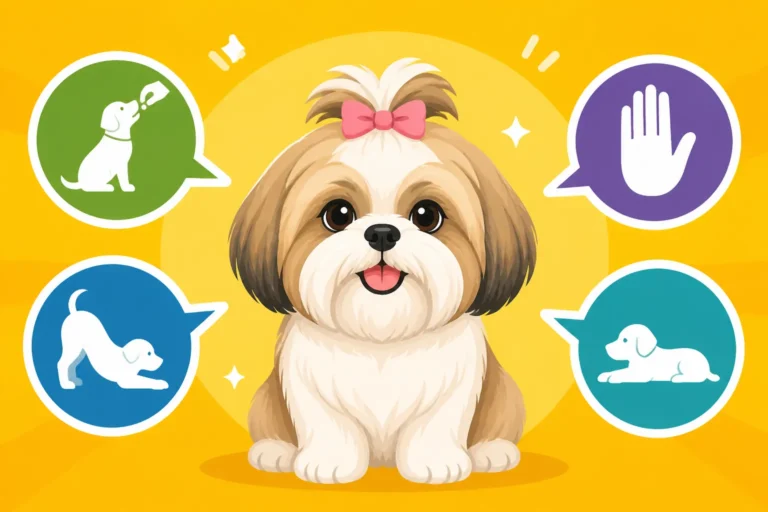
Positive reinforcement is incredibly effective for Shih Tzus because it aligns perfectly with their companion nature. They naturally seek to please their humans and thrive on affection. When you reward a desired behavior – whether it’s sitting calmly, going potty outside, or coming when called – you are telling your dog, "Yes! More of that, please!" This makes them more likely to repeat the behavior.
This can be as simple as a cheerful "Good dog!" and a small, high-value treat, or a gentle scratch behind the ears. The key is to deliver the reward immediately after the desired action, so your Shih Tzu makes the connection. For instance, if you're working on house training, every single time your Shih Tzu eliminates outside, throw a party! Lots of happy praise, a special treat, and maybe even a quick game. Soon, they'll associate going outside with wonderful things. You can find excellent small Treat Sizes That Suit a Shih Tzu on platforms like Amazon, perfect for quick rewards that won't spoil their dinner. Remember, consistency is vital, especially with these clever little dogs. Even very short, Five Minute Sessions With a Shih Tzu can be incredibly impactful.
Gentle guidance means showing your Shih Tzu what you want them to do, rather than expecting them to guess and then correcting them when they're wrong. Use lures (like a treat to guide their nose into a sit), clear verbal cues, and your own body language to demonstrate the desired behavior. When they get it right, reward them generously. This approach avoids the confusion and fear that harsh corrections create, fostering a learning environment where your Shih Tzu feels safe to try new things and make mistakes. Many online programs, such as BAXTER & Bella, offer comprehensive, positive reinforcement-based training for puppies and adult dogs, which can be a fantastic resource for owners seeking gentle, effective methods.
Rebuilding Confidence After a Negative Experience
If you've inadvertently used harsh methods in the past, or if you've adopted a Shih Tzu with a history of negative training, it's absolutely possible to rebuild their confidence and trust. It takes patience, consistency, and a profound commitment to positive interactions. The first step is to completely stop any aversive methods – no yelling, no startling noises, no physical corrections. Your goal is to become a source of comfort and predictability, not fear.
Start by going back to basics with very simple, low-pressure training exercises. Focus on building positive associations. Spend time just being with your Shih Tzu, offering gentle pets, soft praise, and delicious treats for simply being in your presence. Hand-feed some meals to strengthen your bond. When training, break behaviors down into tiny steps and reward heavily for each small success. If your Shih Tzu shows any signs of stress or shutting down, immediately ease off the pressure. End the session on a positive note, even if it's just rewarding them for sitting. For a dog that has been traumatized, a calm, predictable routine is your best friend. Finding a Trainer Who Understands Toy Breeds is critical here, as a good professional can help guide you through this process with sensitivity and expertise.
It’s like starting a new friendship; you wouldn't expect instant trust after a rocky start. Take your time, be reliable, and always be the benevolent leader your Shih Tzu needs. They need to learn that you are a safe haven, a consistent provider of good things, and that making mistakes won't lead to punishment. Celebrate every tiny step forward, and understand that rebuilding trust is a journey, not a sprint. Whether an Older Shih Tzu Can Still Learn is a resounding yes, especially when the training approach prioritizes their emotional well-being.
Consistency, Patience, and Realistic Expectations
Successful training, especially with a sensitive breed like the Shih Tzu, boils down to three key pillars: consistency, patience, and realistic expectations. Consistency means that everyone in the household uses the same cues, the same rules, and the same reward system. A Shih Tzu won't understand if "sit" means one thing to you and another to your partner, or if jumping on guests is sometimes allowed and sometimes punished. This can be especially important for areas like house training, as inconsistency can lead to Shih Tzu House Training Regression.
Patience is paramount. Shih Tzus are smart, but they learn at their own pace, and they're easily distracted. Don't expect instant perfection. There will be setbacks, moments of frustration, and days when it feels like you're not making progress. Breathe. Remember that your Shih Tzu is a living, feeling creature, not a robot designed to execute commands flawlessly. Their small bladders mean How Long a Shih Tzu Can Hold It isn't very long, so understanding physical limitations is part of patience.
Finally, realistic expectations are essential. A Shih Tzu, while capable of learning many things, is not going to be an agility champion or a guard dog. Their natural inclination is to be a loving companion. Focus on teaching them polite house manners, leash skills, and enjoyable tricks that strengthen your bond. Embrace their unique personality and remember that the goal is a happy, well-adjusted pet, not a perfectly obedient automaton. With kindness, understanding, and positive reinforcement, your Shih Tzu will flourish and become an even more cherished member of your family. Why a Shih Tzu Suits a Quiet Household perfectly encapsulates their need for a calm, supportive environment.
Disclaimer
This article is for general informational purposes only and does not constitute professional advice. Laws, prices and regulations vary by location and change over time. Consult a qualified professional for guidance on your specific situation.