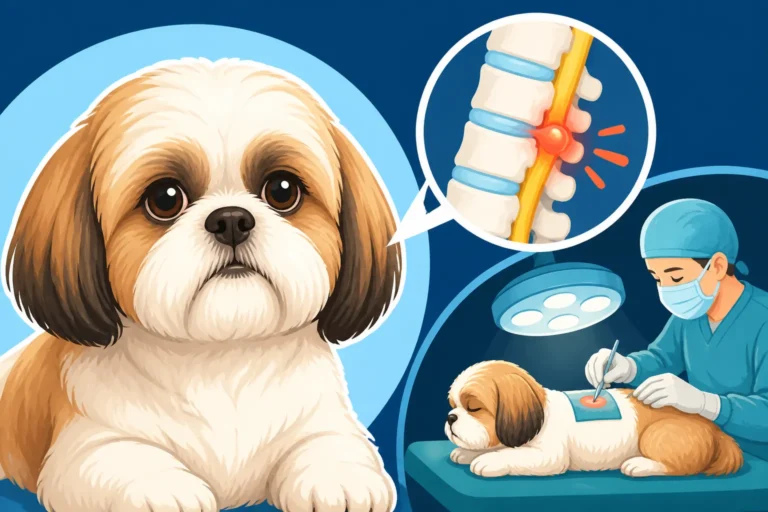
Adopting a Shih Tzu With Eye Damage
It’s a truly admirable and often challenging decision to open your heart and home to a Shih Tzu with a known health issue, especially something as delicate and impactful as eye damage. Many of these sweet, flat-faced companions end up in rescue situations precisely because their past owners couldn't, or wouldn't, manage the ongoing care for their eyes. If you’re considering bringing such a resilient little soul into your life, this guide will walk you through what to realistically expect, from the types of conditions you might encounter to the financial implications and the daily care involved in ensuring they live a comfortable, joyful life.
Understanding the Common Eye Issues in Shih Tzus
Shih Tzus, with their adorable squishy faces and big, beautiful eyes, are unfortunately predisposed to a whole host of ocular problems. It's not their fault; it's simply a part of their unique breed characteristics, and when you adopt a Shih Tzu with existing damage, you're often seeing the results of these predispositions, sometimes combined with neglect or lack of proper care.
Why Shih Tzus Are Prone to Eye Problems
The very features that make a Shih Tzu so endearing are also their biggest vulnerabilities when it comes to eye health. Their brachycephalic (flat-faced) structure means they have shallow eye sockets, causing their eyes to protrude more than other breeds. This makes them highly susceptible to injury and conditions that wouldn't be as prevalent in dogs with deeper-set eyes. Beyond that, their glorious long hair, while part of their charm, can easily irritate the eyes if not meticulously maintained, leading to a cascade of issues. Imagine having hair constantly poking at your eyes; it's uncomfortable and can cause real damage over time. This unique anatomy also contributes to conditions like Brachycephalic Ocular Syndrome in a Shih Tzu.
Types of Eye Damage You Might Encounter in a Rescued Shih Tzu
When you adopt a Shih Tzu with eye damage, you might encounter a range of issues, some more severe than others. Understanding these can help you prepare for what lies ahead.
- Corneal Ulcers: Because their eyes protrude and are often irritated by hair, Shih Tzus are highly susceptible to corneal ulcers. These are open sores on the surface of the eye, incredibly painful, and can lead to permanent vision loss if not treated aggressively. In a rescue dog, an ulcer might be chronic, poorly healed, or have left scarring. You may notice your Shih Tzu squinting with one eye or producing excessive tears. This is often linked to Shih Tzu Corneal Ulcers From a Shallow Socket.
- Dry Eye (Keratoconjunctivitis Sicca – KCS): This condition occurs when the eye doesn't produce enough tears to stay lubricated. The eyes might appear dull, red, and there could be a thick, yellow discharge. Untreated, chronic dry eye can lead to corneal scarring, pigmentary keratitis, and even blindness. Many rescued Shih Tzus suffer from this, often requiring lifelong daily eye drops. This can be a huge contributing factor to Dry Eye in a Shih Tzu and Lifelong Drops.
- Pigmentary Keratitis: This is a secondary condition, often caused by chronic irritation or dry eye, where dark pigment spreads across the cornea. This pigment blocks light from reaching the retina, gradually impairing vision and eventually leading to blindness if the underlying cause isn't addressed. It’s a common sight in older Shih Tzus or those with long-standing eye issues, and you might notice it as a brown or black film spreading across the surface of their eye. Learning about Pigmentary Keratitis in a Shih Tzu can be very helpful.
- Eyelash and Eyelid Abnormalities: Conditions like entropion (eyelids rolling inward, causing lashes to rub the eye) or distichiasis/ectopic cilia (extra eyelashes growing in irritating spots) are also common. These cause constant irritation and can lead to ulcers or pigmentary keratitis. Sometimes, previous owners neglected to address these, leading to chronic discomfort and damage. You might notice your Shih Tzu constantly rubbing their face or tearing excessively. These are often signs of Shih Tzu Eyelash and Eyelid Problems.
- Proptosis: This is when the eyeball literally pops out of its socket. While usually an emergency trauma, a Shih Tzu's shallow sockets make them prone to this even from minor incidents like rough play or improper restraint. A rescued Shih Tzu might have had a proptosis in the past, leading to permanent damage, scarring, or even requiring eye removal. It's a terrifying thought, but it’s a reality for the breed, and understanding Shih Tzu Eye Proptosis, the Emergency Owners Miss is critical.
What to Expect When Adopting a Shih Tzu with Existing Eye Damage
Adopting a dog with special needs is a commitment, but it's also incredibly rewarding. The journey begins with understanding their current condition and preparing your home and heart for their unique requirements.
The Initial Veterinary Assessment
When you first adopt your Shih Tzu, a comprehensive veterinary exam is non-negotiable. This isn't just a standard check-up; it needs to be a focused assessment of their eyes. Your regular vet will likely perform a thorough ocular exam, including a Schirmer tear test for dry eye, a fluorescein stain to check for ulcers, and an evaluation of their eyelids and surrounding structures. They’ll look for any signs of irritation, inflammation, or existing damage. Depending on the findings, your vet may recommend a consultation with a veterinary ophthalmologist – a specialist in animal eye care.
Don't be surprised if this initial visit uncovers more than you expected. Sometimes, the extent of damage isn't immediately obvious. The ophthalmologist will have specialized equipment to examine the internal structures of the eye and determine the best course of action, whether it's ongoing medication, a surgical procedure, or a combination. They can give you a clearer picture of their prognosis and what kind of vision, if any, your new companion has or might retain. This specialist assessment is vital for dogs with chronic issues, as it can unveil complex conditions that a general practitioner might not diagnose without advanced tools.
Questions to Ask the Rescue or Shelter
Before you even bring your new friend home, arm yourself with as much information as possible from the rescue or shelter. They are your best resource for understanding the dog's history. Ask specific questions:
- What is the known history of their eye condition? Was it an injury, a chronic issue, or a congenital problem?
- Have they seen a veterinary ophthalmologist? If so, can you get copies of the specialist's reports? This is incredibly valuable for continuity of care.
- What medications, if any, are they currently on for their eyes, and what is the dosage and frequency?
- Have they undergone any eye surgeries in the past? What was the outcome?
- What is their current vision status? Are they completely blind, partially sighted, or do they have good vision despite the damage?
- What kind of daily eye care have they been receiving at the shelter? This gives you a baseline for their routine.
The more information you have, the better prepared you'll be to provide appropriate care and discuss their needs with your own vet. A good rescue will be transparent and eager to share all available records to ensure a smooth transition and the best possible outcome for the dog. They understand the financial commitment involved and want to make sure you're fully aware of what you're taking on.
Preparing Your Home for a Visually Impaired Shih Tzu
If your adopted Shih Tzu has significant vision impairment, whether partial or complete, preparing your home is crucial for their safety and comfort. They rely heavily on their other senses, so consistency is key.
- Create a Safe Zone: Designate a specific, easily navigable area as their "safe zone" – perhaps with their bed, food, and water bowls. Keep these items in the same spot.
- Remove Hazards: Block off stairs, sharp furniture corners, or anything they could bump into. Puppy pens or baby gates can be very useful for this.
- Maintain Consistency: Avoid rearranging furniture. Dogs with limited vision create a "mental map" of their environment, and moving things can cause disorientation and anxiety. If you must move something, guide them around the new layout several times.
- Scent Markers: Some owners use distinct scents (like vanilla extract or essential oils diluted in water, applied to a cotton ball and placed near obstacles) to help their dog navigate. This can be particularly helpful for finding their way to their water bowl or avoiding a doorway.
- Ramps and Steps: If they previously jumped onto furniture, provide pet-safe ramps or steps to prevent falls and protect their spine, which is also a common area for issues in Shih Tzus. Consider ramps for a Shih Tzu with a long spine to avoid strain.
- Vocal Cues: Start using consistent verbal cues like "step up," "watch out," "this way," or "stop" to guide them. They'll learn to trust your voice as their eyes.
Even if they only have minor damage now, thinking proactively about potential future vision loss will help you create a stable and predictable environment for your new family member.
The Financial Realities of Caring for a Shih Tzu with Eye Damage
Let's be real: specialized care for any pet can add up, and eye issues are no exception. It's important to go into this adoption with your eyes wide open about the potential financial commitment.
Understanding Initial and Ongoing Veterinary Costs
The costs associated with a Shih Tzu with eye damage can vary dramatically based on the specific condition and severity.
- Initial Diagnostics: Expect to pay for the initial vet visit, diagnostic tests like tear tests, fluorescein stains, and potentially an ophthalmologist consultation, which alone can run into the hundreds of dollars just for the exam.
- Medications: Many eye conditions, like dry eye, require lifelong daily eye drops or ointments. These can range from relatively inexpensive to quite costly, potentially adding tens to hundreds of dollars to your monthly budget, depending on the specific prescription. For example, prescription eye drops for a Shih Tzu each month can be a significant recurring cost.
- Surgeries: If your Shih Tzu needs surgical intervention, such as eyelid correction for entropion, ulcer debridement, or even the most dreaded, Shih Tzu Eye Removal Cost if an eye is irreparably damaged or constantly painful, the costs can quickly climb into the thousands. Even less invasive procedures like flushing tear ducts or removing irritating eyelashes can be a substantial expense.
- Follow-Up Visits: Many chronic eye conditions require regular follow-up visits, sometimes weekly initially, then monthly or quarterly, to monitor progress and adjust treatment. Each visit carries a consultation fee.
It's a significant investment, both financially and emotionally, but for many, the joy and companionship these resilient dogs offer are priceless.
Navigating Pet Insurance for Pre-Existing Conditions
Pet insurance can be a lifesaver for unexpected veterinary bills, but it's crucial to understand its limitations when adopting a dog with pre-existing conditions like eye damage.
- Pre-Existing Condition Exclusions: Most pet insurance policies, including those from providers like Healthy Paws, will explicitly exclude coverage for any condition that was diagnosed or showed symptoms before your policy's start date or during its waiting periods. This means if your Shih Tzu already has dry eye, for example, future treatments for that specific dry eye condition will likely not be covered. This is a common hurdle, so understanding Eye Conditions as Pre-Existing on a Shih Tzu Policy is vital.
- Accident-Only Coverage: Some owners opt for accident-only policies, which are less expensive and would cover new injuries, but not ongoing illness.
- Seeking Coverage for New Issues: Even with pre-existing eye damage, it's still worth getting pet insurance. It would cover new, unrelated illnesses or accidents that might arise in the future. For example, if your dog develops an ear infection or breaks a leg, these would typically be covered (assuming they aren't also pre-existing).
- Wellness Plans: Some insurance companies or veterinary clinics offer wellness plans that cover routine care, vaccinations, and sometimes even a portion of prescription food or certain preventative medications. While these won't cover pre-existing conditions, they can help manage other regular health expenses.
Always read the policy details carefully, ask specific questions about pre-existing conditions, and get a quote before committing. While insurance may not cover the existing eye damage, it can still provide peace of mind for future unforeseen health challenges.
Budgeting for Special Supplies and Food
Beyond vet bills, there are ongoing costs for special supplies and potentially specific diets.
- Eye Care Products: You'll likely need specialized eye wipes, sterile saline solution, and potentially lubricating drops or gels that don't require a prescription. For example, for proper hygiene, you will be Wiping a Shih Tzu Face Twice a Day.
- Grooming Tools: Maintaining a short, clean haircut around the eyes is paramount to prevent irritation. This might mean investing in good quality clippers for face trims or budgeting for more frequent professional grooming sessions. Even with home grooming, you’ll need specific brushes and combs to prevent mats around sensitive areas. Trimming face hair away from Shih Tzu eyes is a non-negotiable part of their care.
- Safety Aids: If your dog has severe vision loss, you might need a "halo" device to prevent them from bumping into objects, or specialized harnesses that offer more guidance during walks.
- Special Diets: While not directly for eye damage, some dogs with chronic health issues might benefit from specific diets to support their overall immune system or to manage other concurrent conditions. Your vet or ophthalmologist might recommend a particular brand or type of food. Retailers like Chewy offer a wide selection of prescription diets and supplements, and if you're looking for fresh food options, companies like Ollie can provide customized meal plans based on your dog's specific health needs, which might be beneficial for overall well-being.
- Comfort Items: A comfy, supportive bed is crucial for any dog, but especially one with potential discomfort. You might also want to invest in puzzle toys and enrichment activities that rely on scent and sound rather than sight.
It’s helpful to create a monthly budget specifically for your Shih Tzu’s ongoing needs, ensuring you can consistently provide the care they deserve.
Daily Care and Long-Term Management for Your Shih Tzu's Eyes
Caring for a Shih Tzu with eye damage is a marathon, not a sprint. It requires dedication, consistency, and a whole lot of love. But with the right routine and mindset, your dog can absolutely thrive.
Establishing a Consistent Eye Care Routine
Consistency is the absolute bedrock of managing eye damage in a Shih Tzu. This isn't just about administering drops; it's about a holistic routine.
- Medication Schedule: If your Shih Tzu is on prescribed eye drops or ointments, adherence to the schedule is paramount. Missing doses can set back treatment or worsen chronic conditions like dry eye. Set alarms, create a chart, or use a medication reminder app to stay on track. Make administering the drops a calm, positive experience with treats and praise afterward. Remember that restraint is sometimes needed, but always handle your Shih Tzu gently, keeping in mind that Restraining a Shih Tzu Without Popping an Eye is essential.
- Daily Cleaning: Even if they're not on medication, daily cleaning of their eyes and the surrounding area is vital. Use sterile eye wash or veterinary-approved wipes to gently clean away any discharge, debris, or tear stains. This prevents bacterial buildup and irritation.
- Regular Inspections: Make it a habit to gently examine your Shih Tzu's eyes daily. Look for any changes: increased redness, excessive tearing, squinting, cloudy appearance, or any new discharge. Early detection of a problem can prevent it from escalating into something far more serious. If you notice any concerning changes, contact your vet immediately.
- Positive Reinforcement: Turn eye care into a positive bonding experience. Use soft voices, gentle touches, and plenty of praise and small, palatable treats. This builds trust and makes future care much easier.
Grooming to Protect Sensitive Eyes
Proper grooming is an absolute non-negotiable for Shih Tzus, especially those with sensitive or damaged eyes. Their long, flowing hair, while beautiful, is a constant threat to their ocular health.
- Regular Face Trims: Whether you do it yourself or use a professional groomer, regular trims around the eyes are crucial. The goal is to keep all hair away from the cornea to prevent irritation, scratches, and the accumulation of moisture that can lead to infections. You'll want to be practicing Trimming Face Hair Away From Shih Tzu Eyes frequently.
- Topknot or Bands: For Shih Tzus with longer hair, a secure topknot or soft elastic bands can keep the fringe out of their eyes. Ensure the band isn't too tight and is removed daily to avoid skin irritation and hair breakage.
- Sanitary Trims: Keep the hair around their private areas and paws trimmed to maintain overall hygiene, indirectly contributing to preventing infections that could stress their system.
- Professional Groomers: Find a groomer experienced with Shih Tzus and their specific eye needs. Explain your dog's history and ensure they understand the importance of gentle handling and thorough trimming around the eyes. Some owners opt for a "puppy cut" style that keeps their coat shorter all over, significantly reducing the maintenance burden and the risk of hair-related eye irritation.
Ensuring a High Quality of Life
A Shih Tzu with eye damage, even vision loss, can lead a perfectly happy and fulfilling life with the right care and environment. Their world might be perceived differently, but their capacity for love and joy remains undiminished.
- Consistent Routine: Dogs thrive on routine, and for those with compromised vision, it's even more important. Predictable feeding times, potty breaks, and walks help them feel secure and confident in their environment.
- Engage Other Senses: Since their sight is limited, engage their powerful sense of smell and hearing. Scent games, puzzle toys that dispense treats, and toys with bells or crinkly sounds can provide mental stimulation and enjoyment.
- Safe Exploration: Continue to take them for walks in familiar, safe environments. Allow them to sniff and explore at their own pace. If they are completely blind, keeping them on a leash and letting them guide you, stopping to smell interesting spots, can be very enriching. If you're wondering How Far a Shih Tzu Should Walk in a Day, remember it’s usually short, gentle strolls.
- Verbal Communication: Talk to your dog frequently. Your voice is a comforting guide and source of information. Let them know when you're approaching, what you're doing, and where you're going.
- Patience and Empathy: There will be days when things are challenging. Your dog might bump into things, get disoriented, or need extra reassurance. Approach these moments with patience and empathy. They are doing their best to navigate their world, and your calm, loving presence is their greatest comfort.
- Regular Vet Check-ups: Continue with regular veterinary check-ups, including The Senior Panel a Shih Tzu Needs at Ten as they age, to monitor their overall health and catch any new issues early. Discuss any changes in their eye condition or behavior with your vet.
Adopting a Shih Tzu with eye damage is a commitment to a life of attentive care, but the bond you forge with such a resilient and loving companion is truly unparalleled. They will show you incredible gratitude and bring immense joy to your home.
| Common Shih Tzu Eye Conditions | What It Is | Typical Damage / Symptom | General Management Strategy |
|---|---|---|---|
| Corneal Ulcers | Open sore on the surface of the eye | Pain, squinting, tearing, cloudiness, scarring | Medicated eye drops, pain relief, sometimes surgery |
| Dry Eye (KCS) | Insufficient tear production | Redness, thick discharge, irritation, pigment | Lifelong lubricating/medicated eye drops |
| Pigmentary Keratitis | Dark pigment spreading across the cornea | Gradual vision impairment, blindness | Treat underlying cause (e.g., dry eye, irritation), anti-inflammatory drops |
| Eyelid/Lash Abnormalities | Eyelids rolling inward (entropion), extra/misdirected lashes | Chronic irritation, ulcers, tearing | Surgical correction, plucking irritating lashes |
| Proptosis (Past Event) | Eyeball previously popped out of socket | Scarring, vision loss, potential blindness, ongoing irritation | Varies; supportive care, potential removal if painful/blind |
Disclaimer
This article is for general informational purposes only and does not constitute professional advice. Laws, prices and regulations vary by location and change over time. Consult a qualified professional for guidance on your specific situation.