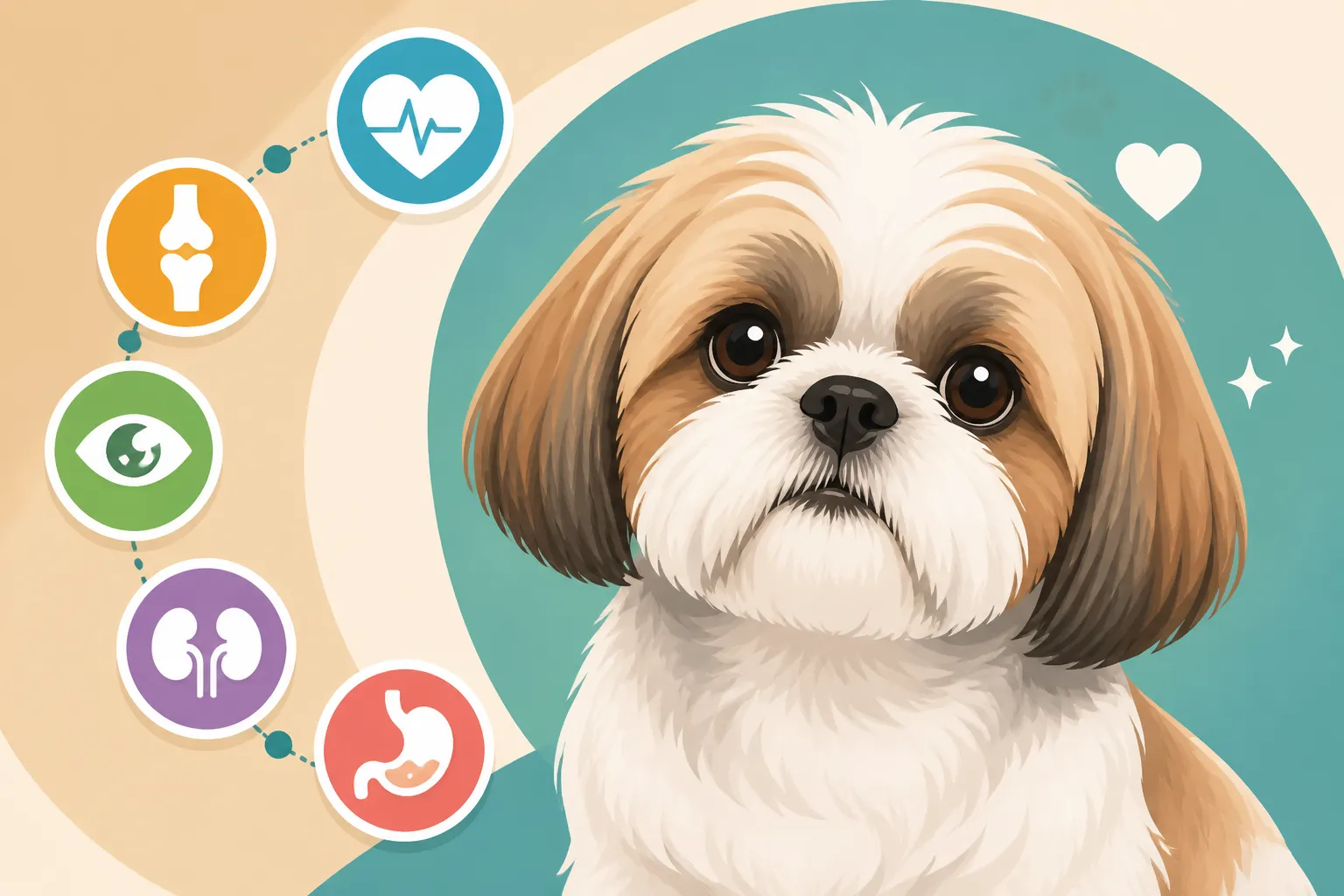
The Senior Panel a Shih Tzu Needs at Ten
It’s a tough truth that our adorable, fluffy companions don't stay puppies forever. When your beloved Shih Tzu hits that milestone age of ten, it often feels like you’ve blinked, and suddenly they're sporting a distinguished sprinkling of gray around their muzzle. You start to notice little changes – a bit slower on the stairs, perhaps sleeping more deeply, or not quite as enthusiastic about their morning walk. These subtle shifts can be worrying, and it’s natural to feel a pang of anxiety about their future health. This guide is all about understanding why a comprehensive senior panel at this age isn't just a recommendation but a vital step to ensure your Shih Tzu enjoys their golden years with comfort and vitality.
Why a Senior Panel is Crucial for Shih Tzus at Ten
Reaching ten years old is a significant achievement for any Shih Tzu. While they may still act like spirited youngsters, their little bodies are undeniably entering their senior phase. Unlike us, dogs are masters at hiding discomfort and illness, often because, in the wild, showing weakness could make them a target. This instinct persists even in our pampered lapdogs, meaning by the time you notice overt symptoms, an underlying condition might already be quite advanced. That's why being proactive with their health at this stage is so incredibly important.
Catching Silent Conditions Early
Many age-related conditions, such as kidney disease, heart issues, and thyroid imbalances, can brew silently for months, even years, before they manifest with obvious signs. A Shih Tzu, with its predispositions due to its unique breed characteristics – from its flat face to its luxurious coat – can be particularly vulnerable. For instance, kidney issues might not show up until 75% of kidney function is lost, which is a frightening thought. A senior panel can flag these changes early, sometimes even before symptoms appear, giving you and your vet a crucial head start. This early detection can be the difference between managing a condition effectively for years and facing a crisis when it's too late. It’s about not waiting for the unexpected, but actively looking for it, especially when conditions like Renal Dysplasia and the Shih Tzu Kidney are concerns for the breed.
Establishing a Health Baseline
Think of your Shih Tzu's health history as a story, and each vet visit adds a new chapter. A senior panel at age ten provides an incredibly detailed snapshot of their internal workings at this specific point in time. If you have years of previous bloodwork, this new panel can be compared against those to identify any trends or subtle shifts that might be overlooked otherwise. If this is their first comprehensive panel, it establishes a vital new baseline. This baseline becomes your personal "normal" for your dog. Any future changes, even minor ones, can then be immediately compared to this established normal, allowing your vet to quickly identify deviations that warrant further investigation. This continuous monitoring is a cornerstone of Senior Shih Tzu Care Past the Age of Ten, allowing for tailored care as they age.
What's Included in a Comprehensive Senior Panel
When your vet suggests a senior panel, they're not just running one test; they're looking at a whole suite of diagnostics designed to give a complete picture of your Shih Tzu's internal health. This isn't a one-size-fits-all approach, as your vet might tailor it slightly based on your dog's individual history and any concerns you might have. However, there are core components that almost always make up a thorough senior panel.
The Full Bloodwork Breakdown
Blood tests are the workhorses of a senior panel, revealing a treasure trove of information about your dog's organs and general systemic health.
- Complete Blood Count (CBC): This test checks the red blood cells, white blood cells, and platelets. It can indicate anemia, inflammation, infection, or even certain types of cancer. For an older Shih Tzu, an unexpected rise in white blood cells might signal a hidden infection, perhaps a deep-seated dental abscess that’s been lurking, or an inflammatory response to something else going on. Conversely, a drop in red blood cells could point to anemia, which might be a symptom of kidney disease or another chronic illness.
- Chemistry Panel: This is a broader look at organ function and body chemistry. Key indicators here include:
- Kidney Values (BUN, Creatinine, SDMA): These are critical. Elevated levels can indicate the kidneys aren't filtering waste products from the blood efficiently. SDMA, in particular, is an excellent early indicator of kidney disease, sometimes showing changes even before other values. Monitoring these can help detect issues like Excessive Thirst as the First Kidney Sign or more serious decline.
- Liver Enzymes (ALT, ALP): These enzymes, when elevated, can point to liver inflammation, damage, or other conditions affecting liver function. Given that Shih Tzus can be prone to certain liver issues, these markers are very important.
- Glucose: Checks blood sugar levels, which is crucial for detecting diabetes, a condition that can impact older dogs.
- Electrolytes (Sodium, Potassium, Chloride): Imbalances can indicate dehydration, kidney problems, or other metabolic disturbances.
- Thyroid Screening (T4): Hypothyroidism (underactive thyroid) is common in older dogs and can lead to weight gain, lethargy, and a dull, thinning coat. A T4 test helps identify if your Shih Tzu's thyroid gland is functioning correctly. If you've noticed your Shih Tzu's coat isn't as luxurious as it once was, or they seem unusually tired, this test is particularly relevant and ties into understanding Thyroid Disease Thinning a Shih Tzu Coat.
Urinalysis and Blood Pressure
These two tests offer invaluable insights that bloodwork alone cannot provide, especially concerning kidney and cardiovascular health.
- Urinalysis: A simple urine sample can tell a surprisingly detailed story about kidney function, hydration status, and the presence of infections or inflammation in the urinary tract. It assesses urine concentration (specific gravity), which is a key indicator of kidney's ability to conserve water. If the urine is dilute, it might suggest the kidneys aren't concentrating urine effectively, a common sign of early kidney disease. It also checks for protein, glucose, blood, and crystals, which could signal conditions like urinary tract infections or Shih Tzu Bladder Stones and Urinary Problems. Getting a "clean catch" (collecting urine mid-stream) is ideal, but even a sample collected at home can be highly informative.
- Blood Pressure Measurement: Just like in humans, high blood pressure (hypertension) in dogs can contribute to kidney damage, heart disease, sudden blindness (especially if there's bleeding in the eye), and even strokes. Measuring your Shih Tzu's blood pressure is a quick, non-invasive procedure, typically done using a small cuff around their leg or tail. Given that Shih Tzu Heart Murmurs and Valve Disease become more prevalent with age, monitoring blood pressure is a crucial part of managing their cardiovascular well-being.
Additional Screenings for Shih Tzus
Beyond the core panel, your vet might recommend additional screenings specifically tailored to the Shih Tzu breed's common health concerns in their senior years.
- Chest X-rays: These can be invaluable, particularly for older Shih Tzus, to assess the size and shape of the heart and lungs. They can help detect early signs of heart enlargement, fluid around the lungs (a sign of congestive heart failure), or even tumors. If your Shih Tzu has developed a cough, especially a nocturnal one, a chest X-ray can help determine if it's related to heart disease, which is often the cause of A Shih Tzu Coughing From Heart Failure.
- Glaucoma Screening: Shih Tzus are known for their prominent eyes, which can be prone to various issues, including glaucoma, a condition where pressure builds up inside the eye and can lead to blindness. A quick, painless tonometry test measures eye pressure and is a smart addition for senior Shih Tzus, especially if they’ve had any history of eye irritation or issues like Shih Tzu Corneal Ulcers and Dry Eye.
- Cardiac Workup: If a heart murmur is detected during a physical exam, or if chest X-rays show changes, a more in-depth cardiac workup might be suggested. This could include an echocardiogram (an ultrasound of the heart) to visualize the heart's structure and function more closely, helping to precisely diagnose conditions like degenerative valve disease, which commonly affects small senior breeds.
Interpreting the Results and Taking Action
Getting those results back can feel a little intimidating, a jumble of numbers and medical terms. But remember, your vet is there to walk you through every single piece of information. The goal isn't just to identify problems, but to empower you with the knowledge to take proactive steps for your Shih Tzu's continued health and happiness.
Understanding Your Shih Tzu's Numbers
Your vet will explain what each value means and how it relates to your dog's overall health. They'll compare the current numbers to previous years and to the normal reference ranges for a senior dog. It's common to see some values slightly outside the "normal" range as a dog ages; the key is to understand which values are changing and by how much.
For example:
- Elevated Kidney Values: If BUN and creatinine are slightly elevated, but the urine specific gravity is still good, it might indicate very early kidney changes that can be managed with diet and increased water intake. If SDMA is up, it's a stronger indicator of kidney disease, even if other values are borderline.
- Liver Enzyme Changes: Mild elevations in liver enzymes might warrant further monitoring or a change in diet, while significant spikes could point to a more serious liver condition requiring medication or further diagnostics.
- Low Thyroid (T4): A low T4 value almost certainly means your Shih Tzu has hypothyroidism, a very treatable condition with daily medication. You might be surprised how much energy and coat quality improves once they're on the right dose.
Don't hesitate to ask questions if anything is unclear. This is your dog's health, and you deserve to fully understand what's happening.
Proactive Steps and Lifestyle Adjustments
Based on the panel results, your vet will recommend a tailored plan. This isn't just about medications; it's often about making smart lifestyle adjustments that can significantly impact your Shih Tzu's quality of life.
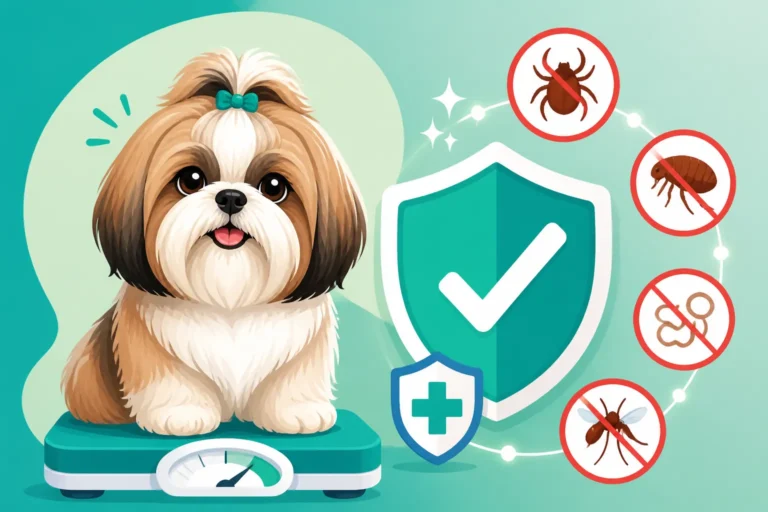
- Dietary Changes: For kidney issues, a prescription renal diet can dramatically slow disease progression. For liver concerns, a low-protein or special liver support diet might be recommended. If your Shih Tzu is overweight, even a couple of extra pounds can put strain on their joints and organs, so a weight management diet might be suggested.
- Medication and Supplements: This could range from thyroid hormone replacement to medications for heart conditions. For joint pain or early arthritis, your vet might recommend joint supplements containing glucosamine and chondroitin, or even prescription anti-inflammatory drugs. These can make a huge difference in managing Shih Tzu Joint Problems in a Toy Frame and improving their comfort.
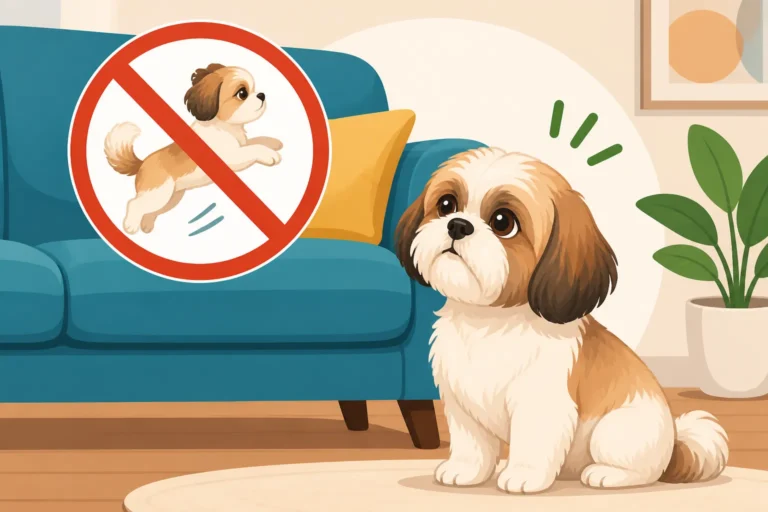
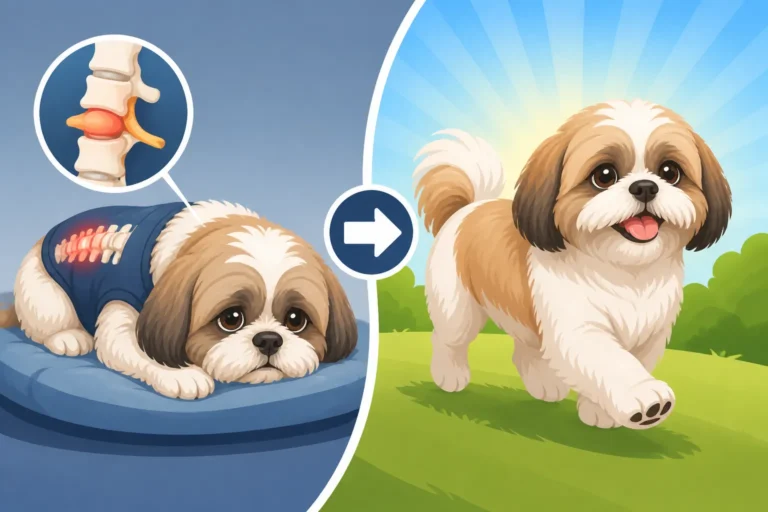
- Exercise Modifications: While daily walks are still important, the intensity and duration might need to be adjusted. Short, frequent strolls are often better than one long, strenuous walk. Avoiding high-impact activities like jumping off furniture (consider investing in ramps!) can protect their joints and delicate spine, especially given concerns like Shih Tzu Back Problems and Disc Disease. Understanding Shih Tzu Mobility Decline in Old Age is key to adapting their routine safely.
- Dental Care: The senior panel might also reinforce the need for regular dental care, especially if chronic infections are suspected. Shih Tzu Dental Disease at 13 Percent of the Breed is a serious concern, and clean teeth contribute immensely to overall health.
Ongoing Senior Care Beyond the Panel
A senior panel is a fantastic starting point, but true senior care for your Shih Tzu is an ongoing commitment. It’s about creating a supportive environment and staying vigilant to ensure their comfort and happiness through their golden years.
Regular Vet Visits and Monitoring
Once your Shih Tzu hits double digits, annual vet visits often aren't enough. Many vets recommend check-ups every six months for senior dogs. This allows for closer monitoring of any ongoing conditions, adjustments to medications, and quicker detection of new issues. These frequent visits are crucial because changes can happen rapidly in older dogs. It gives your vet the opportunity to catch subtle shifts, listen to their heart and lungs, palpate their abdomen, and discuss any changes you've observed at home. For many owners, it feels like an increased investment, but it's truly worth it for peace of mind and proactive care, aligning with recommendations for Vet Visit Frequency for a Shih Tzu Past Ten.
Supporting Cognitive and Sensory Health
As Shih Tzus age, their senses can start to decline, and some may experience cognitive dysfunction, similar to Alzheimer's in humans.
- Vision and Hearing: They might develop cataracts (a cloudy lens) leading to Vision Loss in a Senior Shih Tzu, or their hearing might diminish. Adapt your home by keeping furniture in consistent places, using verbal cues loudly, or even incorporating hand signals. Night lights can help with navigation.
- Cognitive Decline: Signs of Cognitive Decline in a Shih Tzu Past Twelve might include confusion, pacing, altered sleep-wake cycles, or house-training accidents. While there's no cure, certain diets, supplements (like those containing medium-chain triglycerides), and mental enrichment (puzzle toys, gentle training sessions) can help manage symptoms and slow progression. Creating a consistent routine is also very helpful.
The Importance of a Good Insurance Plan
Let's be realistic: senior care can get expensive. From specialized diets and daily medications to potential surgeries or emergency visits, the costs can add up quickly. This is where pet insurance can be a real lifesaver, and it's something I always encourage owners to consider early in their dog's life, if possible. A reputable provider like Healthy Paws can help cover a significant portion of unexpected veterinary bills. Having a plan in place, especially for a senior Shih Tzu with their unique health considerations, means you can make medical decisions based on what's best for your furry friend, rather than being solely driven by cost. Healthy Paws offers comprehensive coverage that often includes diagnostics, treatments, and even alternative therapies, which can be invaluable as your dog ages and potentially develops chronic conditions. It truly offers a safety net, allowing you to provide the best possible care without constant financial worry.
Quality of Life Considerations
Ultimately, all these efforts – the senior panel, the proactive care, the regular vet visits, and careful financial planning – are aimed at one thing: maximizing your Shih Tzu's quality of life in their senior years. It's about ensuring they are comfortable, pain-free, engaged, and happy. Discussing quality of life with your vet regularly is crucial. They can help you assess their comfort levels, their enjoyment of daily activities, and whether they are still thriving. This holistic approach helps extend not just their lifespan, but the joy and comfort within those extra years, ensuring that every moment with them is cherished, and helping you navigate tough decisions like Deciding for a Shih Tzu at Fifteen. You want to do everything you can to make their golden years truly golden, ensuring that they truly live out their Shih Tzu Lifespan and the Thirteen Year Average with dignity and love.
Disclaimer
This article is intended for informational purposes only and does not constitute veterinary advice. Always consult with a qualified veterinarian for any health concerns or before making any decisions about your Shih Tzu's care.