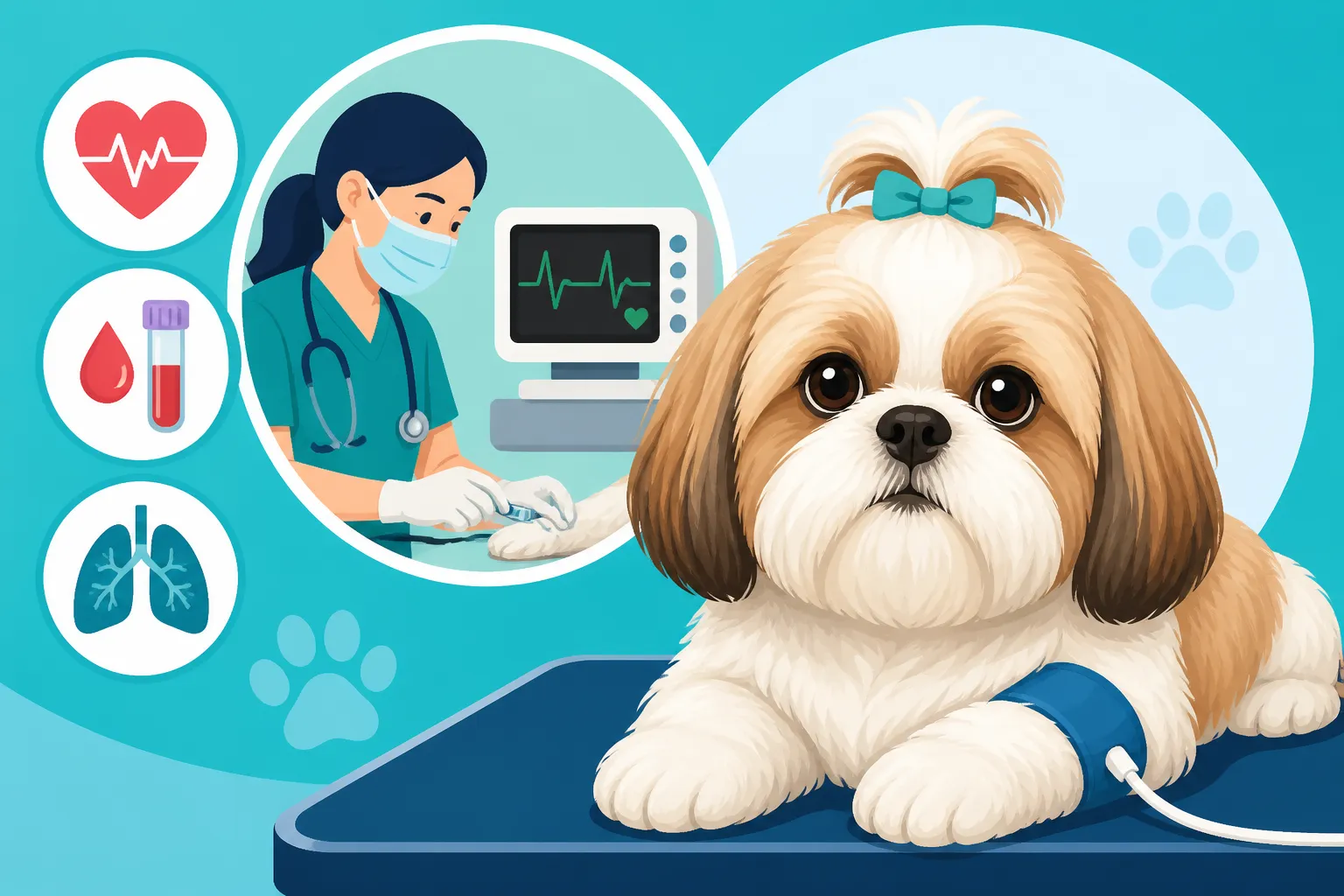
Pre-Anesthetic Testing Before a Shih Tzu Dental
The moment your veterinarian recommends a dental cleaning for your beloved Shih Tzu, a wave of worry can wash over you. It's not just the procedure itself, but the thought of your little fluffball going under anesthesia. This is a very real and valid concern for any pet owner, but especially for those of us with brachycephalic breeds like Shih Tzus, whose unique anatomy can present additional challenges. This comprehensive guide will walk you through why pre-anesthetic testing isn't just a suggestion, but a vital step in ensuring the safest possible dental procedure for your precious companion.
Why Pre-Anesthetic Testing is Non-Negotiable for Shih Tzus
It’s completely normal to feel a knot in your stomach when anesthesia is mentioned. We all want the best for our dogs, and the idea of them being unconscious, especially for something that seems routine like a dental, can be frightening. But the truth is, a dental cleaning for a Shih Tzu is anything but routine without proper preparation. These little dogs, with their distinctive flat faces, are built differently, and that means we need to take extra precautions. Pre-anesthetic testing is the crucial first line of defense, providing your vet with the roadmap they need to navigate the procedure safely. It helps reveal potential hidden issues that could turn a standard cleaning into a perilous undertaking.
Understanding the Unique Risks of Brachycephalic Breeds
Our adorable Shih Tzus are famous for their pushed-in faces and those big, expressive eyes. While these features melt our hearts, they also come with a set of anatomical quirks that directly impact anesthesia. We often talk about Anesthesia on a Flat-Faced Shih Tzu because their compacted airways, including potentially narrow nostrils (Shih Tzu Stenotic Nares and Noisy Breathing) and an elongated soft palate, can make breathing challenging even when they’re awake. When under anesthesia, these issues are exacerbated. Anesthetic drugs can depress the respiratory system, making it harder for them to breathe and potentially leading to oxygen deprivation. Furthermore, their unique physiology can affect how they metabolize and eliminate anesthetic agents, meaning drugs might linger longer in their system or require different dosages compared to other breeds. This isn't about being alarmist; it's about being realistic and proactive. Understanding these breed-specific challenges is the first step in mitigating them.
Identifying Hidden Health Issues Before Surgery
Dogs, bless their hearts, are masters at hiding discomfort and illness. They can mask symptoms of serious underlying conditions until they're quite advanced. A routine physical exam, while important, can't always uncover everything that's going on inside. This is where pre-anesthetic testing becomes invaluable. It's a window into your Shih Tzu's internal health, allowing your vet to detect problems with organs like the kidneys, liver, or heart that might not be apparent during a quick check-up. Imagine discovering during surgery that your Shih Tzu has early kidney disease, which would make certain anesthetic drugs dangerous. Or finding out they have a heart condition that significantly increases anesthetic risk. Identifying these issues before the procedure allows your vet to adjust the plan, or even postpone the dental until the underlying condition is managed, ensuring a much safer experience.
Tailoring the Anesthesia Protocol
Every Shih Tzu is an individual, and their anesthetic plan should be too. There's no one-size-fits-all approach, especially when dealing with a breed prone to specific health considerations. The results of pre-anesthetic tests provide your veterinary team with critical data. They can use this information to select the safest combination of anesthetic agents, adjust dosages, and determine the most appropriate monitoring protocols. For example, if your Shih Tzu's bloodwork indicates compromised kidney function, your vet might choose drugs that are primarily metabolized by the liver, or administer intravenous fluids more aggressively to support kidney health throughout the procedure. If a mild heart murmur is detected, they might opt for specific cardiac monitoring. This personalized approach dramatically reduces the risks associated with anesthesia, transforming a potentially dangerous situation into a carefully managed one.
The Standard Suite of Pre-Anesthetic Tests
So, what exactly do these pre-anesthetic tests involve? It’s more than just a quick blood draw; it’s a comprehensive panel designed to give your vet the most complete picture of your Shih Tzu’s current health. Think of it as putting together all the pieces of a puzzle before starting a complex construction project. Each test provides a unique piece of information that contributes to the overall safety plan.
Comprehensive Blood Panels: The Full Picture
The cornerstone of any good pre-anesthetic workup is a comprehensive blood panel. This usually includes two main components: a Complete Blood Count (CBC) and a Chemistry Panel.
-
Complete Blood Count (CBC): This test gives your vet a detailed look at the different types of cells circulating in your Shih Tzu's blood.
- Red Blood Cells: These carry oxygen throughout the body. Low levels (anemia) can indicate an underlying illness or make your Shih Tzu more susceptible to complications during anesthesia, as their body might struggle to get enough oxygen.
- White Blood Cells: These are your dog's immune soldiers. Elevated levels could signal an infection or inflammation, which would need to be addressed before surgery to prevent complications. Low levels might indicate a compromised immune system.
- Platelets: These tiny cells are essential for blood clotting. If platelet counts are too low, your Shih Tzu could be at risk for excessive bleeding during or after the dental procedure.
-
Chemistry Panel: This panel assesses organ function and screens for metabolic diseases.
- Kidney Values (BUN, Creatinine, SDMA): These indicators tell your vet how well your Shih Tzu's kidneys are filtering waste products from the blood. Compromised kidney function means the body might not be able to process and eliminate anesthetic drugs effectively, leading to prolonged recovery or even kidney damage. If these values are concerning, further investigation or supportive therapies like IV fluids will be necessary. You might want to learn more about Testing a Shih Tzu for Kidney Disease.
- Liver Enzymes (ALT, ALP, Bilirubin): The liver plays a huge role in metabolizing anesthetic drugs. Elevated liver enzymes could indicate liver inflammation or disease, which would prompt your vet to choose liver-friendly anesthetic agents.
- Blood Glucose (Sugar): This measures blood sugar levels. Dogs with undiagnosed diabetes could experience dangerous fluctuations during anesthesia.
- Electrolytes (Sodium, Potassium, Chloride): These minerals are vital for proper nerve and muscle function, including heart rhythm. Imbalances can be indicative of various underlying conditions and need to be corrected.
These blood tests are crucial. They provide quantifiable data that can alert your vet to potential problems long before they become a crisis.
Urinalysis: Peeking at Kidney Function
While blood tests offer a snapshot of kidney function, a urinalysis provides complementary and sometimes more sensitive information. It's like checking the output system alongside the input system. A urinalysis evaluates the concentration ability of the kidneys, checking for the presence of protein, glucose, blood, or crystals in the urine.
- Specific Gravity: This measures how concentrated your Shih Tzu's urine is. If the urine is very dilute, even if blood kidney values appear normal, it could suggest that the kidneys aren't concentrating urine as they should, which might be an early sign of kidney issues. This is especially important for breeds known for Renal Dysplasia and the Shih Tzu Kidney.
- Presence of Abnormalities: Detecting bacteria, white blood cells, or red blood cells in the urine can indicate a urinary tract infection or other Shih Tzu Bladder Stones and Urinary Problems. Addressing an infection before anesthesia is vital to prevent systemic complications. Crystals found in the urine might also prompt dietary changes or further investigation.
Together, bloodwork and a urinalysis give your vet a comprehensive view of your Shih Tzu's kidney health, allowing for appropriate adjustments to the anesthesia plan.
Pre-Anesthetic ECG and Chest X-rays: Heart and Lungs
Beyond blood and urine, your vet might recommend checking your Shih Tzu's heart and lungs, especially for older dogs or those with a history of murmurs or coughs.
- Electrocardiogram (ECG/EKG): An ECG records the electrical activity of your Shih Tzu's heart. It helps detect abnormal heart rhythms (arrhythmias) or other underlying cardiac conditions that could increase anesthetic risk. If your vet has noted Shih Tzu Heart Murmurs and Valve Disease during a physical exam, an ECG provides more detailed information on the severity and type of heart issue. Anesthesia puts stress on the cardiovascular system, so knowing the heart's baseline health is critical.
- Chest X-rays (Radiographs): Chest X-rays provide images of your Shih Tzu's lungs and heart. They can reveal lung disease, fluid in the lungs (pulmonary edema), or an enlarged heart, any of which could significantly impact how your dog tolerates anesthesia. For a brachycephalic breed, checking the lung fields is particularly important to ensure optimal oxygenation during and after the procedure. It can also give a better look at their trachea, which can sometimes be narrowed or susceptible to collapse.
These diagnostic images are often reserved for senior Shih Tzus or those with specific clinical signs, but they can be game-changers in uncovering silent diseases that could pose a major threat under anesthesia.
What the Test Results Mean for Your Shih Tzu's Dental
Receiving the results of these tests can sometimes feel like a test for you, the owner. You might worry about what they'll reveal. But remember, the goal is always to maximize safety. These results aren't just numbers on a page; they're vital information that guides your vet in crafting the safest possible plan for your Shih Tzu's dental procedure.
Addressing Abnormalities Before Anesthesia
If the pre-anesthetic tests uncover any abnormalities, it doesn't automatically mean the dental is canceled forever. Instead, it means your vet has the information needed to make informed decisions. Here are a few hypothetical scenarios:
- Elevated Kidney Values: If your Shih Tzu's kidney values are higher than normal, your vet might recommend a course of intravenous fluids beforehand, or adjust the anesthetic protocol to include drugs that are less taxing on the kidneys. They might even suggest postponing the dental to allow for further investigation into the cause of the kidney elevation, or to start a specialized Kidney Diets for a Shih Tzu.
- Elevated Liver Enzymes: Similar to kidney issues, if liver enzymes are high, your vet will likely choose anesthetic agents that are primarily processed by the kidneys, or recommend liver support medications before proceeding.
- Anemia or Low Platelets: These conditions could lead to complications during surgery. Your vet might explore the cause of the anemia or low platelets, and potentially prescribe supplements or other treatments to improve these levels before the dental. In severe cases, a blood transfusion might be considered, though this is rare for routine dentals.
- Heart Irregularities: If an ECG reveals an arrhythmia, your vet might consult with a veterinary cardiologist to determine if medication is needed to stabilize the heart before anesthesia, or if certain anesthetic drugs should be avoided.
The power of pre-anesthetic testing lies in its ability to give your vet options and time to address potential problems before they become emergencies.
The Cost of Vigilance: Investing in Safety
Let's be real, pet care, especially veterinary care, can be expensive. Adding pre-anesthetic testing to the bill for a dental cleaning might feel like an extra financial burden. However, it's crucial to view these tests as an investment in your Shih Tzu's safety and well-being. The cost of preventing a complication during anesthesia, or detecting an early disease that can be managed, is far less than the cost of treating an emergency situation that could arise without this knowledge.
Consider the alternatives: if a hidden kidney issue causes an anesthetic complication, the emergency vet bills, follow-up care, and potential long-term damage could far exceed the initial cost of pre-anesthetic bloodwork. Many pet insurance providers, such as Healthy Paws, recognize the value of preventative care and will cover a portion of these pre-anesthetic diagnostic costs, especially if they are deemed medically necessary before a procedure. It’s always worth checking your policy details or speaking with your provider to understand what coverage you have for such important diagnostics. While the upfront cost might sting a little, the peace of mind and the enhanced safety for your beloved Shih Tzu are truly priceless.
Making Informed Decisions with Your Vet
Ultimately, pre-anesthetic testing empowers you to make informed decisions alongside your veterinary team. Once the results are in, your vet will sit down with you to discuss everything in detail. This is your opportunity to ask questions, voice any concerns, and fully understand the proposed plan. Don't hesitate to inquire about:
- Any specific risks identified for your Shih Tzu.
- The types of anesthetic drugs they plan to use and why.
- The monitoring equipment that will be used during the procedure (e.g., pulse oximeter, blood pressure cuff, ECG).
- What to expect during recovery.
A good veterinary team will ensure you feel comfortable and confident every step of the way. This open communication is vital, transforming a potentially stressful situation into a collaborative effort to ensure the best possible outcome for your Shih Tzu.
Preparing Your Shih Tzu on Dental Day
Once all the pre-anesthetic tests are done and you’ve discussed the plan with your vet, the day of the dental procedure arrives. While the testing has significantly reduced the risks, your role in preparing your Shih Tzu that morning is still incredibly important.
Fasting Protocols and Morning Routine
One of the most critical instructions you'll receive from your vet is about fasting. Typically, you'll be told to withhold food for a specific number of hours (often 8-12 hours) before the procedure, and sometimes water for a shorter period (2-4 hours). It’s crucial to follow these instructions precisely.
- Why Fasting Matters: Anesthesia can relax the muscles in the throat, increasing the risk of aspiration (inhaling vomit or stomach contents into the lungs). This can lead to serious complications like aspiration pneumonia. Fasting reduces the amount of material in the stomach, minimizing this risk.
- Stick to the Schedule: If your Shih Tzu accidentally eats or drinks anything outside the advised window, no matter how small, you must inform your vet immediately. They might need to postpone the procedure for your dog's safety.
- Morning Routine: Beyond food and water, try to keep your Shih Tzu's morning as routine and stress-free as possible. A gentle morning potty break is fine, but avoid any strenuous exercise that might upset their stomach.
The Importance of a Calm Departure
Your Shih Tzu picks up on your emotions, so try to remain calm and reassuring when you drop them off at the vet clinic. A calm pet is often a pet that handles the stress of a vet visit better.
- Comfort Items: Ask your vet if you can bring a small, familiar blanket or a favorite non-squeaky toy that smells like home. Sometimes these comfort items can help reduce anxiety.
- Positive Reinforcement: Keep your voice soft and use plenty of positive reinforcement. Even if they don't fully understand why they're going to the vet, your calming presence can make a huge difference.
- Trust Your Team: Remember that you’ve done your part with the pre-anesthetic testing, and you’re leaving your Shih Tzu in the capable hands of professionals who have their best interest at heart.
By meticulously following fasting instructions and ensuring a calm transition to the clinic, you contribute significantly to the smooth and safe experience of your Shih Tzu's dental procedure.
Here’s a quick overview of what those common tests are looking for:
| Test Type | What It Measures/Checks For | Why It's Important for Shih Tzus (and Anesthesia) |
|---|---|---|
| Complete Blood Count (CBC) | Red blood cells, white blood cells, platelets, hemoglobin. | Detects anemia, infection, inflammation, or clotting issues. Anemia can reduce oxygen-carrying capacity, increasing anesthetic risk. |
| Chemistry Panel | Kidney values (BUN, Creatinine, SDMA), liver enzymes (ALT, ALP), glucose, electrolytes. | Assesses organ function vital for metabolizing and eliminating anesthetic drugs. Detects diabetes or electrolyte imbalances that can cause complications. |
| Urinalysis | Urine concentration, presence of protein, glucose, blood, crystals, bacteria. | Evaluates kidney concentrating ability, detects urinary tract infections, and can reveal early kidney disease or bladder stones. |
| ECG (Electrocardiogram) | Electrical activity of the heart. | Identifies abnormal heart rhythms (arrhythmias) or underlying cardiac conditions, which are critical for heart-stressed anesthesia. |
| Chest X-rays | Images of lungs and heart size. | Detects lung disease, fluid in lungs, or an enlarged heart, especially important for brachycephalic breathing challenges. |
Disclaimer
This article is intended for informational purposes only and is not a substitute for professional veterinary advice. Always consult with your veterinarian for any health concerns or before making any decisions about your pet's medical care.