Shih Tzu Urinary Accidents That Are Medical
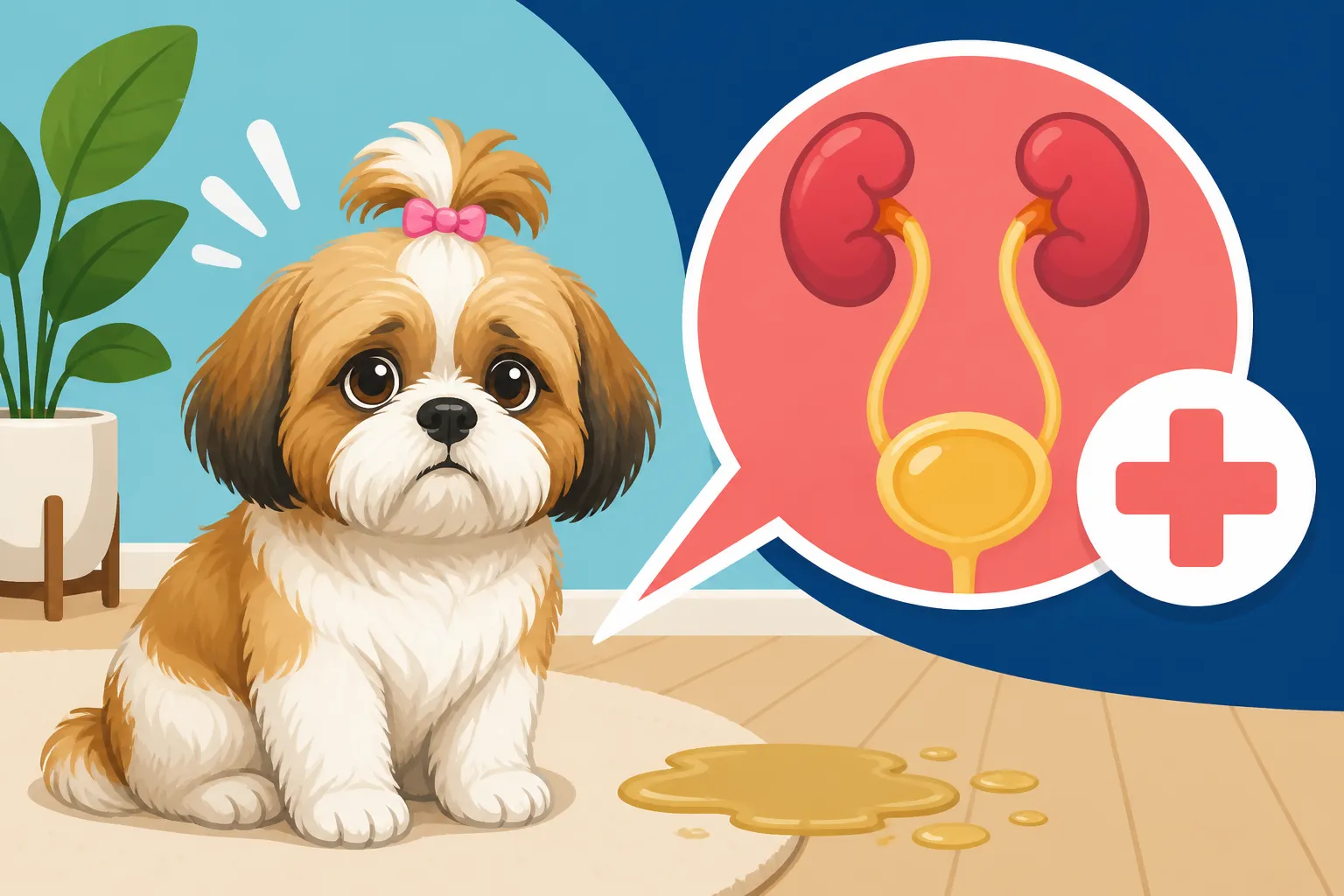
Few things are more disheartening than walking into a puddle left by your beloved Shih Tzu, especially when they've been perfectly house-trained for years. It's easy to get frustrated, thinking they're being stubborn or spiteful, but often, those unexpected urinary accidents are a tell-tale sign that something medical is amiss. This guide will meticulously unpack the various health issues that can lead to your Shih Tzu having accidents indoors, providing clarity and actionable steps to help your furry friend.
Understanding Common Medical Causes for Urinary Accidents
It's natural to assume a regression in house training is purely behavioral, but with Shih Tzus, their unique physiology often predisposes them to certain health conditions that directly impact bladder control. From infections to more complex metabolic diseases, identifying the root cause is the first step toward getting your pup back on track and ensuring their comfort.
Urinary Tract Infections UTIs
Urinary tract infections are, without a doubt, one of the most common culprits behind sudden and frequent accidents in dogs, Shih Tzus included. Imagine the constant urge to go, coupled with a burning sensation – that's often what a UTI feels like for your dog. They might start asking to go out more frequently, straining to urinate, or even having accidents right after being outside because they couldn't empty their bladder completely. Sometimes, you might even notice blood in their urine, or it might appear cloudy. Shih Tzus, with their long coats and often lower-to-the-ground stance, can be particularly prone to UTIs if their sanitary areas aren't kept meticulously clean, as bacteria can more easily travel up the urethra.
The frequency of urination increases because the bladder is constantly irritated, signaling to the brain that it's full, even when it's not. This leads to smaller, more frequent puddles, and sometimes, your dog just can't hold it long enough to make it outside or to their designated potty spot. It's a frustrating cycle for both of you, but rest assured, UTIs are highly treatable with antibiotics once diagnosed. Neglecting a UTI can lead to it spreading to the kidneys, causing a much more serious condition, so prompt veterinary attention is crucial.
Bladder Stones and Crystals
Beyond simple infections, another significant and often painful cause of urinary accidents in Shih Tzus can be the presence of bladder stones or crystals. These are mineral formations that develop in the bladder and can range from microscopic crystals to stones the size of marbles. Think of tiny, sharp pebbles irritating the delicate lining of the bladder – ouch! This irritation can lead to inflammation, making the bladder extremely sensitive and leading to an uncontrollable urge to urinate. If you've been grappling with your Shih Tzu's recurring urinary issues, and antibiotics haven't provided a lasting solution, bladder stones are definitely something your vet will want to investigate. You can delve deeper into this specific issue by reading about Shih Tzu Bladder Stones and Urinary Problems.
These stones can block the urethra, making urination difficult or impossible, which is a medical emergency. Even if they don't cause a complete blockage, their presence can cause frequent, painful urination, straining, and blood in the urine. Different types of stones exist, like struvite or calcium oxalate, and each requires a specific approach to treatment, whether it's a special diet to dissolve them or surgical removal. Your vet will need to identify the stone type to formulate the most effective plan.
Kidney Disease and Renal Issues
The kidneys are vital organs that filter waste from the blood and help regulate water balance. When a Shih Tzu develops kidney disease, their kidneys lose the ability to concentrate urine effectively, leading to increased thirst and, subsequently, increased urination. If your Shih Tzu is suddenly drinking an exorbitant amount of water and having accidents more often, it could be a warning sign of kidney issues. This increased output means their bladder fills up much faster, making it harder for them to hold it, especially for extended periods or overnight. You might notice your dog is suddenly very thirsty, which is often the Excessive Thirst as the First Kidney Sign.
Kidney disease can be chronic, developing slowly over time, or acute, appearing suddenly due to toxins or infection. Regardless of the cause, its impact on urinary habits is profound. Shih Tzus, unfortunately, can be prone to certain inherited kidney conditions like renal dysplasia, which can manifest even in puppies. For more insights into this, check out Renal Dysplasia Signs in a Shih Tzu Puppy. Early diagnosis through blood tests and urine analysis, often part of a routine Testing a Shih Tzu for Kidney Disease, is crucial for managing the condition and preserving kidney function for as long as possible.
Diabetes and Endocrine Disorders
Just like in people, dogs can develop diabetes, a condition where their body either doesn't produce enough insulin or can't effectively use the insulin it produces. Insulin is critical for regulating blood sugar. When blood sugar levels are consistently too high, the kidneys try to filter out the excess sugar, which in turn draws a lot of water with it. This results in polydipsia (excessive thirst) and polyuria (excessive urination). So, if your Shih Tzu is suddenly drinking and peeing a lot, and maybe losing weight despite eating normally, diabetes is a strong possibility that warrants immediate veterinary investigation.
Other endocrine disorders, such as Cushing's disease (where the body produces too much cortisol), can also lead to increased thirst and urination. These conditions can significantly impact a Shih Tzu's metabolism and overall health, leading to a cascade of symptoms including urinary accidents. Diagnosis usually involves specific blood tests to measure hormone levels. Once diagnosed, managing these conditions with medication and dietary changes can often alleviate the urinary symptoms and improve your dog's quality of life.
Age-Related Incontinence
As Shih Tzus enter their golden years, some may start to experience age-related incontinence. This isn't about willful accidents or behavioral issues; it's a physiological change where the muscles around the bladder simply become weaker, or the nerves controlling bladder function don't work as efficiently as they used to. It's often referred to as "sphincter mechanism incompetence." Imagine trying to hold water in a leaky bucket – eventually, it's going to drip. This leakage can happen without your dog even realizing it, especially when they're sleeping or relaxed.
This type of incontinence is most common in older spayed females, though it can affect males too. It’s important to distinguish this from other medical causes, as the treatment approach is different. It’s a common part of Senior Shih Tzu Care Past the Age of Ten. While frustrating, there are medications that can help strengthen the bladder sphincter and significantly reduce, or even eliminate, the leakage. Your vet can discuss options after ruling out other medical causes through a comprehensive senior check-up, perhaps including The Senior Panel a Shih Tzu Needs at Ten.
Spinal or Mobility Issues
Shih Tzus, with their characteristic long backs, are unfortunately prone to certain spinal issues, particularly intervertebral disc disease (IVDD) and other conditions that can cause back pain. While you might not immediately connect back problems with urination, nerve damage or severe pain in the spine can absolutely affect a dog's ability to control their bladder. If your Shih Tzu is experiencing Shih Tzu Disc Disease and Sudden Back Pain, they might struggle to get up, walk, or position themselves to urinate outside. The pain could be so intense that they simply release their bladder wherever they are, or they might lose the sensation of needing to go altogether.
Moreover, if your Shih Tzu has severe Shih Tzu Joint Problems in a Toy Frame or arthritis, especially in their hindquarters, the sheer effort and pain involved in getting up, going outside, and assuming a squatting position can be too much. They might hold it until it's too late, or simply urinate indoors out of discomfort or inability to move quickly enough. When you notice your A Shih Tzu That Will Not Jump on the Sofa, it's a big red flag that something musculoskeletal is bothering them and could indirectly be causing accidents.
Pinpointing the Problem: Diagnostic Steps
When your Shih Tzu starts having urinary accidents, the first thing to do is call your veterinarian. They are your best resource for accurately diagnosing the problem. Trying to guess or self-diagnose based on internet searches can delay proper treatment and potentially worsen your dog's condition. A thorough diagnostic process is essential to uncover the true cause.
The Importance of a Vet Visit and Detailed History
When you take your Shih Tzu to the vet for urinary accidents, don't underestimate the power of a detailed history. Your observations at home are invaluable clues for the vet. Be prepared to discuss:
- When did the accidents start? Was it sudden or gradual?
- How frequent are they? Daily, weekly, only at night?
- What do the accidents look like? Puddles, drips, large volumes? Is there an odor?
- Is your dog straining to urinate? Are they squatting for a long time with little output?
- Is there blood in the urine or is it cloudy?
- Has your dog's thirst changed? Are they drinking more or less?
- Are there any other symptoms? Changes in appetite, energy levels, mobility, weight?
- What's their normal routine? How often do they go outside?
- Any recent changes in diet, environment, or medication?
The vet will also perform a comprehensive physical examination, paying close attention to your Shih Tzu's abdomen, back, and any signs of pain or discomfort. This initial assessment helps narrow down the possibilities and guides the subsequent diagnostic steps.
Urine Analysis and Culture
The first and most crucial diagnostic test for urinary issues is a urinalysis. This involves collecting a urine sample – ideally through a sterile method called cystocentesis, where a needle is used to collect urine directly from the bladder, minimizing contamination. The urinalysis provides a wealth of information:
- pH level: Can indicate certain stone types or infections.
- Specific gravity: Measures how concentrated the urine is, giving clues about kidney function and hydration.
- Presence of blood, protein, glucose, ketones: Abnormal levels can point to infection, kidney disease, or diabetes.
- Presence of crystals: Identifies the type of crystals, which is crucial for treating bladder stones.
- Presence of bacteria, white blood cells: Strong indicators of a urinary tract infection.
If bacteria are found, the vet will likely also perform a urine culture and sensitivity test. This test identifies the specific type of bacteria present and determines which antibiotics will be most effective in killing it. This targeted approach prevents using ineffective antibiotics and helps clear the infection faster.
Blood Tests and Imaging
Depending on the initial findings, your vet may recommend blood tests and imaging. Blood work, such as a complete blood count (CBC) and a biochemistry panel, can reveal systemic issues. For example, elevated kidney values (BUN, creatinine) would indicate kidney disease, while high blood glucose points to diabetes. An elevated white blood cell count might also suggest a widespread infection.
Imaging techniques are invaluable for visualizing the urinary tract:
- X-rays: Can reveal the presence of certain types of bladder stones (struvite, calcium oxalate, though not all stones are visible on plain X-ray). They can also show the size and shape of the kidneys and bladder.
- Ultrasound: Provides a more detailed view of the bladder wall, kidneys, ureters, and urethra. It's excellent for detecting even small bladder stones, tumors, polyps, or structural abnormalities not visible on X-rays. An ultrasound can also help identify if there are issues affecting the adrenal glands, which could point to conditions like Cushing's disease.
These tests, combined with your detailed history, allow your vet to build a comprehensive picture and zero in on the exact medical condition causing your Shih Tzu's urinary accidents.
Specialized Testing
In some complex cases, where initial tests don't provide a clear answer, your vet might recommend specialized testing or a referral to an internal medicine specialist. These can include:
- Contrast studies: Using special dyes to highlight structures in the urinary tract on X-rays or CT scans, revealing blockages or anatomical defects.
- Cystoscopy: A procedure where a tiny camera is inserted into the urethra and bladder to directly visualize the internal lining, collect biopsies, or even retrieve small stones.
- Urodynamic studies: Tests that measure bladder pressure and muscle activity to assess bladder function and diagnose specific types of incontinence, especially in cases of age-related sphincter weakness.
For conditions like diabetes or Cushing's, further blood tests to measure specific hormone levels or glucose curves (monitoring blood sugar over several hours) may be necessary to fine-tune treatment. Remember, proper diagnosis is the bedrock of effective treatment, and pet insurance providers like Healthy Paws can be incredibly helpful in covering these diagnostic costs.
Managing and Treating Medical Urinary Issues
Once your veterinarian has a clear diagnosis, they will develop a tailored treatment plan for your Shih Tzu. Treatment can range from simple medication adjustments to more involved surgeries, depending on the underlying cause. The goal is always to address the specific condition, alleviate symptoms, and restore your dog's comfort and bladder control.
Medication and Dietary Adjustments
For many medical causes of urinary accidents, medication is the primary course of action.
- For UTIs: A course of antibiotics, chosen based on the urine culture results, will be prescribed. It's crucial to administer the full course, even if symptoms improve quickly, to ensure the infection is completely cleared and prevent recurrence.
- For age-related incontinence: Medications like Phenylpropanolamine (PPA) or estrogen compounds can help strengthen the bladder sphincter, significantly reducing or eliminating leakage. These often require lifelong administration.
- For diabetes: Insulin injections, along with careful dietary management, are essential to regulate blood sugar levels. Your vet will teach you how to administer injections and monitor your dog's glucose.
- For Cushing's disease: Medications like trilostane can help control the excessive cortisol production.
- For certain bladder stones: Specific prescription diets can help dissolve struvite stones by altering urine pH. These diets are carefully formulated with controlled mineral levels to discourage stone formation. You might also find these mentioned when looking for Kidney Diets for a Shih Tzu, as nutrition plays a huge role in managing urinary health.
Dietary changes are also critical for preventing future issues, especially with bladder stones or kidney disease. Your vet might recommend a low-protein, phosphorus-restricted diet for kidney disease, or a diet tailored to prevent specific crystal types. Always follow your vet's dietary recommendations closely, as incorrect food choices can worsen the condition.
Surgical Interventions
While many conditions respond to medical management, some cases of urinary accidents may require surgical intervention.
- Bladder Stone Removal: If bladder stones are too large to dissolve with diet, or if they are causing a blockage or severe discomfort, surgical removal (cystotomy) is necessary. This procedure involves opening the bladder to manually remove the stones. Post-surgery, your Shih Tzu will likely be placed on a preventive diet to minimize the chance of recurrence.
- Tumor Removal: In rare cases, bladder tumors can cause urinary accidents and pain. If a tumor is identified and deemed operable, surgical removal may be recommended, sometimes followed by chemotherapy or radiation.
- Correction of Anatomical Abnormalities: Occasionally, a Shih Tzu might have a congenital anatomical defect in their urinary tract that leads to incontinence. Surgery can sometimes correct these structural issues, though this is less common.
Any surgery, especially for a flat-faced breed like a Shih Tzu, comes with considerations regarding anesthesia and recovery. However, the relief and improved quality of life that successful surgery can provide are immense. Planning for potential surgical costs is where having pet insurance like Healthy Paws can truly provide peace of mind, covering a significant portion of the expense.
Environmental Modifications and Support
Beyond direct medical treatment, creating a supportive environment can significantly help a Shih Tzu dealing with urinary accidents.
- Increased Potty Breaks: Offer more frequent opportunities to go outside, especially after waking up, eating, or playing. This is particularly important for dogs with increased thirst or weakened bladders.
- Easy Access: Ensure your Shih Tzu can easily access their designated potty area. If they have mobility issues, consider ramps for beds or outdoor steps, or even an indoor potty pad setup.
- Protective Gear: Belly bands for males or dog diapers for females can help contain accidents and protect your home, especially overnight or when you can't supervise closely. Remember these are for containment, not a substitute for proper medical care.
- Absorbent Bedding: Use waterproof mattress protectors and easy-to-wash bedding. Consider washable pee pads placed in their favorite resting spots.
- Regular Cleaning: Thoroughly clean up accidents with an enzymatic cleaner to eliminate odors that might encourage them to go in the same spot again.
- Comfort and Stress Reduction: A calm home environment reduces stress, which can sometimes exacerbate medical conditions. Ensure they have a comfortable, dry place to rest. Even something like addressing Shih Tzu Obesity on a Sixteen Pound Frame can help, as excess weight puts extra strain on their body and organs.
Long-Term Management and Monitoring
Many medical conditions that cause urinary accidents in Shih Tzus, such as kidney disease, diabetes, or age-related incontinence, require ongoing, lifelong management. This isn't a "fix it and forget it" situation; it's a partnership between you, your vet, and your dog.
- Regular Vet Check-ups: Scheduled follow-up appointments are crucial to monitor your Shih Tzu's condition, adjust medication dosages as needed, and catch any potential complications early. For chronic conditions, this might mean more frequent visits and routine bloodwork or urinalysis.
- Medication Adherence: Strictly follow your vet's instructions for administering medication and managing prescription diets. Consistency is key to keeping symptoms under control.
- Home Monitoring: Keep a close eye on your Shih Tzu's water intake, urination frequency, and general demeanor. Any changes should be reported to your vet. You might even consider keeping a "pee diary" to track patterns and help identify triggers or improvements.
- Quality of Life: The ultimate goal of long-term management is to maintain your Shih Tzu's quality of life. This involves managing pain, ensuring comfort, and allowing them to enjoy their days as much as possible. It also includes being proactive about other aspects of their health, like understanding Shih Tzu Dental Disease at 13 Percent of the Breed, as good overall health supports kidney and bladder function.
By staying vigilant and working closely with your veterinary team, you can help your Shih Tzu live a full and comfortable life, even with a chronic medical condition.
Here's a quick reference table to help differentiate some common medical causes for urinary accidents:
| Symptom / Condition | UTI | Bladder Stones | Kidney Disease | Diabetes | Age-Related Incontinence | Mobility Issues |
|---|---|---|---|---|---|---|
| Frequent Urination | Yes | Yes | Yes | Yes | Sometimes | Sometimes |
| Straining to Urinate | Yes | Yes | No | No | No | Sometimes |
| Small Puddles | Yes | Yes | Sometimes | No (large) | Yes (leaks) | Sometimes |
| Large Puddles/Volumes | No | No | Yes | Yes | No | No |
| Blood in Urine | Yes | Yes | No | No | No | No |
| Increased Thirst | No | No | Yes | Yes | No | No |
| Changes in Appetite | Sometimes | Sometimes | Yes | Yes | No | Sometimes |
| Pain/Discomfort | Yes | Yes | No | No | No | Yes |
| Often at Night/While Sleeping | No | No | Yes | Yes | Yes | Sometimes |
Disclaimer
The information provided in this guide is for general educational purposes only and should not be considered a substitute for professional veterinary advice. Always consult with a qualified veterinarian for any health concerns or before making any decisions related to your Shih Tzu's medical care. Individual outcomes may vary.