Why Shih Tzu Lifespans Vary So Widely
It’s heartbreaking to watch some Shih Tzus live long, vibrant lives well into their teens, while others seem to face an uphill battle from a young age, leaving us far too soon. This isn't just bad luck; it's a complex interplay of factors, many of which we can influence. This guide is here to shed light on why Shih Tzu lifespans vary so widely, giving you a clearer picture of what contributes to a long, healthy life for your furry companion.
The Foundation of Longevity: Genetics and Breeding Practices
When you bring a Shih Tzu into your home, you're not just getting a cute face; you're also inheriting a genetic blueprint. This blueprint plays an enormous role in determining your dog's potential lifespan and susceptibility to certain health issues. It's a foundational piece of the puzzle that often gets overlooked in the excitement of a new puppy.
The Importance of Responsible Breeding
Choosing a puppy from a responsible breeder is one of the most impactful decisions you can make for your Shih Tzu's future health. A good breeder isn't just pairing two cute dogs; they're meticulously researching pedigrees, understanding genetic lines, and actively working to reduce the incidence of inherited diseases. This means they are doing their due diligence to ensure their puppies have the best possible start. For those wondering, "Why a Health-Tested Shih Tzu Litter Costs More", it's precisely because of this rigorous approach to breeding. They invest in health screenings for their breeding stock, which is a crucial step in ensuring the health of the puppies they produce.
Imagine a breeder who doesn't screen for common issues like patellar luxation or hip dysplasia. Their puppies might seem fine at eight weeks, but down the line, these genetic predispositions can lead to painful, expensive, and life-shortening conditions. Responsible breeders understand that a healthy lineage contributes significantly to a longer, more comfortable life for their dogs. They are transparent about their practices and eager to share the health clearances of their breeding dogs, offering peace of mind that you're getting a puppy with a lower risk of inherited ailments.
Common Inherited Health Conditions
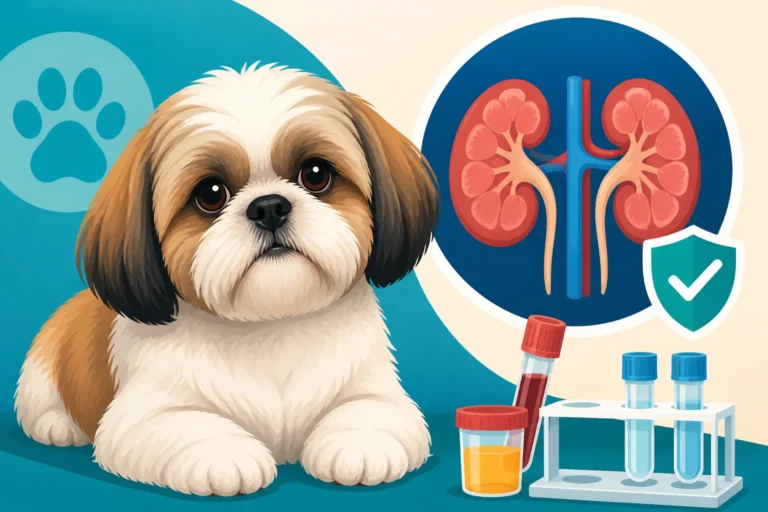
Shih Tzus, like many purebred dogs, are prone to certain genetic conditions that can significantly impact their quality of life and lifespan. Understanding these can help you be more proactive in detection and management. Conditions such as Renal Dysplasia and the Shih Tzu Kidney are unfortunately too common and can severely shorten a dog's life if not properly managed or if a puppy is born with a severe form. Another concern is Shih Tzu Joint Problems in a Toy Frame, which can lead to chronic pain and reduced mobility, directly impacting their overall health and longevity.
Then there are the unique challenges of their brachycephalic (flat-faced) structure. Conditions like severe stenotic nares or an elongated soft palate, both of which fall under Brachycephalic Breathing in a Shih Tzu, can cause chronic respiratory distress, making it hard for them to breathe, especially in warm weather or during exercise. This constant strain on their respiratory system can lead to secondary heart problems over time, greatly affecting their lifespan. While early intervention and, in some cases, surgery can improve outcomes, the genetic predisposition is always there. It's a tough reality, but being aware helps you advocate for your dog from day one.
The Impact of Daily Care and Lifestyle Choices
Beyond genetics, the day-to-day care and overall lifestyle your Shih Tzu experiences profoundly influence their health and how long they'll thrive. This isn't just about feeding them; it encompasses everything from their diet and exercise to mental stimulation and living environment.
Nutrition and Weight Management
What you feed your Shih Tzu isn't just fuel; it's medicine. A high-quality, balanced diet provides the nutrients they need to support organ function, maintain a healthy coat, and boost their immune system. Just like us, a poor diet can lead to a host of problems, from digestive issues to weakened immunity. Choosing appropriate kibble size a Shih Tzu mouth can manage is also important given their unique jaw structure.
Perhaps even more critical is weight management. It's so easy for these little fluff balls to pack on a few extra pounds, especially when they give you those adorable puppy-dog eyes for treats. However, Shih Tzu Obesity on a Sixteen Pound Frame is a serious issue. Those "few extra pounds" can dramatically increase their risk of diabetes, heart disease, joint problems, and even exacerbate breathing difficulties common in brachycephalic breeds. It puts undue strain on their tiny joints and spine, which are already prone to issues like disc disease. Keeping your Shih Tzu at a healthy, lean weight isn't just for aesthetics; it's a vital component of extending their active, comfortable years. Regular weigh-ins and consistent portion control, perhaps using a slow feeder for a Shih Tzu that gulps, are far more important than many owners realize.
Exercise and Mental Stimulation
While Shih Tzus aren't typically known for being marathon runners, appropriate daily exercise is crucial for their physical and mental well-being. Regular, moderate activity helps maintain a healthy weight, strengthens muscles, and supports cardiovascular health. A couple of short, brisk walks a day, combined with some indoor playtime, is usually sufficient. However, for a breed prone to Brachycephalic Breathing in a Shih Tzu, exercise needs to be carefully monitored, especially in warmer weather, to prevent overheating.
Beyond physical activity, mental stimulation is just as important. These intelligent little dogs thrive on interaction, training, and puzzle toys. Boredom can lead to stress, destructive behaviors, and can even impact their immune system over time. Engaging their minds keeps them sharp, happy, and contributes to their overall vitality. Teaching them new tricks, rotating toys, or even just having regular play sessions helps keep their spirits high, which undeniably plays a part in their long-term health.
Environmental Factors and Safety
Your Shih Tzu's environment plays a significant role in their safety and overall health. For a small dog, hazards can be everywhere. Ensuring your home is safe means keeping toxic substances out of reach, securing heavy objects that could fall, and providing a comfortable, temperature-controlled space.
Given their delicate structure, especially their backs, preventing jumps from furniture or stairs is essential. Ramps for a Shih Tzu with a long spine can be a lifesaver, literally, preventing serious injuries like slipped discs. Furthermore, protecting their unique facial features is paramount. Their prominent eyes are vulnerable to injury, and their flat faces make them susceptible to overheating. During walks, a harness is always recommended over a collar to protect their delicate trachea and avoid putting pressure on their neck and eyes. These seemingly small considerations add up to a protective environment that helps ward off accidents and preventable health crises.
Proactive Veterinary Care and Early Detection
Even with the best genetics and home care, regular veterinary attention is non-negotiable for a long and healthy Shih Tzu life. Vets are our partners in keeping our pets healthy, and their expertise in early detection can make all the difference.
Regular Check-ups and Vaccinations
Annual veterinary check-ups are more than just a formality; they are crucial preventative healthcare appointments. For a Shih Tzu, these visits allow your vet to perform a thorough physical examination, looking for subtle changes that might indicate an underlying issue before it becomes a full-blown problem. They'll check their teeth, listen to their heart, palpate their abdomen, and assess their overall condition. These routine examinations are essential, particularly as your Shih Tzu gets older, as outlined in Senior Shih Tzu Care Past the Age of Ten.
Vaccinations are equally vital. Keeping your Shih Tzu up-to-date on core vaccinations protects them from serious, often life-threatening infectious diseases like distemper, parvovirus, and rabies. Your vet can advise on a vaccination schedule tailored to your dog's age, lifestyle, and local risk factors, ensuring they have the best possible immune protection without over-vaccinating. Parasite prevention, including heartworm, flea, and tick medications, is another critical component of routine care, safeguarding your Shih Tzu from common, debilitating illnesses.
Early Detection and Disease Management
Many health conditions, if caught early, are far more manageable and have a better prognosis. This is especially true for Shih Tzus, who can be prone to conditions that worsen rapidly. For example, Shih Tzu Eye Proptosis, the Emergency Owners Miss, while often traumatic, has a better outcome if veterinary attention is sought immediately. Similarly, issues like Shih Tzu Dental Disease at 13 Percent of the Breed can escalate quickly if left unchecked. Periodontal disease not only causes pain and tooth loss but can also lead to systemic infections affecting the heart, kidneys, and liver, severely impacting overall lifespan. Regular dental check-ups and cleanings, combined with daily home brushing, are paramount.
Your vet might recommend specific screenings or bloodwork as your Shih Tzu ages. For instance, detecting early signs of Shih Tzu Heart Murmurs and Valve Disease can allow for medication to slow disease progression, giving your dog more comfortable years. Conditions like kidney disease can often be managed effectively with dietary changes and medication if identified early through routine bloodwork. Investing in pet insurance, like a plan from Healthy Paws, can be incredibly helpful here, easing the financial burden of diagnostic tests and ongoing treatments for chronic conditions, allowing you to prioritize early and consistent care without hesitation.
Managing Breed-Specific Challenges
Shih Tzus are adorable, but their unique physical characteristics, while charming, also come with a specific set of health challenges that owners need to be prepared for. Effectively managing these can be the key to a longer, happier life.
Respiratory and Ocular Health
Their brachycephalic (flat-faced) anatomy, while giving them their distinctive look, can lead to respiratory issues. Beyond surgery for severe cases, everyday management involves keeping them cool, avoiding strenuous exercise in heat, and using a harness instead of a collar to prevent tracheal irritation. Any excessive panting, noisy breathing, or blue gums warrant immediate veterinary attention. These signs can indicate a crisis related to their compromised airways.
The prominent, large eyes of a Shih Tzu are also prone to several issues. Conditions like dry eye (keratoconjunctivitis sicca), corneal ulcers, and even eyelashes growing inwards (entropion) are common. Regular cleaning around the eyes to prevent tear staining and irritation, as well as being vigilant for any squinting, redness, or discharge, is crucial. If your vet prescribes lifelong drops for dry eye, adhering to that regimen is non-negotiable to prevent pain and preserve vision. These ongoing maintenance tasks are a normal part of life with a Shih Tzu and are vital for preventing serious eye damage that could necessitate surgery or even lead to vision loss, severely impacting their quality of life.
Dental and Skeletal Care
We’ve already touched on dental disease, but it bears repeating: Shih Tzus have 42 teeth crammed into a tiny mouth, making them extremely susceptible to tartar buildup and gum disease. This isn't just a cosmetic problem; it's a major health concern. Daily toothbrushing, along with regular professional dental cleanings under anesthesia, are essential. Without diligent care, dental infections can lead to tooth loss, jaw bone infections, and even spread to vital organs, significantly impacting their lifespan.
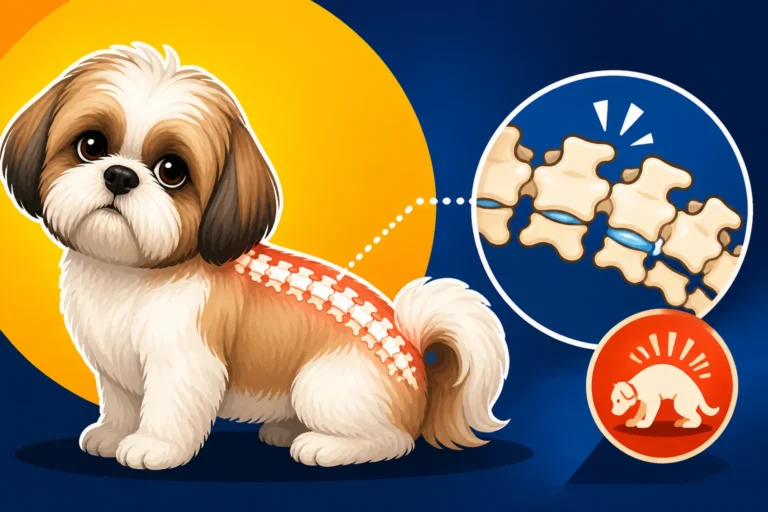
Their long spines, combined with their short legs, make Shih Tzus susceptible to intervertebral disc disease (IVDD) and other back problems. Shih Tzu Back Problems and Disc Disease can be excruciating and debilitating. Preventing jumps, using ramps, and maintaining a healthy weight are critical preventative measures. Even a seemingly minor jump off a couch can lead to a slipped disc, requiring extensive medical treatment or even surgery. Being mindful of how you handle them, supporting their back, and recognizing early signs of pain (like reluctance to jump or yelping when picked up) can make a huge difference in managing these conditions and preserving their mobility and comfort. For owners considering proactive measures against accidents and unforeseen health issues, having robust pet insurance like Healthy Paws can be a tremendous financial relief for managing complex conditions like IVDD.
Environmental Stressors and Emotional Well-being
Beyond physical health, the emotional well-being of your Shih Tzu can also contribute to their overall resilience and, indirectly, their lifespan. Stress, anxiety, and loneliness can impact their immune system and exacerbate existing health conditions. Shih Tzus are companion dogs through and through; they thrive on human interaction and can suffer from separation anxiety if left alone for extended periods without proper training. Building Shih Tzu Alone Time and Learning to Tolerate It gradually and positively can prevent a lot of stress for both you and your dog.
Creating a calm, predictable environment, providing consistent routines, and ensuring they feel safe and loved can significantly contribute to their happiness and longevity. A happy, well-adjusted Shih Tzu is generally a healthier Shih Tzu. Regular grooming, like Brushing a Shih Tzu Double Coat Every Day, isn't just for looks; it's also a bonding experience that allows you to check for skin issues or lumps, further contributing to their overall care and well-being.
Factors Influencing Shih Tzu Lifespan: A Quick Overview
To bring it all together, here’s a snapshot of how various factors can swing the needle on your Shih Tzu’s journey through life:
| Factor | Impact on Lifespan | Key Considerations |
|---|---|---|
| Genetics | High | Inherited predispositions to diseases (e.g., kidney, joints, breathing, eyes) |
| Breeding Quality | High | Health testing of parents, ethical practices, transparency |
| Nutrition | High | Quality diet, appropriate portions, avoiding obesity |
| Weight Management | High | Obesity exacerbates joint, heart, and respiratory issues, significantly shortening life |
| Exercise | Moderate | Regular, appropriate activity, mindful of brachycephalic limitations, joint protection |
| Preventative Vet Care | High | Annual check-ups, vaccinations, parasite control, early disease detection |
| Dental Care | High | Daily brushing, professional cleanings prevent systemic infections, pain, and organ damage |
| Emergency Preparedness | Moderate | Knowing what to do in an emergency (like eye proptosis), access to emergency vet care |
| Environment | Moderate | Home safety (no jumps, ramps), temperature control, low stress environment |
| Access to Vet Care | High | Ability to afford or access specialized care when needed, perhaps with pet insurance like Healthy Paws |
| Emotional Well-being | Moderate | Low stress, strong bond, mental stimulation, management of separation anxiety |
Conclusion: Your Role in Maximizing Lifespan
The reality is that while the average Shih Tzu lifespan is often cited as 10 to 16 years, many factors can push that up or down. Your role as an owner is paramount. From the moment you choose your puppy, to the food you put in their bowl, the exercise you provide, and the regular veterinary care you ensure, every decision contributes to their journey. There's no single magic bullet, but rather a holistic approach that embraces responsible ownership, proactive health management, and an abundance of love and attention. By understanding these varied factors, you're better equipped to provide your beloved Shih Tzu with the longest, happiest, and healthiest life possible. After all, they give us so much joy; it’s only right we give them our very best in return.
Disclaimer
Please remember that this article provides general information and recommendations. Every Shih Tzu is an individual, and specific health concerns should always be discussed with a qualified veterinarian. This content is not a substitute for professional veterinary advice, diagnosis, or treatment.