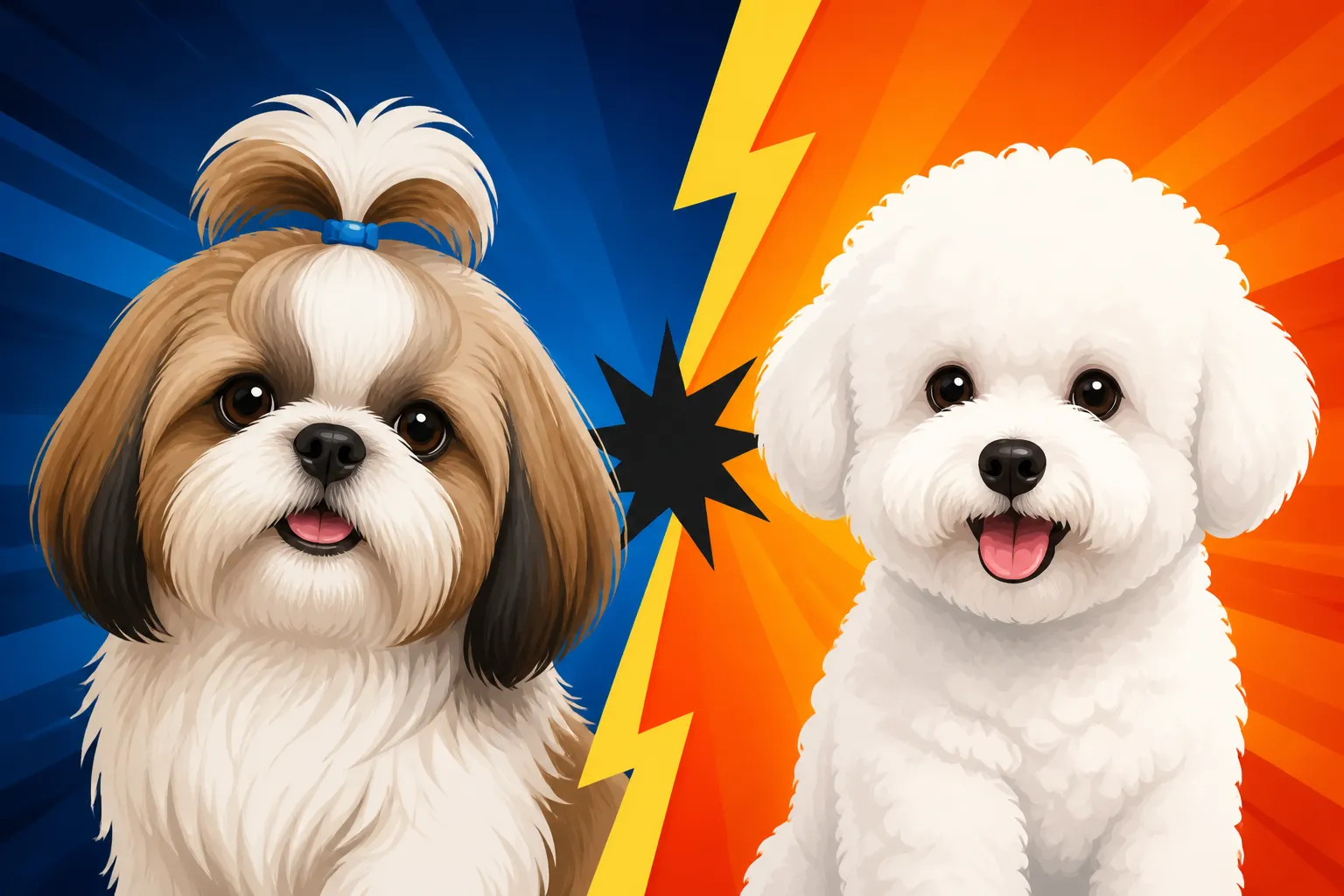
The Shih Tzu Against a Bichon Frise
Deciding between two delightful, fluffy companions like the Shih Tzu and the Bichon Frise can feel like a wonderfully overwhelming task. Both breeds bring immense joy and unique charms into a home, but they also come with distinct needs and personalities that often get overlooked in the initial excitement. This guide aims to meticulously unravel the core differences between these two beloved small dogs, helping you determine which breed truly aligns with your lifestyle and expectations for a furry family member.
Temperament and Trainability: A Tale of Two Personalities
When you welcome a dog into your home, their personality and how well they integrate into your daily life are paramount. While both Shih Tzus and Bichon Frises are renowned for their loving dispositions, their inherent temperaments and approaches to training have some notable distinctions. Understanding these can prevent future frustrations and ensure a harmonious household.
The Shih Tzu's Regal Yet Companionable Nature
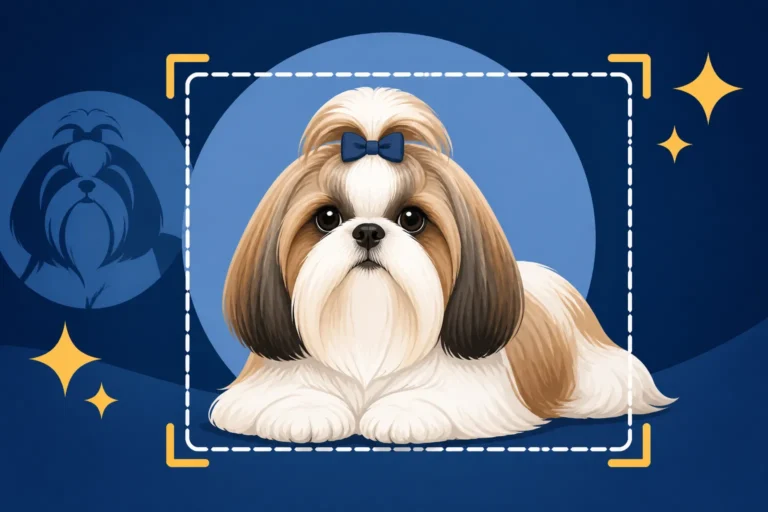
The Shih Tzu, with its ancient lineage as a companion dog for Chinese royalty, carries a certain regal air, yet at its heart, it's an affectionate and outgoing friend. They were literally bred to sit on laps and charm their human companions, and they excel at it. Shih Tzus are often described as spirited, playful, and even a bit mischievous. They thrive on human interaction and genuinely want to be where their people are, whether that's curled up on the sofa during movie night or following you from room to room as you go about your day.
However, this deeply rooted companion instinct can come with a touch of independence, sometimes interpreted as stubbornness. While intelligent, a Shih Tzu might decide that learning a new trick isn't as appealing as a cuddle session, especially if they don't see an immediate, high-value reward. Consistent, positive reinforcement is key, and harsh corrections can easily shut them down. You might find that Why Harsh Corrections Shut a Shih Tzu Down is particularly relevant here. They generally get along well with respectful children and other pets, though early socialization is always beneficial. Their alert nature means they can be prone to barking at perceived intruders or passing squirrels, making them excellent, if sometimes vocal, watchdogs.
The Bichon Frise's Cheerful and Playful Spirit
The Bichon Frise is often hailed as the quintessential happy-go-lucky dog. Their cheerful disposition, effervescent energy, and playful antics are truly infectious. Bichons possess an undeniable zest for life and seem to greet every day with tail wags and an eagerness for fun. They are known for being exceptionally affectionate, gentle, and eager to please, which can make them quite trainable. They love to learn tricks and participate in activities, often excelling in obedience and agility due to their intelligence and desire to engage with their owners.
Unlike the Shih Tzu's occasional stubborn streak, a Bichon Frise often approaches training as a delightful game. They respond beautifully to positive reinforcement and praise, thriving on the attention they receive when performing well. However, their highly social nature means they can be prone to separation anxiety if left alone for extended periods. They form deep bonds with their families and can become distressed without consistent human company. While generally excellent with children and other pets, their smaller size means interactions should always be supervised to ensure safety for all parties. Their playful energy makes them fantastic companions for active families, but they are equally happy to curl up for a snuggle after a good play session.
Grooming Requirements and Coat Care: Fluff, Matts, and Maintenance
Both Shih Tzus and Bichon Frises boast beautiful, luxurious coats that are a big part of their appeal. However, these stunning coats require significant and consistent care, and their specific needs differ in important ways. Understanding these differences is crucial before committing to either breed, as neglected coats can lead to serious health issues and discomfort for your dog.
The Shih Tzu's Demanding Double Coat
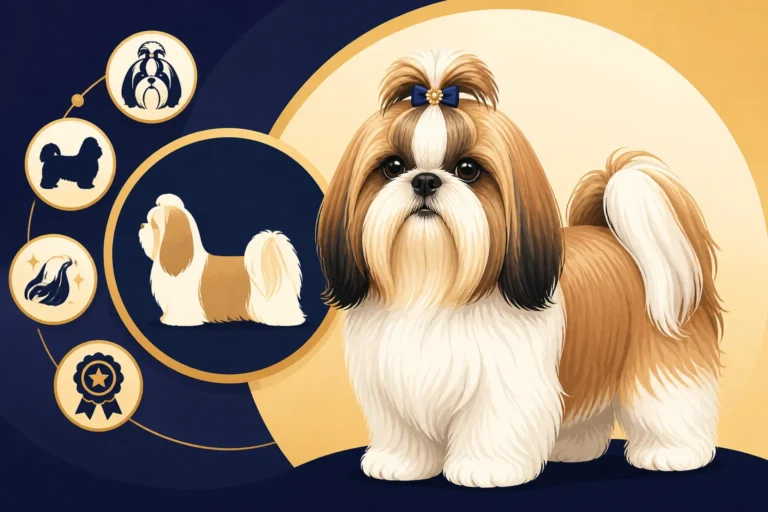
The Shih Tzu's signature long, flowing double coat is truly magnificent when properly cared for, but it is undeniably high-maintenance. It consists of a soft, woolly undercoat and a longer, silker topcoat, designed to protect them from the elements in their native Tibet. This combination, while beautiful, is a magnet for tangles and mats. Daily brushing is not just recommended; it's practically mandatory to prevent painful matting close to the skin. Missing even a couple of days can lead to severe tangles, especially behind the ears, under the legs, and where a harness sits. You might find our guide on Brushing a Shih Tzu Double Coat Every Day incredibly helpful.
Many Shih Tzu owners opt for a "puppy cut" or a shorter clip to manage the coat more easily, which significantly reduces daily brushing but still requires professional grooming every 4-6 weeks to maintain the length and keep it neat. Without regular trimming, the hair around their eyes can grow long enough to irritate the cornea, leading to potential eye problems. Tear staining can also be a persistent issue around their expressive eyes, necessitating daily face wiping. When choosing products, look for brands like Chewy that offer a wide array of specialized shampoos, conditioners, detanglers, and brushes specifically designed for double-coated breeds. Keeping their long ears clean and dry, and trimming the hair between their paw pads, are also essential parts of their grooming routine.
The Bichon Frise's Puffy Single Coat
The Bichon Frise's coat is distinctly different from the Shih Tzu's. It's a soft, curly double coat (though often referred to as a single coat due to its fine texture) that is fluffy and springs back, much like a powder puff. This beautiful white coat is often touted as "hypoallergenic" because it sheds minimally. However, "minimal shedding" does not equate to "minimal grooming." In fact, the Bichon's curly texture is highly prone to matting if not brushed regularly and thoroughly. They don't drop hair, but the loose hair gets caught in the curls, forming mats if not brushed out.
Daily or every-other-day brushing is necessary to prevent mats, especially in areas like their armpits and behind their ears. Professional grooming every 4-8 weeks is essential to keep their coat trimmed, clean, and healthy. Without regular clipping, their coat can become an unruly, matted mess. Like Shih Tzus, Bichons can experience tear staining, which is particularly noticeable against their white fur, requiring diligent face cleaning. Their floppy ears also need regular attention to prevent infections. Bathing needs are similar to Shih Tzus, about every 2-3 weeks, using appropriate shampoos and conditioners to maintain coat health and softness. Again, you can find a good selection of suitable products on Chewy for their unique coat needs.
Here's a quick comparison of their grooming needs:
| Feature | Shih Tzu (Double Coat) | Bichon Frise (Curly Double Coat) |
|---|---|---|
| Coat Type | Double coat, long, flowing, silker topcoat | Double coat, soft, curly, powder-puff texture |
| Shedding | Moderate, but loose hair gets trapped in coat | Minimal, considered "hypoallergenic" |
| Brushing | Daily, thorough brushing to prevent mats | Daily to every-other-day, to prevent mats |
| Professional Grooming | Every 4-6 weeks for puppy cuts, more for full coat | Every 4-8 weeks for clipping and shaping |
| Matting Risk | High, especially with long coats | High, due to curly texture catching loose hair |
| Tear Stains | Common, requires daily face wiping | Common, noticeable on white fur, needs daily wiping |
| Special Needs | Hair out of eyes, ear cleaning, paw pad trimming | Ear cleaning, careful drying to maintain fluff |
Health Considerations and Lifespan: Breed-Specific Vulnerabilities
Every dog breed comes with its own set of potential health predispositions, and the Shih Tzu and Bichon Frise are no exception. While both breeds can live long, healthy lives with proper care, understanding their common vulnerabilities can help you provide preventative care and be prepared for potential issues.
Shih Tzu Health Challenges
Shih Tzus typically have a lifespan of 10 to 16 years, with a median around 13 years. However, their unique physical characteristics, particularly their brachycephalic (flat-faced) skull structure, predispose them to certain health concerns. One of the most critical is Brachycephalic Breathing in a Shih Tzu, which can lead to noisy breathing, snoring, and heat intolerance. Overheating is a serious risk for Shih Tzus, especially in warm weather or during strenuous exercise. Why a Shih Tzu Cannot Cool Itself Well delves into this further.
Eye problems are also very common due to their prominent eyes and shallow eye sockets. Conditions like Shih Tzu Corneal Ulcers and Dry Eye, pigmentary keratitis, and even Shih Tzu Eye Proptosis, the Emergency Owners Miss are unfortunately frequent. Dental disease is another pervasive issue due to their crowded jaws, making daily tooth brushing crucial to prevent early tooth loss and infections. You can read more about Shih Tzu Dental Disease at 13 Percent of the Breed. They can also be prone to Shih Tzu Back Problems and Disc Disease due to their relatively long spines, so careful handling and preventing jumps from furniture are important. Regular veterinary check-ups and being proactive about these issues can greatly contribute to their quality of life and longevity.
Bichon Frise Health Challenges
Bichon Frises generally have a similar lifespan to Shih Tzus, ranging from 12 to 15 years. They are robust little dogs, but like all purebreds, they have their genetic susceptibilities. One of the most common issues for Bichons is skin allergies and sensitivities, which can manifest as itching, redness, and hot spots. Their white coats can sometimes mask skin issues, so regular grooming is key to spotting problems early. Food allergies or environmental allergens are often culprits, and finding the right diet and managing exposure can be a lifelong journey for some owners.
Dental disease is also prevalent in Bichons due, again, to their small mouths. Regular brushing and professional dental cleanings are vital for preventing periodontal disease. Anesthesia on a Flat-Faced Shih Tzu discusses general concerns for small breeds, but it's important for Bichons too, particularly during dentals. Patellar Luxation in a Shih Tzu is a common orthopedic issue in many small breeds, including Bichons, where the kneecap slips out of place, often requiring surgical correction. They can also be prone to bladder stones and certain autoimmune diseases. Responsible breeding practices, including health testing of parents, are essential for reducing the incidence of these conditions in both breeds.
Energy Levels and Exercise Needs: Matching Activity to Lifestyle
While both are toy breeds, there are subtle differences in the energy levels and exercise requirements of a Shih Tzu and a Bichon Frise. Understanding these can help you choose a dog whose activity needs align with your own daily routine and living situation.
The Shih Tzu's Moderate Activity Preference
Shih Tzus are not known for being high-energy dogs. They are generally quite content with short, leisurely walks and indoor play sessions. Their moderate energy level makes them excellent companions for apartment dwellers or those with a less active lifestyle. A couple of 15-20 minute walks a day, combined with some play in the house, is usually sufficient to keep a Shih Tzu happy and healthy. They love a good romp with toys and are perfectly happy to chase a squeaky ball for a few minutes, but they are equally pleased to then curl up on your lap for a nap.
However, their tendency towards brachycephalic breathing means owners must be mindful of over-exercising them, especially in heat or humidity. Long, strenuous hikes or prolonged outdoor play in warm weather can quickly lead to overheating and respiratory distress. Shih Tzu Exercise Intolerance in Summer is a crucial read. Indoor games, puzzle toys found at retailers like Chewy, and short bursts of activity are ideal. They are not built for endurance, but rather for companionship and gentle activity.
The Bichon Frise's Playful Zest for Life
Bichon Frises, while also small, tend to have a bit more pep in their step than Shih Tzus. They possess a lively, playful energy that requires a bit more engagement. They love to play, whether it's a game of fetch in the yard, chasing bubbles, or interactive puzzle toys indoors. Daily walks are important, but they will likely benefit from slightly longer or more vigorous walks than a Shih Tzu, perhaps 30-45 minutes spread across the day. They enjoy exploring their surroundings and appreciate varied walks that stimulate their minds as well as their bodies.
Their intelligent and eager-to-please nature means they thrive on activities that challenge them. They can excel in dog sports like agility or obedience, making them suitable for owners who enjoy these types of engagements. However, like all small dogs, their exercise needs can be met with a combination of outdoor walks and indoor play. They adapt well to apartment living as long as their energy is adequately channeled. Their high sociability also means that playtime with their human family is often their favorite form of exercise, making them delightful partners for active indoor games.
When considering a Shih Tzu or a Bichon Frise, you're looking at two incredibly charming and loving breeds. The Shih Tzu brings a more laid-back, regal companion with a strong desire to be by your side, coupled with a high-maintenance double coat and specific brachycephalic health considerations. The Bichon Frise offers a more exuberant, cheerful companion who loves to play and engage, with a curly, non-shedding coat that also demands diligent grooming and attention to potential skin and joint issues. Your choice will ultimately depend on how well your lifestyle matches their unique blend of personality, grooming needs, and health predispositions. Both promise a lifetime of love and joy, but their paths to that happiness take slightly different routes.
Disclaimer
This article is for general informational purposes only and does not constitute professional advice. Laws, prices and regulations vary by location and change over time. Consult a qualified professional for guidance on your specific situation.