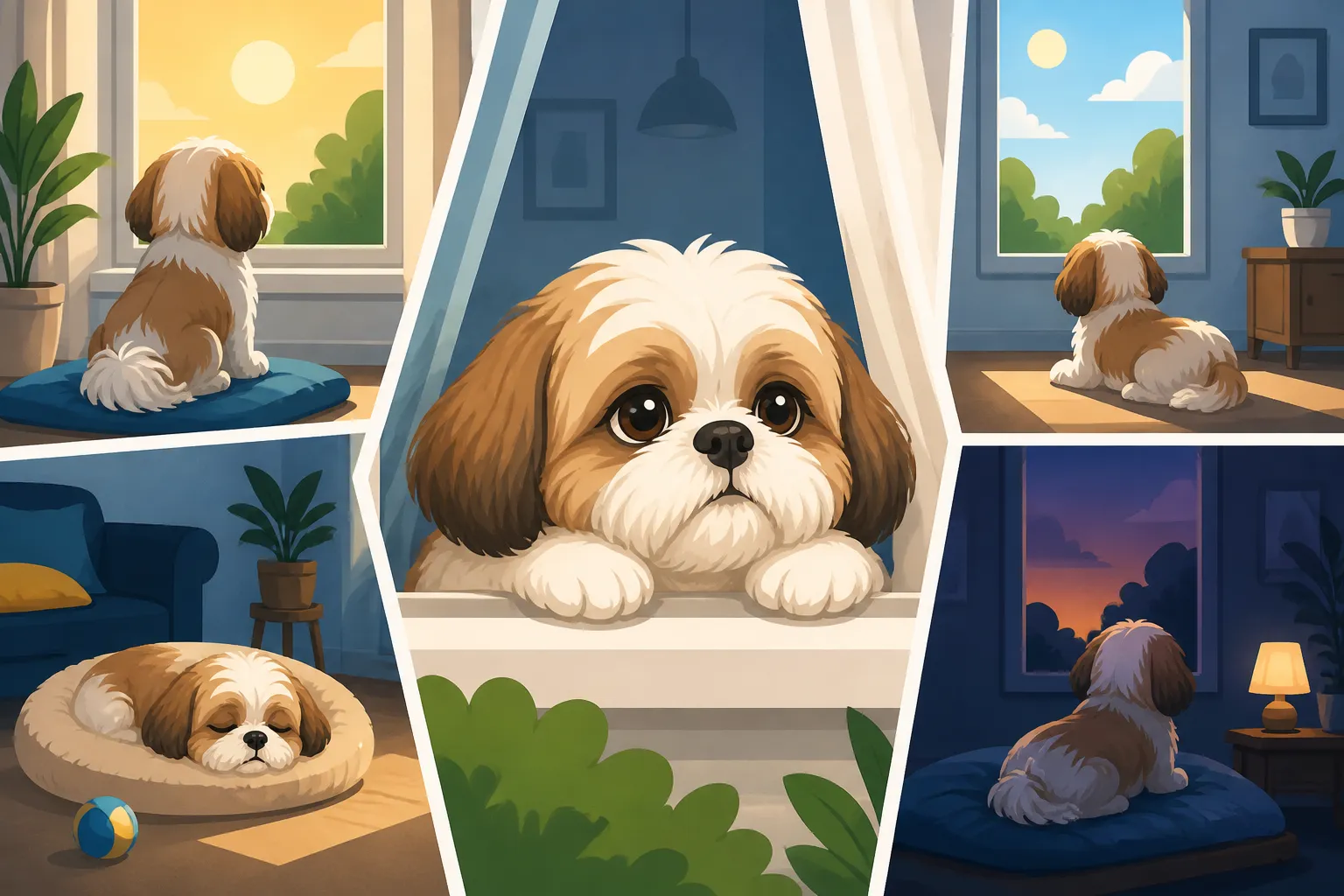
A Shih Tzu Alone Through a Working Day
One of the biggest worries for any Shih Tzu parent who works a typical 9-to-5 job is the thought of leaving their little fluffball home alone for such a long stretch. It feels like an eternity when you're gone, and it's hard not to wonder if they're bored, lonely, or worse, getting into trouble. This guide is here to help you navigate the challenges of a Shih Tzu being alone through a working day, offering practical advice and solutions to keep your precious companion happy, safe, and well-adjusted while you're away.
Understanding Your Shih Tzu's Need for Companionship
Let's be real: Shih Tzus were literally bred to be companions. Their history traces back to Tibetan monasteries and Chinese imperial palaces, where they were cherished lap warmers and pampered pets. They weren't hunting, herding, or guarding; their entire purpose was to provide comfort and love to their humans. This deeply ingrained history means they thrive on interaction and often struggle when left without it for long periods.
Why Shih Tzus Struggle with Isolation
Think about it from their perspective. For thousands of years, their role has been to be with people. This isn't just a preference; it's a fundamental part of their genetic makeup and temperament. When a Shih Tzu is left alone for eight or nine hours, it's often a profound deviation from what their instincts tell them is natural and safe. They are social creatures, and isolation can feel like punishment or abandonment, even if that's the furthest thing from your intention.
You might notice signs like excessive barking, destructive chewing on furniture or shoes, or even having accidents inside the house despite being perfectly house-trained. These aren't acts of spite; they are often distress signals. A Shih Tzu might bark incessantly because they're calling out for their "pack," or chew on your belongings to self-soothe or burn off nervous energy. Sometimes, house training can regress completely, not because they've forgotten their manners, but because anxiety overrides their ability to hold it or choose an appropriate spot. It's truly heartbreaking to come home to a stressed-out pup and a messy house, and it highlights just how much they crave connection.
The Ideal Amount of Alone Time for a Shih Tzu
While we'd all love to be with our Shih Tzus every moment of the day, that's just not realistic for most of us. The truth is, there's no magic number for "ideal" alone time that fits every dog. Puppies, especially, have very short attention spans and bladders; they absolutely cannot be left alone for a typical working day. A young Shih Tzu puppy needs frequent potty breaks, socialization, and supervision, often requiring someone to be home or visiting every couple of hours. As they mature, their tolerance grows, but even a well-adjusted adult Shih Tzu generally shouldn't be left completely alone for more than 4-6 hours without a break.
An eight or nine-hour workday is simply too long for most Shih Tzus without some form of intervention. It's not just about their bladder capacity, which is limited in such a small breed; it's also about their mental and emotional well-being. Imagine being stuck in the same room for that long with nothing to do, no one to talk to, and no way to relieve yourself. It leads to boredom, frustration, and often, the development of separation anxiety. The emotional toll can manifest as lethargy when you return home, or conversely, an explosion of frantic energy, desperate for attention. Physically, holding their bladder for too long can even lead to urinary tract infections or bladder stones, which are particularly concerning for a small breed like the Shih Tzu.
Strategies for Preparing Your Shih Tzu for Alone Time
The key to a Shih Tzu coping well during your working day lies in preparation and consistency. You can't just suddenly leave them for hours and expect them to be fine; it's a skill that needs to be taught and reinforced.
Building Alone Time Gradually from Puppyhood
This process is all about making alone time a normal, positive experience, not a traumatic one. Start early, ideally from the moment you bring your Shih Tzu puppy home. Begin with very short departures. Leave the room for literally 30 seconds, then return calmly. Don't make a big fuss when you leave or when you come back. The goal is to make your coming and going seem unremarkable.
Slowly increase the duration. Go out to get the mail, then return. Run a quick errand, then come back. Use cues like "I'll be back!" in a cheerful tone before you step out, so they associate your departure with your return. You can also offer a special, high-value treat or a favorite long-lasting chew just before you leave, something they only get when you're going out. This helps create a positive association with your absence.
For a deeper dive into this initial phase, check out A Shih Tzu's First Weeks Alone at Home. It's crucial not to rush this, especially if you have a sensitive pup. If they show signs of distress, shorten the time again. This slow and steady approach helps them build confidence that you will always come back. Consider working through a structured plan like Building Alone Time in Five Minute Steps to ensure you're progressing at a pace that your Shih Tzu can handle without becoming overwhelmed.
Creating a Safe and Stimulating Environment
Where your Shih Tzu spends their alone time is just as important as how long they're left. A safe, comfortable, and stimulating environment can make all the difference. Many owners find crate training incredibly beneficial. A crate, when used properly, isn't a jail; it's a cozy den, a secure space where your Shih Tzu feels safe and can't get into trouble. Make sure it's appropriately sized—just big enough for them to stand up, turn around, and lie down comfortably. Add a soft bed, a familiar blanket, and a few favorite toys.
If a crate isn't for you, or your Shih Tzu is past the point of accepting one, designate a specific dog-proofed room or an exercise pen. Remove anything they could chew, swallow, or hurt themselves on. Think about what a curious Shih Tzu might find appealing – electrical cords, shoes, small objects. All potential hazards should be out of reach.
Once the space is secure, load it up with mental enrichment. This is where interactive toys and puzzle feeders truly shine. These aren't just toys; they're activities that keep your Shih Tzu's brain engaged, distracting them from your absence and preventing boredom. Look for toys that dispense treats slowly, or snuffle mats where they have to use their nose to find kibble. Chewy has a fantastic selection of these kinds of enrichment toys, from KONGs you can stuff with peanut butter to slow-feeder bowls that make mealtime a game. These activities simulate hunting and foraging, which are natural dog behaviors, and they can really tire out a dog mentally, making them more likely to nap peacefully. For more ideas on how to keep their minds active, check out Puzzle Feeders a Shih Tzu Can Work.
Practical Solutions for the Working Day
Even with the best preparation, a full working day is a long time for a Shih Tzu. This is where external solutions come into play, bridging the gap and ensuring your dog gets the physical and social interaction they need.
The Power of Mid-Day Breaks and Dog Walkers
If your workday is 8 hours or longer, a mid-day break is almost non-negotiable for an adult Shih Tzu. This break provides a crucial opportunity for them to relieve themselves, stretch their legs, and get some much-needed human interaction. If you live close enough, popping home for 30 minutes to let them out, give them a cuddle, and refill their water bowl can make a huge difference.
However, for many, this isn't feasible. That's where professional dog walkers become lifesavers. A reputable dog walker can visit your home, take your Shih Tzu out for a walk and a potty break, and provide some playtime and affection. This isn't just a physical break; it's a mental one too. The new sights, sounds, and smells of a walk are incredibly stimulating and help break up the monotony of their day.
When choosing a dog walker, especially for a Shih Tzu, look for someone experienced with small, brachycephalic (flat-faced) breeds. Shih Tzus are prone to overheating and can struggle with strenuous exercise, particularly in warm weather. A good walker will understand these limitations, avoid hot pavement, and ensure they don't over-exert your pup. Ask for references, ensure they are insured, and schedule a meet-and-greet to see how they interact with your Shih Tzu. Websites like Rover or Wag! allow you to find local walkers and read reviews. For more insights on finding the right person, see Dog Walkers Who Will Take a Shih Tzu. This mid-day visit can turn a stressful, lonely day into a manageable, even enjoyable, one for your little companion.
Exploring Doggy Daycare and Pet Sitters
For Shih Tzus who are social and enjoy the company of other dogs and people, doggy daycare can be an excellent option. Instead of being alone at home, they spend the day playing, napping, and interacting in a supervised environment. This provides consistent stimulation, exercise, and social engagement, mimicking more closely what they might experience if you were home.
When evaluating doggy daycare for a Shih Tzu, pay close attention to the setup. Look for facilities that have separate play areas for small breeds to ensure your tiny Shih Tzu isn't overwhelmed or accidentally injured by larger, boisterous dogs. Ask about staff-to-dog ratios, supervision protocols, and how they handle nap times or quiet areas. Ensure they are aware of the Shih Tzu's brachycephalic breathing challenges, especially during play or in warm weather. A good daycare will have clear protocols for monitoring flat-faced dogs. You can learn more about finding suitable options in Shih Tzu Doggy Daycare Rates.
If doggy daycare isn't the right fit, perhaps due to your Shih Tzu's temperament or your preference for one-on-one care, an in-home pet sitter is another fantastic alternative. A pet sitter comes to your home, often staying for a few hours or even overnight, providing continuous companionship and care in your Shih Tzu's familiar environment. This is particularly good for sensitive dogs or those who don't do well in group settings. Whether it's daycare or a sitter, remember to pack all your Shih Tzu's essentials – food, special treats (Chewy has great small training treats!), any medications, and their favorite bedding.
Technology to Stay Connected
While nothing replaces actual human interaction, technology can help ease your mind and even provide some comfort to your Shih Tzu. Pet cameras have become incredibly popular, allowing you to check in on your pup throughout the day. Many cameras offer two-way audio, so you can speak to your Shih Tzu, and some even have treat dispensers, letting you remotely reward them for calm behavior.
Being able to see your Shih Tzu napping peacefully or playing with a toy can alleviate a lot of that workday guilt. If you see them pacing or barking, you might be able to redirect them with your voice or dispense a treat. Watching a Shih Tzu on Camera While You Are Out delves into how these devices can transform your workday worries. While they shouldn't be a substitute for proper care and attention, they are a wonderful tool to monitor and occasionally interact with your companion when you can't physically be there.
Here's a quick comparison of common solutions for leaving your Shih Tzu alone:
| Solution | Pros | Cons | Ideal For | Cost Implications |
|---|---|---|---|---|
| Mid-Day Owner Visit | Free, personal interaction, familiar face | Only possible if living close, requires time off work | Owners with flexible schedules or short commutes | Low |
| Professional Walker | Potty break, exercise, mental stimulation, one-on-one | Requires trust, varying quality, availability | Dogs needing a mid-day break, less social dogs | Moderate (hourly/daily rate) |
| Doggy Daycare | Socialization, continuous supervision, exercise, playtime | Can be overwhelming for some, potential for illness/injury | Social dogs, owners wanting consistent daily activity | Moderate to High (daily/weekly rates) |
| In-Home Pet Sitter | One-on-one, familiar environment, house-sitting | Less cost-effective for full-day, finding reliable sitter | Anxious dogs, dogs needing specialized care, extended trips | High (hourly/daily rate, often includes overnight option) |
| Pet Camera/Tech | Monitoring, remote interaction, peace of mind | Not a substitute for physical care, internet reliability | As a supplement to other solutions, checking on behavior | Low (initial purchase, some have subscription fees) |
Long-Term Considerations and Well-being
Managing a Shih Tzu during a working day isn't just about quick fixes; it's about fostering their overall well-being and ensuring their long-term happiness.
Recognizing and Addressing Separation Anxiety
It's important to distinguish between a little bit of boredom or normal missing-you behavior and true separation anxiety. A bored Shih Tzu might chew a forbidden item once in a while or whine for a few minutes after you leave. A Shih Tzu with separation anxiety will display more severe, consistent, and frantic behaviors when you're gone, such as persistent howling or barking, destructive acts aimed at exit points (doors, windows), inappropriate urination or defecation even if they've been out recently, or obsessive self-grooming.
If you suspect your Shih Tzu has genuine separation anxiety, it's vital to address it. This often requires working with a certified professional dog trainer or a veterinary behaviorist. They can help you implement behavior modification techniques tailored to your dog's specific needs, which might include counter-conditioning, desensitization, and management strategies. In severe cases, your veterinarian might even suggest medication to help reduce anxiety levels while you work through the training protocols. This isn't a quick fix, but a commitment to improving your dog's quality of life. For more on this topic, consider reading When a Vet Suggests Medication for a Shih Tzu. It’s a serious condition, but with patience and professional guidance, it can often be managed.
Adjusting Your Routine for Your Shih Tzu
Beyond external help, your own daily routine plays a massive role in your Shih Tzu's ability to cope. Think about how you structure your mornings and evenings. A long, engaging walk before you leave for work, even if it's just a 15-20 minute stroll around the block, can help tire them out both physically and mentally. Let them sniff everything; that's their way of "reading the newspaper." Even for a low-energy toy breed, consistent exercise is important for their overall health and disposition. You can read more about appropriate exercise in The Short Walks a Shih Tzu Is Built For.
When you return home, make sure to dedicate quality time to your Shih Tzu. Resist the urge to dive straight into chores or phone calls. Spend 15-30 minutes engaging with them – play a game of fetch, do some cuddle time, or practice a few tricks. This helps reinforce your bond and assures them that while you're gone for a while, you're fully present when you're home. Weekends are prime time for extended adventures, whether it's a longer walk in the park (mind the heat!), a visit to a pet-friendly store (Chewy often has events!), or just extra long snuggle sessions on the sofa.
Ultimately, ensuring your Shih Tzu thrives through a working day requires a multi-faceted approach. It's a combination of thoughtful preparation, leveraging reliable external support, and committing to a routine that prioritizes their emotional and physical needs. Your little lion dog deserves to be happy, even when you can't be by their side every moment.
Disclaimer
This article is for general informational purposes only and does not constitute professional advice. Laws, prices and regulations vary by location and change over time. Consult a qualified professional for guidance on your specific situation.