When Dowager Empress Cixi Took Power
Understanding the historical lineage of our beloved Shih Tzus can often feel like peering through a shimmering, ancient silk tapestry—beautiful and intricate, but sometimes a bit blurry with time. Many of us know these wonderful dogs came from imperial China, but the story of the powerful figures who shaped them, like Dowager Empress Cixi, is often less clear. This guide will take you on a journey back in time, explaining not just when Dowager Empress Cixi rose to power, but how her reign profoundly influenced the Shih Tzu breed we cherish today.
The Imperial Court and the Shih Tzu's Royal Heritage
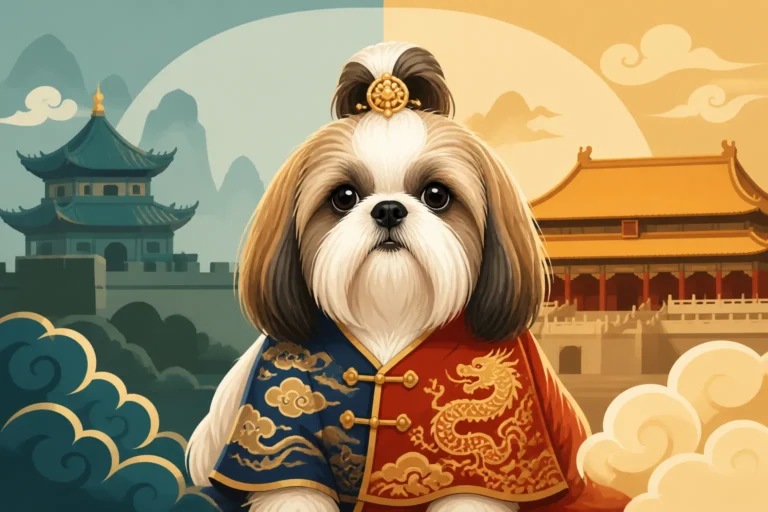
Long before the Shih Tzu became a treasured family member in homes around the world, these regal little dogs held a place of immense privilege and significance within the imperial courts of China. They weren't just pets; they were symbols, companions, and sometimes even pawns in the intricate dances of power and prestige. Their journey began even earlier, with roots stretching back to Tibetan monasteries, where they were revered as sacred "lion dogs." These early dogs made their way to China as gifts or tributes, eventually becoming darlings of the emperors.
Early Imperial Patronage of the Shih Tzu
For centuries, the small, lion-like dogs that would eventually become the Shih Tzu were cherished by Chinese emperors and their consorts. They lived lives of luxury, often attended by eunuchs and ladies-in-waiting, sleeping on silk cushions and eating the finest foods. Imagine a tiny dog, bathed and brushed daily, its long coat flowing, its presence a constant source of comfort and amusement to the highest echelons of society. These dogs were integral to palace life, often seen in paintings and historical accounts, a testament to their enduring appeal. The imperial records, though sparse for some periods, show a clear affection for these small companions. Shih Tzus Under the Yuan and Ming Dynasties offers a fascinating glimpse into these earlier periods.
The Shih Tzu as a Symbol of Status
In a society where every detail, from clothing to cuisine, conveyed rank, the presence of these exquisite dogs in an imperial household was a strong declaration of power and wealth. Only the truly elite could afford the resources—both human and material—required to maintain these animals in the style they were accustomed to. Their upkeep required dedicated staff, special diets, and intricate grooming to maintain their luxurious coats. This exclusivity further cemented their status, making them not just pets, but living jewels of the imperial family. The care was incredibly elaborate, far more hands-on and personalized than most owners can even imagine today, even with all the modern conveniences from stores like Chewy.
Dowager Empress Cixi's Ascent to Power
The Qing Dynasty, the last imperial dynasty of China, saw the rise of one of its most formidable and controversial figures: Empress Dowager Cixi. Her journey to absolute power was a complex web of political maneuvering, personal ambition, and sheer will. Her influence over China, and indeed over the Shih Tzu breed, cannot be overstated.
From Concubine to Regent
Cixi's story began far from the pinnacle of power. Born into the Manchu Yehenara clan, she entered the Forbidden City as a low-ranking concubine to the Xianfeng Emperor in 1852. Her intelligence, charm, and strategic mind quickly set her apart. She bore the Emperor his only surviving son, Zaichun, in 1856, a boy who would later become the Tongzhi Emperor. This act elevated her status significantly, securing her a place of immense influence.
When the Xianfeng Emperor died in 1861, Cixi seized her opportunity. Along with Empress Dowager Ci'an, the primary wife of the late emperor, she launched the Xinyou Coup. This audacious move effectively removed the regents appointed by the dying emperor and placed Cixi, as co-regent for her young son, at the helm of the Qing government. This marked the true beginning of her decades-long control over China. Her initial role as co-regent soon evolved into de facto rule, shaping the destiny of a vast empire during a period of intense internal and external challenges.
Consolidating Decades of Authority
Cixi's hold on power was remarkable for its duration and tenacity. After the Tongzhi Emperor died without an heir, Cixi engineered the succession of her nephew, Guangxu, in 1875. This controversial move was a blatant violation of dynastic succession laws but ensured her continued regency and authority. She effectively sidelined all opposition, consolidating her power through a combination of shrewd political alliances, strategic appointments, and, when necessary, ruthless suppression of dissent. She navigated a tumultuous period, grappling with Western imperialism, internal rebellions, and the urgent need for modernization, all while maintaining her grip on the Forbidden City. This extensive period of control provided a stable (if autocratic) environment for many of her personal interests, including her deep devotion to her palace dogs.
Cixi's Passion for Her Imperial Dog Kennels
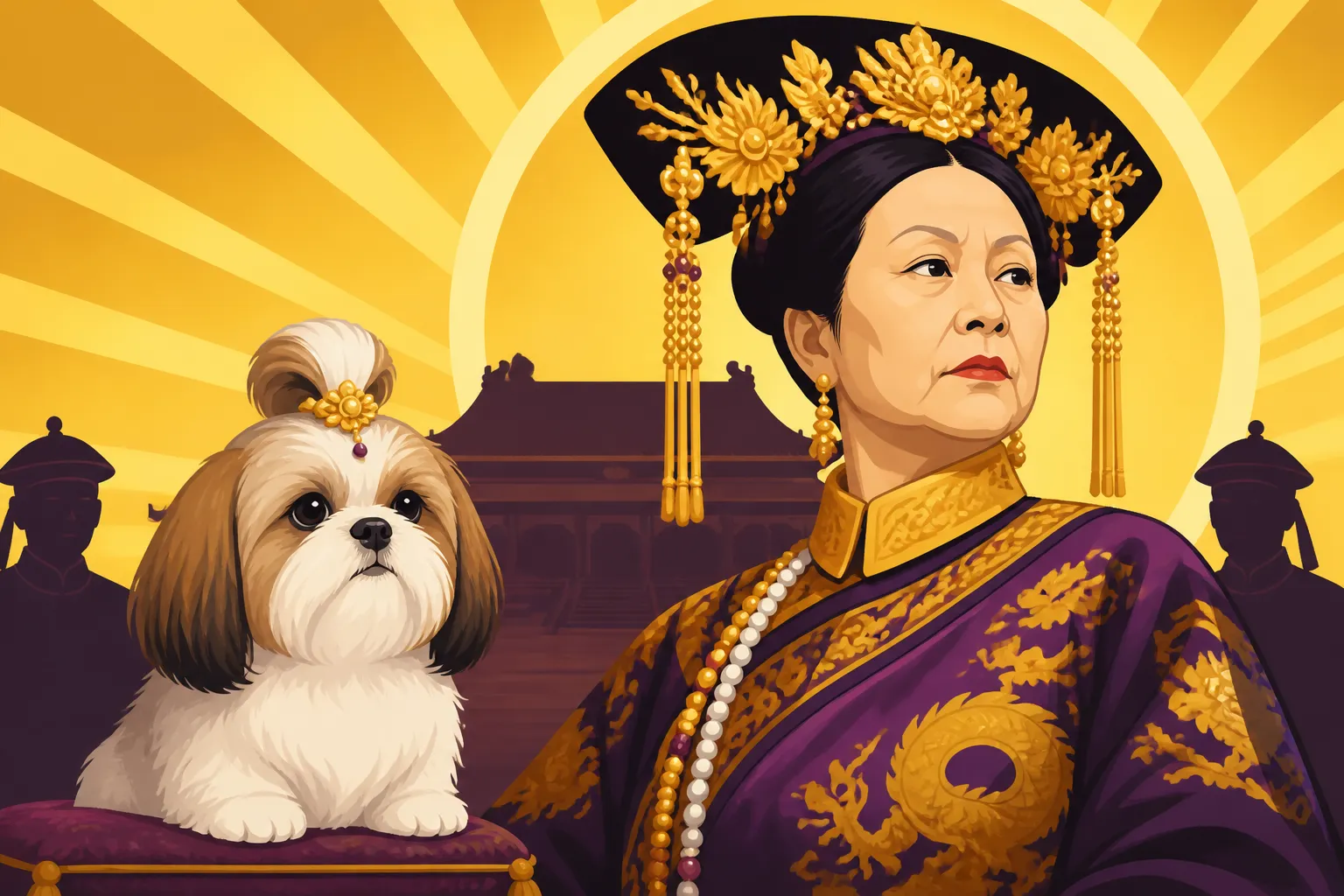
Beyond her formidable political life, Dowager Empress Cixi harbored a profound passion for dogs, especially the small, long-haired breeds that had become an integral part of the imperial household. Her kennels were not merely an indulgence; they were a reflection of her personal taste and the opulence of her reign. The Empress Who Bred Shih Tzus in the Forbidden City goes into great detail about her private world with these dogs.
An Elaborate System of Care
Cixi's dogs, including what we recognize today as Shih Tzus, lived lives of unimaginable luxury. She employed a dedicated staff of eunuchs and caretakers solely devoted to their welfare. These "dog eunuchs" were responsible for everything from feeding and grooming to walking and training the imperial canines. They kept meticulous records, not unlike how a modern breeder might use DNA and health papers to track lineage today. The dogs were fed a diet of exotic meats and special rice porridge, often served on silver dishes.
Their living quarters were lavish, with silk bedding and climate-controlled rooms, a stark contrast to the lives of most ordinary Chinese citizens. This level of care ensured the dogs were always immaculate, healthy, and perfectly presented. Cixi often held "dog parades" where her favorite dogs would be adorned with precious jewels and walked before her. How Cixi Ran Her Palace Breeding Program describes the immense infrastructure dedicated to her canine companions. Even with today's vast pet supply options available at stores like Chewy, it's hard to imagine replicating the sheer scale of personalized care Cixi's dogs received.
Cixi's Influence on Shih Tzu Breeding
Cixi was not just a passive admirer of her dogs; she was actively involved in their breeding. She set strict standards for appearance, temperament, and health, aiming to produce the most exquisite specimens possible. Her focus was on refining the breed's characteristics—the flowing coat, the expressive eyes, the flat face, and the plumed tail carried over the back. She dictated which dogs would be bred, often commissioning portraits of her favorite ones. This deliberate and intensive breeding program, overseen by her with an iron will, played a crucial role in solidifying the traits that define the modern Shih Tzu. Without her direct involvement, the breed might have taken a very different path or even faded into obscurity.
The Shih Tzu Legacy After Cixi
The death of Dowager Empress Cixi in 1908 marked the beginning of the end for imperial China and, with it, the gilded age of the Shih Tzu within the Forbidden City. However, her dedication ensured the breed's survival and its eventual journey to global recognition.
The Decline of Imperial Kennels
Following Cixi's death and the subsequent collapse of the Qing Dynasty in 1912, the elaborate imperial kennels fell into disarray. Many of the precious dogs were scattered, some were stolen, and others simply vanished. The meticulous breeding programs that Cixi had overseen ceased to exist, and the unique conditions that had allowed the Shih Tzu to flourish within the palace walls were gone. It was a turbulent time for China, and the fate of its imperial dogs was a minor concern compared to the sweeping political and social changes.
The Breed's Journey to the West
Despite the chaos, some of these exquisite dogs found their way into the hands of Western diplomats, traders, and travelers who had spent time in China. These individuals, captivated by the Shih Tzu's charm and beauty, began to bring them back to Europe and eventually to America. The Shih Tzu population was initially very small outside of China, often descended from just a handful of dogs that survived the imperial collapse. How the Shih Tzu Reached the West provides fascinating insights into this critical period.
For example, the first Shih Tzus arrived in England in the 1930s, sparking immediate interest. These dogs, though few in number, carried the genetic legacy of Cixi's imperial breeding. They were meticulously cared for by their new owners, who understood their rarity and unique heritage. The foundation of modern Shih Tzus outside of China owes a great deal to the foresight of those who rescued and nurtured these precious animals during a time of great upheaval. The breed's unique needs, from its luxurious coat to its brachycephalic features, have always demanded dedicated care, a tradition that continues with dedicated owners today, often stocking up on essentials from trusted sources like Chewy.
Key Aspects of Imperial Shih Tzu Care vs. Modern Care
It's fascinating to compare the care our Shih Tzus receive today with the lavish, almost unbelievable, lives their imperial ancestors led under Dowager Empress Cixi. While the core needs of the breed remain, the methods and resources have certainly evolved.
| Aspect of Care | Imperial China (Dowager Empress Cixi's Era) | Modern Era (Today) |
|---|---|---|
| Living Conditions | Dedicated palace rooms, silk bedding, climate control by human staff. | Comfortable homes, specialized dog beds (often orthopedic for Shih Tzu Back Problems and Disc Disease), climate-controlled by HVAC. |
| Grooming | Daily brushing and bathing by dedicated eunuchs, elaborate styling, jewel adornments. | Daily brushing by owners (Brushing a Shih Tzu Double Coat Every Day), regular professional grooming (Shih Tzu Grooming at $50 to $90 a Session), specialized shampoos and conditioners. |
| Diet | Hand-prepared meals of exotic meats, rice porridge, served on silver. | Commercial kibble (often specific for toy breeds or sensitive stomachs), wet food, fresh food subscriptions; careful portion control for Shih Tzu Obesity on a Sixteen Pound Frame. |
| Healthcare | Limited to traditional Chinese medicine, basic observations, anecdotal remedies. | Regular veterinary check-ups, vaccinations (Shih Tzu Vaccination and Toy Breed Reactions), advanced diagnostics, specialized surgeries for conditions like Shih Tzu Eye Proptosis, the Emergency Owners Miss or Shih Tzu Dental Disease at 13 Percent of the Breed. |
| Exercise | Gentle walks within palace gardens, carried by servants. | Short, supervised walks, indoor play, interactive toys; awareness of Shih Tzu Exercise Intolerance in Summer due to brachycephaly. |
| Socialization | Primarily with imperial family and dedicated staff, limited exposure outside. | Early puppy socialization classes, exposure to various people, places, and appropriate dogs (The Shih Tzu Socialization Deadline). |
| Acquisition | Gifts between nobility, born within imperial kennels. | Reputable breeders with health testing (Health Testing a Shih Tzu Breeder Should Do), breed-specific rescues (Shih Tzu Rescue Fees and What They Include), pet stores (though less ideal). |
Dowager Empress Cixi's reign was a pivotal moment not just in Chinese history, but in the story of the Shih Tzu. Her passionate patronage and meticulous breeding standards, combined with the efforts of those who brought the dogs to the West, ensured that this truly unique and enchanting breed would not only survive but thrive in the modern world. Today, when we cuddle our little lion dogs, we are holding a living piece of imperial history in our laps, a legacy shaped by the iron will and deep affection of a powerful empress.
Disclaimer
This article is for general informational purposes only and does not constitute professional advice. Laws, prices and regulations vary by location and change over time. Consult a qualified professional for guidance on your specific situation.