Shih Tzus Under the Yuan and Ming Dynasties
Have you ever looked at your sweet, fluffy Shih Tzu, curled up on the sofa or trotting around like royalty, and wondered where on earth such a charming creature came from? It’s easy to see them as modern-day companions, but their lineage stretches back centuries, deep into the heart of imperial China. This guide isn't just about history; it's about understanding how the lives and roles of Shih Tzus during the Yuan and Ming Dynasties shaped the very dogs we cherish today, tracing their journey from sacred temple guardians to treasured palace residents.
The Ancient Roots: From Tibetan Temples to Imperial Courts
Before these little lion dogs found their way into the opulent halls of Chinese emperors, their story began in a place far more serene and spiritual: the remote monasteries of Tibet. Imagine a world where dogs weren't just pets, but symbols, protectors, and even companions on a spiritual journey. This ancient lineage sets the stage for everything that came after, including their remarkable existence during the Yuan and Ming Dynasties.
Origins in the "Lion Dog" Tradition
The concept of the "Lion Dog" in Asian cultures is incredibly rich, tied to Buddhist symbolism where the lion represents courage, wisdom, and protection. In Tibet, small, sturdy dogs were bred to resemble these mythical lions, not for their hunting prowess, but for their symbolic power and companionship. These dogs, often found in monasteries, were revered and believed to bring good fortune. They were perfect examples of a companion breed, bred for interaction with people rather than for work. Why Tibetan Monasteries Kept Small Dogs delves deeper into this fascinating initial role. They were kept warm by the monks and provided a unique blend of loyalty and playful spirit, qualities we still see in our Shih Tzus today. It’s truly amazing to think that the same charming stubbornness and affectionate nature that makes us smile now was likely cultivated in these high-altitude havens centuries ago.
These early "lion dogs" weren't just cute; they were living embodiments of spiritual ideals. Their flowing coats, often meticulously groomed, and their dignified yet playful demeanor made them highly esteemed. They were never truly "wild" dogs, but always close to human caretakers, fostering a bond that would become the hallmark of the breed. This deep connection to human companionship, born in the quiet solemnity of the temples, proved to be an ideal foundation for their future roles in bustling imperial palaces.
Early Journey to China
The transition of these revered Tibetan dogs from monastic life to the grandeur of the Chinese imperial court was a significant step in their history. Often gifted as tribute to the Chinese emperors, these "lion dogs" were seen as precious commodities, carrying not just their intrinsic charm but also diplomatic weight. The journey itself would have been long and arduous, a testament to their value. Imagine these small, courageous dogs making a The Ten Month Journey From Tibet to Peking, travelling hundreds, sometimes thousands of miles across challenging terrain to reach the heart of the empire.
Upon arrival, they weren't just thrown into a new life; they were integrated into a sophisticated court culture that already had a deep appreciation for companion animals. The Chinese aristocracy had a long history of breeding small, ornamental dogs, and the Tibetan newcomers fit right in, bringing with them unique characteristics that would be refined over generations. This exchange wasn't one-sided; it involved a blending of existing Chinese small breeds with these Tibetan imports, leading to the development of what we now recognize as the Shih Tzu. This infusion of new blood and traits was crucial for the breed's eventual distinct identity.
The Yuan Dynasty: A Golden Age for Little Lion Dogs
The Yuan Dynasty (1271-1368), established by the Mongol leader Kublai Khan, was a period of immense cultural exchange and prosperity in China. It was during this time that the "lion dogs" from Tibet truly began to flourish within the imperial court, cementing their place as beloved companions and symbols of luxury. This era provided a stable and affluent environment where selective breeding and dedicated care could truly thrive.
Kublai Khan and the Imperial Kennel
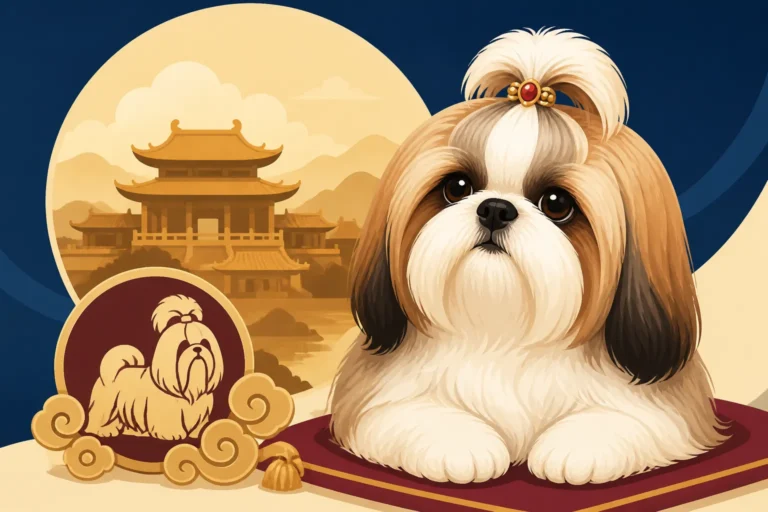
Kublai Khan, a grandson of Genghis Khan, was known for his vast empire and his keen interest in culture and luxury. It's said that he received many gifts from various parts of his dominion, and among the most cherished were these small "lion dogs" from Tibet. He established grand imperial kennels, not just for hunting dogs, but for the numerous companion breeds that graced the palace. Court Records of Shih Tzus in the Yuan Dynasty reveal fascinating glimpses into the lives of these dogs, detailing their numbers, care, and even their lineage. This wasn't just a casual collection of pets; it was a highly organized system designed to maintain and develop specific breeds, including the ancestors of the Shih Tzu.
The imperial kennel staff would have been extensive, comprising eunuchs and other specialized attendants whose sole purpose was the care and grooming of these prized animals. Think of the commitment required to maintain such a large number of dogs, ensuring their health, diet, and appearance were impeccable. This level of dedicated care was a luxury only an emperor could afford, and it played a crucial role in shaping the breed's physical and temperamental traits, favoring dogs that were beautiful, docile, and affectionate.
The Role of Palace Dogs
Within the Yuan dynasty's opulent palaces, these ancestors of the Shih Tzu weren't just pretty faces; they played significant roles as companions and status symbols. They were often found sitting on the laps of emperors and empresses, accompanying them on their daily routines, and even sleeping in their chambers. This close proximity to royalty meant they were privy to the most intimate aspects of palace life, far removed from the utilitarian roles of other dog breeds. Their presence underscored the wealth and refinement of their owners.
Furthermore, these dogs served as living gifts, exchanged between royalty and high-ranking officials as tokens of esteem and alliance. The Shih Tzu as a Wedding Gift to China exemplifies how these dogs were more than just animals; they were diplomatic assets, imbued with cultural significance and symbolic value. This constant exchange and appreciation ensured that the breed's lineage was carefully maintained and that their unique characteristics were preserved and enhanced through selective breeding, focusing on beauty, temperament, and health.
Artistic Depictions and Cultural Significance
The reverence for these "lion dogs" during the Yuan Dynasty is beautifully captured in the art and literature of the time. Imagine scrolling through ancient manuscripts or examining intricate paintings that show these small, long-haired dogs alongside members of the imperial family. These artistic depictions aren't just pretty pictures; they provide invaluable historical records, showing us what these dogs looked like, how they were adorned, and their intimate relationship with their human companions. Shih Tzus in Ming Dynasty Paintings gives us a peek into how these images continued into later dynasties, but the foundations were certainly laid during the Yuan era.
Their flowing coats, expressive eyes, and "chrysanthemum" faces—a term that later emerged to describe the way their facial hair grows in all directions—were often highlighted by artists. They symbolized luxury, good fortune, and even a connection to the divine. The presence of these dogs in courtly scenes and portraiture elevated their status beyond mere pets, making them integral parts of the imperial identity. This widespread artistic recognition solidified their cultural significance, ensuring that their image and legacy would endure for generations to come.
The Ming Dynasty: Shifting Fortunes and Enduring Charm
Following the Yuan Dynasty, the Ming Dynasty (1368-1644) ushered in a new era for China, one that saw a return to traditional Han Chinese rule. While the political landscape shifted, the Shih Tzu’s ancestors maintained their cherished place within the imperial court, adapting to new nuances of palace life and continuing to enchant their royal owners.
A Period of Uncertainty
When the Ming Dynasty rose to power, there was often a period of transition and consolidation, which could sometimes mean a temporary disruption for established customs, including the care of imperial dogs. Some historical accounts suggest that the focus on these foreign "lion dogs" might have wavered initially as the new regime sought to re-establish a distinctly Chinese identity. However, the inherent charm and long-standing popularity of these small companions meant that any period of uncertainty was likely brief. They had already deeply woven themselves into the fabric of imperial life.
Despite any initial shifts, the meticulous records and breeding practices established during the Yuan Dynasty likely provided a strong foundation, allowing the breed to persevere. This resilience speaks volumes about the enduring appeal of these dogs. Even if new rulers had different priorities, the beauty and affectionate nature of these "lion dogs" were hard to resist, ensuring their continued presence in the palaces.
Resurgence and Refinement
As the Ming Dynasty found its footing, the appreciation for these charming dogs quickly resurged, leading to further refinement of the breed. Breeders within the imperial court continued the careful practice of selective breeding, aiming to enhance desirable traits such as their distinctive facial structure, luxurious double coats, and sweet, docile temperaments. This period was crucial in solidifying the characteristics that make a Shih Tzu recognizable today. They weren't just maintained; they were actively developed.
The emphasis during the Ming era often leaned towards creating dogs that exemplified beauty and elegance, fitting perfectly into the refined aesthetic of the court. New variations in color and coat texture might have been explored, contributing to the rich diversity we see in the breed today. This continuous effort in breeding and care ensured that the Shih Tzu's ancestors remained at the pinnacle of companion dog royalty.
Ming Dynasty Court Life and Companionship
Life for these little dogs in the Ming imperial court was one of unparalleled luxury and constant companionship. They were not merely kept; they were indulged. Imagine them draped on silken cushions, fed the finest foods, and constantly attended by dedicated staff. Their primary role was to provide comfort, joy, and a sense of calm to the emperors, empresses, and concubines who lived under immense pressure. They were furry, living stress-relievers, their gentle presence a soothing balm amidst political intrigue and demanding duties.
They were often seen accompanying their owners in leisurely strolls through elaborate palace gardens, becoming an extension of their owner's personal style and status. This intimate companionship fostered an incredibly strong bond between dog and human, reinforcing the Shih Tzu's natural inclination towards being a devoted lapdog. The Shih Tzu From Tibetan Temples to American Homes outlines how this ancient tradition of companionship directly translates to the breed's personality in modern households.
Life in the Palace: What a Shih Tzu's Day Was Like
It's easy to imagine these dogs living lives of leisure, but their existence in the imperial courts of the Yuan and Ming Dynasties involved meticulous care, daily rituals, and a certain level of expected decorum. Their comfort and appearance were paramount, reflecting the status and taste of their royal owners.
Grooming and Adornment
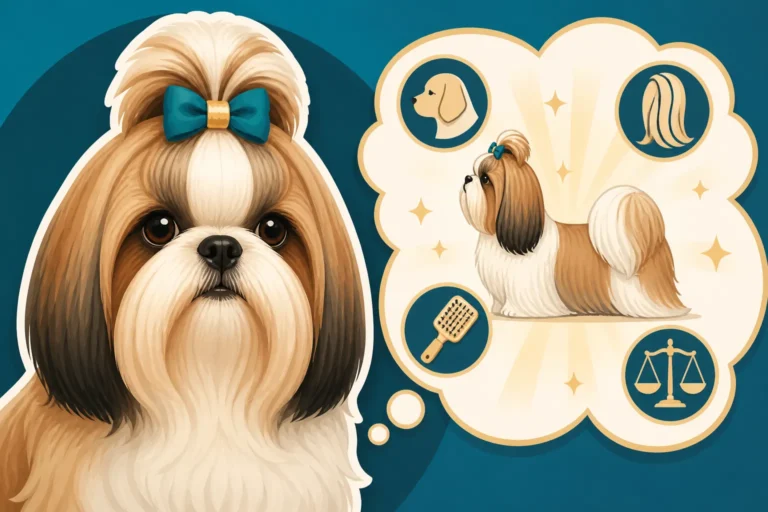
The stunning long coats of the Shih Tzu's ancestors weren't just natural wonders; they were the result of extensive and dedicated grooming. Every single day, attendants would meticulously brush and comb their charges to prevent matting and maintain their majestic appearance. This wasn't just about hygiene; it was about presentation. Imagine the scene: a small dog patiently enduring a lengthy grooming session, perhaps even having its hair tied up with silken ribbons to keep it out of its eyes, an early version of the "topknot" we often see today. Tying a Shih Tzu Topknot That Holds explains the modern equivalent, but the historical practice highlights the importance placed on keeping hair out of the eyes even then.
Their coats were not just admired but often adorned with precious jewels, intricate braids, or special collars, further elevating their status. They were living works of art, carefully sculpted and ornamented to reflect the imperial grandeur. This commitment to maintaining their appearance underscores how deeply valued these dogs were, and how much their aesthetic contributed to the overall opulence of the court. It was a full-time job for several people to keep these dogs looking pristine.
Diet and Daily Care
The diet of an imperial Shih Tzu ancestor was certainly not dry kibble! These dogs enjoyed a diet fit for royalty, likely consisting of finely prepared meats, rice, and fresh vegetables—a far cry from what common dogs would have eaten. Their meals would have been carefully balanced and portioned, reflecting an understanding of their small size and specific needs. It wasn't just about feeding them; it was about nourishing them, ensuring they remained healthy and vibrant companions.
Beyond food, their daily care included clean bedding, access to fresh water, and constant supervision. Imagine specialized servants, perhaps eunuchs, dedicated solely to tending to their every need, from overseeing their meals to making sure they were comfortable and safe. This level of personalized care speaks volumes about the intimate relationship between the imperial family and their dogs. Today, we might buy specialized food from a place like Chewy, but the concept of providing the very best nutrition for our Shih Tzus is a thread that connects us to these ancient practices. Feeding a Shih Tzu at Nine to Sixteen Pounds is a modern guide, but the principle of careful feeding remains.
Status and Privilege
In the rigid hierarchy of imperial China, these "lion dogs" held a truly unique and privileged position. They were more than just pets; they were extensions of their royal owners, symbols of power, wealth, and good taste. They had access to areas of the palace that even high-ranking officials might not have been permitted to enter. Their presence in court meant they were often witness to significant events, a testament to their trusted and beloved status.
Their privilege also meant they were protected and shielded from the harsh realities of the outside world. They lived lives of unparalleled comfort and safety, surrounded by beauty and doted upon by their human companions. This protected existence, spanning centuries within the imperial courts, undoubtedly contributed to their gentle and trusting nature. They literally lived lives of luxury, and it shows in the confident, affectionate demeanor of the modern Shih Tzu.
The Enduring Legacy: How Dynastic Care Shaped the Breed
The meticulous care and selective breeding practices employed during the Yuan and Ming Dynasties were not just about immediate comfort; they were foundational in shaping the Shih Tzu breed as we know it today. The legacy of these imperial "lion dogs" can still be seen in every characteristic, from their physical appearance to their charming personalities.
Selective Breeding and Desired Traits
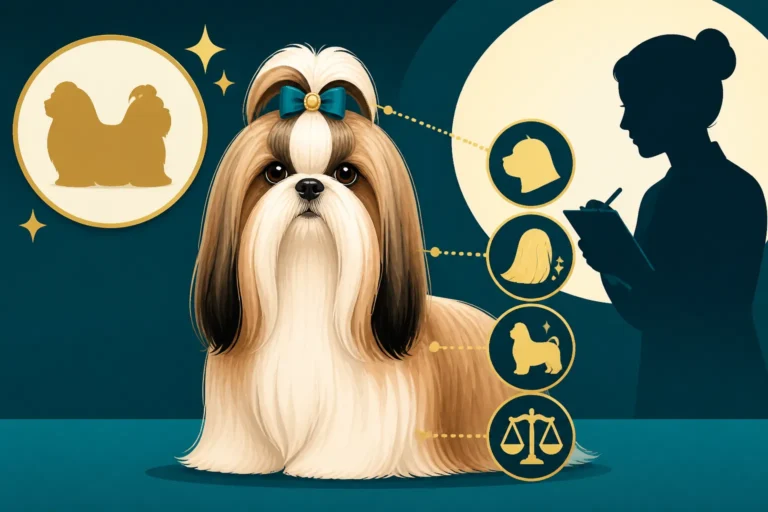
The emperors and their kennel masters were, in essence, the original "breeders," carefully selecting dogs to perpetuate and enhance specific traits. During the Yuan and Ming Dynasties, the focus was undoubtedly on dogs that were small, had luxuriant long coats, a distinctive "chrysanthemum" face, and a sweet, outgoing temperament. They weren't breeding for working ability; they were breeding for companionship and aesthetic appeal. This means traits like a calm demeanor, an affectionate nature, and a willingness to be handled were highly prized. The Shih Tzu Standard and What Judges Look For today still reflects many of these ancient ideals.
This long history of selective breeding for specific aesthetic and temperamental qualities means that the Shih Tzu's characteristics are deeply ingrained. Each fluffy coat, each charming underbite, and each wag of their plumed tail carries echoes of those dynastic preferences. It’s why when you bring home a Shih Tzu, you’re not just getting a dog; you’re welcoming a piece of living history, a direct descendant of those ancient palace favorites.
Preserving the Lineage
One of the most remarkable aspects of the Shih Tzu's history during these dynasties is the consistent effort to preserve and refine their lineage. Despite political upheavals and changes in ruling houses, the tradition of keeping and breeding these "lion dogs" persisted. This wasn't accidental; it required a conscious effort by those within the palace to protect and nurture the breed. Each generation of imperial dogs was carefully monitored, and their unique qualities passed down.
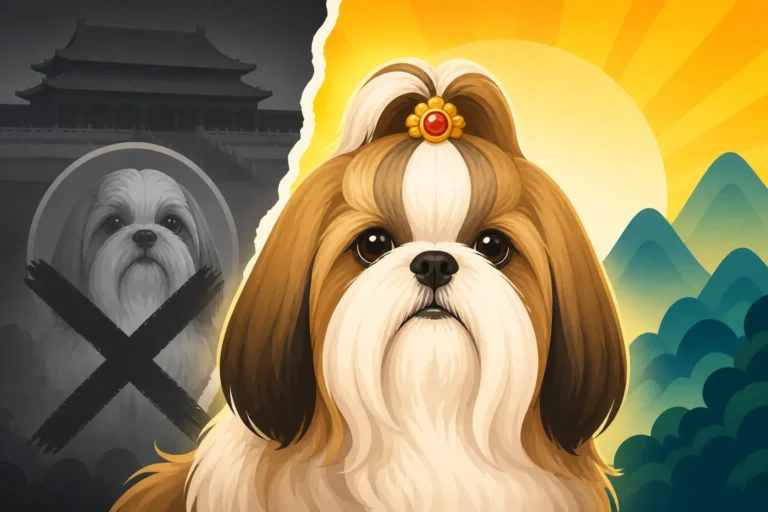
This commitment to lineage preservation is why, centuries later, we still have the Shih Tzu. It's a testament to their intrinsic value and the deep affection they inspired. Without the dedicated care and breeding programs within these dynasties, it's possible that these charming dogs might have faded into history. Their survival speaks volumes about their beloved status. You can learn more about the challenges they faced in Why the Breed Vanished in China After 1949, which talks about later periods but underscores the importance of historical preservation.
Modern Reflections of Ancient Practices
Even today, as we care for our modern Shih Tzus, we are inadvertently continuing many of the traditions established during the Yuan and Ming Dynasties. Think about the emphasis on regular grooming for their long coats – something that was crucial for their ancestors too. Or the dedication to providing them with comfortable living arrangements and good nutrition. While our methods and tools have changed (who would have thought we'd have pet supply giants like Chewy helping us source the best brushes and food?), the underlying principles of care remain remarkably similar.
| Aspect of Care | Dynastic Practice (Yuan/Ming) | Modern Practice (Today) |
|---|---|---|
| Grooming | Daily brushing by attendants, silken ties | Daily brushing by owners, professional groomers, elastic bands |
| Diet | Finely prepared meats, rice, vegetables | High-quality kibble, wet food, fresh food diets, specific treats |
| Environment | Palace cushions, royal chambers | Comfortable beds, designated indoor spaces, crates |
| Companionship | Constant presence with royalty/attendants | Being a lapdog, family member, enjoying dedicated alone time strategies |
| Health | Basic observational care, good diet | Regular vet checks, vaccinations, advanced diagnostics, pet insurance |
Consider the enduring personality traits: the regal bearing, the confident trot, the affectionate demand for attention. These aren't accidental; they are the direct result of centuries of being bred and treated as cherished companions in the most elite of settings. When your Shih Tzu demands a spot on your lap, or patiently endures a lengthy brushing session, they are, in a very real sense, channeling their imperial ancestors, reminding us of their long and magnificent journey through history. Brushing a Shih Tzu Double Coat Every Day is a routine as old as the breed itself, reimagined for today's busy owner.
Disclaimer
This article is for general informational purposes only and does not constitute professional advice. Laws, prices and regulations vary by location and change over time. Consult a qualified professional for guidance on your specific situation.