Getting a Toothbrush Into a Shih Tzu Mouth
One of the most common frustrations for Shih Tzu owners is tackling dental care. With their adorable, compact faces come tiny mouths, often crammed with teeth that are just begging for plaque and tartar to set in. Getting a toothbrush into that small space, past those sweet little lips, can feel like an Olympic sport, especially when your furry friend isn't exactly thrilled about the whole ordeal. But don't despair! This guide is all about demystifying the process, offering practical, empathetic strategies to make daily tooth brushing a successful and even enjoyable part of your Shih Tzu’s routine.
Understanding the Unique Challenges of a Shih Tzu Mouth
Let's face it, our Shih Tzus are precious, but their oral anatomy presents a few hurdles that other breeds might not encounter. It’s not just about their size; it’s the specific way their mouths are built that makes dental hygiene such a critical, and sometimes tricky, task.
The Crowded Canine Conundrum
Imagine trying to fit 42 pieces of furniture into a studio apartment – that’s pretty much what’s happening inside your Shih Tzu's mouth! Genetically, Shih Tzus are meant to have the same number of teeth as much larger dogs, but they have significantly less jaw space. This means their teeth often grow in extremely close together, sometimes overlapping or rotating. These tight spaces create perfect little hideaways for food particles, plaque, and tartar to accumulate. Brushing needs to be extra thorough to reach into these nooks and crannies, which can be challenging with a standard toothbrush. This particular issue is so common that we often discuss Shih Tzu Tooth Crowding in a Tiny Jaw.
When teeth are crammed together, they essentially clean each other less effectively during chewing. Without human intervention, bacteria thrive in these areas, leading to faster plaque buildup and, eventually, hardened tartar. This isn't just an aesthetic problem; it’s a direct pathway to inflammation, infection, and serious dental disease. Owners often feel a pang of guilt when their vet points out early signs of tartar, not realizing just how predisposed their little lion dog is to these issues.
The Undershot Jaw and Its Implications
Most Shih Tzus famously have an undershot jaw, meaning their lower jaw extends slightly beyond their upper jaw. This gives them that charming, often cheeky expression, but it also impacts their bite and how their teeth align. While part of the breed standard, this unique jaw structure can further complicate dental care. The misalignment means that some teeth might not meet properly, leading to uneven wear or, more commonly, creating additional pockets where food and bacteria can collect undisturbed by the natural friction of chewing.
Furthermore, the undershot jaw can sometimes make accessing the inner surfaces of certain teeth a bit awkward with a straight-handled toothbrush. You might find yourself needing to angle the brush in unusual ways to make proper contact with all surfaces. It requires a bit of technique and patience, and understanding this anatomical quirk is the first step in adapting your brushing method to suit your individual Shih Tzu’s needs.
Sensitivity and Resistance
Let’s be honest, not many dogs love having a foreign object shoved into their mouths, and Shih Tzus, with their often sensitive and sometimes stubborn personalities, can be particularly resistant. Some might simply dislike the sensation, especially if they’ve had painful dental experiences in the past, or if their gums are already inflamed. Others might find the process intrusive or just plain boring. This isn’t a reflection on your bond with your dog; it’s a very natural reaction for many animals.
Developing resistance early on can make future brushing sessions a battle, which is stressful for both you and your Shih Tzu. It's why a gentle, positive, and gradual approach is absolutely essential. Force can lead to fear, making the entire process counterproductive and potentially dangerous if your dog decides to nip or pull away suddenly. We want to build trust around mouth handling, not erode it.
Assembling Your Dental Care Arsenal
Before you even think about tackling those tiny teeth, you need to ensure you have the right tools for the job. You wouldn't try to groom that luxurious double coat with a simple kitchen comb, would you? The same principle applies to dental care. Having the correct equipment can make all the difference between a frustrating wrestling match and a relatively smooth, successful brushing session.
Choosing the Right Toothbrush
This is perhaps the most crucial decision. A human toothbrush is far too large and the bristles are too stiff for a Shih Tzu’s delicate gums and small mouth. You need something specifically designed for canines.
- Finger Brushes: These slip over your fingertip and are great for starting out, especially with puppies or very sensitive dogs. They allow you to feel exactly where you’re brushing and can be less intimidating than a long-handled brush. However, they aren't always effective at reaching every tooth, especially the back molars, and their soft nubs might not provide enough abrasive action for significant plaque removal.
- Tiny Bristle Brushes: These are miniature versions of human toothbrushes, often with angled heads. Look for ones marketed for toy breeds or cats. The bristles should be soft, not hard, to avoid irritating the gums. Some come with dual heads for different angles.
- Single-Headed Brushes: These specialized brushes have a very small, often pointed head designed to clean one tooth at a time or get into tight spaces. They can be fantastic for those super crowded areas in a Shih Tzu’s mouth.
You might even find success with a combination of these – starting with a finger brush for comfort, then moving to a tiny bristle brush for general cleaning, and a single-headed brush for precision work. Remember, finding the right tool for your Shih Tzu is often a process of trial and error. The brush needs to fit comfortably in their mouth and allow you to reach all surfaces without causing discomfort. Just like The Brush and Comb a Shih Tzu Coat Demands specific tools, so does their mouth.
Palatable Canine Toothpaste
This is absolutely non-negotiable: never use human toothpaste on your Shih Tzu. Human toothpaste contains fluoride and other ingredients that are toxic if swallowed, and dogs don’t know how to rinse and spit. Canine toothpaste, on the other hand, is specifically formulated to be safe for ingestion and often comes in flavors dogs adore, like poultry, beef, or peanut butter.
The taste is a powerful motivator. If your Shih Tzu loves the flavor, they'll be much more cooperative during brushing. Consider purchasing a few different flavors to see which one your dog prefers. Some brands even offer enzymatic toothpastes, which contain enzymes that help break down plaque even if brushing isn't perfectly thorough. You can often find a wide variety of these specialized toothpastes at pet stores or online retailers like Chewy and Amazon.
Supportive Aids and Comfort Items
While not replacements for brushing, these can definitely help round out your Shih Tzu's oral hygiene routine and make brushing easier.
- Dental Wipes: These are textured wipes that you can use to physically wipe plaque off the tooth surfaces. They're excellent for very young puppies or dogs who absolutely refuse a toothbrush, acting as a "better than nothing" solution. They can also be a good bridge to full brushing.
- Water Additives: These are liquids you add to your dog’s drinking water that help reduce bacteria and plaque buildup. They work systemically throughout the mouth. Always choose a veterinary-approved product and follow dosage instructions carefully.
- Calming Treats or Sprays: If your Shih Tzu is particularly anxious about mouth handling, a calming treat given before a session might help take the edge off. Some owners also use pheromone sprays in the brushing area.
- High-Value Rewards: Have your Shih Tzu's absolute favorite tiny treat ready for immediate reward after each brushing session. This reinforces the positive association like nothing else.
Having all these items ready before you start will prevent scrambling and maintain a smooth, calm environment, which is crucial for a successful experience.
A Step-by-Step Guide to Positive Training
Approaching tooth brushing as a training exercise, rather than a chore, is key to long-term success with your Shih Tzu. It's all about building positive associations and trust, taking baby steps, and celebrating every tiny win. Rushing the process will almost certainly lead to resistance and make future sessions even harder.
Phase 1: Introducing Touch and Trust
Before a toothbrush even enters the picture, your Shih Tzu needs to be completely comfortable with you handling their mouth. This phase can take days, or even weeks, depending on your dog’s previous experiences and temperament.
- Start Slow and Gentle: Begin by simply touching your Shih Tzu’s face and muzzle gently. Do this when they are relaxed, perhaps while cuddling on the sofa. As soon as they tolerate it, give them a tiny, high-value treat and verbal praise.
- Gradually Increase the Duration and Location: Over several sessions, slowly extend the time you're touching their face. Move your fingers around their muzzle, then gently lift their lips to expose their teeth. Don't try to get inside their mouth yet. Each time they allow this, reward immediately.
- Positive Reinforcement is Everything: Keep it light, keep it positive. Never scold or force them. If they pull away, stop, wait a moment, and try again more gently. The goal is for them to associate your touch around their mouth with good things (treats and praise). You might find that Five Minute Sessions With a Shih Tzu work best for this initial stage, keeping things short and sweet.
The aim here is to make mouth handling feel normal and pleasant, not threatening. It's laying the groundwork for everything that comes next.
Phase 2: Taste Testing the Toothpaste
Once your Shih Tzu is comfortable with you lifting their lips, it's time to introduce the star of the show: the delicious canine toothpaste!
- Let Them Lick It Off Your Finger: Squeeze a tiny dab of the chosen canine toothpaste onto your fingertip. Let your Shih Tzu sniff it and, hopefully, lick it off. Most dogs find the flavors enticing, but some might be hesitant at first.
- Repeat and Reinforce: If they like it, great! Repeat this a few times, always rewarding their acceptance. If they’re unsure, try a different flavor. The goal is for them to look forward to the taste of the toothpaste.
- No Brush Yet: At this stage, the toothpaste is purely a positive association builder. We're not trying to clean anything; we're just letting them enjoy the flavor and connect it with your hands near their mouth.
This step is critical because if they don't like the toothpaste, the rest of the process will be an uphill battle. It makes the "medicine" taste like a treat!
Phase 3: The Gentle Introduction of the Brush
Now it’s time to bring the toothbrush into the equation, but still with a gentle touch and no pressure to "clean" yet.
- Apply Toothpaste to the Brush: Put a pea-sized amount of toothpaste on your chosen Shih Tzu toothbrush.
- Let Them Lick the Brush: Present the brush to your Shih Tzu, letting them lick the toothpaste directly off the bristles. This helps them associate the brush itself with the yummy flavor.
- Briefly Touch the Teeth/Gums: Once they’re happily licking, gently slide the brush along the outside of just one or two teeth for a second or two. Don't worry about technique or thoroughness. The moment the brush touches, praise and reward.
- Build Up Gradually: Over several sessions, slowly increase the number of teeth you touch and the duration. Maybe two seconds on two teeth, then three seconds on four teeth. Always stop before your Shih Tzu gets truly annoyed or resistant. Keep the sessions brief and positive, ideally no longer than Two Minutes of Shih Tzu Tooth Brushing at this stage.
Remember, patience is your best friend here. If your Shih Tzu shows any signs of stress or pulling away, go back a step. The goal is to make them want to participate, or at least tolerate it willingly, because they know good things (treats!) happen.
Mastering the Brushing Technique for Shih Tzus
Once your Shih Tzu is comfortable with mouth handling, the toothbrush, and the toothpaste, it's time to refine your technique to ensure you're effectively cleaning those little chompers. This isn't just about putting a brush in their mouth; it's about targeting the right areas with the right motions.
Positioning Your Shih Tzu for Success
A calm and secure position will make brushing easier for both of you.
- Lap or Low Table: Many Shih Tzus are small enough to be comfortably held in your lap. This allows you to gently cradle them and use one hand to support their head while the other wields the brush. Alternatively, a low, stable table with a non-slip mat can work, ensuring they can't jump down easily.
- Gentle Restraint: You're not trying to pin them down, but you do need enough control to keep their head steady. Your non-brushing hand can gently support their chin or cup the top of their head. Speak in a soothing voice. If you encounter significant resistance or signs of distress, it's important to stop and re-evaluate, as struggling can sometimes lead to issues like Restraining a Shih Tzu Without Popping an Eye, which we absolutely want to avoid.
- Lighting is Key: Make sure you have good lighting. You need to be able to see clearly inside their mouth to ensure you're reaching all the important surfaces.
The goal is to create a sense of calm and routine around the position, so your Shih Tzu knows what to expect and feels safe.
Targeting the "Danger Zones"
Plaque and tartar don't accumulate evenly throughout the mouth. Certain areas are notorious for buildup, and these should be your primary focus.
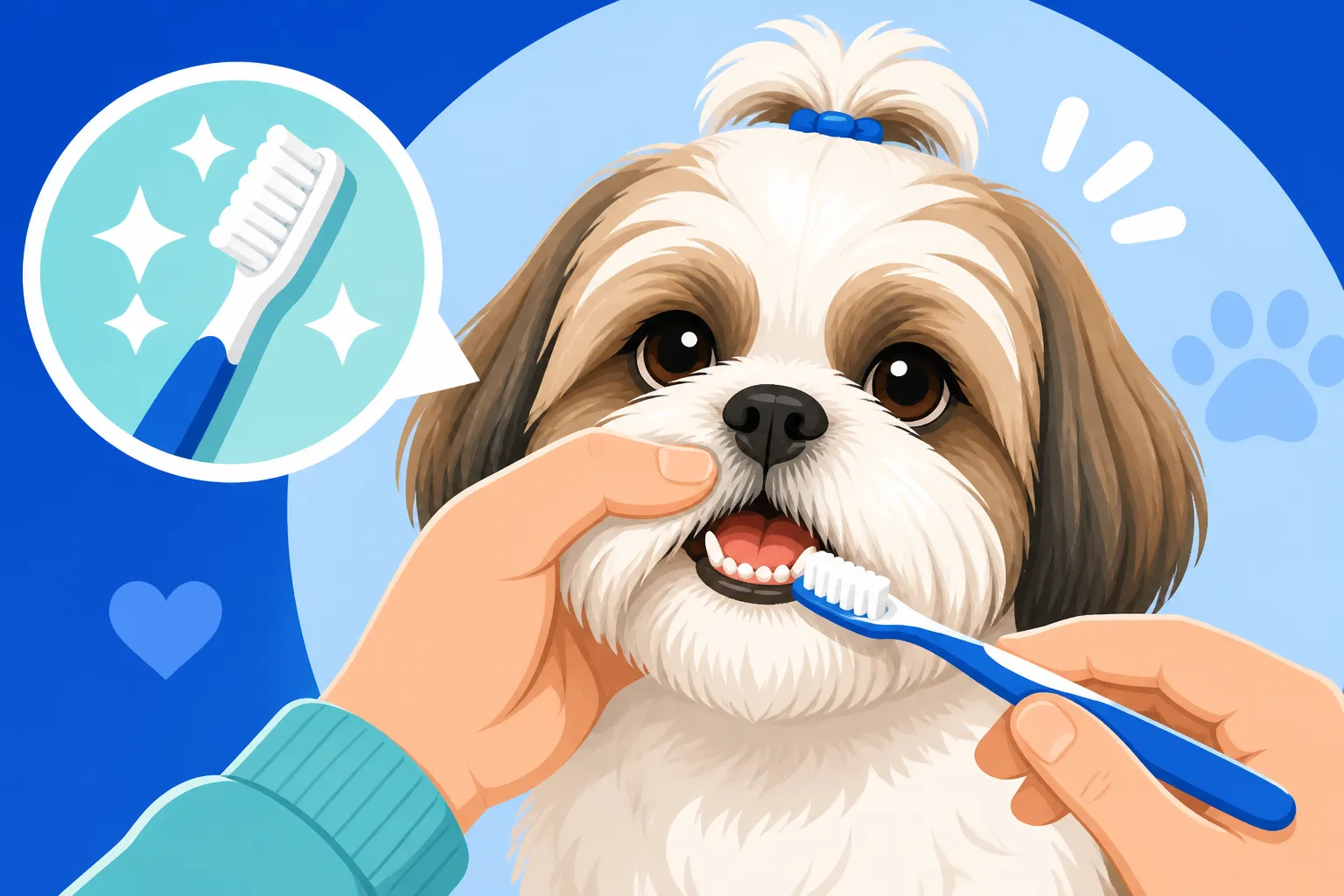
- The Outside Surfaces of the Upper Back Molars: These are often the worst culprits. Lift your Shih Tzu's upper lip gently to expose these teeth. Use small, circular motions, ensuring the bristles reach the gum line. The gum line is where plaque first accumulates and hardens into tartar, so gentle contact there is crucial.
- The Outside Surfaces of the Canines and Incisors: These are easier to access but still need attention. Again, lift the lip and brush from the gum line down.
- Inside Surfaces (If Possible): The inside surfaces of the teeth generally accumulate less plaque due to the natural cleaning action of the tongue. However, if your Shih Tzu is cooperative, a quick swipe along these surfaces is beneficial. A finger brush can sometimes be more effective for these inner areas.
Aim for about 30 seconds to a minute of actual brushing time, focusing on those critical outer surfaces, especially the molars. Consistency trumps long, drawn-out sessions that stress everyone out.
The Angle and Motion
Effective brushing isn't just about speed; it's about precision.
- Angle the Bristles: Position the toothbrush bristles at a 45-degree angle to the tooth surface, pointing towards the gum line. This angle allows the bristles to get slightly under the gum line, where plaque hides.
- Gentle, Circular Motions: Use small, gentle circular motions, moving from one or two teeth to the next. Avoid scrubbing aggressively, as this can irritate the gums.
- Brush Each Tooth: Try to brush each accessible tooth individually for a few seconds. For those crowded spots, you might need to use a single-headed brush or angle a regular brush to get in between teeth.
- Lift the Lip, Not the Jaw: To access the outer surfaces of the teeth, gently lift your Shih Tzu's lip rather than trying to pry open their jaw. This is less intrusive and generally more accepted.
After each short brushing session, heap on the praise and immediately offer that high-value reward. This consistent positive reinforcement is what will make your Shih Tzu tolerate, and perhaps even enjoy, their Two Minutes of Shih Tzu Tooth Brushing.
Overcoming Common Brushing Hurdles
Even with the best intentions and the right tools, getting a toothbrush into a Shih Tzu’s mouth can still feel like a challenge. It's totally normal for some days to go better than others, and for your Shih Tzu to have specific ways they show their displeasure. Don't take it personally – they're just communicating!
Dealing with Resistance and Nipping
This is perhaps the most common hurdle. Your Shih Tzu might pull their head away, clamp their mouth shut, or even try a gentle nip (or not-so-gentle, if they're particularly annoyed).
- De-escalate, Don't Force: If your Shih Tzu becomes resistant, stop immediately. Pushing through will only make them more afraid and resistant next time. Take a break, give them a chance to relax, and then try again later, or even tomorrow.
- Revisit Earlier Steps: If resistance is consistent, go back to an earlier phase of training. Maybe they need more time with just the toothpaste, or more comfort with mouth handling. Sometimes, a dog that shows resistance might even be signaling discomfort, similar to when A Shih Tzu That Bites During Eye Wiping if their eyes are sore or they don't like being touched there.
- Redirection and Distraction: Some owners find success by having a second person distract the Shih Tzu with a favorite toy or a lick mat spread with peanut butter (xylitol-free, of course!) while the brushing is happening.
- Positive Reinforcement: Shower them with praise and treats for any tolerance. Even if you only manage to brush one tooth, that's a win worth celebrating. This builds a positive association over time.
- Check for Pain: If resistance is sudden or extreme, especially if it's accompanied by crying or yelping, it's crucial to rule out pain. They might have a loose tooth, an injury, or inflamed gums that make brushing genuinely painful. A vet check-up would be wise in this scenario.
Making it a Routine, Not a Battle
Consistency is paramount. Dental disease doesn't take a day off, and neither should your efforts (ideally!).
- Establish a Schedule: Choose a time of day that works for you and your Shih Tzu, and stick to it. Maybe it’s after their last meal of the day, or first thing in the morning. Dogs thrive on routine, and knowing what to expect can reduce anxiety.
- Keep it Brief: Don't aim for a ten-minute deep clean from day one. Shorter, more frequent sessions (even 30-60 seconds daily) are far more effective than sporadic, prolonged battles.
- Stay Calm and Patient: Your Shih Tzu picks up on your emotions. If you're stressed or frustrated, they will be too. Take a deep breath, keep your voice soft and reassuring, and approach it with a calm demeanor.
- Integrate into Other Grooming: You could try to make it part of their overall daily grooming routine, perhaps after Brushing a Shih Tzu Double Coat Every Day. This way, it becomes just another expected part of their pampering.
When to Seek Professional Help
There are times when home brushing simply isn't enough, or you encounter issues beyond your ability to manage.
- Significant Tartar Buildup: If you see hard, yellowish-brown deposits on your Shih Tzu’s teeth, home brushing alone won't remove it. This requires a professional dental cleaning under anesthesia at your vet's office.
- Bad Breath: Persistent bad breath (halitosis) is a strong indicator of bacterial overgrowth and dental disease, not just "doggy breath." It means an infection is likely brewing.
- Red, Swollen, or Bleeding Gums: These are signs of gingivitis and potentially more advanced periodontal disease. Your vet needs to assess this.
- Loose or Missing Teeth: If you notice any wobbling teeth or gaps, these require veterinary attention.
- Pain or Reluctance to Eat: Any change in eating habits, especially if your Shih Tzu seems hesitant to chew, could indicate severe dental pain.
- Overwhelming Resistance: If despite all your positive training efforts, your Shih Tzu remains highly resistant to brushing, consult your vet. They can check for underlying medical issues or refer you to a veterinary dentist for specialized advice. This connects closely to understanding How Often a Shih Tzu Needs a Dental because professional cleanings become unavoidable when home care isn't sufficient or disease is already present.
Beyond the Brush: Enhancing Dental Health
While daily tooth brushing is the gold standard for maintaining your Shih Tzu’s oral hygiene, it's not the only tool in your dental care kit. A multi-faceted approach can significantly bolster their defenses against plaque and tartar, especially considering their predisposition to dental issues.
Dental Chews and Treats
Many brands offer dental chews and treats specifically designed to help reduce plaque and tartar. These work through a combination of mechanical abrasion (as the dog chews) and often, active ingredients that help break down bacteria or plaque.
- Choose Wisely: Not all dental chews are created equal. Look for products that have been awarded the Veterinary Oral Health Council (VOHC) seal of acceptance. This means they've met certain standards for effectiveness in reducing plaque or tartar.
- Size Matters: Ensure the chew is appropriate for your Shih Tzu's small mouth and jaw. Too large, and they won't chew it effectively; too small, and they might swallow it whole, negating any dental benefit. A good chew should encourage sustained chewing.
- Calorie Count: Remember that dental chews are treats, and they add calories to your dog's diet. Factor this into their daily food intake to prevent obesity, especially for a small breed like a Shih Tzu who can easily gain weight.
- Supervise Chewing: Always supervise your Shih Tzu when they have a dental chew to prevent choking or accidental ingestion of large pieces. This is also important with more general Chews That Suit a Shih Tzu Underbite.
While beneficial, dental chews are typically considered an adjunct to brushing, not a replacement. They usually clean the chewing surfaces effectively but often miss the critical gumline and inner tooth surfaces.
Water Additives and Oral Rinses
These products offer another layer of protection by working throughout your Shih Tzu’s mouth.
- Water Additives: These are tasteless and odorless solutions that you add to your Shih Tzu's daily drinking water. They contain ingredients that help inhibit the growth of plaque-forming bacteria or neutralize bad breath. They are incredibly easy to use, as your dog simply drinks their way to fresher breath and potentially healthier gums.
- Oral Rinses/Sprays: These are applied directly to your Shih Tzu’s teeth and gums. They often contain antiseptic ingredients that help kill bacteria. While effective, applying them can be challenging if your Shih Tzu is resistant to having their mouth handled.
Again, look for VOHC-approved products for maximum efficacy. These aids are fantastic for daily, passive dental care but shouldn't replace regular brushing or professional veterinary care.
Regular Veterinary Check-ups and Dentals
Despite your best efforts at home, professional veterinary dental care is often essential for a Shih Tzu throughout their life. Their crowded mouths make them highly susceptible to Shih Tzu Dental Disease at 13 Percent of the Breed and other issues that only a vet can properly address.
- Annual Oral Exams: During your Shih Tzu’s annual wellness exam, your veterinarian will perform a thorough oral examination. They'll look for signs of gingivitis, tartar buildup, fractured teeth, Gum Recession in a Shih Tzu, or any other abnormalities. They can advise you on the effectiveness of your home care routine and recommend when a professional cleaning might be necessary.
- Professional Dental Cleanings (Under Anesthesia): This is where the magic happens. A professional cleaning allows the vet to remove tartar above and below the gum line using specialized ultrasonic scalers. They can also perform dental X-rays to check for disease below the gum line (which can't be seen with the naked eye), extract diseased teeth, and polish the tooth surfaces to make them less prone to future plaque attachment.
- Anesthesia is Key: For Shih Tzus, due to their brachycephalic (flat-faced) nature, anesthesia requires careful planning and monitoring. However, it's necessary for a thorough and pain-free cleaning. Your vet will conduct Pre-Anesthetic Testing Before a Shih Tzu Dental to ensure your dog is a good candidate and will monitor them closely. This is also why understanding the risks of Anesthesia on a Flat-Faced Shih Tzu is so important for owners.
- Early Intervention: Don't wait until your Shih Tzu has severe dental disease to consider a professional cleaning. Addressing issues like Periodontal Disease in a Five Year Old Shih Tzu early can prevent more painful and costly problems down the line, and can even contribute to a longer, healthier life.
By combining consistent home brushing with smart use of dental aids and regular professional veterinary care, you can give your beloved Shih Tzu the best chance at a healthy, pain-free mouth for years to come.
| Dental Care Method | Primary Benefit | Pros | Cons | Recommended Frequency |
|---|---|---|---|---|
| Toothbrushing | Removes plaque at the gumline, prevents tartar | Most effective for daily plaque removal | Requires training, consistency, and a cooperative dog; can be time-consuming | Daily |
| Canine Toothpaste | Safe for dogs, appealing flavors, enzymatic action | Encourages acceptance of brushing, helps break down plaque | Must be specifically for dogs; not a standalone cleaning method | Daily (with brushing) |
| Dental Chews/Treats | Mechanical plaque removal, fresh breath | Dogs enjoy them, easy to administer | Varies in effectiveness; adds calories; may not reach all tooth surfaces; requires supervision | Daily or a few times/week |
| Water Additives | Inhibits bacterial growth, reduces plaque & odor | Passive, easy to use, works continuously | Less effective than brushing alone; results can be subtle | Daily (in water bowl) |
| Oral Rinses/Sprays | Antiseptic action, reduces bacteria | Can target specific areas, no swallowing required | Requires direct application; some dogs resist mouth sprays | As directed (e.g., daily) |
| Professional Cleaning | Removes tartar above/below gumline, X-rays | Comprehensive cleaning, addresses hidden issues, prevents severe disease | Requires general anesthesia; can be costly; not a replacement for home care | Annually or as needed |
Disclaimer
This article is for general informational purposes only and does not constitute professional advice. Laws, prices and regulations vary by location and change over time. Consult a qualified professional for guidance on your specific situation.