Whether a Shih Tzu Guards Anything at All
It’s a common question among prospective Shih Tzu parents and even those who've loved their little lion dogs for years: does this pint-sized companion, bred primarily for cuddles and companionship, actually guard anything? While they might not be chasing off burglars like a German Shepherd, Shih Tzus certainly have their own unique ways of "guarding," and understanding these behaviors can make a world of difference in your home. This guide will help you understand what, if anything, your Shih Tzu considers worth protecting, and how to navigate these often-surprising tendencies with kindness and consistency.
The Instincts of a Companion Breed: Why Traditional Guarding Isn't Their Job
When we talk about "guarding," many of us picture a large, imposing dog barking down a perceived intruder or fiercely protecting a perimeter. But the Shih Tzu's history is steeped in a very different purpose. To truly understand their guarding (or lack thereof), we need to look at what they were originally bred to be.
Bred for Laps, Not Larceny
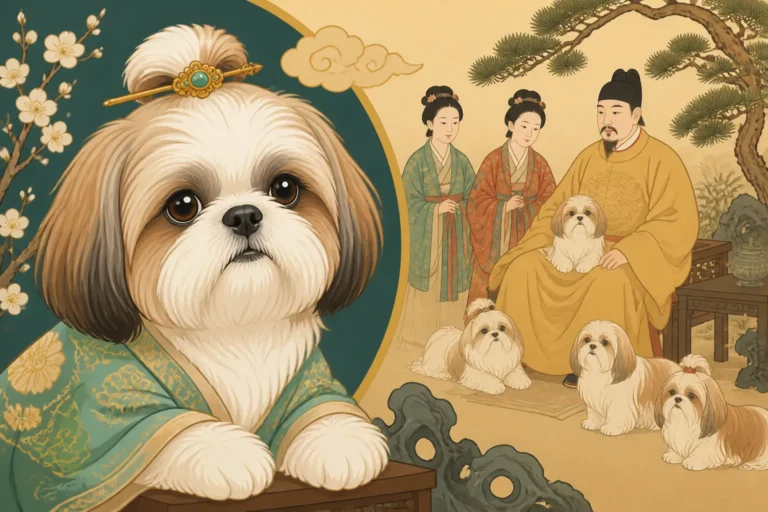
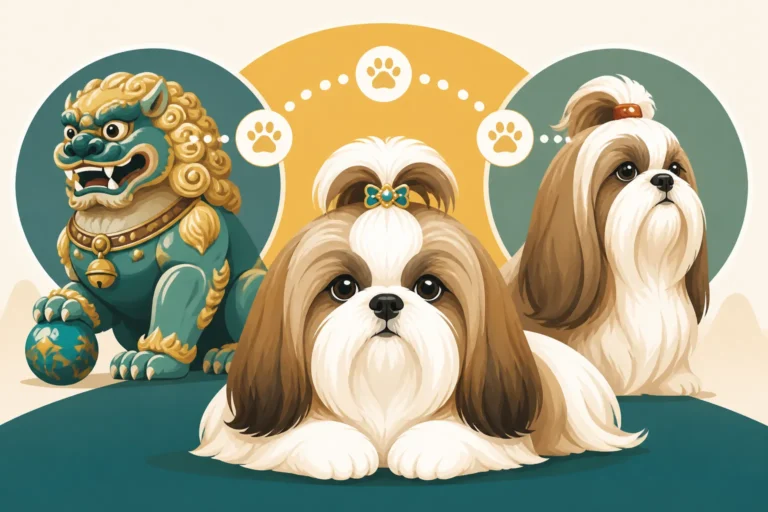
The Shih Tzu's lineage traces back to the palaces of Tibetan monks and Chinese emperors, where they were cherished as sacred companions and lap warmers. Imagine them nestled into silken robes, offering comfort and loyalty, rather than patrolling castle walls. Their job was to be adorable, affectionate, and utterly devoted to their human counterparts. This centuries-long selective breeding focused entirely on developing a sweet, outgoing, and friendly temperament, not on traits like territorial aggression or a strong protective drive. They were literally bred to be pampered pets, not protectors of property.
This historical role has profoundly shaped the modern Shih Tzu. Unlike breeds explicitly developed for guarding roles, such as a Doberman Pinscher or a Rottweiler, whose instincts compel them to defend, the Shih Tzu's core programming leans towards companionship. Their physical stature also plays a significant part; a dog weighing between nine and sixteen pounds simply isn't equipped for a physical confrontation with a human intruder. Their charm and wagging tail are their primary defenses, not their bite. Understanding this fundamental difference is key to appreciating your Shih Tzu's unique approach to the world. You won't find them intentionally putting themselves in harm's way to "guard" you in a dangerous situation, because that's simply not what they were designed to do.
Alertness Versus Aggression
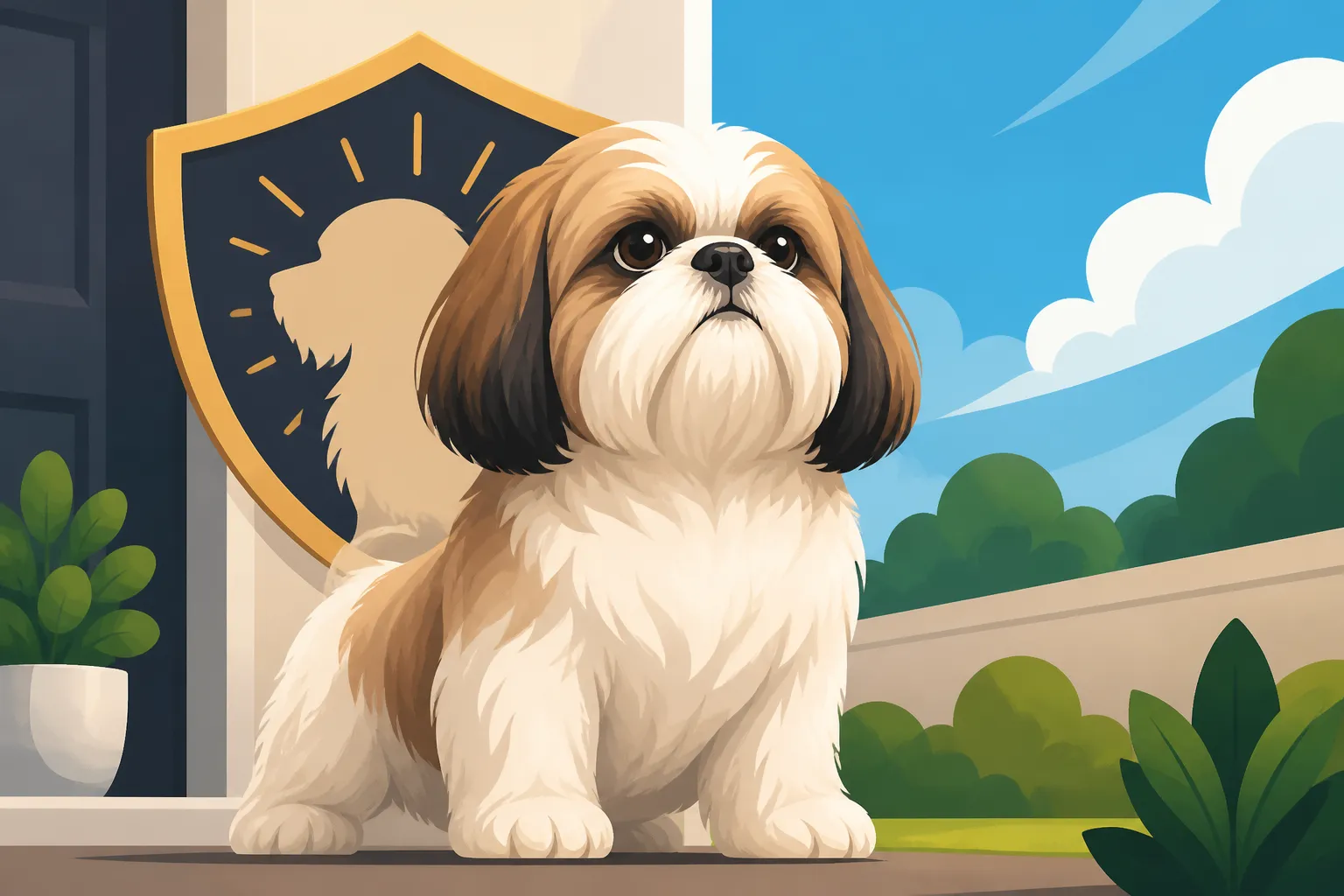
While they aren't traditional guard dogs, many Shih Tzu owners will tell you their little ones are excellent "doorbell barkers" or "window sentinels." This behavior, however, is typically more about alerting than outright aggression or true guarding. When your Shih Tzu erupts into a flurry of barks at the sound of the mail carrier or a leaf blowing past the window, they're often acting as your tiny, furry alarm system. They're telling you, "Hey! Something's happening! You should know about this!" This is a far cry from the calculated, defensive stance of a true guard dog.
Their barks might be loud and surprisingly assertive for their size, but they rarely escalate into genuine threats. It's often a vocal expression of curiosity or excitement, rather than a deep-seated territorial imperative. They might bark when they hear the UPS truck, see a strange dog walking by, or even when someone approaches the door a little too quickly. This alertness can be a handy trait, letting you know when someone is at the door, but it's important not to confuse it with a protective instinct that implies they would physically intervene. If your Shih Tzu is particularly vocal at arrivals, you might find our article on Shih Tzu Barking at the Doorbell helpful in understanding and managing this common trait. Their small size and inherently gentle temperament mean they'd much rather greet a new face with a wagging tail (after a good bark, of course) than attempt to fend them off.
Resource Guarding in a Small Package
Even though they aren't "guard dogs" in the traditional sense, Shih Tzus, like any breed, can exhibit resource guarding. This is a very different kind of "guarding" and it's essential for owners to understand, as it can be surprising and sometimes challenging to manage.
What is Resource Guarding and How it Manifests
Resource guarding is when a dog protects items they value – food, toys, sleeping spots, or even people – from perceived threats or competition. It's an instinct that stems from a dog's inherent drive to secure valuable resources, and it's not exclusive to large, dominant breeds. Your sweet little Shih Tzu, despite their affectionate nature, can absolutely develop this behavior. It can manifest in subtle ways, like a stiffening of the body or a quick glance, or more overtly with growling, snapping, or even a bite if the perceived threat doesn't back off.
For example, your Shih Tzu might be peacefully enjoying a new chew bone, and when you or another pet walks too close, they might suddenly freeze, give a low growl, or even try to shield the item with their body. Another common scenario is with food. A Shih Tzu might gulp down their meal quickly or growl if a hand approaches their bowl while they're eating, especially if they've ever felt competition for food, perhaps in a past home or as a puppy in a large litter. It's not about being "mean"; it's an instinctual behavior driven by perceived scarcity or the importance of the item. This can be particularly noticeable with beloved toys; we have more insights on this specific issue in A Shih Tzu That Guards a Toy. Similarly, guarding food can also be a challenge, as detailed in A Shih Tzu Growling Over Food.
Common Triggers for Shih Tzu Resource Guarding
Several things can trigger resource guarding in a Shih Tzu, and understanding these can help you proactively manage the behavior. Food bowls are a classic trigger, especially if your dog feels rushed or threatened during meal times. High-value treats and chews are another common culprit. Imagine a particularly tasty dental stick; to your Shih Tzu, that's a prized possession worth defending. Comfortable, favorite sleeping spots or beds can also become guarded territory. If another pet tries to jump onto "their" designated nap zone, you might see a warning growl.
Perhaps one of the most unexpected triggers for Shih Tzu owners is the guarding of people, particularly a favored lap or person. Your Shih Tzu might feel an intense bond with one family member and subtly, or not so subtly, discourage other pets or even other people from getting too close to their chosen human. This isn't necessarily aggressive in a dangerous way, but it can certainly be an issue if it prevents harmonious interactions within the household. Factors like previous neglect, feeling insecure about resources, or even just a strong personality can contribute to these guarding tendencies. Providing a variety of safe, engaging chews and toys, which can be found easily on platforms like Chewy, can sometimes help by reducing the perceived scarcity of high-value items, allowing for easier "trade-up" scenarios.
Strategies for Managing Resource Guarding
Managing resource guarding requires patience, consistency, and a positive reinforcement approach. The goal isn't to punish the dog for an instinctual behavior, but to teach them that hands, people, and other pets approaching their valuable items means good things will happen. One of the most effective methods is the "trade-up" technique: when your Shih Tzu has a guarded item, offer them something even better in exchange. For instance, if they're guarding a toy, offer a high-value treat (easily stocked from places like Chewy) and praise them when they release the toy to take the treat. This teaches them that giving up an item leads to a reward, not loss.
Ensure your Shih Tzu eats in a quiet, undisturbed area where they feel safe and won't be approached. Teaching "leave it" and "drop it" commands with consistent practice is also crucial. Start with low-value items and gradually work your way up. Never try to physically snatch a guarded item away, as this can escalate the situation and damage trust. Instead, focus on creating positive associations. For instance, walk by their bowl while they're eating and drop an extra special treat in, then move away. This teaches them that your presence near their food is a good thing. If the behavior is persistent or escalates, seeking guidance from a professional dog trainer who specializes in positive reinforcement is highly recommended. For training tips, our article on Positive Reinforcement With a Shih Tzu offers some great foundational advice.
"Lap Guarding" and Affectionate Protection
One of the most endearing, yet sometimes challenging, forms of "guarding" you might encounter with a Shih Tzu is their intense bond with their humans, particularly their preferred lap or person. This isn't the kind of guarding that suggests a threat, but rather a fierce, albeit miniature, possessiveness over their most cherished comfort.
The Shih Tzu's Special Bond with Its People
Shih Tzus are renowned for forming incredibly strong, deep bonds with their human families. They were, after all, bred specifically for companionship. This deep attachment often means they want to be by your side, on your lap, or at your feet almost constantly. They thrive on human interaction and affection. While this devotion is one of the most wonderful aspects of owning a Shih Tzu, it can sometimes translate into a form of "lap guarding" or "person guarding." This isn't aggression stemming from a desire to harm, but rather a strong inclination to keep their cherished human (and their lap!) all to themselves.
You might notice your Shih Tzu giving a low growl or a sharp bark if another pet tries to jump onto your lap, or even if a guest approaches you too quickly while your dog is comfortably settled. They might even try to nudge the "intruder" away with their head or body, clearly communicating "This lap is my lap!" This behavior is a manifestation of their companion instinct, taken to a possessive extreme. It's their way of saying, "You are mine, and I don't want to share you right now." Understanding this strong connection is important, and you can explore more about how this trait manifests in A Shih Tzu Guarding the Lap It Sits On. This strong bond is why you'll often find A Shih Tzu Underfoot in Every Room, always wanting to be part of your world.
When Protection Becomes Problematic
While a little possessiveness can seem cute or even flattering, "lap guarding" can become problematic when it starts to disrupt household harmony or makes guests uncomfortable. If your Shih Tzu consistently growls or snaps at other family members or visitors who simply try to sit next to you, it's moved beyond mere cuteness. This behavior can create tension, cause fear in children or other pets, and even prevent normal social interactions in your home. It’s particularly concerning if the behavior is directed at children; ensuring everyone's safety and comfort is paramount, and it's something discussed further in A Shih Tzu and a Toddler in the Same Room.
The challenge for owners is often that we inadvertently reinforce this behavior. If your Shih Tzu growls at your partner for approaching, and you immediately pick them up and comfort them, you might be teaching them that growling gets them what they want – more exclusive attention from you. It's vital to differentiate between an endearing show of affection and a genuinely unwanted possessive behavior that needs gentle, consistent correction. Ignoring or coddling the undesirable behavior can solidify it, making it harder to address later.
Gentle Methods to Encourage Sharing Affection
Addressing lap guarding requires a proactive and consistent approach that teaches your Shih Tzu that sharing you and your lap is a positive experience. The key is to associate the approach of others with good things. When another person or pet approaches your lap, have them toss a high-value treat to your Shih Tzu, then calmly back away. This teaches your dog that "intruders" bring rewards, rather than taking something away. Over time, you can have them approach closer, still offering treats, until your Shih Tzu sees their presence as a signal for good things.
It's also important to establish clear boundaries and teach your Shih Tzu that the lap isn't exclusively theirs. Encourage them to settle in their own comfortable bed or mat (perhaps a plush one from Chewy) next to you, rather than always on you. Reward them with praise and treats when they choose their own spot or when they calmly accept another's presence nearby. Consistency from all family members is crucial. Everyone should reinforce the same positive behaviors. If you're struggling to implement these strategies effectively, consider consulting with a professional trainer. Finding a Trainer Who Understands Toy Breeds can be invaluable, as they understand the nuances of this charming but sometimes stubborn breed.
General Territoriality and Environmental Awareness
Beyond specific resources or laps, Shih Tzus also have a general awareness of their environment and can display territorial behaviors regarding their home. While they won't be patrolling the grounds like a security detail, they certainly know where their kingdom lies.
Home as a Safe Haven
For a Shih Tzu, their home is their sanctuary, their safe haven. And while they weren't bred to guard it fiercely, they certainly recognize it as their space. This means they are often acutely aware of anything new or unusual happening around their domicile. A stranger walking by, a car pulling up, or even a sudden noise from next door can trigger their alert system. Their response is typically vocal – a flurry of barks aimed at whatever has caught their attention. This is their way of alerting the "pack" (that's you!) to potential changes in their secure environment. They're not necessarily planning a counter-attack; they're simply sounding the alarm.
You'll often find Shih Tzus perched by a window, acting as tiny neighborhood watchdogs, observing every passing squirrel or mail carrier with intense scrutiny. This visual stimulation can be a major trigger for barking. Consider managing access to windows with blinds or curtains if excessive barking becomes an issue. Preventing them from constantly seeing potential "intruders" can help reduce their perceived need to bark. Our guide on What Sets a Shih Tzu Off at the Window delves deeper into these common triggers and how to manage them effectively. They love being involved and knowing everything that's going on, and sometimes that translates into being vocally expressive about their observations.
The Limitations of Their Size
It's crucial to maintain a realistic perspective about a Shih Tzu's protective capabilities. Despite their valiant barks and confident demeanor, a Shih Tzu's small size means they simply cannot deter a serious threat. Their "guarding" is almost exclusively vocal. While their barks might be loud and persistent, a determined intruder is unlikely to be genuinely intimidated by a dog weighing under twenty pounds. In fact, their small stature often makes them more vulnerable than formidable.
This is a critical point for owners, especially concerning outdoor safety. A Shih Tzu running off-leash or interacting with unknown, larger dogs can be at significant risk. Their bravery sometimes outweighs their common sense, and they may challenge another dog that perceives them as prey or simply an annoyance. For more on ensuring their safety in external environments, you might find Why a Shih Tzu Is at Risk in a Dog Park to be very informative. Ultimately, their role in home security is that of an alert system, not a defense mechanism. Your Shih Tzu is a loving companion, not a miniature security guard, and their safety should always be your top priority.
Channeling Their Alertness Positively
While you can't erase a Shih Tzu's instinct to alert you to perceived novelties in their environment, you can absolutely channel that alertness into more positive and manageable behaviors. The goal is not to silence them completely (a quiet Shih Tzu is often an anomaly!), but to teach them when to stop and to redirect their attention. One effective strategy is to teach an "all done" or "quiet" command. When they bark at the mail carrier, allow a few barks, acknowledge their alert, then give your "quiet" command and reward them with a high-value treat when they stop barking, even for a moment. Consistency is key here.
Another approach is redirection. When you see your Shih Tzu starting to fixate on something outside, distract them with a favorite toy, a short training session, or a puzzle feeder filled with a tasty snack. This shifts their focus from the trigger to something more engaging and rewarding. By consistently rewarding calm, quiet behavior, you teach them that peace and quiet also earn them good things. Furthermore, consider investing in dog-specific calming aids or creating a "safe space" where they can retreat if they feel overwhelmed by external stimuli. These steps help them learn that you've got things handled and they don't need to be solely responsible for alerting the entire household.
Here's a quick look at the typical "guarding" styles:
| Behavior Trait | Shih Tzu (Typically) | Traditional Guard Dog (e.g., German Shepherd) |
|---|---|---|
| Primary Motivation | Alerting, possessiveness, seeking comfort/attention | Protection, defense, deterrence, territorial control |
| Target of Guarding | Food, toys, specific person/lap, home sounds/sights | Territory, family, property, livestock, personal space |
| Response to Threat | Barking, growling, nudging, snapping, hiding behind owner | Barking, growling, baring teeth, physical intervention (chasing, biting) |
| Effectiveness | Vocal alert, psychological deterrent (minor to none) | Physical deterrent, active protection (major) |
| Underlying Instinct | Companion bond, resource management, awareness | Protective drive, territoriality, strong prey/defense drive |
Disclaimer
This article is for general informational purposes only and does not constitute professional advice. Laws, prices and regulations vary by location and change over time. Consult a qualified professional for guidance on your specific situation.