A Shih Tzu Snapping Because Its Back Hurts
It's heartbreaking and often truly baffling when your usually sweet, affectionate Shih Tzu suddenly snaps or shows aggression, especially if it seems to come out of nowhere. This isn't just a bad mood or a defiance of your wishes; it's frequently a desperate cry for help, a clear indicator that something significant is wrong beneath the surface, and often, that "something" is pain, particularly in their delicate backs. This guide will walk you through why back pain is such a common, yet often overlooked, cause of behavioral changes in Shih Tzus, how to spot the less obvious signs, and what you can do to help your beloved companion.
The Vulnerable Shih Tzu Spine: Why Back Pain Is a Real Concern
The adorable, compact build of a Shih Tzu, with its comparatively long body and short legs, is part of what makes them so charming. However, this very conformation also makes them uniquely susceptible to back problems, especially conditions like intervertebral disc disease (IVDD). It's not just a concern for older dogs; even young Shih Tzus can experience issues, often due to an inherited predisposition or an unfortunate tumble.
Understanding Intervertebral Disc Disease (IVDD) in Shih Tzus
IVDD is a degenerative condition where the cushioning discs between the vertebrae of the spine either bulge or rupture, putting pressure on the spinal cord. Imagine tiny jelly donuts between the bones of your back; when one of those "donuts" squishes out, it can hit the sensitive nerves. For a Shih Tzu, whose spinal column is already under unique stress from their body shape, this can happen more easily than in other breeds. Why a Shih Tzu Spine Is Built to Slip is a really important read to grasp the mechanics here. This pressure causes immense pain, and depending on where it occurs along the spine, it can lead to weakness, nerve damage, and even paralysis.
The discs in a Shih Tzu's spine can begin to degenerate at a surprisingly young age, sometimes long before any outward symptoms appear. This slow, silent process makes it even harder for owners to connect a sudden yelp or a new reluctance to jump to a deeply rooted physical problem. We often don't see the underlying issue until a specific movement or jump triggers an acute episode, and that's when the pain truly becomes undeniable.
Everyday Activities That Worsen Spinal Stress
While IVDD has a genetic component, certain everyday actions can significantly exacerbate the problem or even trigger an acute disc herniation. High-impact activities like jumping off furniture, leaping up and down stairs, or even rough play with larger dogs can place undue stress on their already compromised spines. Imagine the jarring impact on their little bodies each time they launch themselves off a sofa. It's a quick, sharp compression that can push a bulging disc right into the spinal cord.
Even seemingly innocent interactions, like being picked up incorrectly, can contribute to spinal strain. If a Shih Tzu is picked up by one armpit or only around the chest, it leaves their long spine unsupported and vulnerable to twisting or sudden flexion. This is why gentle handling and teaching children how to properly interact with a small dog is crucial. Minimizing these risks through careful handling, providing ramps, and ensuring a safe environment can go a long way in protecting your Shih Tzu's back. Investing in pet stairs or ramps, easily found on platforms like Amazon, for their favorite spots on the couch or bed can make a huge difference, removing the temptation and necessity to jump.
Beyond the Snap: Recognizing the Subtle Signs of Shih Tzu Back Pain
A sudden snap is a very clear, albeit alarming, signal, but often, a Shih Tzu will show much more subtle signs of discomfort long before they resort to aggression. These can be easily missed if you don't know what to look for, often dismissed as "just being stubborn" or "getting old." But for a dog in pain, these subtle shifts are their quiet pleas for help.
Changes in Movement and Posture
One of the first places to look for signs of back pain is in your Shih Tzu's movement and how they hold their body. You might notice them moving more slowly, or seeming stiff, especially after resting. They might hesitate before performing actions they used to do without a second thought, like going up or down stairs, or jumping onto their favorite armchair. A Shih Tzu That Will Not Jump on the Sofa is a classic sign of back pain. You might observe a change in their gait, perhaps a slight waddle or an unevenness in their steps.
Beyond reluctance to move, pay attention to their posture. A dog with back pain might hunch their back, tuck their tail more frequently, or even hold their head low. Some might shiver or tremble, not from cold, but from constant discomfort. If you try to pick them up, they might yelp or flinch, particularly if you touch a sensitive spot along their spine. Sometimes, they'll simply flatten themselves out on the floor, trying to find a position that relieves pressure, unwilling to stand or walk around.
Behavioral Shifts and Withdrawal
Pain isn't just physical; it deeply impacts a dog's emotional state and behavior. A Shih Tzu suffering from chronic back pain might become withdrawn, less interested in playing, or less enthusiastic about walks. They might seek solitude more often, preferring to lie alone rather than engaging with family members. This can be particularly heart-wrenching in such an inherently social breed.
Conversely, some dogs might become more clingy, seeking comfort and reassurance from their owners. The key is any significant deviation from their normal personality. If your normally playful and outgoing Shih Tzu suddenly seems moody, quiet, or uninterested in their usual activities, don't dismiss it. Think about the chronic pain we humans sometimes experience and how it saps our energy and willingness to engage; it's much the same for our furry friends. Any unexplained change in their usual temperament or interaction style warrants a closer look.
Changes in Appetite, Elimination, or Grooming
Pain can manifest in less obvious ways too. A Shih Tzu in discomfort might experience a reduced appetite, not because the food itself is unappealing, but because the act of bending to eat or the overall systemic stress makes them feel nauseous or too uncomfortable to consume food. They might also show changes in their bathroom habits. Straining to defecate can be incredibly painful for a dog with a sore back, leading to constipation or accidents in the house because they simply can't hold it or get to their spot in time without agony.
Similarly, grooming habits can shift. While some dogs might overgroom a painful area, others might neglect their grooming entirely, leading to a dull, unkempt coat. You might also notice them licking their paws excessively, a common anxiety or pain coping mechanism. Early Shih Tzu Back Pain Signs often includes these subtle cues that many owners unfortunately overlook until the problem becomes severe. It's crucial to be observant of these seemingly minor details, as they can paint a bigger picture of internal discomfort.
When a Gentle Shih Tzu Snaps: Understanding the Behavior Shift
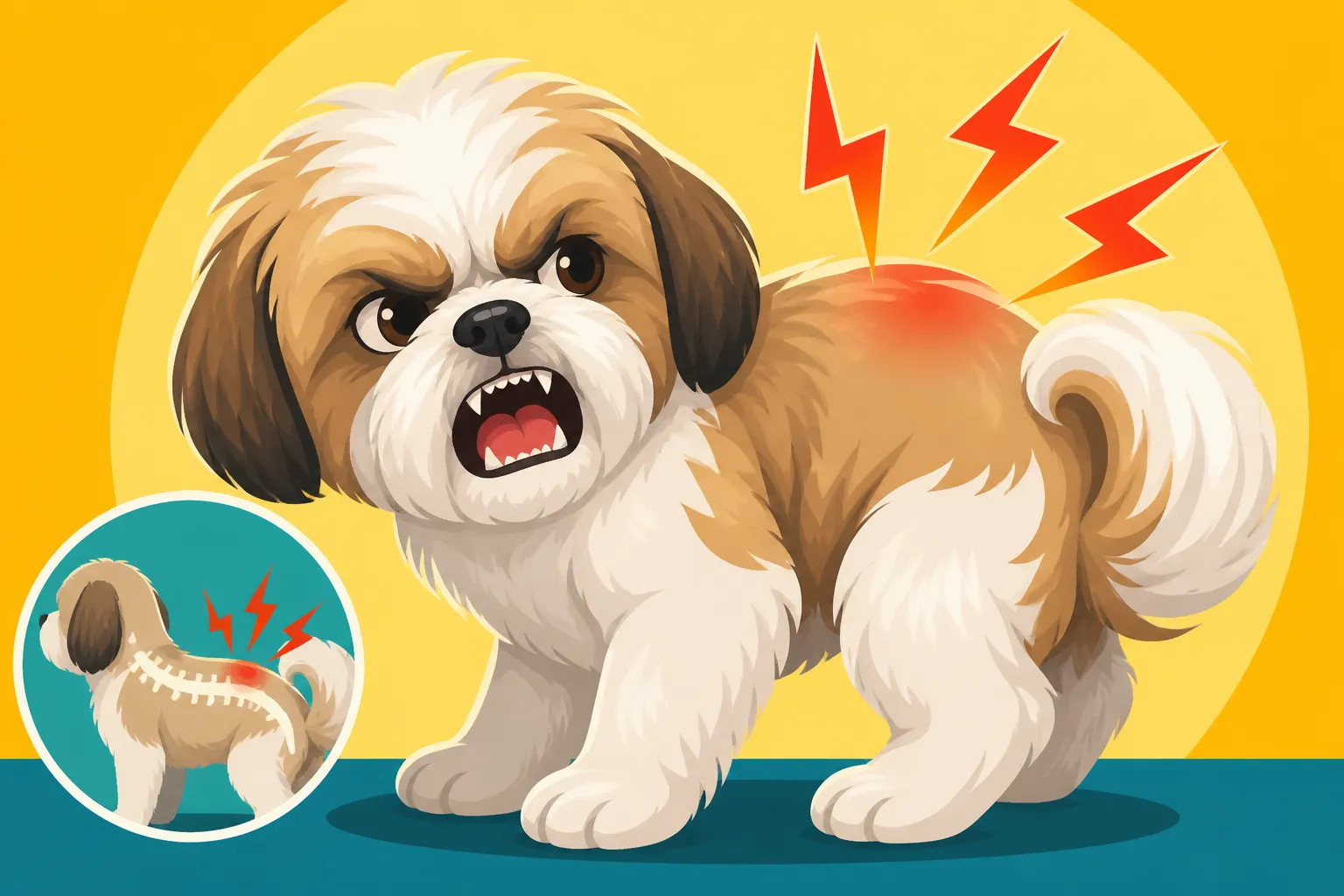
When a Shih Tzu, known for its sweet and gentle nature, suddenly snaps, growls, or even tries to bite, it's rarely out of malice. Instead, it's almost always a desperate plea born from fear and pain. Their inability to communicate their suffering in words means they often resort to the only language they have left: a defensive reaction to prevent further agony.
The Pain-Aggression Connection
Imagine yourself with a searing headache or a terribly stiff neck, and someone unexpectedly pokes that sore spot. Your instinct might be to recoil, yelp, or push them away sharply. For a Shih Tzu with a sore back, any touch, lift, or even a perceived threat to their painful area can trigger a similar, instinctual, and involuntary defensive response. A Shih Tzu Yelping When You Lift It can be a stark, immediate indicator of severe pain, and the snapping often follows as a warning that you're about to cause them more distress.
This isn't them "being mean"; it's a survival mechanism. They're telling you, in the clearest way they know how, "Stop! You're hurting me!" It's crucial not to punish this behavior. Punishing a dog for growling or snapping due to pain only teaches them to suppress these warnings, making future bites more likely without any prior communication. Instead, your immediate response should be to stop whatever action caused the snap and evaluate them for underlying pain.
Triggers for Snapping in a Dog With Back Pain
Identifying the specific triggers for snapping is key to understanding your Shih Tzu's pain. It often occurs during moments of handling, such as when you attempt to pick them up, brush their coat, or clean their face. Grooming, in particular, can be a major trigger if not approached with extreme care. Grooming a Shih Tzu With a Sore Back requires a very gentle touch and often specific accommodations. Even innocent gestures like a child hugging them too tightly or a playful poke from another pet can be agonizing if it presses on a sensitive spinal area.
Consider interactions that involve movement of their back or neck. If they snap when you reach for their collar, it might not be about the collar itself, but the movement of your hand near their spine. If they snap when another dog tries to play-bow to them, it could be fear of being pounced on and further hurting their back. The snap is a boundary, a desperate attempt to create space and prevent an anticipated painful event. Taking note of when and how these snaps occur can provide invaluable clues for your veterinarian.
First Steps and Long-Term Care for a Hurting Shih Tzu Back
Discovering your Shih Tzu is in pain can feel overwhelming, but taking prompt, informed action is the best thing you can do for them. Immediate veterinary attention is paramount, followed by a commitment to managing their comfort and protecting their delicate spine in the long run.
Immediate Veterinary Consultation and Diagnosis
As soon as you suspect your Shih Tzu is experiencing back pain, especially if it's accompanied by snapping or any signs of weakness, contact your veterinarian immediately. Do not attempt to self-diagnose or administer pain medication without professional guidance, as some human medications can be toxic to dogs.
Your vet will likely perform a thorough physical and neurological examination. They'll check for pain response along the spine, assess reflexes, and look for any signs of nerve deficits. To get a clearer picture of what's going on inside, they might recommend imaging such as X-rays. While X-rays can show changes in the bones, they often don't show the discs themselves clearly. For a definitive diagnosis of IVDD, particularly before considering surgery, an MRI or CT scan might be recommended. This specialized imaging can pinpoint exactly which disc is affected and the degree of spinal cord compression. Discussing Shih Tzu Disc Disease and Sudden Back Pain with your vet will help you understand the full range of diagnostic and treatment options available.
Managing Acute Pain and Recovery
Once a diagnosis is made, your vet will develop a treatment plan. For mild to moderate cases of IVDD, conservative management is often the first approach. This typically involves strict crate rest, often for several weeks. This means absolutely no jumping, running, or stair climbing – essentially, your Shih Tzu needs to be confined to a small, comfortable space where they can only stand up, turn around, and lie down. Crate Rest for a Shih Tzu With a Slipped Disc is challenging but absolutely critical for healing.
Alongside rest, anti-inflammatory medications and pain relievers will be prescribed to reduce swelling and alleviate discomfort. Muscle relaxants may also be used to ease muscle spasms that often accompany back pain. During this period, you'll need to assist your Shih Tzu with potty breaks, using a sling or supporting harness to minimize spinal movement. Gentle physical therapy might be introduced gradually once the acute pain subsides, focusing on rebuilding strength and flexibility. For more severe cases, especially those with significant neurological deficits or paralysis, surgery to relieve pressure on the spinal cord may be necessary.
Long-Term Spinal Health and Prevention Strategies
Preventing future episodes and maintaining long-term spinal health requires a dedicated approach. This begins with managing your Shih Tzu's weight. Even a few extra pounds can place significant strain on their small frame and delicate spine, exacerbating existing disc issues. Your vet can help you determine an ideal weight and recommend a suitable diet.
Environmental modifications are also crucial. Eliminate opportunities for jumping by providing pet ramps or stairs to furniture. You can find excellent options on Amazon that blend seamlessly into your home. Ensure your Shih Tzu always wears a harness for walks, rather than a collar, to avoid any strain on their neck and spine if they pull on the leash. Regular, moderate exercise, like short, controlled walks on a leash, is beneficial for muscle strength and flexibility, but avoid high-impact activities or intense play. Ramps for a Shih Tzu With a Long Spine are not just a luxury; they're an essential piece of preventative care.
Consider incorporating joint support supplements, such as glucosamine and chondroitin, into their routine. While not a cure, these can support joint health and may slow the progression of disc degeneration. Always discuss new supplements with your vet first. Regular check-ups are also vital, allowing your vet to monitor your Shih Tzu's spinal health and address any emerging issues proactively. Training resources like those from BAXTER & Bella can help teach your Shih Tzu to calmly use ramps or stairs, and to accept gentle handling, making long-term care less stressful for both of you. A little prevention and consistent care can make a huge difference in your Shih Tzu's quality of life.
| Symptom Category | Early/Subtle Signs | Advanced/Acute Signs | Behavioral Indicators |
|---|---|---|---|
| Movement/Posture | Reluctance to jump/use stairs | Hunching, favoring a limb | Withdrawing from play/interaction |
| Stiffness after rest, slow gait | Yelping when lifted/touched | Seeking solitude or being clingy | |
| Head held low, trembling | Incoordination, difficulty standing | Reduced enthusiasm for walks | |
| Pain Expression | Excessive licking of paws/body | Crying out spontaneously | Snapping, growling when approached |
| Reluctance to be groomed | Shivering, panting (not from exertion) | Avoidance of interaction, fear responses | |
| Other Physical | Reduced appetite | Accidents in the house (loss of bladder/bowel control) | Not grooming themselves as usual |
| Changes in sleep patterns | Dragging hind legs |
Disclaimer
This article is for general informational purposes only and does not constitute professional advice. Laws, prices and regulations vary by location and change over time. Consult a qualified professional for guidance on your specific situation.