Whether a Shih Tzu Is a Yappy Breed
One of the most common worries new Shih Tzu owners express, or even those just considering bringing one of these adorable furballs into their lives, is whether they're signing up for a constant chorus of barking. It’s a very real concern, especially if you live in an apartment or value a quiet home environment. This guide is here to tackle that head-on, dispelling myths and offering practical, empathetic advice on understanding and managing your Shih Tzu’s vocal expressions, ensuring a more peaceful coexistence for everyone.
Understanding the Shih Tzu Barking Instinct
It's easy to label a small dog as "yappy," but that often oversimplifies the rich tapestry of a breed's communication and needs. Shih Tzus are not inherently "yappy" in the way some breeds might be perceived. Instead, their barking is usually a direct response to their environment, their emotional state, or learned behavior. It's more about why they bark than an unavoidable genetic predisposition to constant noise.
Why They Bark: Breed History and Temperament
To truly understand a Shih Tzu's vocalizations, we need to glance back at their history. These charming dogs were originally bred as companions in the Tibetan monasteries and later adored by Chinese royalty. Their primary "job" was to be a cherished companion, alerting their human family to anything unusual. This means they were, to a degree, meant to be vigilant. They have a keen sense of hearing and a natural inclination to let you know when something is amiss – be it a delivery person, a squirrel outside the window, or even just you opening a bag of chips!
Their companion nature also plays a huge role. Shih Tzus thrive on interaction and being part of the family. If they feel lonely, bored, or are seeking attention, barking can quickly become their go-to strategy because, let's face it, it often works! We rush to them, give them a pat, or scold them, and any of these reactions can reinforce the behavior. Their sensitive and intelligent temperament means they pick up on routines and consequences very quickly.
Common Triggers for Shih Tzu Barking
Your Shih Tzu isn't just barking for the fun of it – though it might feel that way sometimes! There are very specific triggers that often set off their vocal alarms. Recognizing these can be the first step in managing the behavior.
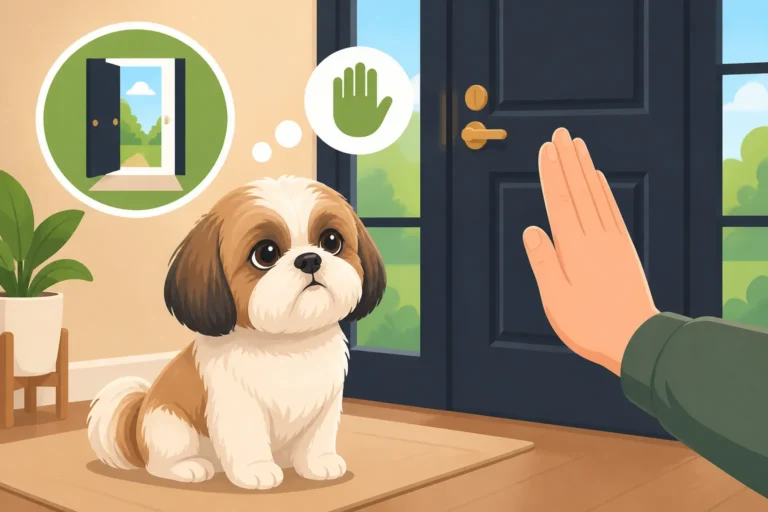
- Doorbell or Knocking: This is a classic. It's an intrusion, an alert. Your Shih Tzu is doing its job as a tiny sentinel, announcing that someone is at the door.
- Strangers or Other Dogs Outside the Window: Shih Tzus often love to watch the world go by. Unfortunately, this means they see every passerby, every dog walker, every mail carrier. These can all be "threats" or exciting events that warrant a bark.
- Excitement and Play: Sometimes barking is pure joy! During a spirited game of fetch or a tussle with another dog, a Shih Tzu might let out happy barks and yips. This isn't usually problematic, but it’s good to distinguish it from alert barking.
- Attention Seeking: This is a big one. If your Shih Tzu barks, and you immediately look at them, talk to them, or pick them up, they learn that barking gets your attention. Even negative attention is still attention.
- Boredom or Lack of Mental Stimulation: A bored Shih Tzu is often a noisy Shih Tzu. If they don't have enough to do, they'll find their own entertainment, and barking can be a part of that. Think about a rainy day when walks are out, and they haven't had much playtime. That excess energy has to go somewhere.
- Anxiety or Fear: Loud noises, being left alone (separation anxiety), or unfamiliar situations can trigger fearful barking. This type of barking is often higher pitched, more frantic, and accompanied by other stress signals like pacing or trembling. If your Shih Tzu struggles with alone time, you'll find The Signs a Shih Tzu Cannot Settle Alone a really helpful read.
The Difference Between "Yappy" and "Communicative"
It's important to differentiate between a truly "yappy" dog and one that is simply communicating. All dogs bark. It's how they express themselves, how they warn, how they invite play, and how they ask for things. A single "woof" when someone approaches the door, a little excited yip during playtime, or a soft "hrumph" to get your attention is entirely normal and part of having a dog.
"Yappy" usually implies excessive, persistent, or unprovoked barking that becomes a nuisance. This is often a learned behavior or a symptom of an underlying issue rather than an inherent trait. If your Shih Tzu is constantly barking at nothing, or barks for an extended period every time a leaf blows past the window, then it's moved beyond simple communication and into problem territory. The good news is, most problem barking can be addressed with patience, consistency, and the right approach.
Proactive Strategies to Manage Barking
Prevention is always better than cure, and this holds true for managing barking in your Shih Tzu. By implementing some proactive strategies from puppyhood, you can significantly reduce the likelihood of excessive barking becoming a problem.
Early Socialization and Exposure
One of the most crucial things you can do for any puppy, especially a sensitive breed like the Shih Tzu, is provide extensive, positive socialization. This means exposing your puppy to a wide variety of sights, sounds, people, and other well-behaved dogs in a safe and controlled manner. The goal isn't just exposure, but positive exposure. Pair new experiences with delicious treats and praise to create positive associations.
For example, when your puppy hears a new noise, instead of just letting them react, immediately give them a treat and soft praise. This teaches them that new sounds mean good things, rather than something to be feared or barked at. Think about walking past a construction site, meeting someone new, or hearing the vacuum cleaner. Calm, consistent exposure during their critical socialization window (roughly 3-16 weeks) can build a confident dog less likely to react with fear or alarm barking. Read more on this in The Shih Tzu Socialization Deadline.
Environmental Management
Sometimes, the simplest solution is to manage the environment to reduce triggers. If your Shih Tzu barks incessantly at people or dogs walking past the window, simply closing the blinds or curtains can work wonders. You might even consider window film that allows light in but obscures the view out.
For outdoor noises like construction, traffic, or neighborhood children playing, using a white noise machine or playing classical music can help muffle the sounds that trigger barking. This creates a calmer auditory environment and reduces the constant stream of stimuli that can overexcite or alarm your little watchdog. Think of it as creating a serene sanctuary within your home.
Consistent Training and Reinforcement
Shih Tzus are smart, and while they can be stubborn, they respond incredibly well to positive reinforcement. Consistent training from a young age is key. This isn't about harsh corrections, which can actually make a sensitive Shih Tzu more anxious and more likely to bark. It's about teaching them what to do instead of barking and rewarding quiet behavior.
Start by teaching basic cues like "sit," "stay," and "come." These establish a foundation of communication. When you see a potential barking trigger, like someone approaching your door, ask for a "sit" or "stay" before they have a chance to bark. Reward them heavily for remaining quiet. Even just five-minute sessions throughout the day can make a huge difference in their learning, as detailed in Five Minute Sessions With a Shih Tzu.
Teaching a "place" command, where they go to a designated bed or mat and stay there calmly, can also be invaluable. When the doorbell rings, direct them to their "place" with a treat and praise for staying quiet. This proactive approach helps them learn an alternative, desirable behavior.
Addressing Excessive or Problem Barking
Even with the best intentions, sometimes barking becomes a real issue. Don't despair! It’s often a learned habit that can be unlearned with patience and the right techniques.
Identifying the Root Cause
Before you can fix the problem, you need to understand why your Shih Tzu is barking excessively. Is it fear? Boredom? Attention-seeking? Frustration? Observe your dog carefully. When do they bark? What are they barking at? What happens right before and right after the barking?
For example:
- If they bark only when you're on the phone, it might be attention-seeking.
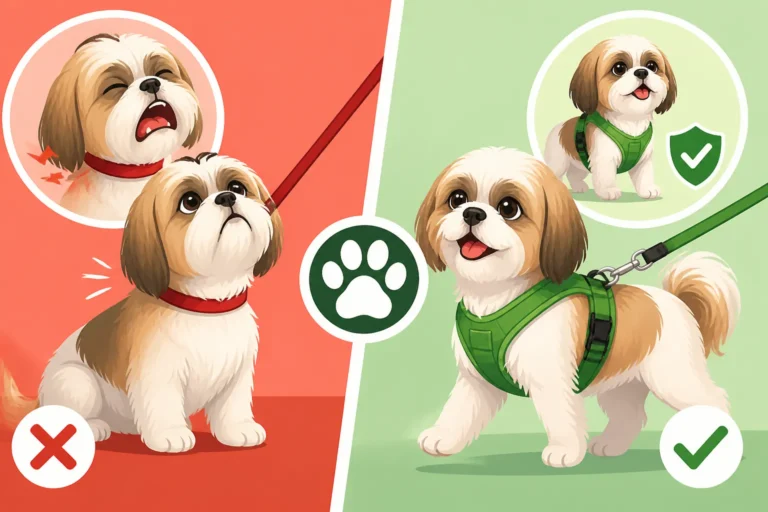
- If they bark at every dog they see on a walk, it could be reactivity or fear. Consider investing in a comfortable, well-fitting harness that doesn't put pressure on their delicate neck, as discussed in Shih Tzu Leash Manners on a Harness. Many great options are available on sites like Amazon.
- If they bark relentlessly when left alone, it points towards separation anxiety, which can be a challenging but manageable issue.
Keeping a log for a few days can help you spot patterns and identify the primary triggers.
Training for Quiet: "Quiet" Command and Redirection
Teaching a "quiet" command is a cornerstone of managing barking. Here's a simple way to approach it:
- Trigger the Bark: Have someone knock softly at the door, or ring the doorbell gently. Allow your Shih Tzu to bark a few times.
- Say "Quiet": As soon as they take a breath or pause in their barking, say "Quiet!" in a calm, firm voice and immediately present a high-value treat (something they really love).
- Reward Silence: When they stop barking to take the treat, praise them enthusiastically ("Good quiet!").
- Repeat: Practice this many times, gradually increasing the duration of silence required before the treat is given.
- Fade the Treat: Once they consistently go quiet on command, start delaying the treat slightly, or phasing it out for just praise and occasional treats.
Another effective technique is redirection. When your Shih Tzu starts to bark at something inappropriate, redirect their attention to an acceptable activity. For example, if they're barking at a squirrel outside, call their name, ask for a "sit," and then engage them with a favorite toy or a quick training session. Reward them for focusing on you instead of the squirrel. This is a great way to use the principles of Positive Reinforcement With a Shih Tzu.
Addressing Separation Anxiety-Related Barking
If your Shih Tzu's excessive barking is rooted in separation anxiety, it requires a more holistic approach than just teaching "quiet." This involves gradually acclimating them to being alone.
- Start Small: Begin with very short departures, even just stepping out of the room for a minute, then returning before they start barking.
- Build Duration: Slowly increase the time you're away.
- Create a Safe Space: A cozy crate or a designated safe area where they feel secure can help. For tips on setting this up, check out Crate Training a Shih Tzu Properly.
- Pre-departure Routine: Avoid making a big fuss when you leave or return. This can heighten their anxiety.
- Mental Stimulation: Leave them with engaging puzzle feeders or long-lasting chews to occupy their minds while you're gone. Brands like BAXTER & Bella often offer resources for teaching alone time skills, and many excellent puzzle toys can be found on Amazon. These types of Puzzle Feeders a Shih Tzu Can Work can be a lifesaver.
- Exercise Before You Leave: A tired Shih Tzu is often a calmer Shih Tzu. A good walk or play session before you leave can help them settle.
- Consult a Professional: For severe cases, a veterinarian or certified professional dog trainer specializing in separation anxiety can provide tailored strategies and support. Building alone time is a crucial skill for any Shih Tzu, and Building Alone Time for a Shih Tzu offers more in-depth advice.
When to Seek Professional Help
There are times when despite your best efforts, the barking persists or worsens. This is not a sign of failure on your part, but rather an indication that you might need a different approach. Don't hesitate to reach out to a professional:
- Veterinarian: Rule out any underlying medical issues. Pain, hearing loss, or other health problems can sometimes manifest as increased vocalization.
- Certified Professional Dog Trainer or Behaviorist: A qualified professional can assess your specific situation, identify triggers you might have missed, and develop a customized training plan. They can teach you advanced techniques and provide ongoing support. Look for those who use positive, force-free methods, especially with a sensitive breed like the Shih Tzu. They can help your Shih Tzu learn what you want from them, which ties into the overall idea of Training a Shih Tzu Bred Purely as a Companion.
Tools and Resources to Help Your Shih Tzu
Beyond direct training, there are many tools and resources that can aid you in managing your Shih Tzu's barking and ensuring they lead a happy, fulfilled life.
Enrichment Toys and Puzzle Feeders
A tired mind is a quiet mind. Shih Tzus, despite their small size, are intelligent and benefit greatly from mental stimulation.
- Puzzle Feeders: These toys require your dog to solve a problem to get their food or treats. They can turn mealtime into a fun, engaging activity that tires their brain. You can find a huge variety of these on Amazon, from simple treat-dispensing balls to more complex sniff mats.
- Interactive Toys: Toys that squeak, crinkle, or can be tugged can provide outlets for energy and natural instincts. Rotate toys regularly to keep things fresh and interesting.
- Chew Toys: Safe, appropriate chew toys can satisfy their natural urge to chew and provide a calming outlet, especially when you need them to settle quietly.
Keeping them engaged can prevent boredom barking, and these tools are perfect for providing mental enrichment, especially when you need them to be calm indoors.
Calming Aids and Products
For Shih Tzus who experience anxiety that contributes to their barking, there are various calming aids available, though their effectiveness can vary from dog to dog.
- Pheromone Diffusers or Sprays: These release synthetic dog appeasing pheromones, which mimic the calming pheromones a mother dog produces. They can help create a more serene environment.
- Calming Chews or Supplements: Many brands offer supplements containing ingredients like L-theanine or chamomile, which some owners find helpful for mild anxiety. Always consult your vet before introducing any new supplements to your dog's diet.
- Thundershirts or Anxiety Wraps: These exert gentle, constant pressure, similar to swaddling a baby, which can have a calming effect on some dogs during stressful events like thunderstorms or fireworks.
These aids are generally most effective when used in conjunction with behavioral modification and training, not as a standalone solution.
Harnesses and Leashes for Better Walks
The right walking gear can make a big difference in how your Shih Tzu behaves on a leash, potentially reducing reactivity and the barking that comes with it.
- Front-Clip Harnesses: For Shih Tzus who tend to pull or react on leash, a front-clip harness can provide better control by redirecting their momentum back towards you when they pull, making walks more pleasant for both of you. This can reduce frustration-based barking.
- Comfortable, Well-Fitting Harnesses: Ensure the harness fits correctly, without chafing or restricting movement, especially around their delicate neck and airway. A harness that puts pressure on their throat can exacerbate issues for a brachycephalic breed. Choosing Harnesses That Do Not Mat a Shih Tzu Coat is also a practical consideration for their long fur.
- Longer Leashes (for controlled environments): A longer leash (6-10 feet) can give your Shih Tzu a bit more freedom to explore in safe, open areas, which can be mentally stimulating and reduce the feeling of being restricted. Always use a standard length leash in busy areas for safety.
Using appropriate gear, coupled with consistent Shih Tzu Leash Manners on a Harness training, can transform a stressful walk into an enjoyable outing, minimizing triggers for barking.
In conclusion, the idea that a Shih Tzu is a "yappy breed" is a stereotype that doesn't tell the whole story. While they certainly have a voice and a natural inclination to use it, excessive barking is almost always a behavior that can be understood, managed, and improved upon with patience, consistent training, and a deep understanding of your individual dog's needs and triggers. By being proactive, managing their environment, providing mental and physical enrichment, and seeking professional help when needed, you can enjoy a wonderful, relatively quiet life with your beloved Shih Tzu companion.
Disclaimer
This article is for general informational purposes only and does not constitute professional advice. Laws, prices and regulations vary by location and change over time. Consult a qualified professional for guidance on your specific situation.