Showing a Child How to Carry a Shih Tzu
It's a common scenario: a child, full of innocent enthusiasm, wants to scoop up your beloved Shih Tzu. While this desire to cuddle is heartwarming, it can quickly turn into a terrifying moment if not done correctly, putting your tiny companion at risk of serious injury or fostering fear. This guide will walk you through how to properly educate children on safe handling techniques, ensuring harmonious and safe interactions for everyone in your household.
Understanding the Risks of Improper Carrying
Shih Tzus are sturdy little dogs in spirit, but physically, they are quite delicate. Their compact size and unique anatomical features mean they require very specific handling, especially when being picked up. Teaching children this isn't about scaring them, but empowering them with the knowledge to be a good friend to their furry companion.
The Shih Tzu's Delicate Frame
Our little lion dogs might act tough, but their bodies are more fragile than many realize. Their small, toy-breed bones are not built to withstand drops or clumsy handling. Think about their long backs, in particular. They are prone to issues like Shih Tzu Back Problems and Disc Disease because their spine is quite elongated relative to their leg length. A child attempting to pick up a Shih Tzu by grabbing them around the middle, or by one leg, can easily put immense strain on their delicate spine and joints. It's not just about a temporary discomfort; a fall or an awkward lift could lead to a slipped disc, a painful injury that can impact their mobility for life.
Many a concerned owner has called me after their child, meaning well, picked up their Shih Tzu incorrectly, resulting in a yelp or a sudden refusal to move. It’s heart-wrenching to see the dog in pain and the child feeling awful. The truth is, their small stature and the way their weight distributes means they need full, unwavering support from underneath, not just a grab from the top.
Eye Safety Concerns
This is a big one for Shih Tzu owners, and it's something many people, including children, don't fully grasp. Shih Tzus have those beautiful, expressive, bulging eyes that are a hallmark of the breed, but they are also incredibly vulnerable. Because their eye sockets are relatively shallow, their eyes can actually pop out of their sockets, an emergency condition known as Shih Tzu Eye Proptosis, the Emergency Owners Miss. This can happen from a sharp blow, rough play, or even incorrect restraint.
Imagine a child, in their excitement, squeezing too tightly around the neck or head, or letting the dog dangle. The pressure can increase behind the eye, making proptosis a real and present danger. It's a terrifying sight, and the immediate aftermath requires calm, quick action to try and save the eye. It's a stark reminder of why teaching Restraining a Shih Tzu Without Popping an Eye is paramount for anyone interacting with your dog, especially youngsters. We want to avoid these emergencies at all costs, and proper carrying technique is a huge part of that prevention.
Psychological Impact on the Dog
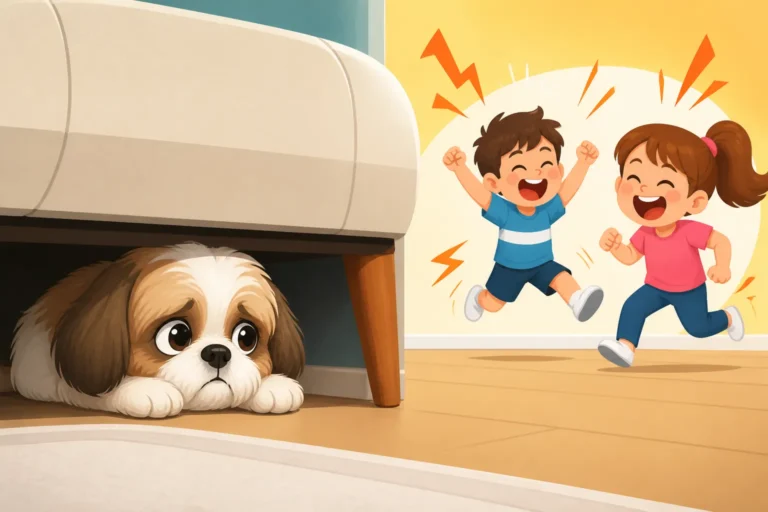
Beyond physical injury, improper handling can deeply affect your Shih Tzu's emotional well-being. A dog that is constantly picked up roughly, or without warning, can develop fear and anxiety around human hands, particularly those of children. This fear can manifest in various ways, from shying away and hiding whenever a child approaches, to more concerning behaviors like growling or snapping as a defensive mechanism. A dog that was once a gentle companion might start to display behaviors like A Shih Tzu Snapping Because Its Back Hurts or become A Gentle Shih Tzu That Suddenly Snaps out of fear.
It's a vicious cycle: the child tries to interact, the dog fears the interaction, and reacts negatively, which then might make the child wary, or worse, aggressive towards the dog. Our goal is to foster a relationship of trust and respect. A Shih Tzu that feels safe and secure in human hands is far more likely to be a happy, well-adjusted pet who enjoys interactions with children. This is why a calm, predictable approach to handling is key, not just for safety, but for building a strong, loving bond.
Essential Rules for Children Before Carrying
Before any child attempts to pick up a Shih Tzu, there are fundamental rules that need to be established and consistently reinforced. These aren't just suggestions; they are non-negotiable guidelines to ensure the safety and comfort of your dog.
The "Ask First" Rule
This is perhaps the most crucial rule to instill in children. Teach them that they must always ask an adult for permission before attempting to touch, play with, or especially pick up the Shih Tzu. This serves multiple purposes. Firstly, it ensures that an adult is aware of the interaction and can supervise. This is vital because even with the best intentions, children can get overly excited or make mistakes. Secondly, it teaches children respect for the dog's boundaries and the need for adult guidance in pet care. It’s also an important step in teaching them how to read dog body language, as an adult can explain why it might not be a good time (e.g., the dog is sleeping, eating, or looks stressed).
For younger children, you can make this a fun, interactive habit. "Where's your asking voice?" or "Show me how you ask politely!" are phrases that can help reinforce the behavior. As they get older, the expectation shifts to understanding why they need to ask—because the dog is a living creature with feelings and needs, not a toy. This principle applies not just to carrying, but to all interactions, laying a foundation for a respectful relationship.
Ground Rules: No Running or Roughhousing
Shih Tzus are tiny. A running child, even playfully, can accidentally step on them, trip over them, or simply overwhelm them with their speed and noise. Roughhousing, whether with the dog directly or just in its vicinity, is an absolute no-go. For a small dog with potentially fragile joints and a penchant for Shih Tzu Disc Disease and Sudden Back Pain, a sudden bump or fall could be disastrous. Their natural response to perceived threats or overstimulation might be to dart away, leading to falls or injuries.
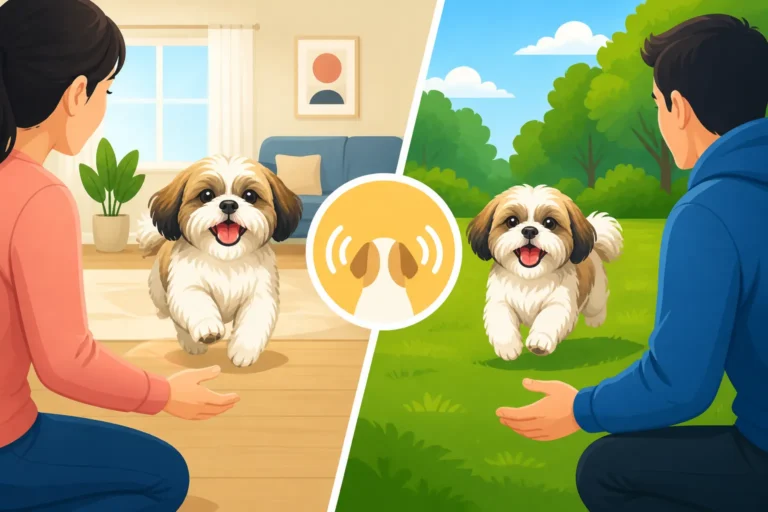
Instead, encourage calm, gentle play on the floor. Teach children to sit down and invite the dog to come to them. This creates a safe, controlled environment where the Shih Tzu feels less threatened. It's about meeting the dog on its level, both literally and figuratively. If your Shih Tzu is already nervous around children, or if you're introducing a new dog to your family, establishing these calm ground rules is essential for fostering positive Shih Tzu Temperament With Children and Guests and preventing fear-based reactions.
Supervised Interactions Only
Until children consistently demonstrate safe, responsible handling, all interactions with the Shih Tzu should be closely supervised by an adult. This means an adult is physically present in the room, actively watching, and ready to intervene if needed. Supervision isn't just about preventing accidents; it's also a powerful teaching opportunity. An adult can narrate the interaction, pointing out the dog's subtle cues (a yawn, lip lick, or turning away might mean the dog needs a break) and guiding the child on appropriate behavior.
This is especially important if you have A Shih Tzu and a Toddler in the Same Room. Toddlers, by nature, are still learning impulse control and fine motor skills. They might grab, pull, or squeeze without understanding the consequences. Close supervision allows you to gently correct the child's actions in the moment and ensure the Shih Tzu always has a safe escape route. Think of it as co-piloting their interactions until they're ready to fly solo, which, for many children, might not be until they're much older and demonstrably mature enough to handle the responsibility.
Step-by-Step Guide to Safely Carrying a Shih Tzu
Now for the practical part: teaching the actual technique. This isn't about rote memorization, but understanding the why behind each step, ensuring the child develops an intuitive sense of how to be gentle and supportive.
Approaching the Shih Tzu Calmly
Before a child even thinks about picking up your Shih Tzu, they need to master the art of a calm approach. Rushing at a small dog can be perceived as threatening and might cause them to bolt or become defensive. Teach children to approach slowly, perhaps squatting down to the dog's level, and speaking in a soft, gentle voice. Extend a hand (palm down, fingers slightly curled) for the Shih Tzu to sniff. If the dog approaches and sniffs, that's a positive sign. If they back away or show signs of discomfort (ears back, tail tucked, yawning), then it’s not the right time to pick them up. Let the dog initiate further contact, if they choose. This builds trust and respect.
You can even use simple cues to help with this, like teaching your Shih Tzu to "come" to a soft whistle or a specific word. The Handful of Cues a Shih Tzu Really Needs often includes a reliable recall, which is fantastic for these kinds of controlled interactions. Make sure the child understands that if the dog doesn't come willingly, they shouldn't chase or corner them. Patience is key here.
The Two-Handed Scoop Method
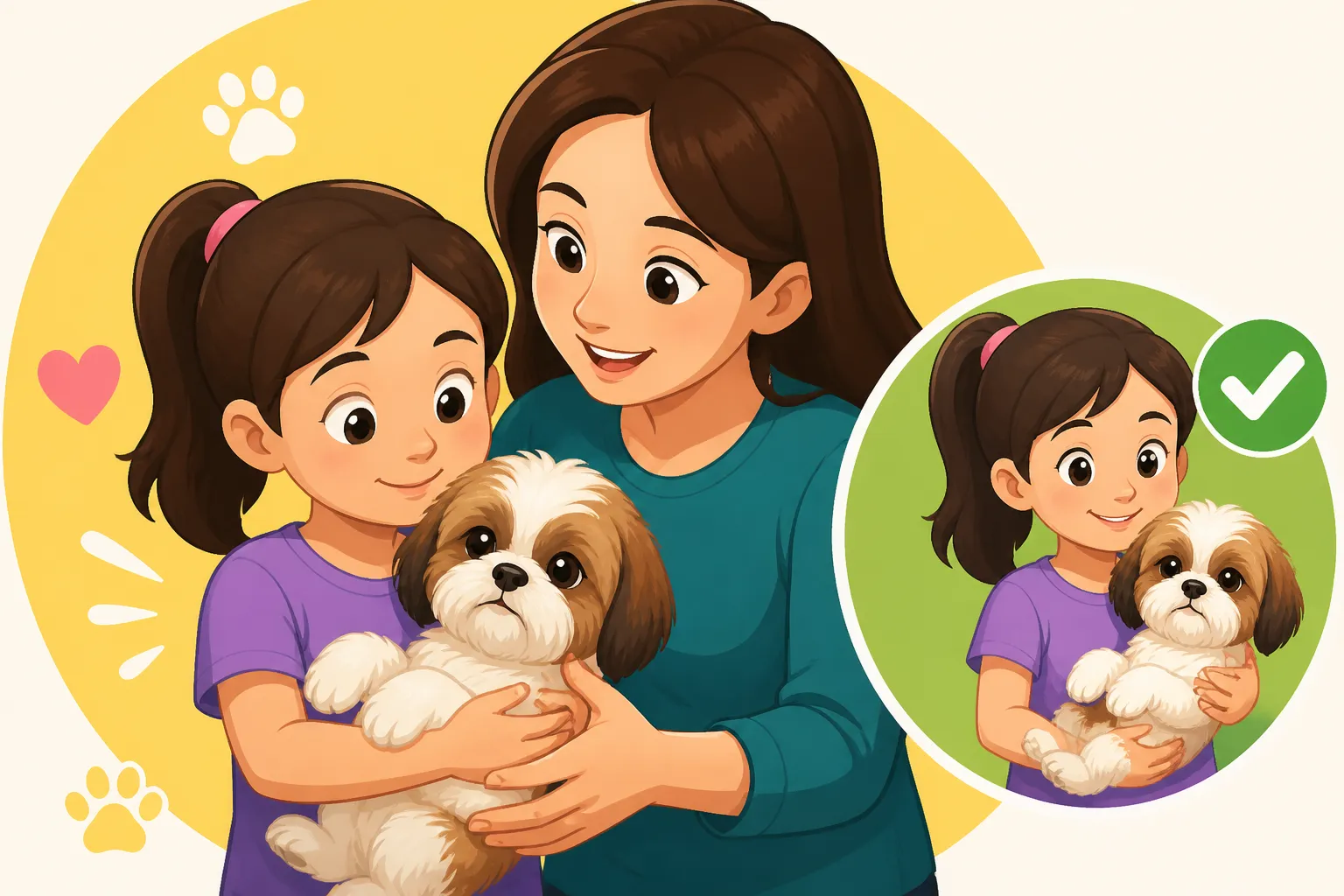
This is the golden rule for picking up any small dog, especially a Shih Tzu with its delicate back and prominent eyes. Teach the child to use two hands, always.
Here's how to explain it:
- One hand under the chest: The child should gently slide one hand under the Shih Tzu's chest, just behind their front legs. This supports their upper body.
- The other hand under the hindquarters: The second hand goes under their bottom, supporting their rear legs and hind end. This is crucial for their back health.
- Scoop, don't grab: Emphasize that it's a gentle scooping motion, lifting the dog evenly and smoothly. Never grab or pull by the legs, neck, or tail.
Show them how to do this yourself, narrating each step. Then, let them practice with a stuffed animal or a small pillow before trying it with the real dog, always under your direct supervision. Make sure they understand they're creating a little "basket" or "shelf" for the dog with their hands, giving full support to its entire body. You can explain that this technique helps protect their precious eyes too, by avoiding any pressure around the head or neck.
| Carrying Do's | Carrying Don'ts |
|---|---|
| Always ask an adult first | Never pick up without permission |
| Use two hands to support fully | Never grab by one leg or the neck |
| Hold close to your body | Never let the dog dangle |
| Be calm and gentle | Never run while carrying the dog |
| Put dog down gently | Never drop or toss the dog |
Holding Close and Securely
Once the Shih Tzu is off the ground, the way a child holds them is just as important as how they picked them up. The dog should be held close to the child's body, nestled securely. This provides a sense of security for the dog and makes it less likely for them to squirm or fall. Remind children that the Shih Tzu isn't a football to be carried under an arm, nor a baby doll to be swung around. Their little bodies need constant, gentle contact and support.
Explain that if the dog feels wobbly or insecure, they might try to jump out of the child's arms, which could lead to a fall and injury. By holding them firmly but gently against their chest, the child minimizes movement and reassures the dog. This also helps prevent accidental pokes to the eye or unnecessary pressure on their brachycephalic airway. Using Positive Reinforcement With a Shih Tzu during these moments is key; praise both the child for good handling and the dog for being cooperative.
Reinforcing Safe Practices and Positive Interactions
Learning to carry a Shih Tzu properly isn't a one-time lesson; it's an ongoing process that requires patience, consistency, and positive reinforcement for both your child and your dog.
Consistent Practice and Praise
The more often children practice safe handling techniques under supervision, the more natural and automatic these behaviors will become. Make it a regular part of their interaction, always starting with the "ask first" rule. Every time they follow the steps correctly – approaching calmly, using two hands to scoop, holding securely, and putting the dog down gently – offer enthusiastic praise. "Great job supporting Buster's back!" or "You held Princess so gently!" helps reinforce the desired behavior.
Praise for the Shih Tzu is important too! Acknowledge their patience and cooperation with a gentle stroke or a tiny, soft treat. This creates a positive association with being handled by children. Remember, consistency is key. Every adult in the household needs to be on the same page, reinforcing the same rules and praising the same good behaviors. This unified front helps children understand the importance of these rules and helps the dog feel secure. You might even find resources on Amazon for children's books about responsible pet ownership that can further aid in this education.
Alternative Ways to Interact
While learning to carry is important, it's also vital to teach children that there are many other wonderful ways to interact with their Shih Tzu that don't involve picking them up. This reduces the pressure on both the child and the dog and helps build a diverse, enriching relationship. Encourage activities like:
- Playing on the floor: Sitting or lying down with the Shih Tzu and using appropriate toys. This is safe and fun, allowing the dog to move freely.
- Gentle petting: Teaching children where and how a Shih Tzu likes to be petted (usually not on the top of the head).
- Offering treats: Under supervision, allowing children to give small, appropriate treats as a reward for good behavior. This is a great way to bond. Consider a training program like BAXTER & Bella which often includes modules on responsible pet interaction for all family members.
- Grooming participation: For older children, helping with gentle brushing (with a suitable brush that won't pull the coat) or fetching grooming supplies.
By offering a variety of interaction methods, you ensure that the relationship isn't solely dependent on carrying, and that both child and dog have many opportunities for positive, low-stress engagement.
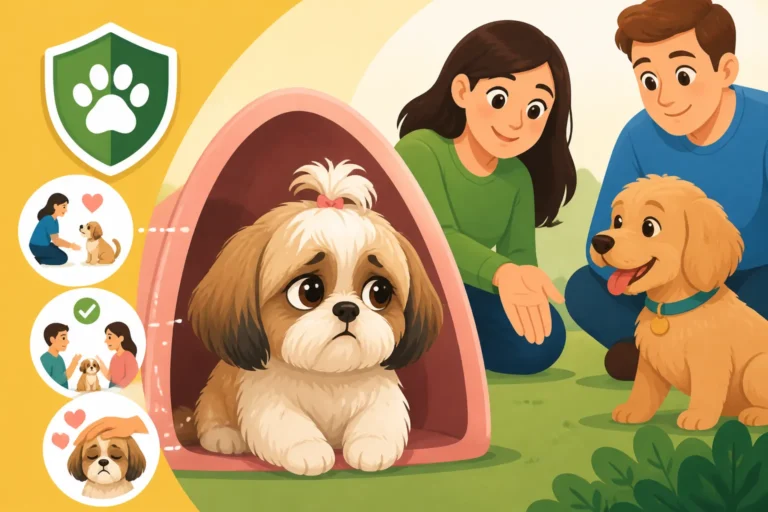
Recognizing When the Shih Tzu Needs Space
This is perhaps the most advanced, yet crucial, lesson for children: learning to read canine body language and understanding when the Shih Tzu needs a break or wants to be left alone. Our dogs can't speak our language, so they communicate through subtle (and sometimes not-so-subtle) cues. Teach children to look for signs like:
- Turning their head away
- Yawning
- Licking their lips
- Ears flattening or pulling back
- Tail tucked low
- Freezing in place
- Trying to move away
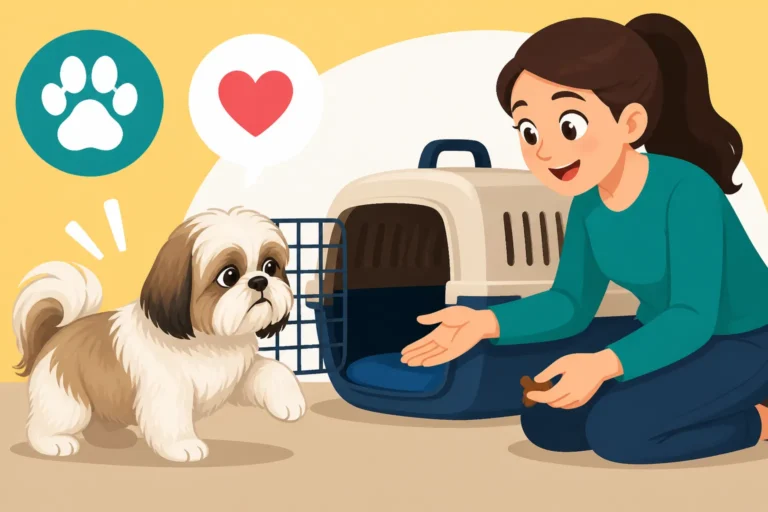
Explain that these are all ways a dog says, "I need some space." When a child sees these signs, they should immediately stop interacting and let the dog walk away or retreat to its safe space (like its crate or bed). This teaches empathy and respect for the dog's autonomy. It also prevents escalation to growling or snapping, ensuring a harmonious household. Learning Socializing a Shih Tzu Without Frightening It applies to family interactions too; we want them to feel safe and loved, not constantly on guard. Understanding What Motivates a Shih Tzu to Work also helps in understanding when they might be overstimulated versus just wanting to play.
By empowering children with the knowledge and skills to interact safely and respectfully with their Shih Tzu, you’re not just protecting your pet; you’re raising compassionate, responsible individuals who understand the nuances of caring for another living being.
Disclaimer
This article is for general informational purposes only and does not constitute professional advice. Laws, prices and regulations vary by location and change over time. Consult a qualified professional for guidance on your specific situation.