Whether a Shih Tzu Copes With a Work Day
It’s a common dilemma for so many of us Shih Tzu parents: you adore your fluffy companion, but you also have a job, a life outside the home, and responsibilities that call you away for hours at a time. The worry often gnaws at you – is my sweet Shih Tzu okay while I'm gone all day? This guide is here to help you understand your Shih Tzu's unique needs when it comes to being left alone, how to best prepare them for your absence, and what signs to watch for that indicate they might be struggling.
Understanding Your Shih Tzu's Bred-in Companion Nature
Shih Tzus were literally bred for companionship, meaning they’re wired to be by your side. They’re not working dogs in the traditional sense; they weren't herding sheep or guarding vast estates. Their historical role was to be pampered lap warmers and beloved companions, primarily for royalty in ancient China. This deep-seated desire for connection means that being left alone for extended periods can be a significant challenge for many Shih Tzus. It’s not a flaw in their personality; it's simply a strong genetic predisposition.
Imagine being born with an inherent need to be near your favorite person, only to find yourself alone for eight, nine, or even ten hours a day. It can be incredibly disorienting and upsetting for a dog whose entire existence revolves around human interaction. For some Shih Tzus, this can manifest as genuine distress, while for others, it might simply mean they find the long hours boring and unstimulating, leading to undesirable behaviors out of sheer lack of anything else to do. It’s crucial to distinguish between true separation anxiety and simple boredom, as the solutions often differ dramatically.
We’ve talked before about The Shih Tzu From Tibetan Temples to American Homes, highlighting just how integral human closeness has been to their breed's development. This history isn't just a fun fact; it's a key to understanding their behavior today. Their sweet, outgoing nature, while wonderful when you're home, can make extended solitude feel particularly unnatural to them.
Separation Anxiety Versus Simple Boredom
It’s easy to lump all unwanted solo behaviors under the umbrella of "separation anxiety," but there’s a real difference, and understanding it is the first step toward helping your Shih Tzu.
Separation Anxiety is a genuine panic disorder. A dog suffering from separation anxiety isn’t just bored or a little lonely; they are experiencing intense fear and distress when left alone. This can look like excessive barking and howling (not just for a few minutes after you leave, but persistently), destructive chewing focused on escape attempts (door frames, windowsills), frantic pacing, obsessive licking, or inappropriate urination and defecation even if they are perfectly house-trained when you are present. These dogs are truly suffering, and their actions aren't out of spite or naughtiness, but out of a profound sense of abandonment and panic. If your Shih Tzu exhibits these intense behaviors, it’s a strong sign that they are truly struggling and may need a more structured approach, potentially including professional help or even veterinary intervention. When a Vet Suggests Medication for a Shih Tzu might even be a necessary conversation for severe cases.
Simple Boredom, on the other hand, is a common issue for many dogs, including Shih Tzus. If your Shih Tzu is mostly quiet but perhaps rearranges the trash, chews on a forbidden shoe, or simply sleeps the whole day away without much engagement, they might just be bored. They miss you, sure, but they aren't in a state of panic. Their actions are often a way to self-entertain or explore their environment in your absence. A bored Shih Tzu might chew inappropriately, whine occasionally, or greet you with an explosion of pent-up energy, but they won't typically try to destroy exits or injure themselves in an attempt to get to you. Addressing boredom often involves increasing mental and physical stimulation before you leave and providing engaging activities while you're gone.
Knowing the difference is vital for effective intervention. A Shih Tzu with true separation anxiety needs a very different management plan than one who just needs more stimulating toys or a mid-day walk.
Factors Influencing a Shih Tzu's Ability to Cope
Not all Shih Tzus are the same, of course. Just like people, they have individual personalities and resilience levels. Several factors can significantly influence how well your Shih Tzu handles being alone during your workday.
Puppyhood and Early Training Foundations
The groundwork you lay in puppyhood is absolutely critical. A Shih Tzu puppy who is gradually introduced to alone time, rather than suddenly left for long hours, is much more likely to develop into an adult who can cope. This means starting with very short absences and slowly increasing the duration. It's about teaching them that your departures are temporary and that you always come back.
For example, when your Shih Tzu is a puppy, start by leaving them in a safe space – perhaps a crate or a puppy-proofed room – for just five or ten minutes while you step out of sight into another room or go to get the mail. Return calmly, without making a huge fuss. As they get comfortable with this, you can extend the time. Think of it like building a muscle; you wouldn't expect someone to lift heavy weights on their first day at the gym. Similarly, you shouldn't expect a puppy to handle an eight-hour stretch of solitude without preparation. Programs like those offered by BAXTER & Bella can be incredibly helpful for new puppy owners, guiding them through these critical early stages of training, including building up a tolerance for being alone. Learning about Shih Tzu Puppy Training Month by Month is a great resource for establishing these good habits early.
Neglecting this early training can lead to significant problems down the line. A puppy who is constantly coddled and never experiences structured alone time might develop a crippling dependence, making it incredibly difficult for them to adjust to a full workday schedule later on.
The Role of Routine and Exercise
Shih Tzus thrive on routine. A predictable schedule helps them understand what to expect throughout the day, which can be immensely comforting, especially when you're away. This includes consistent feeding times, potty breaks, and playtime.
Before you leave for work, ensure your Shih Tzu has had ample opportunity to relieve themselves and has burned off some energy. Even though Shih Tzus are a Shih Tzu Exercise for a Low-Energy Toy, a good brisk walk or a lively play session for 15-20 minutes before you depart can make a world of difference. A physically and mentally satisfied dog is much more likely to settle down and rest while you're gone. Imagine trying to relax after a long day if you hadn't moved a muscle – it’s similar for them!
A solid routine also helps with house training. Why Shih Tzu House Training Runs Long is a common frustration, and inconsistent potty breaks only exacerbate the issue. If your Shih Tzu knows they'll have a chance to go out right before you leave and again as soon as you return (or by a mid-day helper), it reduces anxiety about holding it and minimizes the chance of accidents.
Environment and Enrichment During Absence
The environment you leave your Shih Tzu in plays a massive role in their ability to cope. Is it a safe, comfortable, and stimulating space, or is it barren and anxiety-inducing?
A designated safe space, like a comfortable crate or a small, dog-proofed room, can provide a sense of security. It limits their ability to get into trouble and offers a den-like retreat. If you’ve worked on Crate Training a Shih Tzu Properly, this can be a calm haven for them. However, simply putting them in a crate isn't enough; it needs to be a positive association.
Furthermore, mental enrichment is paramount. Leaving a Shih Tzu with absolutely nothing to do for eight hours is a recipe for boredom, and potentially, destructive behavior. Think about puzzle feeders, long-lasting chews, or even a radio or dog-specific TV channel to provide background noise and reduce feelings of isolation. Products available on Amazon, such as KONG toys stuffed with peanut butter or specialized puzzle toys, can keep them engaged for a good portion of your absence. Changing these toys up periodically keeps them novel and interesting.
Strategies for Preparing Your Shih Tzu for Alone Time
If you're going to be out of the house for a significant portion of the day, preparing your Shih Tzu isn't just a suggestion; it's a responsibility. These strategies can make a world of difference.
Gradual Increase in Alone Time
This is the golden rule, especially if you have a new puppy or an adult Shih Tzu who struggles. Don't go from zero to eight hours in one jump. Start small.
Begin by leaving your Shih Tzu in their designated safe space while you're still home but out of sight. Go to another room, close the door, and set a timer for five minutes. Return calmly. Gradually increase this time – 10 minutes, 15 minutes, 30 minutes. Once they're comfortable with you being out of sight in the house, start leaving the house itself. Go out for 5-10 minutes (to check the mail, walk around the block), then return. Again, no big fanfare upon departure or return. The goal is to make your coming and going as unremarkable as possible. This teaches them that your absence is not a cause for alarm. This step-by-step process is the core of Building Alone Time for a Shih Tzu.
It's also beneficial to vary your departure cues. Don't always grab your keys, put on your coat, and then leave. Sometimes grab your keys and sit down. Sometimes put on your coat and go get a drink of water. This desensitizes them to your "leaving rituals" and prevents them from getting anxious before you even step out the door.
Crate Training and Safe Spaces
A well-introduced crate can be a Shih Tzu's best friend when you're away. It's not a punishment; it's a den, a safe haven where they can feel secure and relax. Ensure the crate is the right size – just big enough for them to stand up, turn around, and lie down comfortably. Too large, and they might use one end as a potty area.
Make the crate a positive place. Feed them meals in there, offer special high-value treats only when they are in the crate, and cover it with a blanket to create a cozy, den-like atmosphere. Never use the crate for punishment. If your Shih Tzu struggles with the crate, consider tips for A Shih Tzu Crying in the Crate at Night to make it a more positive experience. Many Shih Tzus feel overwhelmed by an entire house and find comfort in the contained security of their crate or a smaller, puppy-proofed room. This prevents them from accessing things they shouldn't chew and reduces the chance of accidents.
Enrichment and Distraction During Absence
To combat boredom, load up their solo time with engaging activities.
- Chews and Puzzle Toys: As mentioned, KONGs stuffed with frozen peanut butter, plain yogurt, or wet dog food can keep them busy for a good while. There are many interactive Puzzle Feeders a Shih Tzu Can Work available on Amazon that challenge their minds and reward them with treats. Rotating these toys keeps them novel.
- Safe Chews: Durable, appropriate chews (ensure they are safe for unsupervised chewing and won't splinter or be swallowed whole) can provide a satisfying outlet for their natural chewing instincts.
- Calming Sounds: Leaving a radio on a talk station or classical music channel, or using a white noise machine, can provide comforting background noise and help mask startling outdoor sounds. Some owners swear by "dog TV" channels designed to provide visual and auditory stimulation.
- Scent Work: Hide a few treats around their safe space for them to "hunt" when you leave. This engages their powerful sense of smell and provides mental stimulation.
Professional Help and Dog Walkers
If your workday is truly long, or if your Shih Tzu shows signs of distress despite your best efforts, it's time to consider external help.
- Mid-Day Dog Walkers: A dog walker who can come to your home, let your Shih Tzu out for a potty break, a quick walk, and some human interaction can break up the monotony of the day. This isn't just about potty relief; it’s about social connection and mental stimulation. Many services are available, and finding one familiar with toy breeds like Shih Tzus is ideal.
- Doggy Daycare: For some Shih Tzus, doggy daycare is a fantastic option. It provides supervised play, socialization, and constant human interaction, ensuring they are tired and content when you pick them up. However, always ensure the daycare is a good fit for a small, brachycephalic breed. The play groups should be appropriate for their size and temperament, and staff should be attentive to any signs of overheating or stress, especially in warmer weather.
- Pet Sitters: If your Shih Tzu is happier in their own home, a pet sitter who can drop in multiple times a day or even stay overnight can be a good solution. This maintains their routine and environment while providing companionship.
- Behavioral Consultations: If you suspect true separation anxiety, a certified professional dog trainer or veterinary behaviorist can provide a tailored plan. They can help you identify triggers and implement counter-conditioning and desensitization protocols. For severe cases, they might even discuss medication with your vet.
It's truly wonderful to consider Whether a Shih Tzu Should Be Left All Day and how to support them. Sometimes, the answer is that a full, uninterrupted workday is just too much for certain individuals without additional support.
Signs Your Shih Tzu Isn't Coping with Alone Time
Even with all the preparation in the world, some Shih Tzus might still struggle. It’s crucial to be observant and recognize the signs that they are not coping well. Ignoring these cues can lead to increased stress for your dog and more destructive behaviors. Often, getting a dog camera (many affordable options on Amazon) can be incredibly insightful for Watching a Shih Tzu on Camera While You Are Out. You might be surprised by what your dog does when you're not there.
Behavioral Indicators
These are often the most obvious signs that your Shih Tzu is unhappy or distressed by being alone.
- Excessive Vocalization: Persistent barking, howling, or whining that starts shortly after you leave and continues for long periods. This isn't just a few "protest barks" as you walk out the door; it's a sustained vocalization indicating distress. If you arrive home to notes from neighbors about constant barking, this is a clear sign. Shih Tzu Barking at the Doorbell is one thing, but ceaseless vocalizing after you leave is another entirely.
- Destructive Chewing: Beyond typical puppy chewing, this often focuses on exit points like doors, window frames, or crates, indicating an attempt to escape. It can also involve chewing on inappropriate items around the house that they normally wouldn't touch when you're home.
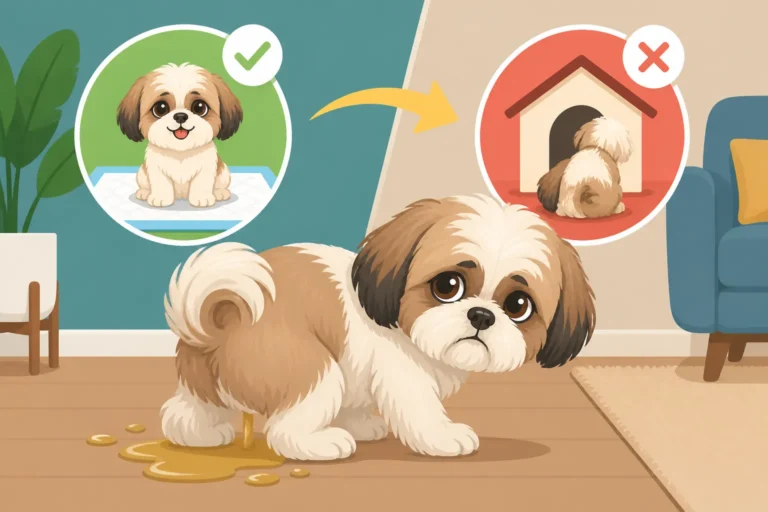
- Inappropriate Urination or Defecation: A house-trained Shih Tzu having accidents only when left alone can be a strong indicator of anxiety, not just a lack of training. They may relieve themselves in their crate or immediately after you leave, even if they had just been outside.
- Pacing and Restlessness: If your camera footage shows your Shih Tzu constantly pacing, circling, or unable to settle down for long periods, they are likely experiencing high anxiety.
- Excessive Drooling or Panting: Without exertion or heat, heavy drooling or panting can be a physical manifestation of stress or anxiety.
Physical Clues and Health Implications
Prolonged stress can have physical ramifications for your Shih Tzu.
- Loss of Appetite: If your Shih Tzu is leaving their food untouched or not engaging with their puzzle toys, it might be a sign they are too anxious to eat or play.
- Weight Loss: In severe, long-term cases of separation anxiety, the constant stress and lack of appetite can lead to noticeable weight loss.
- Self-Mutilation: In extreme cases, a Shih Tzu might obsessively lick or chew their paws or other body parts, creating "hot spots" or raw areas, as a coping mechanism for anxiety.
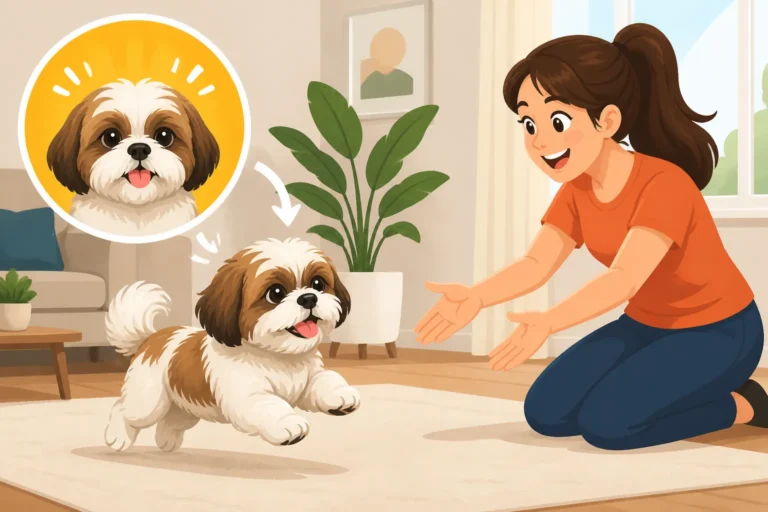
- Changes in Behavior upon Your Return: While an excited greeting is normal, an overly frantic or prolonged greeting, or conversely, a dog who seems withdrawn or unresponsive upon your return, can indicate significant stress.
Recognizing The Signs a Shih Tzu Cannot Settle Alone is critical for intervening effectively. Remember, your Shih Tzu depends entirely on you for their well-being. A workday can be a challenge, but with careful planning, training, and sometimes a little extra help, many Shih Tzus can learn to cope comfortably with your absence. It's about ensuring their physical and emotional needs are met, even when you're not physically present.
| Behavior / Indication | Possible Cause | Recommended Action |
|---|---|---|
| Persistent Barking/Howling | Separation Anxiety, Severe Boredom | Consult a professional trainer, consider vet behaviorist, gradual alone time, mental enrichment, mid-day breaks. |
| Destructive Chewing (esp. exits) | Separation Anxiety, Extreme Boredom | Secure safe space, indestructible chews, dog camera, professional help for anxiety. |
| Inappropriate Accidents (housetrained) | Separation Anxiety, Inadequate Potty Breaks | Rule out medical issues, reinforce house training, more frequent breaks (dog walker), clean thoroughly. |
| Pacing/Restlessness | Anxiety, Lack of Mental Stimulation | Increase pre-departure exercise, calming aids, puzzle toys, structured alone time. |
| Over-the-top Greetings | Pent-up Energy, Anxiety Release | Increase pre-departure stimulation, calm departures/arrivals, mid-day enrichment. |
| Refusal to Eat/Drink when alone | Anxiety | Offer high-value, familiar treats in puzzle toys, ensure comfortable environment, monitor via camera. |
| Self-licking/Chewing (leading to sores) | Stress, Anxiety | Rule out allergies/skin issues, increase mental enrichment, professional behavioral intervention. |
| Sleeps all day, no engagement | Boredom, Low Stimulation | Introduce new puzzle toys, rotate toys, increase pre-departure exercise, consider dog walker. |
Disclaimer
This article is for general informational purposes only and does not constitute professional advice. Laws, prices and regulations vary by location and change over time. Consult a qualified professional for guidance on your specific situation.