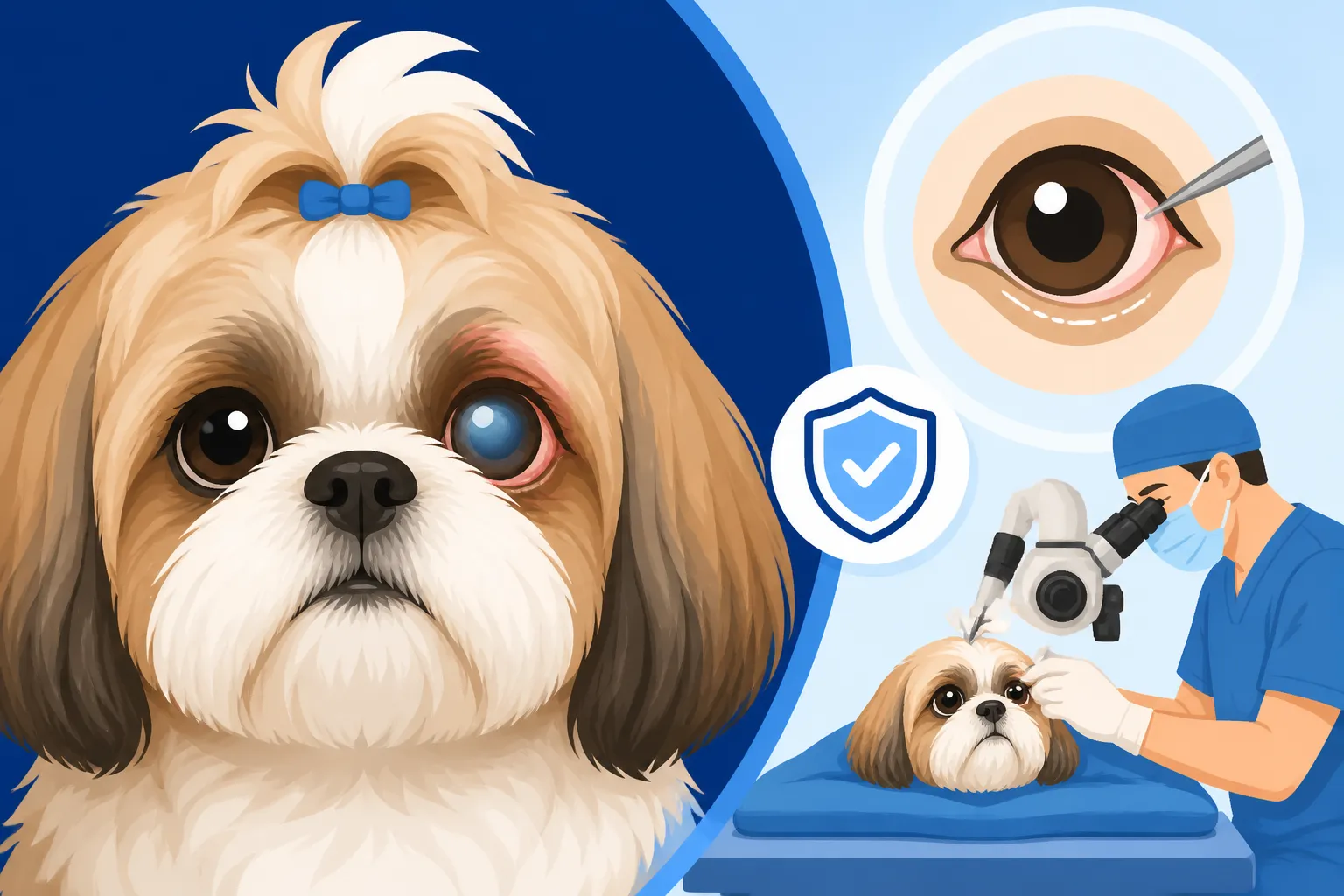
What Shih Tzu Eye Repairs Run at a Specialist
It’s a deeply unsettling moment when you notice something isn't quite right with your Shih Tzu's eyes. Given their unique facial structure, our beloved flat-faced companions are unfortunately prone to a host of ocular issues, and when those problems escalate, finding a veterinary ophthalmologist becomes a critical, and often costly, necessity. This guide aims to shed light on what you can expect in terms of specialist eye repair costs for your Shih Tzu, from initial consultations to complex surgical procedures and long-term care.
Understanding the Unique Vulnerabilities of Shih Tzu Eyes
Anyone who has loved a Shih Tzu knows their adorable, expressive eyes are one of their most defining features. But beneath that cute, often tear-stained exterior lies a set of anatomical predispositions that make them particularly vulnerable to eye problems, often requiring specialist intervention.
Brachycephalic Anatomy and Eye Health
The very thing that makes Shih Tzus so endearing—their short, pushed-in faces—also creates a cascade of potential eye issues. This "brachycephalic" structure means they have shallow eye sockets, causing their eyes to protrude more than in other breeds. This prominence leaves their eyes less protected and more exposed to environmental irritants, trauma, and drying. Think of it like a delicate jewel resting precariously on a shelf, rather than safely tucked away. The eyelids might not fully cover the eyeball, leading to chronic exposure and irritation. This can contribute to conditions like Brachycephalic Ocular Syndrome in a Shih Tzu, a complex set of problems stemming directly from their facial conformation. The tear film also tends to evaporate more quickly from these exposed surfaces, which is a major precursor to dry eye syndrome. This unique setup means that even a minor scratch or irritation can quickly escalate into something serious, demanding the expertise of a veterinary ophthalmologist who understands these specific breed challenges.
The Role of the Shih Tzu Coat and Tear Staining
Beyond their skull structure, the Shih Tzu’s luxurious, long double coat, while beautiful, also plays a significant role in their eye health challenges. Hair around the eyes, if not meticulously groomed, can constantly irritate the delicate corneal surface. Imagine having a stray hair consistently poking your eye – it’s incredibly annoying and can lead to inflammation and damage. This constant irritation can be a breeding ground for bacterial infections, which manifest as unsightly tear stains, but also potentially more serious issues. Owners often struggle to keep the hair trimmed and tied back, and even when they do, fine strands can find their way into the eyes. This isn't just an aesthetic concern; prolonged irritation can lead to chronic inflammation and even contribute to conditions like pigmentary keratitis, where dark pigment migrates onto the cornea, potentially obscuring vision. Regular, diligent grooming, which might include specific daily eye wipes available from retailers like Chewy, is an absolute must to mitigate these risks.
Common Shih Tzu Eye Conditions Requiring Specialist Care
While some minor eye irritations can be managed by your general vet, many Shih Tzu eye problems are complex and persistent, necessitating the specialized training and equipment of a veterinary ophthalmologist. These specialists have dedicated years to understanding the intricate workings of the eye and performing delicate surgical procedures.
Proptosis: The Emergency You Can't Ignore
Perhaps one of the most terrifying emergencies a Shih Tzu owner can face is eye proptosis, where the eyeball literally pops out of its socket. Because of their shallow orbits, even relatively minor trauma or rough handling can cause this to happen. It's an instant panic moment for any owner, and rightly so, as it's a true veterinary emergency. Knowing What to Do in the First Minutes of a Proptosis is crucial, but immediate specialist care is paramount for the best outcome. The cost of a proptosis repair is highly variable depending on the severity, whether the eye can be saved, and if there are other complicating factors. If the eye can be salvaged, the veterinary ophthalmologist will carefully clean the eye, reposition it into the socket, and then perform a temporary tarsorrhaphy – stitching the eyelids partially closed to hold the eye in place while it heals. This procedure requires general anesthesia, specialized instruments, and meticulous post-operative care, all contributing to the specialist bill. In some unfortunate cases, if the damage is too severe, the eye may need to be removed entirely, which is a different, though also costly, surgical procedure. This immediate, high-stakes situation often comes with an emergency room surcharge on top of the specialist's fees.
Corneal Ulcers and Dry Eye KCS
Corneal ulcers are open sores on the surface of the eye, and Shih Tzus are notoriously susceptible to them due to their prominent eyes and the potential for constant irritation from hair or foreign bodies. These can be incredibly painful and, if left untreated, can lead to permanent vision loss or even rupture of the eyeball. Often, ulcers are exacerbated or caused by Shih Tzu Corneal Ulcers and Dry Eye, also known as Keratoconjunctivitis Sicca (KCS). KCS is a chronic condition where the eyes don't produce enough tears, leading to a perpetually dry, irritated surface. This lack of lubrication makes the cornea incredibly vulnerable to damage.
Diagnosing KCS typically involves a Schirmer tear test, which measures tear production, along with a fluorescein stain to visualize any ulcers. Treatment for KCS usually involves lifelong prescription eye drops to stimulate tear production or provide artificial tears, which can be a recurring cost. For ulcers, treatment may range from antibiotic eye drops for simple ulcers to surgical intervention, such as a grid keratotomy or conjunctival flap surgery, for deeper or non-healing ulcers. These surgeries are highly specialized and aim to debride the damaged tissue and promote healing, often costing thousands of dollars when performed by a veterinary ophthalmologist. Owners who understand Dry Eye in a Shih Tzu and Lifelong Drops are prepared for the commitment, but the cost of the medications alone can add up over years.
Eyelid and Eyelash Abnormalities
Many Shih Tzus suffer from genetic eyelid and eyelash abnormalities that can cause chronic irritation and damage to the eye.
- Entropion: This is a condition where the eyelid rolls inward, causing the eyelashes and surrounding hair to rub against the cornea. It's intensely irritating and can lead to pain, corneal ulcers, and pigmentary keratitis. Surgical correction, known as blepharoplasty, is often necessary to reposition the eyelid. This procedure requires precision to avoid over or under-correction and often involves multiple sutures to reshape the eyelid, which a general practitioner may not be comfortable performing. Learning about Shih Tzu Entropion and Eyelid Surgery can help owners understand the nuances of this procedure.
- Ectropion: While less common in Shih Tzus than entropion, ectropion is the opposite, where the eyelid rolls outward, exposing the delicate conjunctiva and leaving the eye vulnerable to dryness and infection.
- Distichiasis and Ectopic Cilia: These conditions involve eyelashes growing in abnormal places. Distichiasis means extra eyelashes grow from the oil glands in the eyelid margin and often rub against the cornea. Ectopic cilia are even more problematic, as they grow through the conjunctiva and directly irritate the cornea. Both can cause severe pain and corneal damage. Treatment usually involves cryoepilation (freezing the hair follicles) or surgical removal, procedures best performed by a specialist to prevent recurrence and minimize damage. Owners often discover these issues after their pet repeatedly paws at their eyes or has chronic redness, despite diligent care for Shih Tzu Eyelash and Eyelid Problems.
Cataracts and Glaucoma
While not always breed-specific, Shih Tzus can develop cataracts and glaucoma, both serious conditions that can lead to blindness.
- Cataracts: These are opacities within the lens of the eye that obstruct light, leading to blurry vision and eventual blindness. While some cataracts are age-related, others can be inherited or secondary to other diseases like diabetes. If a Shih Tzu's eyes become cloudy or they start bumping into things, cataracts might be the culprit. A specialist can assess the type and maturity of the cataract. Surgical removal of cataracts, involving phacoemulsification (using ultrasound to break up and remove the cloudy lens), is the only effective treatment. This is a highly advanced micro-surgical procedure that can cost several thousand dollars per eye and is only performed by board-certified veterinary ophthalmologists. Discovering Cataracts Behind a Shih Tzu's Bulging Eye often leads to a referral to a specialist.
- Glaucoma: This is a painful condition characterized by increased pressure within the eye, which damages the optic nerve and can quickly lead to irreversible blindness. Shih Tzus, like other brachycephalic breeds, can be predisposed to certain forms of glaucoma. Symptoms can include a red, swollen, painful eye, and a dilated pupil. Diagnosis involves measuring the intraocular pressure (tonometry). Treatment aims to reduce pressure with medications, but often surgical intervention is required to save vision or alleviate pain, such as laser cyclophotocoagulation or placement of an intraocular shunt. Glaucoma is a medical emergency, and rapid specialist intervention is critical to preserving any remaining vision.
Breaking Down the Costs of Specialist Shih Tzu Eye Repairs
Understanding the financial commitment involved in specialist eye care for your Shih Tzu is essential for preparedness. These are not cheap procedures, and the costs reflect the highly specialized nature of veterinary ophthalmology.
Diagnostic Fees and Initial Consultations
When you first suspect a serious eye problem, your general veterinarian will likely perform an initial examination. If they determine the issue requires specialized care, they’ll refer you to a veterinary ophthalmologist. The first step with the specialist is a comprehensive consultation. This alone can range from $150 to $350, sometimes more if it’s an emergency after-hours visit.
During this initial visit, the ophthalmologist will conduct a thorough eye exam, which includes several diagnostic tests:
- Schirmer Tear Test: Measures tear production, essential for diagnosing dry eye. Cost: $25 – $75.
- Fluorescein Stain: Detects corneal ulcers and abrasions. Cost: $25 – $50.
- Tonometry: Measures intraocular pressure to screen for glaucoma. Cost: $50 – $100.
- Ophthalmoscopy: Detailed examination of the back of the eye (retina and optic nerve). Included in consultation fee or small additional charge.
- Ultrasound or Electroretinography (ERG): For more complex cases, such as assessing damage behind the lens or retinal function, these can add $200 – $600 per eye.
So, just to get a clear diagnosis and treatment plan, you could be looking at several hundred dollars before any procedures even begin.
Surgical Procedures and Anesthesia Costs
If surgery is required, this is where the costs truly escalate. Each procedure has its own complexity, required equipment, and recovery protocol, directly impacting the price tag.
| Condition/Procedure | Estimated Specialist Cost (Per Eye) | Notes |
|---|---|---|
| Proptosis Repair | $1,500 – $4,000+ | Emergency, depends on severity, includes anesthesia & hospital stay. |
| Corneal Ulcer (complex/deep) | $1,200 – $3,500+ | Surgical debridement, conjunctival flap, or grid keratotomy. Anesthesia extra. |
| Entropion/Ectropion Repair | $1,000 – $2,500 | Blepharoplasty. Usually requires general anesthesia. |
| Distichiasis/Ectopic Cilia | $800 – $2,000 | Cryoepilation or surgical removal. May need multiple sessions. |
| Cataract Surgery | $3,000 – $5,000+ | Phacoemulsification, highly specialized. Pre-op diagnostics often add $500+. |
| Glaucoma Surgery | $2,500 – $4,500+ | Laser procedures or shunt placement. Often combined with lifelong medication. |
| Enucleation (Eye Removal) | $1,000 – $2,500 | If eye is unsalvageable or for pain relief. Includes anesthesia. |
These costs typically include the surgeon's fee, operating room use, and standard anesthesia. However, anesthesia itself can be a significant component, especially for a brachycephalic breed like the Shih Tzu, who have increased risks associated with sedation. Pre-anesthetic bloodwork (which is strongly recommended, if not required) adds another $100 – $300. Monitoring during anesthesia, using specialized equipment, and having a dedicated veterinary technician often accounts for $500 – $1,500 of the total surgical bill. Given their susceptibility to Shih Tzu Anesthesia Risk From a Flat Face, careful monitoring and specialized protocols are non-negotiable, and these safety measures contribute to the overall cost.
Post-Operative Care, Medications, and Follow-ups
The journey doesn't end when your Shih Tzu comes home from surgery. Post-operative care is critical for healing and preventing complications, and it comes with its own set of expenses.
- Medications: Expect a regimen of prescription eye drops (antibiotics, anti-inflammatories, tear stimulants), oral antibiotics, and pain medication. These can range from $50 to $300+ per month, depending on the specific drugs and duration. Some eye drops are particularly expensive and may be needed for weeks or even months. Many of these medications can be sourced from online pharmacies like Chewy, sometimes at a lower cost than directly from the specialist, but always ensure your vet approves the source.
- E-collar: A cone of shame is essential to prevent your Shih Tzu from scratching or rubbing their healing eye. These are typically $15 – $40.
- Follow-up Appointments: Several follow-up visits with the ophthalmologist are usually required to monitor healing, remove sutures, and adjust medications. Each follow-up appointment can cost $100 – $250, and you might need multiple over several weeks or months. For complex cases like cataract surgery, these follow-ups can be extensive.
- Ongoing Management: For chronic conditions like dry eye or glaucoma, the costs for medications and regular re-check appointments with either your general vet or the specialist will be a lifelong expense.
Navigating Insurance and Financial Planning for Shih Tzu Eye Care
The sticker shock from specialist vet bills is real. It’s why planning ahead for potential health issues, especially those common to Shih Tzus, is so incredibly important.
How Pet Insurance Helps (and Where it Falls Short)
Pet insurance can be a lifesaver when facing unexpected, high-cost specialist treatments like eye surgery. Companies like Healthy Paws offer comprehensive plans that often cover a significant portion of accident and illness costs, including specialist visits, diagnostics, surgery, and medications. However, it’s crucial to understand how pet insurance works before you need it. Most policies operate on a reimbursement basis: you pay the vet upfront, then submit a claim for reimbursement. Deductibles and reimbursement percentages (e.g., 70%, 80%, 90%) will impact your out-of-pocket costs.
The biggest hurdle with pet insurance, particularly for chronic conditions or issues present from puppyhood, is the concept of "pre-existing conditions." If your Shih Tzu showed signs of dry eye or had an entropion diagnosis before you enrolled in a policy, that specific condition will likely be excluded from coverage. This is why enrolling a Shih Tzu when they are a young puppy and healthy is often the best strategy to maximize benefits. It's a real frustration for owners who find themselves trying to get coverage when their pet is already experiencing symptoms. Understanding Eye Conditions as Pre-Existing on a Shih Tzu Policy is vital. Always read the policy details carefully and ask about specific breed-related exclusions or waiting periods for orthopedic conditions or other common Shih Tzu ailments. When you're considering Shih Tzu Insurance Premiums Month by Month, remember that a higher premium often means better coverage or a lower deductible, which can significantly reduce your financial burden during a crisis.
Budgeting and Savings for Unexpected Eye Emergencies
Even with insurance, you’ll still have deductibles, co-pays, and potentially non-covered services to contend with. For those without insurance, a dedicated emergency fund is paramount. Consider setting aside a certain amount each month specifically for your Shih Tzu's potential medical needs. A good rule of thumb is to aim for a fund that could cover at least one major emergency, which, for eye surgery, could easily be $3,000 to $5,000. Many owners find it helpful to start a separate savings account, even if it's just putting away $50-$100 a month from the day they bring their puppy home. This foresight can prevent the heartbreaking situation of having to choose between your pet's health and your financial stability. Learning about Setting a Shih Tzu Deductible Against Eye Bills can help you tailor your insurance plan to your budget and potential costs.
Exploring Financial Aid Options
If you find yourself facing an astronomical vet bill without adequate savings or insurance, there are resources that can help. Many veterinary clinics offer payment plans through third-party services like CareCredit or Scratchpay, which function like credit cards specifically for vet expenses, often with interest-free periods if paid off within a certain timeframe. Additionally, several non-profit organizations provide financial assistance for pet owners in need. These include:
- The Pet Fund: Provides financial aid to owners who need urgent veterinary care.
- RedRover: Offers grants for emergency veterinary care.
- Various breed-specific rescues and foundations: Some Shih Tzu rescue organizations may offer assistance or have connections to programs that can help.
- University Veterinary Teaching Hospitals: Often have funds for compassionate care or conduct clinical trials that could offer reduced-cost treatment for certain conditions.
Don't hesitate to speak openly with your veterinary ophthalmologist's office about financial concerns. They often have experience guiding clients through these difficult situations and can provide information on available resources.
Finding the Right Veterinary Ophthalmologist for Your Shih Tzu
When your Shih Tzu's eyesight is on the line, choosing the right specialist is as important as understanding the financial implications. A board-certified veterinary ophthalmologist has undergone extensive additional training beyond veterinary school, including an internship and a multi-year residency, culminating in rigorous board examinations.
Credentials and Experience to Look For
The key credential to seek is "Diplomate of the American College of Veterinary Ophthalmologists" (DACVO). This certification ensures the vet has specialized expertise in all aspects of animal eye care. You want someone who not only understands the general principles of ophthalmology but also has significant experience with brachycephalic breeds like Shih Tzus. Their unique anatomy requires a delicate hand and specific surgical approaches that a general vet simply might not have mastered. Ask about their caseload of Shih Tzus or other brachycephalic dogs with similar eye conditions. Experience in delicate micro-surgical techniques is also paramount, especially for procedures like cataract removal or complex corneal repairs.
Questions to Ask During a Consultation
Don't be afraid to come prepared with a list of questions for your initial consultation. This is your pet's health, and you have every right to be fully informed. Some key questions include:
- What is your diagnosis, and what are all the treatment options, including prognosis for each?
- What are the risks associated with the recommended procedure, especially concerning anesthesia for a brachycephalic breed?
- What is the estimated total cost, including pre-op diagnostics, surgery, anesthesia, medications, and follow-up visits? Request an itemized estimate.
- How much experience do you have with this specific condition in Shih Tzus?
- What is the typical recovery time, and what specific care will be needed at home?
- Are there any non-surgical alternatives or complementary therapies we should consider?
- Who do I contact if I have questions or concerns after hours?
A good specialist will welcome your questions and take the time to explain everything clearly and empathetically.
Geographic Considerations and Travel
Veterinary ophthalmologists are specialists, and as such, they are not available in every town or city. You might need to travel a significant distance to find one. Many are located in larger metropolitan areas, affiliated with university veterinary hospitals, or in large specialty referral centers. Consider the logistics of travel for multiple appointments, especially for post-operative checks. Factor in travel time, gas costs, and potentially even overnight stays if the specialist is far away. Some owners have to drive several hours for each visit, which adds to the overall burden. It's a commitment, but for preserving your Shih Tzu's vision and quality of life, it's often a necessary one.
Long-Term Management and Prevention of Eye Issues
Preventing eye problems in your Shih Tzu, or managing existing chronic conditions, is a lifelong commitment that can significantly impact their comfort and potentially reduce the frequency of costly specialist interventions.
Daily Home Care and Grooming Routines
Consistent daily home care is your first line of defense against many Shih Tzu eye problems. This includes:
- Regular Face Wiping: Use sterile eye wipes designed for pets to gently clean around their eyes daily, removing tear stains and any accumulated debris. Products specifically formulated for tear stains, often found on Chewy, can be helpful.
- Hair Trimming: Keep the hair around their eyes meticulously trimmed or tied up in a topknot to prevent irritation. Trimming Face Hair Away From Shih Tzu Eyes is not just for looks; it's a critical health measure. If you have a full-coated Shih Tzu, this is a daily task that cannot be skipped.
- Eye Drops/Medications: If your Shih Tzu has a chronic condition like dry eye or glaucoma, adhering strictly to the prescribed eye drop regimen is non-negotiable. Missing doses can lead to flare-ups and further damage, potentially resulting in more specialist visits.
- Regular Brushing: A clean, well-maintained coat overall reduces the chance of stray hairs irritating the eyes. For Brushing a Shih Tzu Double Coat Every Day, focus on the areas around the face and ears to prevent mats that could pull on facial skin and eyelids.
These routine tasks, while seemingly small, are paramount in preventing minor irritations from escalating into major problems that require specialist care.
Regular Veterinary Check-ups and Early Detection
Even with the best home care, regular check-ups with your primary veterinarian are essential for early detection of potential eye issues. Your vet can perform routine eye exams, and if they notice anything suspicious, they can refer you to an ophthalmologist before the condition becomes severe or irreversible. Early detection often means less invasive and less costly treatments. For instance, catching dry eye early might mean managing it with drops rather than dealing with severe ulcers later on. Discuss any changes in your Shih Tzu's eyes, even subtle ones like increased blinking, discharge, or cloudiness, with your vet promptly. It’s also important to follow a schedule of Senior Shih Tzu Care Past the Age of Ten, as many eye conditions can develop or worsen with age.
Diet, Supplements, and Environmental Control
While diet and supplements won't cure a severe eye condition, a balanced, high-quality diet and appropriate supplements can support overall health, including eye health. Some veterinarians recommend omega-3 fatty acids for their anti-inflammatory properties, which can be beneficial for various ocular conditions, including dry eye. Always consult your vet before adding any supplements to your Shih Tzu's diet.
Environmental control also plays a role. Protect your Shih Tzu from strong winds, dust, and allergens, which can exacerbate eye irritation. Avoid using harsh cleaning chemicals or sprays near their face. If you live in a very dry climate, a humidifier in your home can sometimes help alleviate dry eye symptoms. Minimizing exposure to rough play with larger dogs or young children who might accidentally poke their eyes can also prevent trauma, especially proptosis. Remember, Rough Play That Puts a Shih Tzu Eye at Risk can have severe and costly consequences.
Disclaimer
The information provided in this article is for general informational purposes only and does not constitute veterinary medical advice. Always consult with a qualified veterinarian or veterinary ophthalmologist for any health concerns or before making any decisions related to your Shih Tzu's health and treatment. Costs mentioned are estimates and can vary significantly based on location, specialist, and the specific needs of your pet.