Vision Loss in a Senior Shih Tzu
It’s heartbreaking to watch our beloved Shih Tzus slow down as they age, and perhaps even more so when they start bumping into furniture or seeming disoriented in familiar surroundings. Vision loss in a senior Shih Tzu isn't just about them getting a little clumsy; it can be a deeply confusing and frustrating experience for them, and a worrying one for us as their devoted companions. This guide is here to walk you through understanding why your senior Shih Tzu might be losing their sight, how to spot the signs, and most importantly, how to support them through these changes with love and practical care.
Understanding Normal Versus Concerning Vision Changes
When your sweet, fluffy companion starts to enter their golden years, typically around the age of ten or so, it’s natural to notice some changes. Just like us, their senses can begin to dull a bit. But there’s a real difference between the subtle shifts of normal aging and the more profound, often painful, conditions that can steal their sight. It’s easy to dismiss early signs, thinking it’s just part of being an "old dog," but catching issues early can make a world of difference.
The Subtle Hints of Age-Related Decline
You might first notice your Shih Tzu hesitating at the top of the stairs, or maybe they seem a little less confident navigating a darkened room at night. This isn't usually a sudden, dramatic blindness, but rather a gradual dimming of their vision. Imagine looking through a slightly fogged-up window all the time; that’s often what early age-related changes feel like for them. They might still see well enough in bright light, or manage perfectly fine in their own home where every piece of furniture is known by heart.
One of the common misconceptions is that "old age cataracts" are just a normal part of getting older and don't need treatment. While some clouding of the lens can occur with age, true cataracts are a disease process and can severely impair vision, often requiring intervention if you want to preserve or restore their sight. It's important not to confuse a natural lens cloudiness, called nuclear sclerosis, with actual cataracts. Nuclear sclerosis is a bluish-gray haze in the pupil and usually doesn’t significantly impact vision in familiar surroundings. A vet can easily tell the difference.
Recognizing Urgent Signs of Vision Problems
Beyond the gradual dimming, there are definite red flags that warrant an immediate trip to the veterinarian. These signs often point to painful conditions or rapidly progressing diseases that can lead to permanent blindness if not addressed quickly. If you see your Shih Tzu suddenly bumping into everything, looking anxious, or showing signs of pain around their eyes, don't wait.
A sudden onset of clumsiness, like repeatedly walking into walls or failing to see a treat dropped right in front of them, is a major warning. You might also notice changes in the eye itself: a milky white appearance, a blue haze that wasn’t there before, or perhaps one eye seeming larger or more prominent than the other. Sometimes, the pain manifests as behavioral changes—they might become withdrawn, snap when approached, or rub their face excessively. Keep an eye out for any discharge, redness, or swelling. These aren't just cosmetic issues; they indicate active disease that needs urgent attention. For any sudden changes, it's always best to consult with your vet immediately.
Common Causes of Vision Loss in Senior Shih Tzus
Unfortunately, our adorable little lion dogs are predisposed to several eye conditions due to their unique facial structure, and these can become more prevalent or severe as they age. Knowing what to look for can help you advocate for your pet and ensure they get the right diagnosis and care.
Cataracts and Their Progression
Cataracts are perhaps one of the most commonly recognized causes of vision loss in older dogs. A cataract is essentially a clouding of the lens inside the eye, which prevents light from reaching the retina. Think of it like a permanent, opaque fog that gets thicker and thicker, eventually blocking out all light. This isn't just a cosmetic issue; it's a serious condition that can lead to complete blindness.
In Shih Tzus, cataracts can develop due to genetic predisposition, diabetes, injury, or simply as part of the aging process. You'll typically notice a milky-white or bluish-white opacity forming behind the pupil. Initially, it might be small and only affect a portion of their vision, but over time, it can grow to cover the entire lens. This progression can be slow, sometimes taking years, or it can be quite rapid, especially if an underlying disease like diabetes is present.
If a Shih Tzu develops cataracts, surgical removal is often an option to restore sight. It's a specialized procedure performed by a veterinary ophthalmologist, and success rates are generally high. However, it can be costly, and this is where having pet insurance, like a policy from Healthy Paws, can really make a difference. Knowing that a significant portion of these high-tech treatments might be covered can alleviate the financial stress and allow you to make the best decision for your furry family member without hesitation. Post-operative care involves administering eye drops for several weeks, which requires dedication but is well worth it to see your dog regain their sight.
Glaucoma: A Painful Pressure Problem
Glaucoma is a much more urgent and often painful condition where the pressure inside the eye builds up to damaging levels. It’s caused by a fluid imbalance within the eye; either too much fluid is produced, or it doesn't drain properly. This increased pressure damages the optic nerve and retina, leading to irreversible blindness very quickly.
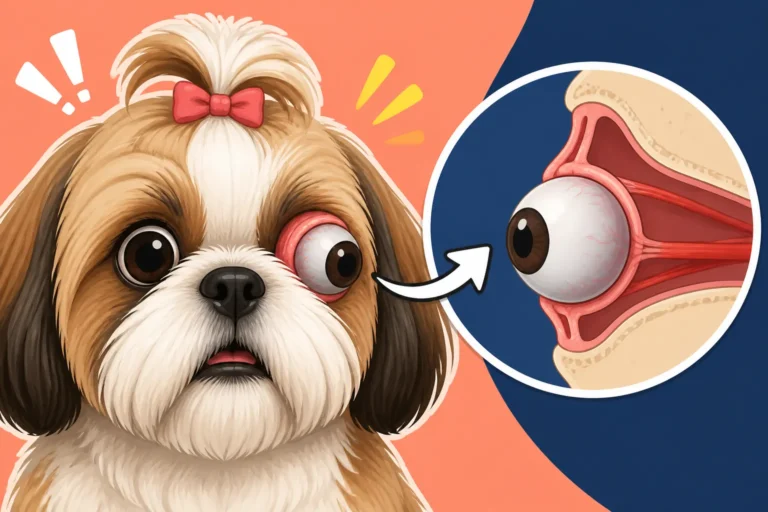
For Shih Tzus, glaucoma can be primary (inherited) or secondary (caused by another eye problem like inflammation, advanced cataracts, or a tumor). The signs are often sudden and severe. You might notice your Shih Tzu squinting, rubbing their eye, or holding it shut. The affected eye may appear red, watery, and swollen or cloudy. The pupil might be dilated and unresponsive to light. One of the most telling signs is that the eye can literally begin to bulge and appear noticeably larger than the other.
Because glaucoma is incredibly painful and can cause permanent blindness within 24-48 hours if left untreated, it is considered a veterinary emergency. If you suspect glaucoma, get your Shih Tzu to an emergency vet immediately. Treatment often involves medications to reduce the eye pressure, and in severe cases, surgery might be necessary to preserve some vision or alleviate pain if vision is already lost. Even with prompt treatment, managing glaucoma is often a lifelong commitment. The cost of emergency care and ongoing medication can add up quickly, which is why many owners appreciate having the safety net of pet insurance. Early enrollment in a plan from providers such as Healthy Paws can help cover these ongoing costs, which can be a huge relief during such a stressful time.
Other Conditions Affecting Shih Tzu Vision
While cataracts and glaucoma are major players, other conditions can also contribute to vision loss in senior Shih Tzus.
- Progressive Retinal Atrophy (PRA): This is a group of inherited degenerative diseases that affect the retina, causing a gradual decline in vision and eventually leading to complete blindness. Shih Tzus are susceptible to certain forms of PRA. Initially, you might notice your dog having trouble seeing in dim light or at night, often called "night blindness." As the disease progresses, their daytime vision will also worsen. There is currently no cure for PRA, but it's not a painful condition. Dogs with PRA adapt remarkably well to their gradual vision loss, especially in familiar environments.
- Sudden Acquired Retinal Degeneration Syndrome (SARDS): As the name suggests, SARDS causes a very rapid, often sudden, onset of blindness due to the abrupt degeneration of the retina. This typically affects middle-aged to senior dogs. Owners often report their dog going blind literally overnight or within a few days. Accompanying symptoms can include increased thirst, increased urination, and weight gain, mimicking Cushing's disease, but these are secondary to the sudden retinal damage. Unfortunately, there is no effective treatment for SARDS, and vision loss is permanent.
- Retinal Detachment: This occurs when the retina separates from the underlying supportive tissue. It can be caused by trauma, inflammation, high blood pressure, or other systemic diseases. Retinal detachment can lead to sudden, profound vision loss in the affected eye. Depending on the cause and severity, sometimes surgical intervention can reattach the retina and restore some vision, but the prognosis varies.
- Corneal Ulcers and Dry Eye: While not direct causes of internal vision loss, severe and recurring corneal ulcers or chronic dry eye (Shih Tzu Corneal Ulcers and Dry Eye) can cause scarring and opacity on the surface of the eye, significantly impairing vision over time. These conditions are also often painful and require consistent management with eye drops and medications. A serious ulcer can lead to perforation of the globe and potential loss of the eye if not treated aggressively. Sometimes, [Shih Tzu Eye Proptosis, the Emergency Owners Miss] can result in corneal damage that complicates recovery and vision. You can also explore Shih Tzu Eyelash and Eyelid Problems as they can contribute to corneal irritation.
| Vision Condition | Key Symptoms | Progression | Treatment Options |
|---|---|---|---|
| Cataracts | Milky white or bluish-white cloudiness behind the pupil; gradual loss of vision, especially in unfamiliar places. | Gradual, but can accelerate with underlying disease. | Surgical removal of the lens, medication for inflammation. |
| Glaucoma | Sudden onset of pain, squinting, redness, tearing, cloudy or bulging eye; rapid, irreversible vision loss. | Rapid, often within 24-48 hours. | Emergency medications to reduce pressure; surgery to preserve vision or alleviate pain. |
| PRA | Night blindness initially, followed by progressive daytime vision loss; pupils may appear dilated. | Gradual over months to years. | No cure; supportive care for adaptation. |
| SARDS | Very sudden, complete blindness (often overnight); may be accompanied by increased thirst, urination, and hunger. | Acute, irreversible. | No cure; supportive care for adaptation; addressing metabolic changes. |
Helping Your Shih Tzu Adapt to Vision Loss
Discovering your senior Shih Tzu is losing their sight can feel overwhelming, but they are incredibly resilient creatures. With a few thoughtful adjustments and a lot of patience, you can help them maintain a happy and fulfilling life. It’s all about creating a safe, predictable, and sensory-rich environment.
Creating a Safe and Predictable Home Environment
The most crucial step in helping a visually impaired Shih Tzu is to ensure their safety and comfort within their own home. Their world becomes about familiarity and consistency. Imagine living in a dark room; you'd want to know where everything is.
First and foremost, try your absolute best to avoid rearranging furniture. Your dog has a mental map of your home, and moving even a small end table can become a major hazard. If you must move something, do it gradually and guide them around the new obstacle repeatedly until they've re-mapped the area. Consider placing rugs or mats with different textures near doorways or at the top and bottom of stairs to signal a change in elevation or direction. For stairs, investing in a sturdy ramp can prevent falls and reduce strain on their back, especially if they are already prone to [Shih Tzu Back Problems and Disc Disease].
Block off dangerous areas like staircases with baby gates, especially when you're not supervising. Pad sharp corners of furniture with child-proofing bumpers. Make sure their food and water bowls are always in the same spot. Raised bowls can be helpful for their neck and back, and some owners even place a textured mat underneath to help their dog locate them by feel. Keeping their favorite bed and toys in consistent locations will also provide comfort and security.
Using Other Senses to Navigate Their World
When one sense declines, the others often become heightened. Your Shih Tzu will rely much more on their hearing, smell, and touch to navigate. You can actively help them develop and utilize these other senses.
Talking to your Shih Tzu frequently as you move around the house is incredibly helpful. Narrate your actions: "Mommy's coming," "Here's your dinner," "Let's go outside." This auditory cue prevents them from being startled and helps them locate you. When approaching them, speak their name gently so they know you’re there before you touch them.
Scent can also be a powerful tool. Consider placing a drop of essential oil (diluted and dog-safe, like lavender or chamomile) on a soft cloth and tucking it into their bed, or using a specific scent near their water bowl. This creates a consistent "scent map" of important locations. You can even dab a tiny bit of vanilla extract on critical obstacles, like the leg of a chair, to give them an olfactory warning.
For their toys, opt for ones that make noise, like squeaky toys or those with bells inside. Puzzle toys that dispense treats can engage their sense of smell and provide mental stimulation, which is vital for a dog that might not be able to play fetch in the same way anymore. Remember, their sense of smell is incredibly keen, and engaging it is a great way to keep them happy and stimulated.
Maintaining Routine and Emotional Support
A predictable routine offers immense comfort to a visually impaired dog. Consistent meal times, potty breaks, and playtime will help them feel secure and reduce anxiety. They thrive on knowing what to expect throughout their day.
Your emotional support is paramount during this transition. It’s natural to feel sad or frustrated, but your Shih Tzu will pick up on your emotions. Try to remain calm, patient, and positive. Give them plenty of verbal praise and gentle physical affection. They still crave your touch and reassurance.
When you take them for walks, use a consistent route at first. This allows them to memorize the path. Keep them on a leash, of course, and be extra vigilant about potential hazards like curbs, other dogs, or fast-moving objects. Consider a harness that provides good support and control, as it reduces pressure on their neck and throat, especially important for a brachycephalic breed. When introducing them to new places, allow them plenty of time to explore slowly, sniffing and feeling their way. You can even try using a "halo" device, which is a lightweight bumper that attaches to their harness and creates a protective ring around their head, preventing them from bumping into things. This can boost their confidence immensely.
Grooming might also become a bit more challenging if they can't see what's happening. Be extra gentle and talk to them soothingly throughout the process. Consistent daily brushing is still essential to prevent mats in their beautiful double coat, as mats can be painful and lead to skin issues. You can even look at tips for Brushing a Shih Tzu Double Coat Every Day and Shih Tzu Ear and Paw Care to ensure they are comfortable.
Proactive Care and When to See the Vet
Staying on top of your senior Shih Tzu's health is always important, but it becomes critical when you're managing vision changes. Regular veterinary check-ups and knowing when to seek emergency care can significantly impact their quality of life.
The Importance of Regular Senior Check-ups
As your Shih Tzu enters their senior years, typically around ten years old, those annual vet visits should ideally become semi-annual. A senior panel check-up allows your vet to thoroughly assess their overall health, not just their eyes. Conditions like high blood pressure, diabetes, or even kidney disease can sometimes manifest with eye symptoms or contribute to vision problems. Catching these early can help manage their impact on your dog's sight.
During these visits, make sure to bring up any changes you've noticed in their vision or behavior. A thorough eye exam is crucial. Your vet will look for signs of cataracts, measure intraocular pressure to screen for glaucoma, and check for any inflammation or abnormalities. They can also refer you to a veterinary ophthalmologist, a specialist who can provide even more in-depth diagnostics and discuss advanced treatment options, such as cataract surgery or specialized glaucoma management.
Remember that a good pet insurance policy, like those offered by Healthy Paws, can be incredibly valuable for senior dogs. While pre-existing conditions won't be covered, if you've had a policy in place before any vision problems arose, it could help significantly with the ongoing costs of diagnostics, specialist visits, medications, and potential surgeries. This proactive approach to insurance means you're better prepared for the unexpected health challenges that can arise as your Shih Tzu ages.
Recognizing an Eye Emergency
Some eye conditions in Shih Tzus are not just serious but are true emergencies that require immediate veterinary attention. Delaying treatment by even a few hours can mean the difference between saving an eye or losing it, or preserving vision versus irreversible blindness.
Here are the critical signs that warrant an emergency vet visit:
- Sudden Blindness: If your Shih Tzu suddenly starts bumping into everything, seems disoriented, or can't find familiar objects, it's an emergency. This could indicate SARDS, a retinal detachment, or acute glaucoma.
- Severe Eye Pain: Signs include holding the eye shut, excessive squinting, pawing at the eye, rubbing their face on the carpet, or crying out when the eye area is touched. This could be due to glaucoma, a severe corneal ulcer, or severe inflammation.
- Bulging or Swollen Eye: If one eye appears noticeably larger, more prominent, or swollen, especially if accompanied by redness or cloudiness, it's a strong indicator of glaucoma and needs immediate attention.
- Deep Redness or Blood in the Eye: Any significant redness, especially if it's not just mild irritation but a deep, angry red, or if you see visible blood within the eye, requires an emergency visit.
- Pus-like Discharge: While some watery discharge can be common, thick, green, or yellow pus indicates a severe infection that needs immediate treatment to prevent damage.
- Physical Trauma: If your Shih Tzu has suffered an injury to the eye, no matter how minor it seems, get it checked immediately. Even a small scratch can become a serious problem very quickly.
When faced with an emergency, knowing your pet insurance coverage can be a huge relief. For instance, a plan from Healthy Paws would typically cover unexpected illnesses and accidents, which most eye emergencies fall under, provided the condition isn't pre-existing. This allows you to focus on getting your beloved Shih Tzu the care they need without added financial worry. Always call ahead to your regular vet or an emergency clinic to let them know you're coming, as this allows them to prepare for your arrival. Your swift action can be the key to preserving your Shih Tzu's comfort and, hopefully, their remaining vision. You might also want to review [What Actually Ends a Shih Tzu's Thirteen Years] for other common health challenges in their later years.
Navigating Vision Loss With Compassion
Watching our cherished Shih Tzus experience vision loss is undoubtedly challenging, but it’s a journey you don’t have to face alone. Remember that your senior dog still finds immense joy in your companionship, their routine, and the familiar smells and sounds of their home. By staying vigilant for symptoms, seeking prompt veterinary care when needed, and creating a supportive environment, you can help your Shih Tzu continue to thrive and enjoy their golden years with dignity and happiness. Your love and patience are their guiding light.
Disclaimer
This article is intended for informational purposes only and does not constitute medical advice. Always consult with a qualified veterinarian for any health concerns or before making any decisions about your pet's health or treatment.