Joint Support for a Shih Tzu Back and Knees
It’s heartbreaking to watch your lively Shih Tzu start to slow down, hesitate before jumping onto the sofa, or even show signs of discomfort when moving. Our little lion dogs, with their unique builds, are unfortunately quite prone to joint issues, especially involving their delicate backs and busy knees. This guide is here to offer a deep dive into understanding why these problems occur and, more importantly, how you can proactively provide the best joint support to keep your beloved companion comfortable, mobile, and happy for years to come.
Understanding Why Shih Tzus Are Prone to Joint Issues
Shih Tzus are charming, robust little dogs, but their compact size and specific physical characteristics, particularly their long backs and short legs, do unfortunately predispose them to certain musculoskeletal challenges. It’s not about poor breeding (though responsible breeding is crucial!), but rather about the very traits that define the breed.
The Vulnerable Shih Tzu Spine
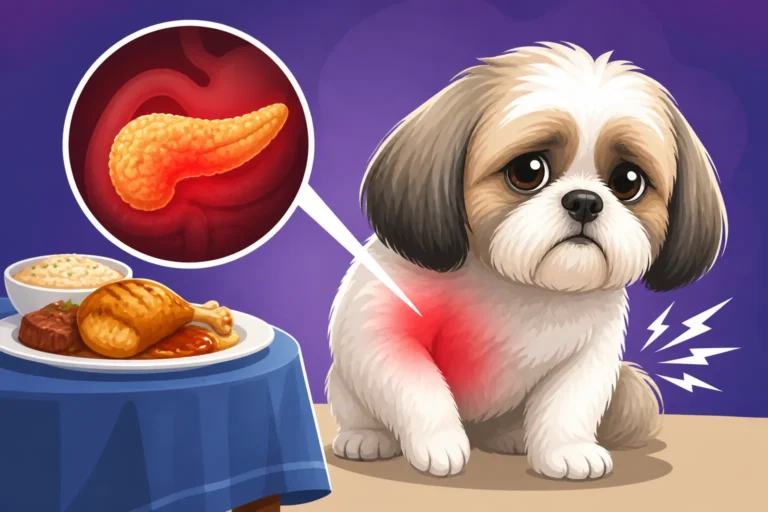
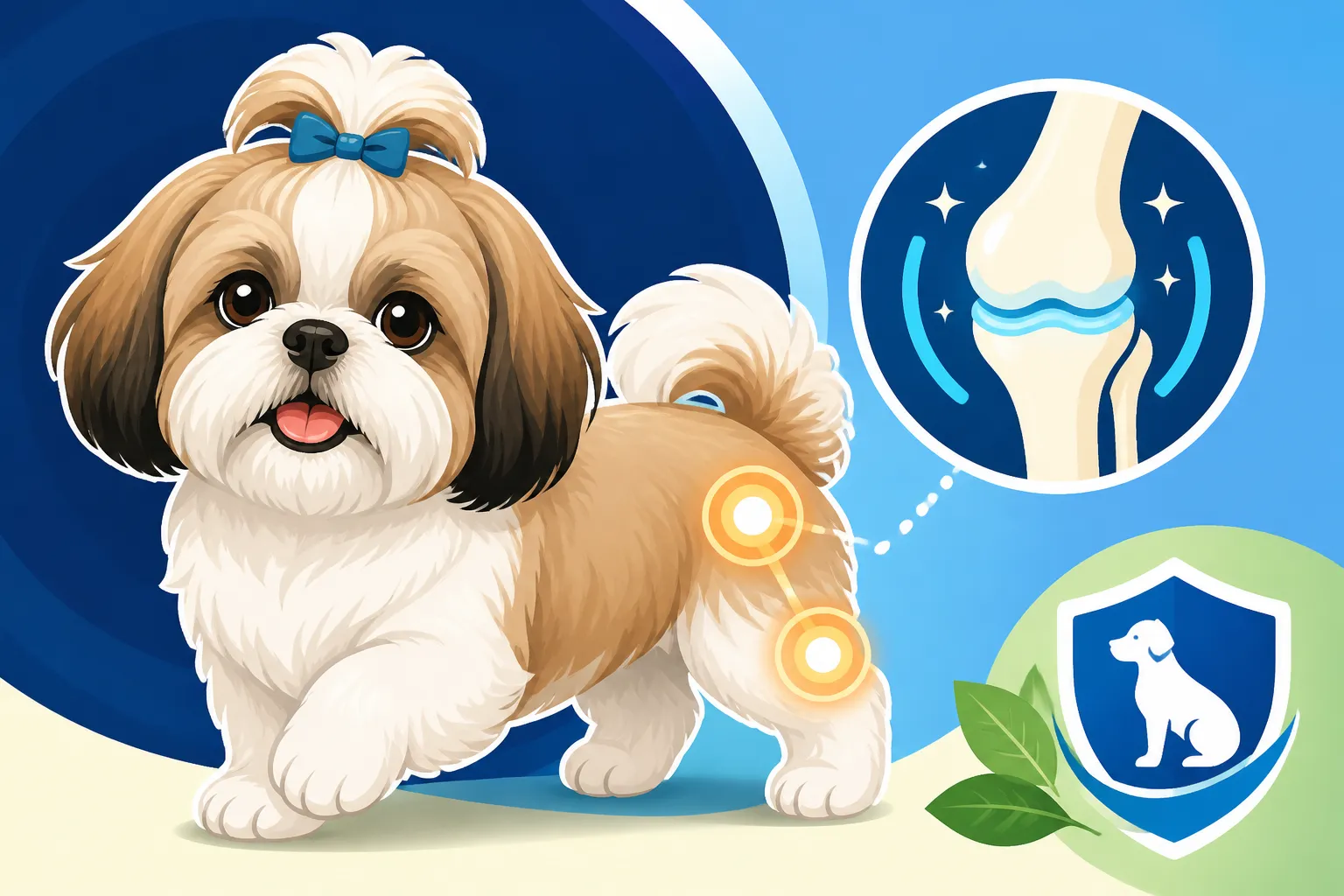
One of the most significant concerns for Shih Tzu owners is the health of their dog's spine. These dogs often have a condition known as chondrodystrophy, which essentially means their cartilage develops abnormally. While it gives them their distinctive short legs, it also makes the discs in their spine more susceptible to degeneration and herniation. This condition is formally known as Intervertebral Disc Disease, or IVDD. When these discs, which act as cushions between the vertebrae, bulge or rupture, they can press on the spinal cord, leading to pain, weakness, and in severe cases, paralysis.
It’s truly alarming how easily a disc injury can happen. A simple jump off the bed, a misstep while playing, or even a sudden twist can trigger an episode. Many owners, myself included, have had the terrifying experience of seeing their previously agile Shih Tzu suddenly yelp in pain and become reluctant to move, signaling that a disc problem could be brewing. Understanding Shih Tzu Back Problems and Disc Disease is paramount for any owner, as early recognition and management can make a world of difference. The truth is, Why a Shih Tzu Spine Is Built to Slip is a reality we must contend with, meaning preventative measures like using ramps and discouraging jumping are not just helpful, they're essential.
Patellar Luxation and Other Knee Concerns
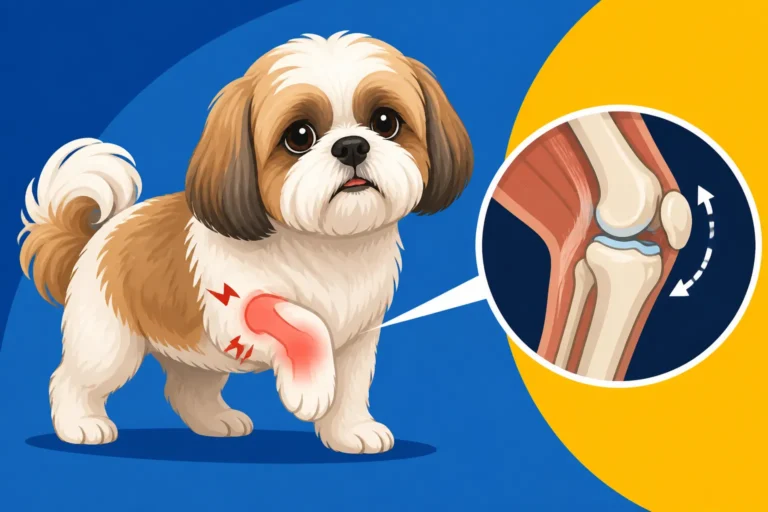
Beyond the back, the knees of a Shih Tzu are another area of common concern. Patellar luxation, or a "slipping kneecap," is notoriously prevalent in many toy breeds, including our Shih Tzus. This condition occurs when the patella (kneecap) moves out of its normal groove in the thigh bone (femur). It can cause a skipping gait, where your dog might briefly hold a leg up before putting weight on it again, or even sudden lameness. While it might seem minor at first, if left unaddressed, it can lead to more severe lameness, pain, and the development of arthritis.
You might notice your Shih Tzu giving a little "hop" or a "skip" in their step, especially after a burst of activity. This often points to A Shih Tzu Kneecap That Slips and Skips. While less common than patellar luxation, hip dysplasia can also occur in Shih Tzus, albeit not as frequently as in larger breeds. This condition involves the abnormal formation of the hip socket, leading to looseness in the joint and eventual degeneration. Regardless of whether it's the knee or the hip, these joint problems can be incredibly painful and limit your dog's ability to enjoy life. The thought of your little one being in pain is something no pet parent ever wants to face, making proactive care all the more vital.
The Onset of Arthritis in Later Life
Even if your Shih Tzu manages to escape IVDD and patellar luxation in their younger years, the natural aging process eventually takes its toll on joints. Just like in humans, dogs can develop osteoarthritis, a degenerative joint disease characterized by the breakdown of cartilage and bone remodeling. This general wear and tear is often exacerbated by any pre-existing conditions or injuries. For instance, a Shih Tzu who had even a mild case of patellar luxation might develop more pronounced arthritis in that knee as they age.
Arthritis means chronic pain and stiffness, especially after rest or in colder weather. It’s a sad but realistic part of owning an older dog, but it doesn’t have to mean a diminished quality of life. The good news is there are many ways to manage Shih Tzu Arthritis After the Age of Nine, helping your senior companion stay as comfortable and mobile as possible. However, the condition can compound existing issues, making mobility even more challenging. A sedentary lifestyle, often adopted by dogs in pain, can ironically worsen arthritis by causing muscle atrophy and further stiffening of the joints.
Recognizing the Signs Your Shih Tzu Needs Joint Support
Catching joint issues early can significantly impact the effectiveness of interventions and help maintain your Shih Tzu’s quality of life. These signs aren't always glaring, and often, our little troopers will try to hide their discomfort. It's up to us, their devoted caregivers, to be vigilant and attentive to subtle changes in their behavior and physical presentation.
Subtle Behavioral Changes
Sometimes, the first indications of joint pain aren't overt limping but rather changes in your dog's daily habits. Has your Shih Tzu, who once effortlessly launched onto the bed or eagerly bounced up the stairs, started hesitating or completely refusing these actions? This reluctance to perform activities that require jumping or climbing can be a huge red flag. A dog that previously would jump to greet you at the door might now just wag their tail from the floor, a common sign that their back or knees are no longer comfortable with the impact. A Shih Tzu That Will Not Jump on the Sofa isn't being stubborn; they're likely trying to tell you something hurts.
You might also notice a general decrease in their usual playfulness. Maybe they're less interested in chasing toys, or their play sessions are shorter than before. An increase in lethargy, longer periods of rest, or even subtle shifts in appetite can also be secondary indicators of chronic pain. They might become more irritable, sensitive to touch, or even snap when previously gentle, particularly if you inadvertently touch a sore spot. These subtle shifts can be easy to dismiss as "just getting old," but they warrant a closer look from your veterinarian.
Visible Physical Symptoms
While behavioral changes can be subtle, there are also more obvious physical symptoms to watch for. Limping is perhaps the most apparent sign, whether it's constant or intermittent. Stiffness, especially after waking up from a nap or after a period of inactivity, is another common symptom of joint pain. You might observe an unusual gait, such as a "bunny hop" when running, or your dog favoring one limb over another. For instance, Shih Tzu Hind Leg Weakness can manifest as a swaying back end or difficulty supporting their weight.
If you gently palpate their joints or back, you might notice them yelping, flinching, or even trying to nip, indicating a painful area. Difficulty getting up or lying down, or a noticeable slowness in these movements, signals discomfort. In more advanced cases, you might even observe muscle atrophy (wasting) in the affected limbs due to disuse. Keeping a close eye on their posture and movement, particularly when they are relaxed and unaware they are being watched, can often reveal these Early Shih Tzu Back Pain Signs. Trust your gut if something feels "off"; you know your Shih Tzu best.
Practical Strategies and Products for Joint Health
Once you recognize the signs or simply want to be proactive in supporting your Shih Tzu's joint health, there are many practical strategies and products you can incorporate into their daily routine. These approaches often work best in combination, addressing different aspects of joint care.
Diet and Weight Management
One of the most impactful things you can do for your Shih Tzu's joints is to maintain a healthy weight. Every extra pound puts additional stress on their delicate knees and long spine, exacerbating existing conditions and accelerating the development of new ones. It’s critical to remember that what might seem like a small amount of extra weight on a human is a huge burden for a tiny Shih Tzu. Talk to your vet about what a healthy weight range is for your individual Shih Tzu, and stick to a measured feeding plan.
Many commercial dog foods offer specific "joint support" formulas, often enriched with ingredients like glucosamine and chondroitin. While these can be beneficial, always prioritize a high-quality, balanced diet first. If your Shih Tzu is overweight, your vet might recommend a prescription weight-loss diet or a specially formulated joint-health diet. Remember, treats add calories, so choose wisely and account for them in their daily intake.
Joint Supplements and Medications
Beyond diet, specific joint supplements can play a crucial role in supporting cartilage health and reducing inflammation. The most common and well-researched ingredients include:
- Glucosamine and Chondroitin: These are natural components of healthy cartilage. Supplementing with them can help slow down cartilage degeneration and promote repair.
- MSM (Methylsulfonylmethane): An organic sulfur compound with anti-inflammatory properties, often used in conjunction with glucosamine and chondroitin.
- Omega-3 Fatty Acids: Found in fish oil, EPA and DHA are powerful anti-inflammatory agents that can help reduce joint pain and stiffness.
- Green-Lipped Mussel: A natural source of glucosamine, chondroitin, and omega-3s, known for its potent anti-inflammatory effects.
Before starting any supplement regimen, it's absolutely vital to discuss it with your veterinarian. They can recommend appropriate dosages and ensure there are no contraindications with other medications or health conditions your Shih Tzu might have. For some dogs, particularly those with more severe pain or advanced arthritis, your vet might prescribe non-steroidal anti-inflammatory drugs (NSAIDs) or other pain relievers. These medications are powerful and effective but require careful monitoring. When considering Joint Supplements for a Shih Tzu Back, always prioritize veterinary guidance to ensure safety and efficacy.
Environmental Modifications
Making your home a safe haven for your Shih Tzu is another key strategy. Those seemingly innocent jumps on and off furniture can put tremendous strain on their back and knees. Installing pet ramps or small sets of stairs next to beds and sofas can drastically reduce impact and prevent injuries. For those with slippery floors, like hardwood or tile, consider placing non-slip rugs or runners, especially in high-traffic areas or near their favorite lounging spots. This helps prevent slips and falls that could exacerbate joint issues.
Providing an orthopedic dog bed is also a wonderful investment. These beds offer superior support, cushioning painful joints and ensuring your Shih Tzu gets a truly restful sleep. A warm, comfortable bed can make a huge difference, especially for dogs with arthritis, as it helps keep muscles and joints pliable. Thinking about Ramps for a Shih Tzu With a Long Spine and how they can prevent future injury is a proactive step that will serve your dog well throughout their life.
Exercise and Physical Therapy
It might seem counterintuitive to exercise a dog with joint problems, but appropriate, low-impact exercise is crucial for maintaining muscle strength, flexibility, and healthy joint lubrication. The key is low-impact and controlled. Short, frequent walks on soft surfaces (like grass) are far better than long, strenuous outings. Avoid activities that involve a lot of jumping, twisting, or running on hard surfaces.
For dogs with more significant issues, physical therapy, including hydrotherapy (underwater treadmill), can be incredibly beneficial. The buoyancy of water reduces stress on joints while allowing your dog to build muscle strength and improve range of motion. A certified canine rehabilitation therapist can develop a tailored exercise plan that’s safe and effective for your Shih Tzu, helping to strengthen the muscles supporting their back and knees without causing further strain. Even simple, gentle stretches can make a big difference, but again, always consult with a professional.
Long-Term Management and Lifestyle Adjustments
Caring for a Shih Tzu with joint issues is often a marathon, not a sprint. It requires a long-term commitment to management, consistent care, and a keen eye for changes. Integrating these practices into their daily life will ensure they remain as comfortable and happy as possible.
Regular Vet Check-ups and Monitoring
Regular veterinary check-ups are non-negotiable, especially for a breed prone to joint problems. Your vet can monitor your Shih Tzu’s mobility, assess pain levels, and adjust treatment plans as needed. These routine visits allow for early diagnosis of new or worsening conditions, which is crucial for effective intervention. A thorough physical exam, sometimes coupled with X-rays or other diagnostics, can provide invaluable insight into their joint health.
Don't wait until your Shih Tzu is clearly in agony to seek veterinary attention. Proactive check-ups, even if just for monitoring, are an investment in their long-term well-being. For senior Shih Tzus, specialized Senior Shih Tzu Care Past the Age of Ten becomes even more critical, often involving more frequent vet visits and specific geriatric panels to catch issues before they escalate. Your vet is your best partner in navigating these challenges, so maintain open communication about any concerns you have.
Grooming and Handling with Care
Grooming a Shih Tzu, especially one with a full, flowing coat, is already a regular task. However, when joint issues are present, grooming requires extra care and sensitivity. A dog with a sore back or stiff knees might find it painful to stand for extended periods, be brushed roughly, or have their limbs manipulated. Using a grooming table at an appropriate height can help reduce strain on both you and your dog. Ensure you use gentle brushes and detangling sprays to minimize tugging.
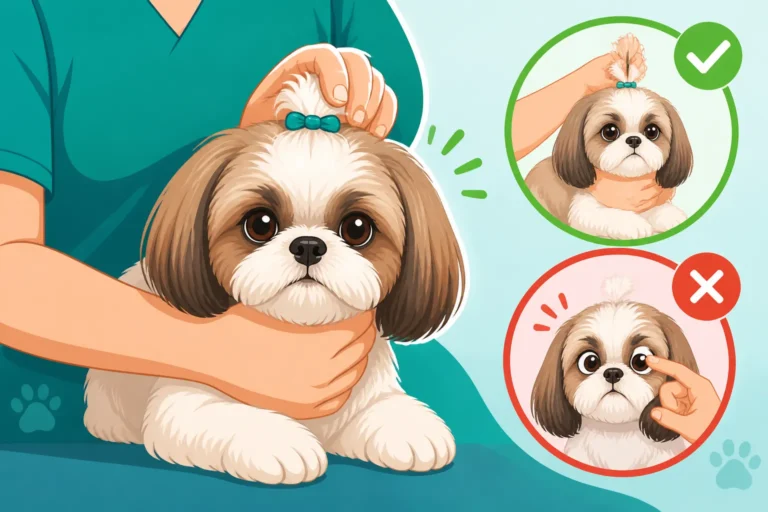
More importantly, proper lifting techniques are essential. Never lift your Shih Tzu by grabbing them under their armpits or by their front legs, as this puts immense pressure on their spine. Instead, use one hand to support their chest and the other to support their hindquarters, scooping them up in a way that keeps their spine level and supported. This is especially important for dogs with Shih Tzu Disc Disease and Sudden Back Pain. Even a gentle Shih Tzu might snap or growl if handled roughly when they are in pain, so always approach with care and watch for their cues.
The Role of Pet Insurance
Let's be realistic: chronic joint conditions, potential surgeries for patellar luxation or IVDD, and ongoing medications can be incredibly expensive. This is where pet insurance can offer invaluable peace of mind and financial support. Many owners find that having a comprehensive policy helps them make medical decisions based on their dog's best interest, rather than being solely driven by cost.
Providers like Healthy Paws, for example, are known for their broad coverage that can help with accidents, illnesses, and even chronic conditions that often affect Shih Tzus. While pet insurance typically doesn't cover pre-existing conditions, enrolling your Shih Tzu when they are young and healthy can protect them from future financial burdens related to joint issues that may arise later. Understanding Shih Tzu Pet Insurance for a Flat-Faced Toy can help you choose a plan that's right for your dog, especially given the breed's common health predispositions. The cost of procedures like knee surgery or MRI scans for back problems can be substantial, making a good insurance plan a wise investment in your dog's future health.
Supporting Mental Well-being
Living with chronic pain or mobility limitations can take a toll on a dog's mental health, leading to frustration or even depression. It’s crucial to ensure that while you are managing their physical comfort, you are also supporting their emotional well-being. Keep them engaged with activities that are safe for their joints. Puzzle toys, gentle scent games, or short, supervised play sessions can provide mental stimulation without physical strain.
Understanding their limitations doesn't mean isolating them. Continue to include them in family activities, providing comfortable, accessible spots where they can observe or participate from. If your Shih Tzu loves to cuddle, ensure they can easily get onto your lap (perhaps with the help of a ramp). A happy dog is one that feels loved, secure, and still a vital part of the family, even if their physical capabilities have changed. Even if they can't manage Stairs and Jumping That Hurt a Shih Tzu Back, they can still enjoy life fully with your thoughtful adjustments.
| Mobility Aid / Support Type | Description | Primary Benefit | Considerations |
|---|---|---|---|
| Ramps & Stairs | Graded inclines or steps for furniture & vehicles | Reduces impact from jumping, prevents spinal injury | Requires space, teach dog to use, material grip important |
| Orthopedic Beds | Beds with memory foam or supportive filling | Cushions joints, promotes restful sleep, reduces stiffness | Can be pricey, ensure appropriate size & washability |
| Harnesses (Support) | Full-body harnesses with handles for lifting/support | Aids mobility for weak hind legs, prevents slipping | Proper fit is crucial, may rub long coats if not careful |
| Non-Slip Rugs/Socks | Traction for slippery floors, paw protection | Prevents slips, reduces strain on unstable joints | Regular cleaning, dog may try to remove socks |
| Paw Balm/Grips | Moisturizes pads, adds traction to feet | Improves grip on smooth surfaces, protects pads | Regular application, can track product on floors |
Disclaimer
The information provided in this article is for general informational purposes only and is not intended as a substitute for professional veterinary advice. Always consult with a qualified veterinarian for any health concerns or before making any decisions related to your Shih Tzu's care, diet, or treatment.