Cataracts Behind a Shih Tzu’s Bulging Eye
Discovering a cloudiness in your beloved Shih Tzu's already prominent eyes, especially if one seems to be bulging more than usual, can be an incredibly alarming experience. Many owners immediately jump to the worst conclusions, feeling a knot of fear and helplessness about their tiny companion's eyesight. This guide aims to clear up the confusion around cataracts in Shih Tzus, addressing why their unique eye structure makes them prone to such issues, how to identify the signs, and the practical steps you can take to manage and maintain your dog's quality of life.
Understanding Cataracts in Your Shih Tzu's Unique Eyes
Cataracts are a common eye condition, but in a breed like the Shih Tzu, with their distinctive facial structure, they can present unique challenges and cause heightened concern. It's not just about losing vision; it's about how this condition interacts with their naturally vulnerable eyes.
What Exactly Are Cataracts?
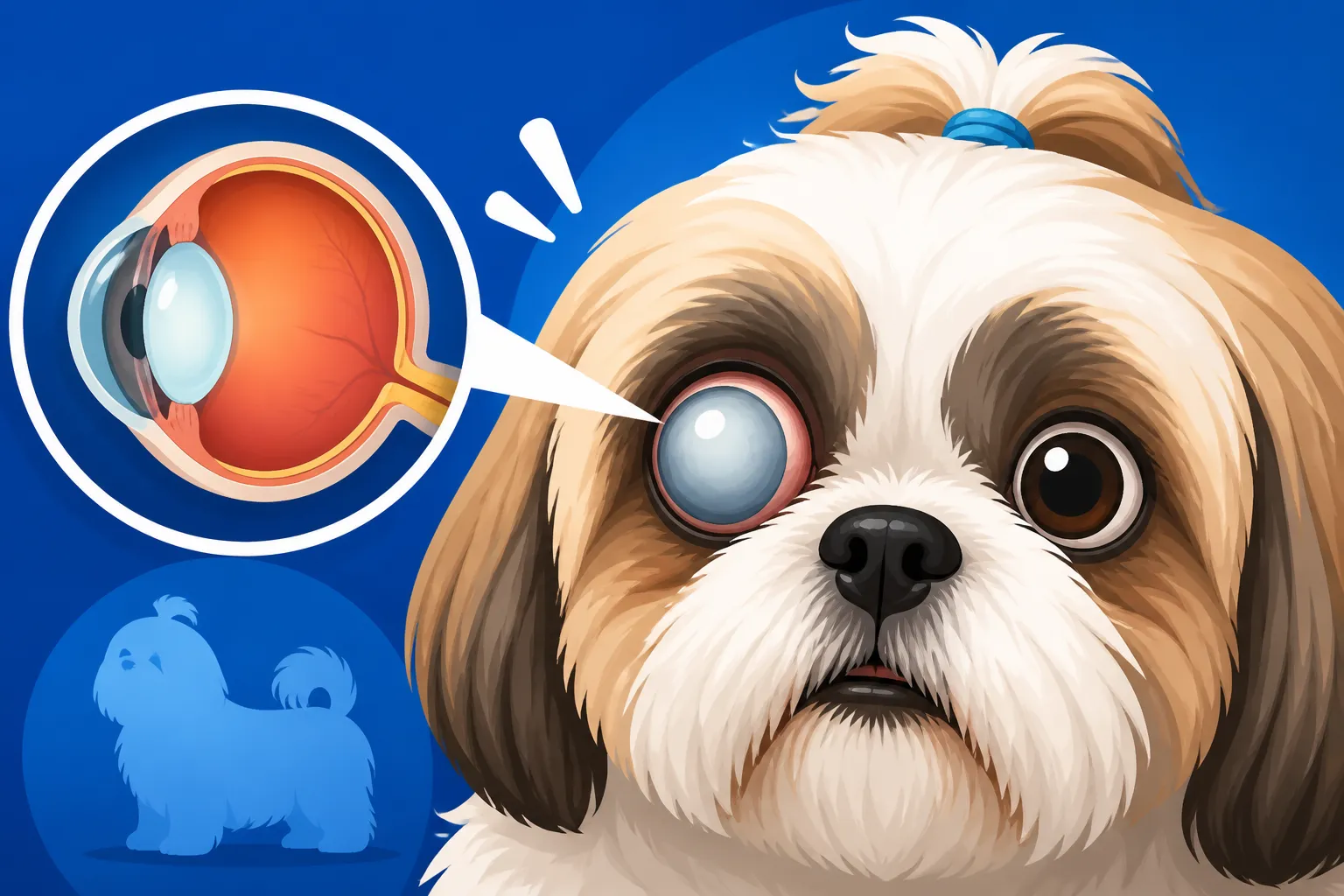
At its simplest, a cataract is an opacity or clouding of the eye's natural lens, which sits just behind the iris (the colored part of the eye) and pupil. Normally, this lens is perfectly clear, allowing light to pass through unobstructed and focus sharply on the retina at the back of the eye, which sends visual information to the brain. When a cataract forms, it essentially becomes a frosted or opaque window, scattering light and preventing a clear image from forming.
This clouding can range from a tiny, almost imperceptible spot that doesn't affect vision much, to a dense, milky white opacity that causes complete blindness. Cataracts can develop slowly over months or years, or they can appear quite rapidly, sometimes within weeks. In Shih Tzus, given their already large, often expressive eyes, even a small cataract can sometimes seem more noticeable than in other breeds. The specific location and density of the cataract will determine how much it impacts your dog's sight. Think of it like looking through a camera lens that's gradually becoming frosted – initially, you might just see a little blur, but eventually, everything becomes a hazy, indistinct mess.
Why Shih Tzus Are Prone to Eye Issues
The Shih Tzu's adorable, flat face is a defining characteristic, but it also comes with a host of anatomical considerations that make them particularly susceptible to eye problems. Their brachycephalic (short-nosed) skull structure means they have very shallow eye sockets, which causes their eyes to be naturally large and prominent, often appearing to "bulge" slightly even when healthy. This prominence leaves their eyes exposed and vulnerable to injury, irritation, and a range of conditions collectively known as Brachycephalic Ocular Syndrome in a Shih Tzu.
Because their eyes protrude, they're more susceptible to issues like dry eye (keratoconjunctivitis sicca), corneal ulcers from minor bumps or scratches, and even conditions like pigmentary keratitis where dark pigment spreads across the cornea. When you add a cataract into this equation, especially if it's advanced, the eye might appear even more pronounced or "bulging" due to associated inflammation, increased intraocular pressure (glaucoma), or simply the visual effect of a large, cloudy eye. It's a compounding worry for owners who already know their breed is prone to delicate eye health. For instance, a trauma that might cause a corneal abrasion could also, in rare cases, accelerate cataract formation, or a severe case of glaucoma (which can sometimes be secondary to an existing cataract) might cause the eye to genuinely bulge. This is why a vet's thorough examination is absolutely crucial – to distinguish between a true protrusion of the eyeball, like in Shih Tzu Eye Proptosis, the Emergency Owners Miss, and the perception of bulging caused by other co-occurring conditions.
Recognizing the Signs and Getting a Diagnosis
Catching eye problems early in a Shih Tzu can be tricky because they're such adaptable and charming little dogs. They often learn to compensate for vision loss, especially if it's gradual, by relying more on their other senses. However, knowing what to look for can make all the difference.
Subtle Clues You Might Overlook
The earliest signs of cataracts in a Shih Tzu might not be immediately obvious. You might notice a subtle change in the appearance of their pupil, which normally looks black. With a cataract, it might start to look slightly hazy, bluish-white, or even like a tiny pearl forming in the center. This cloudiness can be difficult to spot under a full Shih Tzu fringe, which is another reason why regular Trimming Face Hair Away From Shih Tzu Eyes is so vital.
Beyond the visual cues in their eye, pay close attention to your dog's behavior. Are they hesitating before jumping onto the sofa, a feat they used to accomplish with ease? Are they bumping into furniture, walls, or even your legs more often, especially in unfamiliar environments or dim lighting? Perhaps they're reluctant to go down stairs, or they seem more startled when approached from the side. They might also become less engaged in games that require good vision, like chasing a ball. Remember, Shih Tzus are masters of navigating their familiar indoor territory, so these behavioral changes might be very subtle at first. Sometimes, even if the eye isn't outwardly "bulging," the pressure or discomfort from an underlying condition like early glaucoma (which can sometimes develop alongside cataracts) can cause them to rub their face or show signs of pain, further masking the cataract itself.
| Sign Category | Early Cataract Signs | Advanced Cataract Signs |
|---|---|---|
| Eye Appearance | Slight haze/bluish tint in pupil | Milky white/opaque pupil |
| Dullness in eye's reflective quality | Complete clouding, "glassy" look | |
| Minimal change in eye prominence | Eye may appear more prominent if secondary glaucoma or swelling | |
| Behavioral | Hesitation with stairs/jumps | Bumping into objects frequently |
| Mild clumsiness in new settings | Disorientation in familiar places | |
| Reduced interest in visual games | Startled by sudden movements/objects | |
| Slower response to visual cues | Increased reliance on hearing/smell | |
| Activity | Slight reduction in activity levels | Reluctance to move, especially in dim light |
| More careful movements | Avoidance of bright lights | |
| Pain/Discomfort | Usually none | May show signs of pain if secondary glaucoma develops |
The Vet's Role in Diagnosis
If you suspect cataracts, or notice any change in your Shih Tzu's eye, your first stop should always be your veterinarian. They will perform a thorough general physical exam and then focus on the eyes. This usually involves an ophthalmoscopic examination, where they use a special light to look closely at the lens and the back of the eye. They'll assess the clarity of the lens, the size and shape of the cataracts, and whether there are any other underlying issues.
It’s incredibly important for your vet to rule out other conditions that might mimic cataracts or appear alongside them. For example, a corneal ulcer, like those discussed in Shih Tzu Corneal Ulcers and Dry Eye, can cause cloudiness on the surface of the eye, which can sometimes be confused with a cataract. More seriously, conditions like glaucoma, where pressure builds inside the eye, can cause the eye to genuinely bulge and may even lead to cataracts, or the two conditions can coexist. Your vet might also perform a Schirmer tear test to check for dry eye or measure the intraocular pressure (tonometry) to check for glaucoma, especially if the eye appears more prominent or uncomfortable. If your vet confirms cataracts, or if there's any complexity, they will often recommend a referral to a veterinary ophthalmologist – a specialist in animal eye care. This specialist has advanced equipment and expertise to precisely diagnose the type and stage of the cataract, and to discuss the best course of action. They can also differentiate between the normal prominence of a Shih Tzu's eye and a genuine emergency like What Shih Tzu Proptosis Actually Looks Like. It's a good idea to discuss the financial aspects of these specialist visits with your vet, and explore how pet insurance, such as a comprehensive policy from Healthy Paws, could help cover some of the costs for diagnostic testing and potential treatments.
Managing Cataracts and Maintaining Quality of Life
Once cataracts are diagnosed, the path forward depends on several factors: the severity of the cataracts, your Shih Tzu's overall health, and your personal circumstances. It's about finding the right balance to ensure your furry friend lives their best life.
Treatment Options and When to Consider Them
For most significant cataracts that are impacting vision, the primary treatment option is surgical removal. This procedure, called phacoemulsification, is very similar to human cataract surgery. It involves using high-frequency ultrasound to break up the cloudy lens, which is then suctioned out. An artificial intraocular lens (IOL) is usually implanted to restore vision, though some dogs do well without one, retaining some functional sight. This surgery typically has a high success rate in restoring vision, often upwards of 90%, but it's not without risks, including post-operative inflammation, glaucoma, or retinal detachment. Recovery involves a period of careful activity restriction and diligent administration of eye drops.
Cataract surgery is generally considered an elective procedure, meaning it's done to improve quality of life rather than save it. However, if left untreated, mature cataracts can sometimes lead to painful inflammation within the eye or secondary glaucoma, which can become an emergency. Your veterinary ophthalmologist will help you weigh the pros and cons, considering your Shih Tzu's age, overall health, and whether they are a good anesthetic candidate. They will also discuss the costs involved, which can be substantial for such specialized procedures. This is where having pet insurance like Healthy Paws can truly make a difference, as they often cover a significant portion of these high-cost specialty surgeries, like those outlined in Shih Tzu Surgery Costs From the Mouth to the Eye or What Shih Tzu Eye Repairs Run at a Specialist.
If surgery isn't an option due to cost, age, other health conditions, or personal choice, medical management focuses on controlling inflammation and addressing any secondary issues. This usually involves anti-inflammatory eye drops to prevent discomfort if the cataract is causing inflammation. There are no medications that will dissolve or reverse a cataract once it has formed. For a Shih Tzu, if their cataracts are linked to an underlying condition like diabetes, managing that disease meticulously is also key. Ultimately, if surgery isn't pursued, the focus shifts to helping your dog adapt to visual impairment or blindness, ensuring their safety and comfort.
Living with a Visually Impaired Shih Tzu
Whether your Shih Tzu has had surgery or is living with cataracts, adapting your home environment is crucial to their safety and happiness. Remember, dogs are incredibly resilient, and their other senses are much stronger than ours. They can thrive even with significant vision loss.
Here are some tips:
- Keep Your Home Consistent: Try to avoid moving furniture around once your Shih Tzu has mapped out their territory. Familiar pathways reduce anxiety and bumping incidents.
- Create Safe Zones: Use baby gates or pet barriers to block off stairs or dangerous areas, preventing falls that could lead to serious injuries, especially for a breed prone to back issues.
- Use Scent and Sound: Use distinct scents (like essential oils on furniture legs) or different textured mats at doorways to help your dog orient themselves. Consistent verbal cues and gentle sounds can guide them.
- Maintain Routine: A predictable daily schedule for meals, walks, and playtime helps build confidence and reduces stress.
- Safety Outside: Always keep your visually impaired Shih Tzu on a leash when outdoors, even in a fenced yard. Their depth perception is compromised, and they might wander into danger. Consider a harness that doesn't put pressure on their delicate neck.
- Gentle Approaches: Always speak to your dog before petting them, especially if they're asleep, to avoid startling them. Approach slowly and let them sniff your hand first.
- Ramps and Steps: If your Shih Tzu loves to be on the sofa or bed, consider ramps or pet steps to help them access these spots safely without jumping, which can put strain on their spine.
Living with a dog experiencing Vision Loss in a Senior Shih Tzu can be emotionally challenging for owners, but seeing your Shih Tzu adapt and continue to be a joyful companion is incredibly rewarding. Regular veterinary check-ups are still important, especially if your dog is on eye drops or if you notice any changes in their comfort or behavior. These ongoing consultations, including managing any secondary conditions that might arise, are another area where pet insurance from Healthy Paws can provide peace of mind, ensuring you can afford the best possible care throughout your Shih Tzu's life.
Preventing and Proactive Care for Shih Tzu Eyes
While not all cataracts are preventable, especially those with a strong genetic component or those linked to underlying diseases like diabetes, there are definitely proactive steps you can take to protect your Shih Tzu's precious eyes and potentially reduce the risk or severity of some issues.
The Role of Regular Eye Care
A significant part of preventing secondary eye issues, and sometimes even identifying subtle changes early, comes down to consistent, attentive daily care. Given their prominent eyes and long facial hair, Shih Tzus require a dedicated eye care routine.
- Daily Eye Checks: Make it a habit to gently examine your Shih Tzu's eyes every day. Look for redness, discharge, cloudiness, signs of squinting, or anything that seems out of the ordinary. A healthy eye should be clear and bright.
- Cleaning Around the Eyes: Shih Tzus are prone to tear staining, but regular, gentle cleaning with a vet-approved eye wash or a damp, soft cloth can help prevent irritation and bacterial build-up around the eyes. This also gives you a chance to inspect the eyes closely.
- Hair Trimming: As mentioned, long hair around the eyes can physically irritate the cornea, leading to conditions like corneal ulcers or pigmentary keratitis. Regular trimming of the hair around their eyes or carefully tying it up in a topknot is not just for aesthetics; it's a vital part of their eye health. This falls under routine grooming, but it's an important one to master or ensure your groomer is diligent about.
- Diet and Overall Health: A balanced, high-quality diet supports overall health, including eye health. While no specific diet prevents cataracts, good nutrition can help manage conditions like diabetes, which can be a risk factor for cataract development. Keep your Shih Tzu at a healthy weight to prevent obesity-related health issues. Also, remember that Daily Toothbrushing in a Crowded Shih Tzu Jaw is paramount to their overall health, and oral bacteria can sometimes impact other body systems, including the eyes.
Genetic Screening and Responsible Breeding
For future Shih Tzu owners, or for those considering breeding, understanding the genetic component of cataracts is extremely important. Some cataracts are hereditary, meaning they are passed down through generations.
- OFA Eye Certification: Responsible breeders will have their breeding dogs undergo regular eye examinations by a board-certified veterinary ophthalmologist. The results are often registered with organizations like the Orthopedic Foundation for Animals (OFA) through their Eye Certification Registry (CAER) program. This screening helps identify breeding dogs with hereditary eye diseases, including certain types of cataracts, before they are passed on to puppies. Look for evidence of these certifications, which are an essential part of Health Testing a Shih Tzu Breeder Should Do.
- DNA Testing: Advances in genetic testing mean that for some specific types of inherited cataracts, DNA tests are available. These tests can identify carriers of the gene responsible for the condition, even if the dog itself doesn't show symptoms. A comprehensive The DNA and OFA Tests for a Shih Tzu Litter can give you invaluable insight into a puppy's potential genetic predispositions.
- Choosing a Reputable Breeder: When looking for a Shih Tzu puppy, always choose a breeder who is transparent about their dogs' health history, performs all recommended health screenings, and is willing to show you the health certificates of the parent dogs. A responsible breeder will prioritize the health and longevity of their puppies, rather than just aesthetics or rarity of color.
By being proactive in daily care and supporting responsible breeding practices, you contribute not only to your own Shih Tzu's well-being but also to the health of the breed as a whole. This long-term commitment is part of what makes sharing your life with a Shih Tzu so rewarding, and helps extend their Shih Tzu Lifespan and the Thirteen Year Average.
Disclaimer
The information provided in this article is for educational purposes only and is not intended to be a substitute for professional veterinary advice, diagnosis, or treatment. Always seek the advice of your veterinarian or other qualified pet health provider with any questions you may have regarding a medical condition.