Thyroid Disease Thinning a Shih Tzu Coat
It’s truly disheartening to see your beloved Shih Tzu’s once luxurious, flowing coat begin to thin, dull, or even fall out in patches, often accompanied by a host of other confusing symptoms that leave you scratching your head. This isn't just a cosmetic issue; it can be a significant indicator of an underlying health problem. This guide will delve deep into understanding thyroid disease in Shih Tzus, specifically hypothyroidism, and how it impacts their iconic coat, overall health, and what steps you can take to bring them back to their vibrant selves.
Understanding the Thyroid Gland's Critical Role
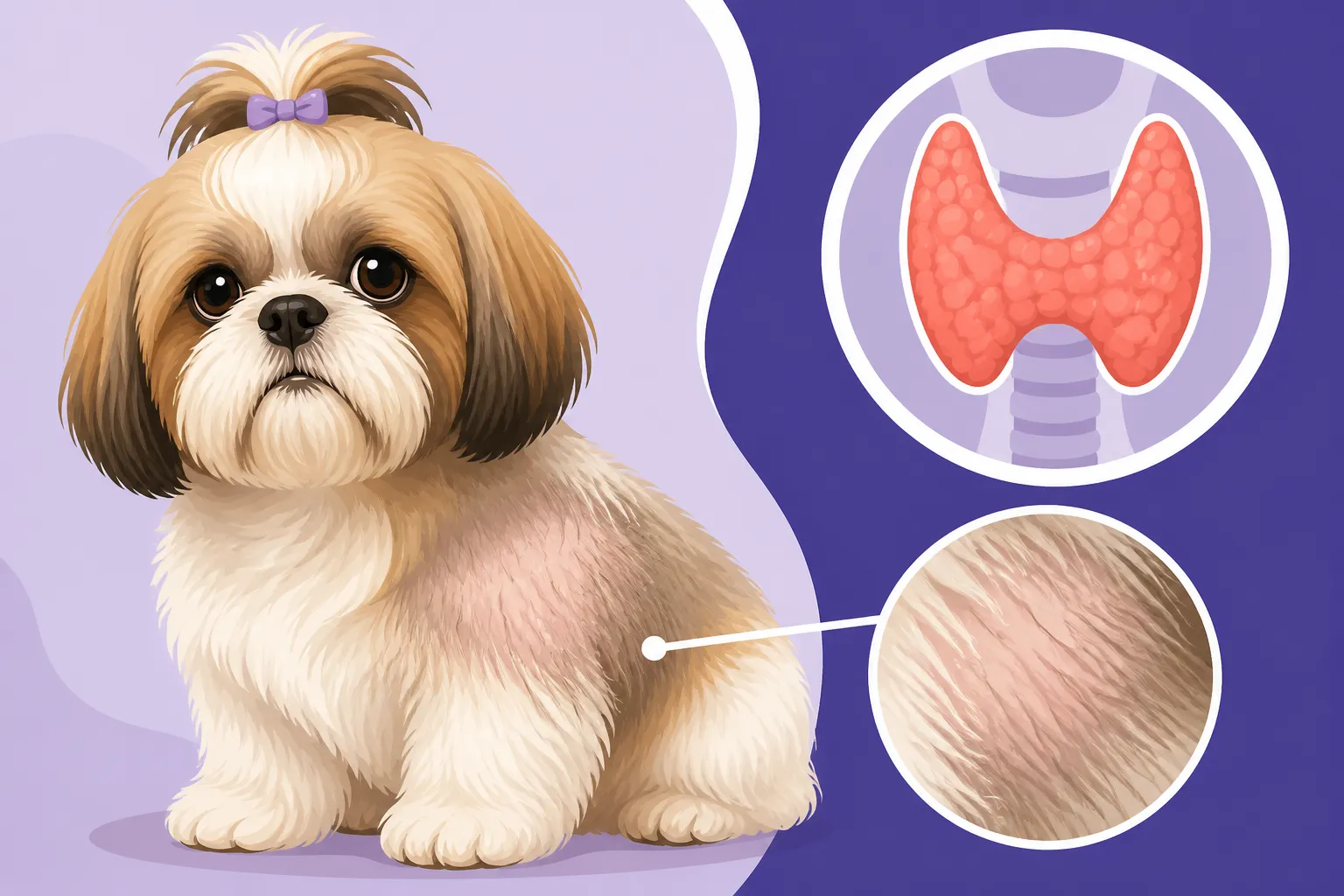
When we talk about thyroid disease in dogs, especially Shih Tzus, we're almost always referring to hypothyroidism – a condition where the thyroid gland simply isn't producing enough thyroid hormones. These little glands, located in the neck, are like the master regulators of your dog’s metabolism. Think of them as the orchestrators of nearly every cell and process in their body, dictating everything from how quickly food is converted into energy to how hair grows and even their body temperature.
Without sufficient thyroid hormones, the body's processes slow down dramatically, like a car trying to run on fumes. For a Shih Tzu, whose metabolism needs to work efficiently to maintain their dense double coat and energetic personality, this slowdown can have widespread and noticeable effects. It's not just about a lack of energy; it's about a systemic decline in how well their body functions on a fundamental level. Owners often notice the subtle shifts long before realizing the thyroid is the culprit.
How Hypothyroidism Develops in Shih Tzus
Hypothyroidism in Shih Tzus typically doesn't strike overnight; it's a progressive condition that often develops due to one of two primary causes: lymphocytic thyroiditis or idiopathic thyroid atrophy. Lymphocytic thyroiditis is an autoimmune disease where the dog's own immune system mistakenly attacks and destroys the thyroid gland. It's a slow burn, gradually eroding the gland's ability to produce hormones over months or even years. This is quite common in many breeds, and Shih Tzus are no exception.
The second common cause, idiopathic thyroid atrophy, is a fancy way of saying the thyroid gland simply wastes away for no known reason. While the cause is unclear, the result is the same: the gland shrinks and ceases to function effectively. Both conditions lead to the same outcome – a deficit of essential thyroid hormones. In some rarer instances, hypothyroidism can be secondary to other health issues or even certain medications, but the vast majority of cases in Shih Tzus fall into the primary categories.
Genetic Predisposition and Breed Risk
It's a tough truth that some breeds are just more prone to certain conditions, and Shih Tzus, while generally robust, do have a known predisposition to hypothyroidism. While it's not as prevalent as some other breed-specific issues, it's certainly on the radar for many veterinarians when a Shih Tzu presents with the classic symptoms. This genetic component means that if a Shih Tzu's parents or close relatives had hypothyroidism, there's an increased chance that they might develop it too.
Responsible breeders understand this risk and will often engage in health screening, though specifically testing for thyroid predisposition in breeding lines can be complex. You might find information about The DNA and OFA Tests for a Shih Tzu Litter helpful for understanding what responsible breeders look for. This genetic link doesn't mean every Shih Tzu will get it, but it certainly elevates the importance of early recognition of symptoms and regular veterinary check-ups, especially as they enter middle age. Knowing your dog's family history can be a crucial piece of the puzzle for your vet.
Recognizing the Subtle Signs of a Thinning Coat
The beautiful, flowing coat of a Shih Tzu is one of their most distinguishing features, and often, it's the first place owners notice something is amiss when thyroid issues begin to manifest. It’s not usually a sudden, dramatic shedding event like you might see with a stress reaction or flea infestation. Instead, it’s a more insidious, gradual change that might initially be dismissed as "just old age" or normal seasonal shedding. But if you know what to look for, these changes can be an early warning.
Imagine running your hands through their once thick, silky hair and feeling it noticeably sparser. The hair might feel coarser, more brittle, and less vibrant than before. You might start to notice patches that seem thin, revealing more skin underneath, particularly in areas you wouldn't typically expect shedding. This is where your keen observation as a dedicated Shih Tzu parent really comes into play. It's about noticing the nuances that others might miss, the subtle shift in the luxurious mane you've come to adore.
Changes in Coat Texture and Thickness
One of the hallmark signs of hypothyroidism in Shih Tzus is a distinct change in their glorious double coat. Instead of its usual soft, flowing, and dense texture, you might notice it becoming dry, brittle, and almost straw-like to the touch. The luster and shine that are so characteristic of a healthy Shih Tzu coat diminish, leaving it looking dull and lifeless. It might also feel thinner overall, losing that plush density that makes them so delightful to cuddle. You might also find that their beautiful hair, which typically requires diligent Brushing a Shih Tzu Double Coat Every Day to prevent mats, seems to mat even more easily, or conversely, it simply doesn't grow as quickly.
This change isn't just about aesthetics; it's a reflection of the reduced metabolic rate affecting hair follicle health. Hair growth cycles are slowed, and the quality of the new hair produced is inferior. When you brush, you might see more hair coming out than usual, not necessarily in clumps, but a general increase in shedding. Sometimes, the lighter colored parts of a Shih Tzu's coat might even appear faded or bleached, losing the richness of their original Shih Tzu Coat Colors You Will See. This slow, progressive decline in coat quality can often be the very first tangible symptom that something internal is not right.
Symmetrical Hair Loss Patterns
While general thinning is a common observation, hypothyroidism often leads to a very specific pattern of hair loss that can be a strong indicator of the condition. You'll typically see what's called "symmetrical alopecia," meaning the hair loss occurs equally on both sides of the body. Common areas for this symmetrical thinning or balding include the flanks (sides of the torso), the chest, the back of the thighs, and sometimes the tail, which might develop a "rat tail" appearance with sparse, brittle hair.
It's rare for a hypothyroid Shih Tzu to have patchy, itchy spots or open sores from the hair loss directly, as you might see with allergies or parasites. Instead, the skin beneath the thinning hair will often look normal, or perhaps a bit dry or flaky, but not inflamed. The face and paws usually remain unaffected initially, which helps distinguish it from other dermatological conditions. If you notice your Shih Tzu’s coat thinning in these mirrored patterns, it’s a pretty strong signal to discuss thyroid testing with your veterinarian promptly.
Secondary Skin Issues
Beyond the direct hair loss and changes in coat texture, a compromised thyroid can also lead to secondary skin problems that add to your Shih Tzu’s discomfort. Because the skin's metabolism is slowed, it becomes less resilient and more susceptible to issues. One common problem is seborrhea, which can manifest as dry, flaky skin (seborrhea sicca) or oily, greasy skin with a distinct odor (seborrhea oleosa). This can be particularly noticeable if your Shih Tzu's beard usually catches food, and now the skin underneath seems off.
Furthermore, the weakened skin barrier and altered immune response can make your Shih Tzu more prone to bacterial skin infections (pyoderma) or yeast infections. You might notice red patches, pimples, or a general itchiness that leads to scratching, which only exacerbates the problem. These secondary infections can be frustrating to treat because the underlying thyroid issue isn't resolved. Often, these skin issues might initially be treated symptomatically, but if they recur frequently or don't respond well to conventional treatments, it should prompt a deeper investigation into a potential thyroid problem. For more information on related skin conditions, you might want to look into Shih Tzu Ear and Skin Infections Under the Coat.
Beyond the Coat: Other Symptoms of Hypothyroidism
While a thinning coat is a prominent red flag, hypothyroidism in Shih Tzus is a systemic disease that affects the entire body. It rarely presents with just one symptom; usually, owners notice a cluster of changes that, when pieced together, paint a clearer picture of thyroid dysfunction. These other symptoms can range from subtle shifts in personality and energy to more overt physical alterations that affect their overall well-being. It's essential to consider all changes, no matter how minor they seem, as they could all be interconnected.
Think about how you feel when you're utterly drained – sluggish, perhaps a bit chilly, and just not yourself. Your Shih Tzu might be experiencing a similar internal malaise. It's not just a bad day; it's a persistent, underlying state of low function that impacts their zest for life. Being attuned to these broader signs is crucial for early diagnosis and intervention, allowing your furry friend to get back to their normal, happy self.
Behavioral and Energy Level Shifts
One of the most common non-dermatological signs of hypothyroidism in a Shih Tzu is a noticeable drop in their energy levels and a shift in their usual cheerful demeanor. Shih Tzus are known for their playful, outgoing, and affectionate personalities. However, a hypothyroid Shih Tzu might become lethargic, less interested in walks or playtime, and spend more time sleeping or simply lying around. You might find them less eager to greet you at the door or less responsive to their favorite toys. Their usual sparkle seems to dim.
They might also appear mentally dull or sluggish, taking longer to respond to commands, or just generally moving at a slower pace. Some owners report a subtle increase in irritability or a decrease in their usual tolerance for interaction, as if they just don’t have the energy to cope. It’s important to distinguish this from normal aging; while senior dogs do slow down, a significant or rapid change in energy and attitude warrants investigation. This shift in temperament and activity is often one of the first things a dedicated owner picks up on, sometimes even before the coat changes are obvious.
Weight Gain and Temperature Sensitivity
Another frequently observed symptom in hypothyroid Shih Tzus is unexplained weight gain, despite no changes in diet or exercise. Since the thyroid regulates metabolism, a deficiency means the body isn't burning calories efficiently. Those little extra treats or table scraps that never seemed to cause an issue before might suddenly be packing on the pounds. This can be particularly challenging to monitor in a breed with a thick coat, as Shih Tzu Obesity on a Sixteen Pound Frame can easily be hidden under all that fur. It's important to monitor their weight regularly and feel their body condition, not just look at them.
Beyond weight, many hypothyroid dogs also exhibit an intolerance to cold. They might seek out warm spots in the house, shiver more readily, or seem generally chilled even in mild temperatures. This is because thyroid hormones play a key role in regulating body temperature. Conversely, they might also struggle to regulate their temperature in warmer weather, making them more susceptible to overheating. If your Shih Tzu seems unusually bothered by temperature fluctuations, it’s another clue pointing towards a potential thyroid issue.
Other Less Common Physical Symptoms
While coat changes, lethargy, and weight gain are the most recognized symptoms, hypothyroidism can manifest in other, less common, but still significant ways. These can include neurological issues such as seizures or weakness, though these are rarer and often occur in more advanced cases. Some Shih Tzus might develop a characteristic facial expression, sometimes described as a "tragic" look, due to swelling in the face and around the eyes. This isn't common, but it's a possibility.
Reproductive problems can also occur in intact dogs, with females experiencing irregular heat cycles or infertility. In some cases, a very slow heart rate (bradycardia) can be detected during a veterinary exam. These less common symptoms highlight the wide-ranging impact of thyroid hormones on the body. While they might not be the first things you notice, they are important pieces of the diagnostic puzzle for your veterinarian to consider. For example, if you're tracking your senior dog's health, this could be part of a The Senior Panel a Shih Tzu Needs at Ten.
Diagnosing Thyroid Issues in Your Shih Tzu
When you suspect your Shih Tzu might have hypothyroidism based on their symptoms, the next crucial step is to get a definitive diagnosis from your veterinarian. It’s not something you can diagnose at home, and self-treating can be dangerous. The diagnostic process usually involves a thorough physical examination, a detailed discussion of your dog's history and symptoms, and most importantly, specific blood tests to measure thyroid hormone levels.
It’s important to remember that many of the symptoms of hypothyroidism can overlap with other conditions, so your vet will likely want to rule out other possibilities. This meticulous approach ensures that your Shih Tzu receives the correct diagnosis and, subsequently, the most effective treatment. Don't be surprised if your vet wants to run a few different tests to get a complete picture – they're just being thorough.
The Initial Veterinary Examination
Your journey to diagnosis will always begin with a comprehensive physical examination by your veterinarian. They’ll observe your Shih Tzu’s overall demeanor, assess their body condition, and pay close attention to the quality of their coat and skin. They’ll look for the symmetrical hair loss patterns, feel for any skin thickening, and check for signs of secondary infections. They'll also check their vital signs – heart rate, temperature, and respiration – which can sometimes show subtle deviations in hypothyroid dogs.
During this visit, it's vital to provide your vet with a detailed history of all the changes you've observed, no matter how small. Mention any shifts in energy, appetite, weight, behavior, or tolerance to heat or cold. The more information you can give, the better your vet can formulate a diagnostic plan. This initial consultation is also an opportunity for your vet to rule out other common conditions that might present with similar symptoms, like allergies or Cushing's disease, which might also cause coat and skin changes.
Blood Tests: T4, Free T4, and TSH
The definitive diagnosis of hypothyroidism relies on specific blood tests that measure the levels of thyroid hormones in your Shih Tzu’s bloodstream. The most common tests include:
- Total T4 (Thyroxine): This is usually the first screening test. A low total T4 level can suggest hypothyroidism, but it's not always conclusive on its own because certain non-thyroidal illnesses or medications (like steroids or NSAIDs) can also temporarily lower T4 levels, a phenomenon known as "euthyroid sick syndrome."
- Free T4 (FT4): This measures the unbound, biologically active form of thyroxine. Free T4 is generally considered more accurate than total T4 because it's less affected by non-thyroidal illnesses or drugs. A low Free T4 value, especially when combined with other symptoms, is a stronger indicator of hypothyroidism.
- Canine TSH (Thyroid-Stimulating Hormone): TSH is produced by the pituitary gland to stimulate the thyroid. In hypothyroidism, the pituitary tries to "kickstart" a failing thyroid, so TSH levels usually go up. A high TSH level combined with low T4 and Free T4 levels is often the clearest diagnostic indicator of primary hypothyroidism.
In some cases, your vet might recommend a full thyroid panel, which includes these tests plus others, or a thyroid stimulation test, especially if initial results are ambiguous. It’s important to follow your vet’s instructions regarding food restrictions before these blood tests, as certain foods can sometimes impact results. Getting an accurate diagnosis is paramount before starting any treatment.
Ruling Out Other Conditions
As mentioned, several other health issues can mimic the symptoms of hypothyroidism, making it essential for your vet to conduct a thorough differential diagnosis. For instance, certain Shih Tzu Skin Allergies and Hot Spots can cause itching, redness, and hair loss that might be mistaken for thyroid-related skin issues. Nutritional deficiencies, severe parasitic infestations, or even chronic stress can also impact coat quality and overall vitality.
Conditions like Cushing's disease (hyperadrenocorticism) can also cause symmetrical hair loss, pot-bellied appearance, and lethargy, often requiring a different set of diagnostic tests to differentiate. Your vet might also want to check for other systemic diseases through a general blood panel (CBC and chemistry profile) to ensure your Shih Tzu's liver, kidneys, and other organs are functioning normally. This comprehensive approach is vital to ensure that your Shih Tzu receives the correct diagnosis and, therefore, the appropriate and effective treatment plan.
Managing Thyroid Disease and Restoring Coat Health
Once your Shih Tzu has been diagnosed with hypothyroidism, the good news is that it’s a very manageable condition. Treatment is straightforward and typically involves lifelong thyroid hormone replacement therapy. This isn't a cure, but rather a way to supplement the hormones your dog's body can no longer produce naturally. With proper management, you can expect to see a dramatic improvement in your Shih Tzu's symptoms, including the restoration of their beautiful coat and a return to their lively self.
The key to successful management lies in consistent medication, regular monitoring, and a bit of patience. It’s a commitment, but one that yields incredible rewards in your dog's quality of life. Think of it as providing a missing piece of the puzzle that allows their entire system to function harmoniously again.
Lifelong Medication and Monitoring
The cornerstone of hypothyroidism treatment is daily oral medication, usually a synthetic thyroid hormone called levothyroxine (often referred to as L-thyroxine or Soloxine, among other brand names). This medication replaces the hormones your Shih Tzu's body isn't producing. It's crucial that you administer this medication exactly as prescribed by your vet, usually once or twice daily, and try to do so consistently at the same time each day, ideally on an empty stomach for optimal absorption. Never skip doses or adjust the dosage without consulting your veterinarian.
Initial improvement in energy levels and demeanor can often be seen within a few weeks, but changes in coat quality and thickness will take longer – typically several months – as new hair has to grow in. Your vet will schedule follow-up blood tests, usually 4-8 weeks after starting treatment and after any dose adjustments, to ensure the medication is at the correct therapeutic level. This involves measuring T4 and TSH levels to ensure they are within the normal range. These adjustments are vital, as getting the dosage just right is key to effective management and preventing potential side effects from too much or too little hormone. Regular monitoring, often every 6-12 months once stable, will be a lifelong part of their care. When considering long-term care, pet insurance providers like Healthy Paws can be a valuable resource to help manage medication and testing costs, ensuring your Shih Tzu gets consistent treatment.
Nutritional Support for Skin and Coat
While medication addresses the underlying hormonal imbalance, providing excellent nutritional support can play a complementary role in restoring your Shih Tzu’s skin and coat health. A high-quality diet that is rich in omega-3 and omega-6 fatty acids can significantly benefit skin elasticity and coat luster. Look for foods that list fish oil, flaxseed, or specific fatty acid supplements as ingredients. These can help reduce inflammation, moisturize the skin, and support healthy hair growth.
Some owners also consider adding specific supplements, such as fish oil capsules, if their vet approves. Biotin and zinc are other nutrients sometimes recommended for coat health. However, always discuss any dietary changes or supplements with your vet, as too much of a good thing can sometimes be harmful, or they might interfere with medication absorption. A well-balanced diet ensures your Shih Tzu has all the building blocks needed to grow a strong, healthy coat once their thyroid levels are regulated.
Grooming a Hypothyroid Shih Tzu
Grooming a Shih Tzu with a recovering coat after hypothyroidism treatment requires patience and a gentle touch. As the new, healthy hair grows in, the old, brittle hair might still be present, and the coat might feel uneven for a while. Regular, gentle brushing is still essential to prevent mats and distribute natural oils, but be mindful of any sensitive skin areas. You can revisit our guide on Grooming a Shih Tzu Every Four to Six Weeks for general tips, but adjust for sensitivity.
Using a good quality, moisturizing shampoo and conditioner can help improve the texture of both the old and new hair. Consider a conditioner with ingredients like colloidal oatmeal or aloe vera if your Shih Tzu has particularly dry or flaky skin. Keep bath times stress-free, and ensure you dry their coat thoroughly but gently to avoid damaging fragile hair. If secondary skin infections were present, your vet might recommend medicated shampoos for a period. Regular professional grooming can also be beneficial, but make sure your groomer is aware of your dog's condition and is extra gentle with their coat and skin.
Living Long and Healthy with a Thyroid Condition
The diagnosis of hypothyroidism, while initially daunting, is by no means a death sentence for your Shih Tzu. In fact, with consistent and proper management, dogs with this condition can live full, active, and long lives, often with no noticeable impact on their overall lifespan or quality of life. The key is adherence to the treatment plan, vigilant observation of your dog, and a strong partnership with your veterinarian. This commitment ensures that your furry companion can continue to bring joy and companionship for many years to come.
It's a testament to modern veterinary medicine that a condition that once led to chronic discomfort and decline is now so readily controlled. Your Shih Tzu might have a lifelong dependency on medication, but that’s a small price to pay for their health and happiness.
Regular Vet Check-ups and Dose Adjustments
The journey doesn't end once the initial diagnosis is made and medication is started. Regular veterinary check-ups are absolutely essential for a Shih Tzu with hypothyroidism. Initially, these check-ups will be frequent as your vet works to find the optimal dose of medication, often involving blood tests every 4-8 weeks. Once a stable dose is achieved and your dog's symptoms are well-controlled, monitoring typically shifts to every 6 to 12 months.
These follow-up appointments are crucial for several reasons: they allow your vet to reassess your Shih Tzu’s physical condition, discuss any new or lingering symptoms, and most importantly, perform blood tests to ensure their thyroid hormone levels remain within the therapeutic range. Dosage requirements can change over time due to various factors, including age, weight fluctuations, or the progression of the underlying thyroid condition. It’s also an opportunity to discuss any potential side effects or concerns you might have. Think of these visits as fine-tuning appointments that keep your Shih Tzu in tip-top shape. This commitment to regular care is also where a good pet insurance plan from providers like Healthy Paws can truly alleviate financial stress, covering the ongoing costs of these essential tests and medications.
Understanding the Prognosis and Long-Term Care
The prognosis for Shih Tzus diagnosed with hypothyroidism is generally excellent, provided the condition is consistently managed with medication. With proper treatment, most dogs will experience a complete resolution of their symptoms, including the regrowth of a healthy coat, renewed energy, and a return to their normal weight and demeanor. It’s important to understand that treatment is for life; stopping medication will inevitably lead to a relapse of symptoms.
Long-term care involves diligent daily medication, sticking to the schedule, and making sure you have a consistent supply of their levothyroxine. Keeping a log of their weight, appetite, energy levels, and any noticeable changes in their coat can be incredibly helpful information to share with your vet during check-ups. Being proactive and observant will ensure any subtle changes are caught early, allowing for quick dose adjustments if needed.
The Impact on Overall Quality of Life
The most significant impact of properly managed hypothyroidism on your Shih Tzu is a dramatically improved quality of life. Before diagnosis and treatment, your dog might have been lethargic, uncomfortable due to skin issues, or just not feeling well overall. With the correct medication, you’ll often see a transformation back to their happy, energetic selves. They’ll be more playful, more engaged with the family, and their coat will regain its beauty and health.
It means they can continue to enjoy their walks, snuggle on the couch, and just be the cherished companion they were meant to be. While it requires a commitment to medication and regular vet visits, this small effort ensures your Shih Tzu remains vibrant and comfortable throughout their life, allowing you both to enjoy many more years of companionship. This ongoing care is something to consider when you think about Thirteen Years of Shih Tzu Costs Added Up, as consistent medication is a factor.
Hypothyroidism in Shih Tzus: Symptom & Treatment Summary
Here's a quick overview of what to look for and expect if you suspect your Shih Tzu has hypothyroidism:
| Category | Common Symptoms | Diagnostic Methods | Treatment & Management |
|---|---|---|---|
| Coat & Skin | Symmetrical hair loss, dull/brittle coat, dry/oily skin, recurrent infections | Physical exam, ruling out other skin conditions | Levothyroxine, omega-3 supplements, gentle grooming |
| Energy & Behavior | Lethargy, reduced activity, increased sleeping, mental dullness, irritability | Owner history, physical exam | Levothyroxine, consistent medication schedule |
| Metabolic | Unexplained weight gain, cold intolerance, heat sensitivity | Physical exam, owner history | Levothyroxine, dietary management, environment control |
| General Health | Slow heart rate, "tragic" facial expression, reproductive issues (rare) | Full physical exam, blood tests (T4, Free T4, TSH) | Lifelong levothyroxine, regular blood level monitoring |
| Prognosis | Excellent with consistent lifelong treatment | Not applicable | Regular vet check-ups, dose adjustments, supportive care |
Disclaimer
The information provided in this article is for general informational purposes only and is not intended as a substitute for professional veterinary advice, diagnosis, or treatment. Always seek the advice of your veterinarian or other qualified animal health provider with any questions you may have regarding a medical condition. Never disregard professional veterinary advice or delay in seeking it because of something you have read in this article.