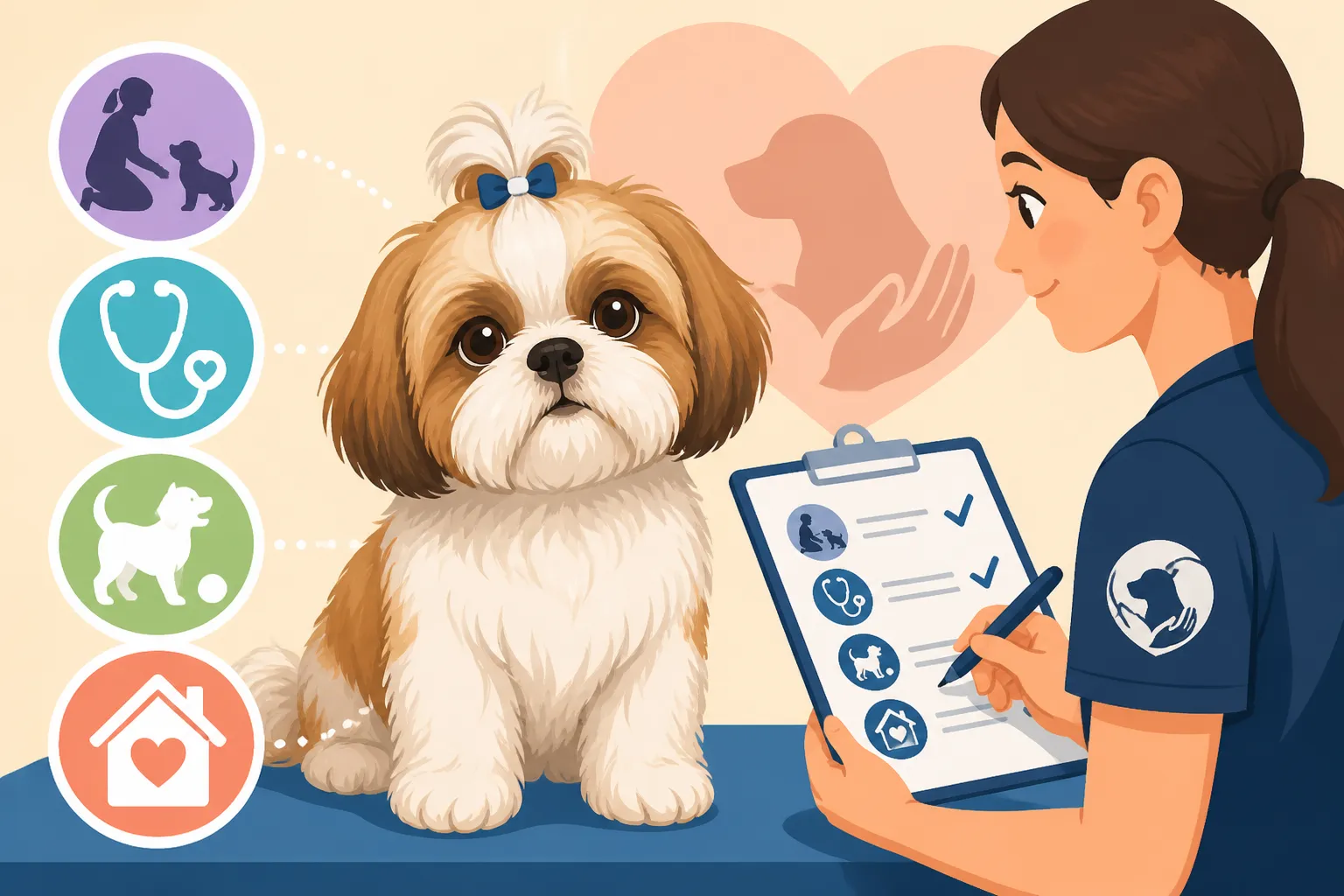
How a Shih Tzu Rescue Assesses a Dog
It's heartbreaking to imagine a beloved Shih Tzu suddenly finding themselves in a rescue, often through no fault of their own. For those dedicated folks at Shih Tzu rescues, the moment a dog comes through their doors marks the beginning of a meticulous process, one designed to understand every facet of that dog's life and personality so they can find the perfect forever home. This isn't just a quick look-over; it's a deep dive into health, temperament, and history, ensuring that each little lion dog gets the second chance they truly deserve.
The Critical Importance of a Comprehensive Assessment
When a Shih Tzu arrives at a rescue, they're often a blank slate, or perhaps a canvas with a few smudges from a difficult past. Unlike buying a puppy directly from a breeder where you might have health clearances and generational history, a rescue dog's background can be a complete mystery. This is why the assessment process is so absolutely critical – it's the rescue's way of gathering all the pieces of the puzzle before placing the dog. They need to know what they're dealing with, not just for the dog's well-being, but for the success and safety of their future family.
Understanding the Unknown History
Many Shih Tzus arrive at rescues through no fault of their own, but rather due to owner surrender, abandonment, or seizure from neglectful situations. This often means very little is known about their prior life, their routines, their exposure to different people or animals, or even their dietary habits. The rescue team essentially becomes detectives, looking for clues in their behavior, their physical condition, and any scant information provided, however unreliable. They have to piece together a narrative that helps them understand the dog's potential triggers, fears, and joys.
It's a huge responsibility because the wrong placement can lead to the dog being returned, which is incredibly stressful and detrimental to their trust. Rescues are committed to breaking that cycle, so they invest heavily in understanding each dog as an individual. This thoroughness is what makes rescue so rewarding but also so challenging.
Ensuring a Successful Match
The ultimate goal of any Shih Tzu rescue is to find a permanent, loving home where the dog can thrive. This isn't simply about getting a dog adopted; it's about making a perfect match that will last a lifetime. A dog's personality, energy levels, training history, and any potential medical needs must align with a prospective family's lifestyle and capabilities. For instance, a spirited, high-energy Shih Tzu might overwhelm a quiet, elderly household, while a shy, timid one might get lost in a boisterous family with young children.
The assessment helps pinpoint these nuances. It reveals whether a Shih Tzu is good with cats, comfortable around children, or if they have any resource guarding tendencies that need managing. By understanding these traits, the rescue can carefully screen applicants and suggest homes that are truly prepared for the specific needs of that particular Shih Tzu, greatly increasing the chances of a happy ending for everyone involved. Without this detailed assessment, placements would be a shot in the dark, and that's not how dedicated rescues operate.
The Initial Intake: First Impressions and Health Scan
When a Shih Tzu first crosses the threshold of a rescue, the immediate priority is to ensure their basic needs are met and to get a preliminary understanding of their physical and mental state. This initial intake phase is crucial, as it sets the stage for all subsequent evaluations. It's often chaotic, sometimes messy, but always done with compassion and urgency.
Welcoming and Immediate Care
The very first few hours are all about comfort and gentle observation. A newly arrived Shih Tzu might be terrified, confused, or even shut down. They could be matted, dirty, hungry, or in pain. The rescue staff provides a safe, quiet space, fresh water, and a small, easily digestible meal. They observe how the dog approaches food, if they're willing to be touched, and how they react to soft voices and gentle movements. For many of these dogs, this might be the first truly calm and kind interaction they've had in a long time. It's during this sensitive period that the rescue begins to get a sense of the dog's baseline temperament – are they naturally shy, or do they show signs of aggression driven by fear?
Often, they’ll also note the dog's physical condition. Is the coat severely matted? Are there visible injuries or skin issues? These immediate observations guide the next steps, especially concerning veterinary care. Many Shih Tzus arrive in shocking condition, and understanding Why Owners Surrender a Matted Shih Tzu can offer insight into the challenges they've already faced.
The Full Veterinary Check-Up
Following the initial stabilization, every Shih Tzu undergoes a thorough veterinary examination. This is non-negotiable and often reveals the true extent of a dog's health issues. The vet will perform a comprehensive physical, checking their eyes, ears, teeth, skin, and joints. They'll listen to the heart and lungs, palpate the abdomen, and check for any lumps or bumps. Blood tests are standard to check organ function, particularly important for breed-specific issues like Renal Dysplasia and the Shih Tzu Kidney. Fecal exams check for parasites, and a full vaccination update is usually given, along with microchipping if not already present.
This vet check is incredibly detailed because Shih Tzus, with their unique physiology, are prone to specific health problems. For instance, dental disease is rampant in the breed due to their crowded jaws, so a thorough oral exam is critical, often revealing Shih Tzu Dental Disease at 13 Percent of the Breed. Eye conditions are also a major concern, and the vet will be carefully checking for signs of dry eye, ulcers, or even a predisposition to Shih Tzu Eye Proptosis, the Emergency Owners Miss. Any discovered health issues will inform the dog's treatment plan and, ultimately, the type of home best equipped to manage their care.
Behavioral Evaluation: Understanding Their Personality
Once a Shih Tzu has settled in and received initial medical attention, the real work of understanding their personality begins. This behavioral evaluation isn't just about whether a dog is "good" or "bad"; it's about understanding their unique quirks, their comfort levels, and what kind of environment they'll truly thrive in. It’s a process that unfolds over days, sometimes weeks, through various interactions.
Socialization and Interaction Tests
Rescue staff and experienced volunteers will carefully introduce the Shih Tzu to different scenarios to gauge their social skills. This includes interactions with various people – men, women, children of different ages – always supervised and gentle. They'll observe how the dog reacts to being petted, picked up, and handled for grooming tasks, like ear cleaning or face wiping, which are essential for a Shih Tzu. Do they enjoy attention, or are they reserved? Do they show any signs of discomfort or fear, like growling or snapping? These are vital questions.
Equally important are interactions with other dogs. A rescue will slowly introduce the Shih Tzu to calm, stable resident dogs to see how they respond. Are they playful, submissive, or dominant? Do they prefer their own space, or do they enjoy a good romp? For a small toy breed, interactions with larger dogs are also observed, albeit carefully, to ensure they understand their size difference. Observing how they react to various stimuli, like loud noises or unexpected movements, helps paint a full picture of their comfort zone and potential anxieties. Knowing if a Shih Tzu is prone to A Shih Tzu That Guards a Toy or other resource guarding behaviors is critical for placement, especially in a home with other pets or children.
Assessing Training and Temperament
Beyond social interactions, the rescue will also assess the Shih Tzu's basic training and overall temperament. This includes seeing if they know simple commands like "sit" or "stay," and how easily they can be motivated to learn. Many rescue Shih Tzus may have had little to no formal training, so the rescue will often begin some positive reinforcement work. They'll also evaluate their leash manners, typically using a comfortable harness, since collars can put undue pressure on their delicate necks. It’s important to understand if they pull, or if they’re prone to fear-based reactions on walks.
House training is another huge component. Does the dog understand to go outside, or are they accustomed to pee pads, or perhaps neither? Accidents happen in a new environment, but consistent indoor marking is a different challenge. They'll also assess for common Shih Tzu traits like stubbornness – that lovely "independent spirit" the breed is known for. Understanding Shih Tzu Stubbornness and What It Really Is helps rescuers set realistic expectations for potential adopters. Observing them in a quiet setting also gives clues about their energy levels – are they content to nap by your feet, or do they need more mental and physical stimulation throughout the day? This detailed behavioral profile is then matched against potential adopters' lifestyles.
Medical Assessment: Beyond the Visible
The initial vet check provides a snapshot, but the medical assessment in a rescue goes deeper, considering the breed's predispositions and how past neglect might have affected long-term health. It’s about more than just fixing what’s broken; it’s about understanding the entire health picture and projecting future needs. This is where the rescue truly acts as an advocate for the dog, ensuring potential adopters are fully informed.
Addressing Breed-Specific Health Concerns
Shih Tzus, with their charming flat faces and long coats, come with a unique set of health considerations that rescues are acutely aware of. Beyond the basic vet check, a rescue will often delve into these specific areas. Brachycephalic Breathing in a Shih Tzu is a common issue, and the rescue will observe for excessive snoring, snorting, or exercise intolerance that could indicate an elongated soft palate or stenotic nares. These conditions can significantly impact a dog's quality of life and may require surgical intervention down the line.
Eye health is paramount for Shih Tzus. Rescues will closely monitor for signs of Shih Tzu Corneal Ulcers and Dry Eye, as these conditions are common and require consistent medication. They'll also check for entropion or eyelashes growing into the eye, which can cause chronic irritation. Long, thick hair can often obscure these issues, which is why regular grooming and careful examination are so vital. If a dog has visible eye damage from past neglect or injury, this is thoroughly documented and discussed with potential adopters.
Long-Term Care and Chronic Conditions
Many Shih Tzus arriving at rescues, especially older dogs, may have chronic conditions that require ongoing management. This could range from allergies causing Shih Tzu Ear and Skin Infections Under the Coat to joint issues like patellar luxation or even early signs of Shih Tzu Arthritis After the Age of Nine. The rescue ensures these conditions are diagnosed, and a management plan is put in place, often starting treatments like special diets, supplements, or regular medication. They want to see how the dog responds to care and what the daily routine for managing these conditions will look like.
For senior Shih Tzus, a comprehensive senior panel blood test is crucial to assess kidney and liver function, and any existing heart murmurs or thyroid issues are investigated. Senior Shih Tzu Care Past the Age of Ten involves careful monitoring and often lifestyle adjustments, and the rescue will look for a home prepared for this commitment. All medical records, treatments, and known conditions are meticulously documented. This transparency is critical because future owners need to be aware of any potential long-term costs or care requirements. Rescues will often recommend specific foods or supplements, available from places like Chewy, to support a dog's ongoing health needs, especially for those with sensitive stomachs or skin allergies.
Matching a Shih Tzu to the Right Home
After weeks of careful observation, veterinary care, and behavioral assessment, the rescue team has a comprehensive profile of each Shih Tzu. This detailed understanding is the foundation upon which successful adoptions are built, moving beyond simply placing a dog to truly making a life-long connection.
Analyzing the Adoption Application
The journey to finding a forever home starts with the adoption application. Rescues put a lot of thought into their applications, asking questions that delve deep into an applicant's lifestyle, previous pet experience, living situation, and expectations. They want to know about work schedules, family members (including children and other pets), fencing, and how the family plans to manage grooming, training, and veterinary care. If a Shih Tzu has known allergies, the application might ask about willingness to explore specific limited-ingredient diets, which are easily found on sites like Chewy.
This isn't about judgment; it's about fit. For example, if a Shih Tzu thrives on constant companionship, a family where everyone works long hours might not be the best match. If a dog is nervous around young children, a home with toddlers might be screened out. The rescue is looking for genuine commitment and an understanding of the responsibilities that come with owning a Shih Tzu, especially one that might have a complex history or ongoing needs, as detailed in Adopting a Shih Tzu Whose Past Nobody Knows.
The Interview and Home Visit
Once an application is deemed promising, the rescue typically moves to an interview stage. This might be over the phone, via video call, or in person. It's a chance for the rescue to clarify information, answer questions, and get a better sense of the applicant's personality and suitability. This is often followed by a home visit, which is a critical step. A volunteer will physically visit the applicant's home to ensure it's a safe and appropriate environment for a Shih Tzu. They'll check the security of fences, identify any potential hazards, and assess the overall atmosphere. For instance, are there safe, quiet spaces for a small dog? Is the home too noisy or chaotic for a shy Shih Tzu?
The home visit is also an opportunity to discuss practicalities. For a Shih Tzu with a tendency for Shih Tzu Back Problems and Disc Disease, the rescue might discuss the importance of ramps or discouraging jumping from furniture. For a dog that needs regular grooming, they might talk about local groomers or home grooming tools, such as those found on Chewy. It's a two-way street, allowing the family to ask detailed questions about the specific Shih Tzu they're interested in and for the rescue to offer advice and support.
Ongoing Support and Follow-Up
The adoption isn't the end of the rescue's involvement; it's just the beginning of a new chapter for the Shih Tzu and their family. Reputable rescues often offer ongoing support and advice. They understand that transitioning to a new home can come with its own set of challenges, from house training regressions to adjusting to new routines. They're a resource for questions about behavior, health, or anything else that might arise. This commitment to post-adoption support is part of their dedication to ensuring every placement is truly "forever."
They might also conduct follow-up calls or check-ins to see how the dog is settling in. This feedback loop is invaluable for the rescue, helping them refine their assessment processes and better understand the long-term outcomes of their placements. It reinforces the fact that when you adopt a Shih Tzu from a rescue, you’re not just getting a dog; you’re gaining a dedicated support system committed to that dog's happiness and well-being.
Key Assessment Areas for a Rescue Shih Tzu
| Assessment Area | What the Rescue Evaluates | Why It Matters for a Shih Tzu |
|---|---|---|
| Physical Health | Full vet exam, bloodwork, dental check, parasite screening, vaccination status, microchip. | Shih Tzus are prone to dental disease, eye issues (proptosis, dry eye), brachycephalic airway syndrome, and joint problems. Early detection is key for treatment and informing adopters about ongoing care needs, which can be significant, as seen in Adopting a Shih Tzu With Eye Damage. |
| Coat and Grooming | Matting, skin condition underneath coat, readiness for handling (brushing, bathing, face wipes). | Their double coat mats easily, potentially leading to skin infections and discomfort. Willingness to be groomed is essential for hygiene and health, as highlighted in Shih Tzu Ear and Skin Infections Under the Coat. |
| Temperament | Reactions to strangers, children, other dogs, cats. Levels of shyness, confidence, playfulness, fear, or aggression. | A companion breed, their temperament needs to match the household dynamics. A shy dog might struggle in a busy home, while a confident one might thrive. |
| Training Level | House training status, basic commands (sit, stay, come), leash manners. | Many rescues may lack formal training. Understanding their starting point helps new owners know what to expect and what training might be needed (e.g., What It Costs to Fix Shih Tzu House Training). |
| Energy & Exercise | Observed energy levels, desire for play, tolerance for walks, suitability for apartment living. | Shih Tzus are generally lower energy but still need daily activity and mental stimulation. Overheating risk due to brachycephalic nature is a consideration for exercise routines. |
| Sensory Health | Vision (cataracts, general sight), hearing. | Especially important for older Shih Tzus who may experience age-related decline, requiring adjustments in the home. See Senior Shih Tzu Care Past the Age of Ten. |
| Behavioral Quirks | Separation anxiety, resource guarding, barking habits, fears (e.g., loud noises, thunderstorms). | These behaviors can significantly impact integration into a new home. Identifying them allows for proper management strategies and matching with experienced owners. |
Disclaimer
This article is for general informational purposes only and does not constitute professional advice. Laws, prices and regulations vary by location and change over time. Consult a qualified professional for guidance on your specific situation.