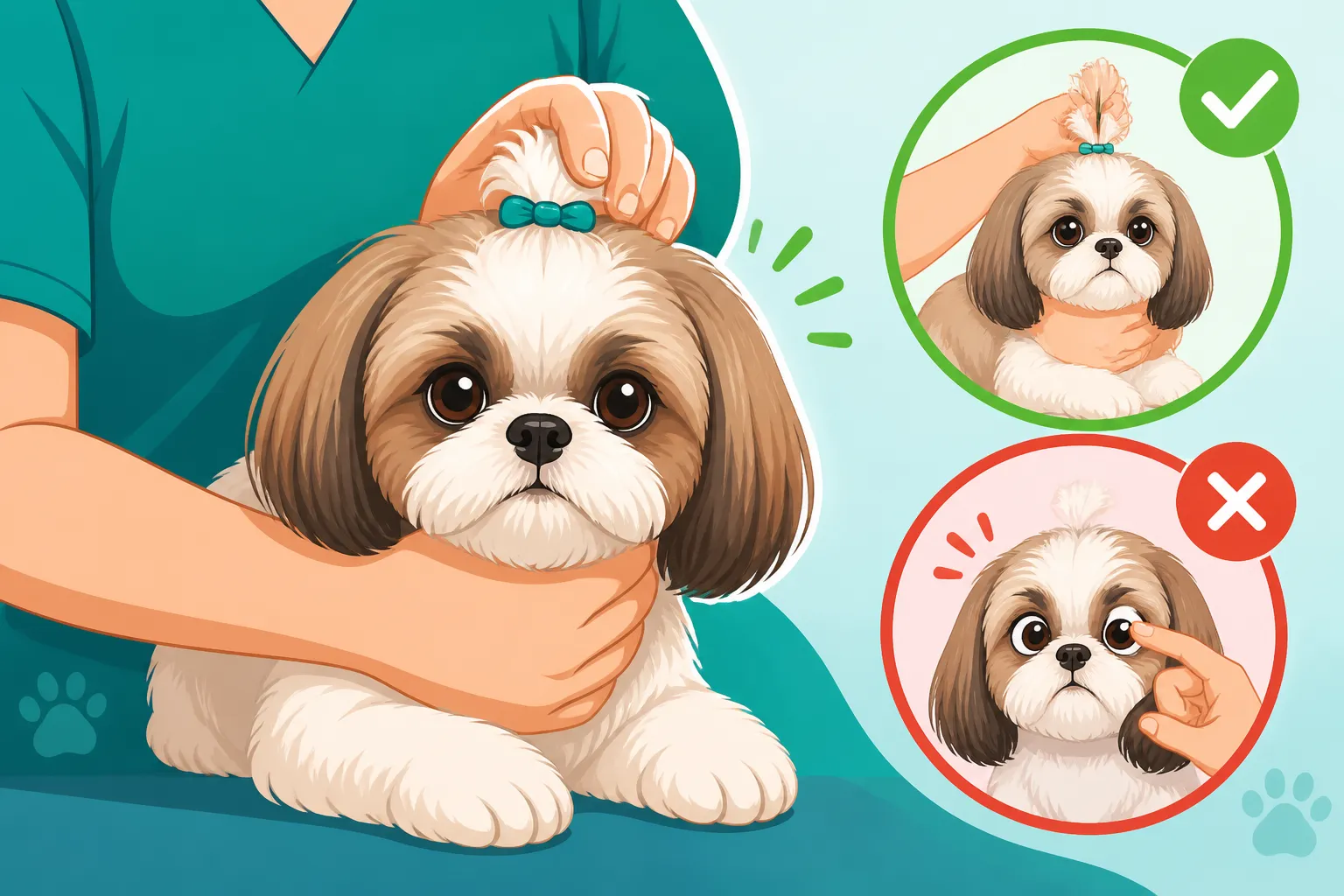
Restraining a Shih Tzu Without Popping an Eye
The fear of accidentally causing your precious Shih Tzu's eye to pop out during routine handling or an unexpected moment is a real, chilling worry for many owners. These adorable little dogs, with their prominent eyes and loving gazes, are uniquely prone to an alarming condition called proptosis. This comprehensive guide will demystify the risks and equip you with practical, gentle techniques for safely restraining your Shih Tzu, ensuring their delicate eyes stay right where they belong.
Why Shih Tzu Eyes Are So Uniquely Vulnerable
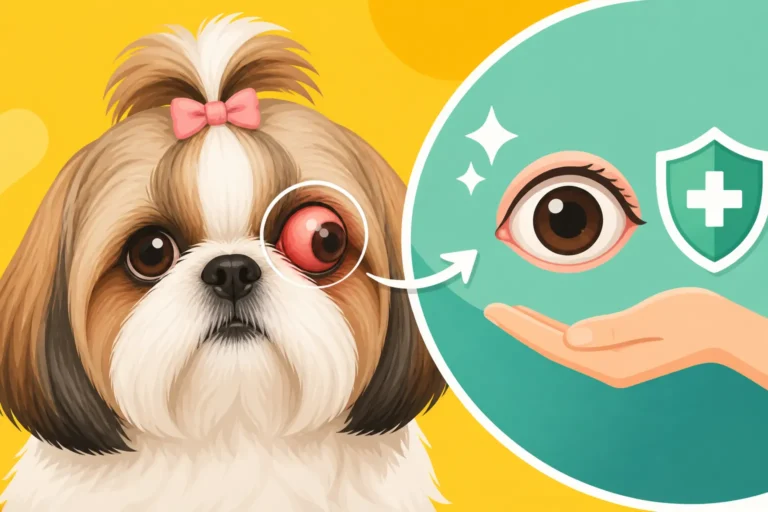
It’s not just an old wives' tale; Shih Tzus truly do have eyes that are more prone to proptosis (when the eyeball displaces from the socket) than most other breeds. This isn't due to poor breeding in general, but rather a direct consequence of the physical traits that make them so distinctly "Shih Tzu." Understanding this unique anatomy is the first step in learning how to keep them safe.
The Anatomy of a Brachycephalic Breed's Eyes
Shih Tzus are a brachycephalic breed, meaning they have a short, broad skull and a "flat" face. This facial structure significantly impacts their ocular anatomy. Unlike dogs with longer snouts, Shih Tzus have very shallow eye sockets, which means their eyeballs protrude more prominently. Think of it like a ball sitting on a very shallow saucer; it doesn't take much to dislodge it. Adding to this, the eyelids are often a bit looser, and the surrounding bone structure doesn't offer the same protective ridge that a longer-snouted dog would have. There's simply less bony support around those big, beautiful eyes.
Furthermore, the muscles and connective tissues that hold the eye in place are not as robust in brachycephalic breeds. This, combined with the shallow socket, creates a perfect storm where even moderate pressure can cause the eye to pop out. It's a shocking sight, and it happens much more easily than you might imagine. This anatomical predisposition is why you might see concerns about issues like Brachycephalic Ocular Syndrome in a Shih Tzu or Shih Tzu Corneal Ulcers From a Shallow Socket, as the eyes are perpetually exposed and vulnerable.
Common Scenarios That Lead to Proptosis Risk
With such delicate eye placement, several everyday situations can inadvertently put your Shih Tzu at risk. One of the most common culprits is improper restraint, especially around the head and neck. If you or someone else grips your Shih Tzu too tightly around the scruff or applies pressure to the neck, it can restrict blood flow and increase orbital pressure, making proptosis a real possibility. This is especially true if the dog is struggling or panicking.
Grooming is another prime time for accidents. Imagine trying to brush out a stubborn mat behind an ear or trim the delicate hair around the eyes. If your Shih Tzu is wiggly or resists, a sudden movement or an unintended bump can apply enough pressure to cause harm. Similarly, rough play, particularly tugging games or wrestling that involves their head, can be risky. Even something as seemingly innocuous as a child hugging them too tightly or a poorly fitting collar can exert dangerous pressure on their vulnerable neck and head area. The key is to be ever-vigilant and teach everyone in the household, and certainly your groomer, about the specific handling needs of a Shih Tzu.
Gentle Handling Techniques for Everyday Care
Caring for a Shih Tzu means adopting a gentle, patient approach to all routine tasks. Their comfort and safety should always be paramount, especially when performing activities that require close contact with their delicate facial area. It's about building trust and making care a positive experience.
Brushing and Combing Around the Face
Daily brushing is non-negotiable for a Shih Tzu, but it demands particular care around their eyes and face. To start, always ensure your Shih Tzu is calm and relaxed. Sit them on your lap or on a low, stable surface, providing plenty of praise and gentle strokes. When working on the face, use one hand to cup their head gently but firmly, providing support to the skull and avoiding any direct pressure on the eyes themselves. This technique also helps stabilize them if they try to wiggle. Use a fine-toothed comb or a small slicker brush designed for delicate areas.
Work in small sections, always brushing away from the eyes. If you encounter any tangles or mats, resist the urge to pull. Instead, use a detangling spray and carefully work the mat out with your fingers or the very tips of your comb, starting from the ends of the hair and working your way towards the skin. Neglecting this area can lead to severe matting, which then requires more forceful dematting, ironically increasing the risk of eye injury. Regular, gentle sessions prevent the need for drastic measures and make the process more pleasant for both of you. You might find more tips on this in guides like Trimming Face Hair Away From Shih Tzu Eyes to keep those sensitive areas clear.
Bathing and Drying the Face Safely
Bath time can be an adventure, and keeping your Shih Tzu's eyes safe is crucial. Before wetting their face, apply a veterinary-approved ophthalmic ointment or even a drop of mineral oil directly into their eyes. This creates a protective barrier against shampoo and water. When washing their body, keep their head tilted slightly back to prevent water from running into their face. For the face itself, use a damp washcloth with a tiny drop of tearless puppy shampoo, carefully wiping around the eyes and beard. Rinse the cloth thoroughly and wipe again to remove all residue.
Drying requires equal caution. Never blast a high-speed dryer directly at their face. Instead, gently pat their face dry with a soft towel. If you use a forced air dryer, keep it on a low setting and direct the airflow away from their eyes, using your free hand to shield their face. Ensure their beard and the hair around their eyes are completely dry to prevent matting and skin irritation. Regularly cleaning tear stains is also important, using products specifically designed for the delicate eye area and avoiding harsh chemicals or excessive rubbing.
Training for Cooperation, Not Force
The best restraint isn't physical; it's behavioral. Training your Shih Tzu to cooperate during handling makes all the difference. Start early with positive reinforcement, associating grooming and handling with treats and praise. Keep sessions short, fun, and frequent. Practice touching their paws, ears, and face daily, rewarding calm acceptance. Teach them cues like "stay" or "relax" specifically for grooming sessions.
When practicing face handling, use a high-value treat to distract them while you gently comb or wipe around their eyes. If they get squirmy, stop, allow them to reset, and try again when they are calm. The goal is to build a positive association, so they learn that being handled is a good thing. For more general obedience, resources like Shih Tzu Puppy Training Month by Month can provide a great foundation. For specific grooming cooperation, consider techniques discussed in Getting a Shih Tzu Used to Face Trims or even Muzzle Work Before a Shih Tzu Groom if they are particularly resistant, though muzzles should be introduced very slowly and positively. This preventative training reduces the need for forceful physical restraint, which is always risky for their eyes.
Safe Restraint During Vet Visits and Emergencies
Vet visits, while essential, can be stressful for both you and your Shih Tzu. The unfamiliar environment, strange smells, and procedures can cause anxiety, leading to a higher risk of accidents if proper restraint isn't used. Knowing how to support your dog and communicate effectively with your vet team is paramount.
Communicating With Your Vet Team
Before any procedure, especially if it involves handling around the head or an injection, have a conversation with your veterinarian or vet technician. Clearly explain that your Shih Tzu is a brachycephalic breed with delicate eyes prone to proptosis. Don't be shy about advocating for your dog; most vet staff will appreciate your concern and adjust their handling accordingly. Ask them to use gentle restraint methods and avoid any pressure on the neck or around the eyes.
If possible, offer to hold your dog yourself during routine procedures like vaccinations or ear checks. You know your Shih Tzu best and can anticipate their movements, often calming them more effectively. For more involved procedures, discuss the restraint plan beforehand. A good vet clinic will be understanding and have specific protocols for brachycephalic breeds, prioritizing their safety. This proactive communication can make a huge difference, ensuring everyone is on the same page regarding your Shih Tzu's unique needs.
Techniques for Supportive Restraint
When physical restraint is necessary, the goal is to provide gentle but firm support, minimizing stress and preventing sudden movements that could lead to eye proptosis. For general examinations or injections, a common and effective technique involves holding your Shih Tzu close to your body, tucking them under one arm, and using your free hand to gently cup their head. Your palm should rest on top of their skull, and your fingers can gently support their jaw, without putting any pressure on their throat or the soft tissue around their eyes.
Another safe method, often used by veterinary professionals, is the "cuddle" or "hug" hold. With the dog’s back against your chest, one arm wraps around their body to prevent them from backing away, while the other hand cups their head firmly but gently, again avoiding direct eye or neck pressure. The key is to keep their head still and supported, preventing them from thrashing. For more extensive procedures or if your dog is particularly agitated, your vet might use a towel wrapped snugly around their body like a "burrito" to restrict movement while still allowing head access, all while avoiding neck compression. This minimizes the chance of an accidental Shih Tzu Eye Proptosis, the Emergency Owners Miss during a high-stress situation.
The Role of Harnesses vs. Collars
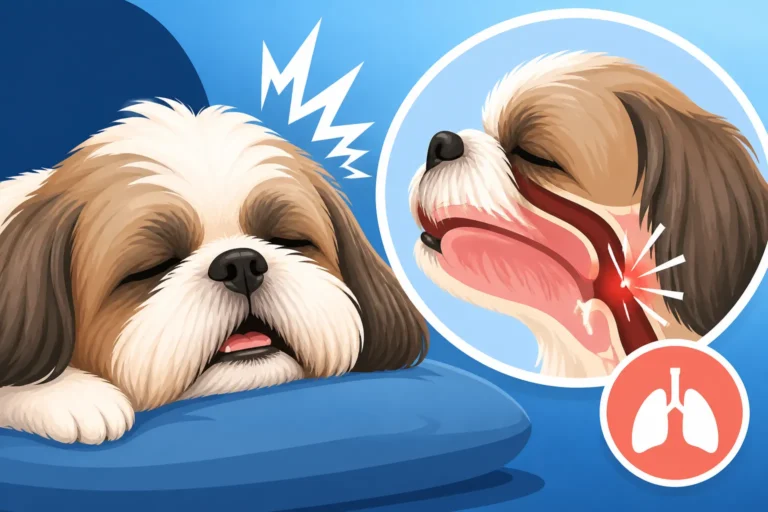
This is a critical point for any Shih Tzu owner: always, always use a harness instead of a collar for walks and any form of restraint where pressure might be applied. A traditional collar, even when properly fitted, exerts direct pressure on the delicate neck and throat area. If your Shih Tzu pulls on the leash, or if you need to quickly grab their collar in an emergency, this pressure can be enough to increase orbital pressure and push the eyes forward, potentially leading to proptosis. Moreover, pressure on the trachea can exacerbate Brachycephalic Breathing in a Shih Tzu, causing discomfort and breathing difficulties.
A well-fitting harness distributes pressure across their chest and shoulders, completely bypassing the neck and throat. Look for a Y-front harness that allows free shoulder movement and doesn't rub in the armpits. Avoid harnesses that put pressure directly across the front of the throat. Brands like Ruffwear or Kurgo often offer designs that are suitable for brachycephalic breeds, providing security without compromising their delicate airways or eyes. By switching to a harness, you eliminate a significant risk factor from your daily routine, providing peace of mind during walks and unexpected grabs. For a deeper dive into this, you might find valuable information in Why a Shih Tzu Should Wear a Harness Not a Collar.
| Handling Situation | Safe Restraint Technique | Risks to Avoid |
|---|---|---|
| Everyday Brushing | Cup head gently, brush away from eyes, use detangler for mats, short positive sessions. | Pulling hair, direct pressure on eyes, harsh dematting, allowing matting near eyes. |
| Bathing & Drying | Ophthalmic ointment in eyes, use damp cloth for face, pat dry, low-heat dryer away from face. | Shampoo/water in eyes, high-heat dryer on face, rubbing eyes vigorously, harsh tear stain products. |
| Vet Visits/Procedures | Communicate breed vulnerability, use "cuddle" hold, cup head/jaw (no direct eye/neck pressure), offer to hold your own dog. | Grabbing scruff, tight neck restraint, direct pressure on eyes/throat, allowing dog to thrash unsupervised. |
| Leash Walking | Always use a well-fitting Y-front harness. | Using a collar (especially with a pulling dog), harnesses that restrict breathing or put pressure on the throat. |
| Playtime | Supervise closely, teach gentle play, select soft, non-abrasive toys, avoid tug-of-war involving the head. | Rough play, children picking up dog by head/scruff, hard toys that could hit eyes, unsupervised play with larger dogs. |
Preventing Accidental Proptosis in Play and Daily Life
Beyond structured handling, understanding how to manage your Shih Tzu's environment and interactions can significantly reduce the risk of accidental eye proptosis. It's about proactive prevention and creating a safe haven for your furry friend.
Supervising Play with Other Pets and Children
Playtime, especially with other pets or children, needs careful supervision. While Shih Tzus are generally good-natured, their delicate features mean that even accidental bumps or rough play can lead to injury. If you have other dogs, particularly larger or more boisterous breeds, always monitor their interactions. A playful nip or paw to the face, which might be harmless for another dog, could be devastating for a Shih Tzu. Teach children from a very young age how to interact gently with your Shih Tzu. Emphasize that they should never pick up the dog by its head or scruff, pull on its face, or apply pressure to its neck. Instead, show them how to support the dog's body properly when holding it.
It's also crucial to teach your Shih Tzu appropriate play behaviors. Discourage jumping and roughhousing, especially with toys that involve tugging near the face. Opt for soft, plush toys, puzzle feeders, or balls that are too large to fit entirely in their mouth, reducing the chance of accidental facial trauma. For specific advice on these interactions, consider reading Rough Play That Puts a Shih Tzu Eye at Risk, which delves deeper into managing these situations. Creating a "safe zone" where your Shih Tzu can retreat if playtime gets too overwhelming is also a great idea, especially in multi-pet or multi-child households.
Environmental Considerations
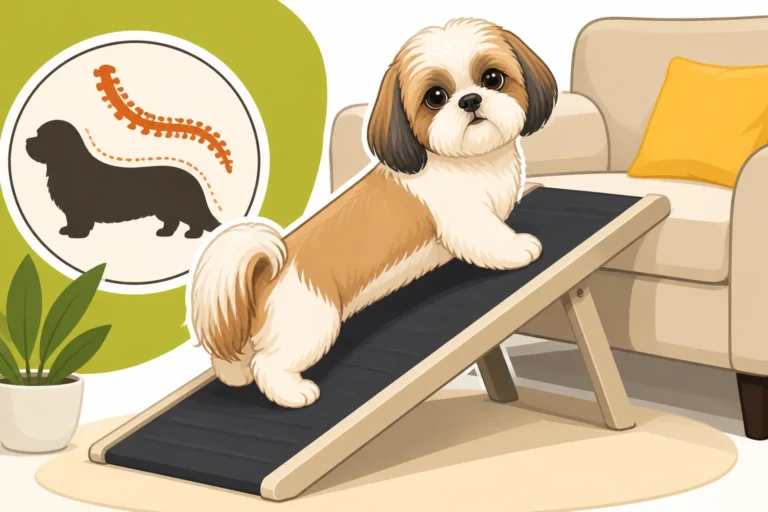
Your home environment plays a big role in keeping your Shih Tzu safe. Given their small size and the fragility of their spine and eyes, preventing falls is critical. Consider installing pet ramps or stairs for access to sofas and beds. This isn't just for preventing Shih Tzu Back Problems and Disc Disease; a fall from even a moderate height could result in a head injury that dislodges an eye. Secure unstable furniture or objects that could fall and injure them.
Be mindful of anything your Shih Tzu might get tangled in, such as loose cords, blinds, or low-hanging decorations, which could create pressure around their head if they struggle. When traveling in a car, always secure your Shih Tzu in a crash-tested carrier or a safety harness designed for vehicles. This prevents them from becoming a projectile in a sudden stop and minimizes the risk of injury from external forces. Even seemingly minor environmental hazards can pose a risk to such a small, delicate breed.
What to Do If Proptosis Happens: A Quick Overview
Even with the most careful handling and preventive measures, accidents can sometimes occur. Knowing what to do in the immediate aftermath of an eye proptosis is crucial for giving your Shih Tzu the best chance of a positive outcome. This is a terrifying emergency, and quick, calm action can make a world of difference.
Immediate First Aid Steps
If your Shih Tzu's eye proptoses, the first and most important thing is to stay calm. Panic won't help your dog. The very next step is to protect the exposed eye. It's critical to keep the eye moist to prevent damage to the cornea, which can quickly dry out and be permanently damaged. Gently apply a sterile saline solution (like contact lens solution or even plain water if nothing else is available) or a lubricant eye gel to the eye. Do not try to push the eye back into the socket yourself; this can cause further damage.
Once the eye is lubricated, cover it loosely with a clean, damp cloth or gauze soaked in saline to maintain moisture and protect it from further trauma. Then, rush your Shih Tzu to the nearest emergency veterinary clinic immediately. This is not a situation that can wait. Every minute counts when it comes to saving the eye and preserving vision. While rushing to the vet, continue to keep the eye moist if possible. This is one of those situations where having pet insurance like Healthy Paws can be incredibly helpful, as emergency vet visits and specialized procedures can be very costly, and you want to be able to focus on your dog's care, not the bill. For detailed immediate steps, our article What to Do in the First Minutes of a Proptosis provides crucial guidance.
Long-Term Outlook and Prevention
The long-term outlook for a proptosed eye depends heavily on how quickly veterinary care is received and the extent of the initial damage. In many cases, if treated promptly, the eye can be successfully replaced, and vision can be saved. However, some dogs may experience ongoing issues like dry eye, corneal ulcers, or even permanent vision loss in the affected eye. In severe cases, or if the eye is too damaged, surgical removal (enucleation) may be necessary to prevent pain and further complications.
After an incident, your vet will discuss post-operative care, which often involves multiple eye drops, pain medication, and strict rest. Beyond recovery, it's essential to double down on all the preventive measures discussed in this guide. Re-evaluate your handling techniques, ensure all family members are educated, and make any necessary adjustments to your home environment. Consistent vigilance and a commitment to gentle care are the best ways to prevent a recurrence and ensure your Shih Tzu lives a long, happy life without further eye emergencies. Being prepared for potential health issues, perhaps through a robust pet insurance plan like those offered by Healthy Paws, allows you to make decisions based on your dog's best interest, not financial constraints.
Disclaimer
This article is intended for informational purposes only and does not constitute veterinary advice. Always consult with a qualified veterinarian for any health concerns or before making any decisions about your pet's medical care.