Feeding an Old Shih Tzu With Missing Teeth
It’s a heartbreaking moment when you notice your beloved senior Shih Tzu, who used to gobble down their food with gusto, now hesitates, drops kibble, or even turns away from their bowl entirely. Many of us see our senior pups struggling with eating, and a common culprit is dental issues, particularly missing teeth. This guide will walk you through the practical, empathetic ways to ensure your old friend continues to get the nutrition they need, even when their mouth isn't what it used to be.
Understanding the Challenges of an Aging Shih Tzu Mouth
As our Shih Tzus age, just like us, their bodies go through changes. One of the most common and often painful areas where these changes manifest is in their mouth. It’s not just about a missing tooth here or there; it's a whole cascade of potential issues that can make mealtime a real ordeal for them.
Why Teeth Go Missing in Older Shih Tzus
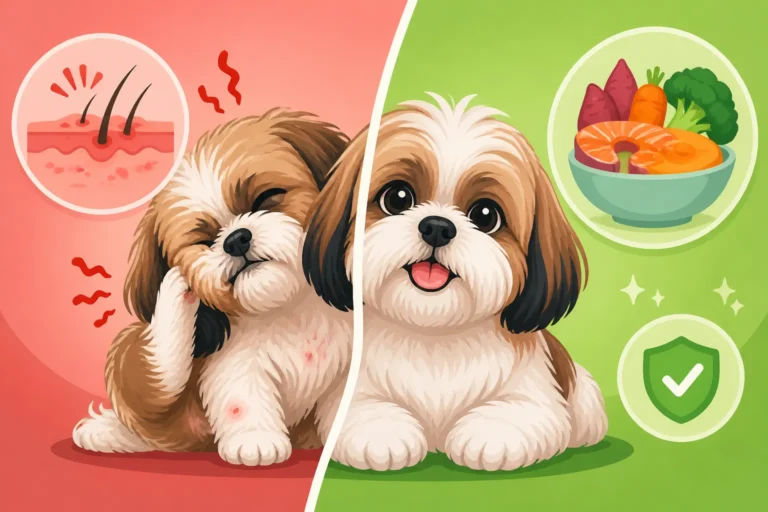
Let's face it, Shih Tzus are notorious for their dental problems. Their charming little flat faces and crowded jaws, while undeniably cute, create a perfect storm for oral health challenges. Even with diligent home care, many Shih Tzus will experience significant dental disease as they get older. Periodontal disease, which starts with plaque and tartar buildup, can lead to painful gum inflammation, infection, and eventually, the loosening and loss of teeth. Sometimes, it's just wear and tear from years of chewing, but more often, it's the result of chronic, low-grade infection that has slowly eroded the bone supporting the teeth. Shih Tzu Dental Disease at 13 Percent of the Breed covers this in more detail, highlighting just how prevalent these issues are. You might notice your dog's breath getting worse, or see some redness around the gums, long before a tooth actually falls out. The sad truth is, for many senior Shih Tzus, having a full set of healthy teeth is a rarity.
It’s easy to feel guilty about dental issues, especially if you feel you haven't been as rigorous with brushing as you could have been. But remember, the breed's unique mouth structure means they are predisposed to these problems. Those tiny jaws simply don't have enough space for all 42 adult teeth, leading to crowding where food particles and bacteria can easily accumulate. This crowding accelerates plaque formation and makes it incredibly difficult to keep their mouths truly clean. By the time they reach their senior years, which for a Shih Tzu is often around ten years old, a lifetime of these challenges can leave them with a mouth full of discomfort and missing pearly whites.
The Impact of Dental Pain Beyond Chewing
The pain from missing teeth, or the underlying periodontal disease that caused them to fall out, isn't just limited to the act of chewing. Imagine trying to eat your favorite crunchy snack with a throbbing toothache or exposed gums – it's no fun. For a Shih Tzu, this pain can extend to other areas of their life. They might become more withdrawn, less eager to play, or even grumpy when touched near their face. It’s not just about physical pain; it’s a constant, dull ache that can affect their entire demeanor. Senior Shih Tzu Care Past the Age of Ten emphasizes the importance of addressing chronic pain in older dogs, and dental pain is a huge part of that.
Furthermore, untreated dental disease isn't just localized to the mouth. The bacteria from severe gum infections can enter the bloodstream and travel to major organs, potentially impacting the heart, kidneys, and liver. So, while you're focused on how to feed them, remember that the missing teeth are often a symptom of a larger health issue that needs veterinary attention. It's crucial to have regular dental check-ups, especially as they get older, even if it means professional cleanings under anesthesia. While anesthesia always carries some risk, especially for brachycephalic breeds, the benefits of alleviating chronic pain and preventing systemic disease often far outweigh the risks.
Adapting Food Textures for Comfort and Nutrition
Once you recognize that your senior Shih Tzu is struggling with their current food, the first and most effective step is usually to change the texture. Hard kibble, which was once perfectly fine, can become a painful challenge when teeth are gone or gums are sensitive.
The Benefits of Softer Foods and Hydration
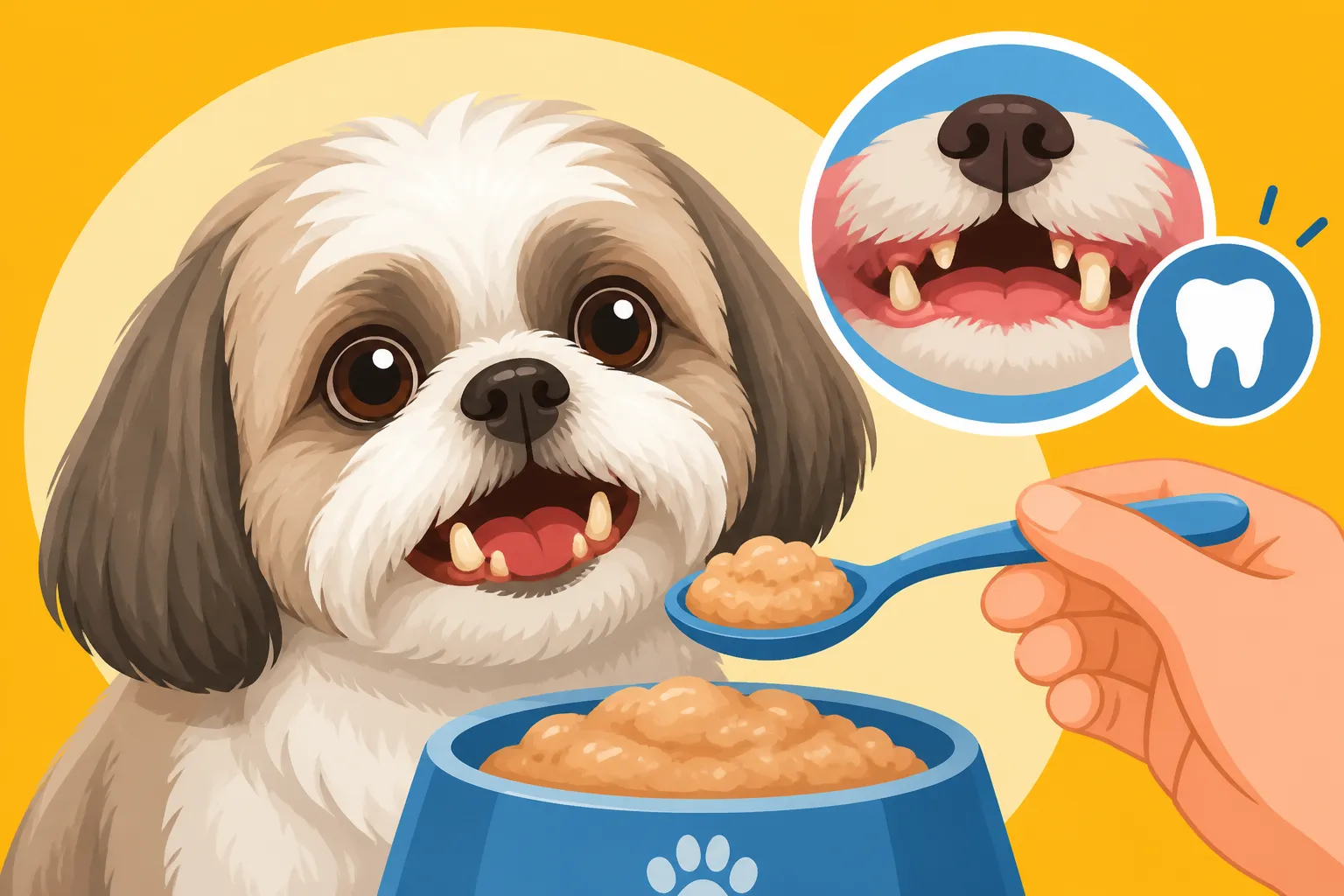
Switching to softer foods is often like a revelation for a senior Shih Tzu with missing teeth. Suddenly, mealtime isn't a painful chore; it can be a comfortable experience again. Softer foods require little to no chewing, reducing the strain on their gums and any remaining sensitive teeth. This not only makes eating more pleasant but can also encourage them to eat more consistently, which is vital for maintaining their weight and energy levels. Many owners find that once they make this change, their dog's appetite returns with renewed vigor.
Beyond comfort, softer foods, especially those with higher moisture content, offer a significant hydration boost. Many older dogs, for various reasons, don't drink as much water as they should, or they might have underlying kidney issues that require increased fluid intake. Wet foods, or even just adding water or broth to dry kibble, can help ensure they stay well-hydrated without even trying. This extra hydration is especially beneficial for senior dogs whose bodies might be less efficient at retaining water. It also makes the food easier to digest, which can be another plus for an aging digestive system. For dogs with Kidney Diets for a Shih Tzu needs, this additional moisture can be particularly important.
Exploring Different Food Formats
There's a wide world of softer food options beyond just basic canned food. Here are some popular choices, each with its own benefits:
- Canned Wet Food: This is the most obvious choice. High-quality canned foods are readily available at most pet stores and online retailers like Amazon or Chewy. Look for formulations specifically designed for senior dogs, as they often have adjusted nutrient profiles to support aging bodies. The consistency varies, from pâtés to chunky stews, so you might need to experiment to find what your Shih Tzu prefers. Just make sure the pieces, if chunky, are small enough not to pose a choking hazard for a dog that won't chew.
- Rehydrated Freeze-Dried or Dehydrated Food: These options offer a good balance of convenience and fresh ingredients. You simply add warm water or broth, let it sit for a few minutes, and it transforms into a soft, palatable meal. Brands like Ollie offer fresh, human-grade food that can be softer in texture and highly appealing to picky eaters. These can be particularly useful if you're looking for something that feels a bit more "whole" or less processed than traditional canned food.
- Soaked Kibble: If your Shih Tzu is still attached to their current dry food, don't despair. You can often make it soft enough by adding warm water or low-sodium chicken broth and letting it soak for 10-15 minutes until it's mushy. This maintains the familiar flavor and ingredients while making it much easier to eat. This is also a good transitional step if you're gradually moving them to an entirely new diet.
- Homemade Cooked Food: For some owners, cooking for their senior Shih Tzu is a labor of love. Boiled chicken, lean ground beef, soft-cooked sweet potatoes, and pureed vegetables (like carrots or green beans) can be excellent, nutritious additions or even the base of their diet. Always consult with your vet or a veterinary nutritionist if you plan to feed a completely homemade diet to ensure it's balanced and meets all their nutritional requirements. Simply feeding chicken and rice long-term isn't enough; a balanced senior diet needs careful formulation.
Here's a quick comparison of common soft food types:
| Food Type | Texture | Benefits | Considerations |
|---|---|---|---|
| Canned Wet Food | Pâté, minced, chunky (softened) | High moisture, palatable, complete nutrition | Can be messy, some brands vary in quality |
| Rehydrated Dehydrated/FD | Soft mush after rehydration | High palatability, often human-grade | Requires prep time, can be more expensive |
| Soaked Dry Kibble | Soft, mushy, easy to gum | Familiar taste, easy transition | Might not be soft enough for very sensitive gums |
| Homemade Cooked | Soft, pureed, stew-like | Fresh ingredients, highly customizable | Requires careful balancing of nutrients, time-consuming |
Practical Feeding Strategies for a Toothless Wonder
Beyond just what you feed them, how you feed an old Shih Tzu with missing teeth can make a world of difference. Small adjustments to their routine and setup can significantly improve their mealtime experience.
Special Bowls and Feeding Times
Consider their physical limitations beyond just their mouth. An older Shih Tzu might have Shih Tzu Arthritis After the Age of Nine or Shih Tzu Back Problems and Disc Disease, making it uncomfortable to bend down to a bowl on the floor. Elevated food bowls can reduce strain on their neck and spine, making eating a much more comfortable process. You can find these at pet stores or online at Chewy or Amazon. Look for bowls that are also shallow or wide, as this can be easier for a brachycephalic breed to access without smooshing their face too much. Some dogs also benefit from non-slip bowls or mats to prevent the bowl from sliding around during a determined attempt to eat.
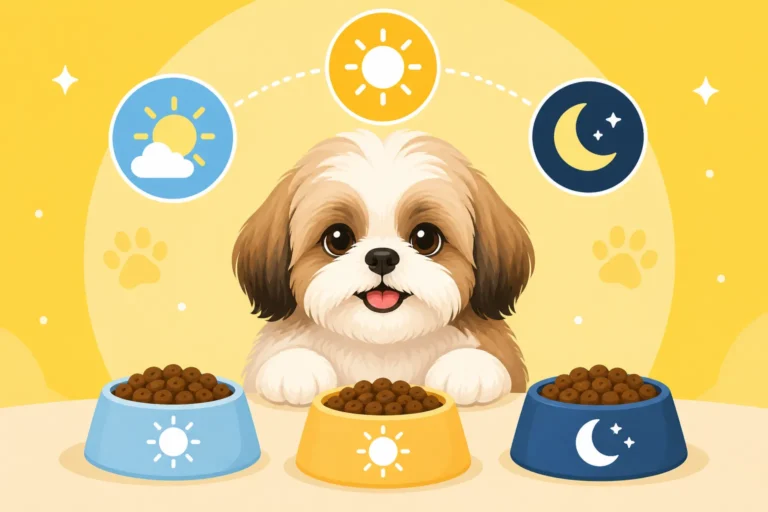
When it comes to feeding times, instead of one or two large meals, consider breaking their daily ration into several smaller meals throughout the day. This can be easier on an aging digestive system and helps keep their energy levels more stable. Smaller portions are less daunting and can encourage a hesitant eater to finish their meal. Consistency is key, so try to stick to a regular schedule. If your Shih Tzu has become a very slow eater, allow them ample time to finish, undisturbed, before removing the bowl. Patience is a virtue when feeding a senior pup.
Monitoring Weight and Nutrient Intake
It's easy for an older dog, especially one with eating challenges, to slowly lose weight. Because Shih Tzus have such thick, flowing coats, weight loss can sometimes be masked until it's quite significant. It's crucial to regularly monitor your Shih Tzu's weight. A good rule of thumb is to feel for their ribs – you should be able to feel them easily but not see them protruding. If their backbone or hip bones start to become prominent, it's a clear sign they're losing too much weight. Keeping a simple log of their weight can help you track trends over time and alert you and your vet to any concerns.
Beyond just quantity, you need to ensure they're getting all the necessary nutrients. Senior dogs often have different caloric and nutritional needs than younger adults. They might require fewer calories to prevent obesity, but need higher quality protein to maintain muscle mass, and increased fiber for digestive health. If you're using commercial senior dog food, it's typically formulated to meet these needs. If you're preparing homemade food, this is where a veterinary nutritionist's advice becomes invaluable. Don't forget that treats count too! Choose soft, easily digestible treats, and factor them into their daily caloric intake to prevent overfeeding or to ensure they are getting enough if they are underweight. Feeding a Shih Tzu Past the Age of Ten goes into more detail about the specific dietary needs of older Shih Tzus.
Tempting a Fussy Eater
Some older Shih Tzus might become incredibly picky, even with soft foods. This can be frustrating, but remember, they might still be experiencing discomfort, or their sense of smell and taste might be diminishing. Here are some tricks to tempt a fussy eater:
- Warm it up: Gently warming wet food (ensure it's not hot) can enhance its aroma and make it more appealing. Just a few seconds in the microwave (stir well to avoid hot spots!) or mixing with warm water can do wonders.
- Add flavor boosters: A small amount of low-sodium chicken or beef broth, cooked egg, or plain cooked chicken breast (shredded finely) can entice them. Be mindful of ingredients; avoid anything with onion or garlic powder.
- Hand-feeding: Sometimes, just the act of you offering the food from your hand can make a big difference, especially if they associate the bowl with discomfort or difficulty. It can strengthen your bond and reassure them.
- Rotate proteins: If your dog seems to get bored easily, try rotating between different protein sources in their wet food (e.g., chicken one week, beef the next). Just make sure these transitions are gradual to avoid stomach upset.
- Create a quiet, calm environment: Ensure they can eat without interruption from other pets or household activity. A quiet corner can make them feel more secure.
- Rule out other health issues: If your Shih Tzu suddenly becomes extremely finicky or refuses to eat for more than a day, it's time for a vet visit. There could be underlying medical issues unrelated to their teeth, such as nausea, organ problems, or even cognitive decline. An Old Shih Tzu That Leaves Its Food covers more reasons why a senior Shih Tzu might lose their appetite.
Supplements and Supporting Overall Senior Health
While adapting their food is crucial, a holistic approach to your senior Shih Tzu's health includes considering supplements and regular veterinary oversight, which can further enhance their well-being as they navigate their golden years.
Essential Supplements for Aging Dogs
Even with a high-quality senior dog food, some older Shih Tzus can benefit from targeted supplements. These are not a cure-all, but they can support specific bodily functions that decline with age.
- Joint Supplements: Glucosamine and chondroitin are popular choices for supporting joint health, especially important for a breed prone to Shih Tzu Joint Problems in a Toy Frame like patellar luxation or hip dysplasia. Omega-3 fatty acids (fish oil) can also reduce inflammation and support overall joint and skin health. You can find many reputable brands of these supplements on Chewy or Amazon.
- Probiotics: An aging digestive system can sometimes struggle. Probiotics can help maintain a healthy gut microbiome, improving digestion and nutrient absorption. If your dog experiences occasional loose stools or has a sensitive stomach, a probiotic supplement might be beneficial.
- Antioxidants: Supplements containing antioxidants like vitamins C and E, or specific botanical extracts, can help combat cellular damage caused by free radicals, supporting overall immune function and cognitive health.
- Cognitive Support: As some Shih Tzus enter their later senior years, they may experience signs of cognitive dysfunction. Supplements containing ingredients like medium-chain triglycerides (MCTs) or S-adenosylmethionine (SAMe) are sometimes recommended to support brain health.
Always, always discuss any supplements with your veterinarian before introducing them. They can advise on appropriate dosages, potential interactions with existing medications, and whether a supplement is truly necessary for your individual dog's health needs. What works for one dog might not be right for another.
Regular Vet Check-ups and Professional Guidance
This cannot be stressed enough: regular veterinary check-ups are paramount for a senior Shih Tzu. Even if they seem to be doing well with their new diet, underlying health issues can develop subtly. Many problems, such as kidney disease, thyroid imbalances, or even certain cancers, might present with vague symptoms like decreased appetite, lethargy, or weight changes. Early detection through routine blood work and urine tests can make a significant difference in managing these conditions. The Senior Panel a Shih Tzu Needs at Ten details the specific diagnostic tests your vet might recommend as your Shih Tzu ages.
Your veterinarian is your best partner in navigating the challenges of feeding an old Shih Tzu with missing teeth. They can assess the remaining dental health, recommend further dental procedures if needed, and help you formulate a diet plan that is specifically tailored to your dog's unique health profile. They can also rule out other medical causes for a reduced appetite or difficulty eating, ensuring that you're not just treating symptoms but addressing the root cause. Don't hesitate to reach out to them with any concerns; they are there to help ensure your beloved Shih Tzu enjoys their golden years as comfortably and healthily as possible.
Disclaimer
This article is for general informational purposes only and does not constitute professional advice. Laws, prices and regulations vary by location and change over time. Consult a qualified professional for guidance on your specific situation.