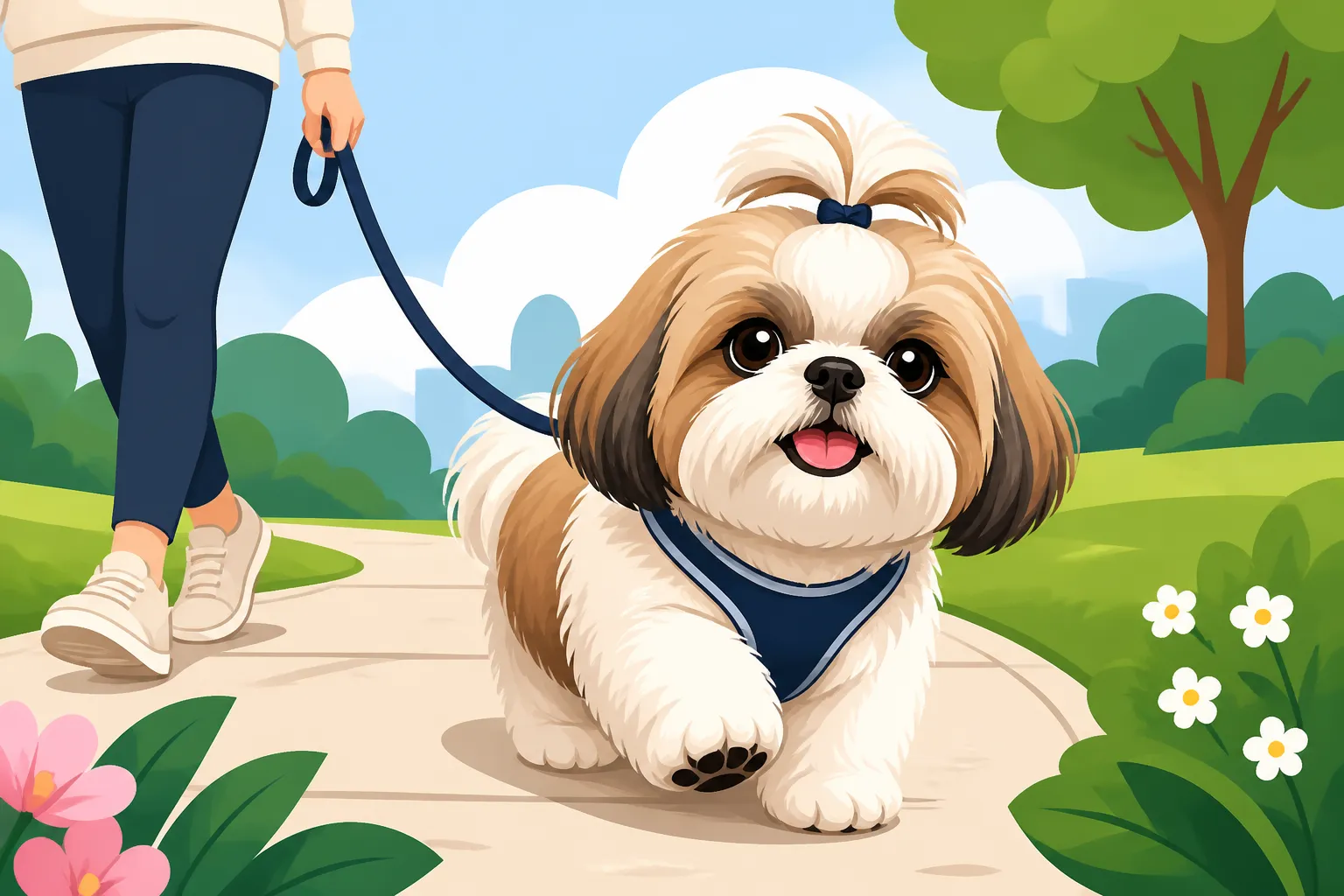
The Short Walks a Shih Tzu Is Built For
Many Shih Tzu owners find themselves wondering just how much exercise their adorable, flat-faced companions truly need. It's a common frustration to see lively larger dogs bounding through parks while your little lion dog seems perfectly content with a brief stroll, or worse, struggles after just a few blocks. This guide aims to clear up the confusion, helping you understand the unique physical capabilities and limitations of your Shih Tzu so you can provide the perfect balance of activity and rest.
Understanding Your Shih Tzu's Unique Physical Build
Our beloved Shih Tzus are marvels of companion breeding, but their distinctive features, while undeniably charming, come with specific physical considerations, especially when it comes to exercise. It’s not about laziness; it’s about their anatomy.
The Brachycephalic Challenge on Walks
The most significant factor influencing a Shih Tzu’s exercise capacity is their brachycephalic, or "flat-faced," skull structure. This isn't just about a cute pushed-in nose; it means their respiratory system is inherently different from breeds with longer snouts. Their airways are often narrower, their soft palates can be elongated, and their nostrils might be stenotic (pinched).
When a dog exercises, especially on a walk, their body temperature rises, and they cool down primarily by panting. For a Shih Tzu, the mechanics of panting are simply less efficient. They have to work much harder to get air in and out, making them much more prone to overheating and respiratory distress, even with moderate activity. Imagine trying to run a marathon while breathing through a straw—that’s a bit how it feels for them. This is why it’s so vital to understand Brachycephalic Breathing in a Shih Tzu and how it limits their stamina, particularly in warmer weather.
Tiny Legs, Long Back, and Joint Considerations
Beyond their breathing, a Shih Tzu’s overall build also dictates their physical limits. They are toy dogs, designed for laps, not for endurance running. Their short legs simply can't cover ground as quickly or efficiently as a larger dog. Couple this with their relatively long backs for their size, and you have a recipe for potential orthopedic issues.
Their long spine is particularly vulnerable. Jumping off furniture, wrestling too roughly with other dogs, or even sudden twists can put immense strain on their discs, potentially leading to painful conditions like intervertebral disc disease (IVDD). This is why knowing Why a Shih Tzu Spine Is Built to Slip is crucial for every owner. Furthermore, many Shih Tzus can be prone to patellar luxation, a condition where the kneecap slips out of place, making long, strenuous walks uncomfortable or even damaging. Their joints, while small, are subject to the same wear and tear as any other dog’s, and we need to protect them. Patellar Luxation in a Shih Tzu can be a concern from a young age or develop over time, affecting their willingness and ability to walk distances.
How Long (and How Often) Should a Shih Tzu Walk?
So, with all these considerations in mind, what's the magic number for Shih Tzu walks? The answer, like with most things in life, isn't one-size-fits-all, but there are some excellent guidelines to follow.
The "Sweet Spot" for Outdoor Excursions
Generally speaking, a Shih Tzu is built for several short, leisurely strolls throughout the day rather than one long, intense hike. Think of them as sprinters of affection, not marathoners of the pavement. For most healthy adult Shih Tzus, a 15 to 20-minute walk, two or three times a day, is often ideal. This duration allows them to explore, sniff around, relieve themselves, and enjoy the fresh air without becoming overexerted.
The key is "leisurely." These aren't power walks. Let your Shih Tzu set the pace. If they want to stop and sniff every lamppost, that’s perfectly fine – it’s great mental enrichment for them. Pay close attention to their body language. Are they lagging behind? Panting heavily (more than usual for their breed)? Are their ears drooped, or do they seem less engaged? These are all signs it’s time to turn back or pick them up for a carry. Building up stamina slowly is also important, starting with even shorter walks for puppies or less active adults.
Adapting Walks to Weather and Environment
The weather is perhaps the biggest factor in determining walk length and even if a walk is advisable at all. Because of their brachycephalic physiology, Shih Tzus struggle immensely in heat and humidity. Why a Shih Tzu Overheats So Easily cannot be overstated. On warm days (anything above 75°F or with high humidity), those 15-20 minute walks might need to be cut down to 5-10 minutes, or even skipped entirely in favor of indoor play.
Similarly, extremely cold weather can also pose a challenge. Their small bodies lose heat quickly, and while their double coat offers some protection, their paws are still exposed. On icy or very cold days, consider dog booties or limiting walks to quick potty breaks. Always check the pavement temperature with the back of your hand; if it’s too hot or too cold for you, it’s too hot or too cold for their paw pads. For a Shih Tzu, a brisk spring morning or a cool autumn evening is often the perfect time for an outdoor adventure.
Beyond the Leash: Mental Stimulation and Sniffing
It’s easy to think of a walk purely in terms of physical distance covered, but for a Shih Tzu, the mental stimulation is just as, if not more, important. Sniffing is a dog’s primary way of interpreting the world around them, and a walk that allows for ample sniffing is incredibly enriching. It can be far more tiring for them mentally than simply trotting along.
Allowing your Shih Tzu to investigate interesting scents and linger a bit longer in new areas provides them with a "sniffari" experience. This mental workout can satisfy their needs almost as much as physical exertion, without putting undue strain on their body. Puzzle toys or scent games at home can also provide this vital mental engagement. Even if you're only walking a block, if your Shih Tzu gets to sniff a dozen new spots, it's been a successful and fulfilling outing.
Alternatives and Supplements to Outdoor Walks
Sometimes, outdoor walks just aren't possible or enough. Whether it's scorching summer heat, pouring rain, or simply a day when your Shih Tzu isn't feeling up to it, having alternatives for exercise and enrichment is essential.
Indoor Play and Engaging Activities
Don't underestimate the power of indoor play! For a breed like the Shih Tzu, a comfortable living room can be an exciting adventure playground. Short games of fetch down a hallway are fantastic for burning off energy. Use soft, lightweight toys that are easy for them to pick up and won't hurt them if they accidentally bump into furniture. Toys from Amazon or Chewy specifically designed for small breeds or for indoor play can be invaluable.
Consider introducing puzzle toys or snuffle mats, which encourage them to use their brains to find treats. These activities provide mental stimulation and can be surprisingly tiring. Even a simple game of "hide and seek" where you hide treats around the house can be a fun and engaging way to get them moving and thinking. Remember, engagement and mental work can sometimes be just as effective as a long walk for a companion dog.
Harnessing Technology and Tools for Safe Exercise
When you do take your Shih Tzu out, the right gear makes all the difference. Never use a collar that puts pressure on their throat or neck; this is especially dangerous for brachycephalic breeds, as it can further impede their breathing and even risk things like Shih Tzu Eye Proptosis, the Emergency Owners Miss. A well-fitting harness that distributes pressure across their chest and shoulders is non-negotiable. Look for harnesses designed for toy breeds that won't chafe their delicate skin or mat their long coats.
For outdoor adventures, especially in warmer weather, consider a cooling vest or bandanna. These simple tools can help regulate their body temperature, giving them a bit more comfort. Always carry a collapsible water bowl and fresh water, offering sips frequently. For those with Shih Tzu Back Problems and Disc Disease, a special sling or support harness can assist them on short walks, and pet ramps are crucial for keeping them off high furniture.
Special Considerations for Puppies and Seniors
Shih Tzu puppies are bundles of boundless energy, but their developing joints and bones are still fragile. Keep puppy walks very short – just a few minutes, focused on potty breaks and positive exposure to the world. Over-exercising a puppy can cause orthopedic problems down the line. Focus more on short bursts of play and socialization within safe environments. The Puppy Check a Shih Tzu Needs at Eight Weeks will give you a good idea of their initial health.
For senior Shih Tzus, the approach shifts again. As they age, their stamina naturally decreases, and conditions like arthritis or heart murmurs can become more prevalent. Senior Shih Tzu Care Past the Age of Ten often means shorter, slower, and more frequent walks. They might not want to go as far, and that’s okay. Pay extra attention to their comfort, offering a stroller if they tire easily or if you want to extend your own walk while still having them accompany you. Gentle massage and appropriate joint supplements (which you can often find at retailers like Chewy or through specialty fresh food providers like Ollie that offer customized meal plans with supplements) can help support their mobility.
Recognizing When Your Shih Tzu Needs a Break
Being a responsible Shih Tzu owner means constantly observing and interpreting your dog's signals. They can't tell you in words when they're tired or uncomfortable, but their body language speaks volumes.
Signs of Overexertion or Discomfort
The most common sign of overexertion in a Shih Tzu is excessive panting. While some panting is normal during exercise, look for heavy, labored panting that seems out of proportion to the activity, especially if it sounds raspy or gurgling. Other red flags include:
- Lagging behind or refusing to walk: If your dog usually loves walks but suddenly stops or drags their feet, they're telling you something.
- Bright red gums or tongue: This is a clear sign of overheating and requires immediate intervention.
- Stumbling or loss of coordination: This could indicate heatstroke or another serious issue.
- Excessive drooling: More than normal drooling can be a symptom of distress.
- Increased snorting or reverse sneezing: While a certain amount of The Reverse Sneeze Every Shih Tzu Owner Hears is common for the breed, an increase during exercise can signal respiratory distress.
- Seeking shade or trying to lie down: Your dog is actively trying to cool off or rest.
- Reluctance to jump or climb: This might indicate Early Shih Tzu Back Pain Signs or joint discomfort.
If you observe any of these signs, stop the activity immediately. Find a cool, shaded spot, offer water, and consider applying cool, wet cloths to their paws and belly. If symptoms persist or worsen, contact your vet without delay.
The Importance of Regular Vet Check-ups
Knowing your Shih Tzu's baseline health is critical to understanding their exercise limits. Regular veterinary check-ups are not just for vaccinations; they're an opportunity for your vet to assess your dog's heart, lungs, joints, and overall physical condition. Discuss your dog's exercise routine and any concerns you have with your vet.
Your vet can identify potential issues like Shih Tzu Heart Murmurs and Valve Disease or early signs of joint problems, which might necessitate adjusting their exercise regimen. They can also advise on appropriate weight management, as even What Two Extra Pounds Do to a Shih Tzu can significantly impact their ability to exercise comfortably and safely, putting extra strain on their delicate joints and back. Having an ongoing dialogue with your veterinarian ensures you're providing the safest and most beneficial activity levels for your unique Shih Tzu.
Shih Tzu Walk Guidelines
Here's a quick overview of what to consider when planning walks for your Shih Tzu:
| Factor | Ideal Duration & Frequency | Key Considerations |
|---|---|---|
| Healthy Adult | 15-20 minutes, 2-3 times/day | Leisurely pace, ample sniffing, adjust for individual energy. |
| Puppy (Under 6 mos.) | 5-10 minutes, 3-4 times/day | Focus on potty breaks and positive exposure; avoid overexertion. |
| Senior (10+ yrs.) | 5-15 minutes, 2-3 times/day | Slower pace, watch for discomfort, consider a stroller for longer outings. |
| Hot Weather (>75°F) | 5-10 minutes, only in early AM/late PM | Avoid mid-day; watch for heavy panting; cooling gear and water are essential. |
| Cold Weather (<30°F) | 5-10 minutes, for potty breaks only | Consider booties; avoid icy surfaces; check paw pads. |
| High Humidity | Significantly reduce walk time, or skip | Humidity exacerbates breathing difficulties and overheating risks. |
| Rainy/Wet | Short potty breaks, indoor play | Many Shih Tzus dislike rain; avoid matted coats from dampness. |
| Dogs with Health Issues | As advised by vet | Adjust strictly based on specific conditions (e.g., heart, joints, airway). |
Remember, these are general guidelines. Every Shih Tzu is an individual, and their needs may vary. The most important thing is to listen to your dog and always prioritize their comfort and safety.
Ultimately, understanding that your Shih Tzu is built for short, purposeful walks, punctuated by plenty of rest and mental stimulation, will make both of your lives happier and healthier. It's not about how far you go, but how well you go it, ensuring your precious companion enjoys every moment safely.
Disclaimer
This article is for general informational purposes only and does not constitute professional advice. Laws, prices and regulations vary by location and change over time. Consult a qualified professional for guidance on your specific situation.