Whether a Clipped Shih Tzu Needs a Coat
One common dilemma Shih Tzu owners face is how to keep their beloved companions comfortable when the temperatures drop, especially if their luxurious double coat has been clipped short. Many of us worry that by giving our furry friends a practical "puppy cut" for easier maintenance or to help them stay cool in summer, we've inadvertently stripped them of their natural defenses against the cold. This guide will help you understand whether a clipped Shih Tzu genuinely needs a coat, and how to make the best decision for their well-being in cooler weather.
Understanding the Shih Tzu Coat and Its Purpose
The Shih Tzu's iconic double coat isn't just for show; it's a marvel of natural engineering designed to protect them from the elements. This breed originated in the harsh, cold climates of Tibet and the chilly palaces of China, where their long, flowing hair provided essential insulation. When we decide to clip that coat, we're fundamentally altering their natural protective barrier, and it's vital to understand the implications of that change.
The Double-Layered Protection
A full Shih Tzu coat consists of two distinct layers: a soft, downy undercoat and a longer, coarser outer coat. The undercoat acts like a thermal blanket, trapping warm air close to the body and insulating against cold. The outer coat, often called guard hairs, repels moisture and dirt, keeping the undercoat dry and clean. This combination works beautifully to regulate their body temperature, not just keeping them warm in winter, but also helping to deflect heat in summer by creating an airy buffer. It’s a complete system that’s remarkably efficient.
When you think about the natural purpose of this coat, it highlights why we need to be mindful when we shave or clip it short. Imagine stepping out into winter weather wearing only a t-shirt after being accustomed to a heavy winter coat. That's essentially what we're doing to our Shih Tzus when we remove their protective layers. While a shorter cut can prevent painful matting and make grooming easier, it also removes their built-in climate control system, leaving them more vulnerable to temperature fluctuations. Brushing a Shih Tzu Double Coat Every Day is crucial for its health, but sometimes a clip is necessary for practicality.
How Clipping Alters Thermoregulation
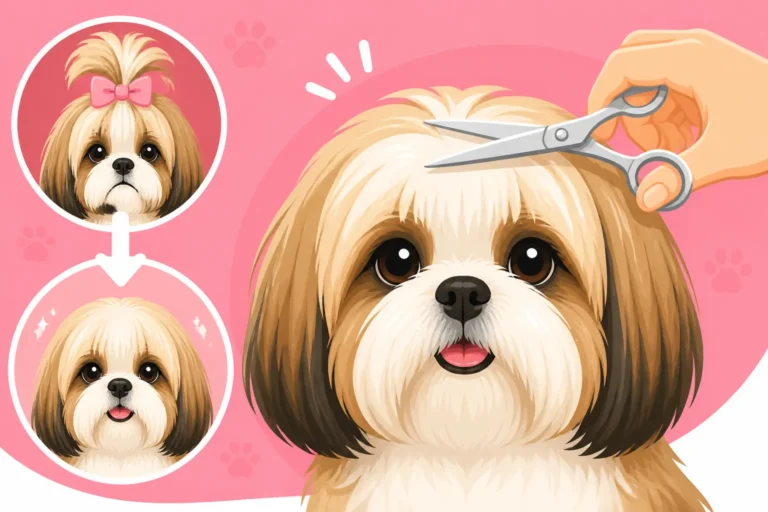
Clipping a Shih Tzu's coat, especially down to a very short "puppy cut" or shave, drastically reduces their natural insulation. The dense undercoat that traps warm air is largely removed, and the protective outer guard hairs are gone. This means their body has to work harder to maintain a comfortable internal temperature. In cold weather, they lose heat much faster, making them susceptible to feeling chilled. You might notice them shivering, seeking out warm spots, or trying to burrow under blankets more frequently than a Shih Tzu with a longer coat.
Conversely, a very short clip can also expose their skin directly to the sun, increasing the risk of sunburn, especially on lighter-colored dogs or areas with less pigment. While the initial thought behind clipping is often to cool the dog, removing too much insulation can sometimes have the opposite effect or create new vulnerabilities. This is particularly relevant when considering Keeping a Flat-Faced Shih Tzu Cool in warmer months, as a short clip is often recommended, but then poses a new challenge when temperatures drop again. It's a balance we, as responsible owners, constantly have to find.
Factors Influencing the Need for a Coat
Deciding whether your clipped Shih Tzu needs a coat isn't a one-size-fits-all answer. Several factors play a significant role, from the local climate to your dog's individual health and age. Understanding these nuances will help you make an informed choice that keeps your furry friend healthy and happy.
Climate and Environmental Conditions
The most obvious factor is the weather outside. If you live in an area where winters are mild, with temperatures rarely dipping below freezing, your clipped Shih Tzu might not need a heavy-duty winter coat, especially if their walks are brief and they spend most of their time indoors. However, if you reside in a region with true winter conditions—think freezing temperatures, snow, ice, and biting winds—then a coat becomes much more than a fashion statement; it's a necessity for their safety and comfort.
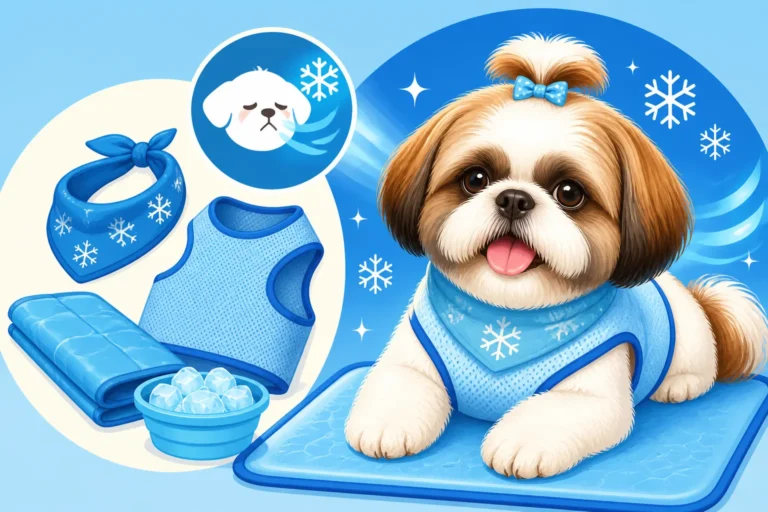
Consider not just the temperature reading, but also the "real feel." Wind chill can make an already cold day feel much colder for a small, clipped dog. Rainy or wet conditions can also strip away body heat rapidly, even if the air temperature isn't bitterly cold. A water-resistant coat can be invaluable in such circumstances. Even inside your home, if it tends to be drafty or you keep your thermostat on the cooler side, your clipped Shih Tzu might appreciate an indoor sweater or blanket. It’s about creating a comfortable microclimate for them, especially since How a Clipped Shih Tzu Handles Cold is significantly different from a full-coated one.
Shih Tzu's Age, Health, and Activity Level
Just like humans, older Shih Tzus or those with underlying health conditions are more susceptible to the cold. Senior dogs, for example, may have a reduced ability to regulate their body temperature due to a slower metabolism, thinning coats (even if clipped), or conditions like arthritis that make movement difficult in the cold. A warm coat can provide much-needed comfort and support their overall well-being. Senior Shih Tzu Care Past the Age of Ten often includes extra steps to keep them warm.
Similarly, a Shih Tzu with certain medical conditions, such as hypothyroidism or heart issues, might struggle more with cold temperatures. Always consult your vet if you have concerns. Activity level also matters: a Shih Tzu trotting briskly on a short walk might generate enough body heat to stay warm for a bit, but one who stops frequently to sniff or moves slowly will get cold faster. Puppies, with their less developed thermoregulation systems, also need extra protection, especially if they're clipped. Think about your specific dog: are they robust and energetic, or do they tend to shiver easily and seek warmth?
The Length of the Clip
Not all "clipped" Shih Tzus are created equal. A Shih Tzu sporting a neat, half-inch "teddy bear cut" still retains some insulation and protection, particularly if the undercoat hasn't been completely removed. This is vastly different from a dog shaved down to the skin, which offers almost no natural protection. The shorter the clip, the more crucial external protection becomes.
For example, a Shih Tzu with a puppy cut around an inch long might be fine on a crisp autumn day without a coat, but that same dog would likely need one in snowy winter conditions. A dog shaved very short, perhaps due to severe matting, will need a coat even in moderately cool temperatures, as their skin is directly exposed. When you discuss a clip with your groomer, consider the practical implications of different lengths. A slightly longer puppy cut can offer a good balance between ease of care and natural protection. It's all about finding that sweet spot between managing a beautiful coat and ensuring their comfort.
Choosing the Right Coat for Your Shih Tzu
Once you've determined that your clipped Shih Tzu would benefit from a coat, the next step is choosing the right one. With so many options available, it can feel a bit overwhelming, but focusing on fit, material, and features tailored to your Shih Tzu's needs will make the process much easier.
Fit and Sizing Considerations
Getting the right fit is paramount. A coat that's too tight will restrict movement, chafe, and be uncomfortable, potentially leading to skin irritation. One that's too loose can sag, get caught on things, or fail to provide adequate warmth. Shih Tzus, with their unique body shape – often a slightly longer back and stocky build – require careful measurement. Don't just guess based on weight; measure your dog from the base of the neck to the base of the tail for length, and around the deepest part of their chest for girth.
Many brands, including those found on platforms like Chewy or Amazon, provide detailed sizing charts. Always check these charts against your dog's measurements. Look for coats with adjustable straps around the chest and belly to ensure a snug, comfortable fit. Some coats are designed with a harness opening, which is perfect for Shih Tzus who should always wear a harness, not a collar, for walks to protect their delicate necks and airways. This also prevents you from having to layer a coat over a harness, which can be bulky and uncomfortable. Why a Shih Tzu Should Wear a Harness Not a Collar is a key consideration here.
Material and Warmth Levels
The material of the coat dictates its warmth and weather resistance. For cold, dry days, a soft fleece or wool sweater might be sufficient. These are great for indoor wear if your home is chilly or for mild outdoor adventures. However, for wet, windy, or snowy conditions, you'll need something more robust.
Look for coats with a water-resistant or waterproof outer shell, often made from nylon or similar synthetic fabrics, combined with a warm lining like fleece or faux shearling. Down or synthetic insulation can offer superior warmth for very cold climates. For added visibility during evening walks, consider coats with reflective elements. Brands like Ruffwear or Hurtta offer excellent options designed for durability and weather protection. Remember, the goal is to add back the insulation your Shih Tzu lost with their clipped coat, so think about what kind of "mini-winter jacket" they need for your specific climate.
Special Features: Hoods, Leggings, and Belly Coverage
Beyond basic warmth, some coats come with special features that can be incredibly beneficial for a Shih Tzu. A hood can offer extra protection for their head and ears, especially for those sensitive to cold, though some dogs tolerate them better than others. Integrated leggings or full-body suits can provide comprehensive coverage, protecting legs and bellies from snow, slush, and salt. This is particularly useful for smaller dogs like Shih Tzus whose bellies are closer to the cold ground.
Belly coverage is especially important for male Shih Tzus to prevent discomfort when urinating, so look for coats designed with higher cutouts in that area. For dogs prone to matting (even with a clip, if it's not super short), a smooth inner lining can help prevent tangles. Ultimately, the best coat is one that your Shih Tzu is comfortable wearing, provides adequate protection for your specific climate and their activity, and is easy for you to put on and take off. Considering food options from Ollie might also be a way to ensure your dog is getting proper nutrition to help with overall health and resilience against elements.
Coat Care and Monitoring Your Clipped Shih Tzu
Having the right coat is only half the battle; knowing how to properly care for it and, more importantly, how to monitor your Shih Tzu while they're wearing it, is crucial for their long-term comfort and health. It's not just about putting it on and forgetting it.
Regular Cleaning and Maintenance
Just like your own winter wear, your Shih Tzu's coat will need regular cleaning to stay hygienic and effective. Depending on how often it's worn and the conditions it's exposed to, this could mean weekly or bi-weekly washing. Mud, dirt, snowmelt, and even environmental allergens can accumulate on the coat, potentially irritating your dog's skin or reducing the material's effectiveness.
Always follow the manufacturer's washing instructions, usually found on a label or the product's packaging. Most dog coats are machine washable on a gentle cycle with mild detergent and should be air-dried to preserve their waterproof coatings and insulation. Avoid using harsh chemicals or fabric softeners, as these can strip away water repellency or cause skin sensitivities for your dog. Properly cleaned and maintained, a good quality coat can last for several seasons, making it a worthwhile investment in your Shih Tzu's well-being.
Spotting Signs of Discomfort or Overheating
While the goal of a coat is warmth, it's possible to overdo it, especially if the weather unexpectedly warms up or your Shih Tzu becomes very active. It's essential to monitor your dog for signs of discomfort or overheating. Signs of being too warm include excessive panting, drooling, restlessness, seeking shade, or trying to remove the coat themselves. Unlike humans, dogs don't sweat efficiently through their skin; they primarily cool themselves by panting. If your Shih Tzu is panting heavily, especially without exertion, they might be too hot.
Always use common sense. If you're feeling too warm in your own winter jacket, your dog probably is too. Pay attention to your dog's ears; if they feel hot to the touch, it's another indicator. Conversely, look for signs they are still cold, such as shivering, hunching, or lifting paws off the ground. A quick check of their exposed skin (if any) or paw pads can also give you an idea of their core temperature. Never leave a coated Shih Tzu unsupervised in a warm car or in direct sunlight for extended periods.
Balancing Protection with Freedom of Movement
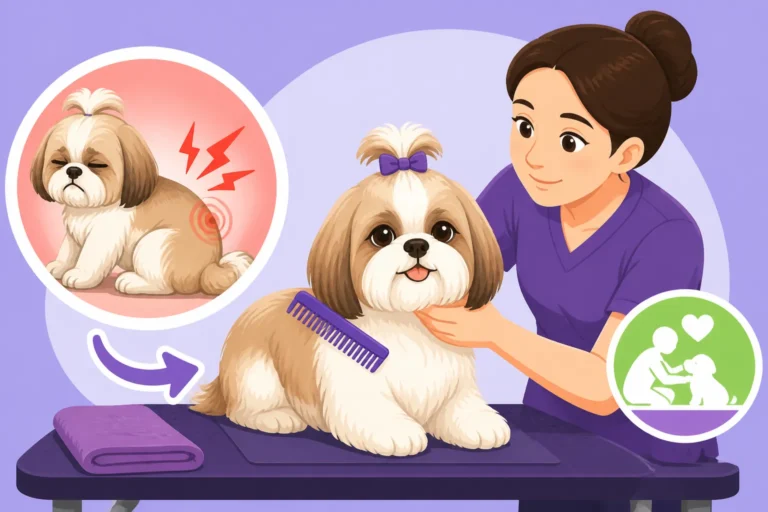
The perfect coat provides warmth without hindering your Shih Tzu's natural movements. They should be able to walk, run, squat to relieve themselves, and interact with the world around them without feeling restricted or awkward. If a coat is too bulky or stiff, it can make them hesitant to move, or even throw off their balance, which is particularly concerning for a breed already prone to Shih Tzu Back Problems and Disc Disease.
When trying on a coat, observe your Shih Tzu. Do they walk normally? Can they sit and lie down comfortably? Does it interfere with their potty breaks? If they seem stiff or struggle, it might be the wrong size or style. For daily wear, a lighter, more flexible material might be better, while a heavier, more structured coat might be reserved for extreme cold. Always choose a coat that allows them to be a dog – to sniff, explore, and enjoy their time outdoors safely and comfortably. For other protective gear, don't forget options for Joint Support for a Shih Tzu Back and Knees if they are older or have mobility issues, as a coat is just one part of their overall care.
| Factor to Consider | Clipped Shih Tzu Needs a Coat | Clipped Shih Tzu Might Not Need a Coat |
|---|---|---|
| Outdoor Temperature | Below 40°F (4°C) | Above 50°F (10°C) |
| Wind Chill/Rain/Snow | Present and significant | Absent or very mild |
| Length of Clip | Shaved very short (less than 0.5 inch) | Longer "puppy cut" (1 inch or more) |
| Age | Puppy or Senior (over 10) | Adult (1-9 years) |
| Health Conditions | Hypothyroidism, arthritis, heart issues | Generally healthy |
| Activity Level | Slow walker, often stationary | Brisk walker, consistently moving |
| Time Outdoors | Extended periods (over 15-20 min) | Short potty breaks (under 10 min) |
| Indoor Environment | Drafty, low thermostat | Warm, consistent temperature |
Disclaimer
This article is for general informational purposes only and does not constitute professional advice. Laws, prices and regulations vary by location and change over time. Consult a qualified professional for guidance on your specific situation.