Training Treats Broken Small for a Shih Tzu
Finding the right training treats for a Shih Tzu can feel like an impossible puzzle. Many of us struggle with finding morsels small enough for their tiny mouths and delicate digestive systems, especially when those tempting, larger treats are everywhere. This guide is here to walk you through exactly how to select, prepare, and use small, effective training treats that will keep your little lion dog engaged and healthy during every training session, making the process much smoother for both of you.
Why Small, Broken Treats Are Essential for Your Shih Tzu
Let's face it, our Shih Tzus are not built like a Golden Retriever. Their adorable, flat faces and tiny jaws mean that a treat that’s perfectly suitable for a bigger dog can be a choking hazard or just plain impossible for them to manage. It’s not just about their comfort, though; it's deeply tied to their health, safety, and even their training success.
Preventing Choking and Digestion Issues
Imagine trying to eat a whole apple when you only have a few baby teeth. That’s a bit how a large treat must feel to a small Shih Tzu. Their brachycephalic (flat-faced) anatomy, combined with a naturally crowded mouth, means they have a harder time chewing and swallowing larger pieces of food. A treat that's too big can easily get lodged in their throat, turning a fun training moment into a terrifying emergency. We've all had that heart-stopping moment when our little one gags on something they shouldn't have, right? Breaking treats down into minuscule pieces drastically reduces this risk.
Beyond choking, larger, tougher treats can also pose a digestion challenge. Shih Tzus can have sensitive stomachs, and forcing them to swallow unchewed chunks can lead to upset tummies, vomiting, or even discomfort. Smaller, softer pieces are much easier on their system, ensuring that training remains a positive experience, not one that ends with a trip to clean up a mess. You want them to associate training with delicious rewards, not stomach cramps.
Managing Calorie Intake for a Small Breed
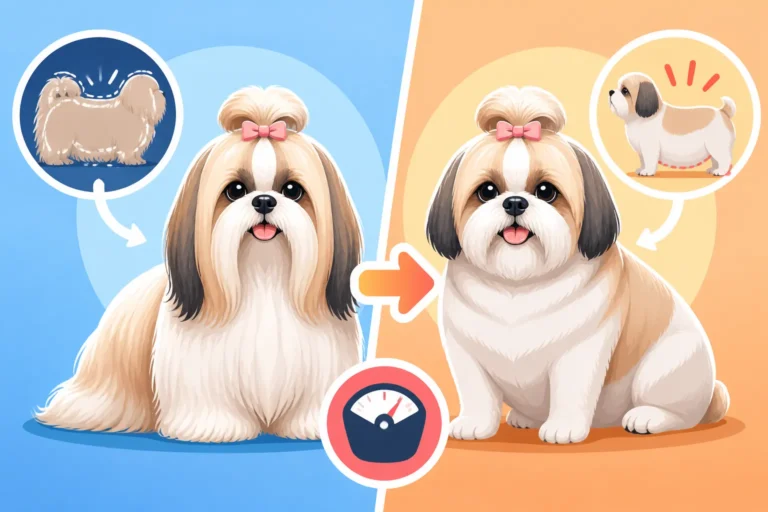
It’s easy to forget how quickly calories add up for such a tiny dog. A Shih Tzu typically weighs between nine and sixteen pounds, meaning their daily caloric needs are significantly lower than most breeds. Even a few extra treats can push them over the edge, leading to unhealthy weight gain. We know how tempting it is to dole out those extra rewards when they give you those big, soulful eyes! However, a Shih Tzu carrying even a couple of extra pounds is at a much higher risk for a whole host of health issues, especially joint problems like Patellar Luxation in a Shih Tzu and Shih Tzu Disc Disease and Sudden Back Pain.
When you break treats into smaller pieces, you can still give your Shih Tzu plenty of rewards throughout a training session without overfeeding them. Think of it this way: instead of one medium-sized treat counting as an entire "reward," you can get five or six rewards out of the same treat by breaking it down. This strategy is key to managing their weight while still using Positive Reinforcement With a Shih Tzu effectively. We want them to feel like they’re getting a lot of good stuff, but without the caloric overload.
Maintaining Training Focus and Engagement
Have you ever noticed your Shih Tzu get distracted trying to chew a bigger treat? They might drop it, spend too long crunching, or even wander off to enjoy their prize, completely losing focus on the task at hand. That's not effective training! The best training treats are often called "one-and-done" treats – quickly eaten, high-value, and immediately followed by the next cue.
Small, pre-broken treats allow for rapid delivery and consumption, keeping your Shih Tzu's attention squarely on you and the next command. This quick reward system reinforces behaviors much more efficiently. They learn that performing the action immediately earns a reward, keeping them engaged and eager to learn more. This is especially important for Five Minute Sessions With a Shih Tzu, where every second counts. You want to keep that momentum going!
Choosing the Perfect Training Treats for Your Shih Tzu
Once you understand why small treats are so crucial, the next step is to choose the right kind. It’s not just about size; texture, flavor, and nutritional value all play a role in making a treat truly effective for your pint-sized student.
Opt for Soft, Chewy Textures
Hard, crunchy treats, while fun for some dogs, aren't ideal for a Shih Tzu during training. Their crowded little mouths can make chewing difficult, and the effort involved can detract from the training process. Moreover, hard treats can sometimes be too rich or difficult to digest in larger quantities.
Instead, look for soft, chewy training treats. These are easy for your Shih Tzu to quickly gum or swallow, making them perfect for rapid-fire rewarding. Think soft, meaty morsels or pliable, moist biscuits. You can often find these specifically marketed for puppies or small breeds, but many regular soft treats can be broken down effectively. Brands available on sites like Chewy or Amazon often have filters for "soft" or "small breed" treats, which can be a huge help.
Prioritize High-Value Rewards
What makes your Shih Tzu's eyes light up? Is it a piece of boiled chicken? A tiny bit of cheese? A specific commercial treat? Whatever it is, that’s your high-value reward. For a companion breed like the Shih Tzu, What Motivates a Shih Tzu to Work is often tied directly to how delicious and exciting the reward is. For basic commands in a quiet environment, a regular kibble piece might do. But for harder tasks, new environments, or to really get their attention, you'll want to pull out the big guns.
High-value treats are usually:
- Meat-based: Small pieces of cooked chicken, turkey, or lean beef.
- Strong-smelling: Think liver treats or anything with a pungent aroma that will capture their attention instantly.
- Something they rarely get: This makes it extra special.
The key is to reserve these super-special treats for the most important training moments. This makes the reward more impactful and helps them understand that certain behaviors earn bigger (or at least, tastier) payouts.
Consider Single-Ingredient or Limited-Ingredient Options
Many Shih Tzus have sensitive digestive systems or allergies. When you're giving treats frequently during training, it's a good idea to opt for single-ingredient or limited-ingredient options to minimize the risk of an upset stomach or allergic reaction. For example, plain cooked chicken breast, dried sweet potato, or freeze-dried liver are excellent choices.
If you’re using commercial treats, scan the ingredient list for anything that might be a common allergen for dogs, such as certain grains, artificial colors, or questionable by-products. The simpler the ingredients, the better, especially when you’re just starting out or working with a puppy. It’s one less thing to worry about when you're focusing on teaching them The Handful of Cues a Shih Tzu Really Needs.
Here's a quick comparison of popular treat types for your Shih Tzu:
| Treat Type | Pros | Cons | Suitability for Training |
|---|---|---|---|
| Commercial Soft Treats | Easy to find, consistent, often pre-portioned | Can be higher in calories, may contain more ingredients | Excellent |
| Freeze-Dried Meats | Single-ingredient, high-value, easy to break | Can be crumbly, might be more expensive | Excellent |
| Cooked Lean Meats | Very high-value, easy to digest, simple | Requires preparation, limited shelf life, can be messy | Excellent |
| Cheese (small bits) | High-value, often loved by dogs, easy to break | High in fat, must be given sparingly | Good (sparingly) |
| Small Kibble | Low calorie, always on hand, familiar | Lower value for some dogs, might not be exciting enough | Good (for maintenance) |
| Soft Dog Biscuits | Readily available, many flavors | Can be harder to break evenly, some brands are too crumbly | Moderate to Good |
The Art of Breaking Down Treats for Your Shih Tzu
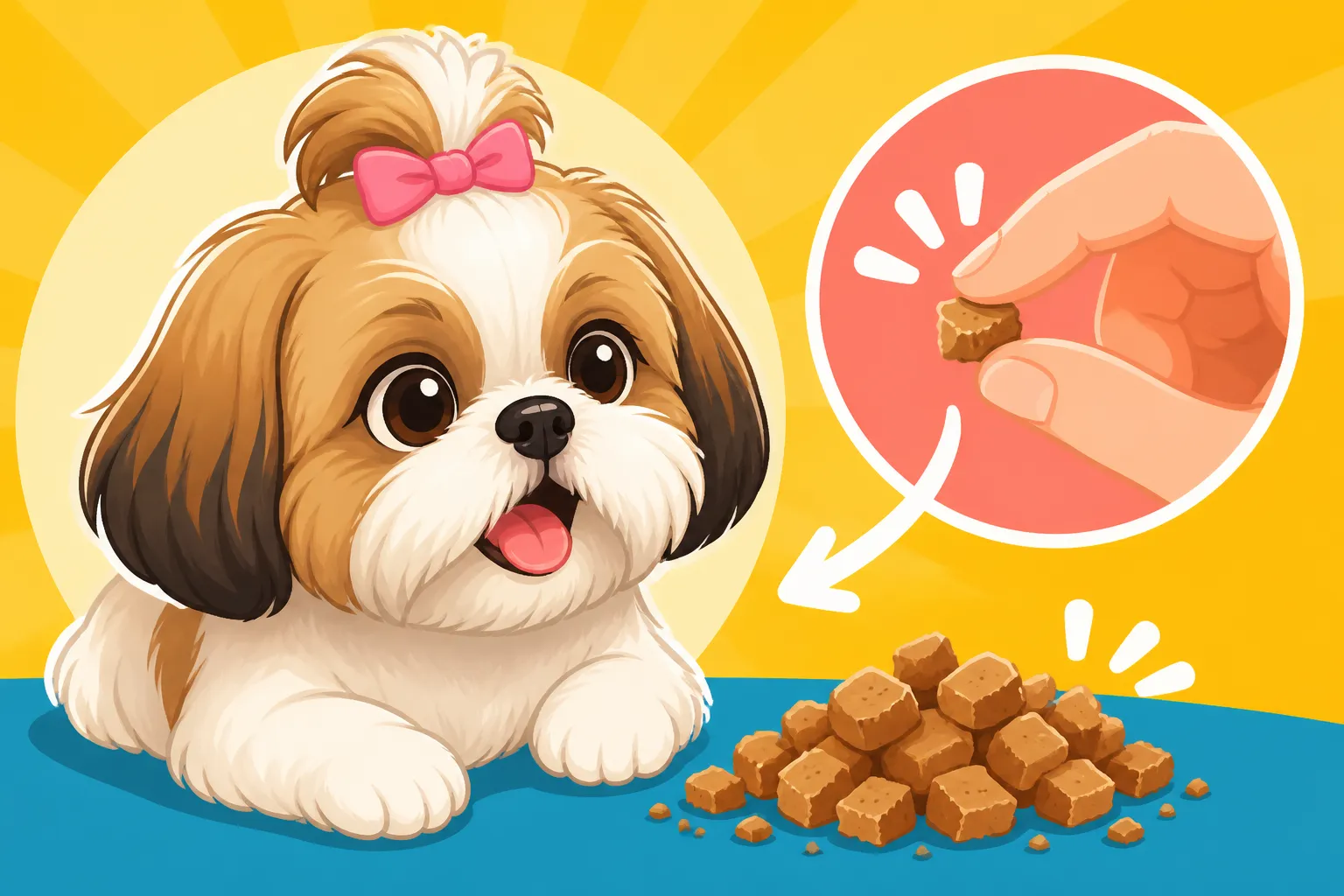
Even if you buy treats marketed for small dogs, often they're still too big for a Shih Tzu's speedy training needs. That's where your treat-breaking skills come in! This isn’t just about snapping a biscuit in half; it’s about creating perfect, pea-sized morsels that maximize your training impact.
Tools and Techniques for Perfect Portions
You’d be surprised how many things you can use to break treats down effectively. Sometimes your fingers are enough, but for tougher or stickier treats, you might need a little help.
- Your Fingers: For soft, chewy treats, simply pinching or tearing them into tiny pieces works best. Aim for something no larger than your pinky fingernail – seriously, that small! This method ensures a quick, soft bite for your Shih Tzu.
- Kitchen Shears/Scissors: These are game-changers for slightly firmer treats, jerky, or even cooked meats. They allow for precise, clean cuts, making uniform, tiny pieces. Just make sure they're clean and dedicated to pet food, or wash them thoroughly after.
- Pill Cutters: Yes, really! While designed for medication, a clean, dedicated pill cutter can be fantastic for splitting small, round, or square treats into even smaller halves or quarters.
- Food Processor (for bulk preparation): If you're using softer, semi-moist treats and want to prepare a batch in advance, a quick pulse in a food processor can create a crumbled texture. Be careful not to over-process into a powder. This works well for sprinkle rewards too!
- Cutting Board and Knife: For cooked meats or dense treats, a sharp knife on a cutting board will give you the most control for making consistent, tiny cubes. This is particularly useful if you're preparing homemade treats.
No matter the tool, the goal is consistent, small pieces. You want your Shih Tzu to swallow almost instantly, keeping their focus.
Preparing and Storing Your Mini Treats
Breaking down treats takes a little time, so it's smart to do it in batches. This way, you're not fumbling with breaking treats mid-training session, which can interrupt the flow and frustrate both you and your pup.
- Prep in Advance: Set aside some time once or twice a week to break down a larger quantity of treats.
- Separate by Type: Keep different types of treats separate. You might have everyday low-value bits (like kibble) and super high-value pieces (like chicken) for different training scenarios.
- Proper Storage:
- Dry Treats: Store commercially prepared, dry, broken treats in an airtight container at room temperature.
- Moist/Fresh Treats: Cooked chicken, cheese, or other moist, human-grade treats should be stored in the refrigerator in an airtight container for no more than 3-5 days. For longer storage, you can freeze individual portions and thaw them as needed. This is where a company like Ollie might offer fresh, human-grade food that you can easily portion and break down into training treats.
- Training Pouches: For training sessions, use a small, easy-access treat pouch that clips to your waist. This keeps your hands free and the treats readily available. You can find excellent options on Amazon or Chewy.
What to Do with Crumbs and Leftovers
Even with the best breaking techniques, you'll end up with some crumbs. Don't discard them!
- "Sprinkle" Rewards: Crumbs are fantastic for "scatter feeds" – tossing a small pinch on the ground for a sniffing reward, or to distract your Shih Tzu for a moment. This is a great low-calorie option for reinforcing a "go find it" cue.
- Meal Toppers: A sprinkle of high-value crumbs over their regular meal can make dinner extra exciting, especially for picky eaters or if you need to encourage them to eat Renal Diets for a Shih Tzu With Dysplasia.
- Puzzle Toys: Mix crumbs with a little peanut butter or plain yogurt and stuff them into a puzzle toy for a longer-lasting enrichment activity. This helps keep their minds busy even when you can’t actively train.
Balancing Training Treats with Overall Nutrition
It’s a fine line, isn’t it? We want to reward our Shih Tzus and keep them motivated, but we also need to ensure they're getting balanced nutrition and not becoming overweight. Striking this balance is crucial for their long-term health.
Accounting for Treat Calories in Daily Meals
This is arguably the most overlooked aspect of using training treats. Every treat, no matter how small, contains calories. For a Shih Tzu, those calories add up very quickly. If you’re giving out 20-30 training treats in a day (which isn’t uncommon during active training periods for a puppy or a dog learning new tricks), those calories could easily equal a significant portion of their daily meal.
The best practice is to slightly reduce your Shih Tzu's regular meal portions on days with heavy training. For example, if you know you’ll be doing a few sessions of Teaching a Shih Tzu to Settle on a Mat or Shih Tzu Recall Training Indoors and Out, shave off a tablespoon or two of kibble from their breakfast or dinner. This ensures that their total caloric intake for the day remains consistent, preventing unintended weight gain. You might need to experiment a little to find the right balance, keeping an eye on their body condition. For guidance, check out Daily Calories for a Twelve Pound Shih Tzu.
Integrating Kibble as a Training Reward
Don’t underestimate the power of their regular kibble! For many Shih Tzus, especially when they’re hungry or when training in a low-distraction environment, their own food can be a perfectly acceptable training treat. This is fantastic for several reasons:
- Calorie Control: It directly reduces the amount of extra calories from dedicated treats.
- Accessibility: You always have it on hand.
- Building Value: It teaches your Shih Tzu to value their regular food, which can be helpful if they're picky eaters.
Try setting aside a portion of their daily kibble ration specifically for training. This means they are essentially "working for their food," a concept that can be incredibly beneficial for building a positive relationship and reinforcing good behavior. It’s also excellent for puppies learning basic commands like "sit" or "stay" right from the start.
Avoiding Human Foods That Are Unsuitable or Dangerous
While tiny bits of cooked lean chicken or plain cheese can be high-value treats, it's vital to be aware of human foods that are dangerous or simply unsuitable for your Shih Tzu. Their small size makes them particularly vulnerable to toxic foods, and their digestive systems often can't handle rich, fatty, or spicy ingredients.
Always avoid:
- Chocolate, Xylitol, Grapes/Raisins, Onions/Garlic: These are highly toxic.
- Avocado, Macadamia Nuts, Alcohol: Also toxic.
- Fatty Meats, Fried Foods, Sugary Items: Can cause pancreatitis or severe stomach upset.
- Bones (cooked or raw): Can splinter or cause blockages.
When in doubt, stick to commercial dog treats or plain, cooked, lean meats and vegetables known to be safe for dogs, like green beans or carrots. Always introduce new foods in tiny quantities to observe for any adverse reactions. The health of your Shih Tzu is paramount, and it's always better to be safe than sorry, especially given their general delicacy.
Disclaimer
This article is for general informational purposes only and does not constitute professional advice. Laws, prices and regulations vary by location and change over time. Consult a qualified professional for guidance on your specific situation.