Shih Tzu Back Problems and Disc Disease
Seeing your beloved Shih Tzu suddenly yelp in pain, struggle to climb a step, or refuse their usual playful antics is one of the most heartbreaking experiences for any pet parent. Their joyful, spirited nature can turn into quiet suffering almost overnight, leaving you wondering what went wrong and how to help. This comprehensive guide will explore the often-distressing reality of Shih Tzu back problems and disc disease, helping you understand their causes, recognize the signs, navigate diagnosis and treatment, and ultimately provide the best care for your furry family member.
Understanding the Shih Tzu Spine: A Unique Anatomy
The Shih Tzu is an enchanting breed, known for its flowing hair, endearing flat face, and playful personality. However, beneath that charming exterior lies a physical predisposition to certain health challenges, particularly concerning their spine. Unlike many breeds, the Shih Tzu's unique build, characterized by its compact size and sometimes elongated back, makes it inherently more vulnerable to spinal issues, specifically disc disease. It’s a sad reality that comes with their adorable conformation.
The Brachycephalic Build and Spinal Stress
While most people associate the term "brachycephalic" with breathing difficulties due to a flat face, this distinctive body type can also impact other parts of their anatomy, including the spine. The compact nature of a Shih Tzu's body means that their vertebrae and the discs cushioning them are often under different types of stress compared to breeds with more elongated muzzles and proportionally longer backs. Their stout, sturdy frame might seem robust, but it doesn't always translate to spinal resilience. Think of it like a small, tightly coiled spring; while strong, it can be prone to snapping if overstressed or compromised.
Their physical structure means that even everyday movements, like jumping off a sofa or twisting awkwardly during play, can exert undue pressure on their intervertebral discs. This isn't to say every Shih Tzu will develop back problems, but it does mean they carry a higher inherent risk. It’s a crucial aspect of their breed that often goes overlooked until a problem arises, but understanding it is the first step in proactive care. The very things that make them so appealing – their toy size and cheerful demeanor – are intertwined with a vulnerability that demands our careful attention.
Why Disc Disease is a Common Concern for Shih Tzus
Intervertebral Disc Disease, or IVDD, is disproportionately common in chondrodystrophic breeds, which include Shih Tzus. These breeds are characterized by abnormal cartilage and bone development, leading to premature degeneration of the intervertebral discs. What this means in plain language is that the soft, jelly-like centers of their spinal discs, which normally act as shock absorbers, start to harden and become less flexible much earlier in life than in other dogs. This process, often starting before they even reach adulthood, transforms these cushioning discs into rigid structures.
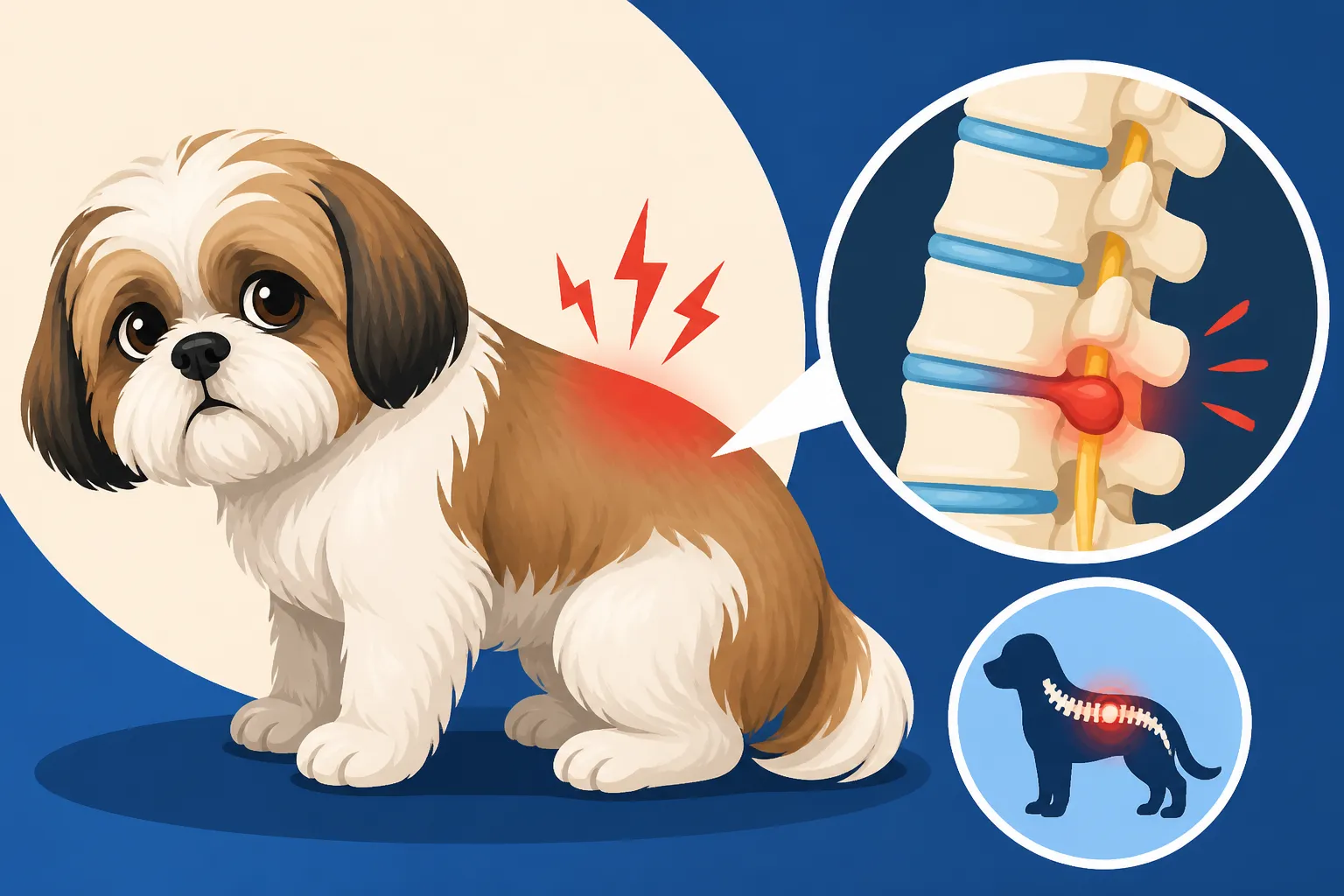
When these discs lose their elasticity, they can bulge or even rupture into the spinal canal, pressing on the delicate spinal cord. This compression can lead to a range of symptoms, from mild pain to complete paralysis. It's not just a matter of age; some Shih Tzus experience their first disc episode when they're relatively young, sometimes as early as two or three years old. This is a primary reason why it's so important for owners to be vigilant about their Shih Tzu's spinal health throughout their life, not just in their senior years. This inherent structural challenge underscores why topics like Shih Tzu Back Problems and Disc Disease are so critical for every owner to understand.
Identifying the Early Signs of Shih Tzu Back Pain
Recognizing back pain in a Shih Tzu can be tricky because they are often stoic little creatures who will try to hide their discomfort. Their thick, luxurious coat can also obscure subtle physical changes. Owners need to be incredibly observant, noticing even the slightest shift in their dog's behavior or movement. Missing these early cues can lead to a worsening condition, making it harder to treat and prolonging their suffering. It’s a frustrating challenge, but with careful attention, you can become adept at spotting these warning signs.
Subtle Behavioral Changes to Watch For
The first signs of back pain in a Shih Tzu often manifest as changes in their usual routine or personality. Your normally exuberant pup might suddenly seem less interested in play, or they might be reluctant to engage in activities they once loved. Perhaps they used to greet you at the door with a flurry of tail wags and jumps, and now they just stand or sit, offering a more subdued welcome. This isn't necessarily a sign of a bad mood; it's often their way of communicating discomfort.
You might notice them becoming withdrawn, spending more time in their bed, or seeking out quiet, secluded spots around the house. They might hesitate before climbing stairs, or suddenly be unwilling to jump onto the sofa, which for a Shih Tzu, is often a favored perch. If you've ever thought, "My Shih Tzu used to love jumping up here, now they won't," that's a significant indicator. Sometimes, they might even seem unusually grumpy or irritable, snapping or growling if approached too quickly or touched in a sensitive area. This sudden aggression, especially in a normally sweet-natured dog, is a major red flag, potentially indicating that A Shih Tzu Snapping Because Its Back Hurts is experiencing significant pain.
Physical Indicators of Discomfort and Pain
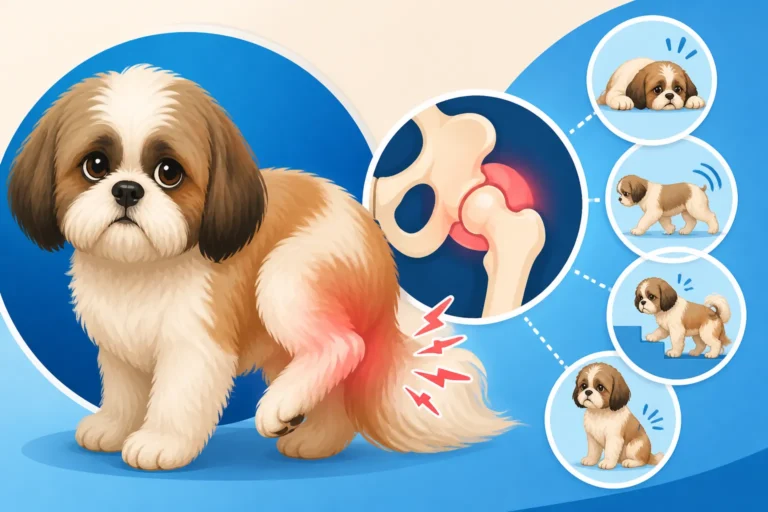
Beyond behavioral changes, there are several physical signs that can point to back pain. One of the most common and tell-tale indicators is a hunched posture, where their back appears rounded or they carry their head lower than usual. They might seem stiff when they walk, or their gait might appear wobbly or uncoordinated, particularly in their hindquarters. You might also observe shivering or trembling, even when the room temperature is comfortable, as a sign of their body reacting to pain.
When you try to pick them up, they might yelp or cry out, indicating that certain movements are painful. This is especially true if you attempt to lift them from under their chest, putting pressure on their spine. If your Shih Tzu is usually tolerant of being handled but suddenly reacts negatively to touch along their back, neck, or hindquarters, it's a strong sign something is amiss. Pay close attention to their tail carriage too; a tail that is normally carried proudly over their back might be held low or tucked between their legs when they are in pain. You may notice their legs seem weaker, or they may drag their hind paws slightly. This could be an early sign of Shih Tzu hind leg weakness, which often originates from spinal issues.
When a Shih Tzu's Play Style Changes
A sudden or gradual change in your Shih Tzu's play style can be a clear indicator of spinal discomfort. These are typically playful dogs, enjoying chasing toys, wrestling with other pets, or engaging in enthusiastic zoomies. If your dog, who once loved to leap and twist, now prefers gentle nudges or simply watching from the sidelines, it's time to investigate. They might avoid certain movements, like quickly turning their head or body, or they might seem hesitant to shake themselves after a bath.
For instance, if your Shih Tzu used to playfully pounce on their toys but now just nudges them with their nose, or if they used to engage in spirited games of tug-of-war but now drop the toy quickly, these are subtle but important clues. They might also become less tolerant of rough play from other dogs or even from family members. What once was a fun romp might now result in a quick retreat or a low growl. Any significant deviation from their normal, active self should prompt a closer look and a conversation with your veterinarian about potential underlying back issues. When a Shih Tzu suddenly seems like A Shih Tzu That Will Not Jump on the Sofa, it's usually for a very good reason related to pain.
Common Types of Disc Disease in Shih Tzus
While "disc disease" is often used as a blanket term, there are specific conditions that fall under this umbrella, each with its own characteristics and progression. Understanding these can help you better comprehend your vet's diagnosis and the recommended treatment plan. The underlying issue nearly always stems from the unique skeletal structure of the Shih Tzu, making them prone to these specific afflictions.
Intervertebral Disc Disease IVDD Explained
Intervertebral Disc Disease (IVDD) is by far the most prevalent form of disc disease affecting Shih Tzus. As mentioned earlier, their chondrodystrophic nature means the discs in their spine degenerate prematurely. Normally, these discs are like miniature jelly donuts, with a soft, gelatinous center (nucleus pulposus) surrounded by a tougher fibrous outer ring (annulus fibrosus). In breeds like the Shih Tzu, this jelly-like center starts to calcify and harden, turning brittle.
When a hardened disc experiences stress – from a jump, a twist, or even just a sudden movement – it can either bulge (Type I extrusion) or rupture (Type II protrusion).
- Type I Disc Extrusion: This is the more acute and often dramatic form. The brittle, calcified center of the disc bursts through the outer layer and squishes into the spinal canal, directly compressing the spinal cord. This can happen very suddenly, causing immediate and severe pain, and potentially neurological deficits like weakness or paralysis in the hind legs. This often results in what is known as Shih Tzu Disc Disease and Sudden Back Pain.
- Type II Disc Protrusion: This is typically a slower, more gradual process. The outer fibrous layer of the disc degenerates and bulges into the spinal canal, putting pressure on the spinal cord over time. The onset of symptoms is usually more insidious, gradually worsening over weeks or months, though it can also cause significant pain and neurological signs. Both types require urgent veterinary attention, but the suddenness of Type I often leads to more immediate and critical symptoms.
Degenerative Disc Disease: A Gradual Onset
Beyond the acute episodes of IVDD, Shih Tzus can also suffer from more general degenerative disc disease, which often describes the slow, progressive wear and tear on the spinal discs over time. This isn't necessarily a specific herniation or rupture but rather a widespread deterioration of multiple discs. Imagine the constant forces on the spine over years, exacerbated by their breed's predisposition; the discs simply lose their ability to cushion and absorb shock effectively.
This condition often leads to chronic, low-grade pain that can wax and wane. Owners might notice their Shih Tzu is generally "slowing down," showing less enthusiasm for walks, struggling more with everyday movements, or being less flexible. It's easy to attribute these signs to old age, but it's important to remember that persistent pain significantly impacts their quality of life. While it may not present as a sudden, dramatic crisis, it requires management and support to keep your dog comfortable. The chronic nature of this can be particularly frustrating for owners, as there's no quick fix, and it requires ongoing care and vigilance.
Spondylosis Deformans: Bone Spur Formation
Spondylosis deformans is another degenerative condition that often accompanies disc disease, especially in older Shih Tzus, though it can start earlier. This condition involves the formation of bony spurs, or osteophytes, along the edges of the vertebrae, usually in response to instability or degeneration of the intervertebral discs. The body tries to stabilize a weak or painful section of the spine by growing these bony bridges.
While the spurs themselves are not always painful, they can cause stiffness and reduce flexibility in the spine. If a spur forms in a location that irritates a nerve root or causes further compression in an already narrowed spinal canal, it can contribute to pain and neurological symptoms. Spondylosis is frequently discovered incidentally on X-rays taken for other reasons, highlighting how subtle spinal issues can be until they become significant. It's often a sign of chronic spinal stress and instability, reinforcing the importance of managing any existing disc problems to prevent further deterioration.
Diagnosis and Veterinary Intervention for Back Problems
When you suspect your Shih Tzu has back pain, prompt veterinary attention is crucial. Early diagnosis can make a significant difference in the outcome, often allowing for less invasive and more successful treatment. Don't delay a visit to the vet, even if the symptoms seem mild, as conditions like IVDD can progress rapidly. The initial stages can be confusing for owners, but a good vet will know exactly what to look for in a breed like the Shih Tzu.
The Initial Vet Examination and Pain Assessment
During your initial vet visit, the veterinarian will perform a thorough physical and neurological examination. They'll observe your Shih Tzu's gait, posture, and coordination, looking for any signs of weakness, lameness, or imbalance. They will gently palpate, or feel, along your dog's spine and neck, looking for areas of pain, muscle tension, or abnormal sensitivity. This might involve carefully manipulating their legs and tail to assess their range of motion and reflexes.
A key part of the neurological exam involves checking proprioception (the awareness of body position in space) by flipping their paw over and seeing how quickly they correct it. Reduced or delayed correction can indicate nerve damage. The vet will also ask you detailed questions about the onset of symptoms, any recent activities, and your dog's medical history. Being as specific as possible about what you've observed, even seemingly minor details like when A Shih Tzu Yelping When You Lift It began, can greatly aid in pinpointing the problem. Sometimes, pain medication might be prescribed initially to make your dog more comfortable before further diagnostics are performed.
Advanced Imaging: X-rays, MRI, and CT Scans
While a physical exam can strongly suggest a spinal issue, it usually can't definitively diagnose disc disease or locate the precise site of compression. For this, advanced imaging is necessary.
- X-rays: Conventional X-rays are often the first step. They can reveal narrowing of disc spaces, bony changes like spondylosis, and sometimes, the presence of calcified disc material outside the vertebral column. However, X-rays primarily show bone, not soft tissues like the spinal cord or the disc material that might be compressing it. They can rule out other issues like fractures or tumors but aren't always conclusive for IVDD.
- MRI (Magnetic Resonance Imaging): MRI is considered the gold standard for diagnosing IVDD and other spinal cord issues. It provides incredibly detailed images of soft tissues, allowing the veterinarian to see the spinal cord, the intervertebral discs, and any compression or inflammation. An MRI can pinpoint the exact location and severity of the disc herniation, which is crucial for surgical planning.
- CT (Computed Tomography) Scan: CT scans provide detailed cross-sectional images, excelling at visualizing bone structures and calcified disc material. While not as good as MRI for soft tissue detail, a CT scan can often identify disc herniations quickly and is particularly useful in emergency situations or when an MRI is not available.
These imaging studies often require sedation or general anesthesia, especially for a small, sometimes anxious breed like a Shih Tzu. Your veterinarian will discuss the risks and benefits of each diagnostic option based on your dog's symptoms and overall health. When discussing these costs, many owners consider pet insurance. Providers like Healthy Paws can sometimes help with the significant expenses associated with advanced diagnostics and treatments for conditions like IVDD, providing peace of mind during a stressful time.
Differentiating Back Pain from Other Conditions
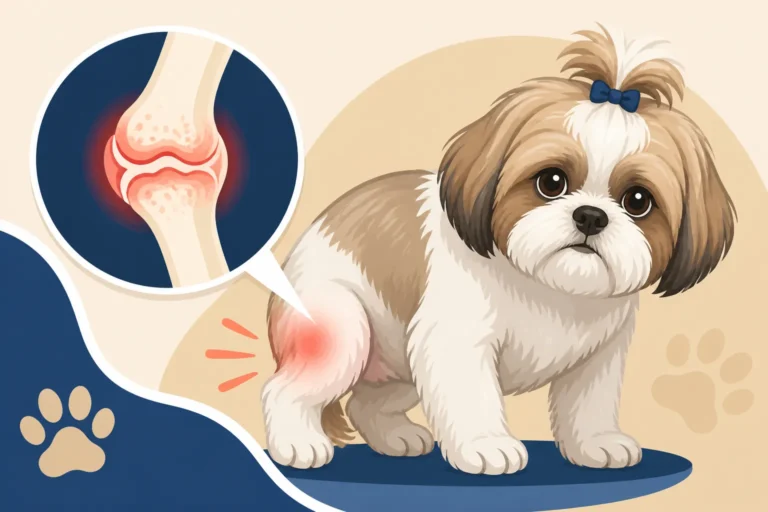
It's important to remember that not all hind limb weakness or pain in a Shih Tzu is due to disc disease. Other conditions can mimic spinal problems, making accurate diagnosis critical. For instance, Shih Tzu Joint Problems in a Toy Frame such as patellar luxation (a slipping kneecap) or hip dysplasia, can cause lameness or reluctance to move. These conditions might present with similar symptoms, but their treatment pathways are entirely different.
Neurological conditions unrelated to the spine, metabolic diseases, or even certain types of cancer can also affect mobility and cause pain. Your vet will consider these possibilities during their examination and might recommend blood tests or other diagnostics to rule them out. For example, a dog with severe dental pain might also become withdrawn and reluctant to move their head, but the underlying issue is their mouth, not their back. This is why a thorough examination and, if necessary, advanced imaging, are so vital to ensure your Shih Tzu receives the correct and most effective treatment.
Management and Treatment Options for Shih Tzu Back Pain
Once a diagnosis of disc disease or other back problem is confirmed, your veterinarian will recommend a course of action. Treatment options range from conservative medical management to surgical intervention, depending on the severity of the symptoms and the specific diagnosis. It's a journey that requires patience, commitment, and often, significant adjustments to your Shih Tzu's daily life.
Conservative Management: Rest, Medication, and Physical Therapy
For mild to moderate cases of disc disease, or when surgery isn't an option, conservative management is often the first approach. This typically involves several key components:
- Strict Crate Rest: This is perhaps the most critical element. Your Shih Tzu will need to be confined to a crate or small pen for an extended period, often 4-6 weeks, to prevent movement that could further damage the spine or hinder healing. This means no jumping, no running, no stairs, and only short, leashed potty breaks. It’s hard to enforce, but absolutely essential. For owners, understanding Crate Rest for a Shih Tzu With a Slipped Disc can make all the difference in recovery.
- Medication: Your vet will likely prescribe a combination of medications to reduce pain and inflammation. This often includes anti-inflammatory drugs (NSAIDs) and muscle relaxants. In some cases, steroids might be used to reduce severe inflammation around the spinal cord. Pain medication is essential to keep your Shih Tzu comfortable and help them rest. Always follow your vet's instructions precisely regarding dosage and administration.
- Physical Therapy (Rehabilitation): Once the acute pain subsides and some healing has occurred, physical therapy can be incredibly beneficial. This might include gentle range-of-motion exercises, massage, therapeutic laser, acupuncture, or even hydrotherapy (underwater treadmill) to help strengthen muscles, improve flexibility, and restore mobility without putting excessive strain on the spine. These therapies help in the long run to regain strength and prevent further injury.
The goal of conservative management is to allow the inflamed disc to heal and the swelling around the spinal cord to subside, reducing pressure and pain. It requires immense dedication from owners to ensure their Shih Tzu adheres to the strict rest protocol, but it can be very effective for many dogs.
Surgical Interventions for Severe Cases
When conservative management fails, or if your Shih Tzu presents with severe neurological deficits (like inability to walk, paralysis, or loss of bladder/bowel control), surgery may be the best or only option. Spinal surgery aims to decompress the spinal cord by removing the herniated disc material. There are various surgical techniques, with the most common being hemilaminectomy or fenestration, performed by a veterinary neurologist or surgeon.
- Hemilaminectomy: This procedure involves removing a portion of the bone (lamina) over the spinal cord to allow the surgeon access to the spinal canal and carefully remove the extruded disc material. This immediately relieves pressure on the spinal cord.
- Fenestration: In this less invasive procedure, a small window is created in the outer layer of the disc to remove the degenerated nucleus pulposus, reducing the risk of future herniations at that specific disc space. This is often done preventatively or in conjunction with other procedures.
Spinal surgery is a major undertaking, often with significant costs and a recovery period that can last several weeks or months. Post-operative care is critical and will involve strict rest, pain management, and extensive physical rehabilitation. While daunting, successful surgery can restore mobility and quality of life for many Shih Tzus who would otherwise face permanent paralysis. It's important to understand the commitment involved, but for some dogs, it's truly life-changing. Pet insurance providers such as Healthy Paws can often alleviate the financial burden of such critical procedures, offering peace of mind during an already stressful time.
Long-Term Care and Preventing Recurrence
Regardless of whether your Shih Tzu undergoes conservative or surgical treatment, long-term care and preventative measures are essential to minimize the risk of recurrence and maintain spinal health. Disc disease, once it occurs, means your dog will always have a predisposition to further issues.
This involves ongoing vigilance from owners. You'll need to remain observant of any subtle changes in your Shih Tzu's gait or behavior. Regular, gentle exercise that strengthens core muscles without excessive impact is beneficial. Your vet or a certified canine rehabilitation specialist can guide you on appropriate exercises. Avoiding high-impact activities like jumping off furniture or running up and down stairs is crucial. Consider using Ramps for a Shih Tzu With a Long Spine or pet stairs to help them access elevated surfaces safely. Maintaining a healthy weight is also paramount, as extra pounds put additional strain on the spine. This means carefully managing their diet and portion sizes. Incorporating Joint Support for a Shih Tzu Back and Knees supplements, such as glucosamine and chondroitin, might also be recommended by your vet to support overall joint and disc health.
Proactive Measures to Protect Your Shih Tzu's Spine
While you can't completely eliminate the risk of disc disease in a predisposed breed like the Shih Tzu, there's a great deal you can do as an owner to minimize their chances of injury and support their spinal health. Prevention is always better than cure, especially when it comes to conditions that can cause so much pain and suffering.
Safe Handling and Supporting Their Back
One of the easiest ways to protect your Shih Tzu's spine is through proper handling. Their compact bodies and sometimes longer backs make them vulnerable to injury if lifted incorrectly. Always support their body completely, placing one hand under their chest and the other under their hindquarters or supporting their bottom. Avoid picking them up by only their front legs, as this can put severe strain on their delicate spine. Teach children how to safely interact with and lift your Shih Tzu, emphasizing gentle handling.
Furthermore, discourage jumping on and off furniture. Even a small jump from a sofa or bed can exert considerable force on their discs. Instead, train them to use ramps or pet stairs. If your Shih Tzu is resistant to ramps, consider lifting them gently yourself. During playtime, avoid games that involve excessive twisting, high jumps, or rough tugging, which can all put strain on the spine. It’s about being mindful of their physical limitations and teaching them good habits from a young age.
Environmental Modifications for a Spine-Friendly Home
Creating a spine-friendly environment at home can significantly reduce the risk of injury. Here are some practical steps you can take:
- Ramps and Stairs: As mentioned, invest in pet ramps or steps for beds, sofas, and even to access outdoor areas if there are steps. This reduces the impact of jumping and protects their back.
- Non-Slip Surfaces: Slippery floors like hardwood or tile can cause dogs to splay their legs, slip, and twist their backs, leading to injury. Use rugs, runners, or carpet sections in high-traffic areas, especially where your Shih Tzu runs or jumps off furniture. You can also get non-slip paw pads or socks for better traction.
- Raised Food and Water Bowls: For some Shih Tzus, especially those with neck or upper back issues, bending down to eat and drink can be uncomfortable. Raised bowls can alleviate this strain.
- Appropriate Bedding: Provide comfortable, orthopedic bedding that supports their spine and joints. Look for beds with memory foam or thick, supportive padding that prevents them from sinking too much.
- Harness Over Collar: Always use a harness, not a neck collar, when walking your Shih Tzu. Collars can put pressure on the neck and spine, especially if your dog pulls on the leash. A well-fitting harness distributes pressure more evenly across the chest and shoulders, protecting their delicate neck and spine.
Maintaining a Healthy Weight and Diet
One of the most impactful proactive measures you can take for your Shih Tzu's spinal health is to maintain their ideal weight. Every extra pound puts additional stress on their joints and, critically, their spine. For a tiny breed like a Shih Tzu, even What Two Extra Pounds Do to a Shih Tzu can be equivalent to a human carrying a heavy backpack all day, every day. It's an unnecessary burden that accelerates disc degeneration and increases the risk of IVDD.
Work with your veterinarian to determine your Shih Tzu's ideal weight and monitor it regularly. Be mindful of portion sizes and avoid overfeeding treats. Even healthy treats should be given in moderation and accounted for in their daily caloric intake. A balanced, high-quality diet provides essential nutrients for strong bones and healthy cartilage. While diet alone can't prevent disc disease, maintaining a lean body condition is one of the most powerful tools you have to protect your Shih Tzu's back for the long haul. A svelte physique lessens the load and gives them the best chance at a pain-free, active life.
Living with a Shih Tzu with Chronic Back Issues
Living with a Shih Tzu who has chronic back issues, whether from recurring disc episodes or ongoing degenerative changes, requires a unique blend of compassion, adaptation, and proactive management. It can be emotionally taxing for owners to see their vibrant companion in pain, but with the right strategies, you can ensure your Shih Tzu continues to live a full and happy life, albeit with some adjustments.
Adapting Daily Routines and Quality of Life
When your Shih Tzu has chronic back problems, their daily routine will likely need significant adaptation. This isn't about eliminating joy from their life, but rather redefining it in ways that are safe and comfortable for them.
- Controlled Exercise: High-impact activities are out. Instead, focus on short, frequent, gentle walks on a harness. Keep them on a leash in the yard to prevent sudden bursts of running or twisting. Encourage indoor playtime that is low-impact, like sniffing games or gentle puzzle toys.
- Potty Breaks: For dogs with mobility issues, getting outside for potty breaks can be challenging. Consider using indoor potty pads or an artificial grass patch if outdoor access is difficult or weather conditions are poor. Always ensure easy access to their designated potty area.
- Grooming: Grooming a Shih Tzu with a sore back can be difficult. Work slowly and gently, providing breaks. A professional groomer who is experienced with dogs with special needs can be a wonderful resource. Ensure they are comfortable standing or lying down during grooming.
- Sleep and Rest: Provide multiple comfortable, easily accessible beds around the house. Consider orthopedic beds that offer good support. Ensure their sleeping area is in a low-traffic spot where they won't be bumped or jostled.
These adaptations aim to reduce strain on their spine while still allowing them to participate in family life and enjoy their favorite activities in a modified way. Quality of life becomes the paramount consideration, and sometimes difficult decisions, such as those discussed in Deciding for a Shih Tzu at Fifteen, become necessary if pain becomes unmanageable.
Supporting Mobility with Aids and Equipment
For Shih Tzus experiencing significant mobility challenges due to back problems, various aids and equipment can dramatically improve their quality of life and independence.
- Slings and Harnesses: A supportive harness can make it easier to assist your dog with walking, going up steps, or even just getting up from a lying position. Rear-support slings can be invaluable for dogs with hind leg weakness, allowing you to help them bear weight and get around. There are harnesses specifically designed to lift both the front and rear of the dog, offering full body support.
- Wheelchairs/Carts: For dogs with hind limb paralysis or severe weakness, a custom-fitted dog wheelchair can be truly life-changing. It allows them to move independently, play, and explore, significantly boosting their morale and preventing muscle atrophy. It takes some adjustment, but many dogs adapt remarkably well.
- Booties/Paw Grips: If your Shih Tzu is slipping on floors, special booties with non-slip soles or paw grips can provide better traction, preventing falls and further injury.
- Diapers/Belly Bands: Incontinence can sometimes accompany severe spinal issues. Dog diapers or male belly bands can help manage accidents, keeping your home clean and your dog comfortable, especially when you can’t be there to take them out.
Working with a veterinary rehabilitation specialist can help you determine which mobility aids are most appropriate for your Shih Tzu's specific needs, ensuring they are properly fitted and used correctly.
Emotional Support for Both Dog and Owner
Living with a chronically ill or disabled pet is emotionally challenging for both the dog and their human family. Your Shih Tzu might feel frustrated by their limitations, leading to changes in their mood or behavior. They might seek more comfort, or conversely, become more withdrawn. It's important to provide them with consistent affection, reassurance, and mental stimulation through gentle games or puzzle toys to keep their spirits up. Their emotional well-being is just as important as their physical comfort.
For owners, the journey can be exhausting, financially draining, and emotionally draining. It's okay to feel overwhelmed, sad, or frustrated. Seek support from your veterinary team, online communities, or local pet owner groups. Many pet insurance plans, such as Healthy Paws, can help ease the financial burden of ongoing treatments, rehabilitation, and medications, allowing you to focus more on your Shih Tzu's care and less on the rising costs. Remember to practice self-care, as you cannot pour from an empty cup. Your dedication and love are the most valuable tools in helping your Shih Tzu navigate life with back problems.
Disclaimer
This article is intended for informational purposes only and does not constitute medical advice. Always consult with a qualified veterinarian for any health concerns or before making any decisions about your pet's health and treatment.