The Weekly Shih Tzu Ear Routine
For many Shih Tzu owners, the sheer joy of their furry companion often comes with a secret frustration: those adorable, floppy ears. Hidden beneath all that glorious hair, these ears are often a silent battleground, prone to hidden moisture, dirt, and those dreaded infections. This guide is dedicated to equipping you with a clear, realistic, and truly helpful weekly ear routine that will keep your Shih Tzu's ears clean, healthy, and a whole lot less problematic, saving you stress and vet visits.
Why Shih Tzu Ears Are So Prone to Trouble
It’s easy to look at those long, silky ears and simply see cuteness, but for your Shih Tzu, they present a unique set of challenges. Their very design, while charming, creates an environment ripe for trouble. Understanding why these ears are so susceptible is the first step in effective preventative care. It’s not just bad luck; it’s anatomy and physiology working against them.
The Anatomy of a Shih Tzu Ear: Floppy and Hairy
Unlike dogs with upright ears that allow for plenty of air circulation, your Shih Tzu's ears are distinctly pendulous – they hang down, covering the ear canal. This heavy "ear leather," as it's called, acts like a warm, cozy blanket over the entrance to the ear, creating a dark, enclosed space. To compound this, Shih Tzus also have hair growing inside their ear canals. This isn't just a stray strand; it can be quite dense, effectively trapping debris, wax, and moisture deep within the ear where it can't easily escape. Think of it as a thick, furry plug, making it incredibly difficult for the ear to air out naturally or for any foreign material to work its way out. This combination of floppy ears and internal hair is a primary reason why Shih Tzu Ear Infections Under Heavy Ear Leather are such a persistent issue.
Humidity and Lack of Airflow: A Breeding Ground
The closed-off, hairy environment we just discussed is a perfect storm for certain unwelcome guests. Moisture can easily get trapped, whether from bathing, humid weather, or even just condensation. Once moisture is in there, the lack of airflow means it doesn’t evaporate easily. This creates a perpetually damp, warm, and dark environment – essentially a tropical paradise for bacteria and yeast. These opportunistic organisms thrive in such conditions, multiplying rapidly and leading to inflammation and infection. It's a frustrating cycle where the very thing that makes your Shih Tzu so cute, their ear set, also makes them vulnerable. Without regular intervention, it’s almost inevitable that problems will arise, especially in warmer or wetter climates.
Allergies and Ear Infections: A Vicious Cycle
Another significant factor in recurring Shih Tzu ear problems often stems from underlying allergies. Many Shih Tzus suffer from environmental or food allergies, and one of the most common ways these allergies manifest is through skin inflammation, which includes the lining of the ear canal. When an allergic reaction flares up, the skin inside the ear can become itchy, red, and swollen, producing more wax and creating an even more hospitable environment for those yeast and bacteria. Your pup might start scratching, rubbing their ears, or shaking their head, further irritating the delicate skin and potentially causing micro-abrasions that make it easier for infection to take hold. This means that sometimes, treating the ear infection is only part of the solution; you might also need to address the root cause of the allergies to break the cycle and prevent Shih Tzu Ear Infections That Keep Returning.
Gathering Your Shih Tzu Ear Cleaning Arsenal
Before you even think about touching your Shih Tzu's ears, having all your tools ready and within reach is crucial. A calm, prepared environment makes the experience less stressful for both you and your furry friend. Rushing around to find supplies mid-clean will only create anxiety and make your Shih Tzu less cooperative next time. Think of it as setting the stage for a successful, gentle grooming session.
Essential Tools for Gentle Ear Care
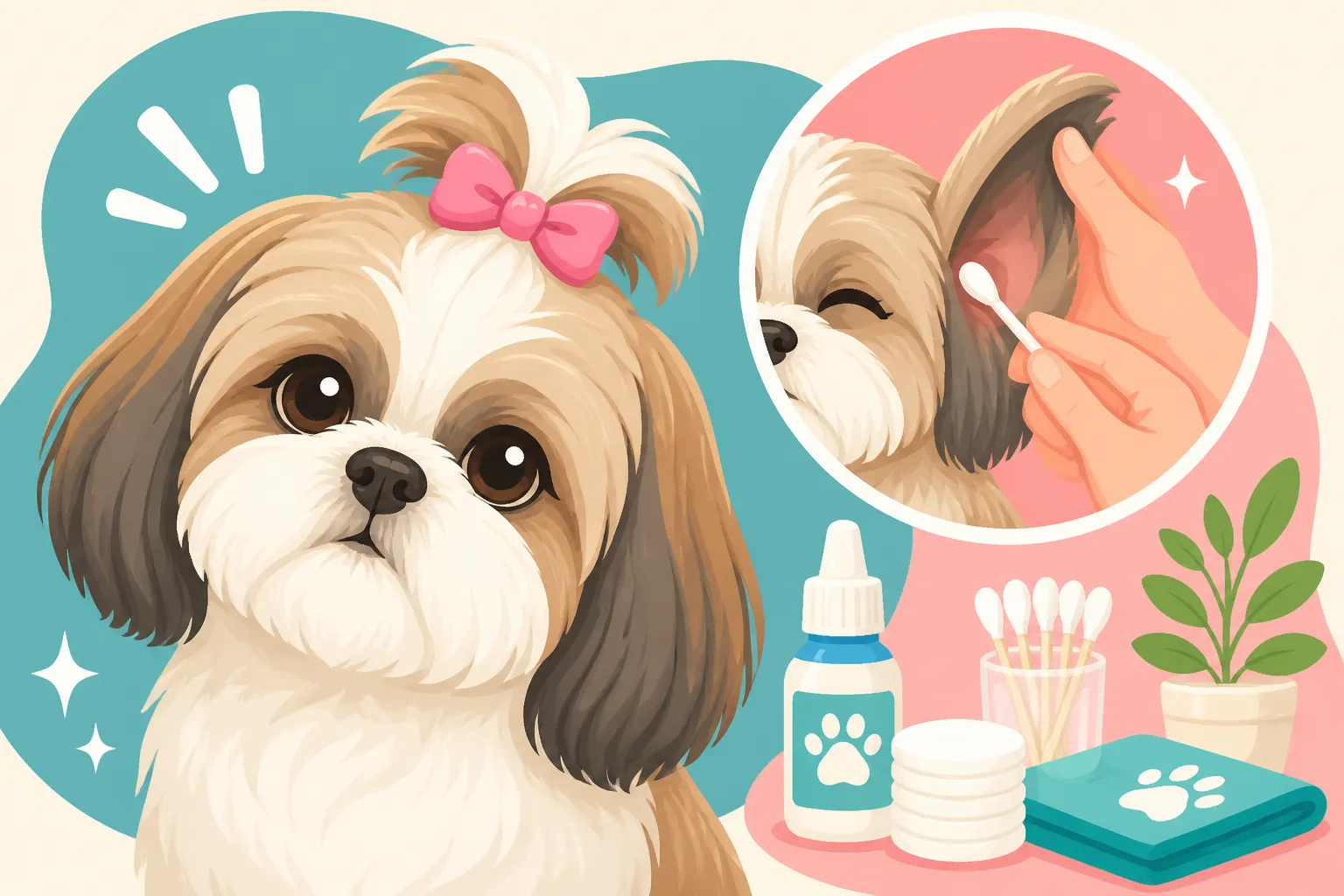
You don't need a professional grooming kit to do a great job, but a few key items will make the process much smoother and safer. First and foremost, you'll need cotton balls or soft gauze pads. Avoid cotton swabs (Q-tips) for cleaning inside the ear canal, as these can push debris further in and even damage the delicate eardrum. Save cotton swabs for cleaning the outer folds and crevices of the ear flap only. You'll also want some clean, soft towels. An old hand towel can be great for wrapping your Shih Tzu if they're a little squirmy, and another can be used for any drips or messes. Good lighting is also essential – ideally, work in a well-lit room or near a window so you can clearly see what you’re doing inside the ear. Sometimes, having a headlamp can be surprisingly helpful for really getting a good look! For any hair removal (which we'll discuss in more detail later), a blunt-nosed pair of grooming scissors or specialized ear hemostats might be considered, but only if you are confident and trained in their use. For general maintenance, cotton and cleaner are your mainstays.
Choosing the Right Cleaning Solution
This is where a little research and perhaps a chat with your vet come in. Not all ear cleaners are created equal, and some might even irritate your Shih Tzu's sensitive skin. You want an ear cleaning solution specifically formulated for dogs. Look for solutions that are gentle, non-irritating, and designed to help break down wax and dry quickly. Many good quality cleaners contain ingredients like salicylic acid to help exfoliate, or various botanicals that soothe and reduce odor. Avoid anything with alcohol, as it can be very drying and stinging, especially if there's any irritation already present. Some brands, readily available on platforms like Chewy or Amazon, offer ear cleansers with a neutral pH, which is ideal for a dog's ear environment. If your Shih Tzu has known sensitivities or recurrent Yeast Infections in a Shih Tzu Ear, your vet might recommend a specific medicated cleanser. Always read the instructions on the cleaner carefully, as application methods can vary slightly between products.
Treats and Comfort for a Positive Experience
Never underestimate the power of positive reinforcement, especially when it comes to something as potentially intrusive as ear cleaning. Your Shih Tzu learns through association, and if ear cleaning is always accompanied by something pleasant, they'll be far more cooperative. Have a stash of their absolute favorite, high-value treats ready – small, soft, and easy to gobble down quickly. These could be small bits of cooked chicken, cheese, or specialized training treats. Speaking of training, it’s a good idea to introduce ear handling as part of regular puppy training, making it a normal, non-threatening activity. Even with an adult dog, you can practice simply touching their ears gently, praising them, and giving a treat, gradually building up to a full cleaning session. A comfy blanket or a favorite bed on the grooming table can also help them feel more secure. Remember, this isn't just about cleaning; it's about building trust and ensuring future sessions are as stress-free as possible.
Step-by-Step: Your Weekly Shih Tzu Ear Cleaning Session
Alright, you’ve gathered your tools and prepared your mindset. Now it’s time to get down to business. Approach this with patience, gentleness, and a calm demeanor. Your Shih Tzu will pick up on your energy, so a relaxed owner usually means a more relaxed dog. Consistency is key, so make this a regular part of your Grooming a Shih Tzu Every Four to Six Weeks schedule, or even more frequently if recommended by your vet.
Prepping Your Shih Tzu and the Environment
First, choose a quiet time when both you and your Shih Tzu are relaxed. Avoid immediately after a walk or a boisterous play session. Place your Shih Tzu on a non-slip surface at a comfortable height – a sturdy table covered with a bathmat or towel works well. This saves your back and prevents them from wiggling away too easily. Have your chosen ear cleaner, cotton balls, and treats all within arm’s reach. Many owners find it helpful to gently restrain their Shih Tzu, either by having a second person calmly hold them or by using a technique like gently tucking them under one arm, much like a groomer might do. Remember, a quick, smooth, and positive experience is far better than a prolonged struggle. Before you start, give them a loving pet and a treat to signal that good things are about to happen. You might even practice Teaching a Shih Tzu Puppy to Lie on Its Side for a relaxed approach to ear care.
Cleaning the Outer Ear and Canal Opening
Gently lift your Shih Tzu's ear flap (the pinna) to expose the inner surface. Take a moment to visually inspect the ear. Does it look red? Is there any discharge? Is it swollen? Note any changes. Next, take a cotton ball or gauze pad and moisten it with your chosen ear cleaning solution. Don't drench it, just make it damp. Gently wipe the visible parts of the outer ear flap, including the folds and crevices. You’ll be surprised how much dirt and wax can accumulate here.
Once the outer ear is clean, it's time for the ear canal. Carefully hold the ear flap up and squeeze the recommended amount of ear cleaning solution directly into the ear canal opening. Your vet or the product instructions will guide you on quantity. Once the liquid is in, gently massage the base of your Shih Tzu's ear for about 20-30 seconds. You should hear a squishy sound as the solution works its way down and breaks up any wax or debris. This massaging action is crucial for dispersing the cleaner. Your Shih Tzu will likely shake their head vigorously after this step, so be prepared with a towel nearby to catch any flung solution or dissolved gunk!
Addressing Inner Ear Hair: To Pluck or Not To Pluck?
This is a hot topic among Shih Tzu owners and groomers, and the answer isn't always straightforward. Some Shih Tzus have minimal hair in their ear canals, while others have a thick jungle. The purpose of removing this hair is to improve airflow and prevent it from trapping moisture and debris, thereby reducing the risk of infection. If your Shih Tzu has a lot of hair growing deep in the canal, it can absolutely contribute to ear problems.
- Plucking: This involves using specialized ear hemostats (or your fingers, if the hair is loose enough) to gently pull out small tufts of hair from inside the ear canal. The key word here is gently. Never rip or pull large clumps, as this can be painful and cause inflammation. Plucking should only be done if the hair comes out easily.
- Trimming: For hair that's closer to the ear opening or on the underside of the ear flap, you can use blunt-nosed grooming scissors to carefully trim it back. Be extremely cautious and always point the scissors away from the ear canal.
The big caveat: Many modern vets and groomers actually advise against routine plucking unless absolutely necessary for health reasons or if the dog has recurrent infections. The act of plucking can sometimes create tiny micro-traumas in the sensitive skin of the ear canal, which can then lead to inflammation and infection. If your Shih Tzu doesn't have recurrent ear problems, a visual inspection and regular cleaning of the visible hair might be enough. If you decide to pluck, or if your vet recommends it, consider having a professional groomer or your vet demonstrate the proper technique first. Never attempt deep plucking if you're unsure, as it can be painful and harmful. For surface hair, use caution. For issues deeper in the ear, always consult your vet.
Finishing Up and Rewarding Your Pup
After the head shaking, take a fresh cotton ball or gauze pad and gently wipe away any remaining solution, loosened wax, or debris from the visible parts of the outer ear and just inside the ear canal opening. Do not insert anything deep into the ear canal. Continue wiping until the cotton comes out clean. Give a final visual check – does the ear look cleaner? Less red? Then, and this is crucial, lavish your Shih Tzu with praise and their high-value treats. Make it a party! Let them know they were a very good dog. This positive association is vital for making future ear cleaning sessions easier. If you had to pluck some hair, apply a soothing powder or a few drops of a vet-approved anti-inflammatory ear solution (if prescribed) to help calm any irritation. Consistency and positive reinforcement are your best allies in maintaining healthy Shih Tzu ears. Remember that caring for your Shih Tzu involves more than just ear cleaning; ensuring their overall hygiene, such as Cleaning a Shih Tzu Beard After Wet Food, also contributes to their comfort and health.
Common Ear Issues and When to Call the Vet
Even with the most diligent weekly routine, Shih Tzus can still develop ear problems. It's not a reflection of your care, but rather a testament to their inherent predispositions. Knowing what to look for and when to seek professional help is vital to prevent minor issues from becoming serious health concerns. Your observation skills are your first line of defense.
Recognizing the Signs of Trouble
The key to preventing severe ear infections is to catch the early warning signs. During your weekly cleaning, pay close attention to any changes in your Shih Tzu's ears. The most obvious sign is often excessive scratching or pawing at the ears, or frequent head shaking. You might also notice a foul odor emanating from the ear – a strong, yeasty, or sickly sweet smell is a red flag. Visually inspect the ear canal opening and the inner flap for redness, swelling, or any discharge. Discharge can range from dark, waxy buildup (often yeast-related) to yellow or green pus (bacterial). If your Shih Tzu flinches, whines, or acts aggressively when you try to touch their ear, it’s a clear indication of pain or discomfort. Sometimes, a Shih Tzu might show more subtle signs, like being generally lethargic or having a decreased appetite due to discomfort. Don't dismiss these signs, even if they seem minor. Ignoring them can lead to deeper, more painful infections. It's important to remember that A Shih Tzu Scratching Under a Full Coat isn't always just about fleas or skin irritation; it can frequently point to an ear issue as well.
Understanding Different Types of Infections
Ear infections in Shih Tzus typically fall into a few categories, and understanding them can help you communicate effectively with your veterinarian.
- Yeast Infections: These are incredibly common in Shih Tzus. They often present with a distinct yeasty odor (sometimes described as Frito-like) and a dark, waxy, sometimes greasy discharge. The ear may appear red and itchy. Yeast thrives in warm, moist, dark environments, making the Shih Tzu's ear canal a perfect habitat.
- Bacterial Infections: These can occur alone or in conjunction with yeast. Bacterial infections often produce a more pungent, sometimes putrid odor, and the discharge might be yellow, green, or thick and purulent. The ear will likely be very red, swollen, and painful.
- Ear Mites: While less common in adult, well-cared-for dogs, ear mites can cause intense itching and a dark, crumbly, coffee-ground-like discharge. These are highly contagious.
Sometimes, a foreign body (like a grass awn) or an allergic reaction can also mimic infection symptoms. It's crucial to understand that only a veterinarian can properly diagnose the type of infection or issue by examining the ear and often by taking a swab for microscopic analysis. This is why attempting to treat a severe infection at home with over-the-counter remedies is rarely effective and can sometimes make things worse.
When Home Care Isn't Enough
While your weekly cleaning routine is excellent for prevention and minor maintenance, there are definite times when you absolutely need to involve your veterinarian. If you notice any of the severe signs mentioned above – intense pain, heavy discharge, a strong foul odor, significant redness or swelling, or if your Shih Tzu is constantly shaking their head or pawing at their ear – it's time to call the vet. If a mild irritation doesn't clear up with your regular cleaning after a couple of days, that's also a cue to seek professional help. Self-treating could delay proper diagnosis and treatment, leading to chronic issues, damage to the ear canal, or even spread of infection. Your vet has the tools and expertise to properly examine the ear canal (sometimes requiring sedation if it’s very painful), identify the pathogen (bacteria, yeast, or mites), and prescribe the appropriate medication, whether it's topical drops, oral antibiotics, or anti-fungals. They can also explore underlying causes, such as Shih Tzu Skin Allergies and Hot Spots which might be contributing to the ear problems. Don't hesitate; your Shih Tzu relies on you to recognize when they need that extra level of care.
| Symptom | Possible Issue | Action |
|---|---|---|
| Mild dark wax, no odor | Normal buildup | Continue weekly cleaning, monitor. |
| Redness, strong odor | Yeast infection | Vet visit needed for diagnosis & treatment. |
| Yellow/green discharge | Bacterial infection | Immediate vet visit. |
| Excessive scratching | Mites, allergy, infection | Vet visit for diagnosis. |
| Swelling, extreme pain | Severe infection, foreign body | Urgent vet visit. |
| Head shaking | Any irritation or infection | Vet visit to determine cause. |
Disclaimer
This article is for general informational purposes only and does not constitute professional advice. Laws, prices and regulations vary by location and change over time. Consult a qualified professional for guidance on your specific situation.