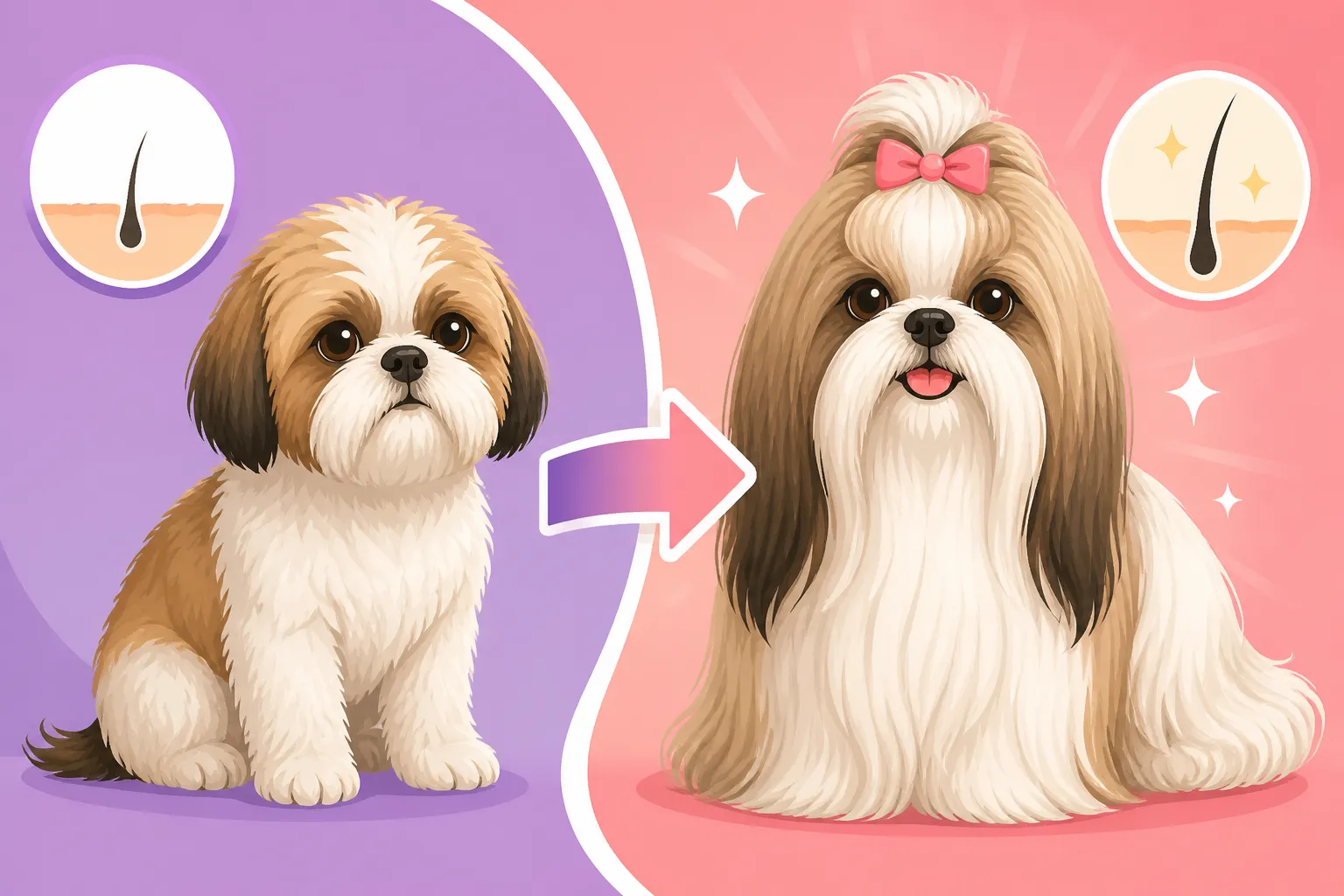
Growing a Shih Tzu Coat Back Out
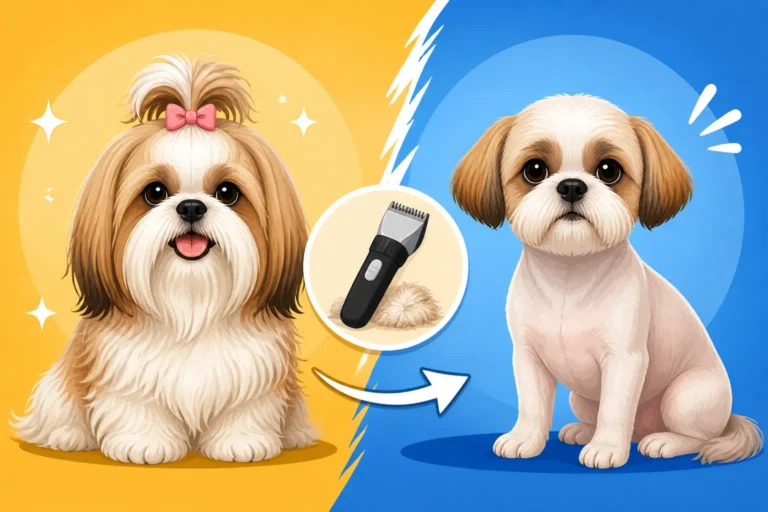
It's incredibly frustrating when your beautiful Shih Tzu's coat, which you've worked so hard to maintain, ends up getting cut shorter than you intended or, perhaps, had to be shaved down due to severe matting. You envision that flowing, luxurious hair, and suddenly, it's gone, leaving you wondering how long it will take to get it back. This guide is here to walk you through every step of growing your Shih Tzu's coat back out, ensuring it returns healthy, strong, and as gorgeous as ever.
Understanding Your Shih Tzu's Unique Coat Growth Cycle
When you look at a Shih Tzu, you see that magnificent mane, but beneath it lies a complex system of hair growth that requires patience and understanding. Growing out a coat isn't just about waiting; it's about nurturing.
The Double Coat Dilemma
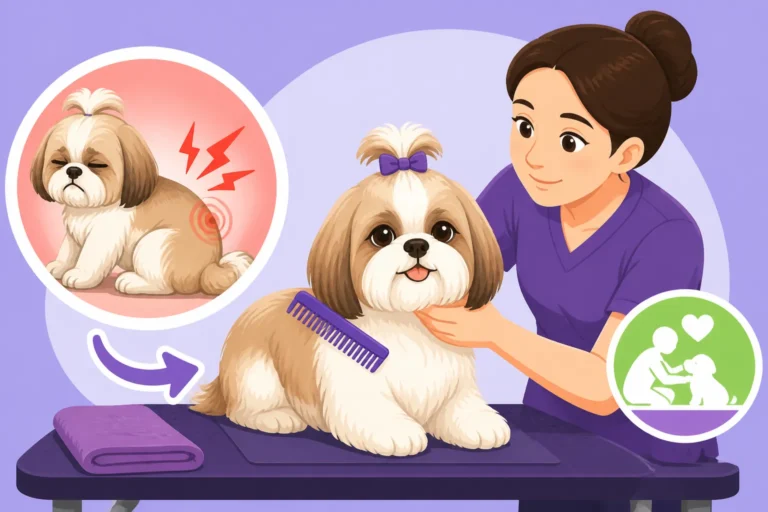
Shih Tzus are known for their stunning double coats, which consist of a soft, downy undercoat and a longer, silky topcoat. This combination is beautiful but also a magnet for tangles and mats. Many owners, and even some groomers, opt for a shorter "puppy cut" to manage the coat more easily, especially if life gets busy or if matting becomes severe. It’s a common decision, driven by practicality, but it often leaves owners yearning for the longer look again. The challenge with this double coat is that if neglected, the undercoat can pack down and trap the longer guard hairs, forming dense mats that pull on the skin and can be quite painful. When these mats get too close to the skin, a short shave-down becomes the only humane option, and suddenly, you're starting from scratch.
Patience is a Virtue: How Fast Does it Really Grow?
Dog hair generally grows at a rate of about half an inch per month, though this can vary. For a Shih Tzu, depending on genetics, diet, and overall health, you might see slightly faster or slower growth. If your Shih Tzu was shaved down to a quarter-inch, it could take several months, even up to a year or more, to regain significant length, especially for a full show-length coat. It's not a sprint; it's definitely a marathon. During this time, you'll witness various "awkward" stages where the coat might appear patchy or uneven, which can be disheartening. Remember that every dog is an individual, and some will simply grow hair faster than others. Don't compare your pup's progress too harshly to photos you see online; just focus on providing the best care for your own furry friend.
Factors Influencing Coat Health and Growth
Several factors play a crucial role in how quickly and healthily your Shih Tzu's coat will grow back. Genetics are a big one; some lines naturally have thicker, faster-growing coats. However, diet is arguably the most controllable and impactful factor. A high-quality diet rich in essential nutrients directly supports healthy hair follicles. Beyond that, underlying health conditions can significantly impede coat growth. Things like thyroid imbalances or skin allergies can lead to brittle, sparse hair or even hair loss. If you notice unusually slow growth, excessive shedding, or a dull, unhealthy appearance to the new hair, it's always wise to consult your veterinarian to rule out any medical issues. Thyroid Disease Thinning a Shih Tzu Coat is a real concern and can impact coat regrowth dramatically. Stress can also play a subtle role, as a stressed dog may have a compromised immune system, indirectly affecting hair quality.
Essential Care Steps for Healthy Regrowth
Growing a coat back isn't just about waiting; it's an active process of diligent care. You'll need to be committed to a consistent routine that supports both skin and hair health from the inside out.
Nutrition: Fueling Hair Follicles From Within
Think of your Shih Tzu's coat as an outward reflection of their internal health. A healthy coat begins with a healthy diet. High-quality dog food provides the building blocks for strong, vibrant hair. Look for foods with real meat as the first ingredient and a good balance of fats, particularly omega-3 and omega-6 fatty acids. These essential fatty acids are vital for skin hydration and coat luster, helping to reduce dryness and breakage as the hair grows. Many owners find success with premium kibbles, while others opt for fresh food subscriptions, which can sometimes provide an extra boost of fresh, bioavailable nutrients. Brands like Ollie, for instance, offer human-grade fresh food that can be tailored to your dog's specific needs, and many owners report improvements in coat quality and shine after switching. You might also consider adding a fish oil supplement to their diet, which can be easily found on platforms like Amazon or Chewy, but always discuss this with your vet first to ensure proper dosing. Daily Calories for a Twelve Pound Shih Tzu need to be carefully monitored, as excess weight can also impact overall health and skin condition, making coat management harder.
The Brushing and Detangling Routine You Can't Skip
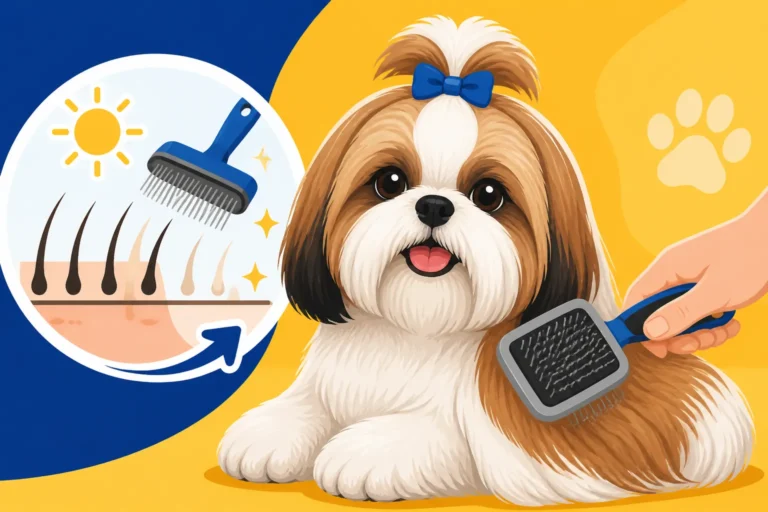
Even when your Shih Tzu's coat is short, brushing is critical. It might seem counterintuitive, but short hair can still tangle, especially the softer undercoat. Regular brushing stimulates blood flow to the skin, which in turn encourages healthy hair growth. As the coat starts to grow, mats will inevitably try to form. This is where patience and proper tools come in. Invest in a good quality slicker brush and a metal comb. The slicker brush will help remove loose undercoat and surface tangles, while the comb is essential for checking for mats down to the skin.
Start with short, daily sessions, working in sections. Begin by gently misting the coat with a detangling spray to prevent breakage and reduce static. Then, using your slicker brush, work small sections of hair, brushing from the skin out. Once you've brushed a section, follow up with your metal comb to ensure there are no hidden tangles. Pay extra attention to areas prone to matting, like behind the ears, under the armpits, and around the sanitary areas. It's often helpful to refer to guides on Working a Shih Tzu Coat in Sections or Which Brush Reaches a Shih Tzu Undercoat to refine your technique. Consistent, gentle brushing is the key to preventing small tangles from becoming impossible mats that require another shave-down.
Bathing, Conditioning, and Drying for Optimal Health
Bathing a growing Shih Tzu coat needs to be done carefully to avoid causing more mats. Aim for a bath every two to three weeks, or as needed, using a shampoo specifically formulated for dogs with long or double coats. Look for hydrating, gentle formulas that won't strip natural oils. Shampoo That Suits a Shih Tzu Double Coat can make a huge difference in preventing dryness and promoting a healthy sheen. After shampooing, always follow up with a good conditioner. A quality conditioner will moisturize the hair, making it softer, more pliable, and less prone to tangling. Why a Shih Tzu Coat Needs Conditioner is all about nourishing those long strands and making them easier to brush.
The drying process is just as important, if not more so, than the bath itself. Never let a Shih Tzu's double coat air dry, especially when growing out. Damp hair mats incredibly fast. You need to thoroughly dry your Shih Tzu right down to the skin, separating the coat with a brush as you go. Use a dog-specific forced-air dryer on a cool or low-heat setting, or a human hairdryer on its coolest setting. Brush the coat as you dry, ensuring every layer is completely dry. This prevents the undercoat from clumping and forming mats. Learning Drying a Shih Tzu Right Through the Undercoat is a skill that will save you countless hours of detangling and reduce the risk of skin issues caused by prolonged dampness.
Navigating the Awkward Stages of Grow-Out
As your Shih Tzu's coat starts to lengthen, you'll encounter various phases that require specific strategies. This isn't always the prettiest part of the journey, but with dedication, you can keep the coat healthy and manageable.
Preventing Mats and Tangles as Length Increases
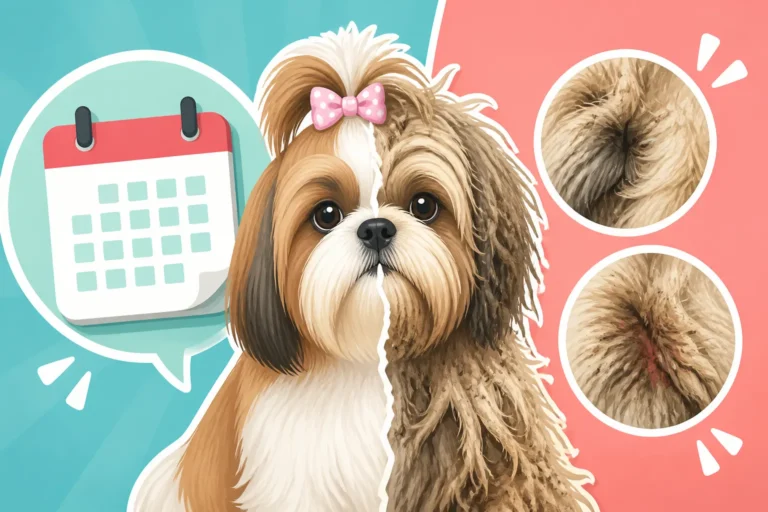
The longer the coat gets, the more vigilant you need to be about mat prevention. This is where many owners throw in the towel and opt for another short cut. However, with consistent effort, you can overcome this. Areas behind the ears, under the armpits, in the groin, and around the tail are notorious for matting because of friction and moisture. It’s also common to find Mats Under a Shih Tzu's Front Legs and The Mats That Form Behind Shih Tzu Ears. Make these areas priority zones during your daily brushing sessions.
Keep a detangling spray handy. A quick spritz before brushing helps the brush glide through, minimizing breakage. You can find excellent detangling sprays online through retailers like Chewy or Amazon. Remember, prevention is far easier than trying to break up a mat once it's formed. If you do find a small mat, gently work it out with your fingers first, then a comb, always working from the ends of the hair inward towards the skin, never pulling directly on the skin. Sometimes a tiny bit of cornstarch can help loosen a very minor mat.
Managing Face and Eye Hair During Grow-Out
One of the most defining features of a Shih Tzu is its beautiful facial hair, but this can also be the most challenging to manage during grow-out. Hair falling into the eyes can cause irritation, corneal ulcers, and tear staining. You have a few options here:
- The Topknot: This is the classic solution for keeping hair out of your Shih Tzu's eyes. It involves gathering the hair on top of the head and tying it up with a latex band. Learning Tying a Shih Tzu Topknot Step by Step effectively, ensuring it's secure but not too tight, is crucial. Change the band daily to prevent hair breakage and skin irritation.
- Trimming: If a topknot isn't practical or preferred, regular face trims are necessary. You'll need to trim the hair above the eyes and around the muzzle to keep it neat and clear. Trimming a Shih Tzu Fringe Instead of Tying It is a perfectly acceptable option, especially for active dogs or those who simply don't tolerate a topknot.
- Wiping: Daily Wiping a Shih Tzu Face Twice a Day helps remove eye discharge and prevent tear staining, keeping the area clean and comfortable while the hair grows. Use a soft, damp cloth or specialized eye wipes.
Temporary Solutions and Protective Measures
While the coat grows out, you might find some temporary measures helpful to protect the hair and keep your dog comfortable:
- Snoods: If your Shih Tzu has a long beard that gets wet or dirty while eating, a snood can be a lifesaver. These fabric tubes slip over their head and hold the ears and beard out of the food and water bowl. This not only keeps the hair clean but also prevents damage from constant washing.
- Harnesses: Always use a well-fitting harness instead of a collar for walks. Collars can rub and break the delicate hair around the neck, creating mats and thinning. A soft, properly sized harness will distribute pressure and minimize friction on the coat. There are many types of Harnesses That Do Not Mat a Shih Tzu Coat available on Chewy or Amazon; look for ones with smooth, wide straps and minimal buckles that might rub.
- Clothing: In colder weather, a light sweater or coat can protect the growing hair from environmental damage, dirt, and even minor tangles from rubbing against furniture. Just ensure it's not too tight and doesn't cause friction that could lead to matting itself.
- Avoid Rough Play: While play is important, try to minimize very roughhousing that can snag or pull at the growing coat, leading to breakage or mats. Supervise play with other dogs to prevent unnecessary coat damage.
When to Seek Professional Help and What to Expect from Your Groomer
Even with the most dedicated home care, there are times when professional intervention is necessary or highly recommended. A good groomer and vet are invaluable partners in your coat-growing journey.
When to Call Your Vet (Beyond Grooming)
While most coat growth issues are related to grooming and nutrition, sometimes an underlying health problem is to blame for a slow-growing or unhealthy coat. If you've been diligently caring for your Shih Tzu's diet and coat, but you're still noticing issues like:
- Excessive shedding or patchy hair loss: This isn't normal, especially if it seems localized or accompanied by skin irritation.
- Dull, brittle, or very dry hair: Even with good conditioning, if the coat lacks luster and feels unhealthy, it could indicate an internal issue.
- Slow or stagnant growth: If the coat seems to stop growing for an extended period, it's a red flag.
- Skin issues: Redness, itching, flakes, or sores beneath the coat. A Shih Tzu Scratching Under a Full Coat can lead to further damage and inhibit growth.
These symptoms warrant a visit to your veterinarian. They can perform tests to check for conditions like hypothyroidism, allergies, parasites, or other dermatological problems that might be impacting coat health. Treating the root cause will always be the most effective way to promote healthy hair regrowth.
Communicating Your Grow-Out Goals to Your Groomer
Your groomer is your ally, but only if they understand your goals. When you take your Shih Tzu in for grooming during a grow-out phase, clear communication is absolutely key. Don't just ask for a "trim" or "tidy up." Instead, explain that you are intentionally growing out the coat.
- Be Specific: Tell your groomer exactly what length you're aiming for and where you want to keep as much length as possible (e.g., "I'm growing out her body coat, but please tidy up her feet and sanitary area").
- Discuss Maintenance: Ask them for advice on home care during the grow-out. A good groomer can show you techniques for brushing specific areas or recommend products that will help.
- Manage Expectations: Understand that maintaining a longer coat means more frequent professional grooming to keep it healthy, tidy, and mat-free. Your groomer can help set a realistic schedule for this. Grooming a Shih Tzu Every Four to Six Weeks is often recommended, but during a grow-out phase, you might need "tidy-up" appointments more frequently, every three weeks, just to keep things neat and prevent matting in crucial areas.
- Find the Right Fit: Not all groomers specialize in full-coat maintenance. If your current groomer consistently cuts too much off or doesn't seem to understand your goals, it might be time to seek out a groomer with experience in show coats or long-coat breeds. They will often be able to offer more tailored advice and services.
Understanding Groomer Costs and Expectations During Transition
Growing out a Shih Tzu coat can sometimes influence your grooming costs. Here's what to expect:
- Maintenance Trims: Even while growing out, your Shih Tzu will still need regular trims of their feet, face, and sanitary areas. These are essential for hygiene and comfort.
- Dematting Fees: If, despite your best efforts, your Shih Tzu develops mats, be prepared for potential dematting fees. Groomers charge extra for the time and specialized products needed to safely remove mats. In severe cases, a full shave-down might still be recommended for the dog's comfort, resetting your grow-out journey. Remember, a groomer's priority is the dog's well-being, and dematting can be painful.
- Regular Appointments: To maintain the growing coat without severe matting, you'll likely need to stick to a strict grooming schedule. This consistency helps prevent major issues and ensures the coat grows out evenly and beautifully.
By understanding the process, committing to diligent home care, and partnering with your vet and groomer, you can successfully grow your Shih Tzu's coat back out to its glorious potential. It takes time, effort, and patience, but the result is a stunning, healthy companion.
| Grow-Out Challenge | Description | Solution |
|---|---|---|
| Matting | Hair tangles and clumps together, especially behind ears, armpits, and groin. | Daily brushing with slicker and comb, using detangling spray. Regular face/sanitary trims. |
| Uneven Growth | Different areas of the body grow at different rates, looking scraggly. | Patience! Regular maintenance trims (feet, face, sanitary) to keep tidy. Professional tidy-ups. |
| Eye Irritation | Hair falling into eyes causes redness, discharge, potential injury. | Regular topknots or frequent trimming of fringe. Daily eye cleaning. |
| Dull/Brittle Coat | New hair growth lacks shine, feels dry, or breaks easily. | High-quality diet rich in Omega fatty acids. Proper shampoo/conditioner. Vet check for underlying health. |
| Groomer Misunderstandings | Groomer cuts more length than desired due to miscommunication. | Clear, specific instructions for grow-out plan. Find a groomer experienced with full coats. |
Disclaimer
This article is for general informational purposes only and does not constitute professional advice. Laws, prices and regulations vary by location and change over time. Consult a qualified professional for guidance on your specific situation.