Finding a Trainer Who Understands Toy Breeds
It's incredibly frustrating when you're trying to teach your tiny Shih Tzu good manners, only to feel like every piece of training advice out there is geared towards a Labrador. You’re left wondering if your little lion dog is just extra stubborn, or if the training methods simply aren't suited for their unique size and temperament. This guide is here to help you navigate the world of dog training specifically for toy breeds, offering actionable steps to find a trainer who truly understands the delicate and charming nature of your beloved Shih Tzu.
Why Toy Breeds Like the Shih Tzu Need a Specialist Trainer
When you bring a Shih Tzu into your home, you quickly realize they're not just a small dog; they're a whole different ballgame. Their compact size, delicate structure, and often outgoing personalities mean that what works for a larger breed simply might not be appropriate, effective, or even safe for them.
More Than Just "Little Big Dogs"
Many trainers treat all dogs the same, just scaling down the techniques for a smaller stature. But a Shih Tzu isn't just a miniature German Shepherd. They were bred for centuries to be pampered companions, literally sitting on laps in imperial palaces. This means their inherent drive and motivation often differ from breeds developed for herding, hunting, or guarding. They might not be as eager to "work" for long periods, preferring short, fun sessions that feel more like play. Their attention spans can be brief, and they can easily become overwhelmed by loud noises or intimidating environments. A trainer who understands Why a Companion Breed Still Needs Training will appreciate these nuances and tailor their approach accordingly.
Imagine taking your tiny Shih Tzu, barely clearing your ankle, to a group class filled with boisterous adolescent retrievers. While socialization is crucial, the sheer size difference can be terrifying for your little one, leading to fear and anxiety rather than positive learning. A specialist understands that appropriate socialization for a Shih Tzu might look very different, perhaps involving carefully curated playdates with other small, gentle dogs, or calm introductions to a variety of people in a controlled setting, rather than a free-for-all dog park.
The Physical Delicacy and Safety Concerns
Shih Tzus, with their short snouts, bulging eyes, and relatively long spines for their height, have specific physical vulnerabilities. An inexperienced trainer might accidentally put your dog at risk without even realizing it. For instance, using a choke chain or prong collar on a Shih Tzu is an absolute no-go due to their delicate tracheas and brachycephalic (flat-faced) breathing issues. Even a standard flat collar can put undue pressure on their neck, especially if they pull on the leash.
A trainer knowledgeable about toy breeds will insist on a well-fitting harness that distributes pressure across the chest, not the neck. They'll understand the risks of jumping from heights – like off a sofa or bed – which can lead to Shih Tzu Disc Disease and Sudden Back Pain. They'll be mindful of their delicate eyes, knowing that even gentle pressure on the neck or rough handling can contribute to conditions like proptosis. This awareness of their physical fragility is paramount for safe and effective training.
Overcoming the "Spoiled" Perception
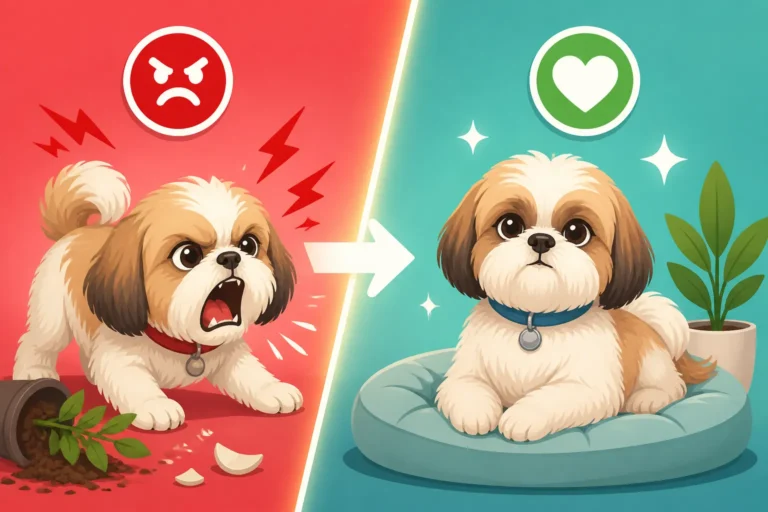
Let's be honest, it's easy to spoil a Shih Tzu. They're so cute, so cuddly, and they fit so perfectly on our laps. We often pick them up instead of asking them to walk, or let them get away with behaviors we wouldn't tolerate in a larger dog. This isn't a criticism; it's a natural consequence of their adorable nature! However, this can lead to behavioral issues that are then dismissed as "just a small dog thing" or "stubbornness."
A good trainer will recognize that these behaviors, whether it's incessant barking at the doorbell or a refusal to go outside in the rain, are not due to an inherent flaw in the Shih Tzu but often a lack of consistent training or appropriate boundaries. They'll help you understand Shih Tzu Stubbornness and What It Really Is – often, it's just a smart dog testing boundaries or having a different motivation than we assume. They won't judge you for your spoiling habits but will gently guide you towards setting clear expectations in a way that your Shih Tzu can understand and respond to.
Essential Qualities in a Shih Tzu-Savvy Trainer
Finding the right trainer means looking beyond a basic certification. You need someone who 'gets' toy breeds, particularly your Shih Tzu, and can tailor their methods to suit their unique needs.
A Firm Grasp of Positive Reinforcement
For a sensitive and companion-oriented breed like the Shih Tzu, positive reinforcement is not just a preference; it's practically a necessity. Methods that involve punishment, fear, or physical corrections can easily traumatize a small dog, leading to fear-based aggression, shutdowns, or a complete aversion to training. A trainer specializing in small breeds will be an expert in using rewards – whether that's tiny, high-value treats, praise, or a favorite toy – to encourage desired behaviors.
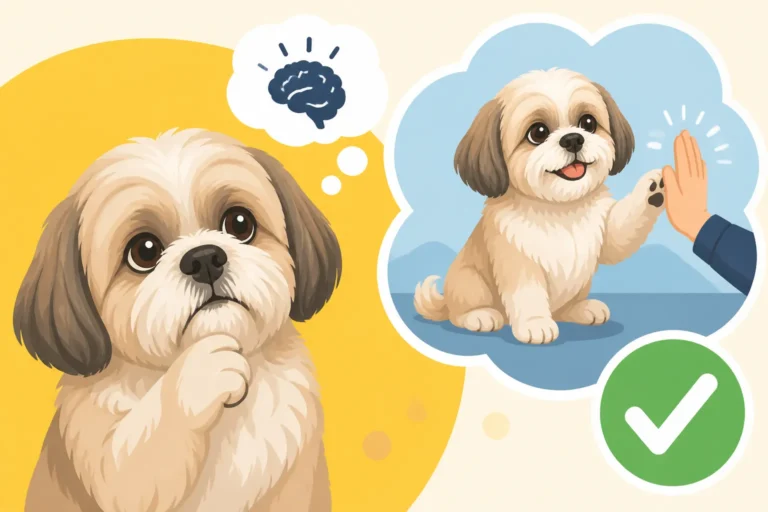
They'll understand What Motivates a Shih Tzu to Work and leverage that to make training a fun, engaging experience. This isn't about bribing your dog; it's about clear communication. When your Shih Tzu performs a desired action (like sitting), and they immediately receive a reward, they learn to associate that action with a positive outcome. This builds trust and strengthens your bond, making your dog eager to learn more. A trainer who practices Positive Reinforcement With a Shih Tzu will focus on building confidence and enthusiasm rather than forcing compliance.
Experience with Brachycephalic Breeds and Their Unique Needs
The flat-faced nature of Shih Tzus, shared by breeds like Pugs and Bulldogs, comes with specific health considerations that impact training. These dogs can overheat easily due to their restricted airways, meaning outdoor training sessions need careful timing, especially in warmer weather. A trainer experienced with brachycephalic breeds will know to keep sessions short, take frequent breaks, and ensure access to water and shade. They'll also recognize the signs of overheating or respiratory distress, such as excessive panting or noisy breathing, and know when to stop.
Beyond breathing, their facial structure can also mean they might struggle with certain movements or even vision if hair is in their eyes. A specialized trainer will be mindful of these physical limitations and adapt exercises accordingly. For example, they might avoid intense, long-duration fetch games in favor of short bursts of indoor play or scent work, knowing that a long-snouted dog might tolerate extended activity better.
Patience and Creativity for the "Stubborn" Shih Tzu
Many Shih Tzu owners jokingly, or not so jokingly, refer to their dogs as stubborn. While some may interpret this as a lack of willingness to learn, it's often a testament to their intelligence and independent spirit. They're not always motivated by the same things as a working breed, and they might have their own ideas about how things should go!
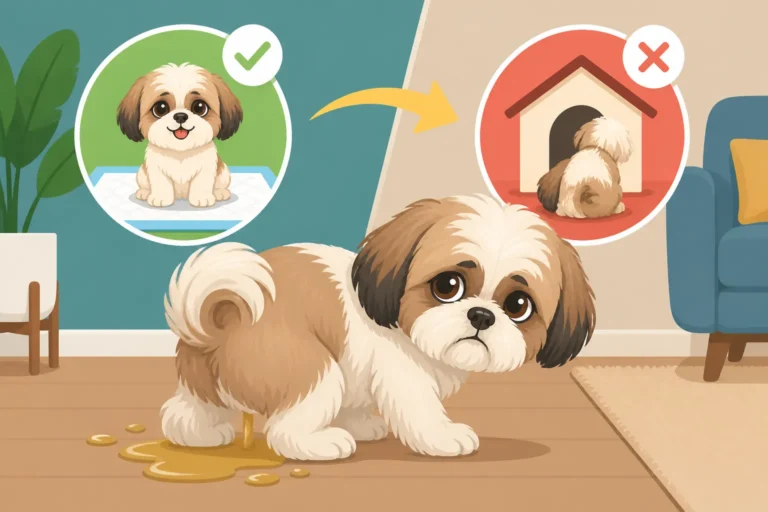
A great trainer for a Shih Tzu will possess immense patience and a large toolkit of creative solutions. They won't just repeat the same command louder; they'll figure out why your Shih Tzu isn't responding. Is the reward not motivating enough? Is the environment too distracting? Is the cue unclear? They'll use various techniques, including Clicker Work With a Shih Tzu Puppy, luring, shaping, and targeting, to break down complex behaviors into tiny, achievable steps. For instance, house training can often run long for Shih Tzus, and a patient trainer will understand Why Shih Tzu House Training Runs Long and provide strategies that work specifically for small bladders and finicky preferences for potty spots.
Where and How to Find the Right Trainer
Finding that perfect trainer can feel like searching for a needle in a haystack, but with the right approach, you can significantly narrow down your options.
Starting Your Search: Vets, Breeders, and Online Resources
Your veterinarian is an excellent first point of contact. They often work with local trainers and can recommend individuals or facilities that have a good reputation and understand the unique needs of different breeds. Similarly, if you got your Shih Tzu from a reputable breeder, they are often a treasure trove of information and might have specific trainers they recommend who are familiar with their lines.
Beyond these personal recommendations, the internet is a powerful tool. Look for trainers specifically advertising experience with small breeds or toy groups. Search terms like "positive reinforcement trainer [your city]" or "toy breed puppy classes [your area]" can yield good results. Websites for professional dog training organizations might also list certified trainers in your vicinity.
When exploring options, consider the format. Group classes can be a fun way for your Shih Tzu to socialize (if carefully managed for size differences), but private one-on-one sessions might be better for addressing specific behavioral issues or for dogs who are easily overwhelmed. For those in areas with limited local options, or who prefer to learn at their own pace, online training programs have become incredibly popular. Platforms like BAXTER & Bella offer comprehensive online puppy schools that use positive reinforcement and can be tailored to small breeds, allowing you to work through modules from the comfort and safety of your own home. They provide video tutorials, live Q&A sessions, and personalized support, which can be invaluable.
Questions to Ask During Your Interview
Once you have a few potential trainers, don't hesitate to interview them. This is your dog's education and well-being at stake! Here are some key questions to ask:
- "What experience do you have with toy breeds, specifically Shih Tzus?" Look for concrete examples, not just general statements.
- "What training methods do you primarily use, and why?" Listen for answers that emphasize positive reinforcement, rewards, and humane techniques. Red flags include mentioning "dominance," "alpha theory," or harsh corrections.
- "How do you handle specific toy breed challenges like house training, barking, or leash pulling?" Their answers should show an understanding of the nuances involved, like A Shih Tzu Barking at the Doorbell or needing specialized indoor potty setups.
- "Can I observe a class or a session before committing?" A confident and ethical trainer will usually welcome this, allowing you to see their methods in action and how they interact with the dogs and owners.
- "What is your approach to socialization for small dogs?" Look for answers that suggest careful, controlled interactions rather than overwhelming free-for-alls.
- "What is your philosophy on owner involvement in the training process?" The best trainers empower you to be the primary trainer for your dog, teaching you the skills.
Here's a quick comparison of what to look for:
| Feature | Ideal Toy Breed Trainer | Less Suitable Trainer |
|---|---|---|
| Methodology | Positive reinforcement, force-free, reward-based | Aversive tools (choke, prong), dominance theory, punishment |
| Breed Experience | Specific experience with toy/brachycephalic breeds | Generalist, treats all dogs the same |
| Safety Awareness | Understands physical fragilities (eyes, airway, spine) | Unaware of breed-specific vulnerabilities |
| Approach to "Stubborn" | Patient, creative problem-solver, finds motivation | Labels dog stubborn, resorts to force |
| Owner Involvement | Teaches owner skills, empowers them | Takes the dog away to "fix" it, limited owner education |
| Environment | Calm, controlled, safe for small dogs | Overwhelming, chaotic, unsafe interactions for small dogs |
Considering Online Training Programs
Sometimes, local options are limited, or your schedule simply doesn't allow for regular in-person classes. This is where online training programs shine. They offer flexibility and can often provide access to top-tier trainers you wouldn't otherwise encounter. As mentioned, programs like BAXTER & Bella are specifically designed to walk you through puppy raising and basic obedience using positive, humane methods. This can be especially beneficial for Crate Training a Shih Tzu Properly or dealing with Shih Tzu Puppy Nipping at Fingers in a low-stress environment.
Many online platforms also offer downloadable guides or e-books that provide detailed instructions for specific exercises, which you can purchase individually or as part of a larger course. You can often find excellent resources on platforms like Amazon, from books covering The Handful of Cues a Shih Tzu Really Needs to specialized guides on dealing with common Shih Tzu behaviors. The key is to ensure the online resources you choose align with positive reinforcement principles.
Red Flags and Avoiding Training Pitfalls
Just as important as knowing what to look for is knowing what to avoid. Steer clear of certain approaches that can do more harm than good for your sensitive Shih Tzu.
Beware of Force-Based or Aversive Methods
Any trainer who suggests using tools like choke chains, prong collars, shock collars, or who advocates for physical corrections (e.g., leash jerks, "alpha rolls," scruff shakes) should be avoided entirely for a Shih Tzu. These methods rely on fear and pain to suppress behavior, and for a small, delicate breed, they are not only inhumane but also incredibly dangerous. They can lead to physical injury, worsen fear and aggression, and completely destroy the trust between you and your dog.
Imagine a trainer telling you to "correct" your Shih Tzu for barking. A harsh jerk on a collar could easily damage its tiny trachea or even cause an eye to prolapse. These methods do not teach your dog what to do, only what not to do, leaving them confused and anxious. A good trainer will teach you how to redirect unwanted behaviors and reinforce appropriate ones, turning potential issues into opportunities for learning and bonding.
Trainers Who Don't Involve You
A reputable trainer teaches you how to train your dog. They don't simply "fix" your dog for you. If a trainer suggests taking your Shih Tzu away for an extended "board and train" program without significant owner involvement during and after, proceed with extreme caution. While board and train can be effective for some complex cases, it's often not the best approach for a companion toy breed, especially if you're not fully integrated into the process.
You are the most important person in your Shih Tzu's life, and for training to be successful and lasting, you need to learn the skills and techniques yourself. Your dog needs to understand your cues and respond to you. A trainer's job is to empower you, equip you with the knowledge, and troubleshoot alongside you.
Promises That Sound Too Good to Be True
Be wary of any trainer who promises instant results or guarantees to "cure" all behavioral problems in a very short timeframe. Dog training is a process that requires patience, consistency, and understanding from both the dog and the human. There are no magic wands or quick fixes, especially with deeply ingrained behaviors or for dogs who might have experienced trauma.
If a trainer implies your Shih Tzu will be perfectly behaved after just a few sessions, they might be overpromising and could resort to harsh methods to achieve superficial results. A realistic trainer will explain that success comes from consistent practice, understanding your dog's motivations, and adapting your approach as you both learn. For instance, Whether an Older Shih Tzu Can Still Learn is a common question, and a good trainer will confirm that while it might take more time, older dogs absolutely can learn new tricks and change behaviors with the right approach and patience.
Finding the right trainer for your Shih Tzu is an investment in their well-being and your relationship. By understanding their unique needs, recognizing effective training philosophies, and knowing what to look for (and avoid), you'll be well on your way to a happy, well-adjusted little companion.
Disclaimer
This article is for general informational purposes only and does not constitute professional advice. Laws, prices and regulations vary by location and change over time. Consult a qualified professional for guidance on your specific situation.