A Shih Tzu That Hides From Loud Children
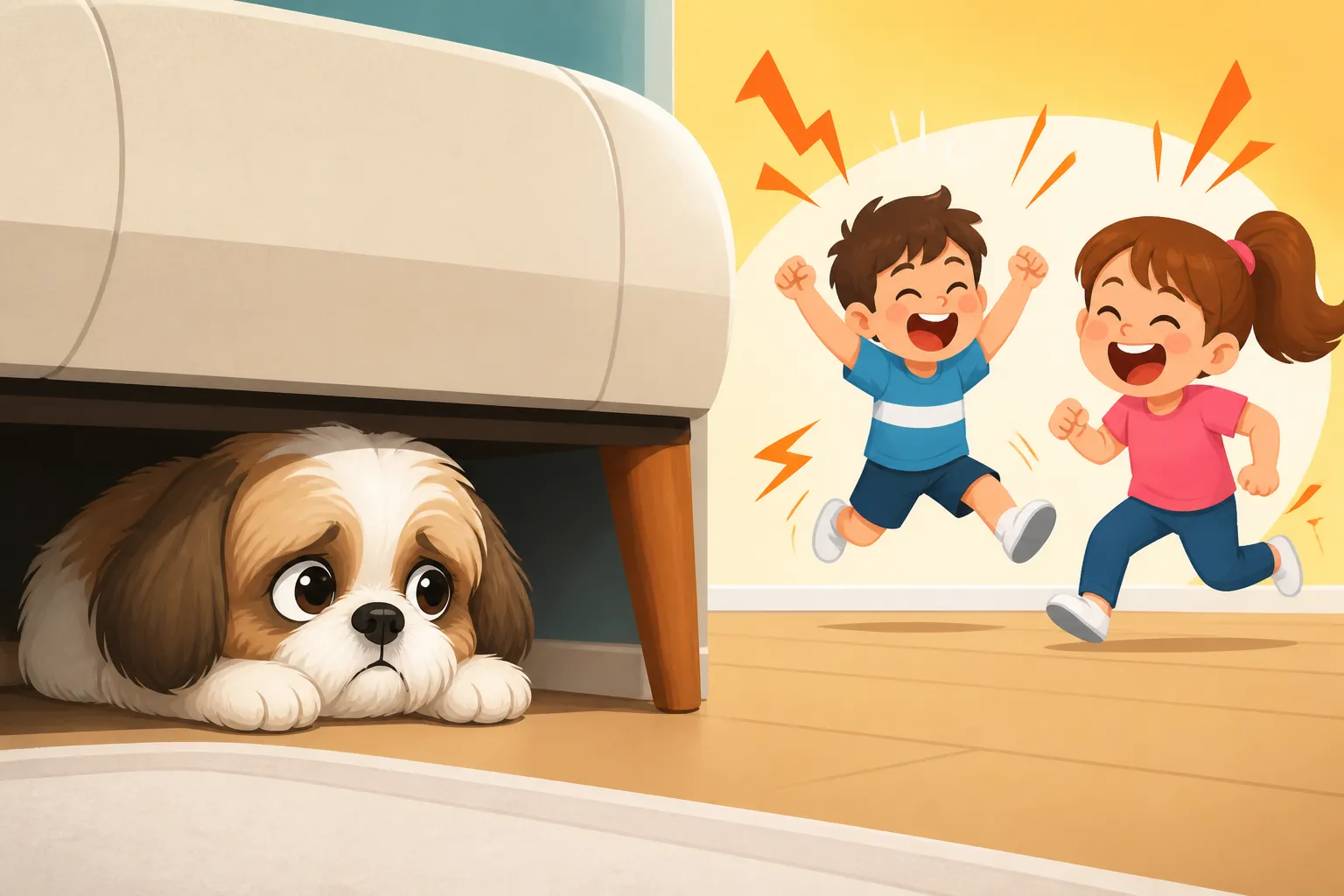
It can be incredibly disheartening when your sweet little Shih Tzu, who is usually the most affectionate companion, suddenly becomes a shadow, darting away or cowering under furniture the moment loud children enter the room. This common scenario stems from their sensitive nature and small stature, and it leaves many owners wondering how to bridge the gap and help their beloved dog feel safe and confident. This guide will delve into why Shih Tzus often react this way and provide practical, empathetic strategies to help your furry friend thrive even amidst energetic youngsters.
Understanding Your Shih Tzu's Sensitivity to Loud Children
Shih Tzus, with their regal history as companions in Tibetan temples and Chinese imperial courts, were bred to be adored and protected, not to contend with the boisterous energy of young children. Their inherent traits, combined with individual experiences, often make them quite sensitive to loud noises and sudden movements, leading them to seek refuge when children are around. It’s not that they dislike children; it’s usually a self-preservation instinct kicking in.
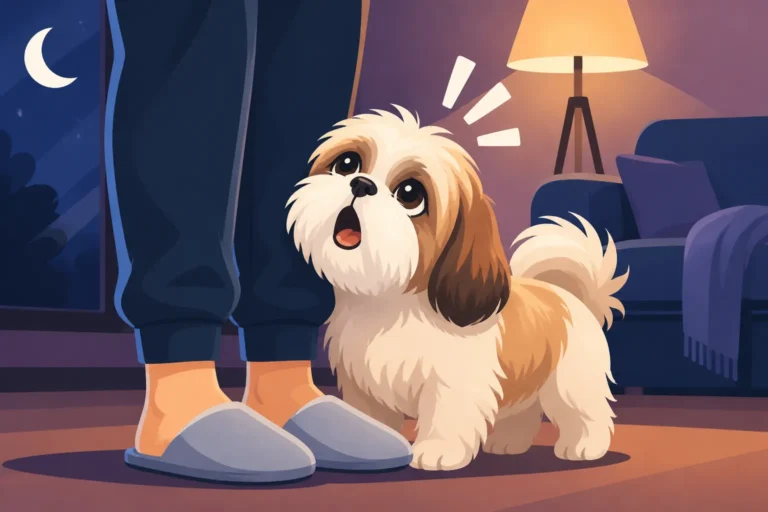
Firstly, consider their physical makeup. A Shih Tzu's world is much closer to the ground, and their sense of hearing is far more acute than ours. What might be a normal play noise for a child – a squeal, a loud laugh, the clatter of toys – can be amplified and startling to a small dog. Their large, expressive eyes are also vulnerable, and instinct tells them to avoid anything that could pose a threat. Being picked up suddenly, having their hair pulled, or being startled by an unexpected touch can be genuinely frightening for them. They are toy dogs, after all, and their small size means they perceive the world, and especially larger beings like children, as potentially overwhelming.
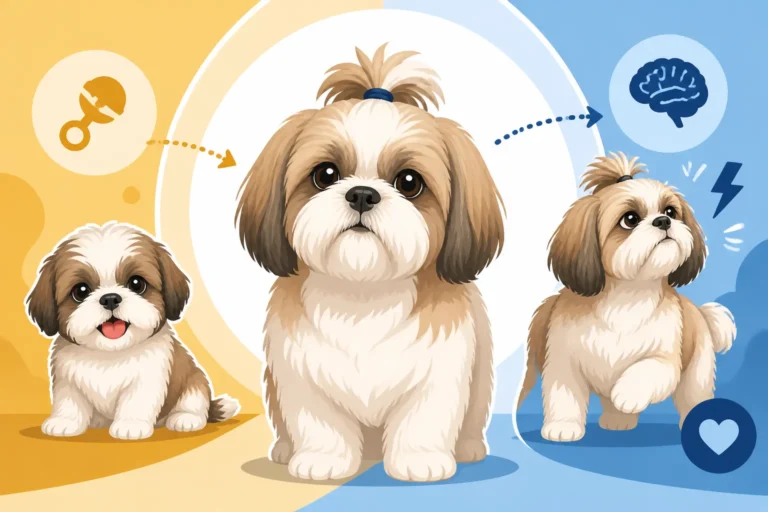
Beyond their physical traits, a Shih Tzu's individual history plays a massive role. If a puppy wasn't properly socialized to children during its critical developmental period – usually before 16 weeks of age – they might naturally be wary. A Shih Tzu that didn't have positive, controlled interactions with calm children as a youngster might view them as an unpredictable, even scary, element. Even seemingly minor negative interactions can leave a lasting impression. Perhaps a child accidentally stepped on them, or pulled their tail, or screamed suddenly near them. These experiences, however unintentional, can cement a fear response. It’s important to remember that fear is a powerful motivator, and for a small dog, hiding is a perfectly rational response to feeling unsafe. They aren't being "stubborn" or "naughty"; they are simply trying to protect themselves. This sensitivity is part of their charming, gentle nature, but it requires careful management when boisterous children are involved.
Creating a Secure and Calm Sanctuary for Your Shih Tzu
The first step in helping a Shih Tzu who hides from loud children is to establish a strong foundation of safety and predictability in their environment. This means creating a dedicated haven where your dog can retreat and feel completely secure, no matter what commotion is happening around them. Think of it as their personal, quiet space, a non-negotiable zone of peace.
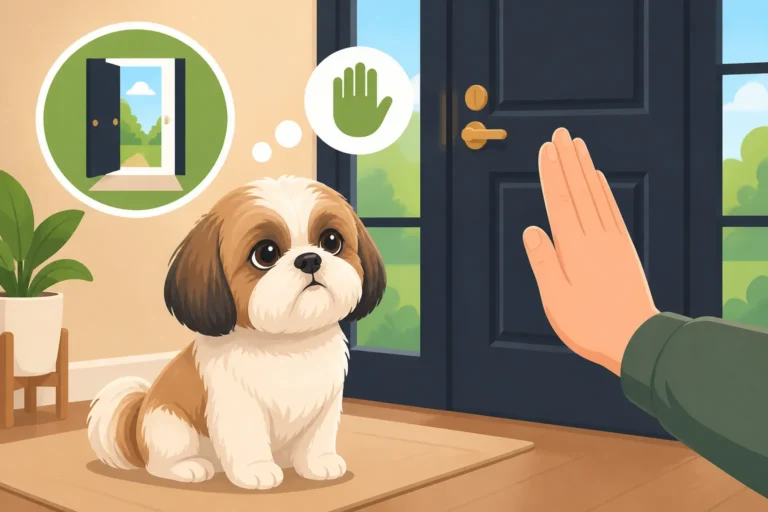
This sanctuary should ideally be a comfortable crate or a cozy dog bed placed in a quiet corner of a less-trafficked room. It could be in your bedroom, a quiet den, or even a pantry with the door left ajar. Equip this space with soft bedding, a favorite blanket, and perhaps a calming scent or a white noise machine to help muffle external sounds. The key is that this space is always available and children are taught never to disturb the Shih Tzu when they are in it. This isn't a place for punishment; it's a safe zone. When your Shih Tzu goes into their sanctuary, it’s a clear signal that they need space, and that signal must be respected by everyone in the household, especially children. Providing them with a safe haven empowers them to manage their own anxiety, rather than feeling trapped or overwhelmed. Building Alone Time for a Shih Tzu is also about building their confidence in their own space.
Establishing predictable daily routines also helps immensely. Dogs, especially those prone to anxiety, thrive on routine. Knowing when to expect meals, walks, and playtime can reduce overall stress levels. When children are expected to visit or when there's likely to be more noise, ensure your Shih Tzu has had their exercise, potty breaks, and a chance to relax in their quiet space before the activity starts. This pre-emptive approach can prevent them from becoming overstimulated. Consider giving them a special, long-lasting chew or puzzle toy in their safe space when children are present; this gives them a positive association with their retreat and helps them cope. You can find many suitable puzzle feeders on Amazon that can keep a small dog engaged and distracted.
Finally, actively managing noise levels and supervising interactions are crucial. It might not always be possible to keep children perfectly quiet, but you can teach them to modulate their voices indoors and to avoid sudden, high-pitched screams or quick movements around the dog. Designate "dog-free" play zones for children where their energetic play won't directly impact the Shih Tzu. When children and your Shih Tzu are in the same room, all interactions must be supervised. This means you are actively watching, ready to intervene, and advocating for your dog's comfort. You're teaching both child and dog how to coexist respectfully. For more specific guidance on child-dog dynamics, consider reading about A Shih Tzu and a Toddler in the Same Room.
Guiding Gentle Interactions: Introducing Shih Tzus to Children
Once your Shih Tzu has a secure sanctuary, the next step is to carefully and positively introduce them to children, fostering gentle interactions that build trust instead of fear. This process requires patience, consistency, and a deep understanding of your dog's comfort levels. Remember, we want to create positive associations, not force uncomfortable encounters.
The absolute golden rule is supervised interactions, always. Never leave a Shih Tzu and a young child unsupervised, even for a moment. Children, especially toddlers, don't inherently understand a dog's body language or boundaries. They might innocently grab at ears or fur, or try to hug tightly, all of which can be terrifying or even painful for a small dog. Your role is to be the gentle mediator, ensuring all interactions are calm, controlled, and brief. Start with very short, positive encounters, perhaps just a minute or two, and gradually increase the duration as your Shih Tzu becomes more comfortable.
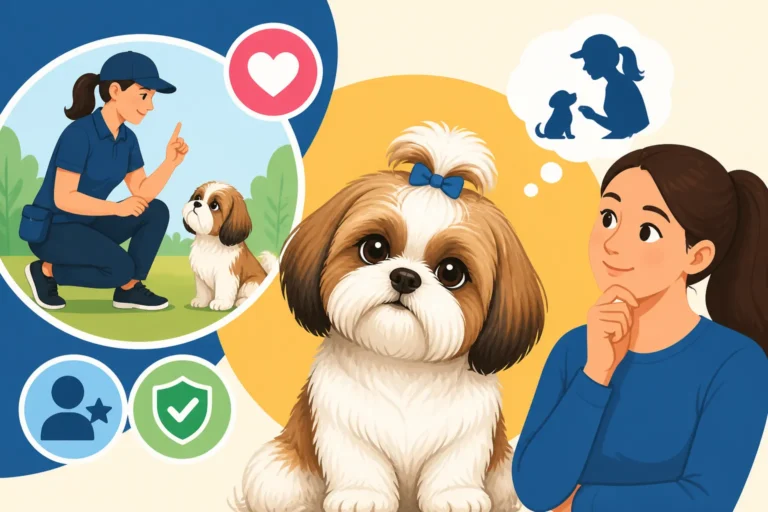
Teaching children how to interact respectfully with dogs is paramount. Explain to them, in simple terms, that your Shih Tzu is delicate and needs gentle hands. Demonstrate how to offer an open hand for sniffing, how to pet softly on the back or shoulder (avoiding the head and tail initially), and the importance of speaking in quiet, calm voices. Teach them the "tree" pose – standing still and quiet if the dog seems uncomfortable – and the "rock" pose – sitting on the floor calmly and letting the dog approach them if it chooses. Emphasize that the dog needs its space and should never be chased, grabbed, or disturbed in its bed. For deeper insights into training, Positive Reinforcement With a Shih Tzu can offer valuable guidance.
Desensitization and counter-conditioning are powerful tools here. Start by having children present in the same room but at a distance, engaged in quiet activities while your Shih Tzu is also calm and perhaps enjoying a chew or a special treat. Every time the child makes a quiet sound, or simply exists calmly in the dog's vicinity, offer your Shih Tzu a high-value treat. The goal is to create a positive association: "children mean yummy things!" Gradually, over days or weeks, as your Shih Tzu remains relaxed, you can slowly decrease the distance. Never rush this process; go at your dog's pace. If your Shih Tzu shows any signs of stress – lip-licking, yawning, turning away, tensing up, or hiding – increase the distance or end the session. Knowing Giving a Shih Tzu a Way to Say No is essential here.
You can even incorporate a "pass-by" game. Have a child calmly walk past your Shih Tzu while you immediately offer a delicious treat. Repeat this several times. The presence of the child becomes a predictor of something good happening. Tools like the online puppy training program from BAXTER & Bella often include modules on socialization and positive introductions, which can be immensely helpful for structured guidance in these scenarios. They provide step-by-step instructions and support that can be invaluable for navigating interactions with children. Remember to use Treat Sizes That Suit a Shih Tzu for these training sessions.
Sustaining Confidence and Seeking Expert Support
Helping a Shih Tzu overcome their fear of loud children isn't a one-time fix; it's an ongoing journey of building trust, reinforcing positive behaviors, and being a consistent advocate for your dog's comfort. Maintaining this confidence requires long-term strategies and knowing when to enlist professional help.
Continuing positive training and socialization throughout your Shih Tzu's life is vital. Just like us, dogs can benefit from lifelong learning and exposure to new, positive experiences. Even after your Shih Tzu seems more comfortable around children, occasional, supervised interactions with calm kids, coupled with treats and praise, will help maintain that positive association. Always keep their safe haven available, and respect their need for space. Life changes, and children grow, so their energy levels might shift. What was once tolerable might become overwhelming again, so constant vigilance and adaptation are necessary. Remember that Why Harsh Corrections Shut a Shih Tzu Down – a gentle approach is always best.
There will be times when despite your best efforts, your Shih Tzu continues to struggle. If their fear is severe, if they are showing signs of aggression (growling, snapping, attempting to bite) out of fear, or if their anxiety significantly impacts their quality of life, it's time to seek professional guidance. A certified professional dog trainer or a veterinary behaviorist has the expertise to assess your specific situation, identify underlying causes, and develop a tailored behavior modification plan. They can teach you advanced desensitization and counter-conditioning techniques and provide tools to manage anxiety. They can also help you understand subtle body language cues that you might be missing, helping you intervene before your Shih Tzu becomes overly stressed. Look for someone experienced with toy breeds and anxiety, as their approach might differ from working with larger, more boisterous dogs. For more on finding the right help, refer to Finding a Trainer for a Toy Breed.
Finally, it's always a good idea to rule out any underlying medical conditions that might be contributing to your Shih Tzu's anxiety or sensitivity. Pain, hearing loss, or other health issues can make a dog more irritable, fearful, or prone to hiding. A comprehensive veterinary check-up, especially if the fear is new or suddenly worsened, is always prudent. A Shih Tzu might snap or hide not just out of fear of children, but because they are in pain, and a loud noise or sudden movement exacerbates it. Instances like A Shih Tzu Yelping When You Lift It can indicate pain rather than just fear. Your veterinarian can rule out physical causes and, if necessary, discuss anxiety-reducing medications or supplements that might support your behavioral efforts. Providing a calm, stable, and loving environment is the best gift you can give your sensitive Shih Tzu, ensuring they feel secure and cherished for all their years.
Shih Tzu Stress Signals and Appropriate Responses
It's crucial to be able to recognize when your Shih Tzu is feeling overwhelmed or fearful, especially around children. Their small size means their stress signals can be subtle, but ignoring them can lead to increased anxiety or, in extreme cases, a fear-based defensive bite. Understanding these cues allows you to intervene proactively and protect your dog's emotional well-being.
| Stress Signal | Description | Appropriate Owner Response |
|---|---|---|
| Lip Licking | Quick, subtle licks of the nose or air, especially when no food is present. | Immediately create distance between your Shih Tzu and the child. Offer a calm retreat to their safe space. |
| Yawning | A wide yawn when not sleepy. | This is often a sign of stress. Gently guide your Shih Tzu to their quiet area, or step between them and the source of stress. |
| Turning Head/Body Away | Physically avoiding eye contact or presenting their side/back to the stressor. | Respect their need for space. Do not force interaction. Ensure children understand not to pursue a dog that is trying to disengage. |
| Low Tail Wag/Tucked Tail | A stiff, low wag, or the tail tucked tightly between the legs. | This indicates fear or appeasement. Remove your Shih Tzu from the situation immediately and calmly. |
| Flattened Ears | Ears pinned back against the head. | Your dog is feeling threatened or extremely anxious. Offer a safe exit to their crate or a quiet room. |
| Excessive Panting | Panting when not hot or after exercise. | Can be a sign of acute stress. Move your Shih Tzu to a quiet, cool spot. Offer water. If persistent, consult your vet. |
| Freezing/Stillness | Becoming stiff and motionless, sometimes with wide eyes. | This is a strong "I'm scared" signal. Calmly pick up your Shih Tzu and move them to their safe place. Do not try to force them to move or interact. |
| Hiding/Cowering | Retreating under furniture, behind legs, or trying to disappear. | Their natural attempt at self-preservation. Let them hide. Do not pull them out. Reassure them with a calm voice once they are safe. |
| Growling/Snapping | Vocal warnings or quick, air snaps. | This is a last resort warning. Immediately separate your dog from the stressor. Re-evaluate the situation and seek professional help if this behavior is recurrent. This is a clear sign your dog's boundaries have been pushed too far. |
| Trembling/Shaking | Shaking, even if not cold. | Sign of significant fear or anxiety. Remove them from the stressful environment and provide comfort in a quiet space. Consider a vet check to rule out other causes. |
Understanding these subtle cues is key to being a responsible Shih Tzu owner. Your dog communicates its discomfort long before resorting to more obvious or defensive behaviors. By recognizing these signs and acting appropriately, you can build a stronger bond of trust and ensure your Shih Tzu feels safe and loved in your home, even when children are present.
Disclaimer
This article is for general informational purposes only and does not constitute professional advice. Laws, prices and regulations vary by location and change over time. Consult a qualified professional for guidance on your specific situation.