A Shih Tzu That Refuses to Go Outside in Rain
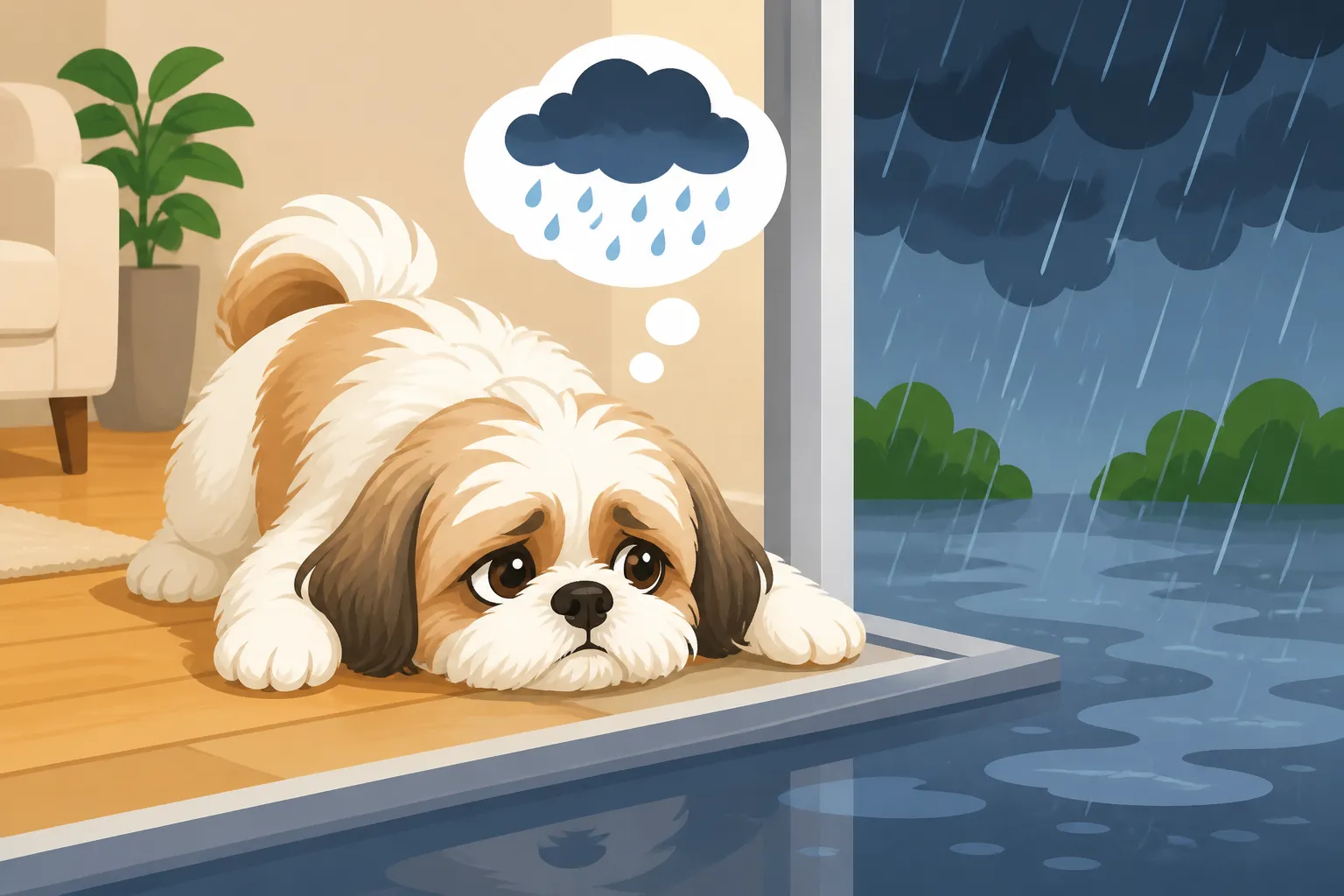
It's incredibly frustrating when you're ready for your Shih Tzu's potty break, grab the leash, and then the moment they feel a single drop of rain, they freeze, refuse to budge, or even sprint back inside like their life depends on it. This common struggle leaves many Shih Tzu owners feeling helpless, standing in the doorway, leash in hand, wondering how on earth to convince their little lion dog that a quick trip outside won't actually melt them. This guide is here to walk you through understanding why your Shih Tzu becomes a rain-averse statue and provide practical, empathetic strategies to make those wet-weather potty breaks less of a battle.
Why Rain Feels Like the End of the World to Your Shih Tzu
For a breed literally bred for luxury and companionship in imperial palaces, the idea of stepping into a cold, wet downpour is probably quite jarring. It's easy to label it as stubbornness, but a Shih Tzu's reluctance often stems from a combination of their physical characteristics and inherent preferences. Understanding these factors can help you approach the situation with more empathy and effective solutions.
The Sensitivity of Their Double Coat
Shih Tzus possess a magnificent double coat that, while beautiful, is not particularly practical for rain. The outer coat is long and flowing, designed to protect them from the elements, but the dense undercoat can quickly become waterlogged. Imagine wearing a heavy wool sweater that gets soaking wet – it becomes heavy, cold, and takes forever to dry. This isn't just uncomfortable; it can make them feel vulnerable and chilled to the bone, especially in colder weather.
When that long hair gets wet, it also becomes a magnet for dirt, leaves, and anything else the wind might blow around. For a dog that might already dislike the grooming process, getting their coat wet and messy is an open invitation for tangles and mats later, which can be painful to brush out. It's a sensory overload of cold, dampness, and potential discomfort that they instinctively want to avoid. The feeling of a sodden, heavy coat weighing them down is probably quite alien to their pampered disposition.
Their Tiny Stature and Proximity to Puddles
Let's face it, a Shih Tzu is a small dog. When you're only a few inches off the ground, even a small puddle can feel like a miniature lake. Raindrops that might feel like a gentle sprinkle to us can feel like large, cold pelts hitting their delicate faces and bodies. Furthermore, their entire underside, including their belly and paws, is much closer to the wet ground, making it almost impossible to navigate without getting thoroughly soaked.
This isn't just about getting wet; it's about navigating a world that seems designed for larger creatures. A quick dash through a grassy patch for a bigger dog might mean only their paws get a bit damp, but for your Shih Tzu, that same patch could mean their entire body is brushing against wet blades of grass, soaking them from head to tail. They're acutely aware of their low-to-the-ground perspective, making the prospect of a rainy outing far less appealing.
The Flat Face and Breathing Challenges
Shih Tzus are a brachycephalic breed, meaning they have a "flat face" with short snouts. This facial structure already presents challenges with breathing, especially during exertion or in humid conditions. When rain is pouring down, it can feel like it's harder to breathe, with water potentially dripping into their nostrils. This makes the simple act of sniffing around for a potty spot much more difficult and less enjoyable.
Beyond the breathing, their prominent eyes, which are already susceptible to conditions like Shih Tzu Corneal Ulcers and Dry Eye or Shih Tzu Eye Proptosis, the Emergency Owners Miss, can be bothered by direct rain. The water can sting or irritate their eyes, further contributing to their aversion. Imagine trying to walk around with a constant stream of water hitting your face and running into your eyes – it's disorienting and uncomfortable, and for a Shih Tzu, it’s a reality in a downpour. Their flat face just isn't designed for handling precipitation gracefully.
Gearing Up for Wet Weather Walks
Sometimes, the best offense is a good defense. Outfitting your Shih Tzu in appropriate rain gear can make a significant difference in their willingness to venture outside when the skies open up. It’s about creating a protective barrier against the elements, making the experience less unpleasant for them.
Waterproof Coats and Rain Slickers
A good waterproof coat or rain slicker is your first line of defense. Look for options that cover a good portion of their back and belly to minimize exposure. Many pet supply stores and online retailers like Amazon offer a wide variety of styles and sizes. The key is to find one that is truly waterproof, lightweight, and allows for full range of motion. It shouldn't be too tight, restricting their breathing, nor too loose, allowing water to seep in.
When choosing, consider jackets with a hood, although many Shih Tzus aren't keen on hoods covering their ears or eyes. Some coats even have reflective strips, which is a nice safety bonus for grey, rainy days. Getting them used to wearing the coat inside first, with lots of praise and treats, can help make the transition smoother. Make it a positive association, not something they only wear when the dreaded rain appears. Harnesses That Do Not Mat a Shih Tzu Coat are also important if you want to avoid uncomfortable rubbing under the rain gear.
Protective Boots or Paw Waxes
Wet paws aren't just uncomfortable; they can get very muddy, track dirt into the house, and potentially lead to skin irritation between their pads if left damp. Dog boots can offer excellent protection, keeping their paws dry and clean. However, getting a Shih Tzu to accept boots can be a challenge. Start by putting them on for short periods indoors, pairing it with high-value treats and praise.
If boots are a no-go, a paw wax can provide a decent barrier against moisture and cold. While not fully waterproof, it helps prevent excessive soaking and protects their pads from rough surfaces or cold pavement. Regardless of your choice, always thoroughly dry their paws and the areas between their pads immediately after coming inside to prevent fungal infections or skin issues.
The Case for Dog Umbrellas
Yes, dog umbrellas are a thing! These are usually designed to attach to your Shih Tzu's harness or leash, arching over their head and back to provide a personal canopy. For small breeds like the Shih Tzu, this can be a surprisingly effective way to keep the rain off their sensitive faces and coats. It's less about keeping them completely dry and more about preventing direct contact with the falling rain, which can be a major deterrent.
Like any new gear, introduce the umbrella slowly. Let them sniff it, open it indoors, and associate it with positive experiences. The idea is to make the umbrella feel like an extension of their walking experience, rather than a scary, flapping object. Some Shih Tzus might be initially wary of something new above them, so patience and positive reinforcement are key.
Training Your Shih Tzu to Tolerate the Rain
It's not just about gear; it's also about behavior and associations. With consistent positive reinforcement and a structured approach, you can help your Shih Tzu develop a more positive outlook on rainy day potty breaks.
Positive Reinforcement and High-Value Treats
The cornerstone of any good training is positive reinforcement. When it comes to rain, you need to make going outside in the wet weather the most rewarding activity ever. Arm yourself with your Shih Tzu's absolute favorite high-value treats – think tiny pieces of cooked chicken, cheese, or specialized training treats they rarely get. The moment they step outside into the rain, even for a second, immediately reward them.
Don't wait for them to "go" potty. Reward the act of being outside in the rain. As they get more comfortable, you can gradually increase your expectation, rewarding them for taking a few steps, then for walking to their usual potty spot, and finally for actually relieving themselves. The goal is to create a powerful association: rain = amazing treats and praise. You want them to think, "Oh, it's raining! That means I get super yummy food!" Brands like BAXTER & Bella often emphasize this kind of positive, reward-based approach in their training methodologies.
Short, Controlled Exposure and Gradual Desensitization
Don't try to force a long walk in a downpour right away. Start with very brief excursions. Just step out the door, take two steps onto the wet grass, give a treat, and come right back in. Repeat this several times a day. The idea is to show them that going outside in the rain isn't a long, miserable ordeal, but a quick, rewarding jaunt. Gradually increase the time they spend outside, one minute at a time, always ending on a positive note.
If they resist, don't drag them or scold them. That will only make the negative association stronger. Instead, try coaxing them with a treat held near their nose. If they still refuse, bring them back inside and try again a bit later, perhaps with even higher value treats or a different piece of rain gear. Remember, Five Minute Sessions With a Shih Tzu are often more effective than longer, stressful ones. This slow, methodical approach helps them build confidence without being overwhelmed.
Establishing a Routine and a Designated Potty Spot
Consistency is crucial. Try to maintain a regular potty schedule, even on rainy days. This helps your Shih Tzu understand when it's time to go out. If they know exactly where they are expected to do their business, they might be more inclined to get there quickly and then sprint back inside. Consider making one specific spot in your yard the "rainy day potty zone." This could be an area under an overhang, a covered patio, or a spot with less dense foliage.
Training them to use this specific area can expedite the process on wet days. Use verbal cues like "go potty" as soon as they reach the spot and reward them heavily when they perform. The predictability of a routine and a familiar spot can reduce their anxiety about the unfamiliar discomfort of rain. You want to make the process as efficient and stress-free as possible for both of you.
Here's a quick guide to rainy day training:
| Step | Action | Key Takeaway |
|---|---|---|
| 1. Gear Up (Indoors First) | Introduce rain coat, boots, or umbrella inside with treats. | Positive association with gear before facing rain. |
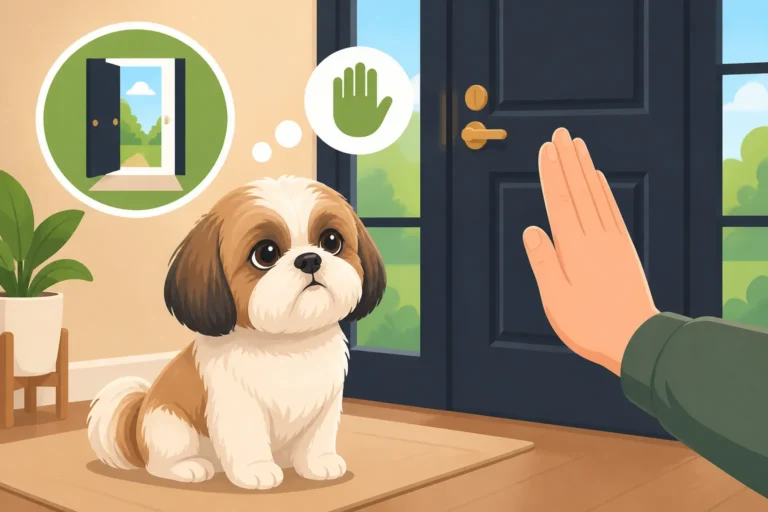
| 2. Doorway Dive | Open door, stand at threshold. Reward for simply approaching the door. | Associate door + rain with treats. |
| 3. Quick Step Out | Step just outside (one step). Immediately treat and come back in. | Short exposure, high reward, low pressure. |
| 4. Brief Potty Spot Visit | Guide to designated potty spot (umbrella or covered area), treat for going. | Make the trip efficient and rewarding. |
| 5. Prolong Exposure (Gradual) | Slowly increase time outside, always rewarding presence in rain. | Build comfort incrementally. Avoid forcing. |
| 6. Post-Rain Comfort | Immediately dry thoroughly, offer warm towel, cuddles, more treats. | End with warmth and positive reinforcement. |
Alternative Potty Solutions for Rainy Days
Sometimes, despite your best efforts, your Shih Tzu simply refuses to go out in the rain, or the weather is so severe it’s unsafe. Having an indoor alternative can save your floors and your sanity.
Indoor Potty Pads or Grass Patches
For small breeds like Shih Tzus, indoor potty pads or artificial grass patches can be a lifesaver on particularly stormy days. These provide a designated, dry area where your dog can relieve themselves without having to face the elements. If your Shih Tzu is already Crate Training a Shih Tzu Properly, you might introduce the pad near their crate. The key is to teach them that this is an acceptable alternative, not just a last resort for accidents.
Start by placing the pad in a consistent, easily accessible location. Lead your Shih Tzu to it during their usual potty times, especially after waking up or eating. Praise and reward them enthusiastically the moment they use it correctly. Some dogs will take to it naturally, while others may need more coaxing. Over time, they'll learn that the pad is their indoor bathroom. This can be especially useful for Senior Shih Tzu Care Past the Age of Ten who might have more urgent needs or mobility issues.
Covered Outdoor Areas or Porches
If you have access to a covered patio, a carport, or even a large overhang by your door, utilize it! This offers the benefit of being "outside" while still providing shelter from the direct rain. Many Shih Tzus will be much more willing to step out into a covered area to do their business than to brave the open elements.
You can even set up a temporary potty area under such a cover, perhaps with an artificial grass patch or a section dedicated solely to their potty breaks. The familiar smell and texture might encourage them to go, while the shelter makes the experience less daunting. This is a fantastic middle-ground solution that offers both convenience and comfort for your little companion.
Understanding When it's More Than Just Pickiness
While often it's simple aversion, sometimes a sudden refusal to go out, especially if accompanied by other changes in behavior, could signal something more. If your Shih Tzu, who previously tolerated rain, suddenly becomes extremely reluctant, or if they seem to be in discomfort, it's always worth a quick check-in with your vet.
Things like joint pain, an ear infection (which can be exacerbated by moisture), or even bladder issues can make them hesitant to move or put themselves in a situation that might worsen discomfort. Always rule out underlying medical causes first. A dog that is usually fairly stoic but now refuses to move in the rain might be trying to tell you something more profound than simple dislike of getting wet.
Disclaimer
This article is for general informational purposes only and does not constitute professional advice. Laws, prices and regulations vary by location and change over time. Consult a qualified professional for guidance on your specific situation.