Shih Tzu Adolescence and What Changes
One day your adorable Shih Tzu puppy is learning the ropes, melting your heart with every clumsy step, and the next, they've transformed into a fuzzy, opinionated teenager who seems to have forgotten every single thing you taught them. It's a frustrating, often bewildering stage for many owners, marked by selective hearing, bursts of energy, and what feels like outright rebellion. This guide is here to walk you through the often-bumpy road of Shih Tzu adolescence, helping you understand the changes, manage the new challenges, and navigate this tricky phase with patience and confidence.
The Adolescent Timeline: When to Expect It
Just when you think you've got the whole puppy thing figured out, your sweet little fluffball hits a growth spurt and suddenly their brain seems to go on vacation. It’s not your imagination; they’ve entered adolescence. Understanding when this typically happens and how long it lasts can help you prepare for the changes ahead. It’s a period of significant development, both physically and mentally, and it's a completely normal part of growing up, even for a breed as tiny and companion-focused as the Shih Tzu.
When a Shih Tzu Becomes a Teenager
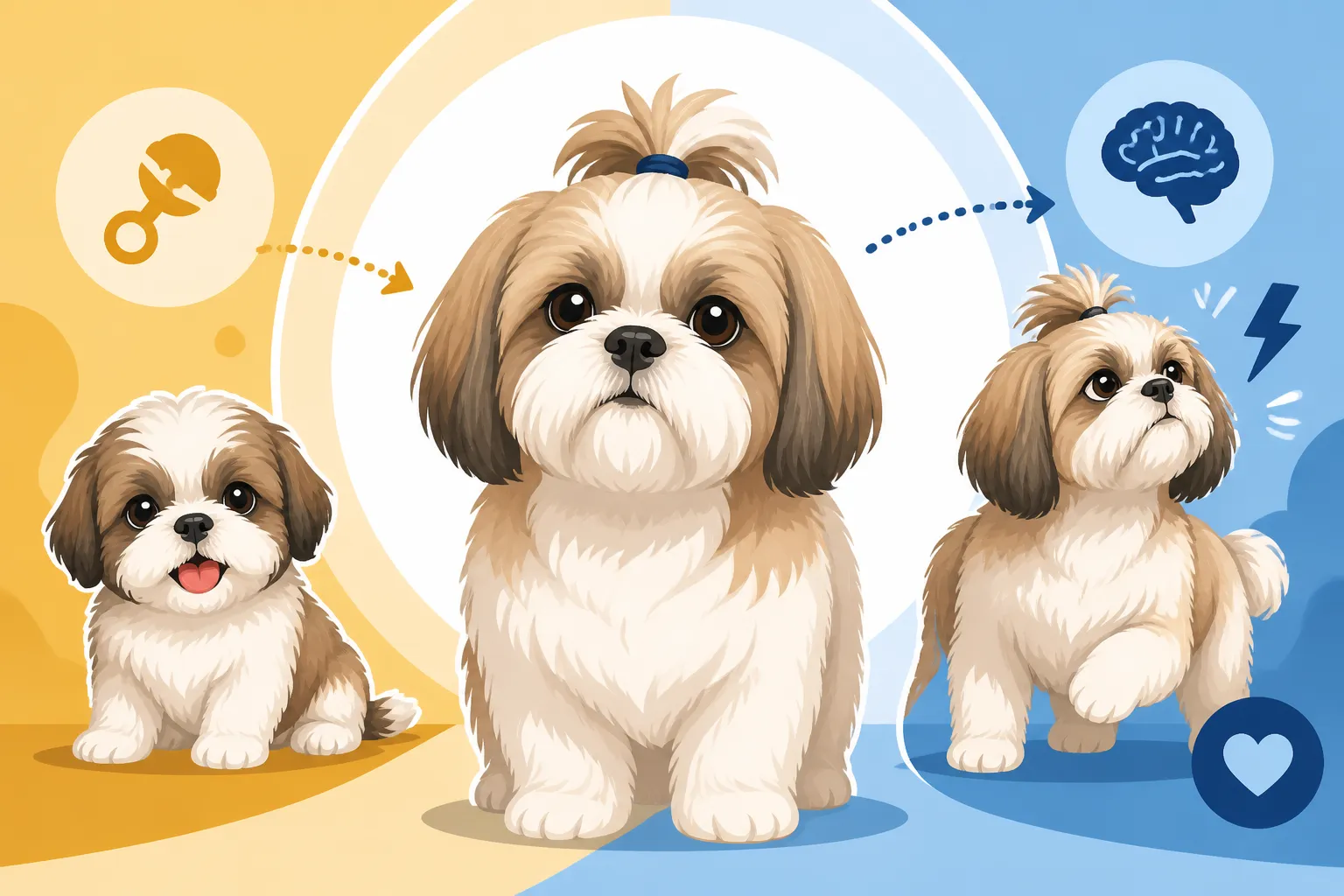
For most Shih Tzus, adolescence typically kicks off somewhere between 6 and 12 months of age, and it can last well into their second year, sometimes even until they're 18 to 24 months old. Think of it like human teenagers: it’s not a switch that flips overnight. You might notice subtle shifts at first, like a bit more independence or a sudden burst of confidence they didn’t have before. They might start pushing boundaries or challenging rules that were previously well-established, making you wonder if they've completely forgotten their Shih Tzu Puppy Training Month by Month.
This period often coincides with their final growth spurts, though their physical size might be mostly set by 8-10 months. Mentally, however, they are still very much developing. They're moving from a purely reactive, dependent puppy state to a more independent, thinking dog, trying to figure out their place in your household and the wider world. It's a time of exploration, learning, and sometimes, a whole lot of mischief.
Hormonal Shifts and Their Impact
A huge part of Shih Tzu adolescence is driven by hormones, particularly if your dog hasn't been spayed or neutered yet. For females, their first heat cycle often occurs during this window, typically between 6 and 12 months. This introduces a whole new set of behaviors, from increased marking to a heightened interest in male dogs, and a generally more restless demeanor. For males, reaching sexual maturity can mean an uptick in marking behaviors, increased sniffing, and a stronger urge to roam if given the chance.
Even if your Shih Tzu is already spayed or neutered, these hormonal shifts often begin before the surgery, and the brain development associated with adolescence continues regardless. These hormones influence everything from their energy levels to their assertiveness, and can definitely contribute to what feels like a sudden personality change. It's crucial to remember that these aren't "bad" behaviors, but rather biologically driven changes that require understanding and consistent guidance from you.
Physical Growth Plateaus and Energy
While your Shih Tzu might look fully grown on the outside, their body is still maturing, particularly their joints and bones. Most Shih Tzus reach their adult height and weight between 8 and 10 months, but their growth plates might not fully close until around 12 to 18 months. This is an important consideration for their physical activity; while they might have boundless adolescent energy, it's still wise to avoid high-impact activities or excessive jumping that could stress developing joints. The Age a Shih Tzu Stops Growing is usually around this point.
Alongside physical maturity, you'll notice their energy levels can be a bit… unpredictable. One minute they're snoozing on the sofa, the next they're tearing around the house like a tiny tornado, full of zoomies. This fluctuating energy is typical for adolescents as their bodies and brains learn to regulate. Providing appropriate outlets for this energy, through structured play and short, engaging training sessions, becomes even more important during this phase to prevent boredom-induced destructive behaviors.
Common Behavioral Changes During Shih Tzu Adolescence
If you're noticing your once-angelic Shih Tzu is suddenly testing boundaries, forgetting their manners, or developing new quirks, you're not alone. Adolescent Shih Tzus often display a range of behaviors that can leave owners scratching their heads. It’s not personal; it’s just the canine equivalent of growing pains. Understanding these common shifts can help you react with patience rather than frustration.
The Return of Puppy Behaviors
One of the most disheartening things for owners is seeing "solved" puppy behaviors suddenly resurface. This regression is incredibly common during adolescence. Your perfectly house-trained Shih Tzu might start having accidents indoors again, perhaps even lifting a leg on the furniture or your leg. Your puppy who used to settle easily in their crate might suddenly protest loudly or try to escape. It can feel like you've gone back to square one, especially with Why Shih Tzu House Training Runs Long.
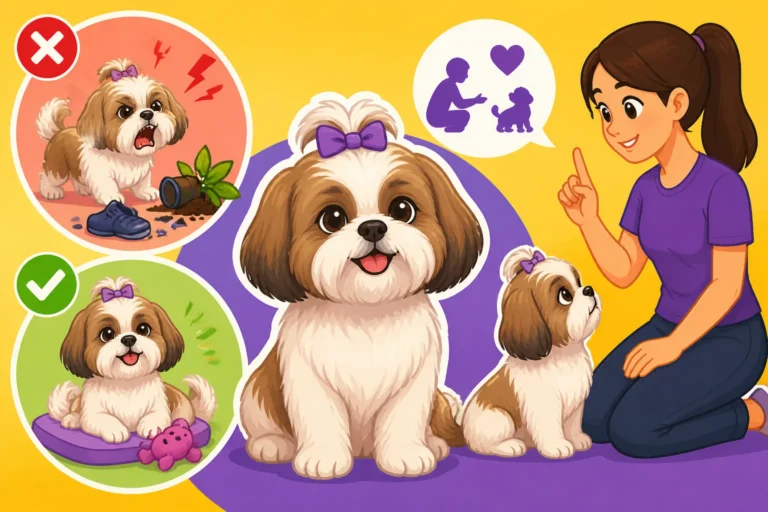
This isn't defiance; it's often a combination of developing independence and a bit of forgetfulness as their brains reorganize. They're still learning impulse control and making good choices. Consistency is your best friend here. Go back to basics, reinforce good habits, and use management tools like a crate or indoor potty setup to prevent mistakes. Just like a human teenager might revert to childhood habits when stressed, your Shih Tzu might too.
Testing Boundaries and Selective Hearing
"Did he just ignore me?" is a question many Shih Tzu owners utter during adolescence. This is the prime time for boundary testing. Your Shih Tzu might pretend not to hear your recall command, choose to investigate an interesting smell rather than come when called, or try to sneak onto the forbidden sofa. What was once a clear "no" might now be met with a cheeky glance and a continued behavior. Their inherent stubbornness, often a characteristic of the breed that was Why a Shih Tzu Was Bred to Sit on a Lap, can really shine through now.
This selective hearing isn't malice; it's their developing independence. They're weighing their options: "Should I listen to Mom, or should I go explore that crumb under the table?" Your job is to make listening to you the most rewarding option. Keep training sessions short, fun, and highly rewarding. Use high-value treats and enthusiastic praise. If they ignore a command, gently guide them to complete it and then reward them. Avoid getting into power struggles or repeating commands endlessly, as this can teach them to ignore you.
New Fears or Anxieties Emerge
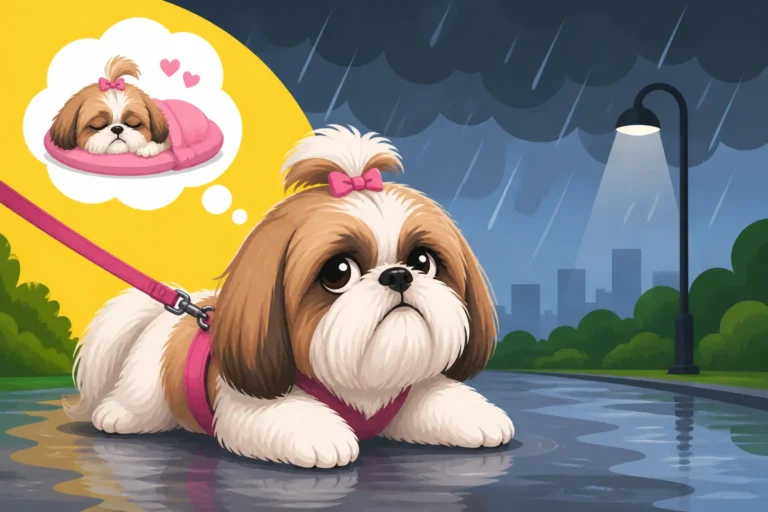
While puppies have a crucial socialization window, adolescence can bring about a secondary "fear period" for some dogs. Things that never bothered them before, like certain sounds, people in hats, or even objects in the house, might suddenly seem terrifying. They might become more wary of strangers or other dogs, or develop separation anxiety even if they were fine being left alone as a puppy. This can be particularly concerning if your Shih Tzu was previously very outgoing.
It's important to approach these new fears with patience and positive reinforcement. Never force your Shih Tzu into a situation that scares them, as this can worsen the anxiety. Instead, allow them to observe from a safe distance and gradually introduce them to the scary stimulus with lots of treats and praise. If you're seeing signs of severe anxiety, like destructive behavior when left alone or constant whining, it might be worth re-evaluating their alone time strategies and considering whether Whether a Shih Tzu Copes With a Work Day is truly feasible without additional support.
Managing New Challenges: Training and Socialization
Adolescence isn't just about weathering the storm; it's a critical period for shaping your Shih Tzu's adult behavior. While it might feel like you're constantly battling them, this is the time to double down on consistent training, continued socialization, and providing plenty of mental and physical outlets. Think of it as refining their skills and reinforcing the good habits you worked so hard on when they were tiny.
Revisiting Basic Training Cues
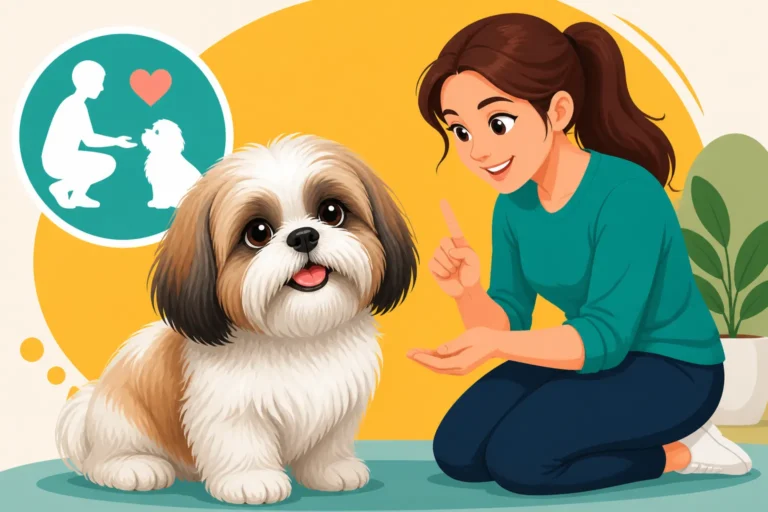
It's easy to assume your adolescent Shih Tzu knows their basic commands, but during this phase, a refresh is often needed. Go back to the very beginning with cues like "sit," "stay," "come," and "down." Practice them in low-distraction environments first, then gradually introduce more distractions. This isn't just about teaching them; it's about reminding them that listening to you is valuable and rewarding. Use those high-value treats and enthusiastic praise to make training fun and engaging.
Consider enrolling in a new class, even if it's just a "manners" or "advanced obedience" class. A new environment and instructor can provide fresh motivation for both you and your dog. It's also an excellent way to strengthen your bond and improve communication during a potentially difficult time. If your Shih Tzu is prone to Shih Tzu Leash Pulling and Harness Choice, a class focused on loose-leash walking can be incredibly beneficial. Consistency and clear expectations are key here; don't let them get away with behaviors you wouldn't tolerate from an adult dog.
Continuing Positive Socialization
The socialization window closes around 16 weeks for puppies, but that doesn't mean socialization stops. In adolescence, continued positive exposure to various sights, sounds, people, and appropriate dogs is crucial. This helps reinforce that the world is a safe and interesting place, preventing new fears from taking root and helping them navigate novel situations confidently. Regular, positive experiences can combat the fear periods that might emerge.
Focus on quality over quantity. Instead of overwhelming your Shih Tzu at a busy dog park, opt for controlled playdates with a trusted, calm dog. Take them to pet-friendly stores (if allowed) during off-peak hours, exposing them to different noises and people from a distance. Always make these experiences positive by associating them with treats and praise. If your Shih Tzu shows signs of fear or overstimulation, remove them from the situation gently and try again with less intensity next time. Remember, the goal is positive association, not forced interaction.
Enrichment and Mental Stimulation
An adolescent Shih Tzu with a bored mind can be a destructive force. Their brains are developing rapidly, and they need appropriate outlets for their intelligence and energy. Providing plenty of mental stimulation can help channel their youthful exuberance into constructive activities rather than things like chewing up your furniture or developing nuisance barking habits.
Puzzle toys, snuffle mats, and interactive feeders are fantastic for engaging their minds. Instead of just putting their meal in a bowl, make them "work" for a portion of it using a slow feeder or a KONG toy stuffed with treats. You can find many options on Amazon that are perfectly sized for a Shih Tzu. Short, daily training sessions where they learn new tricks also count as mental exercise. Teach them "shake a paw," "spin," or "bow." These activities burn energy, build confidence, and strengthen your bond.
Supporting Your Shih Tzu's Health and Well-being Through Adolescence
Adolescence is a time of intense physical and mental development, and ensuring your Shih Tzu's overall health and well-being is paramount. This period lays the groundwork for their adult life, so paying close attention to their diet, grooming, and veterinary care can prevent future issues and keep them thriving.
Nutrition Adjustments for Growing Pups
As your Shih Tzu transitions from puppy to adolescent, their nutritional needs will shift. While they might still be on puppy food, it's important to monitor their weight and body condition closely. They're growing, but they're also starting to settle into their adult metabolism. It’s easy for a Shih Tzu to gain weight, especially with their small frame and often lower activity levels compared to larger breeds. You can feel for their ribs under all that glorious hair to ensure they aren't getting too chunky.
Most puppy foods are very calorie-dense to support rapid growth, so your vet might recommend transitioning to an adult formula around 12 months, or even earlier if they're showing signs of being overweight. Always consult your veterinarian for specific dietary recommendations. Ensure they're getting a balanced diet appropriate for their size and activity level. Remember, treats are part of their daily caloric intake, so adjust their meal portions accordingly. Keeping track of The Monthly Food Cost for a Twelve Pound Shih Tzu often includes these considerations.
Grooming Patience and Consistency
The adolescent stage is where many owners truly realize the commitment involved in maintaining a Shih Tzu's coat. Their adult coat is coming in, and it can be a battle between puppy fluff and emerging denser hair. This is when mats form fastest and most stubbornly. If you haven't been doing daily grooming, now is the time to start or face the consequences of severe matting. You'll need to commit to Brushing a Shih Tzu Double Coat Every Day.
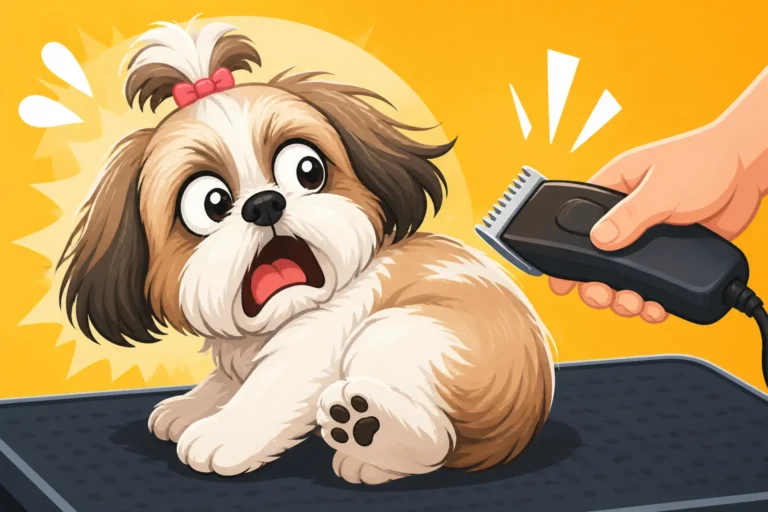
This means daily brushing and combing, focusing on areas prone to matting like behind the ears, armpits, and under the harness. Keep up with regular baths and professional grooming appointments, perhaps every 4-6 weeks, even if you opt for a shorter "puppy cut" to make home maintenance easier. Use this time to continue desensitizing them to nail trims, ear cleaning, and face wiping. If they're still wiggly or resistant, break these sessions into very short, positive interactions, rewarding heavily for cooperation.
Vet Check-ups During This Stage
Regular veterinary check-ups remain crucial during adolescence. These visits allow your vet to monitor their growth, check for any developing health issues common to Shih Tzus, and ensure their vaccinations and parasite prevention are up to date. This is also a good time to discuss spaying or neutering if you haven't already, and to talk about any behavioral changes you're observing.
Your vet can offer guidance on nutrition, exercise, and training resources, helping you navigate any challenges. They can also address specific breed predispositions, such as checking their eyes for any early signs of issues or listening to their breathing for concerns related to their brachycephalic airway. These check-ups are preventative, ensuring that any small concerns don't escalate into bigger problems down the line.
When to Seek Professional Help for Adolescent Behaviors
While many adolescent behaviors are normal and can be managed with consistency and patience, there are times when professional intervention is warranted. Knowing when a behavior is a passing phase versus a deeper issue can save you a lot of stress and prevent problems from escalating. Don't hesitate to reach out if you feel overwhelmed or concerned.
Persistent Aggression or Fear
If your Shih Tzu is consistently displaying aggressive behaviors – growling, snapping, or biting – towards people or other animals, especially if it's new behavior, it's a red flag. Similarly, if they develop extreme, debilitating fears that prevent them from enjoying normal activities (e.g., refusing to leave the house, panic attacks during storms), professional help is necessary. These aren't just "puppy antics" and can become dangerous if not addressed promptly.
A certified professional dog trainer or a veterinary behaviorist can help identify the root cause of the aggression or fear and develop a tailored behavior modification plan. They can assess your dog's body language, look for triggers, and guide you through safe and effective techniques to manage and mitigate these issues. Early intervention is key here.
Extreme Destructive Behavior
While some chewing and digging are normal for adolescents, extreme destructive behavior that causes significant damage to your home or puts your dog at risk (e.g., chewing electrical cords, ingesting foreign objects) is not. This often indicates underlying anxiety, boredom, or a serious lack of appropriate outlets. If your management strategies (crates, puzzle toys, increased exercise) aren't working, it's time to seek help.
A professional can help you decipher why your Shih Tzu is acting out destructively and suggest a comprehensive plan. This might involve recommending specific types of chew toys (like those available from Amazon that are durable for small dogs), adjusting their daily routine, introducing more mental stimulation, or even recommending medication in severe cases of anxiety. They can help you implement strategies to ensure your dog is safe and your home remains intact.
Sudden, Unexplained Health Changes
Sometimes, what appears to be a behavioral problem is actually rooted in a physical ailment. A sudden increase in accidents might not be house training regression but a urinary tract infection. A sudden reluctance to jump or play could indicate Early Shih Tzu Back Pain Signs or A Shih Tzu Kneecap That Slips and Skips. Any sudden change in appetite, thirst, energy levels, or temperament warrants a vet visit to rule out medical causes.
Always consult your veterinarian first if you notice any abrupt shifts in your Shih Tzu's behavior or personality. They can perform a thorough physical exam and recommend diagnostics to rule out any underlying health conditions. Once medical issues are excluded, then a behavior specialist can step in to address purely behavioral concerns. A good example of this collaboration can be found with platforms like BAXTER & Bella, who offer online training programs and resources that can work in conjunction with veterinary advice for behavioral issues.
| Adolescent Behavior | Normal Variation? | When to Seek Help |
|---|---|---|
| Selective Hearing | Yes, common | If it escalates to complete non-compliance or is paired with aggression. |
| House Training Regression | Yes, common | If accidents persist despite consistent training, or if paired with increased thirst/urination. |
| Increased Chewing | Yes, normal | If destructive chewing is severe, targeting inappropriate items (e.g., electrical cords), or causing ingestion of foreign objects. |
| New Fears/Anxieties | Sometimes, common fear period | If fears are debilitating, leading to panic attacks, aggression, or self-harm (e.g., extreme licking). |
| Nipping/Mouthing | Yes, still learning bite inhibition | If nipping escalates to hard bites, breaking skin, or targeting people aggressively. |
| Boundary Pushing | Yes, testing limits | If pushing boundaries involves growling, snapping, or overtly challenging your authority. |
| Increased Energy/Zoomies | Yes, normal | If energy is uncontrollable, leading to constant destructive behavior or inability to settle. |
| Withdrawal/Lethargy | No, generally not | Always seek vet attention; can indicate illness, pain, or severe anxiety. |
Navigating Shih Tzu adolescence certainly isn't always smooth sailing, but by understanding the changes and approaching them with a plan, you can guide your furry companion through this tricky phase. Remember, every challenge is an opportunity to strengthen your bond and teach them valuable life lessons, paving the way for a well-adjusted, happy adult dog.
Disclaimer
This article is for general informational purposes only and does not constitute professional advice. Laws, prices and regulations vary by location and change over time. Consult a qualified professional for guidance on your specific situation.