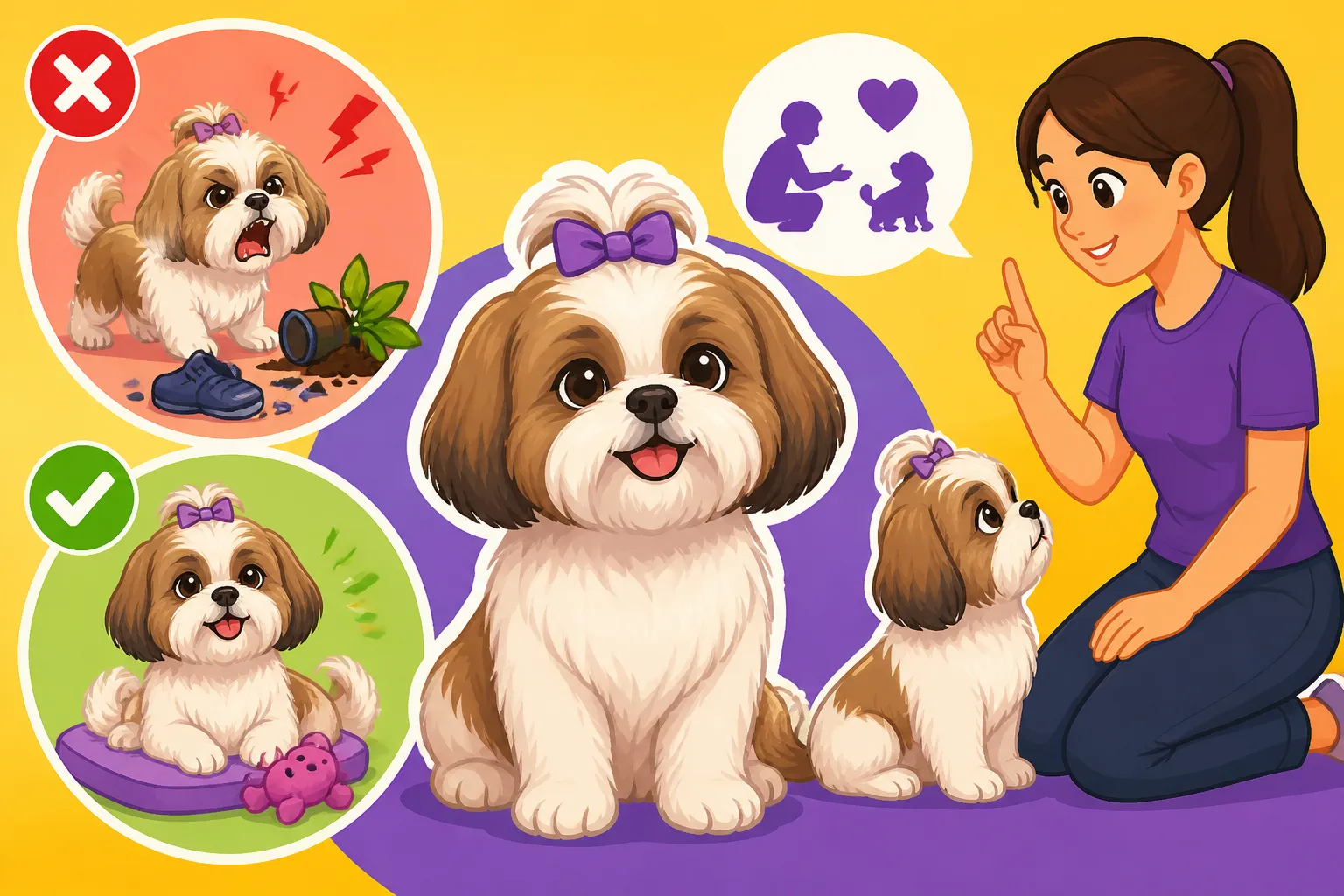
Why a Companion Breed Still Needs Training
Many Shih Tzu owners, myself included, have fallen completely head over heels for these adorable, fluffy companions, only to be utterly bewildered when our little "lion dog" starts exhibiting some less-than-charming behaviors. It’s a common misconception that because Shih Tzus were bred solely for companionship, they naturally come pre-programmed with perfect manners. This guide is here to bust that myth wide open and explain precisely why, even for the most loving lapdog, training isn't just a suggestion—it’s an absolute necessity for a happy, well-adjusted life together.
The Myth of the "Naturally Well-Behaved" Companion
It’s easy to look at a Shih Tzu, with their sweet eyes and flowing coats, and assume they're just born knowing how to be perfect houseguests. After all, their entire history is rooted in being pampered companions to royalty. But believing this can lead to frustration when your tiny aristocrat decides the living room rug is actually a toilet, or that greeting guests involves a chorus of incessant barking. The reality is, while their genetics lean towards affection and being close to people, good manners are learned, not inherited.
The Shih Tzu's Imperial History and Its Modern Misconception
Imagine the Forbidden City, centuries ago, where these magnificent little dogs lived lives of luxury, often carried in the sleeves of Chinese emperors and empresses. Their purpose was to be charming, beautiful, and affectionate. They weren't expected to guard, hunt, or herd. This history has cemented their reputation as the ultimate companion breed. And it’s true, a well-bred Shih Tzu is incredibly loving and thrives on human connection. However, what was acceptable behavior in an imperial palace might not quite fly in your suburban home. For instance, an emperor might have found a little "accident" on the marble floor endearing; you, however, might not feel the same about your new carpet.
The misconception arises because people equate "companion" with "no training needed." We project our desires onto these furry faces, imagining a life of blissful cuddles with no effort required. But even a dog bred for cuddles needs to learn boundaries, communication, and how to navigate our human world safely and politely. Their ancient lineage might have perfected their charming personality, but it didn't install an automatic "potty outside" button.
Why Being Bred for Companionship Isn't a Free Pass
While it’s lovely that Shih Tzus are naturally inclined to be friendly and devoted, this trait doesn't magically equip them with all the skills they need to live harmoniously in a human household. Think about it: a child is born to be a companion to their family, but we still teach them to say "please" and "thank you," how to share, and where to use the restroom. The same principle applies to our canine family members.
A Shih Tzu's innate desire to be near you can easily turn into separation anxiety if they aren't taught to tolerate alone time. Their tendency to be alert can morph into excessive barking if they aren’t taught appropriate responses to stimuli. Even their small size, which makes them seem less intimidating, means they need training to prevent them from being underfoot or getting injured by clumsy human steps. Their charming personality needs guidance to flourish into truly good behavior, rather than simply being tolerated because they’re cute. It’s about channeling those wonderful companion traits into socially acceptable and safe behaviors.
The Core Difference Between Nature and Nurture
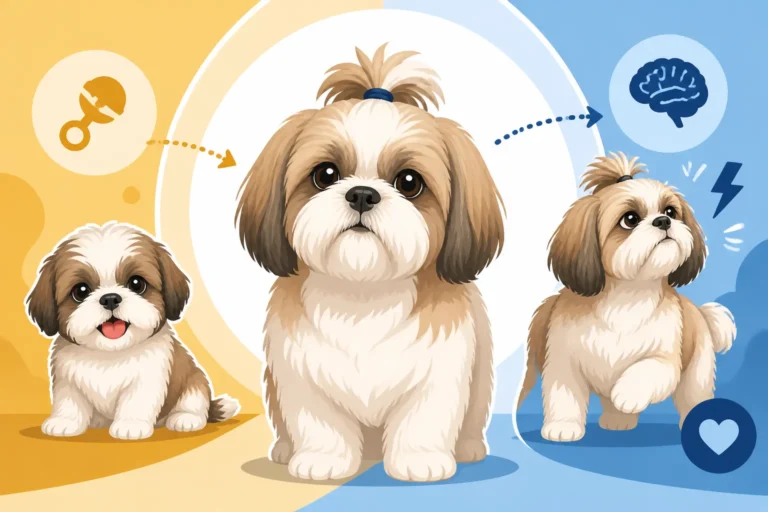
Nature provides the blueprint—the inherent traits of a breed. For Shih Tzus, that includes their affectionate nature, their stunning double coat, and their flat face. Nurture, on the other hand, is the ongoing process of teaching, guiding, and socializing that shapes those natural tendencies into a well-mannered individual. You can have the most naturally intelligent dog in the world, but if you don't teach them what "sit" means, they won't know it.
This is especially true for toy breeds, where their small stature often leads owners to overlook training because "what harm can a little dog do?" A lot, actually! An untrained small dog can be just as difficult to live with as an untrained large dog, perhaps even more so because their behaviors are often dismissed or babied. Think about a Shih Tzu that nips or guards its toys. While less dangerous than a large dog doing the same, it still makes for an unpleasant household dynamic and can be distressing for guests or children. Effective training bridges the gap between their natural disposition and the expectations of our modern world. It helps them understand their place and how to interact appropriately, ensuring their innate charm shines through without problematic behaviors overshadowing it.
Essential Life Skills Beyond "Being Cute"
While their adorable faces might get them out of trouble sometimes, there are fundamental life skills that every Shih Tzu needs to learn for their own safety, well-being, and to ensure they can truly be the delightful companion they are meant to be. These aren't just about showing off tricks; they're about navigating daily life.
Safety and Handling: More Than Just Good Looks
Shih Tzus are sturdy for their size, but they are still small dogs with delicate frames and prominent eyes. Proper handling isn't just a nicety; it's a critical safety measure. Imagine a situation where you need to quickly pick up your dog to prevent an accident. If they haven't been taught to tolerate being handled, they might struggle, twist, or even nip, putting both of you at risk. Training them to be comfortable with being picked up, held, and examined makes vet visits, grooming sessions, and even car rides much less stressful.
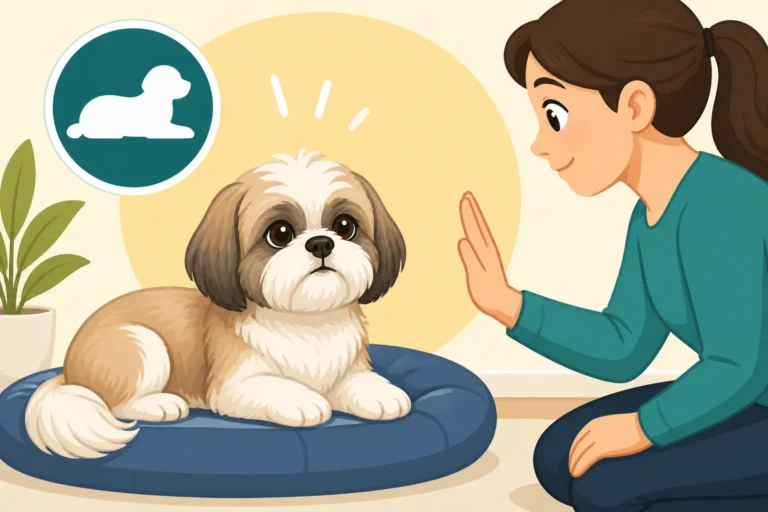
Teaching your Shih Tzu to "stay" or "wait" can literally save their life, preventing them from bolting out an open door or rushing into a street. It's about establishing clear communication so that in moments of potential danger, your voice can be their guide. Furthermore, with their long coats, daily grooming is essential, and training them to stand calmly on a table, or even just on your lap, for brushing, face trims, and paw checks is crucial. A groomer might even turn away a Shih Tzu that cannot be safely handled. This foundation of cooperative care starts with consistent, positive training from a young age. For more on this, check out How a Groomer Should Hold a Shih Tzu's Head.
The Reality of Potty Training a Shih Tzu
Let's be honest, potty training a Shih Tzu can feel like an Olympic sport sometimes. Their small bladders mean they need to go often, and if they're not consistently shown where to go, they'll pick their own spots—which are rarely convenient for us. Many owners express immense frustration with house training, and it’s a leading reason why some Shih Tzus unfortunately end up in shelters. It's not because they're spiteful or unintelligent; it's often because the consistency required for success wasn't fully understood or implemented.
Effective house training involves frequent trips outside, positive reinforcement for success, and diligent clean-up of accidents. It also requires teaching them patience and bladder control over time. Setting up an indoor potty system, like a pee pad or an indoor grass tray, can be a stop-gap, but it doesn't replace the need for outdoor training if that's your ultimate goal. Understanding Why Shih Tzu House Training Runs Long is key to managing your expectations and maintaining patience through the process. A structured approach, often involving crate training to help them learn to hold it, is invaluable here. Consistency is truly your best friend in this journey.
Socialization: A Small Dog in a Big World
A well-socialized Shih Tzu is a joy to behold. They are confident, friendly, and comfortable in a variety of situations. An unsocialized Shih Tzu, on the other hand, can be fearful, reactive, or even aggressive towards strangers, other dogs, or new environments. Because they are small, owners sometimes inadvertently limit their exposure to the world, carrying them everywhere or keeping them isolated. This can lead to a dog that is terrified of new sights, sounds, and people.
Proper socialization means carefully and positively introducing your Shih Tzu puppy to a wide range of experiences during their critical developmental period, usually up to 16 weeks of age. This includes different people, friendly vaccinated dogs, various sounds (traffic, vacuums, thunderstorms played softly), different surfaces to walk on, and novel objects. The goal isn't to overwhelm them but to create positive associations. Even after this crucial period, ongoing positive exposure is important. A Shih Tzu who is comfortable meeting new people and dogs, riding in the car, or visiting a bustling pet store is far less stressed and much more pleasant to live with. Don't miss The Shih Tzu Socialization Deadline for deeper insights into this vital stage.
Preventing Common Shih Tzu Behavior Challenges
Without proper training and socialization, a Shih Tzu’s natural traits, combined with their small size and close bond with humans, can lead to a few common behavior challenges. Addressing these early on is much easier than trying to fix entrenched habits later.
Barking: The "Yappy Dog" Stereotype and How to Avoid It
Ah, the "yappy dog" stereotype. Unfortunately, Shih Tzus sometimes fall into this category, not because they're inherently yappier than other breeds, but because their barking is often tolerated or accidentally reinforced due to their size. A little bark from a Shih Tzu might seem cute, but it can quickly escalate into a nuisance if it's not managed. Whether it's barking at the doorbell, at passersby outside the window, or just for attention, it can be incredibly disruptive.
Training involves teaching your Shih Tzu when it's appropriate to bark (e.g., a warning bark) and when to be quiet. This often means redirecting their attention, rewarding silence, and managing their environment to reduce triggers. For example, if they bark excessively at the window, restrict access to that window or use privacy film. Teach them a "quiet" cue, and reward them lavishly when they stop barking on command. Understanding Shih Tzu Barking at the Doorbell can give you specific strategies for common triggers. Consistency is key here; don't reinforce barking one day and then try to stop it the next.
Resource Guarding: Even Tiny Dogs Can Do It
Resource guarding, where a dog becomes defensive over their food, toys, sleeping spots, or even their people, is a natural instinct. While it might manifest differently in a small dog than in a large one, it’s still a behavior that needs to be addressed. A Shih Tzu growling over a chew toy or snapping when you try to move them from your lap can be surprising and unsettling. It breaks down trust and can make living with your dog stressful.
Training for resource guarding involves teaching your Shih Tzu that human presence near their valued possessions is a good thing, leading to even better things (like treats!). This is often done through "trade-up" exercises, where you offer something high-value in exchange for something they are guarding, or by simply approaching, dropping a treat, and walking away, building positive associations. The goal is to prevent them from feeling the need to defend their items aggressively. Early intervention and consistent, positive training are crucial to ensure your Shih Tzu sees you as a provider, not a threat, when it comes to their cherished items.
Separation Anxiety: When Cuddles Turn Into Distress
Shih Tzus are deeply bonded to their people, which is one of their most endearing qualities. However, without proper training, this strong attachment can develop into separation anxiety. This isn't just a dog being "naughty" when you leave; it's genuine distress and panic. Symptoms can include excessive barking, destructive chewing (often around exit points like doors or windows), house-soiling, and even self-harm. It’s heartbreaking to witness and stressful for both dog and owner.
Preventing separation anxiety starts with building confidence and teaching your Shih Tzu to be comfortable alone, even for short periods. This involves gradually increasing alone time, creating a calm departure routine, and making their alone space (like a crate or a designated safe room) a positive place with engaging toys or long-lasting chews. Consider using a dog camera to monitor their behavior when you're out. While some Shih Tzus can handle a full workday alone, many thrive with shorter periods or having a dog walker come in. For more guidance on this, read Whether a Shih Tzu Should Be Left All Day. If true separation anxiety develops, professional help from a certified dog trainer or veterinary behaviorist may be necessary, as it’s a complex emotional issue.
The Benefits of a Structured Training Approach
Engaging in a structured training approach with your Shih Tzu isn't about dominance or making them robotic; it's about building a strong relationship, ensuring their safety, and enriching both of your lives. It’s an investment that pays dividends over their entire lifespan.
Building a Stronger Bond with Your Shih Tzu
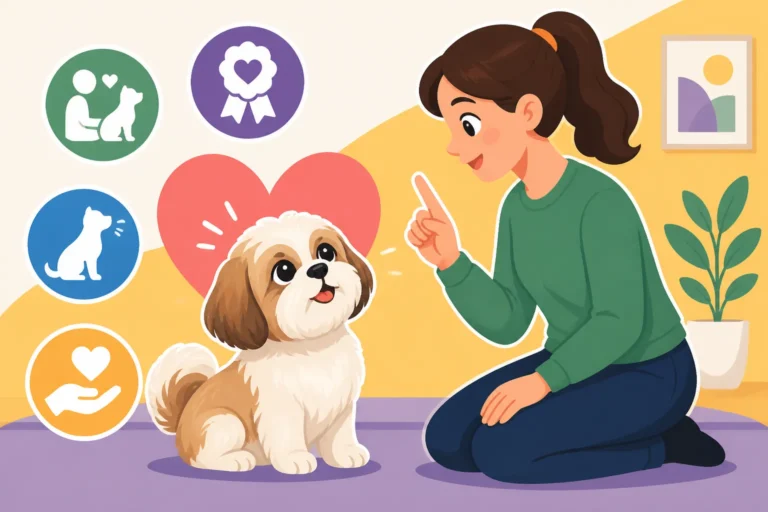
Training is a language. When you teach your Shih Tzu commands and behaviors, you're opening a line of communication. They learn what you want, and you learn how they communicate their needs. This shared understanding fosters incredible trust and strengthens the bond between you. Every successful training session, every moment of clear communication, deepens that connection.
Think of it as partnership. When your Shih Tzu understands "come" and rushes happily to you, it’s not just obedience; it’s a demonstration of their trust and willingness to engage. When they offer a "sit" automatically because they know it earns a reward, they're not just performing a trick; they're actively participating in your interactions. This collaborative process leads to a happier, more confident dog who feels secure in their place within your family, because they know what's expected of them and how to please you. What Motivates a Shih Tzu to Work delves into how to tap into your dog's inherent desire to connect and learn.
Enhancing Quality of Life for Both Dog and Owner
An untrained dog can be a source of constant stress for their owner. A dog that won’t walk nicely on a leash, barks incessantly, or has accidents indoors limits where you can go and what you can do together. This can lead to frustration and a strained relationship. Conversely, a well-trained Shih Tzu opens up a world of possibilities. You can take them to pet-friendly cafes, enjoy leisurely walks in the park without them pulling, or simply relax at home knowing they'll settle quietly.
For the Shih Tzu, training enhances their quality of life by providing mental stimulation and a clear understanding of their world. It reduces anxiety because they aren't constantly guessing what you want or fearing punishment for mistakes they don't understand. They become more adaptable and resilient. Being able to take your Shih Tzu to a friend's house or on vacation without worry is a huge benefit that comes directly from invested training time. It turns potential stress into shared joy and companionship, fulfilling the very purpose of a companion breed.
Preparing for a Lifetime of Changes and Challenges
Life is unpredictable, and owning a dog means being prepared for changes. New babies, moves to new homes, changes in work schedules, or even just the natural aging process can all impact your Shih Tzu. A dog with a solid foundation in training is far better equipped to handle these transitions with grace and resilience. For example, a Shih Tzu accustomed to a crate and alone time will adapt more easily to a new routine or even temporary boarding.
Training also provides a framework for addressing health challenges. If your Shih Tzu needs medication, special handling for grooming due to arthritis, or frequent vet visits, a history of cooperative training makes these necessities far less stressful for everyone involved. As your Shih Tzu enters their senior years, mobility issues might arise. Teaching them to use ramps or wear a supportive harness will be easier if they are already accustomed to handling and cooperative learning. Training is truly a lifelong skill set that benefits your Shih Tzu through every stage of their life.
Practical Training Strategies for the Shih Tzu Owner
Successfully training a Shih Tzu doesn't require complex techniques or harsh methods. In fact, quite the opposite. It thrives on patience, consistency, and positive reinforcement tailored to their intelligent, sensitive nature.
Positive Reinforcement: The Key to a Happy Learner
When training a Shih Tzu, positive reinforcement is your absolute best friend. This means rewarding desired behaviors with something your dog loves, whether it's a tiny, delicious treat, enthusiastic praise, or a favorite toy. The principle is simple: behaviors that are rewarded tend to be repeated. Shih Tzus are smart and eager to please, especially when they understand that good things happen when they do what you ask.
Avoid punishment or harsh corrections. Not only can these damage your bond, but they can also make your Shih Tzu fearful, stressed, and less likely to learn. A sensitive breed like the Shih Tzu will shut down or become anxious if constantly reprimanded. Instead, focus on setting them up for success, guiding them to the right answer, and then celebrating their efforts. Whether you use a clicker or just verbal markers like "yes!", marking the exact moment they perform the desired action, and then immediately following with a reward, will accelerate their learning. For a deeper dive into this effective method, consider Positive Reinforcement With a Shih Tzu. Many online platforms, like BAXTER & Bella, offer comprehensive positive reinforcement-based puppy and dog training programs that can be incredibly helpful for new owners.
Keeping Training Sessions Short and Sweet
Shih Tzus have famously short attention spans. Trying to force a long, drawn-out training session will likely lead to frustration for both of you. The key to success is to keep training sessions brief, fun, and frequent. Think of multiple short bursts of training throughout the day, rather than one long marathon. Five to ten minutes, two or three times a day, is far more effective than one exhausting 30-minute session.
These short sessions prevent your Shih Tzu from getting bored or overwhelmed. End each session on a positive note, even if it's just practicing a simple "sit" that you know they'll nail. This keeps training a positive experience and leaves them eager for the next one. Integrate training into your daily life: ask for a "sit" before putting down their food bowl, or a "stay" before opening the door for a walk. These everyday opportunities add up quickly and make learning a natural part of their routine. Five Minute Sessions With a Shih Tzu can give you more ideas on how to incorporate these short bursts effectively.
Finding the Right Resources and Support
You don't have to go it alone! There are numerous resources available to help you train your Shih Tzu. From online courses to local puppy classes, finding the right support can make all the difference. For those who prefer a structured, self-paced approach, online puppy training programs can be excellent. Platforms like BAXTER & Bella offer virtual guidance, live Q&A sessions, and a community of support, which can be invaluable, especially for navigating common puppy challenges.
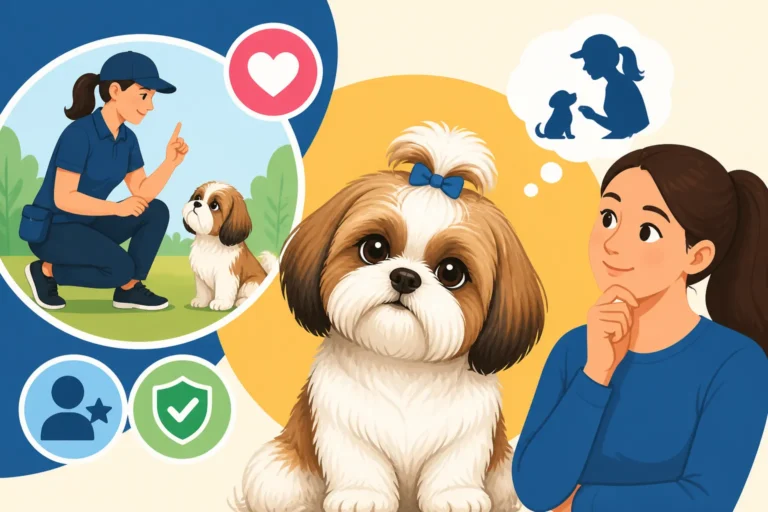
Local puppy kindergarten classes are also fantastic for basic obedience and, crucially, for early socialization with other puppies and people. Just make sure the class is positive reinforcement-based and the trainer understands toy breed dynamics. If you encounter specific behavioral challenges, don't hesitate to seek out a certified professional dog trainer or a veterinary behaviorist. Websites like Amazon offer a huge range of training tools, from clickers and treat pouches to durable chew toys and comfortable harnesses that don’t mat the Shih Tzu’s delicate coat. Investing in quality tools and professional guidance is an investment in your Shih Tzu's well-being and your shared future. Remember, asking for help isn’t a sign of failure; it’s a sign of a responsible and caring owner dedicated to their dog's success.
Disclaimer
This article is for general informational purposes only and does not constitute professional advice. Laws, prices and regulations vary by location and change over time. Consult a qualified professional for guidance on your specific situation.