Shih Tzu Leash Manners on a Harness
It’s a common frustration for Shih Tzu parents: you want to take your sweet little lion dog for a lovely walk, envisioning a peaceful stroll, only to find yourself in a tug-of-war, or worse, your beloved pup planting all four paws and refusing to budge. The reality of leash walking with a Shih Tzu can be far from serene, often involving a delicate balance of managing their strong opinions, protecting their unique physical structure, and navigating the world around you. This comprehensive guide is here to walk you through the nuances of successful leash manners, specifically focusing on the indispensable role of a harness, to transform those challenging walks into enjoyable adventures for both you and your furry companion.
Understanding Why a Harness is Essential for Your Shih Tzu
When it comes to walking a Shih Tzu, the choice of equipment isn't just about convenience; it's about their health and safety. These adorable dogs have specific anatomical considerations that make certain gear choices not just preferable, but absolutely critical. A traditional neck collar, while common for many breeds, can pose significant risks for a Shih Tzu.
The Risks of Collars for Brachycephalic Breeds
Shih Tzus are part of the brachycephalic family, meaning they have those wonderfully charming flat faces and short snouts. This unique facial structure comes with a host of internal differences, especially in their respiratory system and neck area. A collar, even a well-fitting one, places direct pressure on the trachea (windpipe) and esophagus. When your Shih Tzu pulls, even just a little, that pressure intensifies dramatically. We're talking about a breed already predisposed to Brachycephalic Breathing in a Shih Tzu, where their airways might be narrower or their soft palates elongated. Adding a constricting collar into that equation is like trying to breathe through a straw while someone is squeezing your throat.
This isn't just uncomfortable; it can be genuinely dangerous. Regular collar pulling can lead to tracheal collapse, a debilitating condition where the cartilage rings of the trachea weaken and flatten, making breathing incredibly difficult. Symptoms might include a persistent honking cough, especially after excitement or exercise, which often leads to panic for owners. Furthermore, the sensitive structures in their neck, including blood vessels and nerves, are not designed to withstand that kind of strain. Even a sudden jolt, perhaps from a squirrel dashing across your path, could cause injury that has long-term health consequences for your little companion.
How a Harness Protects Your Shih Tzu's Delicate Neck and Airway
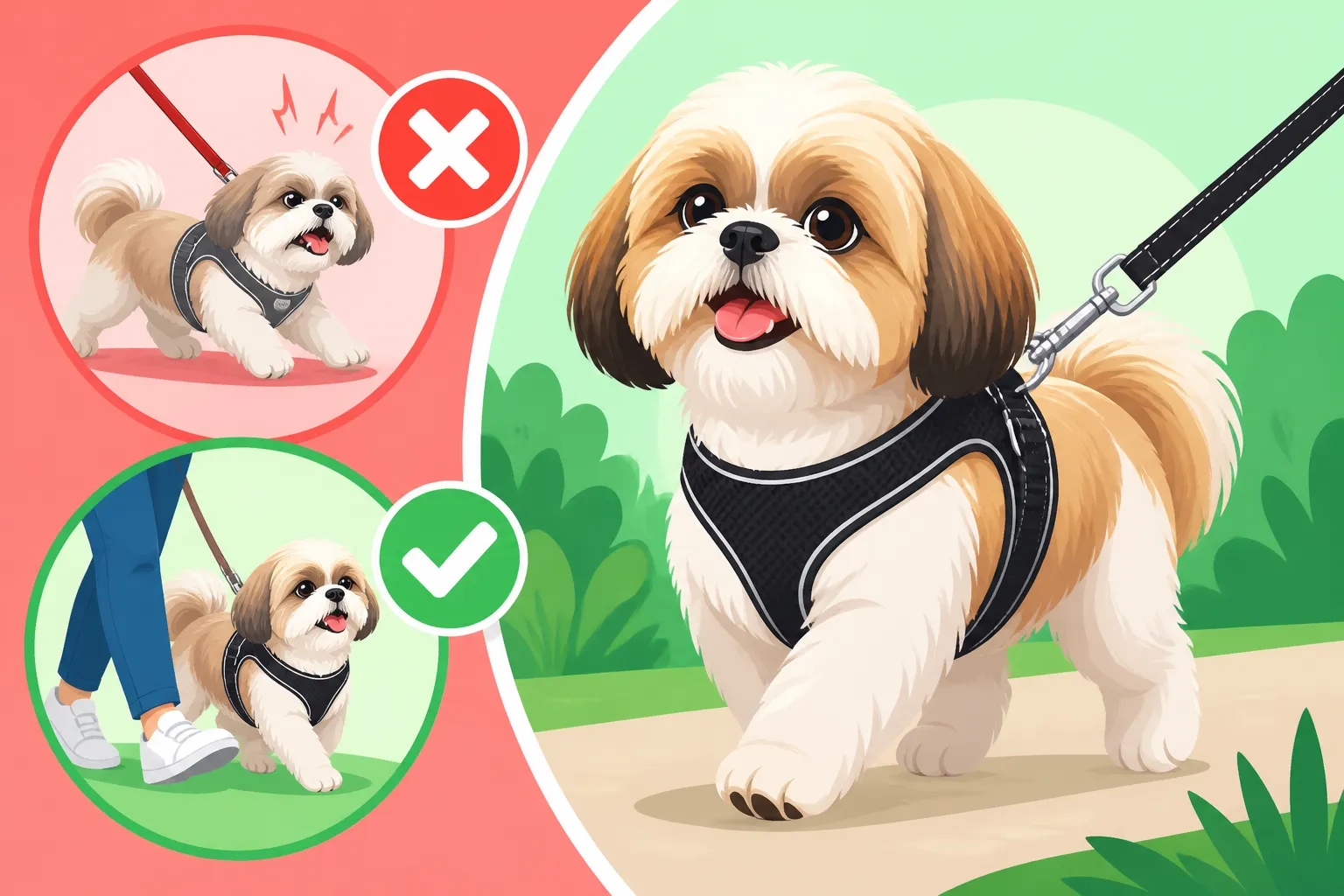
A properly fitted harness completely bypasses these delicate neck structures, distributing any pressure across the chest, shoulders, and back instead. This fundamental difference is a game-changer for a Shih Tzu. Instead of pulling on their windpipe, the harness redirects the force to their stronger skeletal frame, allowing them to breathe freely, even if they decide to pull or lunge for a moment. This immediately reduces the risk of tracheal damage and helps prevent exacerbating any existing The Elongated Soft Palate in a Shih Tzu or Shih Tzu Stenotic Nares and Noisy Breathing issues.
Beyond the physical protection, a harness can also improve the overall quality of your walks. When your Shih Tzu isn't constantly struggling to breathe or feeling uncomfortable around their throat, they are generally more relaxed and willing to engage with you on the walk. It allows them to explore their surroundings without the constant threat of discomfort, which can make them more confident and less prone to becoming overstimulated or anxious when outdoors. This shift from potential pain to comfortable movement makes a significant positive impact on their general disposition towards walks.
Types of Harnesses Best Suited for a Shih Tzu
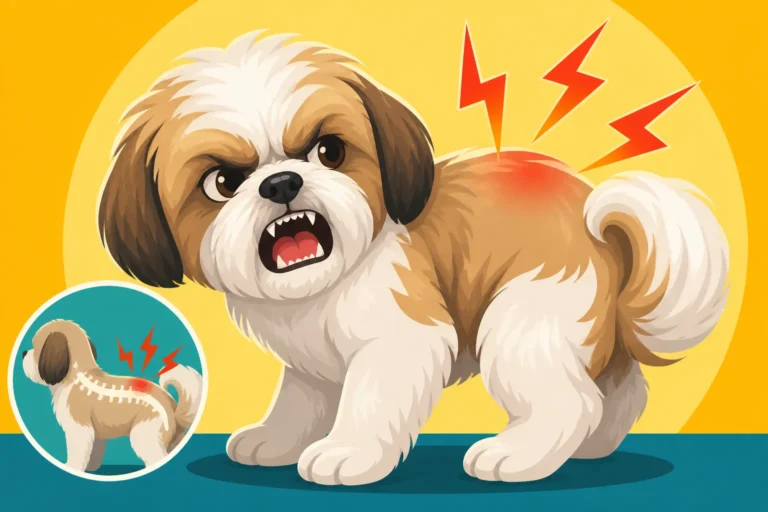
With so many harnesses on the market, choosing the right one for your Shih Tzu can feel overwhelming. However, focusing on specific designs can make a huge difference in comfort and effectiveness. For Shih Tzus, chest-plate or Y-front harnesses are often the best choices. These designs have straps that go around the chest and behind the front legs, with a strap running down the chest between the legs, forming a "Y" or "H" shape on their chest. This configuration allows for freedom of shoulder movement, which is crucial for a dog with a long back like a Shih Tzu, helping to avoid pressure points that could lead to Shih Tzu Back Problems and Disc Disease.
Avoid harnesses that have a single strap horizontally across the chest, as these can still restrict shoulder movement and apply pressure to the front of the trachea if the dog pulls hard enough. Look for designs with soft, breathable padding, especially around the chest and underarm areas, to prevent chafing against their delicate skin and luxuriant fur. Adjustable straps are also paramount to ensure a snug, yet comfortable fit, as Shih Tzus come in a range of sizes even within their breed standard. Consider brands known for their ergonomic designs for smaller dogs; you can often find a wide variety of options on platforms like Amazon that cater specifically to toy breeds, allowing you to compare features and read reviews from other Shih Tzu owners. Why a Shih Tzu Should Wear a Harness Not a Collar delves deeper into these critical distinctions.
Introducing the Harness: Making it a Positive Experience
For some Shih Tzus, putting on a harness can feel like a foreign and sometimes alarming experience. It's not uncommon for them to resist, freeze up, or even try to chew it off. The key to success is a gentle, gradual introduction rooted in positive reinforcement, making the harness a symbol of good things to come.
First Steps: Desensitizing Your Shih Tzu to the Harness
Before you even think about buckling it on, let your Shih Tzu explore the harness with their nose. Place it on the floor, let them sniff it, and reward them with a high-value treat every time they show curiosity. Don't force interaction; let them approach it at their own pace. You can put it near their food bowl during meal times or near their bed, creating a neutral association rather than something to be feared. The goal is for them to see the harness as a normal, non-threatening object in their environment.
Once they're comfortable being near it, try draping it gently over their back without fastening it. Again, immediate treats and praise are crucial. Do this for a few seconds, then remove it and end the session on a positive note. Repeat this process, gradually increasing the duration and eventually trying to slip their head through the neck opening (if it's that type of harness) or stepping their legs through (for a step-in style). Each tiny step of progress should be met with enthusiasm and delicious rewards, teaching them that "harness = good things."
Choosing the Right Fit: A Crucial Detail for Comfort and Safety
A poorly fitting harness can be just as uncomfortable and potentially dangerous as a collar. If it's too loose, your Shih Tzu can easily slip out, leading to a dangerous situation. If it's too tight, it can chafe, restrict movement, or even impede breathing around their chest. The "two-finger rule" is a good guideline: once the harness is on, you should be able to comfortably slip two fingers between the harness straps and your dog's body at any point.
Pay close attention to the area behind their front legs. Chafing here is common if the harness is too tight or the material is rough. Ensure the chest strap sits a few inches behind the armpits, not directly in them. The harness shouldn't gape open, nor should it dig into their skin. If your Shih Tzu has a very fluffy coat, like most, you'll need to be extra diligent in checking the fit and ensuring it’s not too tight against their skin once their fur is compressed. Fitting a Harness Around Shih Tzu Coat offers more specific guidance on this. Always check the fit periodically, especially for growing puppies or if your dog’s weight fluctuates.
Positive Association: Treats and Praise with the Harness
The moment the harness comes out, it should signal joy for your Shih Tzu. Use high-value treats – small, soft, irresistible morsels – to make every step of the harness process a delightful experience. When you put the harness on, immediately give a treat. When you clip the leash on, another treat. Before you even open the door for a walk, a treat. This consistent pairing creates a powerful positive association: harness equals yummy food and an exciting outing.
Beyond treats, lavish them with enthusiastic verbal praise ("Good boy!" "Good girl!"), gentle petting, and happy tones. If they ever show reluctance, don't force it. Take a step back to the last stage where they were comfortable and try again, perhaps with even higher-value treats or a shorter duration. The goal is to build genuine excitement, not just tolerance. Over time, you’ll find your Shih Tzu eagerly wiggling into their harness, knowing it’s the gateway to adventure and rewards. Online resources, like the comprehensive programs offered by BAXTER & Bella, often provide structured approaches to making equipment introduction a breeze.
Mastering Leash Walking Fundamentals with a Harness
Once your Shih Tzu is comfortable wearing their harness, it's time to translate that comfort into enjoyable walks. This stage focuses on teaching them how to walk politely on a leash, rather than being pulled around or refusing to move.
The Importance of Short, Consistent Training Sessions
Shih Tzus, like many small breeds, have relatively short attention spans, especially when they are young or easily distracted. Long, drawn-out training sessions will quickly lead to boredom, frustration, and a less-than-cooperative pup. Instead, aim for very short, frequent training sessions – think 5 to 10 minutes, two to three times a day. These brief bursts of focused attention are far more effective for solidifying good habits and keeping your Shih Tzu engaged.
Consistency is paramount. Everyone in the household who walks the dog should use the same commands, the same techniques, and maintain the same expectations. A Shih Tzu thrives on routine and predictability. If one person allows pulling while another doesn't, it creates confusion and makes learning much harder. Regular practice, even just walking from one end of the living room to the other on a leash, builds muscle memory and reinforces the desired behavior in a low-distraction environment before you tackle the great outdoors. Five Minute Sessions With a Shih Tzu is a great philosophy to adopt.
Teaching the "Let's Go" Cue and Loose-Leash Walking
Loose-leash walking is the ultimate goal: your Shih Tzu walks by your side, the leash forming a gentle 'U' shape without any tension. To start, find a quiet area, even inside your home or a fenced yard. Hold the leash comfortably, with enough slack for your dog to move freely but not so much they can get tangled. Take a step forward, saying "Let's go!" in an upbeat voice. The moment your Shih Tzu takes a step with you and the leash is loose, immediately reward them with a treat and praise.
If they pull ahead, stop dead in your tracks. Don't say anything, don't yank the leash. Just stop. The moment the leash slackens (because they've turned back to see why you stopped, or eased their pull), say "Yes!" or use a clicker, and then reward them. This teaches them that pulling gets them nowhere, but a loose leash keeps the walk going and earns rewards. Start with just a few steps of loose-leash walking before stopping and rewarding, gradually increasing the distance. You want to reward the act of having a loose leash, not just walking. Teaching a Shih Tzu to Walk Without Pulling provides more detail on this technique.
Handling Distractions and Environmental Factors
The real world is full of irresistible distractions: squirrels, other dogs, interesting smells, passing cars. Your Shih Tzu's ability to walk politely will be severely tested by these. Start practicing in low-distraction environments, like your quiet street, then gradually introduce more challenging settings. When you anticipate a distraction, be ready. If you see another dog approaching, preemptively get your Shih Tzu's attention with their favorite treat, asking for a "look at me" or "heel." Reward them for focusing on you even briefly.
It’s also crucial to remember that Shih Tzus have a very low tolerance for heat due to their flat faces, making them prone to Why a Shih Tzu Overheats So Easily. Walks in direct sun or during the hottest parts of the day can make them uncomfortable and less cooperative. Similarly, many Shih Tzus hate wet grass or cold weather, sometimes refusing to walk at all. A Shih Tzu That Refuses to Go Outside in Rain is a common complaint. Plan your walks during cooler parts of the day or in sheltered areas, and consider a doggy raincoat or sweater if the weather is truly unpleasant. Remember, a comfortable dog is a cooperative dog.
Addressing Common Leash Manners Challenges
Even with a harness and positive reinforcement, Shih Tzus can present a few unique challenges on the leash. Their strong personalities and independent streak mean you'll need patience and specific strategies to overcome common issues.
What to Do When Your Shih Tzu Pulls on the Leash
Pulling might seem like a big dog problem, but a determined Shih Tzu can put surprising strain on the leash, even in a harness. If your Shih Tzu is constantly pulling, revisit the "stop when they pull" method outlined above. It's often called the "be a tree" method. Every time the leash tightens, you become an immovable object. The moment it loosens, you move forward again. This removes the reward (forward momentum) for pulling.
You might also consider a front-clip harness. While a standard back-clip harness is great for comfort, a front-clip harness (where the leash attaches at the dog's chest) can provide an additional gentle steering mechanism. When your Shih Tzu pulls, the leash attachment point subtly turns them to the side, making it less efficient for them to pull forward. It's not a magical cure, but it can be a helpful tool in conjunction with consistent training. Brands like those found readily on Amazon offer many styles of front-clip harnesses that are suitable for toy breeds. Remember, the goal isn't to punish pulling, but to teach them that a loose leash is the pathway to where they want to go. Shih Tzu Leash Pulling and Harness Choice offers a detailed look at this specific issue.
When Your Shih Tzu Refuses to Walk or Sits Down
Ah, the classic Shih Tzu "I'm done" move! They sit, they plant, they become an immovable fluff ball. This can be incredibly frustrating, especially if you're in a hurry. First, rule out any physical discomfort: is the harness pinching? Are their paws sore? Is the weather too hot or too cold? Sometimes, a stubborn sit means they are genuinely uncomfortable or overwhelmed.
If it's purely a behavior issue, try to make walking more rewarding than sitting. Carry some truly irresistible treats. When they sit, crouch down, offer a treat near their nose, and lure them forward just one or two steps. The moment they move, reward and praise exuberantly. Don't drag them, don't get angry; that will only make them more resistant. Sometimes, simply changing direction can break their stalemate. A sudden turn can pique their curiosity and get them moving again. If they consistently refuse to walk past a certain point, try ending the walk before they shut down, so they don't associate that specific spot with stopping. A Shih Tzu That Sits Down Mid-Walk explores these scenarios in depth.
Managing Reactivity: Barking or Lunging on Leash
Some Shih Tzus can be quite vocal or reactive on leash, barking at other dogs, people, or even inanimate objects. This usually stems from fear, overstimulation, or frustration. Punishing these reactions rarely helps and can often make them worse. Instead, focus on changing their emotional response. The goal is for them to see triggers (like another dog) and not react, associating the trigger with something positive.
This is where "desensitization and counter-conditioning" come in. Identify your Shih Tzu's "threshold" – the distance at which they can see a trigger without reacting. Stay at or below this distance. When the trigger appears (e.g., another dog walking by), immediately start giving your Shih Tzu continuous, high-value treats until the trigger is gone. The moment the trigger disappears, the treats stop. This teaches them: "Other dog = yummy treats!" This needs to be done consistently and patiently. If your dog reacts, you've gone too close, and you need to increase the distance next time. This process can be slow, but it's incredibly effective. If reactivity is severe, consider consulting a certified professional dog trainer or behaviorist.
Advanced Leash Skills and Real-World Application
Once your Shih Tzu has grasped the basics of loose-leash walking, you can begin to refine their skills and apply them in a wider variety of settings. This builds their confidence and ensures they remain polite and well-behaved companions wherever you go.
Practicing in Different Environments and Situations
Initially, you might have practiced in your quiet neighborhood. Now, it’s time to slowly introduce more complex environments. Try a local park during off-peak hours, a pet-friendly store, or even a different street with more sights and sounds. The key is gradual exposure. Start with short visits, focusing on maintaining loose-leash walking for brief periods, and then retreat before your Shih Tzu becomes overwhelmed.
Each new environment presents a fresh set of distractions and challenges. A busy street might have more traffic noise and unfamiliar smells, while a park could have children playing or squirrels scurrying. Be proactive and observant. Anticipate potential triggers and be ready with your high-value treats to reward calm behavior and attention to you. Don't expect perfection; some days will be better than others. The goal is incremental progress, building their resilience and focus in an increasingly complex world.
Teaching Your Shih Tzu to Walk Nicely by Your Side
While loose-leash walking is essential, teaching a more formal "heel" or "with me" command can be incredibly useful in crowded areas or when you need your Shih Tzu to stay precisely by your side. This isn't about rigid obedience but about having a reliable cue for safety and courtesy. Start this training in a quiet, familiar environment. Hold a treat at your Shih Tzu's nose level and guide them into the desired position by your side. As they move into place, say your chosen cue ("Heel!" or "With me!") and immediately reward them.
Practice taking a few steps in this position, rewarding them frequently for staying close and focused on you. Gradually increase the number of steps before giving a treat, and then introduce turns and changes of pace. The treat should essentially become a "magnet" that keeps them engaged and in position. Remember to keep sessions short and positive, ending before they get bored. This skill, while more advanced, can be a lifesaver in situations where you need precise control, such as navigating a busy crosswalk or a crowded event.
Using Long Lines for Safe Exploration
Sometimes, a Shih Tzu needs more than just a short leash walk; they need to explore, sniff, and enjoy a bit more freedom, especially if you don't have a secure fenced yard. This is where a long line (a lightweight leash, typically 15-30 feet long) comes in handy. A long line allows your Shih Tzu to roam and investigate while still giving you control and ensuring their safety.
Attach the long line to their harness (never a collar!). Take them to a safe, open area like a baseball field, a quiet park, or a large open space away from roads. Let them wander, but always be aware of where they are and keep a light grip on the line. Practice your "come" cue while they're on the long line, rewarding them lavishly when they return. The long line is not meant for constant pulling, but as a safety measure and a tool for teaching recall in a controlled environment. It allows them to fulfill their natural urge to explore safely, which can contribute to a happier, more well-adjusted dog who is less prone to frustration on shorter walks. Make sure the long line itself is lightweight so it doesn't drag or feel heavy for your small Shih Tzu.
Maintaining Good Leash Manners Throughout Your Shih Tzu's Life
Training isn't a one-and-done event, especially with a breed as charmingly strong-willed as a Shih Tzu. Good leash manners require ongoing reinforcement and adaptation throughout their lives.
Consistency is Key: Reinforcing Good Habits
Think of leash manners as a language. If you only speak it occasionally, your Shih Tzu will become rusty. Every walk, every time you put on the harness, is an opportunity to reinforce the desired behaviors. Always use the harness, always expect a loose leash, and always reward compliance. Don't have "off" days where you let them pull or drag you. Inconsistency is the fastest way for old, undesirable habits to resurface.
Even if your Shih Tzu is a seasoned pro, an occasional "tune-up" session with extra treats and praise can keep their skills sharp. Life happens, and sometimes a dog might regress due to new fears, anxieties, or simply testing boundaries. A consistent, patient approach will ensure that their good habits remain strong. Remember to praise not just for perfect performance, but for effort and improvement, building their confidence in their ability to meet your expectations.
Adjusting Training as Your Shih Tzu Ages
A Shih Tzu puppy's energy and attention span are very different from a senior dog's. As your Shih Tzu matures, their needs and capabilities will change, and your training approach should adapt accordingly. Puppyhood is about foundational skills and positive associations. Adolescence might bring a period of testing boundaries and increased distractions, requiring more patience and consistent reinforcement. Shih Tzu Adolescence and What Changes can be a challenging time for owners.
As your Shih Tzu enters their senior years, their pace will naturally slow down. Walks might become shorter, slower, and focused more on sniffing and gentle ambulation than brisk exercise. Be mindful of any joint pain or reduced stamina. A senior dog might need more patience, or you might need to carry them for parts of a walk. Their eyesight or hearing might decline, making them more easily startled or less responsive to cues. Adapt your expectations and enjoy the gentle companionship of their golden years, always prioritizing their comfort and well-being. Senior Shih Tzu Care Past the Age of Ten covers many of these age-related changes.
The Role of Regular Grooming in Harness Comfort
A Shih Tzu's glorious double coat is a hallmark of the breed, but it also requires diligent care, which directly impacts their comfort in a harness. Mats and tangles can quickly form, especially under the harness straps where there's friction and pressure. A mat pulling on their skin can cause significant discomfort and even pain, leading to resistance when putting on the harness or during walks.
Regular brushing, ideally daily, is crucial to prevent mats. Pay special attention to the areas under the armpits, around the chest, and where the harness sits. Ensure their coat is clean and free of debris, as anything caught in the fur can also rub and irritate their skin. If you opt for a "puppy cut" to manage their long hair, this can significantly reduce matting and make harness wear more comfortable, though you'll still need to brush regularly. The Puppy Cut and What It Saves is a popular choice for many Shih Tzu owners. When bathing your Shih Tzu, make sure their coat is thoroughly dried down to the skin to prevent damp fur from matting and causing skin issues beneath the harness.
Recommended Tools and Resources for Leash Training
Having the right tools can make all the difference in making leash training a successful and positive experience for both you and your Shih Tzu.
Essential Harness and Leash Choices
As discussed, a well-fitting Y-front or H-harness is paramount. Brands like Kurgo, Ruffwear, and even some specialized smaller brands available on Amazon often offer designs that accommodate smaller dogs with unique body shapes. Look for soft, durable, and breathable materials. If your Shih Tzu has very sensitive skin, padded harnesses can be a great choice. You might even consider having two harnesses: a lighter one for everyday walks and a slightly more robust one for more adventurous outings.
For leashes, a standard 4-to-6-foot flat nylon or leather leash is usually ideal. Avoid retractable leashes, as they offer little control, teach dogs to pull, and can be dangerous for both the dog and handler, especially with a delicate toy breed like a Shih Tzu. For small dogs, a lightweight leash is important so it doesn't feel heavy or cumbersome. The leash should be comfortable for you to hold, with a sturdy but easy-to-use clip.
Training Aids and Treats
High-value treats are your best friend in positive reinforcement training. Think small, soft, smelly treats that your Shih Tzu absolutely adores. Cooked chicken, tiny pieces of cheese, or specialized training treats are often great choices. Cut them into pea-sized portions to avoid overfeeding. Always carry a treat pouch for easy access. A clicker can also be an excellent training aid; it's a precise marker for desired behavior, followed immediately by a treat.
A comfortable, easily accessible treat pouch worn around your waist can make a huge difference in the fluidity of your training sessions. You want to be able to reward your Shih Tzu quickly, within 1-2 seconds of the desired behavior, to create a clear association. Training Treats Broken Small for a Shih Tzu discusses how to select and portion treats effectively for your little learner.
Seeking Professional Guidance
While this guide provides extensive information, sometimes you might encounter challenges that are best addressed with one-on-one professional help. If your Shih Tzu exhibits severe pulling, reactivity, fear, or a complete refusal to walk despite your best efforts, a certified professional dog trainer or a veterinary behaviorist can provide tailored guidance.
Look for trainers who use positive reinforcement methods and have experience with toy breeds and brachycephalic dogs. They can observe your specific situation, identify underlying issues, and develop a personalized training plan. Many trainers offer virtual consultations, which can be convenient. Investment in professional guidance, such as the personalized coaching or online programs offered by BAXTER & Bella, can be invaluable for building a strong foundation and addressing persistent behavior problems, ensuring a happy and well-adjusted Shih Tzu who enjoys their walks as much as you do. Finding a Trainer for a Toy Breed can help you discern between different types of trainers and choose the right fit.
| Harness Type | Description | Pros for Shih Tzus | Cons for Shih Tzus | Best Use Case |
|---|---|---|---|---|
| Y-Front / H-Style Harness | Straps form a 'Y' or 'H' shape on the chest, buckles around chest and back. | Distributes pressure widely, allows shoulder freedom, good for airway. | Can be slightly bulkier under a full coat. | Everyday walks, general comfort, pulling prevention. |
| Step-In Harness | Dog steps into two loops, buckles over the back. | Easy to put on for dogs who dislike things over their head. | May pull slightly more on the chest if not well-fitted, less control. | Quick outings, dogs with minimal pulling. |
| Front-Clip Harness | Leash attaches at the chest, often a Y-front design. | Provides leverage to gently steer dog when they pull, reduces pulling. | Can sometimes twist slightly if dog pulls hard to the side. | Training for pulling, better control in busy areas. |
| Vest Harness | Fabric vest covers more of the body, with a D-ring for leash attachment. | Comfortable, can feel secure for anxious dogs, good for cold weather. | Can be very warm in summer, some designs restrict shoulder movement. | Anxious dogs, cold weather walks, fashion statement. |
Disclaimer
This article is for general informational purposes only and does not constitute professional advice. Laws, prices and regulations vary by location and change over time. Consult a qualified professional for guidance on your specific situation.