Shih Tzu Temperament With Children and Guests
Bringing a Shih Tzu into a home, especially one with children or frequent guests, often comes with a mix of excitement and a good dose of worry. Many prospective owners agonize over whether their fluffy new family member will be a gentle playmate or a tiny tyrant, and for good reason! The last thing anyone wants is a stressed-out pup or, worse, an unhappy incident. This guide is here to walk you through the nuances of Shih Tzu temperament when it comes to the other people in their lives, offering realistic expectations and actionable advice to ensure harmony for everyone.
The Shih Tzu's Natural Disposition Towards People
It's easy to look at a Shih Tzu with their adorable "chrysanthemum" face and assume they're all sweetness and light, and for the most part, you wouldn't be wrong. These little dogs were literally bred over centuries to be human companions, to sit on laps, and to bring joy. However, even the most dedicated companion breed comes with its own unique set of quirks and sensitivities that are important to understand. Their history and physical traits play a significant role in how they interact with the world and the people in it.
Bred for Companionship, Not Guarding
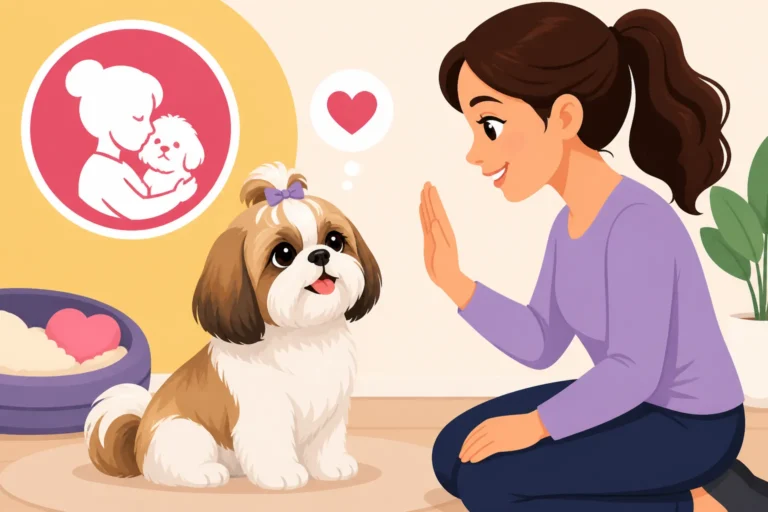
Shih Tzus hail from Tibetan monasteries and later thrived in the Chinese Imperial court, where their primary role was to be cherished companions. They weren't bred to herd sheep, track game, or guard vast estates. Their job was to sit by royalty, offer comfort, and look beautiful. This deep-seated desire for human connection is a huge plus when it comes to welcoming them into your family. They generally thrive on attention and being near their people, often following you from room to room just to be in your presence.
This inherent love for companionship means that most Shih Tzus are naturally predisposed to being friendly and affectionate. They typically enjoy being petted, cuddled, and involved in family activities. However, it's crucial to remember that "companion" doesn't automatically mean "passive." They are still dogs with individual personalities, and while their breed history leans towards amiability, it doesn't guarantee every single Shih Tzu will be a social butterfly from day one. You'll find that their outgoing nature, as described in The Shih Tzu From Tibetan Temples to American Homes, usually makes them fairly adaptable to different people, but individual experiences and early socialization are key.
The Independent Streak and What It Means for Interactions
Despite their companion roots, Shih Tzus can also possess a charmingly independent or even stubborn streak. This isn't usually an aggressive trait, but rather a reflection of their intelligence and sometimes their strong preferences. They might decide they've had enough petting, or that a particular person's approach isn't quite to their liking. This independence can manifest as a subtle turning away, a light "air snap," or a refusal to engage. It's their way of communicating boundaries.
For owners, understanding this independence is vital, especially when guests or children are around. It means teaching everyone to respect your Shih Tzu's signals. Forcing interactions or overriding their subtle cues can lead to frustration for the dog and potentially escalate into less desirable behaviors. It's about finding that balance where they feel loved and included, but also respected as an individual. Their stubbornness can sometimes make training a bit of a challenge, but with the right approach, even the most opinionated Shih Tzu can learn excellent manners, as discussed in Shih Tzu Stubbornness and What It Really Is.
Sensitivity to Environment and Energy
Shih Tzus, like many small breeds, can be quite sensitive to their environment and the energy levels of the people around them. A chaotic household with constant loud noises, sudden movements, or a lot of coming and going can be overwhelming for them. They tend to prefer a calm, predictable routine. This sensitivity can be a factor when introducing them to lively children or boisterous guests. They pick up on human emotions and can become anxious if they sense tension or over-excitement.
A Shih Tzu that feels overwhelmed might retreat, hide under furniture, or even nip if they feel cornered and stressed. They don't always have the "thick skin" that some larger, more robust breeds might possess. Creating a secure, predictable environment helps them feel safe and confident. This means ensuring they have their own quiet space, like a crate or a dog bed in a low-traffic area, where they can retreat when things get too much. Their delicate nature means that sudden changes or high-energy environments can truly impact their well-being and willingness to interact positively.
Introducing Your Shih Tzu to Children
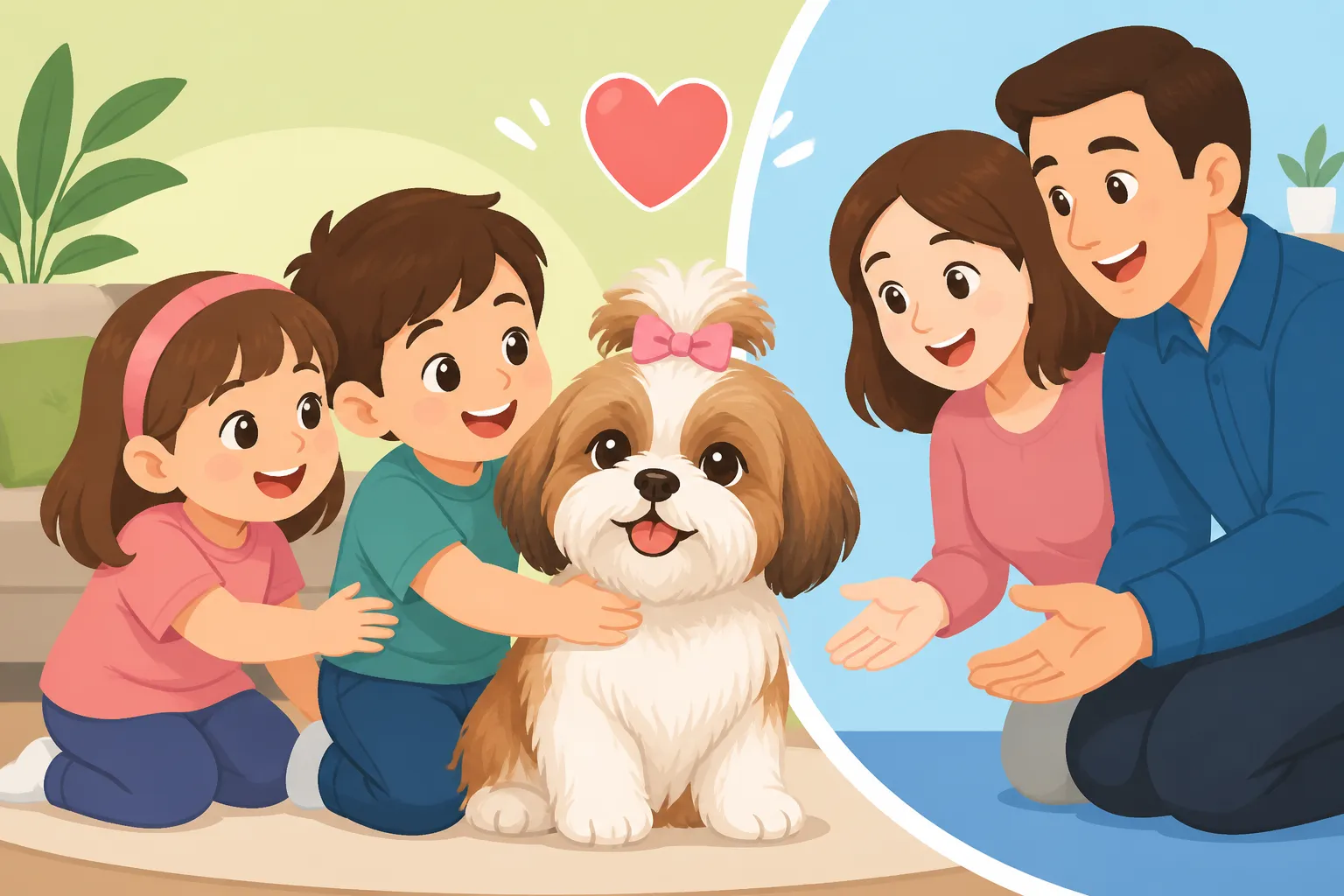
The idea of bringing a furry friend into a home with children is often idyllic: a child and their dog, best friends forever. With a Shih Tzu, that dream is absolutely achievable, but it requires careful management, realistic expectations, and consistent guidance for both the dog and the children. Their small size and specific breed traits mean that introductions and ongoing interactions need a thoughtful approach to ensure everyone's safety and happiness.
Understanding the Size Disparity and Risk
Let's be blunt: a Shih Tzu is a small dog. Most weigh in the range of 9 to 16 pounds, with some being even smaller. This is a critical factor when children are involved. A child, even a well-meaning one, can unintentionally injure a small dog through rough play, a clumsy stumble, or by dropping them. A Shih Tzu's delicate frame, combined with their sometimes prominent eyes, makes them particularly vulnerable. Their eyes can even be prone to a condition called proptosis, where the eyeball literally pops out, often caused by trauma or rough handling. You can learn more about this in Shih Tzu Eye Proptosis, the Emergency Owners Miss.
Beyond physical harm, the size difference can also lead to the Shih Tzu feeling intimidated or fearful. A child towering over them, even if just curious, can be perceived as a threat. This is why supervision is non-negotiable, especially with younger children. It's not about distrusting your child or your dog; it's about being a responsible guardian for both. Teaching children how to interact gently and safely with a small dog is paramount. The table below offers a quick comparison of interaction styles for different age groups.
| Child Age Group | Typical Interaction | Key Considerations for Shih Tzus |
|---|---|---|
| Toddlers (1-3 years) | Grabbing, poking, pulling, climbing, loud noises, unpredictable movements | High risk of accidental injury to dog; dog may feel overwhelmed/threatened; requires constant, direct supervision; teach "gentle hands" from day one. |
| Preschoolers (4-6 years) | Still clumsy but can learn some self-control; curious; may want to "help" | Medium risk of accidental injury; can learn simple rules like "no chasing" and "pet gently"; needs supervision; teach dog's body language. |
| School-Age (7-12 years) | More coordinated; capable of understanding rules and responsibility; can engage in gentle play | Low to medium risk; can be taught proper handling, feeding, and grooming basics; supervision still important, especially during play. |
| Teenagers (13+ years) | Mature understanding; can be responsible for aspects of care; may be seen as another "adult" | Very low risk; can be a great partner in training and care; still needs guidance on respecting dog's space and signals. |
Setting Ground Rules for Both Dog and Child
Successful interactions between a Shih Tzu and children depend heavily on clear, consistent rules for both parties. For the children, this means teaching them how to interact with the dog. Rules like "pet with gentle hands," "no pulling tails or ears," "don't disturb the dog when it's eating or sleeping," and "no chasing" are fundamental. Crucially, teach children how to approach a dog calmly, perhaps by letting the dog come to them rather than rushing in. Showing a Child How to Carry a Shih Tzu is another vital lesson, emphasizing safe support and gentle handling.
For your Shih Tzu, the ground rules involve basic manners and socialization. This includes teaching them not to jump on people, to be comfortable being handled, and to have a positive association with children. Early socialization is key here. Introduce your puppy to a variety of sights, sounds, and gentle interactions with different types of people from a young age. A good online training program, like one from BAXTER & Bella, can provide structured guidance for these early crucial steps, helping you build a foundation of good behavior and confidence in your pup before they even meet your youngest family members.
Supervised Interactions and Safe Spaces
"Supervised" doesn't just mean being in the same room. It means actively watching every interaction. Be ready to intervene if play gets too rough or if your Shih Tzu shows signs of discomfort. These signs might be subtle: lip licking, yawning, turning their head away, or stiffening their body. These are all ways your dog says, "I'm uncomfortable, please stop." A Shih Tzu and a Toddler in the Same Room is a scenario that demands constant vigilance.
Equally important is providing your Shih Tzu with a safe retreat. This could be a crate, a dog bed in a quiet corner, or even a baby gate keeping them separated from a play area. This "safe space" allows your dog to opt out of interactions when they feel overwhelmed. Teach children that when the dog is in its bed or crate, it's off-limits. This empowers your dog to manage its own stress levels and prevents situations where they might feel cornered or have to resort to snapping. Utilizing baby gates or pens that you can find easily on Amazon can be incredibly effective for creating these zones, allowing for visual connection without direct physical access when needed.
Managing Shih Tzu Interactions with Toddlers and Very Young Children
Toddlers and very young children present a unique set of challenges when it comes to dog interactions. Their boundless energy, unpredictable movements, and lack of understanding of animal behavior can be a recipe for stress for a small Shih Tzu. It takes a lot of patience, proactive management, and consistent teaching to navigate these early years successfully.
The Challenge of Unpredictable Movement and Noise
Imagine being a tiny Shih Tzu, looking up at a wobbly, giggling human who suddenly lunges, shrieks, or falls down right next to you. It's a lot! Toddlers are naturally loud, uncoordinated, and utterly lacking in spatial awareness. They don't mean to be scary, but their behavior can easily overwhelm a small, sensitive dog. This unpredictable environment can trigger a Shih Tzu's natural instinct to startle or retreat. Some Shih Tzus might react with fear barking or even a quick nip if they feel startled or trapped by a child's sudden proximity.
It's not uncommon for a Shih Tzu to become wary of toddlers or even develop a preference to avoid them entirely. This is why proactive management is so important. Rather than waiting for an incident, anticipate scenarios where your dog might feel overwhelmed. For instance, during a toddler's energetic playtime, ensure your Shih Tzu has been given a chew toy in their crate in a separate room. This avoids potential conflicts and allows both child and dog to exist happily in their own spaces. Remember, A Shih Tzu That Hides From Loud Children is a dog communicating its stress, and we must listen.
Teaching Gentle Touches and Respect for Space
Teaching a toddler "gentle hands" is a mantra for parents with pets. Start early, even before your child can fully comprehend. Guide their hand to gently stroke the dog's back, avoiding sensitive areas like the face, tail, or paws. Use positive reinforcement for both child and dog – praise the child for a gentle touch and reward the Shih Tzu for calmly accepting it. Repetition is key. Make "gentle" a consistent word used in all interactions.
Crucially, teach children to respect the dog's space. If the Shih Tzu walks away, that means they want space, and the child should not follow. This also extends to the dog's belongings. The dog's food bowl, toys, and bed should be off-limits to children. This creates clear boundaries and prevents resource guarding issues from developing in your Shih Tzu. Even with a naturally sweet temperament, any dog can become protective of its resources if it feels they are constantly being invaded. This respect for boundaries helps build trust between your Shih Tzu and your young child.
Recognizing Stress Signals in Your Shih Tzu
Being able to read your Shih Tzu's body language is arguably the most important skill for an owner, especially around children. As mentioned, Shih Tzus will often give subtle signals before resorting to more overt warnings like growling or snapping. Look for:
- Lip licking or yawning (when not tired): Indicates stress or appeasement.
- Turning head or body away: Trying to disengage.
- Stiff body posture: Tension.
- "Whale eye" (showing the whites of their eyes): Feeling anxious or threatened.
- Tail tucked low: Fear or anxiety.
- Low growl or a quick air snap: A clear warning sign that their previous signals have been ignored.
If you see any of these, it's time to intervene immediately. Gently redirect the child, remove the Shih Tzu to its safe space, or create distance between them. Never punish your Shih Tzu for growling, as this teaches them that warning signals are unacceptable, potentially leading them to bite without warning in the future. Instead, address the situation that caused the stress. Understanding these signs is vital for preventing accidents and ensuring that everyone remains safe and happy.
Integrating a Shih Tzu into a Household with Older Children
Older children (roughly 7 years and up) often have a better understanding of boundaries, gentleness, and responsibility, which can make integrating a Shih Tzu much smoother. With proper guidance, they can become wonderful companions and even active participants in the dog's care and training. The key is to foster mutual respect and shared activities.
Building a Bond Through Shared Activities
Once children are old enough to understand and follow rules, they can actively participate in building a positive relationship with the Shih Tzu. Instead of just "playing," encourage structured, gentle activities that both the dog and child can enjoy. This could include tossing a soft toy for a short game of fetch in a confined, safe area, or teaching simple tricks like "sit" or "stay" using positive reinforcement and small, soft treats. You can find excellent training treats and puzzle toys on Amazon that are perfect for these kinds of interactions.
These shared activities aren't just fun; they build a bond based on cooperation and trust. When a child is teaching the dog a trick, they are seen as a source of positive reinforcement, not just a grabby, unpredictable creature. This strengthens the Shih Tzu's positive associations with the child. Remember that a Shih Tzu's play style might be different from a larger dog's – gentle, short bursts of activity are usually best, especially given their Brachycephalic Breathing in a Shih Tzu.
Involving Children in Care and Training
One of the most effective ways to foster responsibility and a strong bond is to involve older children in the Shih Tzu's daily care and training. This isn't about giving them full responsibility, but rather age-appropriate tasks under your supervision. They could help with:
- Feeding: Measuring out kibble (with supervision to ensure correct portions) and filling the food bowl.
- Grooming: Gently brushing the Shih Tzu's coat (starting with a soft brush), under careful guidance. This also helps the Shih Tzu get used to regular handling, a critical skill discussed in Handling a Shih Tzu Puppy for Daily Brushing.
- Training: Practicing basic commands and offering treats.
- Walks: Holding the leash during short, supervised walks (using a harness, not a collar, for a Shih Tzu).
When children are involved in these activities, they learn empathy and understand the work that goes into caring for a pet. They see the dog not just as a toy, but as a living being with needs they can help meet. It teaches them patience and consistency, reinforcing the idea that positive interactions come from care and respect. This collaborative approach builds a family unit where everyone contributes to the Shih Tzu's well-being.
Establishing Boundaries and Consistent Rules
Even with older children, clear boundaries and consistent rules remain essential. While they might be more responsible, children can sometimes forget, or get too boisterous. Reinforce the rules about respecting the dog's space, not disturbing it when sleeping or eating, and always being gentle. Remind them that the Shih Tzu is a small, delicate creature and not a sturdy playground companion.
It's also important to establish rules for the dog regarding the children. For example, if the Shih Tzu has a habit of "play nipping" during excitement, work on training them not to mouth hands. Shih Tzu Puppy Nipping at Fingers is a common behavior that needs early and consistent redirection. Using positive reinforcement methods and providing appropriate chew toys can help channel this behavior appropriately. Consistency from all family members, including the children, ensures the Shih Tzu understands expectations and feels secure within the family hierarchy.
Welcoming Guests into Your Shih Tzu's Home
When the doorbell rings, it can be an exciting or stressful moment for a Shih Tzu. Their reaction to guests can range from overjoyed wiggles to wary barks. Preparing your Shih Tzu and your guests for successful interactions is key to maintaining a peaceful home and a happy pup.
The Initial Greeting and Managing Excitement
The initial greeting sets the tone for your Shih Tzu's interaction with guests. Some Shih Tzus are ecstatic greeters, jumping and barking with joy. Others might be more reserved, or even bark out of alarm or territoriality. A Shih Tzu Barking at the Doorbell is a common scenario. It's important to manage this initial burst of energy to prevent your dog from overwhelming guests or developing undesirable habits.
Consider these strategies for a calmer greeting:
- Leash or Crate: If your Shih Tzu is overly excitable or nervous, have them on a leash or in their crate when guests arrive. This allows for a controlled introduction.
- "Sit" and "Stay": Practice basic commands like "sit" and "stay" by the door. Reward your dog for calm behavior as guests enter. This is a perfect example of how the BAXTER & Bella online program can provide practical skills for real-world situations, preparing your Shih Tzu for polite greetings.
- Meet Outside (if possible): For a very nervous dog, a neutral introduction outside, perhaps on a short walk with the guest, can sometimes be less intimidating.
- Delay Petting: Ask guests to initially ignore the dog, allowing it to approach them at its own pace after the initial excitement has worn off. This respects the dog's need for space and control over the interaction.
Handling Overly Enthusiastic Visitors
Not all guests understand dog etiquette, especially when faced with an adorable Shih Tzu. Some might be tempted to swoop in, pick up the dog, or engage in rough play. This can be stressful for your Shih Tzu and even dangerous if they are dropped or handled improperly. It's your responsibility as the owner to advocate for your dog.
Don't be afraid to politely educate your guests. Explain that your Shih Tzu is small and delicate, and prefers gentle pets. Suggest they pet the dog's back or chest, rather than reaching over its head. If a guest tries to pick up your dog, gently intervene, explaining that your Shih Tzu prefers to stay on the ground or requires a specific way of being held. If your dog is showing signs of stress from an overzealous guest, it's time to create distance. Your Shih Tzu relies on you to be their protector and voice in these situations.
Creating a Retreat for Your Dog
Just like with children, providing a designated retreat for your Shih Tzu is crucial when guests are over. This is a place where they can escape the hubbub if they feel overwhelmed or simply want a nap. This could be their crate, a cozy bed in a spare room, or a section of the house blocked off by a baby gate.
Encourage your Shih Tzu to use this space during social gatherings, perhaps by giving them a long-lasting chew or a favorite toy there. This positive association makes the retreat an inviting sanctuary rather than a punishment. It's a fantastic way to ensure your dog doesn't become overstimulated or stressed by continuous interaction. A peaceful dog makes for a more relaxed host, and a happier guest who isn't inadvertently causing stress to your beloved pet.
Addressing Common Behavioral Challenges
Even with the best intentions and careful management, Shih Tzus can sometimes develop behavioral challenges when interacting with children and guests. Understanding the root cause of these behaviors is the first step towards addressing them effectively. Remember, most "bad" behavior in dogs stems from fear, anxiety, or a lack of clear communication.
Resource Guarding and Protective Behaviors
Resource guarding is when a dog becomes possessive over certain items (toys, food, even their bed or a favorite person) and exhibits behaviors like growling, snapping, or barking when someone approaches them while they have that resource. This can be particularly concerning when children are involved. A Shih Tzu might guard a chew from a child who gets too close, or even "guard" your lap if a guest tries to sit next to you. A Shih Tzu That Guards a Toy or A Shih Tzu Guarding the Lap It Sits On are common examples.
To manage resource guarding:
- Prevention is Key: Teach children and guests not to bother the dog when it has food or special toys. Provide separate, identical toys if multiple dogs are present.
- "Trade Up": Teach your Shih Tzu that humans approaching their resources can lead to something better. If they have a high-value chew, approach them and offer an even higher-value treat in exchange, then give them their original item back. This builds a positive association.
- Supervise Meal Times: Feed your Shih Tzu in a quiet, undisturbed area.
- Professional Help: If resource guarding is severe or escalates, seek help from a certified professional dog trainer. This behavior can be complex and requires careful, consistent work.
Excessive Barking at Newcomers
Many Shih Tzus are vocal little dogs, and barking at newcomers, whether at the door or once they're inside, is a common complaint. This barking can be due to excitement, alarm, territoriality, or even boredom. While a little bark is normal, incessant barking can be disruptive and stressful for everyone.
Strategies to manage excessive barking:
- Identify the Cause: Is your Shih Tzu barking out of fear, excitement, or to get attention? The solution will vary depending on the motivation.
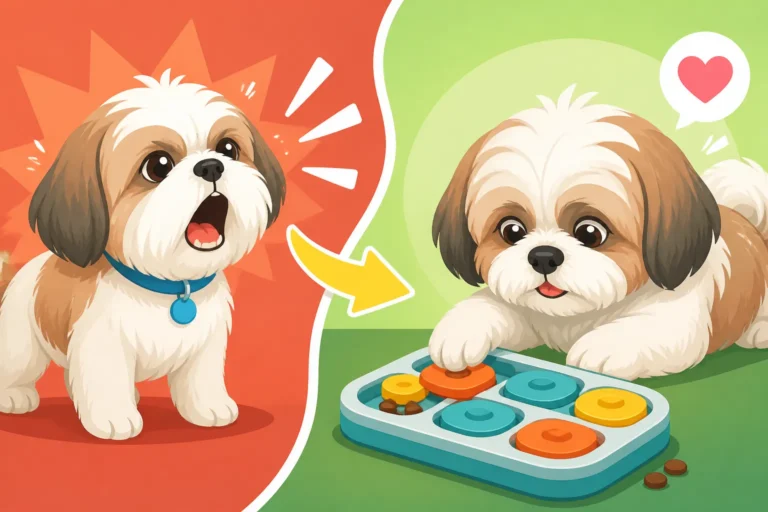
- Positive Reinforcement for Quiet: Reward your Shih Tzu for being quiet when a trigger appears. For example, if they bark at the doorbell, teach them to go to their mat and "stay" when the bell rings. Reward them heavily for remaining silent.
- Desensitization: Gradually expose your Shih Tzu to the trigger at a low intensity. Start with doorbell sounds played softly, rewarding calm. Slowly increase volume.
- Exercise and Mental Stimulation: A tired Shih Tzu is often a quieter Shih Tzu. Ensure they get enough physical activity and mental engagement throughout the day.
- Avoid Reinforcing: Don't inadvertently reward barking by immediately giving attention or letting them out when they make noise. Wait for a moment of silence.
Fear-Based Aggression and Nipping
Fear-based aggression, which can manifest as growling, snapping, or nipping, is a serious concern, especially with children. A Shih Tzu that has been startled, overwhelmed, or has had its warning signals ignored might resort to these behaviors out of self-preservation. Given their small size, they might feel they have no other recourse when feeling threatened.
Addressing fear-based aggression:
- Respect Warning Signs: As discussed, pay close attention to subtle stress signals and intervene before your Shih Tzu feels the need to escalate.
- Avoid Punishment: Punishing a fearful dog for growling or nipping will only increase their fear and suppress warning signals, making future bites more likely to occur without prior notice.
- Build Confidence: Work on building your Shih Tzu's confidence through positive reinforcement training, providing predictable routines, and ensuring they have safe spaces.
- Professional Intervention: If your Shih Tzu exhibits fear-based aggression, especially towards children or guests, immediately seek the guidance of a professional certified dog behaviorist. This is not a problem to tackle alone, as incorrect methods can worsen the situation. It’s important to understand A Shih Tzu Snapping Because Its Back Hurts or other underlying medical conditions can sometimes be the cause, so a vet check is also crucial.
Training and Socialization for a Well-Adjusted Shih Tzu
The foundation of a well-behaved and confident Shih Tzu lies in proper training and early, positive socialization. These aren't just for obedience; they are crucial for shaping their temperament and ensuring they can comfortably navigate a world that includes children, guests, and all sorts of new experiences. Don't let their small size fool you into thinking they don't need training – Why a Companion Breed Still Needs Training is a crucial concept to grasp.
Early Socialization Beyond the Home
Socialization isn't just about meeting other dogs; it's about exposing your Shih Tzu puppy to a wide variety of people, sights, sounds, textures, and environments in a positive and controlled way during their critical development window (roughly 3-16 weeks of age). This early exposure helps them learn that the world is a safe and interesting place, rather than something to be feared. The Shih Tzu Socialization Deadline is a critical period that can shape their entire lives.
While you might not have children or many guests right away, intentionally seek out opportunities for positive interactions:
- Variety of People: Introduce your puppy to people of different ages, genders, and appearances (wearing hats, glasses, with beards, etc.). Ensure these interactions are gentle and offer treats.
- Sounds and Sights: Expose them to common household noises (vacuum, doorbell, children playing on TV), and outdoor sounds. Do it gradually and positively.
- Puppy Classes: Enroll in a well-run puppy kindergarten class. This provides a safe, structured environment for meeting other puppies and people. Many programs, including online ones like BAXTER & Bella, offer comprehensive socialization guides.
- Controlled Outings: Short, positive trips to pet-friendly stores (carrying them if they haven't completed vaccinations), or quiet parks can be beneficial.
The goal is to create positive associations with new experiences, not to overwhelm them. Always keep experiences short, positive, and paired with treats and praise.
Consistent Positive Reinforcement Training
Shih Tzus respond wonderfully to positive reinforcement training. This method focuses on rewarding desired behaviors, making it more likely your dog will repeat them. Harsh corrections or punishment can easily damage a Shih Tzu's sensitive spirit, making them fearful or distrustful. Instead, use treats, praise, and gentle play as rewards. Positive Reinforcement With a Shih Tzu is the golden rule.
Key training aspects for interactions with children and guests:
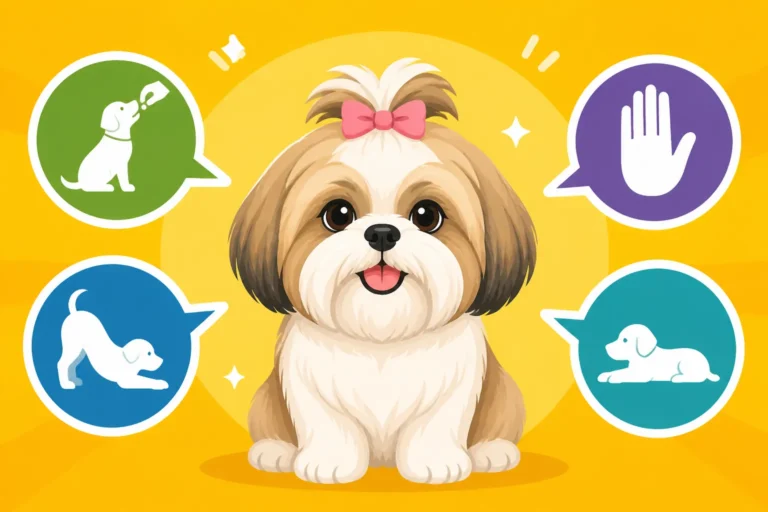
- Basic Obedience: Commands like "sit," "stay," "come," and "leave it" are invaluable. "Sit" can be used as an alternative to jumping on guests, and "leave it" can prevent them from guarding items or snatching food.
- "Go to Mat" or "Place": Teach your Shih Tzu to go to a designated spot (like their bed or mat) and stay there until released. This is an excellent way to manage their presence during busy times or when guests are over.
- Leash Manners: Practice walking calmly on a harness. A well-behaved dog on a leash is easier to manage around guests and outside the home.
- Handling Drills: Get your Shih Tzu comfortable with being handled all over – paws, ears, mouth – from a young age. This makes grooming, vet visits, and even gentle handling by children much less stressful.
Consistency is paramount. Ensure everyone in the household, including older children, uses the same commands and rewards the same behaviors. This helps your Shih Tzu understand what is expected of them.
Professional Guidance When Needed
Sometimes, despite your best efforts, behavioral challenges persist or are beyond what you feel equipped to handle. There is absolutely no shame in seeking professional help. In fact, it's a sign of a responsible owner committed to their Shih Tzu's well-being and the safety of their family.
- Certified Professional Dog Trainer (CPDT-KA): For general obedience, manners, and minor behavioral issues, a CPDT-KA can provide personalized training plans and hands-on guidance. Finding a Trainer for a Toy Breed is important as toy breeds can have specific needs.
- Certified Dog Behaviorist (CDBC or CAAB): For more complex or severe behavioral problems like fear-based aggression, severe resource guarding, or anxiety, a certified behaviorist has advanced education and experience to diagnose and treat underlying issues. Your vet can often provide referrals to reputable professionals.
Early intervention is always best. Addressing issues when they are small makes them much easier to resolve than waiting until they become deeply ingrained problems. A professional can help you understand your Shih Tzu's unique temperament and tailor a plan to create a harmonious home for everyone.
The Role of Owner Responsibility in Shih Tzu Temperament
Ultimately, the temperament your Shih Tzu exhibits with children and guests is a reflection of many factors, but none are as influential as the environment you create and the guidance you provide. Your role as a responsible owner is paramount in shaping a well-adjusted, confident, and polite companion.
Understanding Your Dog's Unique Personality
While breed traits give us a general idea, every Shih Tzu is an individual. Some might be naturally more outgoing, others more reserved. Some might be unfazed by noise, while others are incredibly sensitive. It's your job to observe and truly understand your particular Shih Tzu's personality, preferences, and triggers.
Don't force your dog into situations they clearly find stressful just because "they should be okay." If your Shih Tzu consistently retreats when a certain type of guest arrives, respect that. If they show signs of discomfort around toddlers, create a safe barrier. Understanding and respecting their individual limits is not spoiling them; it's providing them with the security and trust they need to thrive. This personalized approach to their well-being is part of what makes Shih Tzu Temperament and the Companion It Was Bred to Be such a wonderful experience.
Advocating for Your Shih Tzu's Needs
As your Shih Tzu's guardian, you are their voice. They cannot tell a grabby child to be gentle, or a boisterous guest to give them space. You must do it for them. This means:
- Setting Clear Expectations: Inform children and guests about proper interaction rules before they engage with your dog.
- Intervening Politely: Don't hesitate to step in if interactions become too intense, even if it feels awkward. Your dog's comfort and safety come first.
- Providing Retreat Options: Always ensure your Shih Tzu has access to a safe, quiet space they can retreat to when they need a break from social activities.
- Recognizing Early Signs of Stress: Be proactive. Look for those subtle body language cues that indicate discomfort and act on them immediately.
Advocating for your dog means putting their needs first, even when it might feel like you're being "overprotective." A dog that feels heard and protected is less likely to resort to defensive behaviors.
Maintaining a Calm and Structured Home
A calm and structured home environment provides a sense of security and predictability that many Shih Tzus appreciate. While they love being A Shih Tzu Underfoot in Every Room, they also benefit from routine. This doesn't mean your home has to be silent or devoid of fun, but rather that there's a baseline of order and consistency.
- Routine: Consistent feeding times, potty breaks, and exercise schedules can reduce anxiety.
- Clear Rules: Everyone in the family should understand and enforce the same rules for the dog. Inconsistency can be confusing and lead to behavioral issues.
- Positive Reinforcement: Keep training ongoing and positive. Even well-behaved dogs benefit from refresher sessions.
- Plenty of Love: Don't forget the core of why you got a Shih Tzu – their incredible capacity for companionship. Provide ample affection, gentle playtime, and simply enjoy their presence.
By embracing these responsibilities, you foster a confident, happy Shih Tzu who can comfortably and positively interact with children and guests, enriching the lives of everyone in your home.
Disclaimer
This article is for general informational purposes only and does not constitute professional advice. Laws, prices and regulations vary by location and change over time. Consult a qualified professional for guidance on your specific situation.