Training a Shih Tzu Bred Purely as a Companion
Bringing home a Shih Tzu often feels like welcoming a tiny, fluffy cloud of pure joy into your life. These affectionate little lions were bred solely for companionship, and it's easy to fall into the trap of thinking their training will be as effortless as their cuddles are abundant. But many new Shih Tzu parents quickly discover that while their furry friend is indeed loving, they also come with a surprising amount of personality, a dash of stubbornness, and some very specific needs when it comes to learning the ropes. This guide is here to walk you through how to effectively train your Shih Tzu, understanding their unique breed traits, validating the real challenges you might face, and offering realistic, empathetic strategies to help your companion dog thrive.
Understanding the Shih Tzu Temperament: More Than Just a Lap Dog
It's a common misconception that because Shih Tzus are lap dogs, they don't really need training. You might hear people say, "Oh, they're just too small to bother with" or "My Shih Tzu is so cute, I let them get away with anything." While their charm is undeniable, and their primary role has always been to be a beloved companion, every dog benefits from clear boundaries, consistent communication, and the mental stimulation that training provides. A well-trained Shih Tzu is a happier, more confident Shih Tzu, better able to navigate our human world safely and comfortably.
The History of the Shih Tzu as a Royal Companion
To truly understand your Shih Tzu's behavior, it helps to look back at their origins. These beautiful dogs hail from Tibet, where they were revered in monasteries, and later became cherished companions of Chinese royalty in the Forbidden City. Their entire existence was dedicated to being adored, doted upon, and kept close. They weren't bred for hunting, herding, or guarding; their "job" was simply to be present, charming, and affectionate. This rich history means that your Shih Tzu inherently seeks connection and approval, but also possesses a regal self-assurance that can sometimes be mistaken for stubbornness. They know they're special, and they expect to be treated as such!
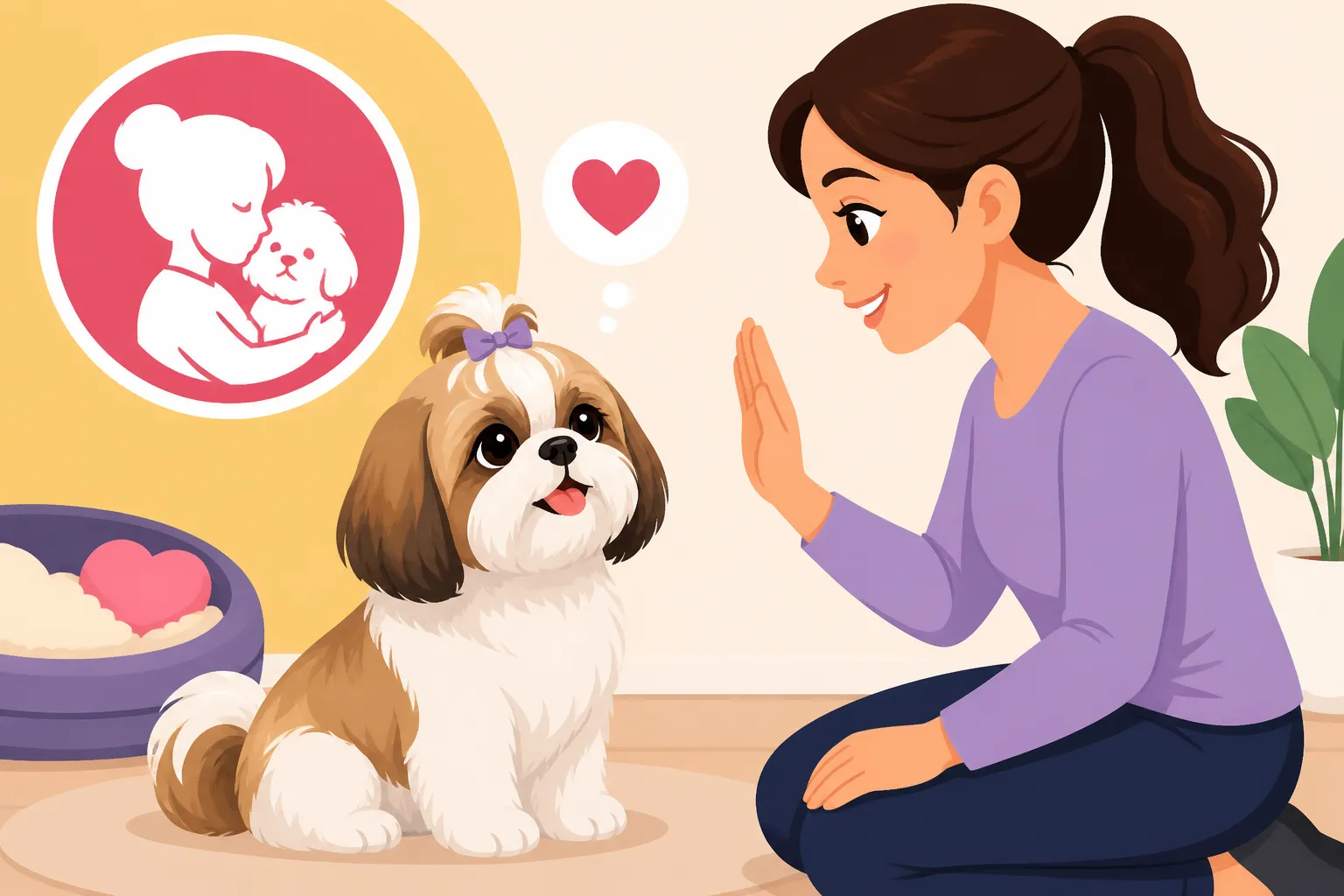
This deep-seated desire for connection is actually a powerful tool in training. While a working breed might be highly motivated by a task, a Shih Tzu is often most keen to please you and maintain that strong bond. They respond incredibly well to positive reinforcement because it reinforces their belief that they are indeed your beloved companion, strengthening the relationship between you two. Understanding this intrinsic motivation is key to successful training sessions.
Dispelling the Myth of the Untrainable Toy Breed
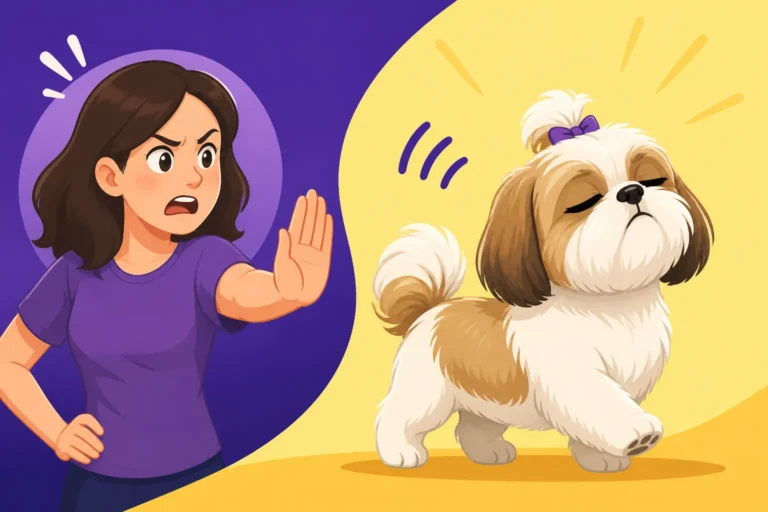
If you've ever felt frustrated trying to teach your Shih Tzu something, you're not alone. Many owners of toy breeds lament that their tiny companions are "untrainable" or "too stubborn." This isn't true, but it does highlight a common pitfall: misinterpreting their intelligence and motivation. A Shih Tzu isn't going to learn complex obedience routines with the same drive as a German Shepherd. Their attention span might be shorter, their focus on you might waver if something more interesting (like a dust bunny or a suspicious-looking leaf) catches their eye, and they certainly won't tolerate harsh corrections.
The key to dispelling this myth is patience, consistency, and a deep understanding of positive reinforcement. Your Shih Tzu is smart and capable of learning a great deal, from basic commands to fun tricks. They just need you to speak their language – one filled with encouragement, delicious treats, and gentle guidance. When people say their small dog is untrainable, it often reflects a mismatch in training methods or expectations, not a lack of canine intelligence. Remember, even a small companion breed still needs training. It truly makes a difference.
What Motivates a Shih Tzu to Engage in Training
So, what exactly lights a fire under a Shih Tzu's fluffy tail when it comes to training? It's usually a combination of things, but overwhelmingly, it's about making it worthwhile for them.
- High-Value Treats: Let's be honest, food is often king for many dogs, and Shih Tzus are no exception. Tiny, soft, incredibly delicious treats that they don't get at any other time are incredibly motivating. Think small pieces of cooked chicken, cheese, or specialized training treats. The key is smallness – you don't want to overfeed them, especially since these little ones can gain weight easily.
- Praise and Affection: Your Shih Tzu lives for your approval. A happy, enthusiastic "Good girl!" or "Yes!" followed by a gentle scratch behind the ears or a tummy rub can be just as powerful as a treat. Combine both for maximum impact, especially in the early stages.
- Short, Fun Sessions: A Shih Tzu's attention span isn't designed for long, grueling drills. Aim for 5-10 minute sessions, several times a day. Keep them upbeat, end on a positive note, and always leave your dog wanting more. This prevents boredom and frustration for both of you. If you’re wondering what exactly lights up your Shih Tzu, you might want to delve deeper into What Motivates a Shih Tzu to Work.
- Play: Incorporating a quick game of fetch or tug as a reward can also be highly effective, especially for commands practiced indoors. It taps into their natural desire for interaction and fun.
- Consistency: This might not be a "motivator" in the traditional sense, but it's crucial. If your Shih Tzu knows that a certain behavior always earns a reward, they'll be far more motivated to offer it. Inconsistency is confusing and demotivating.
Laying the Foundation: Early Training for Your Shih Tzu Puppy
Bringing home a Shih Tzu puppy is an exciting time, but it's also a critical period for setting them up for a lifetime of good behavior. The first few weeks and months are when they form their understanding of the world, and every interaction is a learning opportunity. Don't wait until problems arise; start shaping their behavior from the moment they step through your door.
The Critical Window for Shih Tzu Socialization
The period between 3 and 16 weeks of age is often called the "socialization window," and it's incredibly important for Shih Tzus. During this time, puppies are most open to new experiences and less prone to fear. Exposing your Shih Tzu puppy to a wide variety of sights, sounds, smells, people, and other well-socialized dogs in a positive and controlled way can prevent many behavioral issues down the line. A properly socialized Shih Tzu is less likely to be fearful, aggressive, or overly reactive later in life. Think about it: a confident dog is a happy dog.
This doesn't mean overwhelming your tiny pup; it means careful, positive introductions. Let them meet gentle strangers, hear different noises like vacuum cleaners or doorbells (at a low volume at first), walk on various surfaces, and encounter different types of environments. Always make these experiences positive with treats and praise. Never force an interaction or push them too far. If you're looking for more guidance, the article The Shih Tzu Socialization Deadline offers excellent tips on what to prioritize during this crucial time.
Puppy Kindergarten and What It Offers a Shih Tzu
Enrolling your Shih Tzu puppy in a reputable puppy kindergarten class is one of the best investments you can make. These classes offer a controlled environment for puppies to socialize with others their own size and learn basic manners under the guidance of a professional trainer. For a Shih Tzu, who can sometimes be intimidated by larger, boisterous breeds, a class specifically designed for small breeds or one that carefully manages play groups is ideal.
Beyond socialization, puppy classes teach you, the owner, how to effectively communicate with your dog. You'll learn positive reinforcement techniques, how to manage common puppy behaviors like nipping and jumping, and how to teach essential cues. This structured learning environment builds confidence in both you and your puppy, strengthening your bond and laying a solid foundation for future training. Don't underestimate the power of a good puppy class; it sets the stage for a lifetime of good behavior. Many owners find value in structured guidance like that provided by online puppy programs such as BAXTER & Bella, which can be great for learning the fundamentals in a flexible way right from your home.
Handling and Grooming Training from Day One
Shih Tzus have extensive grooming needs, and their flat faces and prominent eyes require careful handling. Starting early with handling and grooming training isn't just about looking good; it's about ensuring your dog is comfortable with necessary care, preventing stress for both of you during vet visits, nail trims, ear cleaning, and daily brushing. Imagine trying to brush a matted Shih Tzu who hates being touched – it's a nightmare.
From day one, gently handle your puppy's paws, ears, tail, and mouth. Make it a positive experience with treats and praise. Introduce a soft brush for short sessions, let them sniff the clippers (unturned on at first), and practice wiping around their eyes with a damp cloth. The goal is to create a positive association with these activities so that grooming becomes a routine rather than a battle. Consistency here is paramount. The article Getting a Shih Tzu Used to a Slicker Brush can give you more insights into making grooming a comfortable experience.
The House Training Hurdle: Why It's a Marathon, Not a Sprint for Shih Tzus
Ah, house training a Shih Tzu. This is arguably one of the biggest frustrations and most common challenges new owners face. You're not imagining things – it really can feel like an uphill battle. Their small bladders, coupled with their sometimes-regal reluctance to venture out in less-than-ideal weather, can make house training a true test of patience. It’s absolutely okay to feel a bit overwhelmed by this, as many people do. But with the right approach, consistency, and a healthy dose of empathy for their little bodies, you can succeed. If you're struggling, remember that Why Shih Tzu House Training Runs Long is a common experience, not a failure on your part.
Establishing a Consistent Potty Schedule and Routine
Consistency is the undisputed champion when it comes to house training a Shih Tzu. Their tiny bladders mean they need to go out frequently. Think of it like this: every time they eat, drink, wake up from a nap, or finish playing, they need to be taken outside immediately. A general rule of thumb for puppies is that they can hold it for roughly one hour per month of age, plus one hour. So, a three-month-old puppy might be able to hold it for four hours at most – and that's usually pushing it.
Establish a strict schedule: first thing in the morning, every 1-2 hours during the day (especially after activities), just before bed, and often once or twice overnight for young puppies. Always take them to the same designated potty spot. Use a consistent cue like "Go potty" and lavish praise and a high-value treat immediately after they perform. Avoid playing until after they've done their business, so they associate going potty with getting to play or come back inside.
Indoor Potty Solutions and Their Pros and Cons for Shih Tzus
Given their small size and sometimes finicky nature about bad weather, many Shih Tzu owners consider indoor potty solutions like pee pads or grass trays. There are definite pros and cons to this approach, and it’s important to weigh them for your lifestyle.
Pee Pads:
- Pros: Convenient for apartment dwellers, elderly owners, or those with limited mobility. Can be a good interim solution for very young puppies or during inclement weather. Easy cleanup if placed correctly.
- Cons: Can be confusing for a puppy trying to learn "outside only." Some dogs learn to associate any soft surface (rugs, blankets) with a potty spot. Requires constant replenishment. Can be unsightly.
Indoor Grass Trays:
- Pros: Mimics the feel of real grass, which can help with the transition to outdoor pottying. More environmentally friendly if using real or washable artificial grass. Can be a good solution for dogs who prefer grass over hard surfaces. The article Indoor Grass Trays for a Shih Tzu provides more specific information on how to choose and use these effectively.
- Cons: Can be more expensive initially. Requires regular cleaning or replacement of grass. Some dogs still get confused if not managed well.
If you choose an indoor solution, be consistent with its placement and usage. Never allow them to use pads or trays and go outside indiscriminately, as this sends mixed signals. If your ultimate goal is outdoor-only pottying, these indoor options should be seen as a temporary bridge, not a permanent solution.
Dealing with House Training Regression
You've been so diligent, and your Shih Tzu seemed to "get it," and then suddenly, accidents start happening again. This is house training regression, and it's incredibly frustrating, but also very common! It can happen for several reasons:
- Medical Issues: Always rule out a medical problem first. A urinary tract infection (UTI), bladder stones, or even early kidney issues can cause increased urination and accidents. A vet visit is always the first step if regression is sudden or accompanied by other symptoms like increased thirst or discomfort.
- Changes in Routine: Any shift in your schedule, a new furniture arrangement, or even a new family member can cause a dog to feel anxious and have accidents.
- Lack of Consistency: Sometimes, as puppies get older and seem more reliable, we, the owners, start to relax our vigilance. We might take them out less frequently, assume they'll let us know, or forget to reward them. This is often when accidents creep back in.
- Stress or Fear: Loud noises, a scary experience outside, or even separation anxiety can lead to accidents.
The solution is to go back to basics. Treat your Shih Tzu like a brand-new puppy again: strict schedule, frequent outings, high-value rewards for outdoor success, and careful supervision indoors. Use a crate properly if you are stepping away, and thoroughly clean any accidents with an enzymatic cleaner (available on Amazon) to eliminate odors that attract them back to the same spot. Patience is your best friend here.
Beyond Basic Manners: Essential Cues for a Well-Adjusted Shih Tzu
Once your Shih Tzu is largely house-trained and comfortable in their new home, it's time to expand their repertoire of cues. Basic manners are essential not just for a well-behaved dog, but for their safety and your peace of mind. These cues build a common language between you, enhancing your bond and making everyday life much smoother.
Teaching "Sit," "Stay," and "Come" with a Shih Tzu's Personality in Mind
These three cues are the foundation of good behavior. With a Shih Tzu, remember to keep training fun, positive, and full of rewards.
- "Sit": This is usually one of the easiest for a Shih Tzu. Hold a treat near their nose and slowly move it back over their head. As their nose follows the treat, their rear end will naturally lower into a sit. As soon as their bottom touches the ground, say "Yes!" or "Good sit!" and give them the treat. Practice frequently, and soon you'll be able to fade the treat lure and use just the verbal cue and a hand signal.
- "Stay": This cue requires more patience. Start with "Sit," then say "Stay," take one tiny step back, and immediately return to reward if they remain seated. Gradually increase your distance and the duration of the "stay," always returning to them to reward, rather than calling them to you (which would break the "stay"). Build up to a few seconds, then a few feet, always rewarding success generously.
- "Come" (Recall): This is perhaps the most vital safety cue. Start indoors in a distraction-free environment. Get excited, use a happy, high-pitched voice, say "Come!" or "Here!", and back away from them. When they come to you, make a huge fuss, give them several high-value treats, and praise them lavishly. Never use "Come" to do something unpleasant (like giving medication or ending a fun game), as it will teach them to associate the cue with negative experiences. Practice often, making it a game, and gradually introduce mild distractions. Remember, a reliable recall means a safer dog.
Leash Training with a Harness: Safety and Comfort for Your Shih Tzu
Due to their delicate necks, prominent eyes, and brachycephalic (flat) faces, a collar is generally not recommended for walking a Shih Tzu. A harness is far safer and more comfortable, distributing pressure across their chest and shoulders rather than their throat.
- Choosing the Right Harness: Look for a comfortable, well-fitting harness that doesn't rub or restrict their movement. Many owners prefer a "H" style or step-in harness for Shih Tzus. Ensure it doesn't chafe under their front legs, especially with their long coats. Harnesses are widely available on platforms like Amazon, so you can find one that fits your Shih Tzu's unique build.
- Introducing the Harness: Make the harness a positive experience. Let your Shih Tzu sniff it, offer treats, and praise them for calm acceptance. Put it on for short periods indoors, rewarding them, before gradually attaching the leash and taking them for short walks.
- Loose Leash Walking: Shih Tzus aren't typically power-walkers, but teaching them to walk nicely on a leash is still important. Avoid pulling on the leash; instead, stop walking every time they pull, and only move forward when the leash is slack. Reward them for walking beside you with a loose leash. Keep walks short and enjoyable, especially in the beginning. For more on this, check out Why a Shih Tzu Should Wear a Harness Not a Collar.
Managing Barking and Alert Behaviors in Shih Tzus
Shih Tzus, despite their small size, can have surprisingly big voices! They were historically bred to alert royalty to visitors, so it's in their nature to be little watchdogs. While some barking is normal, excessive or inappropriate barking can become a real nuisance.
- Identify the Trigger: Is your Shih Tzu barking at the doorbell? At passersby outside the window? At other dogs? When left alone? Understanding why they're barking is the first step to managing it. The article A Shih Tzu Barking at the Doorbell explores common triggers and management strategies.
- "Quiet" Cue: Teach a "Quiet" cue. When your dog barks, let them bark a few times, then gently interrupt them with your "Quiet" cue and hold a treat to their nose. As soon as they stop barking to sniff the treat, praise and reward. Practice this frequently.
- Management: For window barking, consider limiting their view with frosted film or curtains during certain times. For doorbell barking, practice counter-conditioning: every time the doorbell rings (even on TV), immediately give your Shih Tzu a super-high-value treat. This changes their association from "intruder!" to "treat time!"
- Redirection and Exercise: Sometimes barking stems from boredom or excess energy. Ensure your Shih Tzu gets enough mental and physical stimulation through walks, play, and puzzle toys. Redirect barking by engaging them in an alternative behavior, like a "sit" or "down," and reward that.
Crate Training and Alone Time: Fostering Independence in Your Shih Tzu
Crate training is a topic that sometimes causes hesitation for new owners. It's easy to feel guilty putting your precious Shih Tzu in a "cage." However, a crate, when introduced properly, becomes a safe, comfortable den for your dog, offering numerous benefits for house training, safety, and fostering independence. For a breed that loves to be close to their people, learning to be content alone is incredibly important for their well-being.
Introducing the Crate as a Safe Haven, Not a Punishment
The key to successful crate training is to make the crate a positive place. Never use it for punishment.
- Choose the Right Size: The crate should be just large enough for your Shih Tzu to stand up, turn around, and lie down comfortably. If it's too big, they might use one end as a potty area. You can use a divider for puppies to adjust the size as they grow.
- Make it Inviting: Put a soft blanket or bed inside, along with a favorite chew toy or two. You can even cover the crate with a blanket to create a den-like feel.
- Positive Association: Throw treats inside the crate for them to retrieve. Feed meals inside the crate with the door open. Let them go in and out freely at first. Gradually close the door for a few seconds while they're eating, then open it. Slowly increase the time the door is closed, always rewarding calm behavior.
- Never Force It: If your Shih Tzu is crying or stressed, don't force them to stay in the crate. Slowly desensitize them to it, making it a comfortable, happy space. This might be a bit of a challenge at first, but for more help on this, refer to Setting Up a Crate a Shih Tzu Will Enter.
Building Tolerance for Alone Time Gradually
Shih Tzus thrive on companionship, so being left alone can be a challenge. Building tolerance for alone time is crucial to prevent separation anxiety.
- Start Small: Begin with very short periods of alone time, even just a few minutes, while you're still in the house. Put your Shih Tzu in their crate with a special chew toy (like a KONG filled with peanut butter, available from Amazon) and leave the room. Come back before they start to get anxious.
- Practice Departure Cues: Dogs learn to associate certain actions (picking up keys, putting on shoes) with your departure. Practice these actions without leaving. This desensitizes them to the cues.
- Vary Departure Times: Don't always leave for the same duration. Sometimes leave for 5 minutes, sometimes for 20, sometimes for an hour. This prevents them from anticipating your return too precisely.
- Avoid Dramatic Departures and Arrivals: Make leaving and coming home a low-key affair. Don't make a big fuss when you leave or when you return, as this can heighten their anxiety.
- Enrichment: Provide engaging toys or activities that keep them mentally stimulated while you're gone. Puzzle feeders are excellent for this. The process might take time, but the goal is to make sure your Shih Tzu isn't distressed. You can find more detail on this in A Shih Tzu's First Weeks Alone at Home.
Recognizing and Addressing Separation Anxiety Signs
Separation anxiety is a serious issue that goes beyond normal puppy whining. It's a genuine panic response to being left alone.
- Common Signs:
- Excessive barking, howling, or whining when alone.
- Destructive chewing, especially around exit points (doors, windows).
- Pacing, drooling, or panting excessively.
- House soiling, even if fully house-trained.
- Attempting to escape the crate or room.
- When to Seek Help: If you suspect separation anxiety, it's crucial to consult a professional. A certified professional dog trainer or veterinary behaviorist can help you develop a desensitization and counter-conditioning plan. This isn't a behavior that dogs "grow out of" and often worsens without intervention.
- Management vs. Treatment: While working on a treatment plan, you may need management strategies, such as dog walkers, doggy daycare, or having a trusted friend or family member stay with your Shih Tzu to avoid leaving them alone and exacerbating their anxiety. The question of Whether a Shih Tzu Copes With a Work Day is critical here, and for many, professional help or alternative care is needed.
Addressing Common Shih Tzu Behavior Challenges
Shih Tzus, like all breeds, come with their own set of endearing quirks and potential challenges. Understanding these common behaviors and having strategies to address them with patience and positive reinforcement can make a world of difference in your daily life together.
Nipping, Chewing, and Mouthiness in Shih Tzu Puppies
Puppies explore the world with their mouths, and Shih Tzu puppies are no different. Nipping at fingers, chewing on furniture, and general mouthiness are normal puppy behaviors, but they need to be gently redirected.
- Bite Inhibition: Puppies learn bite inhibition (how hard is too hard) from their littermates. When a puppy bites too hard, the littermate yelps and stops playing. You can mimic this. If your Shih Tzu puppy nips too hard, let out a high-pitched "Yip!" or "Ow!", immediately withdraw your hand, and disengage from play for a few seconds. This teaches them that hard bites end the fun.
- Provide Appropriate Chew Toys: Make sure your Shih Tzu has a variety of safe, appealing chew toys. When they start to mouth something inappropriate, redirect them to a designated toy. Praise and reward them when they chew on the right things.
- Avoid Using Hands as Toys: Never encourage your Shih Tzu to play-bite your hands, even gently. This can confuse them about what is and isn't acceptable to chew on. Always redirect to a toy.
Resource Guarding: When Your Shih Tzu Protects Its Treasures
Resource guarding is when a dog growls, snaps, or uses other aggressive behaviors to protect items they value, such as food, toys, or even a favorite sleeping spot. While it might seem cute in a tiny Shih Tzu, it's a serious behavior that needs to be addressed calmly and consistently.
- Understanding the Behavior: Resource guarding comes from a dog's natural instinct to protect valuable resources. It's not about being "mean"; it's a survival mechanism. Punishing a dog for guarding often makes it worse, as it teaches them that your approach is indeed threatening.
- Management: Avoid situations that trigger guarding. If your Shih Tzu guards their food bowl, feed them in a quiet, undisturbed area. If they guard a particular toy, don't leave it lying around. For more in-depth advice on this, you can look up A Shih Tzu That Guards a Toy.
- Trade and Exchange: Teach your Shih Tzu that humans approaching their resources means good things happen. If they have a high-value item, approach them and offer an even higher-value treat. When they release the guarded item to take the treat, praise them and then give the original item back (or an identical one if it's a toy). This teaches them that your approach is a positive exchange, not a threat. Always do this gently and patiently.
Stubbornness or Selective Hearing: What's Really Going On?
Many Shih Tzu owners describe their dogs as "stubborn" or having "selective hearing." While it can certainly feel that way when they ignore your perfectly clear command to "come," it's rarely true stubbornness in the human sense. More often, it's a communication breakdown or a motivation issue.
- Lack of Motivation: Are you using high-value enough treats? Is your tone enthusiastic? If there's a squirrel outside, your Shih Tzu might not see a dry piece of kibble as a compelling reason to break off the chase. Increase the reward value and make yourself more exciting than the distraction.
- Distractions: In a busy environment, your Shih Tzu might simply not hear or process your command over all the sensory input. Practice commands in increasingly distracting environments, but only after they are solid in quiet areas.
- Inconsistency: If sometimes "sit" means "get a treat" and other times it means nothing, your Shih Tzu won't reliably respond. Every family member needs to use the same cues and expectations.
- Understanding Breed Nature: Shih Tzus are independent thinkers. They were bred to be companions, not military working dogs. They'll do things if they see the point and if it's rewarding for them. Frame training as a fun game with positive outcomes, and you'll find their "stubbornness" often melts away. Sometimes, it's about finding a trainer who truly understands the nuances of toy breeds, which can be explored in Finding a Trainer Who Understands Toy Breeds.
Advanced Training and Enrichment for Your Shih Tzu
Training isn't just about basic manners; it's also about providing mental stimulation and strengthening your bond. Shih Tzus might be small, but they are intelligent and capable of learning much more than "sit" and "stay." Engaging them in advanced training and enrichment activities keeps their minds sharp, prevents boredom, and can even help with some behavioral issues.
Engaging Your Shih Tzu with Puzzle Toys and Indoor Games
Physical exercise for a Shih Tzu is often limited by their brachycephalic breathing and small stature, but mental exercise is limitless! Puzzle toys and indoor games are fantastic for engaging their minds and burning off energy in a calm, constructive way.
- Puzzle Feeders: These toys require your Shih Tzu to manipulate them to release treats or kibble. This mimics their natural foraging instincts and can keep them busy for extended periods. There are many types, from simple treat-dispensing balls to more complex sliding puzzles, readily available from retailers like Amazon. Start with easier puzzles and gradually introduce more challenging ones.
- Snuffle Mats: These fabric mats have various flaps and pockets where you can hide treats, encouraging your Shih Tzu to sniff and search. This is a wonderfully calming and enriching activity.
- "Find It" Games: Hide treats around the house (starting with easy spots) and encourage your Shih Tzu to "find it!" This uses their nose and provides mental exercise.
- Tug-of-War (with rules): Tug can be a fun, interactive game, but teach your Shih Tzu to "drop it" on cue and never let them win every time. This establishes good boundaries.
Teaching Tricks and Advanced Cues
Beyond essential commands, teaching your Shih Tzu tricks can be a lot of fun and a great way to deepen your bond. They love the attention and the mental challenge.
- "Shake a Paw": While your Shih Tzu is sitting, gently take one of their paws and say "Shake!" or "Paw!". Reward immediately. Repeat until they offer their paw on cue.
- "Spin" or "Twirl": Hold a treat close to your dog's nose and move it in a circle, encouraging them to follow. As they complete the circle, say "Spin!" and reward. Practice in both directions.
- "Bow": Lure your Shih Tzu into a bow position (front legs down, rear end up) by holding a treat to their chest and slowly moving it towards their front paws.
- "Roll Over": This is a multi-step trick. Start with "down," then lure their head to their side with a treat, encouraging them to roll. Reward each small step towards the full roll.
Remember to keep trick training sessions short, positive, and enthusiastic. The goal is to have fun together!
Exploring Canine Sports Suited for a Shih Tzu
While Shih Tzus aren't typically seen soaring over agility jumps, there are several canine sports and activities they can excel at, offering a unique outlet for their intelligence and desire to please.
- Rally Obedience: This sport involves navigating a course with numbered signs that instruct the handler and dog to perform various obedience exercises. It's less rigid than traditional obedience and focuses on teamwork and fun.
- Canine Freestyle (Dancing with Dogs): If you enjoy music and creative expression, canine freestyle involves performing choreographed routines to music. Shih Tzus, with their expressive movements and flair, can be quite charming in this sport.
- Therapy Dog Work: A well-socialized, calm, and friendly Shih Tzu can make an excellent therapy dog. Visiting hospitals, nursing homes, or schools to bring comfort and joy is a wonderful way for your Shih Tzu to share their companionable nature. This provides immense enrichment for the dog and benefits for the people they visit.
- Nose Work/Scent Detection: This sport taps into a dog's natural sniffing abilities. Shih Tzus might have short snouts, but their noses are still powerful. They learn to find specific scents, which can be incredibly engaging and mentally tiring.
Exploring these activities not only provides excellent physical and mental exercise but also strengthens the incredible bond you share with your Shih Tzu.
Finding the Right Support: When to Seek Professional Help
Even the most dedicated Shih Tzu owner can hit a wall with certain behaviors. It's important to remember that asking for help isn't a sign of failure; it's a sign of a responsible and loving pet parent. Professional trainers and veterinary behaviorists have specialized knowledge and experience that can unlock solutions you might not have considered.
Identifying When a Trainer or Behaviorist Is Needed
How do you know when it's time to call in the cavalry? Here are some signs that professional help might be beneficial:
- Aggression: Any form of aggression – growling, snapping, biting towards people or other animals – needs immediate professional intervention. This is not a behavior to try and "fix" on your own.
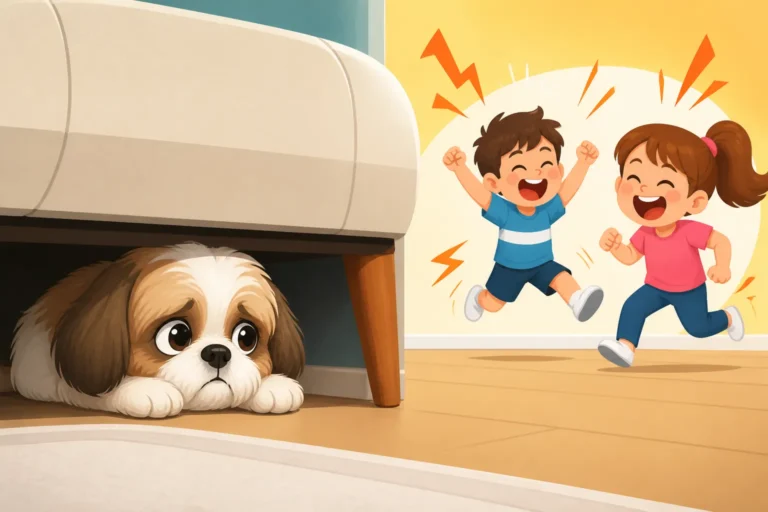
- Severe Anxiety or Fear: If your Shih Tzu exhibits extreme fear (shaking, hiding, urinating) in common situations, or shows signs of severe separation anxiety, a professional can help.
- Persistent House Training Issues: If you've been consistent with house training for months and are still dealing with frequent accidents, especially after ruling out medical causes, a trainer can offer new strategies.
- Destructive Behavior: If your Shih Tzu is destroying furniture, chewing through walls, or self-mutilating (e.g., obsessive licking), particularly when left alone, it's a sign of underlying stress.
- Excessive Barking or Reactivity: If barking is constant and unmanageable, or if your Shih Tzu becomes overly agitated and reactive on walks (lunging, barking at everything), a trainer can provide a structured plan.
- You Feel Overwhelmed or Frustrated: If you're constantly feeling stressed, frustrated, or like you're losing patience with your dog's behavior, it's absolutely okay to seek help. A good trainer can provide relief and renewed hope.
Choosing a Trainer Who Understands Toy Breeds
Not all trainers are created equal, and finding one with experience in toy breeds like the Shih Tzu is particularly important. A trainer who primarily works with large working breeds might not fully appreciate the nuances of a small dog's physical limitations, attention span, or potential anxieties.
Here's what to look for:
- Positive Reinforcement Philosophy: Always choose a trainer who uses force-free, positive reinforcement methods. Avoid anyone who suggests harsh corrections, punitive tools (like shock collars), or methods that rely on intimidation or fear. These methods can be especially damaging to sensitive Shih Tzus.
- Experience with Small Breeds: Ask about their experience with Shih Tzus or similar toy breeds. Do they understand brachycephalic breathing concerns? Are they familiar with common eye issues? Do they adapt training sessions for smaller dogs?
- Certifications and Credentials: Look for trainers certified by reputable organizations (e.g., CCPDT, KPA-CTP). These certifications indicate a commitment to ethical, science-based training.
- Client Testimonials: Ask for references or check online reviews.
- Observing a Class: If possible, observe a class or a session without your dog to see the trainer's style and how they interact with dogs and owners.
- Customized Plans: A good trainer will offer a customized plan for your Shih Tzu's specific needs, rather than a one-size-fits-all approach. For more guidance on this, consider reading Finding a Trainer Who Understands Toy Breeds.
Resources for Continued Learning and Support
Learning about dog behavior is a lifelong journey, and there are many resources available to support you and your Shih Tzu.
- Online Courses and Webinars: Many certified trainers offer online courses or webinars that you can access from home. These are fantastic for flexible learning and can cover everything from basic puppy manners to specific behavioral challenges. BAXTER & Bella is one example of an online resource offering comprehensive puppy training programs.
- Breed-Specific Clubs and Forums: Joining a local or national Shih Tzu club, or participating in online forums dedicated to the breed, can connect you with experienced owners who understand the unique joys and challenges of living with a Shih Tzu.
- Books and Websites: There's a wealth of information out there. Look for books and websites written by certified dog trainers and behaviorists that advocate for positive, humane training methods.
- Your Veterinarian: Your vet is an invaluable resource, not just for health issues but also for behavioral concerns. They can rule out medical causes for behavior changes and often recommend local trainers or veterinary behaviorists.
Remember, training your Shih Tzu is an ongoing process, a continuous conversation between you and your cherished companion. Embrace the journey, celebrate the small victories, and always approach your fluffy friend with patience, love, and a pocket full of treats!
Here's a quick overview of common training challenges and effective solutions for your Shih Tzu:
| Training Challenge | Common Triggers/Causes | Effective Solutions |
|---|---|---|
| House Training | Small bladder, weather aversion, inconsistent routine, medical issues | Strict potty schedule (every 1-2 hrs for puppies), consistent potty spot, high-value rewards for outdoor success, consider indoor grass patch as temporary aid. Clean accidents thoroughly with enzymatic cleaner. Rule out medical issues. |
| Nipping/Biting | Puppy exploration, seeking attention, overstimulation | Teach bite inhibition with "Yip!" and disengaging play. Redirect to appropriate chew toys. Never use hands as toys. Ensure adequate rest. |
| Leash Pulling | Excitement, lack of training, using a collar instead of harness | Use a well-fitting harness (not a collar!). Practice loose-leash walking: stop moving when they pull, reward when leash is slack. Keep initial walks short and positive. |
| Excessive Barking | Alerting (doorbell, windows), boredom, anxiety, demand barking | Identify triggers. Teach a "Quiet" cue with positive reinforcement. Manage environment (e.g., block window views). Provide mental stimulation (puzzle toys). Desensitize to triggers with positive association (e.g., doorbell = treat). |
| Resource Guarding | Instinct to protect valued items (food, toys, space) | Never punish. Avoid triggers initially. Practice "trade and exchange" with higher-value treats. Work with a professional if severe. |
| Lack of Recall ("Come") | Distractions, insufficient motivation, negative associations, inconsistent practice | Practice in low-distraction environments first. Use high-value, exciting rewards. Make "Come" a fun, positive game. Never use "Come" for unpleasant tasks. Gradually increase distractions. |
| Alone Time Issues | Separation anxiety, boredom, lack of independence training | Crate train positively. Start with very short alone times and gradually increase. Provide engaging enrichment (e.g., KONGs). Avoid dramatic greetings/departures. Consult a professional for severe separation anxiety. |
| Grooming Resistance | Unpleasant past experiences, lack of early positive exposure | Start handling and grooming tools introduction early. Make it positive with treats and praise. Keep sessions short. Gradually increase duration and intensity. Consult a groomer or vet for matted, resistant dogs. |
Disclaimer
This article is for general informational purposes only and does not constitute professional advice. Laws, prices and regulations vary by location and change over time. Consult a qualified professional for guidance on your specific situation.