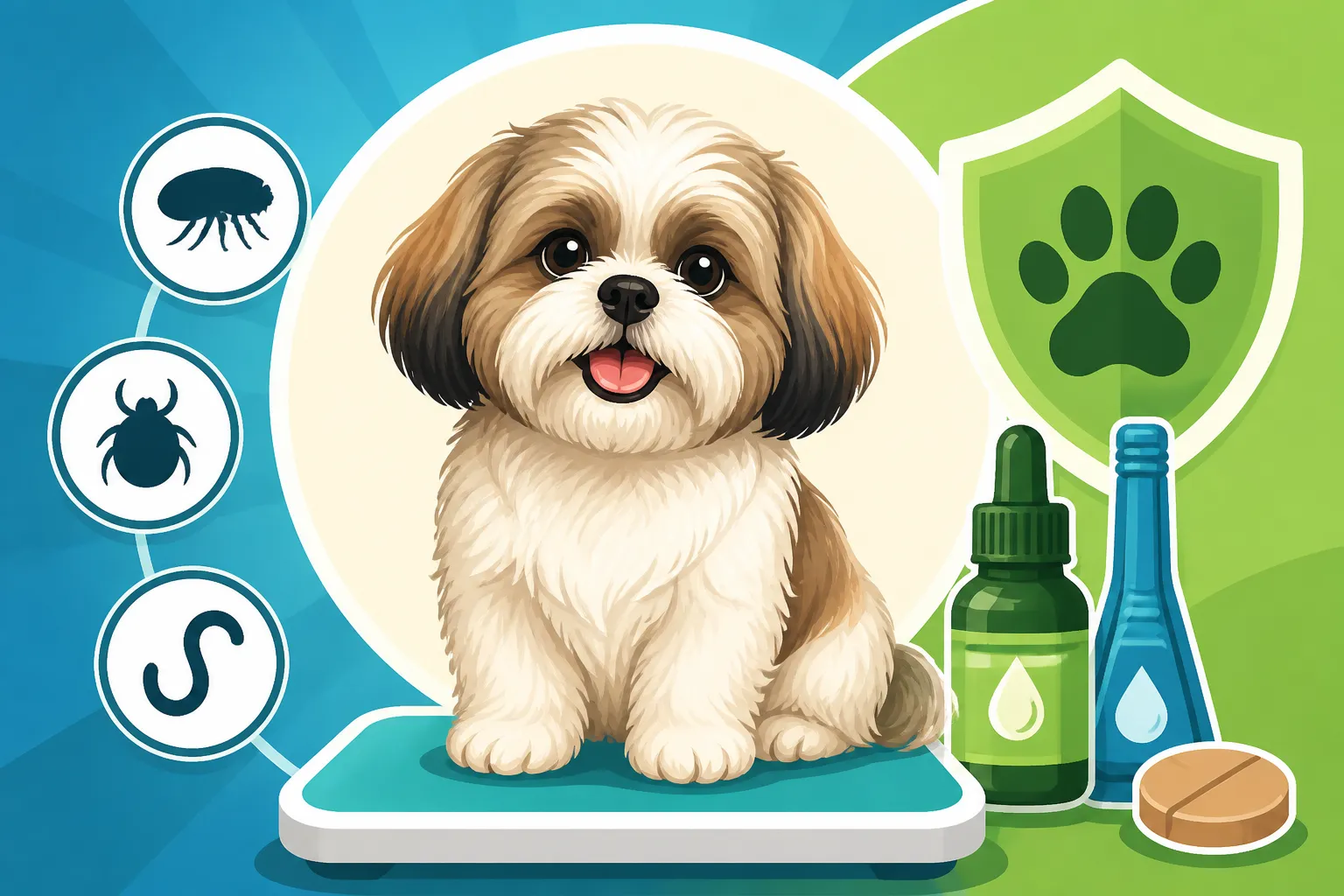
Preventives Dosed for a Twelve Pound Shih Tzu
It can be incredibly confusing and even a little overwhelming trying to figure out the right preventive medications for your beloved Shih Tzu, especially when they're a tiny twelve-pound bundle of fluff. You're constantly worried about giving them too much or too little, or choosing a product that might not be safe for their small size and unique breed characteristics. This guide is here to walk you through everything you need to know about effectively dosing preventives for a twelve-pound Shih Tzu, ensuring their health and safety without the guesswork.
Understanding the Basics of Parasite Prevention
When you bring a Shih Tzu into your home, you're signing up for a lifetime of care, and a huge part of that is protecting them from unseen dangers like parasites. These aren't just minor nuisances; they can cause serious health problems, discomfort, and even be life-threatening. The world is full of tiny invaders – fleas, ticks, heartworms, and various intestinal worms – all eager to make your dog their host. As a responsible pet parent, understanding the different types of parasites and how best to combat them is your first line of defense.
Why Year-Round Protection is Non-Negotiable
Many owners mistakenly believe that parasite prevention is only necessary during warmer months, perhaps thinking that once the frost hits, the bugs simply vanish. But that couldn't be further from the truth. Fleas can survive and thrive indoors year-round, burrowing into carpets and furniture, ready to jump on your Shih Tzu the moment they step inside. Ticks, while more prevalent in certain seasons, can also be active on warmer winter days, particularly in wooded areas or even urban parks. Heartworms are transmitted by mosquitoes, and while mosquito activity might decrease, it never truly disappears in many climates, especially if you live in an area with mild winters.
Moreover, the life cycles of these parasites mean that even a brief lapse in protection can allow an infestation to take hold. A single female flea can lay dozens of eggs a day, quickly turning a minor issue into a full-blown household problem. And heartworm disease, once established, is difficult, costly, and risky to treat. For a small dog like a Shih Tzu, whose body is already under more strain from certain health predispositions, prevention truly is the best medicine. You'll want to review Shih Tzu Parasite Prevention at Low Weight to understand the specific concerns for your little friend.
The Role of Your Veterinarian in Prescribing Preventives
It's tempting to grab a generic "all-in-one" product from the pet store shelf, especially with so many options out there. However, your veterinarian is your absolute best resource for tailoring a preventive plan specifically for your twelve-pound Shih Tzu. They consider several critical factors: your dog's exact weight, age, local parasite prevalence, lifestyle (do they go to dog parks? Do you travel often?), and any existing health conditions.
What works for a 70-pound Labrador is absolutely not suitable for a delicate Shih Tzu. An incorrect dosage, even slightly off, could be ineffective or, worse, toxic to a small breed. Your vet can prescribe pharmaceutical-grade products that are proven safe and effective, and they can help you understand potential side effects. Building a strong relationship with your vet, starting with The Puppy Check a Shih Tzu Needs at Eight Weeks, is key to keeping your Shih Tzu healthy throughout their life. They can also advise on things like Shih Tzu Vaccination and Toy Breed Reactions, which are important for smaller dogs.
Tailoring Flea and Tick Control for Your Shih Tzu
Fleas and ticks are more than just itchy nuisances; they can transmit diseases, cause skin allergies, and in severe cases, lead to anemia, especially in small dogs. For a Shih Tzu with their luxurious, dense double coat, fleas can hide incredibly well, making detection difficult until an infestation is already significant. Ticks, too, can burrow unnoticed, potentially transmitting Lyme disease, anaplasmosis, or ehrlichiosis. Choosing the right flea and tick preventive is crucial for their comfort and long-term health.
Oral Chewables: Convenience and Effectiveness
Oral chewable medications have become incredibly popular for flea and tick prevention, and for good reason. They are typically given once a month (though some formulations last longer) and work systemically, meaning the active ingredient is absorbed into your dog's bloodstream. When a flea or tick bites your Shih Tzu, they ingest the medication and are killed. This method offers several advantages for a small, indoor dog.
Firstly, there's no messy topical application that can get rubbed off or leave a residue on their beautiful coat or your furniture. This is particularly appealing for Shih Tzus who spend a lot of time snuggled on laps. Secondly, because it's ingested, swimming or bathing doesn't diminish its effectiveness, which can be a concern with topical treatments. Brands like Bravecto (which can last up to 12 weeks) or Simparica Trio (which also includes heartworm protection) offer specific formulations for smaller dogs, ensuring precise dosing for a twelve-pound Shih Tzu. Your vet will guide you on the best choice, considering your dog's history and potential sensitivities. Many owners find it convenient to order their dog's medications through reputable online pet pharmacies like Chewy, especially when they need regular refills of prescription preventives.
Topical Solutions and Their Application Considerations
Topical "spot-on" treatments are another common option, applied directly to the skin, usually between the shoulder blades. These medications spread over the skin and coat, killing fleas and ticks on contact or after they bite. For a Shih Tzu, there are a few things to keep in mind with topicals. Their dense double coat can make application a bit trickier, as the liquid needs to reach the skin directly, not just sit on the hair. You might need to part their fur carefully to ensure proper contact.
Also, with a topical treatment, you'll need to be mindful of bathing schedules; many require a waiting period before and after baths to ensure absorption and effectiveness. There's also the potential for residue on the coat, which might be a concern if your Shih Tzu is a cuddler or if there are small children in the house who might pet them shortly after application. While generally safe, some Shih Tzus might experience localized skin irritation at the application site. If you notice your Shih Tzu scratching excessively under their full coat after application, it's worth a call to your vet to discuss alternatives.
The Problem with Flea Collars and Untested Remedies
While flea and tick collars might seem like a simple, cost-effective solution, many over-the-counter options are simply not effective enough for serious protection, especially against ticks. Some older collars rely on releasing chemicals that can be irritating to dogs and even humans. For a small dog like a Shih Tzu, there's also the risk of the collar getting caught on something or, if not fitted properly, causing discomfort.
You also need to be extremely wary of untested "natural" remedies like essential oils or garlic supplements. While the idea of a chemical-free approach is appealing, these methods often lack scientific evidence of effectiveness and can even be dangerous for dogs. Many essential oils, for example, are toxic if ingested by dogs, and a small Shih Tzu could easily experience adverse reactions from even seemingly benign substances. Always stick to veterinarian-approved and prescribed preventives to ensure both safety and efficacy for your precious pup.
| Preventive Type | Pros for Shih Tzus | Cons for Shih Tzus | Common Brands (Vet-prescribed) |
|---|---|---|---|
| Oral Chewables | Easy to administer, no messy residue, unaffected by bathing/swimming, often broad-spectrum (fleas, ticks, heartworm) | May cause mild GI upset in some dogs, requires vet prescription | Bravecto, Simparica Trio, NexGard, Credelio |
| Topical "Spot-on" | Easy application (if coat parted well), doesn't require ingestion | Can leave residue, effectiveness may be reduced by bathing, potential for skin irritation, needs careful application to reach skin through double coat | Frontline Plus, K9 Advantix II |
| Specialized Collars | Long-lasting (e.g., 8 months for Seresto) | Can cause local skin irritation, potential choking/entanglement hazard, not all collars are equally effective | Seresto (prescription recommended) |
Protecting Against the Silent Threat of Heartworm
Heartworm disease is insidious because it often shows no symptoms in its early stages. By the time signs appear – things like a persistent cough, lethargy, or reluctance to exercise – the disease is usually well-advanced, causing severe damage to the heart and lungs. This makes consistent, year-round prevention absolutely critical, especially for a small dog like a Shih Tzu where the impact of the disease can be even more profound due to their delicate internal systems.
How Heartworm Disease Spreads
Heartworm disease is spread exclusively through mosquitoes. When a mosquito bites an infected dog, it picks up microscopic baby heartworms (microfilariae). These microfilariae mature into infective larvae within the mosquito over 10-14 days. When that same mosquito then bites your Shih Tzu, it transmits these infective larvae into your dog's bloodstream. Over the next several months, these larvae migrate through the body and eventually mature into adult heartworms, primarily residing in the heart, lungs, and associated blood vessels.
These adult worms can grow up to a foot long, causing inflammation, blockages, and severe damage to vital organs. The scariest part? Just one mosquito bite is enough to transmit the disease. You might think your indoor Shih Tzu is safe, but mosquitoes can easily get inside homes. Even a quick trip outside for a potty break can expose them. Given the devastating potential of heartworm disease, a monthly preventive is a small price to pay for peace of mind and protection. You'll want to remember that even if your Shih Tzu mostly stays indoors, Why a Shih Tzu Is at Risk in a Dog Park or other outdoor excursions can expose them to mosquitoes and other parasites.
Monthly and Extended-Release Heartworm Preventives
The good news is that heartworm prevention is highly effective and relatively simple. Most heartworm preventives are given orally once a month, though there are also injectable options that provide six to twelve months of protection. These medications work by killing any heartworm larvae that may have been transmitted to your Shih Tzu in the previous month, preventing them from maturing into harmful adult worms.
For a twelve-pound Shih Tzu, accurate dosing is paramount. Your vet will prescribe a medication specifically formulated for their weight, ensuring they receive the correct amount of active ingredient. Some popular monthly chewables include Heartgard Plus (which also covers some intestinal worms) or the aforementioned Simparica Trio, which combines flea, tick, and heartworm prevention. Consistency is key: a missed dose can leave a window of vulnerability. If you do miss a dose, contact your vet immediately for advice.
The Importance of Annual Heartworm Testing
Even with consistent prevention, annual heartworm testing is absolutely essential. Why, you ask? Because no preventive is 100% foolproof, and accidental missed doses can happen. The annual test ensures that if your Shih Tzu did somehow contract heartworm disease, it can be detected early, before symptoms become severe and while treatment options are still viable.
The test involves a small blood sample and checks for the presence of adult heartworm proteins. If your dog tests positive, your vet can then discuss the often-complex and expensive treatment protocol, which involves a series of injections and strict activity restriction. Treatment for heartworm disease in a small dog like a Shih Tzu can be particularly challenging due to their size and potential for complications. It’s also important to note that preventives should only be started after a negative heartworm test, as giving them to a heartworm-positive dog can cause severe reactions.
Addressing Internal Parasites and Gut Health
Beyond external parasites and heartworm, your Shih Tzu is also susceptible to various internal intestinal worms. These unwelcome guests can cause a range of issues from nutrient malabsorption and digestive upset to severe illness. Keeping your Shih Tzu's gut healthy and free of these microscopic invaders is another vital component of their overall preventive care.
Common Intestinal Worms and Their Impact
Several types of intestinal worms can affect dogs, including roundworms, hookworms, whipworms, and tapeworms. Each has its own way of infiltrating your Shih Tzu's system and causing trouble:
- Roundworms: Often seen in puppies, they can be transmitted from mother to puppies. They live in the small intestine, absorbing nutrients and causing a pot-bellied appearance, vomiting, and diarrhea.
- Hookworms: These tiny worms attach to the intestinal lining and feed on blood, leading to anemia, especially dangerous for small dogs. They can be contracted through contaminated soil.
- Whipworms: Living in the large intestine, these worms can cause chronic diarrhea, weight loss, and anemia. They are notoriously difficult to detect on routine fecal tests.
- Tapeworms: Usually acquired by ingesting fleas (which carry tapeworm larvae) or by eating infected raw meat or prey animals. They cause mild irritation and are often visible as rice-like segments around the anus.
Symptoms of intestinal worms can range from subtle (like a dull coat or mild weight loss) to severe (like bloody diarrhea, vomiting, and extreme lethargy). For a twelve-pound Shih Tzu, even a moderate worm burden can have a significant impact on their health and development.
Routine Deworming and Fecal Testing Schedules
Your veterinarian will typically recommend a deworming schedule based on your Shih Tzu's age, lifestyle, and risk factors. Puppies usually receive several rounds of deworming medication to address roundworms and hookworms, which are commonly passed from the mother. For adult Shih Tzus, many heartworm preventives also include ingredients that protect against some intestinal worms (like Heartgard Plus or Interceptor Plus). This offers a convenient way to cover multiple bases.
However, even with these combination products, regular fecal testing is crucial. Your vet will usually recommend a fecal exam at least once a year, and often more frequently for puppies or dogs with exposure risks. This involves bringing a fresh stool sample to the clinic, which is then examined under a microscope for the presence of worm eggs or other parasites like Giardia or Coccidia. A negative test doesn't necessarily mean zero risk, but it's a vital screening tool to catch problems early and ensure your Shih Tzu isn't silently harboring parasites.
Preventing Re-infestation and Environmental Control
Beyond medication, environmental control plays a big role in preventing re-infestation. Always pick up your Shih Tzu's waste promptly, especially in your yard or public areas, to prevent the spread of eggs to other animals or back to your own dog. Many worm eggs can survive in the environment for extended periods.
If you have multiple pets, ensure they are all on appropriate preventive schedules, as parasites can easily spread between them. Regularly clean and disinfect your Shih Tzu's bedding and living areas. For tapeworms, the most effective prevention is rigorous flea control, since fleas are a common intermediary host. Taking these steps, in conjunction with your vet-prescribed preventives and regular testing, creates a robust defense against intestinal parasites, contributing to your Shih Tzu's overall well-being.
Essential Vaccinations and Toy Breed Considerations
While not "dosed" in the same way as monthly preventives, vaccinations are a cornerstone of preventive care for any dog, and especially for a Shih Tzu. They protect against serious, sometimes fatal, infectious diseases. However, because Shih Tzus are a toy breed, there are specific considerations regarding vaccine reactions and the overall vaccination schedule that owners need to be aware of.
Core Vaccines for Every Shih Tzu
Core vaccines are those recommended for all dogs, regardless of lifestyle, due to the prevalence and severity of the diseases they protect against. For a Shih Tzu, these typically include:
- Rabies: A mandatory vaccine in almost all jurisdictions, protecting against a fatal viral disease that can also be transmitted to humans.
- Distemper, Adenovirus, Parvovirus (DAP or DHPP): This combination vaccine protects against highly contagious and often deadly viral diseases. Parvovirus, in particular, can be devastating to puppies.
- Canine Parainfluenza: Often included in the DHPP vaccine, this is a component of kennel cough.
Puppies receive a series of core vaccines, usually starting around 6-8 weeks of age and continuing every 3-4 weeks until they are 16 weeks old. After the initial series, adult Shih Tzus typically receive booster shots every one or three years, depending on the specific vaccine and local regulations. Your vet will outline the precise schedule for your individual dog.
Non-Core Vaccines Based on Lifestyle and Risk
Non-core vaccines are recommended based on your Shih Tzu's potential exposure to specific diseases. These are not universal, and your vet will help you decide if they are necessary:
- Leptospirosis: Recommended for dogs who have exposure to wildlife, stagnant water, or are in areas where the disease is prevalent. It's a bacterial infection that can cause kidney and liver damage and is zoonotic (transmissible to humans).
- Bordetella bronchiseptica (Kennel Cough): Recommended for dogs who frequent grooming salons, boarding kennels, dog parks, or other places where they interact with many other dogs.
- Lyme Disease: For dogs living in or traveling to areas with a high incidence of Lyme disease, which is transmitted by ticks.
When discussing non-core vaccines, be honest with your vet about your Shih Tzu's daily routine, travel plans, and any social activities. For example, if your Shih Tzu never leaves your quiet backyard, they might not need the Bordetella vaccine. However, if they go to a groomer regularly, like many Shih Tzus do, it's a sensible precaution. Consider the Shih Tzu Grooming at $50 to $90 a Session cost and ensure their health is protected during these outings.
Managing Vaccine Reactions in Toy Breeds
One concern that Shih Tzu owners sometimes have is the potential for vaccine reactions. Toy breeds, due to their smaller size, can sometimes be more prone to mild, transient reactions than larger dogs. These reactions are usually mild and short-lived, such as:
- Slight fever
- Lethargy
- Soreness at the injection site
- Decreased appetite
More serious reactions, though rare, can include facial swelling, hives, vomiting, or even anaphylaxis. If you notice any of these more severe signs, contact your emergency vet immediately. To minimize the risk of reactions, your vet might recommend:
- Splitting up vaccines: Instead of giving multiple vaccines at one visit, they might spread them out over a couple of appointments.
- Monitoring: Staying at the clinic for 15-30 minutes after vaccination so staff can observe your Shih Tzu for immediate reactions.
- Pre-treatment: In dogs with a history of reactions, your vet might give an antihistamine before vaccination.
Remember, the benefits of protecting your Shih Tzu from deadly diseases far outweigh the small risk of a vaccine reaction. Always discuss any concerns with your veterinarian.
Navigating Preventative Care for a Twelve-Pound Shih Tzu
Caring for a small dog like a twelve-pound Shih Tzu comes with its own unique considerations, especially when it comes to medications and preventives. Their small stature, metabolism, and delicate systems mean that "one size fits all" solutions rarely apply. Everything needs to be perfectly calibrated to ensure maximum benefit with minimal risk.
The Criticality of Precise Dosing by Weight
This cannot be stressed enough: dosage for a twelve-pound Shih Tzu must be precise. Medications, especially preventives, are formulated based on weight. Giving too little might render the product ineffective, leaving your Shih Tzu vulnerable to parasites. Giving too much could lead to an overdose, causing serious side effects, toxicity, or even a fatal reaction.
When your vet prescribes a preventive, they are selecting a product with an active ingredient concentration and form (e.g., chewable size) appropriate for your dog's exact weight range. Never try to cut a larger dog's medication in half, or guess at a dosage. If your Shih Tzu's weight fluctuates significantly (which can happen with diet changes or illness), always inform your vet. For instance, if your Shih Tzu needs to go from eighteen pounds to fourteen pounds, their medication might need adjusting. It's also why annual weigh-ins at the vet are so important, even if your dog seems perfectly healthy.
Potential Sensitivities and Drug Interactions
Shih Tzus, like many small breeds, can sometimes be more sensitive to certain medications. While modern preventives are generally very safe, some individuals might react differently. It's crucial to be aware of any known drug sensitivities your Shih Tzu might have and to always inform your vet about all medications, supplements, or even specialized diets they are on. This includes over-the-counter flea treatments you might have tried in the past.
For example, some genetic mutations (like the MDR1 gene mutation, though less common in Shih Tzus compared to herding breeds) can make dogs sensitive to certain drugs. While your vet will be aware of common breed sensitivities, an open dialogue about your dog's medical history is essential. Always observe your Shih Tzu carefully for any unusual behavior or side effects after administering a new preventive, especially for the first time. Keep the vet's number handy and don't hesitate to call if you have concerns.
Common Mistakes Shih Tzu Owners Make with Preventives
It's easy to make mistakes, especially when you're juggling a busy life. But with preventives, these mistakes can have serious consequences:
- Missing Doses: Forgetting a monthly dose creates a window of vulnerability. Set reminders on your phone, mark it on a calendar, or use an automatic refill service from your vet or a trusted online pharmacy like Chewy.
- Stopping in Winter: As discussed, parasites are a year-round threat. Stopping preventives in winter is a common and dangerous misconception.
- Using Products Not Meant for Dogs: Never use cat preventives on a dog, or vice-versa. The active ingredients and concentrations are different and can be toxic.
- Guessing Weight or Dosage: Always rely on your vet's precise weight measurement and prescription.
- Buying Online Without a Vet Prescription: Be wary of websites selling prescription medications without requiring a vet's authorization. These products might be counterfeit, expired, or incorrectly formulated. Ensure you're getting genuine, safe medications.
Consistency, accuracy, and communication with your veterinarian are your strongest tools in keeping your twelve-pound Shih Tzu safe and healthy from preventable parasites.
Budgeting for a Lifetime of Preventative Care
Preventive care is an ongoing cost, but it's an investment that pays dividends in your Shih Tzu's health and can save you far more money in the long run by avoiding expensive treatments for preventable diseases. Understanding these costs and planning for them is a crucial part of responsible pet ownership.
The Annual Cost of Preventives for a Small Dog
The cost of preventives for a twelve-pound Shih Tzu can vary depending on your location, your vet's pricing, and the specific products chosen. Generally, you can expect to pay for:
- Flea & Tick Prevention: Typically $15-$30 per month, or $50-$100 for a multi-month supply.
- Heartworm Prevention: Also around $10-$25 per month, or $60-$120 for a six-month supply. Many combination products will cover both, simplifying costs.
- Annual Heartworm Test & Fecal Exam: Around $50-$100, usually done during the annual wellness exam.
- Vaccinations: Puppy series can be a few hundred dollars, with annual boosters costing $20-$50 per vaccine.
On average, you might be looking at $250 to $500 per year for basic preventive medications and tests for a healthy Shih Tzu. This doesn't include the annual vet exam fee (typically $50-$100) or any non-core vaccines. While these costs add up, they are a fraction of the cost of treating a full-blown heartworm infection (which can easily run into thousands of dollars) or dealing with chronic flea allergy dermatitis. If you're planning for The First Year Cost of a Shih Tzu, remember preventives are a significant part of that initial budget, and they continue every year of their life.
Exploring Combination Products and Package Deals
Many pharmaceutical companies now offer combination products that tackle multiple parasites with a single dose. For instance, some monthly chewables protect against fleas, ticks, and heartworms, and even some intestinal worms (e.g., Simparica Trio, Interceptor Plus). These can be incredibly convenient and often more cost-effective than buying separate products. Your vet can help you compare these options and determine which is best for your Shih Tzu's needs.
Some veterinary clinics also offer wellness plans or preventive care packages that bundle annual exams, vaccinations, and sometimes even a year's supply of preventives at a slightly reduced overall cost. These packages can be a great way to manage your budget and ensure all essential care is covered. It's always worth asking your vet if they offer such programs.
The Role of Pet Insurance in Long-Term Health
While pet insurance typically doesn't cover routine preventive care (though some wellness add-ons exist), it plays a critical role in managing the unforeseen costs that can arise if preventive measures fail or if your Shih Tzu develops another health issue. Imagine if your Shih Tzu somehow contracted heartworm despite your best efforts, or developed a severe reaction requiring emergency vet care. These situations can lead to thousands of dollars in bills.
Pet insurance from providers like Healthy Paws can provide a financial safety net, reimbursing you for a significant portion of unexpected vet costs, from accidents to illnesses. Given that Shih Tzus can be prone to certain breed-specific health issues like Shih Tzu Eye Proptosis, the Emergency Owners Miss or Shih Tzu Dental Disease at 13 Percent of the Breed, having insurance can be invaluable. It transforms potentially crippling bills into manageable out-of-pocket expenses, allowing you to prioritize your dog's health without undue financial stress. While preventives are a regular cost, remember that accidents and illnesses can strike, making pet insurance from providers like Healthy Paws a valuable consideration for your Shih Tzu's long-term well-being. And beyond medication, a wholesome diet, perhaps even fresh food options like those offered by Ollie, contributes significantly to your Shih Tzu's overall health, bolstering their natural defenses. Ensuring comprehensive health coverage is a key part of Senior Shih Tzu Care Past the Age of Ten, too, as costs can rise with age.
Disclaimer
The information provided in this article is for general educational purposes only and should not be considered a substitute for professional veterinary advice. Always consult with your veterinarian for diagnosis, treatment, and all decisions regarding your Shih Tzu's health and medical care, especially concerning the proper dosing and selection of preventative medications.